Are Daffodils Perennials? Your Complete Guide to Growing Daffodil Bulbs
Lee Burkhill: Award Winning Designer & BBC 1's Garden Rescue Presenters Official Blog
Beginner level
Are daffodils perennials? Discover how to grow daffodil bulbs successfully in UK gardens with this complete planting guide. Learn the best hardy daffodil varieties for naturalising, when to plant daffodil bulbs, essential growing tips, and why buying in bulk creates stunning spring displays. Transform your garden with these reliable perennial spring bulbs that return year after year with minimal maintenance.
There’s something truly magical about those first sunny daffodil blooms breaking through the cold British soil each spring. After 35 years of gardening, I can honestly say that daffodils remain one of my absolute favourite plants for adding effortless colour and naturalising in UK gardens. But one question I hear time and time again from gardeners is whether daffodils are actually perennials or if you need to replant them each year.
This page contains affiliate links for products I use and love. If you take action (i.e. subscribe, make a purchase) after clicking a link, I may earn some gardening commission, which helps me keep the Garden Ninja Blog free for all.
Are Daffodils Perennials?
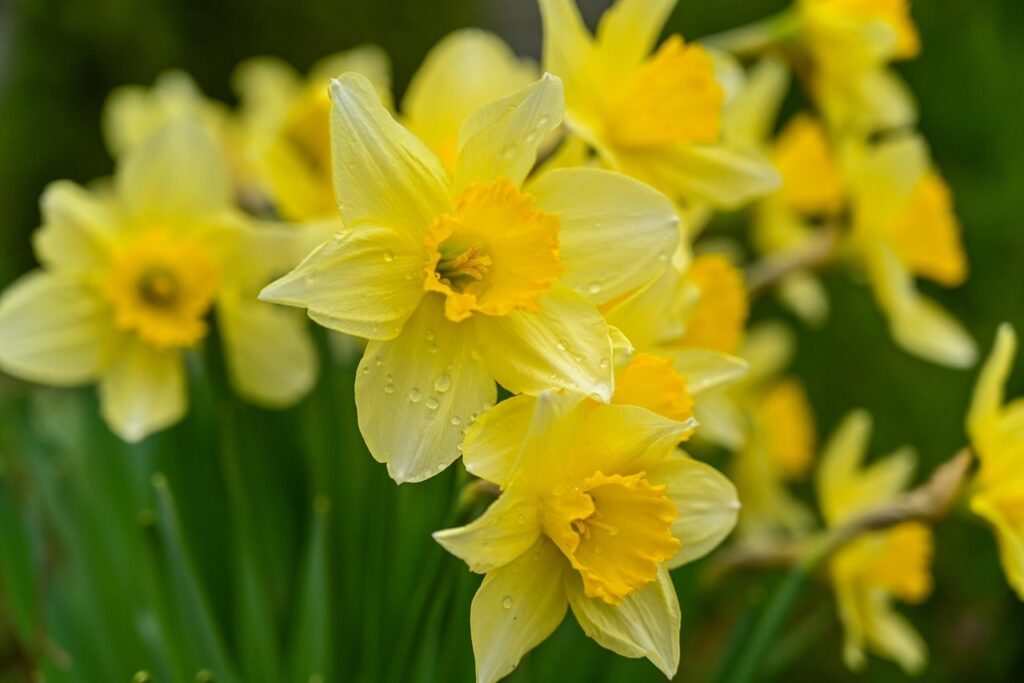
Yes, daffodils are hardy perennials that will return year after year with minimal fuss. Once planted, daffodil bulbs will naturalise and multiply in your garden, producing more flowers each spring for decades. Unlike annual bedding plants that need replacing every year, daffodils are a brilliant investment that rewards you with an increasingly spectacular display season after season.
The beauty of daffodils (Narcissus) is that they’re incredibly low-maintenance once established. Pop ’em in and forget about them, it’s as simple as that! They’re also the most cost-effective of all spring bulbs, especially when bought in 5kg sacks or bags!
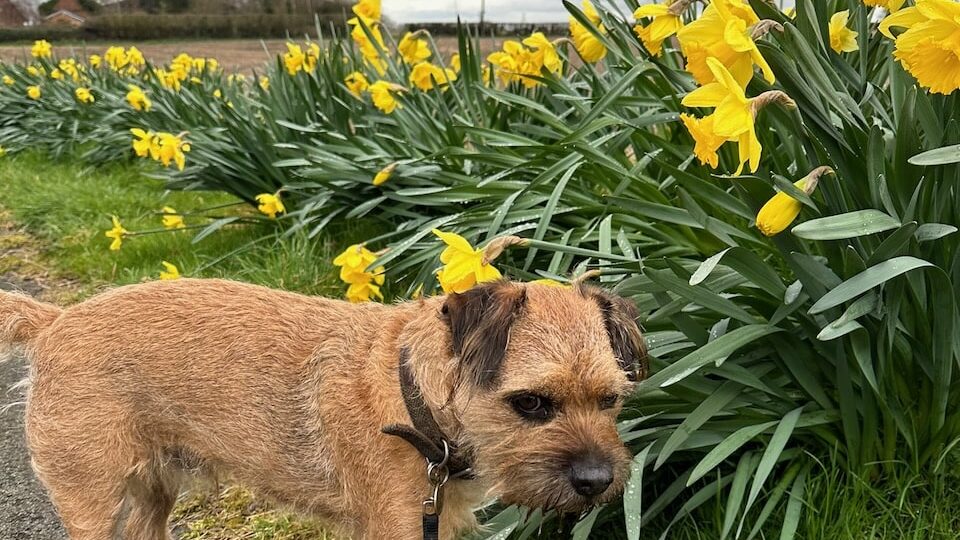
They’re also completely hardy throughout the UK, tolerating our cold, wet winters without any protection whatsoever. This makes them perfect for naturalising in lawns, under trees, in borders, or anywhere you want a reliable splash of spring colour without the annual expense and effort of replanting.
Why Daffodils Are Brilliant for UK Gardens
Having designed gardens across the UK and presented on BBC Garden Rescue, I’ve specified daffodils in countless projects. They tick every box for what makes a great garden plant: they’re affordable, reliable, pest-resistant (deer and rabbits won’t touch them), they can help deter moles, and they multiply freely over time.
The foliage dies back naturally by early summer, so they don’t dominate your garden space, and they’re virtually indestructible once established. Never cut back the foliage before it dies back as this is what builds the energy back into the bulb for the following year’s flowering, this keeps daffodils as perennial plants.
Daffodils are also one of the best bulbs for naturalising, which is gardening speak for creating that gorgeous, informal cottage garden look where plants spread and self-seed naturally.
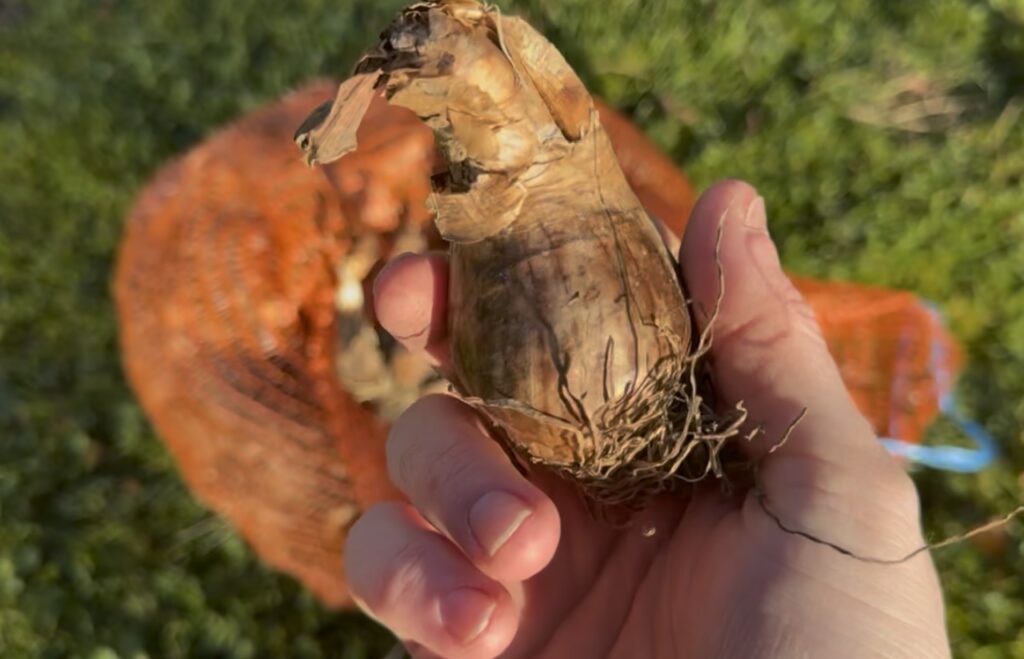
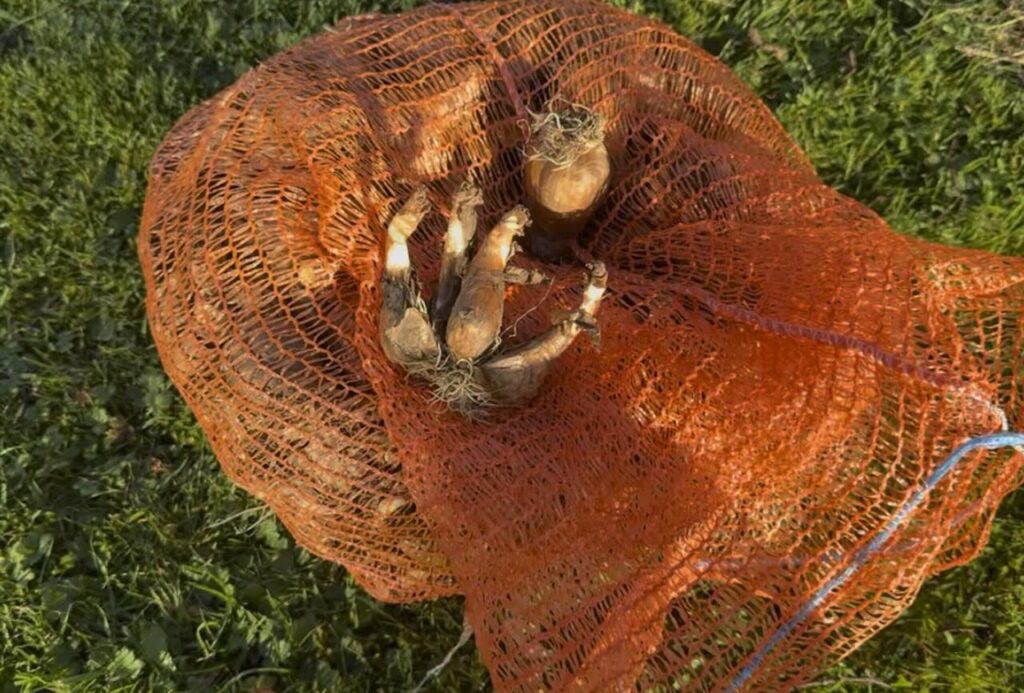
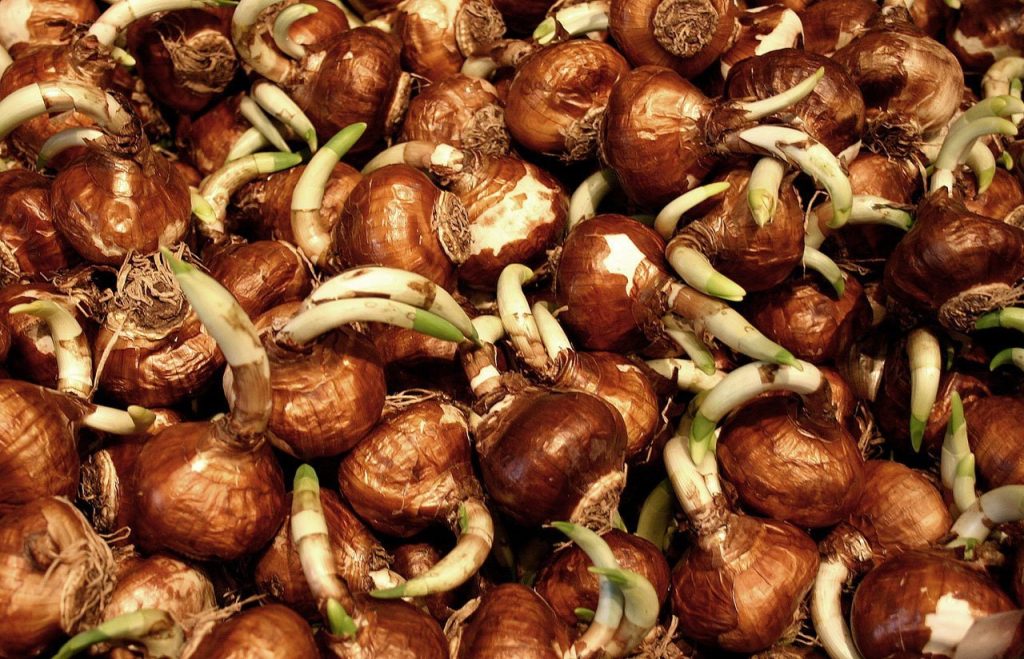
If you’re serious about creating a proper display, forget those tiny nets of six bulbs from the garden centre. I always recommend buying daffodils in 5kg sacks, which typically contain 100 to 150 bulbs depending on the variety.
Not only is this vastly more economical (you’re paying pennies per bulb rather than pounds), but it also gives you enough bulbs to create the kind of impactful drifts that really make a statement.
When naturalising daffodils in grass or under trees, you want to plant in generous clumps rather than regimented rows. Think of how they’d grow in nature, in irregular groups and drifts.
This creates a far more authentic, cottage-garden aesthetic than the traditional, soldier-like lines you see in formal parks. With bulk quantities, you can afford to be generous with your planting, scattering handfuls across an area and planting them where they fall for the most natural effect.
Best Hardy Daffodil Varieties for UK Gardens
Through years of trial and experience, certain daffodil varieties have proven themselves as absolutely bombproof in British conditions. Here are my top recommendations for reliable performers that will naturalise beautifully:
One of the earliest, perfect under deciduous trees
‘Carlton’ deserves special mention as it’s probably the single best daffodil for naturalising in UK gardens. It’s tough as old boots, multiplies enthusiastically, and produces masses of classic golden-yellow blooms that epitomise spring. I’ve planted thousands of these over the years, and they’ve never let me down. For creating meadow-style plantings or large swathes under trees, you honestly can’t go wrong with ‘Carlton’ bought in bulk.
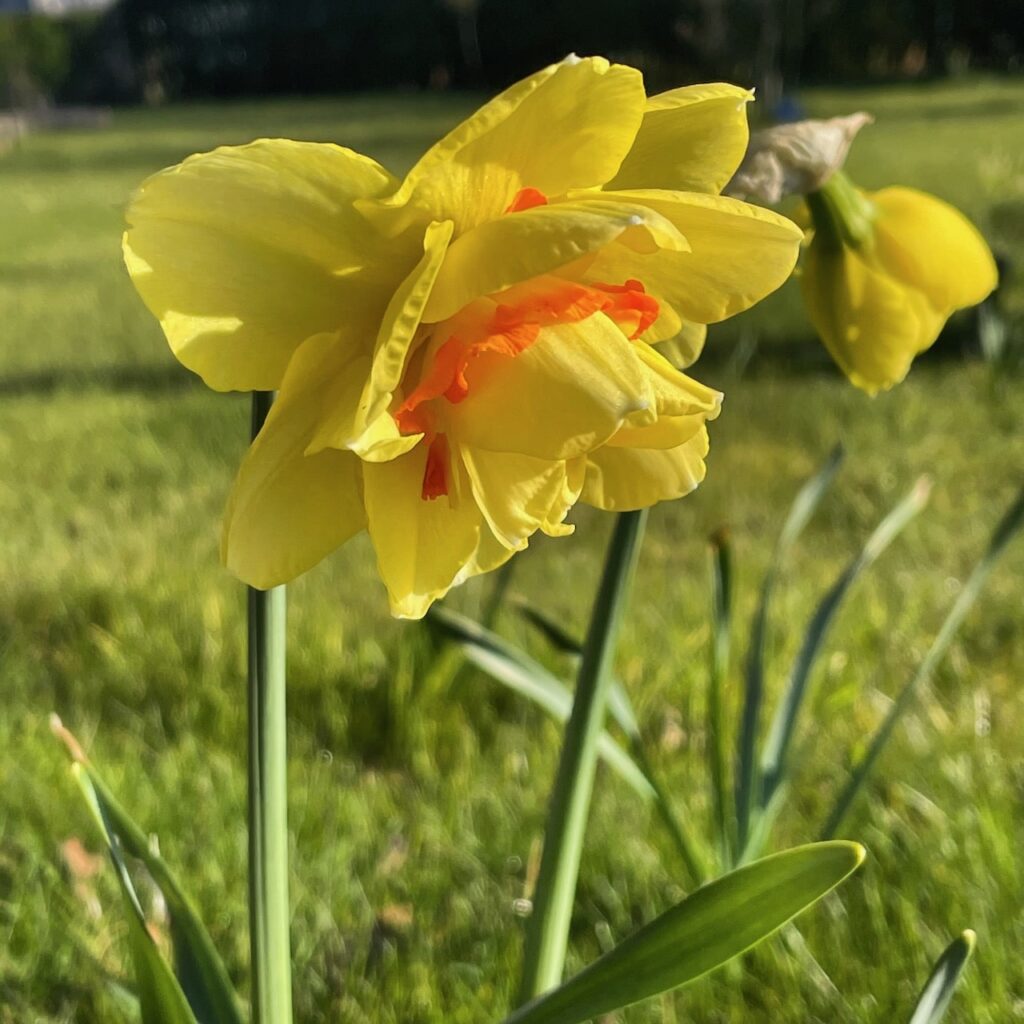
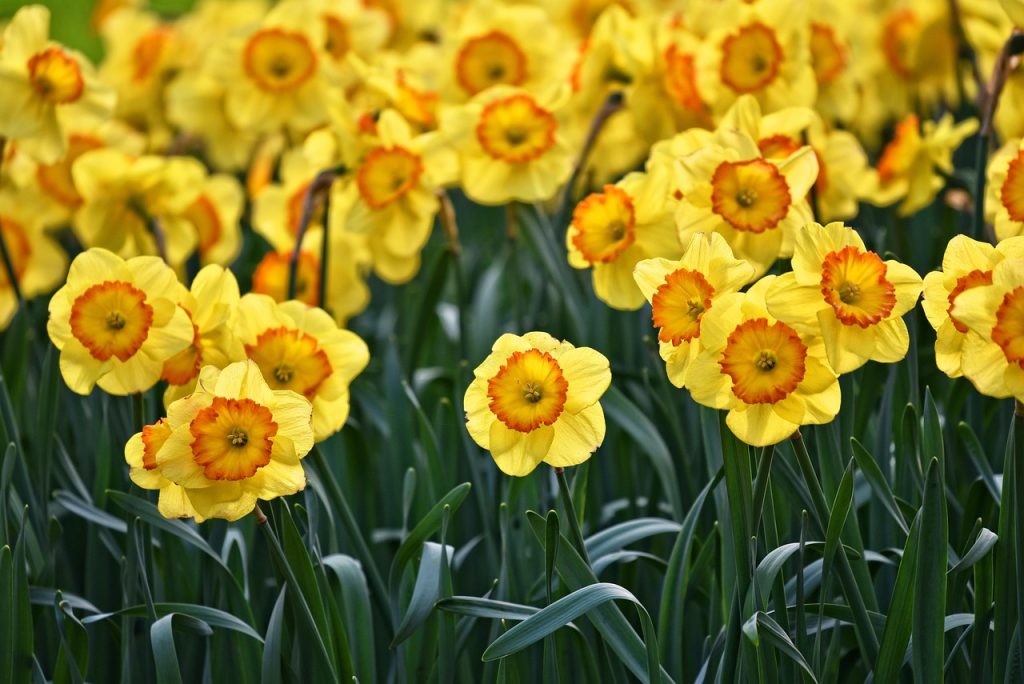
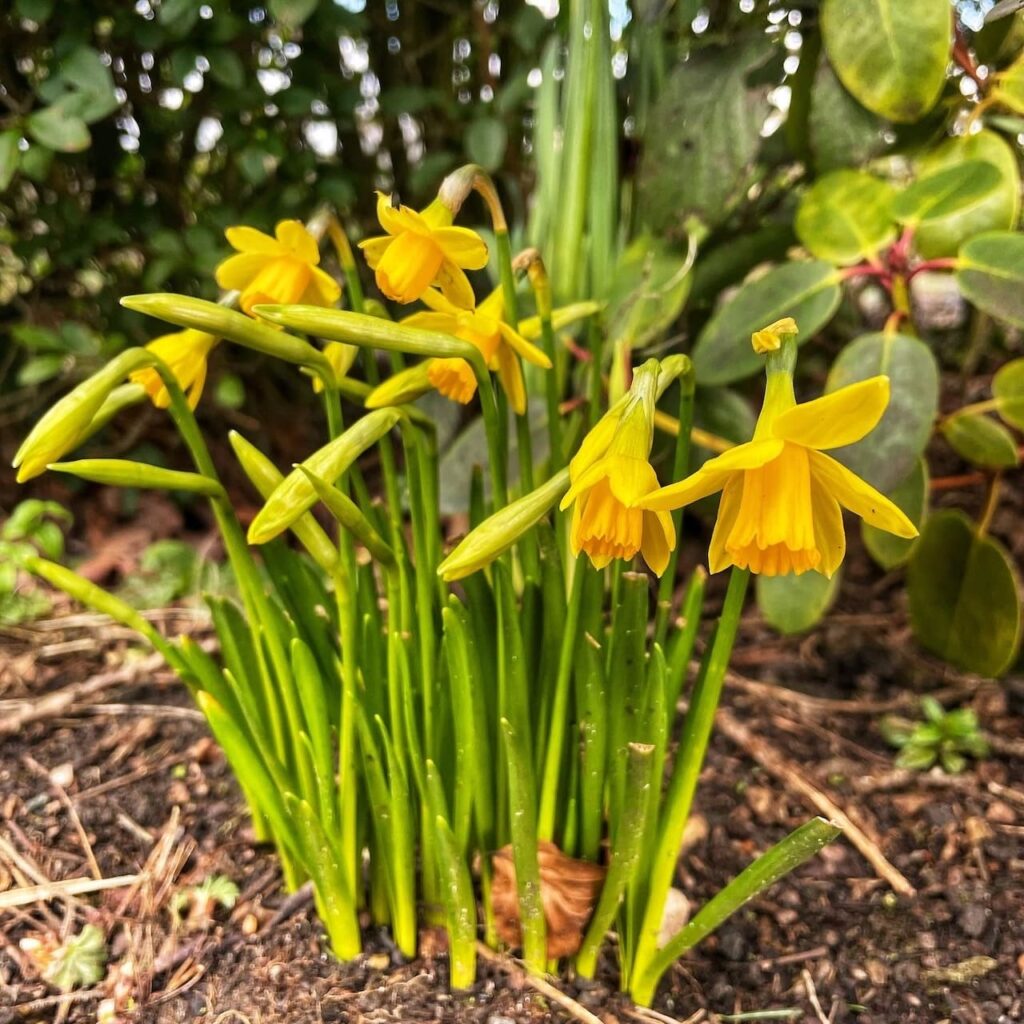
For a more contemporary look, consider mixing varieties with different flower forms and colours. Combining traditional trumpet daffodils with split-corona varieties like ‘Orangery’ or delicate multi-headed types like ‘Thalia’ creates layers of interest and extends your flowering season from February right through to late April.
When to Plant Daffodil Bulbs
The golden rule for planting daffodils in the UK is to get them in the ground between September and November, with October being the ideal time. This gives the bulbs time to establish a sound root system before winter sets in, which is crucial for strong spring flowering.
I always aim to have mine planted by the end of October, although you can still plant daffodil bulbs into early December if you’ve been caught off guard by the weather or other commitments.
Avoid planting too early (like August) when the soil is still warm, as this can cause premature root growth that’s then damaged by winter cold. Equally, please don’t leave it too late into winter, as bulbs need those autumn weeks to get established.
If you do find yourself with unplanted bulbs in January or February, plant them anyway, as they’ll usually still flower, just perhaps not as vigorously in their first year.
What If You’ve Missed the Planting Window? Late Spring Planting Explained
Life happens, and sometimes those bags of daffodil bulbs get shoved to the back of the shed or forgotten in the garage. If you’ve found yourself in March with a bag of unplanted daffodils that are already sprouting, you’re facing a common gardening dilemma. The good news is that you should absolutely plant them now rather than waiting until the following autumn.
When bulbs are lifted from the ground, they have a finite amount of stored energy, moisture and life in them. This is precisely why they’re lifted when dormant and not actively growing. However, most spring bulbs will only last 6 to 9 months out of the ground before they deteriorate beyond recovery. Daffodils that have been sitting in storage since the previous autumn are using up their reserves, and by spring, they’re running on borrowed time.
Yes, you may lose a few bulbs by planting in March, April, or even early May, but you’ll lose all of them if you wait until September. It’s really that simple. Get them in the ground as soon as possible, even if they’re already sprouting green shoots. Those shoots may look delicate, but daffodils are remarkably tough plants, and they’ll usually recover from the shock of late planting.
The Critical Difference with Late Planted Bulbs
Here’s the vital point that many gardeners miss when planting sprouted bulbs in spring. These late-planted daffodils won’t have an established root system yet, which means they’re entirely dependent on you for water and sustenance during their first growing season. Unlike bulbs planted in autumn that have had months to develop roots and establish themselves before flowering, your late-planted bulbs are essentially running a marathon without proper training.
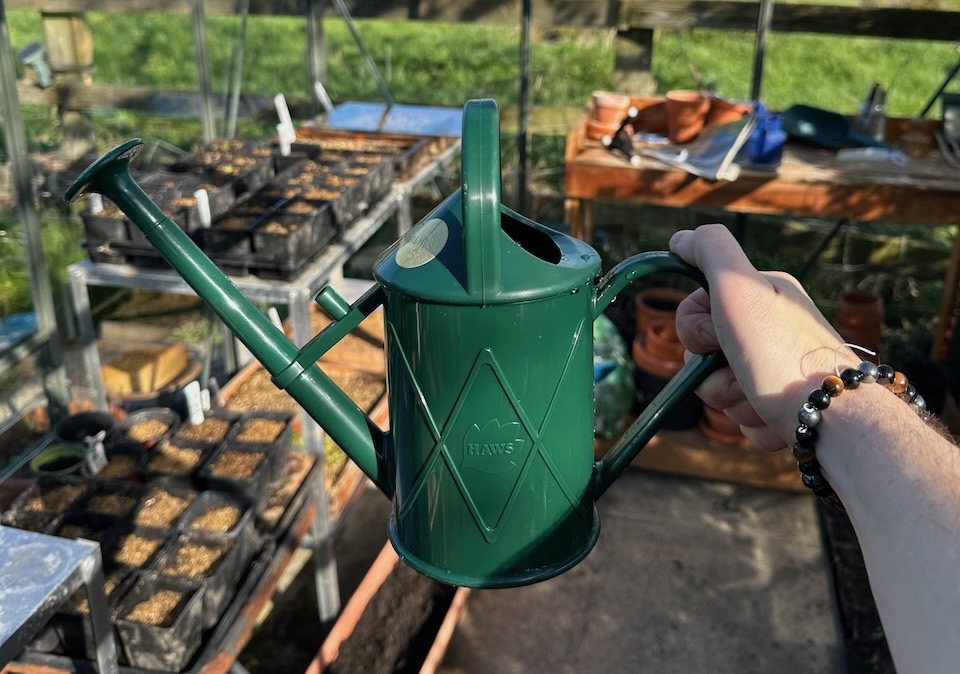
Water them thoroughly after planting, ensuring the soil around each bulb is well soaked. Then continue watering every two weeks, minimum, for the first two months or so. This regular watering should continue until all the other spring-flowering bulbs in your garden, such as established daffodils and crocuses, have finished flowering and their foliage has started to die back naturally. Only then can you ease off the watering regime.
Without this consistent moisture, late planted bulbs simply won’t have the resources to flower well or build up sufficient energy reserves for the following year. It’s the one area where late planted bulbs need significantly more attention than those put in during the proper autumn planting window.
Will They Flower This Year?
This is the question everyone asks about late planted daffodils. The honest answer is that it depends on several factors, including how late you’re planting, how much the bulbs have sprouted, and what condition they’re in. Bulbs planted in March or even early April will often still produce flowers, particularly if they’re robust varieties like Carlton or Ice Follies. The blooms might be slightly smaller or appear a bit later than established clumps, but they’ll usually put on some sort of show.
Bulbs planted any later than mid April are increasingly unlikely to flower in their first season, simply because they won’t have sufficient time to complete their growth cycle before the weather warms up and they naturally go dormant. However, this doesn’t mean you shouldn’t plant them. Even if they don’t flower in year one, getting them into the ground allows them to establish properly and build up energy reserves for a proper display the following spring.
The key thing to remember is that daffodils are perennials playing the long game. A disappointing first year from late-planted bulbs doesn’t indicate future failure. Once they’re in the ground with a full season to settle, they’ll behave exactly like autumn-planted bulbs, returning reliably year after year with increasingly impressive displays.
How to Store Bulbs If You Absolutely Must Wait
Sometimes, circumstances genuinely prevent immediate planting. Perhaps you’re mid house move, the ground is frozen solid, or you’re dealing with waterlogged soil that would rot the bulbs. In these rare situations where planting immediately isn’t possible, proper storage becomes critical.
Keep unplanted bulbs in a cool, dry, dark location with good air circulation. A garage, shed, or unheated spare room works well. Avoid anywhere that gets too warm or experiences temperature fluctuations, as this encourages premature sprouting and saps the bulbs’ energy reserves. Never store them in sealed plastic bags, as this traps moisture and promotes rot. Instead, use paper bags, cardboard boxes, or mesh bags that allow air movement.
Check stored bulbs weekly. Any that feel soft, show signs of mould, or smell unpleasant should be discarded immediately before they infect healthy bulbs. If you see green shoots emerging, that’s your cue to get them planted as soon as physically possible, regardless of the calendar date.
However, I cannot stress enough that storage should be a last resort rather than a plan. The longer bulbs sit out of the ground, the more their vigour declines. Every week in storage is a week of declining reserves and reduced flowering potential. When spring arrives, and you’ve still got unplanted bulbs, plant them immediately rather than trying to store them through summer for autumn planting.
How to Plant Daffodil Bulbs: The Practical Method
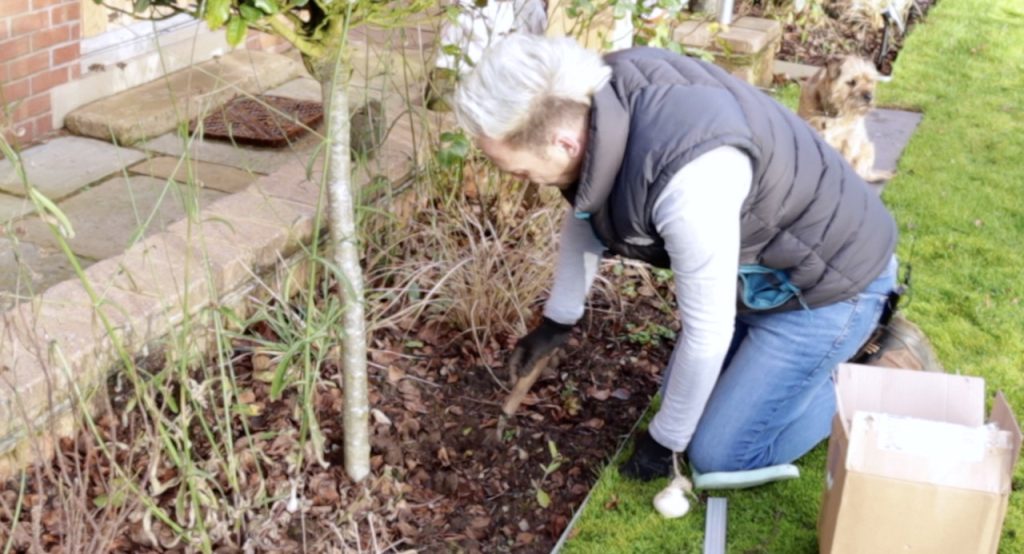
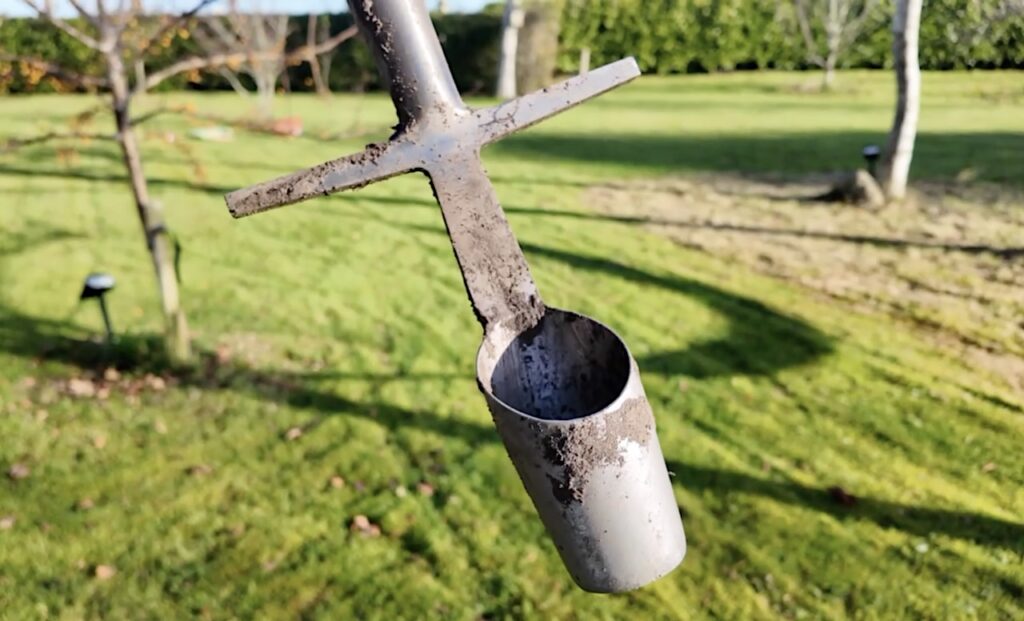
Here’s where having the right tools makes all the difference. After planting thousands of bulbs literally over my career, I can tell you that a proper bulb planter is worth its weight in gold. Not the flimsy hand-held ones that bend after ten bulbs, but a long-handled, heavy-duty bulb planter like the Sneeboer model I’ve featured on my YouTube channel and social media.
Well-made, sharp metal bulb planters are an absolute game-changer for anyone planting bulbs in quantity. The T-shaped handle gives you brilliant leverage, the sharp cutting edge slices through turf and soil like butter, and the depth markings ensure consistent planting.
Yes, they’re an investment compared to cheaper alternatives, but after planting your first hundred bulbs, you’ll understand why I rate them so highly. My Sneeboer planter is one of the best bulb planting tools I’ve ever had, whereas I’ve gone through countless cheaper versions that bent, broke, or simply didn’t cut cleanly.
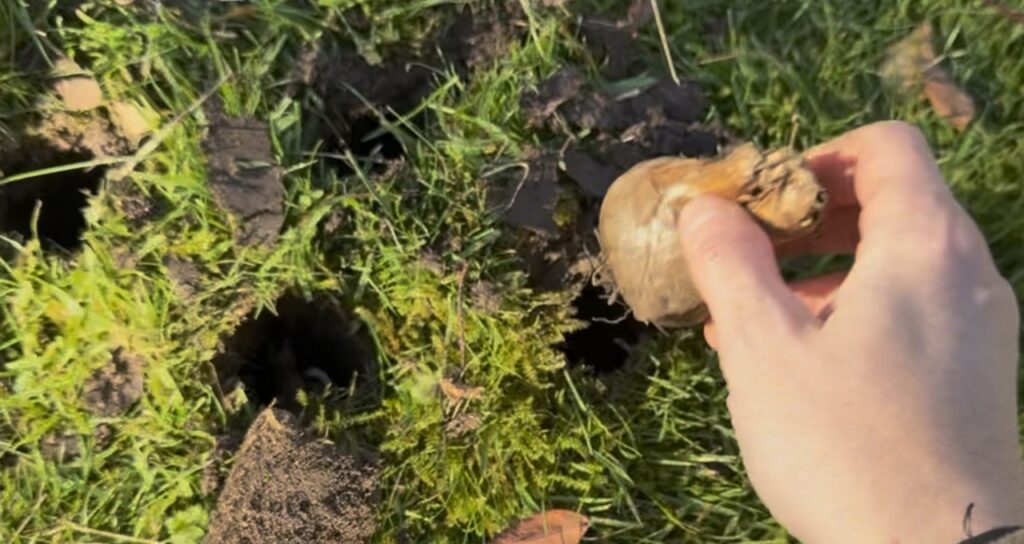
The technique is straightforward: push the planter vertically into the soil using your foot on the footrest, twist slightly, and pull up to remove a neat core of soil and turf.
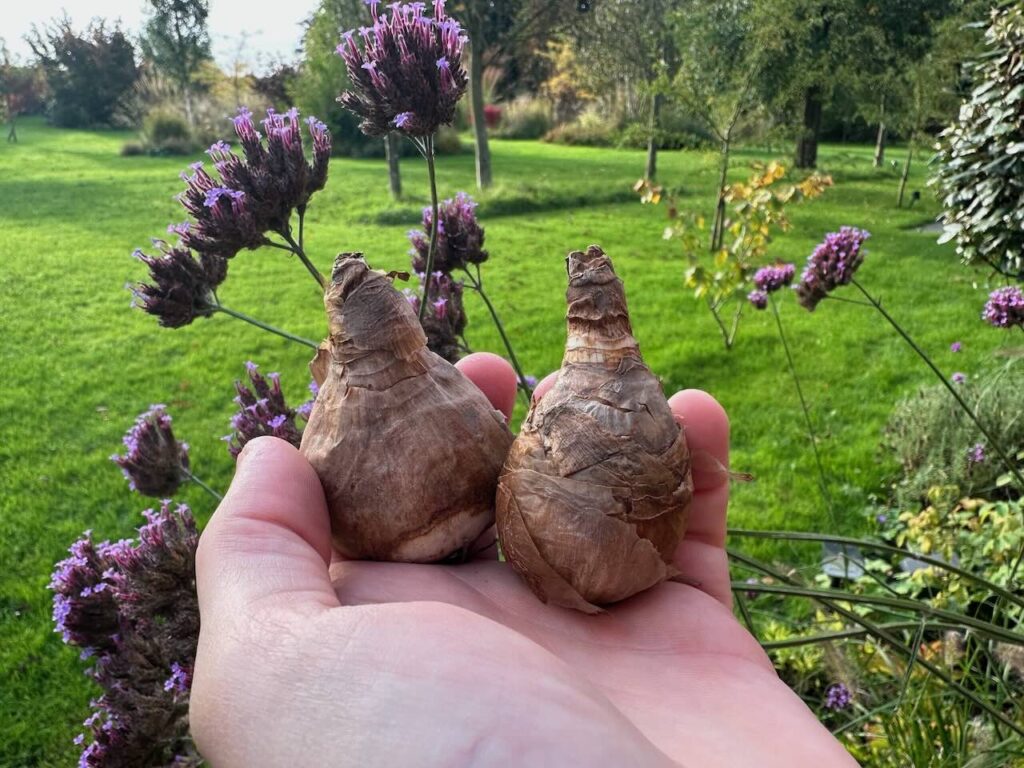
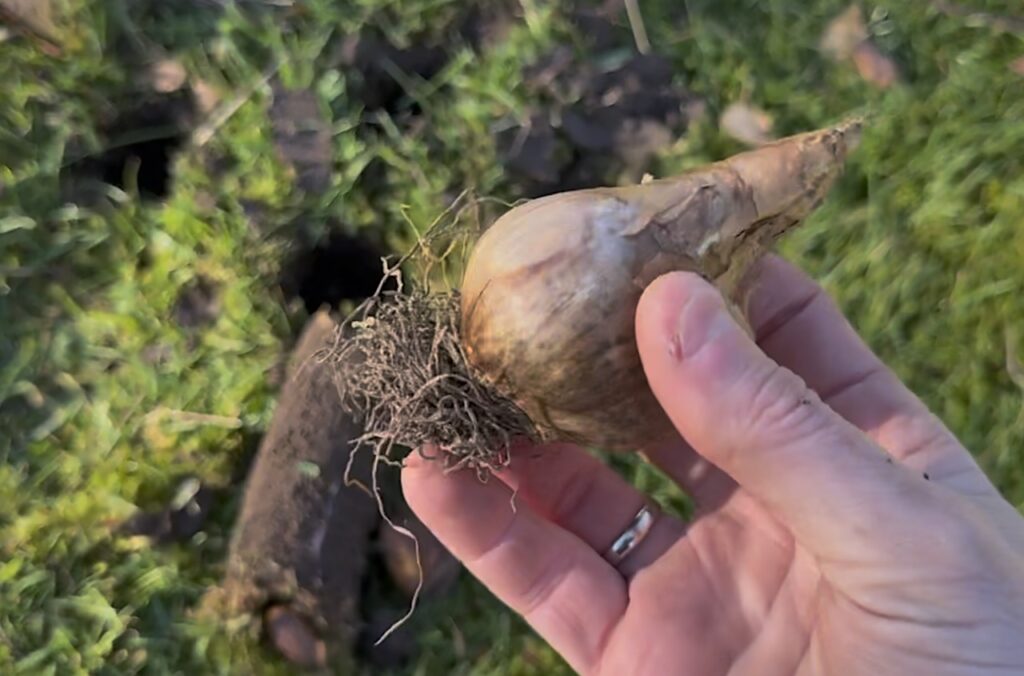
Drop your bulb into the hole pointy end up (the nose knows!), then pop the soil core back on top and firm it down with your foot. For daffodils, you want to plant them roughly three times their own depth, which typically means about 15cm deep for standard-sized bulbs.
Planting Depth and Spacing Guide
Bulb Size
Planting Depth
Spacing Between Bulbs
Miniature varieties (Tête-à-Tête)
10cm
7-10cm
Standard varieties (Carlton, Ice Follies)
15cm
10-15cm
Large varieties
20cm
15cm
When naturalising in grass, I like to plant bulbs in irregular groups, varying the spacing slightly to avoid the planted-in-rows look. Scatter a handful of bulbs over an area and plant them roughly where they land, adjusting only if they’re touching or ridiculously far apart. This random spacing looks far more authentic as the bulbs establish and multiply.
Essential Aftercare for Perennial Success
The secret to daffodils performing as true perennials is incredibly simple: let the foliage die back naturally.
I know those yellowing leaves look untidy for six weeks after flowering, but this is absolutely critical. The leaves are photosynthesising and feeding the bulb underground, storing energy for next year’s flowers. Cut them off prematurely, and you’ll get fewer blooms or none at all the following spring.
Rather than cutting or tying the foliage in knots (which reduces the leaf surface area and hampers photosynthesis), simply tolerate it for those few weeks. Plant later-flowering perennials around your daffodils that will grow up and disguise the dying foliage naturally.
Hardy geraniums, aquilegias, or emerging hostas all work brilliantly for this purpose. In lawns, delay your first mow until at least six weeks after flowering, or even better, mark out the daffodil areas and mow around them.
After flowering, snap off the spent flower heads to prevent seed production, which wastes the bulb’s energy. However, this isn’t essential if you’re naturalising hundreds of bulbs, as it’s simply not practical. The bulbs will still perform well without deadheading, just perhaps not quite as vigorously.
Feed your daffodils in spring, just as the shoots emerge, with a general-purpose fertiliser or a specific bulb feed. This gives them a boost for flowering and helps build strong bulbs for the following year. A single spring feed is sufficient; they don’t need ongoing fertilisation like bedding plants.
Naturalising Daffodils: Creating That Cottage Garden Look
Naturalising is where daffodils truly shine as perennials. In my own Exploding Atom Garden, I’ve got drifts of daffodils that have been multiplying for over ten years, creating increasingly spectacular displays with zero intervention beyond the occasional spring feed. The key is choosing the right locations and planting generously from the start.
Drifts of at least 50 bulbs create an impact, but if you have the space and budget, planting 100 or more bulbs in sweeping, irregular groups produces genuinely breathtaking results.
Under deciduous trees is particularly effective, as the daffodils flower and complete their lifecycle before the tree canopy fully leafs out and creates shade. This also helps suppress grass and weeds in that tricky tree-base area where little else will grow.
Meadow-style plantings are another brilliant approach. Let an area of lawn grow longer in spring, mow paths through it, and naturalise daffodils throughout. Once the foliage has died back completely by June, you can either cut the whole area or continue with a wildflower meadow approach, leaving it uncut until late summer. This creates a fantastic wildlife habitat alongside your spring bulb display.
In borders, plant daffodils between deciduous perennials that emerge later. The daffodils flower early, whilst the perennials are still dormant, then the perennial foliage grows up to hide the dying daffodil leaves. It’s a brilliantly efficient use of space that gives you two seasons of interest from the same patch of ground.
Common Problems and Solutions
Daffodils are remarkably problem-free compared to most garden plants, but occasionally issues crop up:
i) Blind bulbs (foliage but no flowers)
This is usually the result of premature foliage removal the previous year, overcrowding after many years, or planting too shallowly. Lift and divide congested clumps every 4-5 years, replanting immediately at the correct depth with added organic matter.
ii) Narcissus bulb fly
These flies occasionally attacks bulbs, causing them to rot. Affected bulbs feel soft and squishy. Remove and destroy them, as there’s no treatment. Prevention involves covering foliage with horticultural fleece in May when the adult flies are active and laying eggs.
iii) Basal rot shows as yellowing, stunted foliage.
It’s a fungal disease more common in wet, poorly-drained soils. Improve drainage, avoid planting in consistently soggy spots, and remove affected bulbs promptly to prevent spread.
The wonderful thing about daffodils being toxic to most pests means you’ll never have issues with deer, rabbits, or mice eating them, unlike tulips, which are absolute pest magnets. This makes daffodils particularly valuable in rural gardens where wildlife predation can decimate other spring bulbs.
Learn More About Garden Design
I developed my online learning platform to help all gardeners make the most out of their gardens no matter what their budget. My Garden Design for Beginners course at £199 provides comprehensive training on design principles, layout planning, and planting strategies specifically for small spaces, including squares.
You’ll learn the same principles I use professionally, adapted for self-builders working within realistic budgets. Alternatively, my 30 Garden Design Templates course includes multiple square garden designs with complete planting plans you can adapt to your specific plot, taking the guesswork out of creating professional-looking results.
29
Garden Design Examples for Small Gardens: 30 Design Templates & Planting Plans
Garden Design Examples for Small Gardens: 30 Design Templates & Planting Plans: In this online gardening course, I’ll walk you through 30 fantastic garden designs, explaining the logic behind the layout, the plant choices, and take-home tips for applying them in your own garden.
Weekend Garden Makeover: A Crash Course in Design for Beginners
Learn how to transform and design your own garden with Lee Burkhills crash course in garden design. Over 5 hours Lee will teach you how to design your own dream garden. Featuring practical design examples, planting ideas and video guides. Learn how to design your garden in one weekend!
Garden Design for Beginners: Create Your Dream Garden in Just 4 Weeks
Garden Design for Beginners Online Course: If you want to make the career jump to becoming a garden designer or to learn how to design your own garden, this is the beginner course for you. Join me, Lee Burkhill, an award-winning garden designer, as I train you in the art of beautiful garden design.
As true perennials, daffodils will reward you for decades with minimal input. I’ve got clumps in my garden that were planted when I first moved in nearly ten years ago, and they’re still going strong, having doubled and trebled in size. This longevity makes them one of the best-value plants you can possibly grow.
The investment in a quality bulb planter and buying bulbs in bulk quantities transforms what could be a tedious chore into an enjoyable autumn ritual. There’s something deeply satisfying about planting for the future, knowing that each bulb you put in the ground will multiply and return year after year, creating an increasingly impressive display.
In our throwaway culture of annual bedding that ends up in the compost every autumn, daffodils represent proper sustainable gardening that builds beauty over time.
So grab those 5kg sacks, invest in a decent bulb planter, and get planting this autumn. Your future self will thank you every spring when those cheerful yellow blooms return like clockwork, reminding you why daffodils are one of the finest perennials for British gardens.
Lee Burkhill, known as the Garden Ninja, is an award-winning garden designer and horticulturist with over 30 years of gardening experience and 15 years as a professional garden designer. A qualified RHS (Royal Horticultural Society) professional, Lee specialises in sustainable garden design and practical horticultural advice. He designs and presents on BBC1’s Garden Rescue and in leading gardening publications. Lee combines three decades of hands-on gardening knowledge with professional design qualifications to help gardeners create beautiful, functional outdoor spaces.