-
Edimentals: Beautiful Plants You Can Actually Eat
 Lee Burkhill: Award Winning Designer & BBC 1's Garden Rescue Presenters Official Blog
There's a new phrase in the world of gardening: edimentals. Beautiful ornamental plants that you can eat. I'm going to walk you through my top plant choices that are edible and ornamental so you can make the most of of your gardens with plants that have a dual purpose!
What are edimentals? Edimentals are plants that deliver double duty in your garden by being both edible and ornamental. These stunning specimens blur the boundaries between decorative planting and productive growing, giving design-conscious gardeners the best of both worlds without compromise.
After 35 years of hands-on gardening and designing hundreds of urban gardens across the North West, I’ve witnessed a fascinating shift in how people approach their outdoor spaces. Gone are the days when you had to choose between a picture-perfect garden and one that puts food on your table.
The edible revolution is here, and I couldn’t be happier that people are growing a mix of ornamentals and edibles together. Gone are the days of beauty or productivity in garden design and planting!
In my own Garden Ninja HQ trial garden, I’ve been experimenting with edimentals for years now, and I can tell you from first-hand experience that these plants have completely transformed how I design modern gardens. Whether you’re working with a tiny courtyard in Manchester or a sprawling plot in Cheshire, edimentals offer an elegant solution to the age-old gardening dilemma: productive or pretty?
The answer, my fellow Garden Ninjas, is brilliantly both.

Why Edimentals Are Perfect for UK Gardens
The British gardening landscape has evolved dramatically. We’re no longer satisfied with boring rows of vegetables tucked away behind the shed, nor do we want purely ornamental gardens that offer nothing but a view. Modern gardeners want sustainable, functional spaces that look absolutely stunning whilst providing fresh, homegrown produce. This is precisely where edimentals excel.
Throughout my work on BBC’s Garden Rescue and in private garden design projects, I’ve seen the hunger for multi-functional planting schemes grow exponentially. People are realising that sustainability doesn’t mean sacrificing style. In fact, some of the most architecturally striking plants I specify in my designs happen to be completely edible. From a design perspective, this opens up incredible possibilities for creating gardens with genuine year-round interest that also feed you and support wildlife.
The practical benefits are enormous too. Edimentals typically require the same maintenance as conventional ornamentals but reward you with harvests. They integrate seamlessly into existing borders, look fantastic in contemporary planting schemes, and many are absolute bee magnets. In my experience, once clients understand what edimentals can offer, there’s no going back to purely decorative planting.
Top 10 Edimentals for UK Gardens
Based on my trial gardens and design work across diverse UK climates, here are the edimentals that consistently deliver outstanding ornamental value alongside reliable harvests. These aren’t trendy Instagram plants that look pretty for five minutes – these are tough, proven performers that have earned their place in British gardens through decades of cultivation.
| Plant Name | Ornamental Appeal | Edible Parts & Flavour |
|---|---|---|
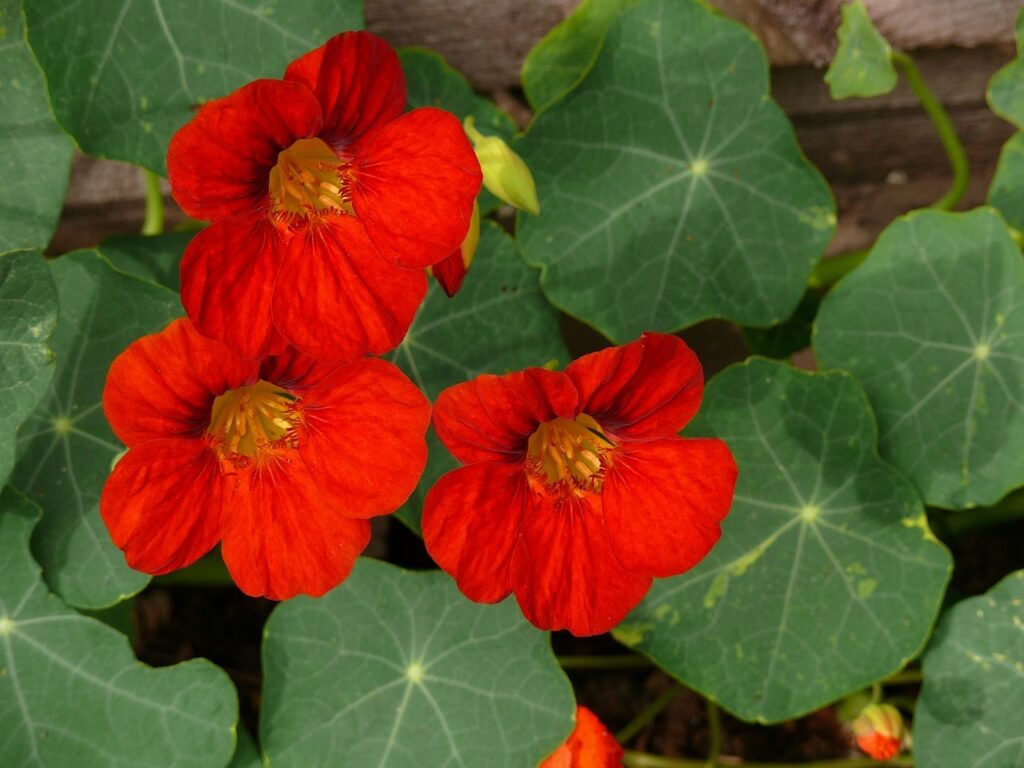
| Nasturtium (Tropaeolum majus) | Vibrant orange, yellow and red flowers. Trailing or climbing habit. Flowers June-October. | Leaves, flowers and seeds all edible. Peppery, watercress-like flavour. Seeds make excellent caper substitutes. |
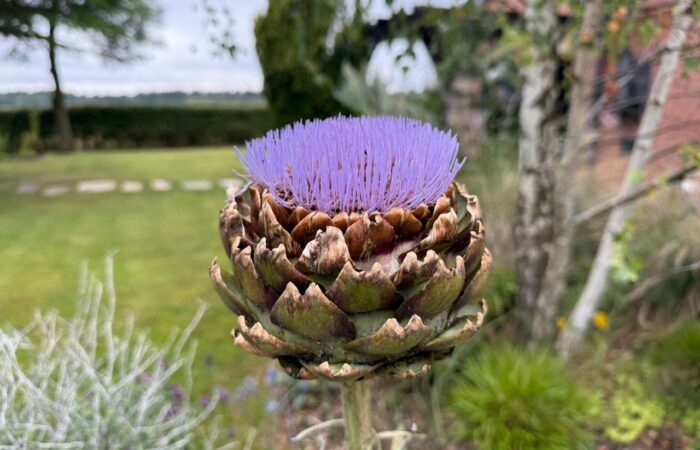
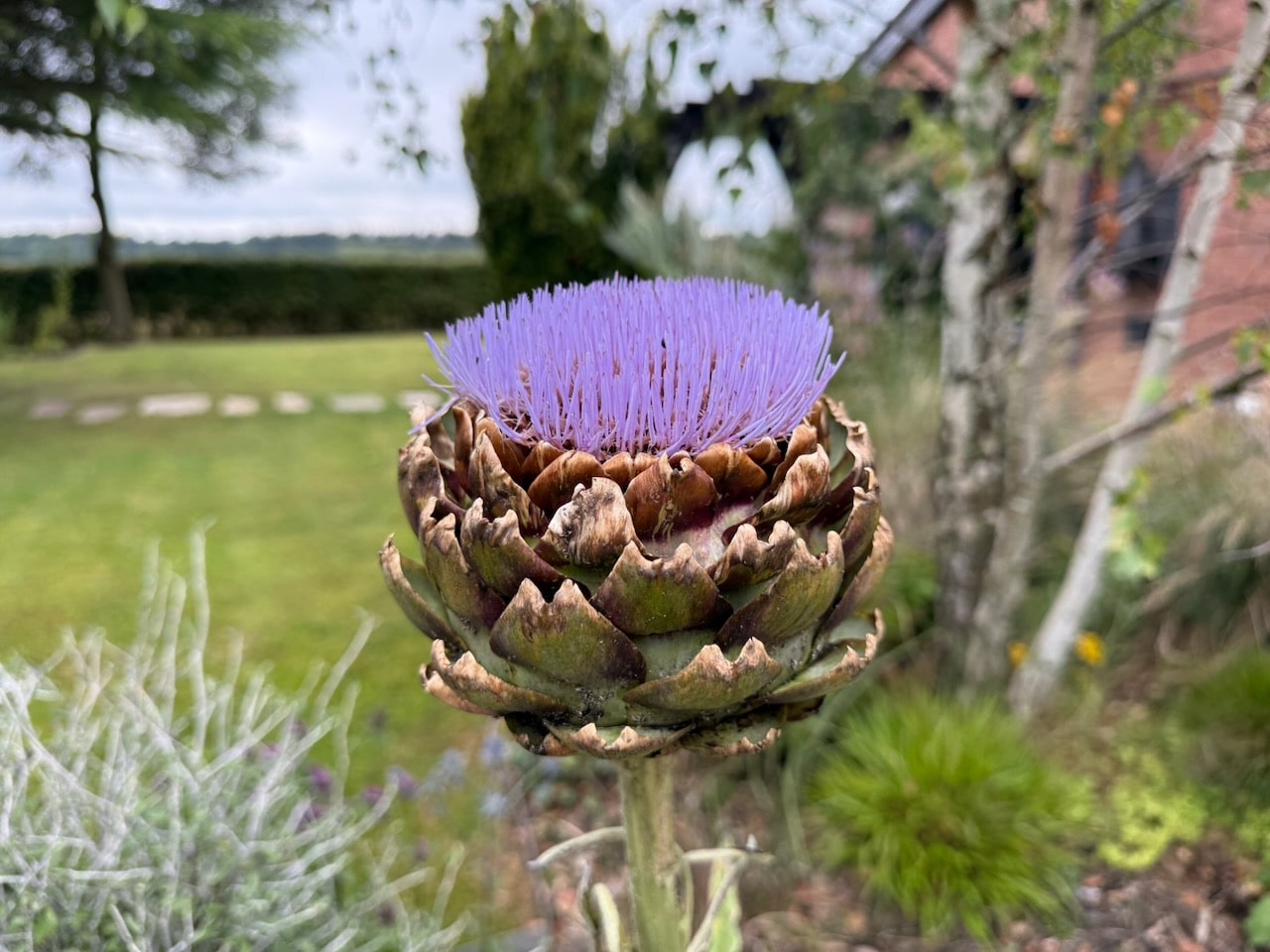
| Globe Artichoke (Cynara cardunculus) | Architectural silver foliage reaching 1.5m. Spectacular purple thistle flowers. Dramatic structural plant. | Leaves, flowers and seeds are all edible. Peppery, watercress-like flavour. Seeds make excellent caper substitutes. |
| Rainbow Chard (Beta vulgaris) | Immature flower buds steamed or roasted. Rich, nutty flavour. Hearts are a culinary delicacy. | Stunning multi-coloured stems in red, yellow, orange and pink. Bold foliage creates a tropical effect. |
| Society Garlic (Tulbaghia violacea) | Delicate pink-purple flowers on tall stems. Agapanthus-like blooms. Flowers all summer into autumn. | Bicoloured red and white flowers. Fast-growing climber to 2.5m. Victorian cottage garden classic. |
| Runner Bean ‘Painted Lady’ | Large trumpet flowers in orange, yellow, and red. Architectural strap-like foliage. Flowers June-August. | Flowers and leaves with a subtle garlic flavour. Doesn’t linger on breath. Perfect for salads. |
| Day Lily (Hemerocallis) | Leaves cooked like spinach. Stems are used separately. Mild, earthy flavour. Continual harvest. | Young flower buds and open petals. Fleshy, crunchy texture. Adds dimension to salads. |
| Chicory (Cichorium intybus) | Stunning bright blue flowers on tall stalks reaching 1m. Architectural presence. Wildflower aesthetic. | Star-shaped, brilliant blue flowers. Grey-green foliage. Self-seeds readily. Cottage garden charm. |
| Borage (Borago officinalis) | Flowers taste like cucumber. Leaves in Pimm’s. Young leaves are used in salads. Bee magnet. | Young pods are eaten fresh or preserved. Older beans shelled. Sweet, beany flavour. |
| Courgette ‘Romanesco’ | Large architectural leaves. Spectacular yellow trumpet flowers. Sprawling sculptural habit to 1m. | Young fruits and male flowers. Fruits mild and versatile. Flowers stuffed or in salads. |
| Cavolo Nero (Kale) | Dark blue-green blistered leaves. Architectural upright form to 90cm. Winter structural interest. | Leaves picked continually. Sweeter after frost. Robust cabbage flavour. Nutrient powerhouse. |
| Cardoons (Cynara cardunculus) | Magnificent silvery-grey serrated leaves to 1.5m. Spectacular purple thistle flowers. Even more architectural than globe artichokes. | Leaves are picked continually. Sweeter after frost. Robust cabbage flavour. Nutrient powerhouse. |
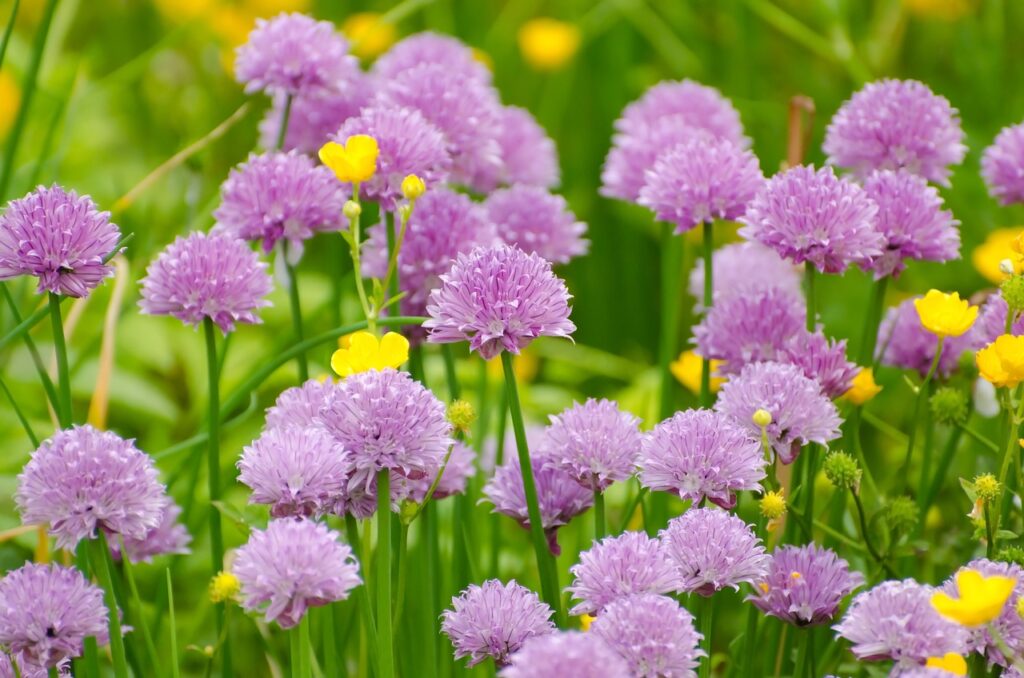
| Chives (Allium schoenoprasum) | Purple pompom flowers loved by pollinators. Neat grass-like clumps. Flowers May-July. Perfect edging plant. | Blanched leaf stems and ribs can be eaten. Artichoke-like flavour. Labour-intensive but delicious. Flower buds are also edible. |
| Sorrel ‘Bloody Dock’ (Rumex sanguineus) | Striking leaves with deep red veining. Low clump-forming habit to 30cm. Looks stunning in shade. Rich burgundy colour. | Leaves snipped continually for mild onion flavour. Flowers are edible and beautiful in salads. Entirely hassle-free. |
Design Principles for Edimental Gardens
Creating a successful edimental garden isn’t just about cramming edible plants into your borders and hoping for the best. Through my design work, I’ve developed some key principles that ensure edimentals look intentional rather than accidental. The secret lies in treating edible plants with the same design consideration you’d give to any premium ornamental.
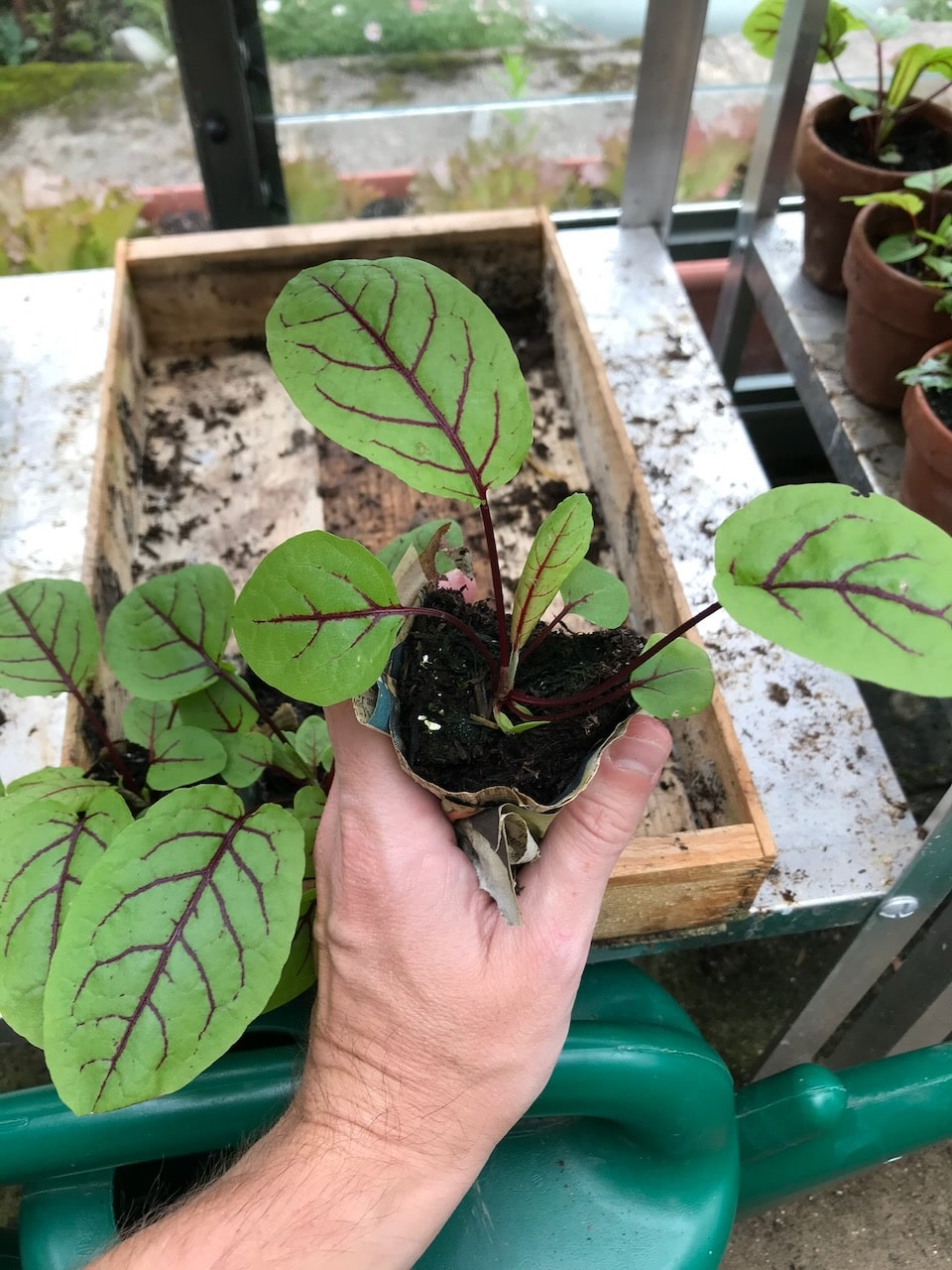
Start by considering form, texture and colour just as you would in a purely ornamental scheme. Globe artichokes, for instance, provide that crucial architectural element that every well-designed border needs. I often position them as focal points, with their magnificent silver foliage creating contrast against darker planting. Similarly, rainbow chard’s vibrant stems can be deployed as you would use a colourful heuchera, bringing jewel-like tones to the front of borders where they catch the light beautifully.
? Garden Ninja Tip: Think about succession planting from a design perspective. In my Manchester gardens, I interplant spring bulbs with summer edimentals. As tulips fade, nasturtiums take over, followed by late-season kale providing winter structure. This ensures your borders never look bare whilst maintaining continual harvests.
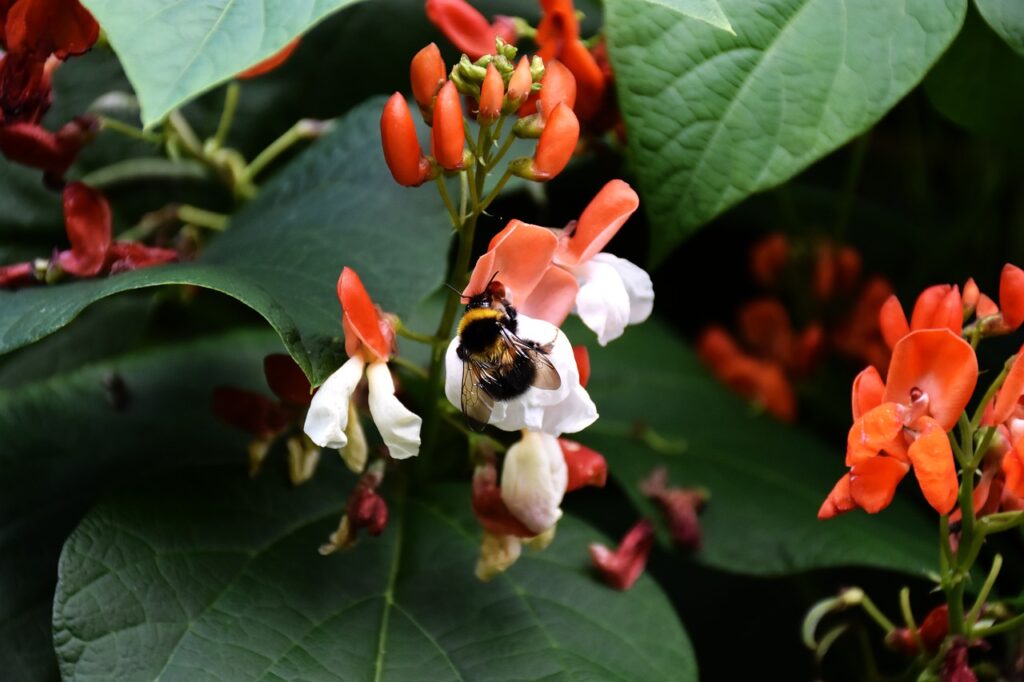
Height variation is absolutely crucial. Use climbing edimentals like runner beans on obelisks or tripods to create vertical interest, exactly as you would with sweet peas. Position taller edimentals like chicory and globe artichokes at the back of borders, with mid-height plants like day lilies in the middle, and ground-hugging herbs at the front. This traditional tiered approach works beautifully with edimentals.
Integrating Edimentals into Existing Borders
One question I’m constantly asked is how to introduce edimentals without completely redesigning existing gardens. The answer is simpler than you might think. Start small by swapping out a few conventional ornamentals for edible alternatives. Replace that tired lavender with society garlic. Substitute standard bedding with rainbow chard. Swap ornamental alliums for edible chive varieties. These simple substitutions maintain your garden’s aesthetic whilst boosting productivity.
In shadier spots, consider edimentals like perpetual spinach, wild rocket or even hostas (yes, they’re edible in Asian cuisine!). For sunny borders, Mediterranean edibles like rosemary, thyme and sage offer fantastic foliage structure alongside culinary utility. The key is matching the right edimental to your garden’s existing conditions rather than fighting against them.
Practical Growing Advice from the Trial Gardens
Let me share some hard-won wisdom from years of growing edimentals in the often challenging North West climate. First and foremost, soil preparation is non-negotiable. These plants need to thrive as ornamentals whilst producing crops, which demands good fertility. I always incorporate plenty of well-rotted compost or manure before planting, ensuring the soil is rich enough to support both beautiful growth and productive harvests.

Watering strategy differs slightly from purely ornamental planting. Edimentals generally require consistent moisture to produce tender, flavourful growth. This doesn’t mean waterlogging them, but it does mean staying vigilant during dry spells. I’ve found that mulching heavily with organic matter helps retain moisture whilst suppressing weeds and continuing to feed the soil as it breaks down.
- Timing matters: Plant edimentals at the same time you’d plant their ornamental equivalents. Tender plants like nasturtiums wait until after the last frost, whilst hardy perennials like globe artichokes go in during autumn or early spring.
- Harvesting for aesthetics: Pick strategically to maintain visual appeal. With rainbow chard, remove outer leaves rather than stripping plants bare. For flowers like nasturtiums and borage, regular picking actually encourages more blooms.
- Pest management: Many edimentals attract beneficial insects that help control pests naturally. Nasturtiums, for instance, act as sacrificial plants, drawing aphids away from other crops. This companion planting effect is gold dust for organic gardeners.
- Winter interest: Don’t rush to tidy up. Many edimentals like cavolo nero provide stunning structural interest through winter. Their frost-kissed foliage looks absolutely spectacular whilst continuing to provide harvests.
Common Edimental Mistakes to Avoid
Through troubleshooting hundreds of gardens, I’ve identified several recurring mistakes with edimentals. The biggest is over-harvesting at the expense of aesthetics. Remember, these plants need to look good as well as feed you. Never strip a plant completely – always leave enough growth to maintain its ornamental presence.
Another common pitfall is neglecting plant support. Climbing edimentals like runner beans need sturdy structures that look intentional, not afterthought bamboo canes tied with string. Invest in proper obelisks or create beautiful willow wigwams that become features in their own right. Similarly, tall edimentals like globe artichokes may need discreet staking in exposed positions. Do this early, before plants flop, using techniques that keep supports invisible.
Finally, resist the temptation to squeeze in too many varieties. In small gardens, especially, restraint creates impact. Better to have three or four edimentals performing brilliantly than a chaotic jumble of ten different species competing for attention. This disciplined approach to plant selection is what separates amateur gardening from thoughtful design.
The Future of Productive Beauty
Looking ahead, I genuinely believe edimentals represent the future of sustainable garden design. As we face increasing pressure to reduce food miles, support pollinators and create climate-resilient gardens, plants that multitask aren’t just desirable but essential. The edimental approach allows us to garden more sustainably without sacrificing the beauty that makes outdoor spaces so enriching.
In my design practice, I’m specifying edimentals in projects where clients would never have considered growing food before. Front gardens, roof terraces, even formal courtyards now incorporate beautiful edibles seamlessly. This isn’t about creating vegetable patches; it’s about recognising that the division between ornamental and edible has always been somewhat arbitrary. Many of our most beloved garden plants have edible uses that we’ve simply forgotten.
Summary
Start your edimental journey today by choosing just one or two plants from the list above. Plant them prominently in your borders, care for them as you would any cherished ornamental, and discover the profound satisfaction of harvesting beauty you can actually eat.
Trust me, once you experience that first homegrown nasturtium salad or steamed artichoke you’ve watched develop for months, you’ll understand why edimentals are revolutionising British garden design. The Garden Ninja way has always been about making gardens work harder whilst looking absolutely stunning – and edimentals deliver exactly that promise.
Happy gardening!



Lee Burkhill
Lee Burkhill, known as the Garden Ninja, is an award-winning garden designer and horticulturist with over 30 years of gardening experience and 15 years as a professional garden designer. A qualified RHS (Royal Horticultural Society) professional, Lee specialises in sustainable garden design and practical horticultural advice. He designs and presents on BBC1’s Garden Rescue and in leading gardening publications. Lee combines three decades of hands-on gardening knowledge with professional design qualifications to help gardeners create beautiful, functional outdoor spaces.
View all posts by Lee Burkhill






Categories
Other posts
-

Start here: to begin your gardening journey! Read more
-
Compost vs Mulch: What’s the Difference and When to Use Each Read more
-
STIHL FSA 45 Strimmer Review Read more
-
How to fit a green roof to a shed Read more
-
Plants That Love Clay Soil: 16 Easy to Grow Heavy Soil Plants Read more
-
Raised beds made easy Read more