Hi @lee69h
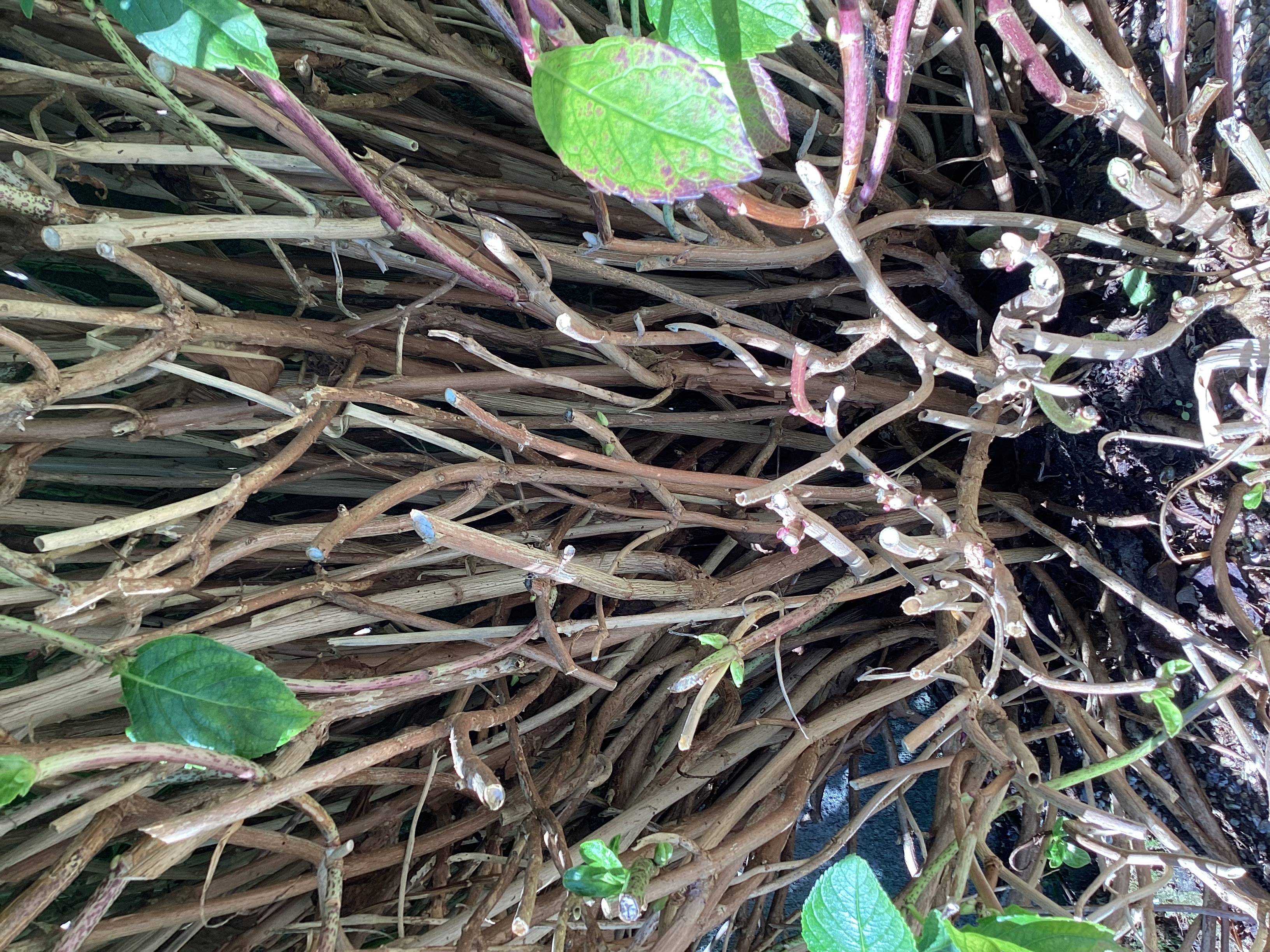
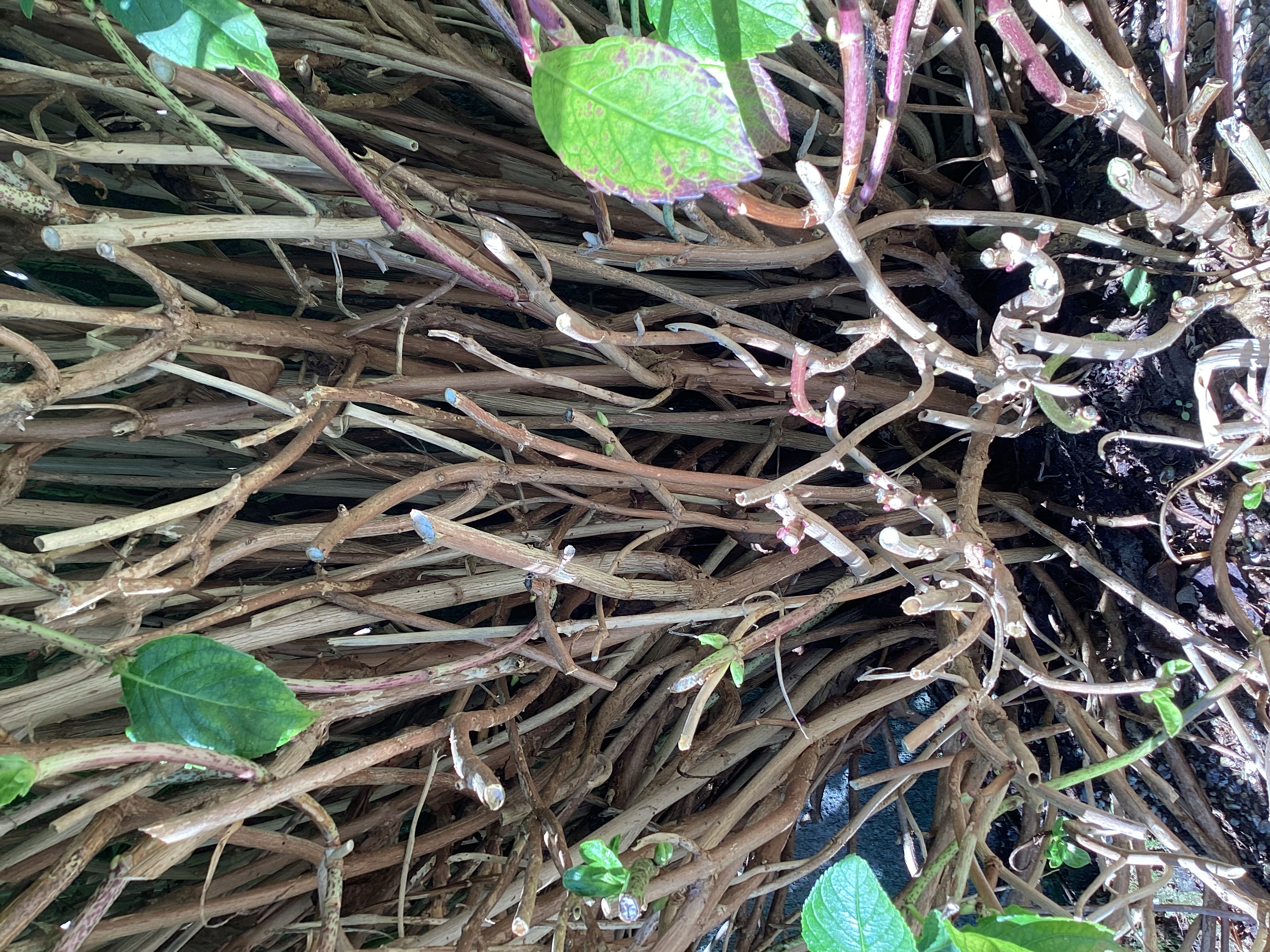
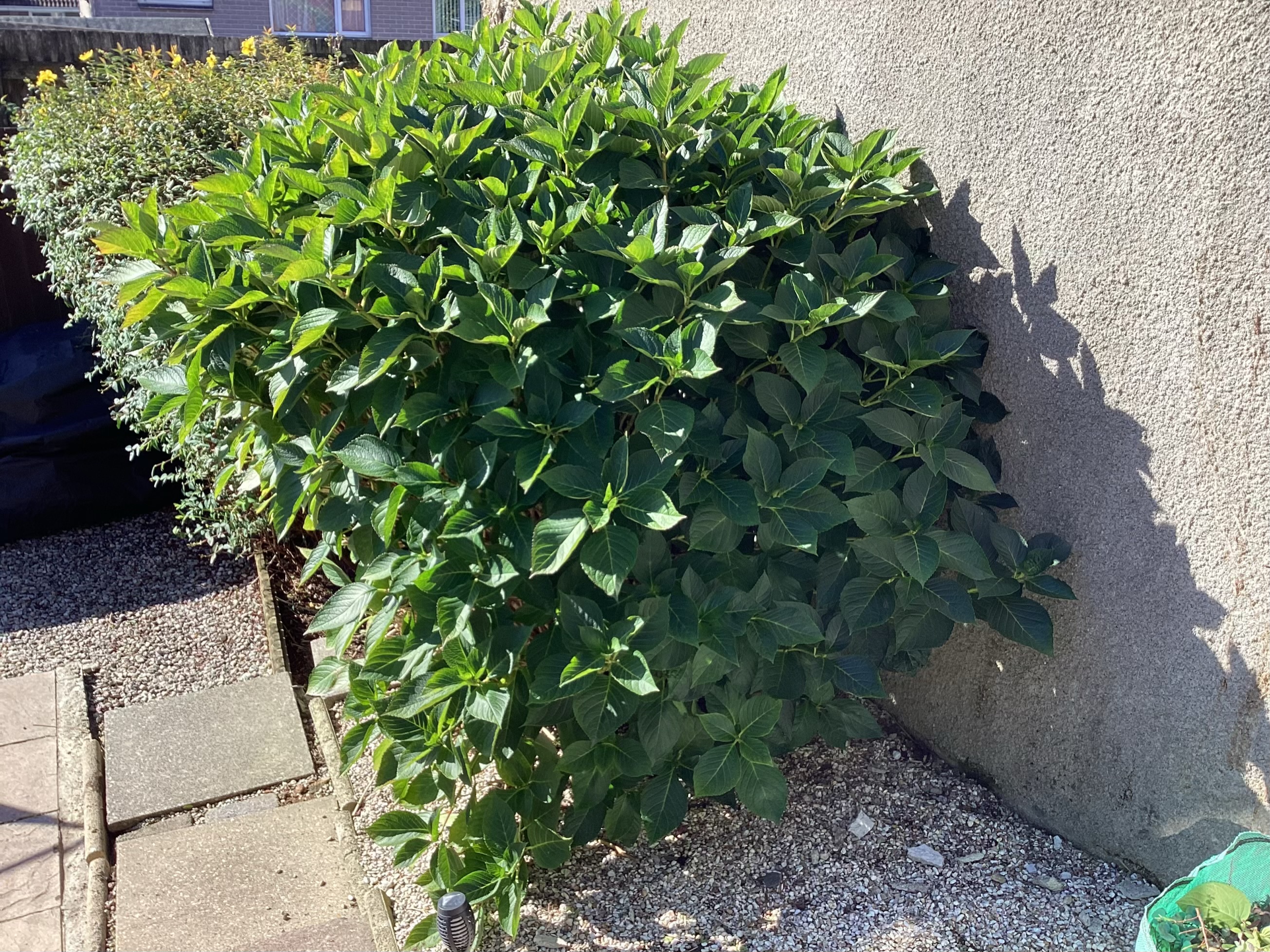
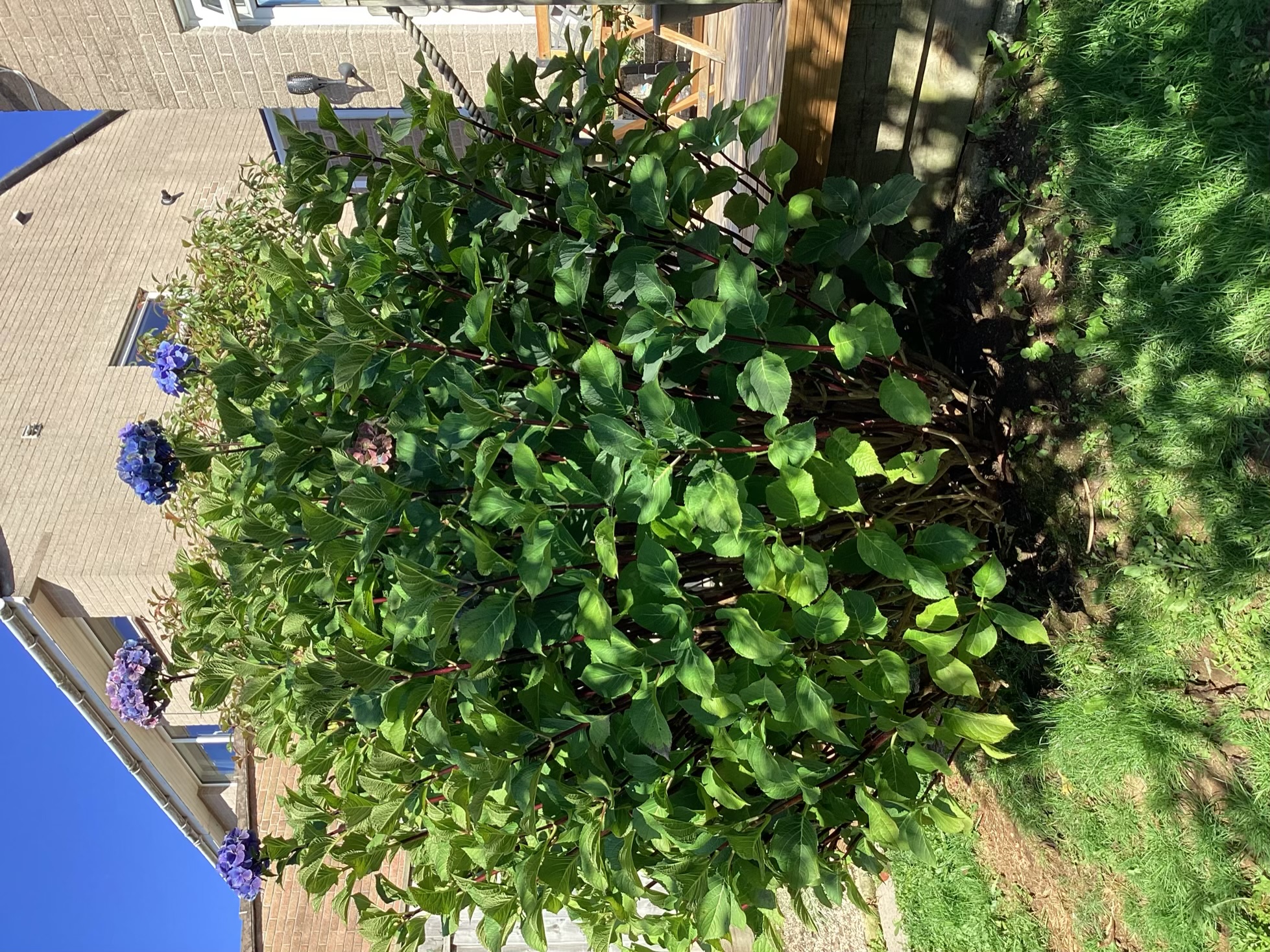
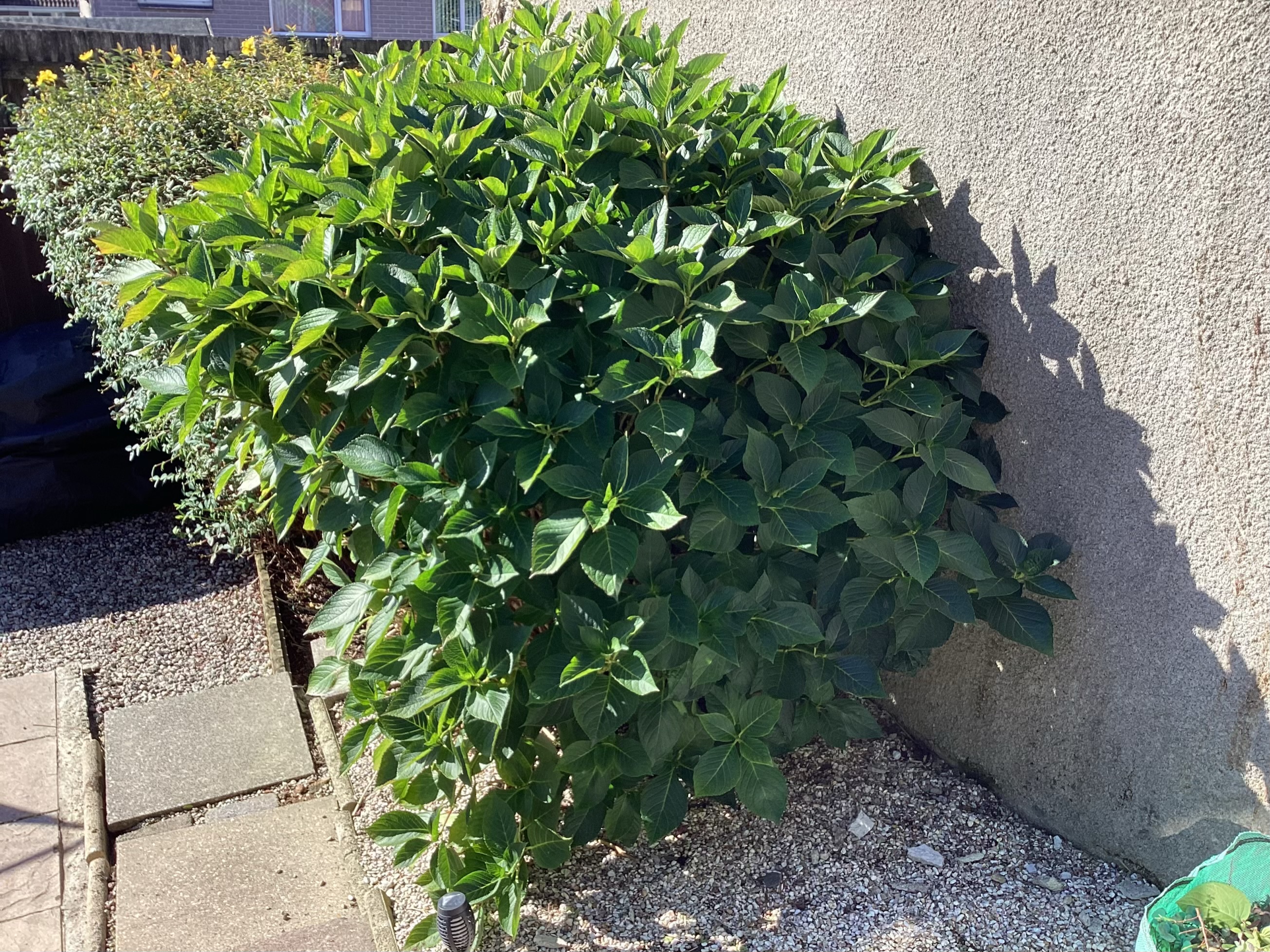
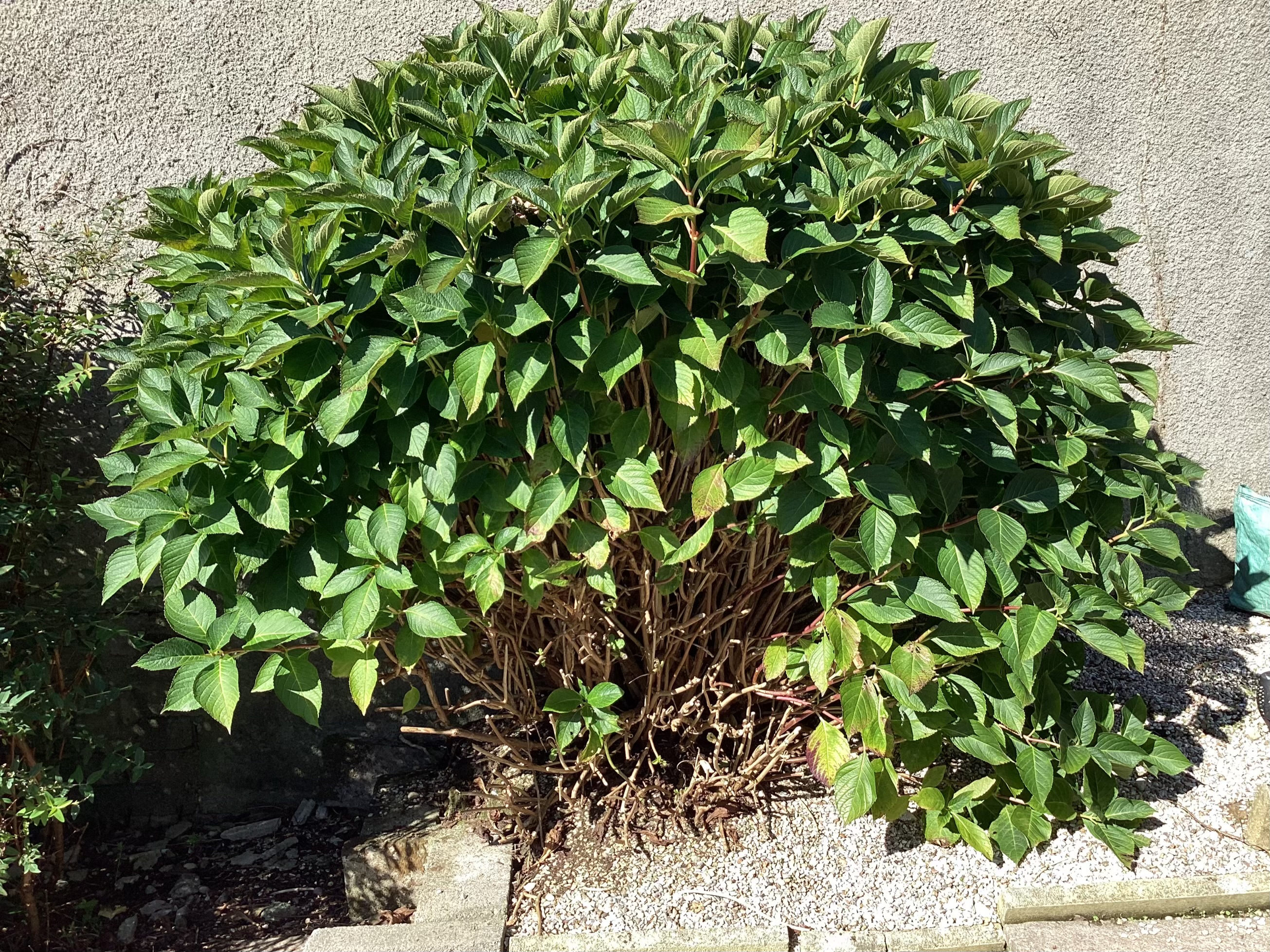
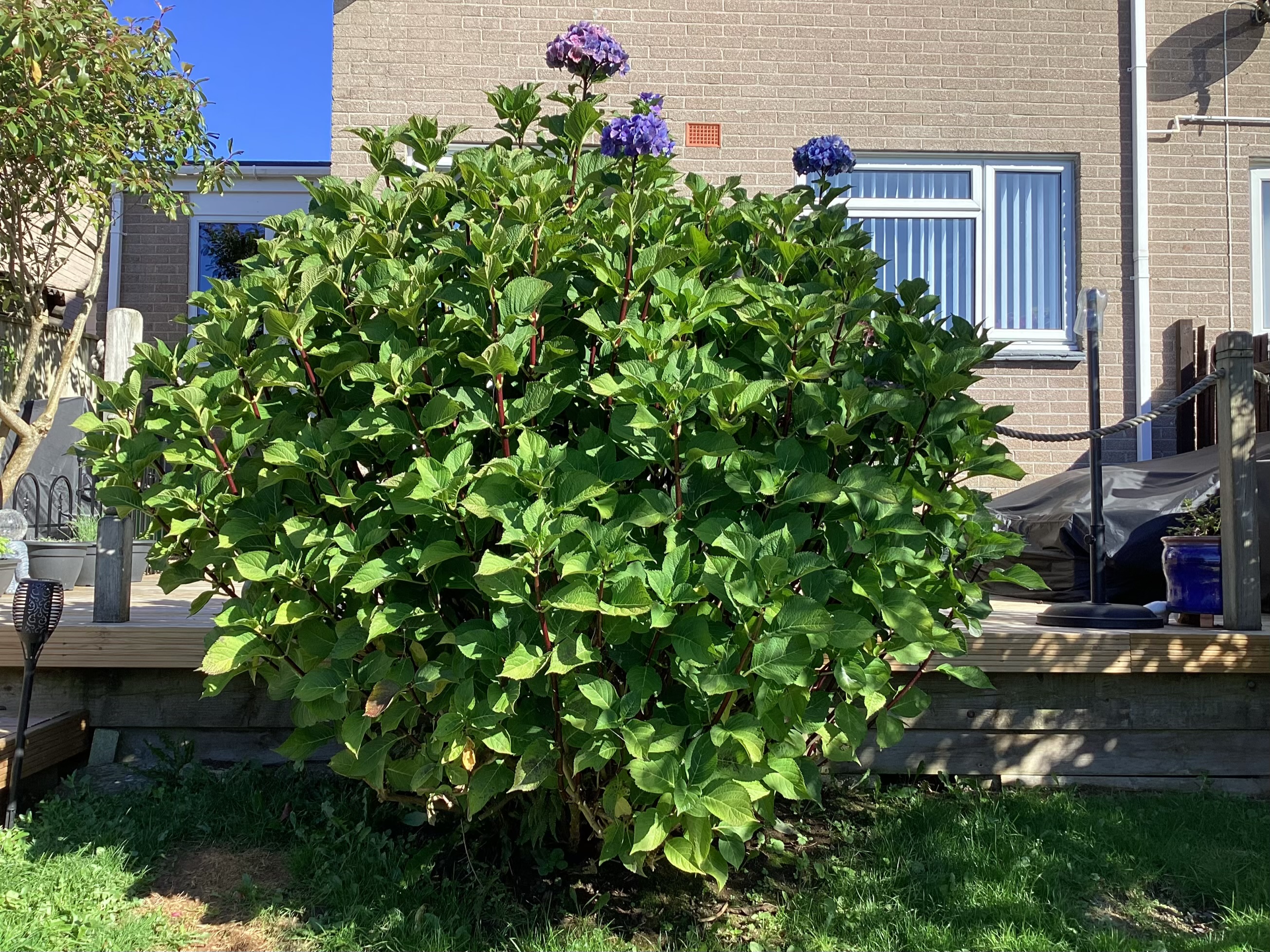
Don't worry about those overgrown hydrangeas, they're incredibly forgiving plants and will absolutely bounce back with proper winter pruning. The fact that you've already spotted numerous dead stems inside is perfect because it shows you exactly what needs to be tackled first.
The brutal truth about rejuvenation pruning
The thing about overgrown hydrangeas is that sometimes you need to be quite brutal to get them back to their best. For severely neglected hydrangeas like yours, you'll want to do what's called "rejuvenation pruning" during winter dormancy (ideally February to early March). This might look harsh, but trust me, it's exactly what these plants need to thrive again.
https://youtu.be/yxTsmwydyEo
Your winter pruning action plan
Step 1: Remove all dead stems
Cut out every single dead, damaged, or diseased stem right back to ground level. Don't be tentative about this – dead wood serves no purpose and just harbors disease whilst taking energy from the plant.
Step 2: Select your keepers
After removing all the dead material, you'll want to identify the healthiest stems. For rejuvenation, keep only 7 to 11 of the strongest, healthiest stems and remove everything else right back to the ground. Yes, this means you might be taking out 70 to 80% of the plant, but this is what will transform your hydrangeas from leggy, overgrown shrubs into compact, flower-packed beauties.
Step 3: Cut back remaining stems
Take the top third off your remaining healthy stems, cutting just above an outward-facing bud. This encourages bushier growth and prevents that heavy-topped look.
Why this dramatic approach works
Hydrangeas flower best on newer wood, so by removing all that old, tired growth, you're forcing the plant to put all its energy into producing vigorous new shoots that will be absolutely covered in flowers. It might look shocking initially, but by summer you'll have compact, floriferous shrubs instead of those gangly, sparsely flowering giants.
When to tackle this job
The best time for this heavy pruning is during winter dormancy – ideally, February to early March in the UK, just as new buds begin to swell but before active growth starts.
Don't panic about being too harsh
Plants are incredibly resilient, and hydrangeas especially so. I've seen hydrangeas cut back to virtually nothing bounce back stronger than ever. The key is doing it at the right time (winter) and then feeding them well in spring with some good compost mulch.
For the complete step-by-step guide with photos showing exactly where to make your cuts, check out my comprehensive guide: How to Prune Hydrangeas: Beginner's Guide. It covers all the different hydrangea types and timing specifics.
Expected results
After this rejuvenation pruning, expect:
- Masses of vigorous new growth in spring
- Much more compact, manageable plants
- Significantly more flowers (hydrangeas flower better on young wood)
- Better air circulation reducing disease risk
- A proper structure that will serve the plants for years to come
Hope this helps you tackle those hydrangeas with confidence! Sometimes being brutal is the kindest thing you can do for an overgrown plant.
Lee Garden Ninja
More Shrub Pruning Guides
Related Forum Discussions
Seasonal Garden Care
Hi @lee69h
Don't worry about those overgrown hydrangeas, they're incredibly forgiving plants and will absolutely bounce back with proper winter pruning. The fact that you've already spotted numerous dead stems inside is perfect because it shows you exactly what needs to be tackled first.
The brutal truth about rejuvenation pruning
The thing about overgrown hydrangeas is that sometimes you need to be quite brutal to get them back to their best. For severely neglected hydrangeas like yours, you'll want to do what's called "rejuvenation pruning" during winter dormancy (ideally February to early March). This might look harsh, but trust me, it's exactly what these plants need to thrive again.
Your winter pruning action plan
Step 1: Remove all dead stems
Cut out every single dead, damaged, or diseased stem right back to ground level. Don't be tentative about this – dead wood serves no purpose and just harbors disease whilst taking energy from the plant.
Step 2: Select your keepers
After removing all the dead material, you'll want to identify the healthiest stems. For rejuvenation, keep only 7 to 11 of the strongest, healthiest stems and remove everything else right back to the ground. Yes, this means you might be taking out 70 to 80% of the plant, but this is what will transform your hydrangeas from leggy, overgrown shrubs into compact, flower-packed beauties.
Step 3: Cut back remaining stems
Take the top third off your remaining healthy stems, cutting just above an outward-facing bud. This encourages bushier growth and prevents that heavy-topped look.
Why this dramatic approach works
Hydrangeas flower best on newer wood, so by removing all that old, tired growth, you're forcing the plant to put all its energy into producing vigorous new shoots that will be absolutely covered in flowers. It might look shocking initially, but by summer you'll have compact, floriferous shrubs instead of those gangly, sparsely flowering giants.
When to tackle this job
The best time for this heavy pruning is during winter dormancy – ideally, February to early March in the UK, just as new buds begin to swell but before active growth starts.
Don't panic about being too harsh
Plants are incredibly resilient, and hydrangeas especially so. I've seen hydrangeas cut back to virtually nothing bounce back stronger than ever. The key is doing it at the right time (winter) and then feeding them well in spring with some good compost mulch.
For the complete step-by-step guide with photos showing exactly where to make your cuts, check out my comprehensive guide: How to Prune Hydrangeas: Beginner's Guide. It covers all the different hydrangea types and timing specifics.
Expected results
After this rejuvenation pruning, expect:
- Masses of vigorous new growth in spring
- Much more compact, manageable plants
- Significantly more flowers (hydrangeas flower better on young wood)
- Better air circulation reducing disease risk
- A proper structure that will serve the plants for years to come
Hope this helps you tackle those hydrangeas with confidence! Sometimes being brutal is the kindest thing you can do for an overgrown plant.
Lee Garden Ninja
More Shrub Pruning Guides
Related Forum Discussions
Seasonal Garden Care

 Lee Burkhill: Award Winning Designer & BBC 1's Garden Rescue Presenters Official Blog