Hi Ninja!
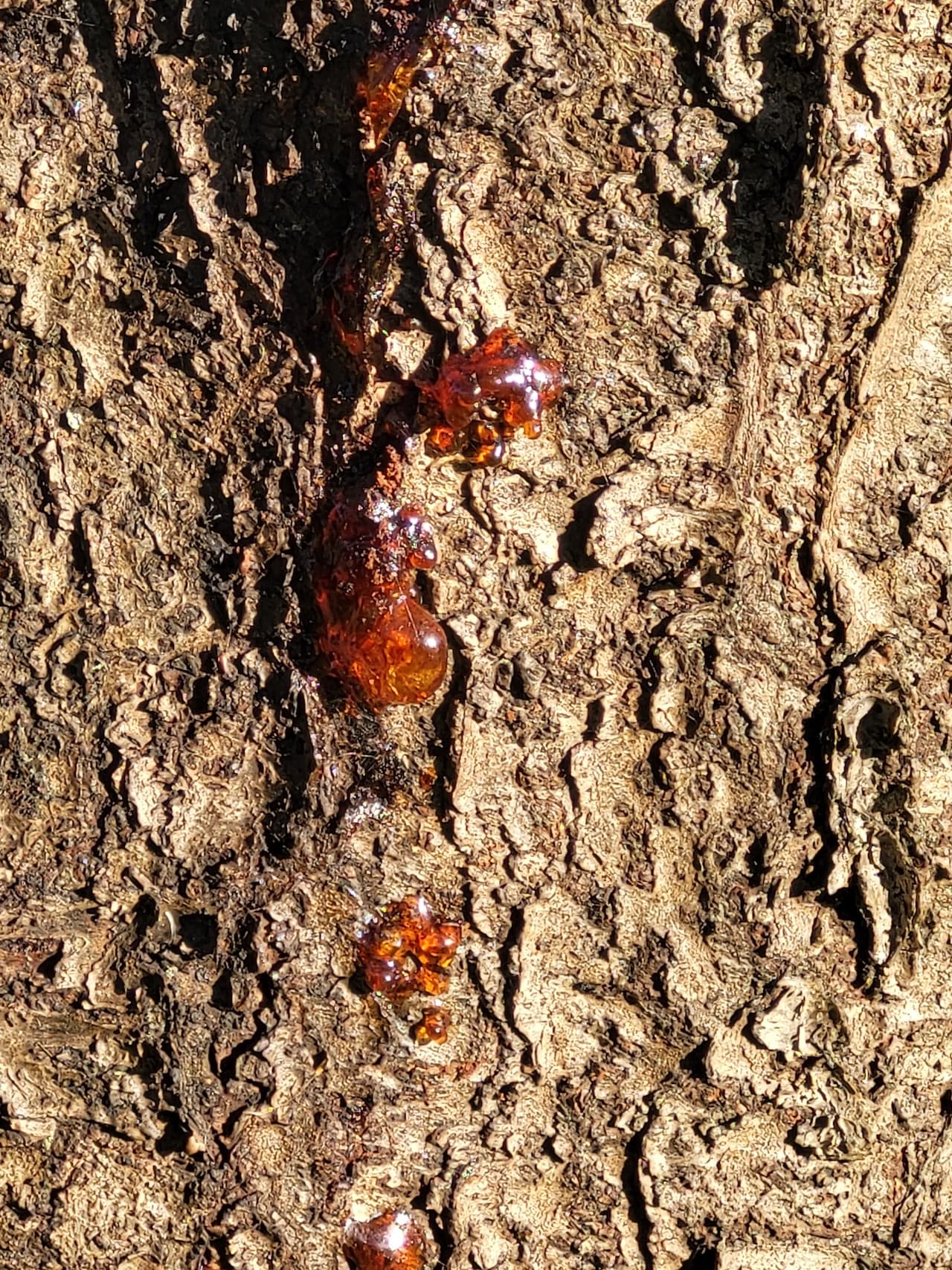
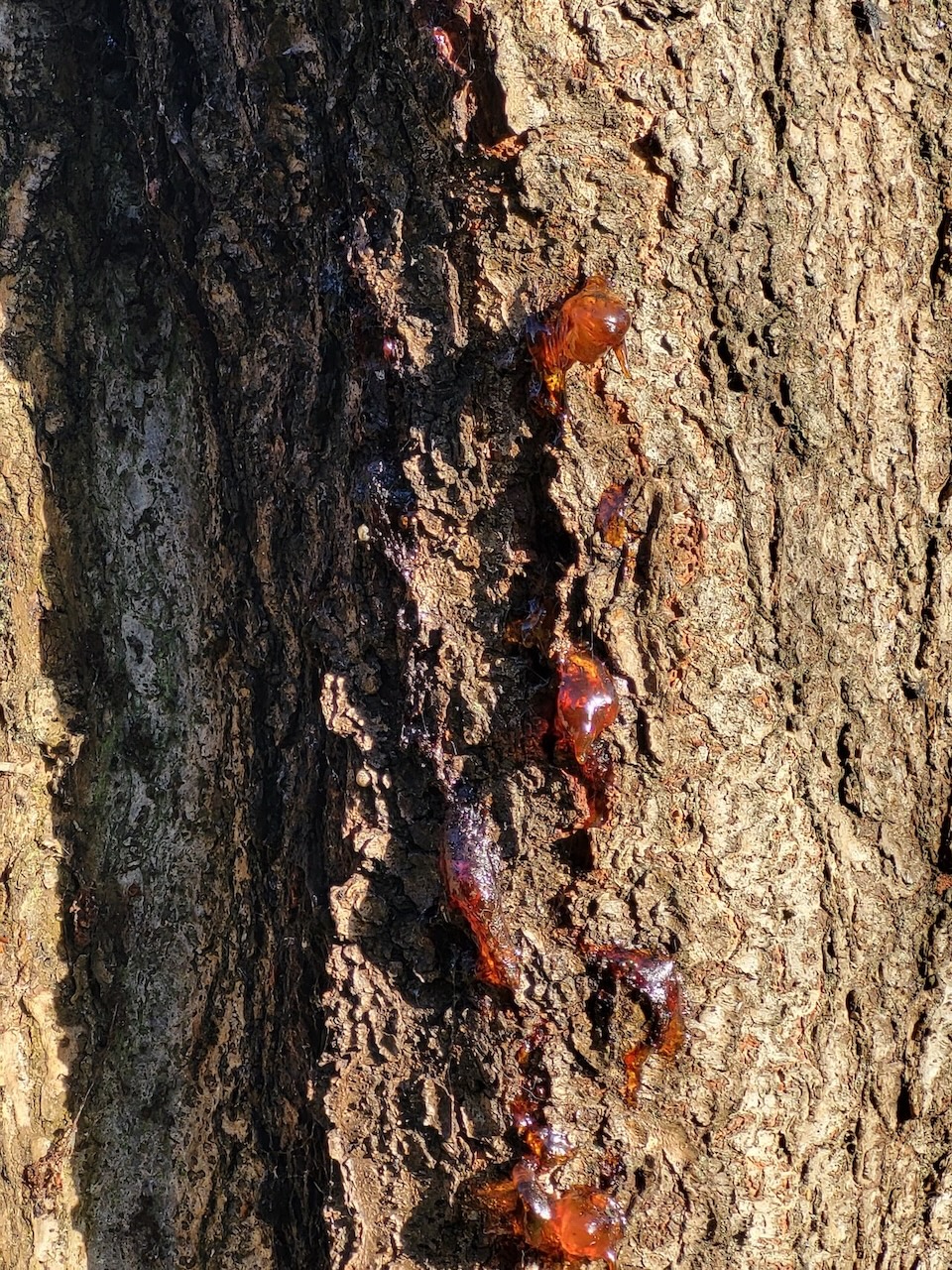
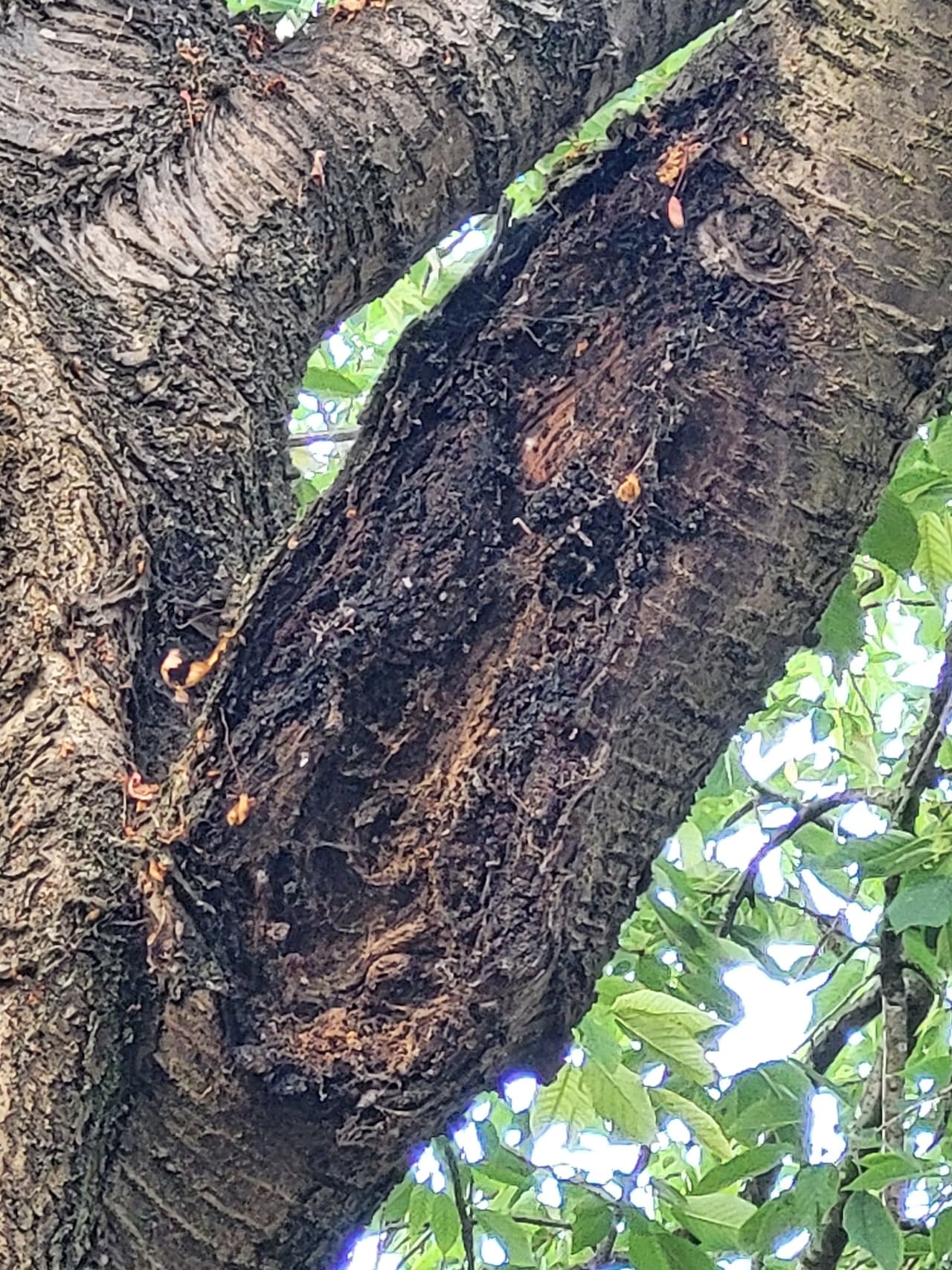
Thanks for your question about your magnificent 40 foot cherry tree! Looking at what you've described with the red ooze appearing on the branches and sap on the trunk, yes, you're absolutely right in identifying this as a form of canker. The characteristic red coloured ooze is a telltale sign of canker infection, particularly common in cherry trees and other members of the Prunus family.
Understanding Canker in Mature Trees
Now, before you start panicking, let me put this into perspective. When you have a tree of this age and stature, the appearance of some canker is a bit like finding a patch of rust on a big ship. It's something to be aware of and monitor, but it's not necessarily a cause for immediate alarm or drastic action. Mature trees, particularly those in the 60 year range like yours, naturally become more susceptible to canker infections as they age, and a well established tree of this size has plenty of resources to manage minor infections without too much drama.
Cherry trees are particularly prone to developing canker, which is essentially a fungal or bacterial infection that enters through wounds, pruning cuts, or damaged bark. The infection causes the tree to produce that characteristic ooze you're seeing, which is actually the tree's own defence mechanism trying to isolate and expel the infection. The red amber coloured substance is a mixture of sap and the tree's natural antimicrobial compounds attempting to seal off the affected area.
What You Shouldn't Do
Here's something really important that goes against what many people instinctively want to do. Whatever you do, don't seal the canker with wound paint, tar, or any other sealant product. This is absolutely crucial. Whilst it might seem logical to want to cover and protect the wound, sealing cankers actually traps moisture and creates the perfect anaerobic environment for bacteria and fungi to thrive. Trees heal much better when their wounds are left open to the air, allowing them to dry out naturally and form their own protective barrier at their own pace.
Monitoring Rather Than Intervening
For a tree of this age and size that's been standing for six decades, the best approach is usually one of watchful monitoring rather than immediate intervention. The canker you're seeing might well remain stable for years without causing any significant problems. Cherry trees, despite their susceptibility to canker, are actually remarkably resilient when it comes to compartmentalising infections, especially when they're as well established as yours clearly is.
What you should keep an eye on is whether the canker appears to be spreading rapidly, whether there's significant dieback in the affected branch, or whether multiple large branches are showing similar symptoms. If the canker remains localised to one or two spots and the tree otherwise appears healthy with good leaf cover and vigorous growth each spring, then it's simply a case of coexisting with a minor issue on an otherwise healthy veteran tree.
When to Consider Professional Assessment
That said, with a tree of this height situated outside your garden, you might want to consider having a qualified tree surgeon take a look, not necessarily because there's an immediate problem, but because a tree of this size warrants professional oversight for safety reasons regardless of any canker issues. They can assess whether the structural integrity of any affected branches might pose a risk to people or property, which is a different consideration from the tree's overall health. A tree surgeon can also advise on whether any deadwood removal or selective pruning might help improve air circulation and reduce the likelihood of the canker spreading.
Related Canker Discussions
For more detailed information about canker in fruit and ornamental trees, you might find these previous forum discussions helpful where we've explored canker issues in depth:
Apple tree canker and taking grafts from infected trees
Sickly cherry tree with canker advice
Apricot pruning and bacterial canker concerns
The key message here is that whilst canker is something to be aware of and monitor, it's not automatically a death sentence for your tree, especially one that's reached such a grand age. Think of it as the tree equivalent of getting a few aches and pains as you get older. It's about management and monitoring rather than panic and drastic intervention. Keep an eye on it, resist the urge to seal it, and enjoy the fact that you have such a magnificent specimen tree gracing your landscape.
Happy gardening!
Lee Garden Ninja
Hi Ninja!
Thanks for your question about your magnificent 40 foot cherry tree! Looking at what you've described with the red ooze appearing on the branches and sap on the trunk, yes, you're absolutely right in identifying this as a form of canker. The characteristic red coloured ooze is a telltale sign of canker infection, particularly common in cherry trees and other members of the Prunus family.
Understanding Canker in Mature Trees
Now, before you start panicking, let me put this into perspective. When you have a tree of this age and stature, the appearance of some canker is a bit like finding a patch of rust on a big ship. It's something to be aware of and monitor, but it's not necessarily a cause for immediate alarm or drastic action. Mature trees, particularly those in the 60 year range like yours, naturally become more susceptible to canker infections as they age, and a well established tree of this size has plenty of resources to manage minor infections without too much drama.
Cherry trees are particularly prone to developing canker, which is essentially a fungal or bacterial infection that enters through wounds, pruning cuts, or damaged bark. The infection causes the tree to produce that characteristic ooze you're seeing, which is actually the tree's own defence mechanism trying to isolate and expel the infection. The red amber coloured substance is a mixture of sap and the tree's natural antimicrobial compounds attempting to seal off the affected area.
What You Shouldn't Do
Here's something really important that goes against what many people instinctively want to do. Whatever you do, don't seal the canker with wound paint, tar, or any other sealant product. This is absolutely crucial. Whilst it might seem logical to want to cover and protect the wound, sealing cankers actually traps moisture and creates the perfect anaerobic environment for bacteria and fungi to thrive. Trees heal much better when their wounds are left open to the air, allowing them to dry out naturally and form their own protective barrier at their own pace.
Monitoring Rather Than Intervening
For a tree of this age and size that's been standing for six decades, the best approach is usually one of watchful monitoring rather than immediate intervention. The canker you're seeing might well remain stable for years without causing any significant problems. Cherry trees, despite their susceptibility to canker, are actually remarkably resilient when it comes to compartmentalising infections, especially when they're as well established as yours clearly is.
What you should keep an eye on is whether the canker appears to be spreading rapidly, whether there's significant dieback in the affected branch, or whether multiple large branches are showing similar symptoms. If the canker remains localised to one or two spots and the tree otherwise appears healthy with good leaf cover and vigorous growth each spring, then it's simply a case of coexisting with a minor issue on an otherwise healthy veteran tree.
When to Consider Professional Assessment
That said, with a tree of this height situated outside your garden, you might want to consider having a qualified tree surgeon take a look, not necessarily because there's an immediate problem, but because a tree of this size warrants professional oversight for safety reasons regardless of any canker issues. They can assess whether the structural integrity of any affected branches might pose a risk to people or property, which is a different consideration from the tree's overall health. A tree surgeon can also advise on whether any deadwood removal or selective pruning might help improve air circulation and reduce the likelihood of the canker spreading.
Related Canker Discussions
For more detailed information about canker in fruit and ornamental trees, you might find these previous forum discussions helpful where we've explored canker issues in depth:
Apple tree canker and taking grafts from infected trees
Sickly cherry tree with canker advice
Apricot pruning and bacterial canker concerns
The key message here is that whilst canker is something to be aware of and monitor, it's not automatically a death sentence for your tree, especially one that's reached such a grand age. Think of it as the tree equivalent of getting a few aches and pains as you get older. It's about management and monitoring rather than panic and drastic intervention. Keep an eye on it, resist the urge to seal it, and enjoy the fact that you have such a magnificent specimen tree gracing your landscape.
Happy gardening!
Lee Garden Ninja
 Lee Burkhill: Award Winning Designer & BBC 1's Garden Rescue Presenters Official Blog