H @barramundi-2
Great question, and I can understand the confusion around managing clover in your lawn. Let me start by clarifying what your neighbour is referring to when they mention a "whipper snipper". This is the Australian and North American term for what we in the UK call a strimmer (or string trimmer).
It's that handheld power tool with a rotating nylon line that cuts grass and weeds at ground level. Now, whilst your neighbour is partially correct that cut clover flowers won't continue to develop seeds once severed from the plant, I think we need to take a step back and look at the bigger picture here.
Understanding Clover as a Perennial
Clover, which I'm assuming is white clover (Trifolium repens) based on your description, is a perennial plant. This is crucial to understand because, unlike annuals that complete their entire lifecycle in one season and rely solely on seeds to reproduce, perennials have evolved multiple strategies for survival and spread. White clover's primary method of colonising your lawn isn't actually through seed dispersal at all.
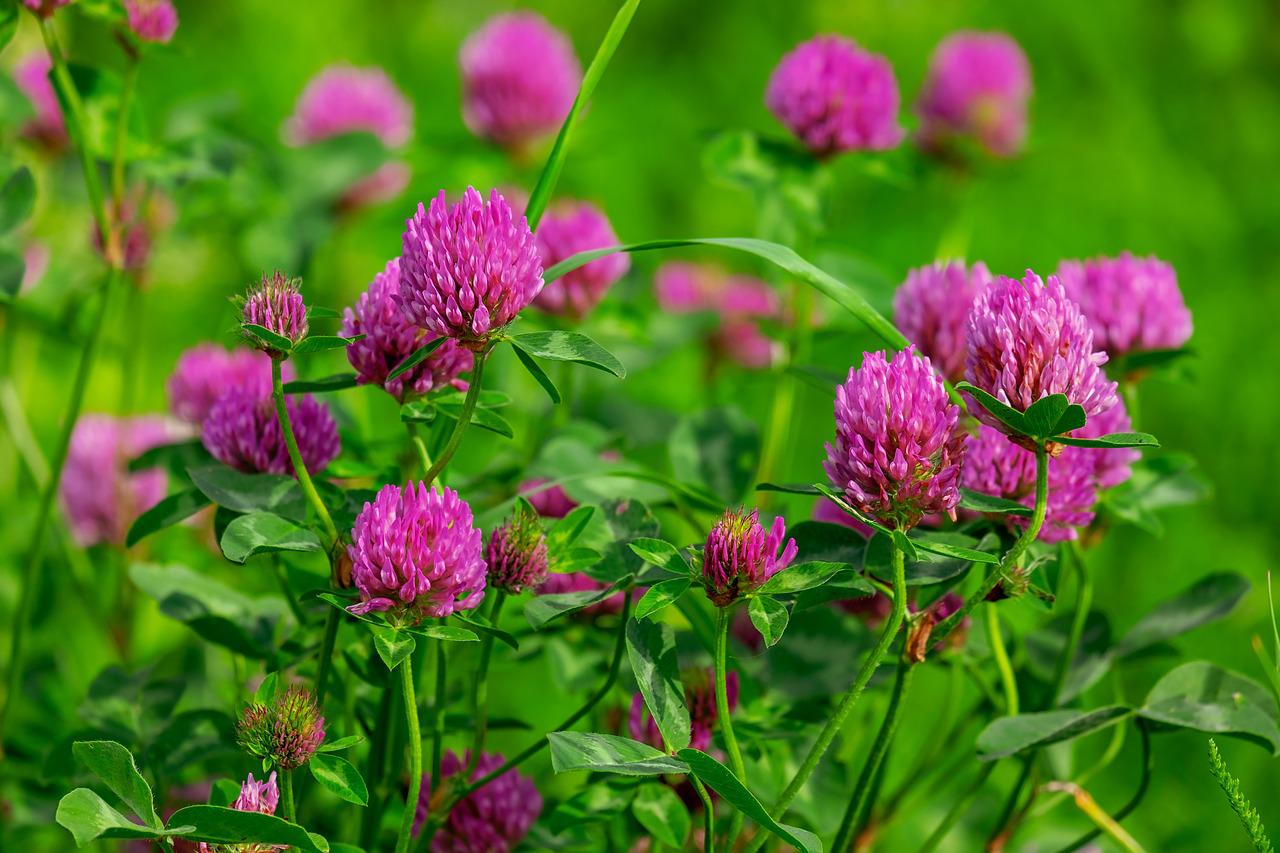
It spreads predominantly through creeping stolons, which are those horizontal stems that run along the soil surface, rooting at the nodes and creating new plants as they go. This vegetative reproduction is far more effective than seed propagation in established lawns, which means that whether you collect those flowers or strim them off, the clover will continue to spread through these runners regardless. Cutting the flowers will prevent seed formation and stop that particular avenue of propagation, but it won't kill the existing plants or stop their vegetative spread.
Why Clover is Brilliant for Wildlife and Your Garden
Here's where I'd encourage you to reconsider your approach entirely. Clover is absolutely fantastic for wildlife and offers numerous benefits:
-
Pollinator paradise: Clover flowers are adored by bumblebees, honeybees, and solitary bees. At a time when pollinator populations are under tremendous pressure, allowing your clover to flower provides a vital nectar and pollen source throughout the growing season.
-
Natural nitrogen fixation: Clover has a symbiotic relationship with Rhizobium bacteria in its root nodules, which means it's actually enriching your soil naturally and reducing the need for synthetic fertilisers.
-
Drought tolerance: It stays green during dry spells when grass goes brown, creating a consistently lush appearance without additional watering.
-
Low maintenance: Requires no feeding and is incredibly resilient, making it perfect for sustainable, low-maintenance gardens.
-
Soft texture: Creates a soft, pleasant surface underfoot that many people find more comfortable than grass alone.
Many garden designers, myself included, actively encourage clover lawns or clover-grass mixes as a sustainable alternative to traditional grass monocultures. A flowering lawn alive with bees is a beautiful thing, and you'll be doing your bit for the environment whilst simultaneously reducing your maintenance burden.
Managing Clover (If You Must)
If you're determined to reduce the clover coverage, your current method of regular mowing will help suppress it over time, but the collected clippings pose no real threat since, as we've established, any flowers you've cut won't continue to develop viable seed. Strimming the patches would achieve the same result with less effort. However, I'd genuinely encourage you to embrace the clover rather than fight it.
Further Lawn Care
For more detailed discussions on lawn management, wildlife gardening, and sustainable garden practices, I'd recommend having a browse through these popular threads on the forum:
Hope this helps clarify things, and best of luck with whatever approach you decide to take.
Cheers, Lee
H @barramundi-2
Great question, and I can understand the confusion around managing clover in your lawn. Let me start by clarifying what your neighbour is referring to when they mention a "whipper snipper". This is the Australian and North American term for what we in the UK call a strimmer (or string trimmer).
It's that handheld power tool with a rotating nylon line that cuts grass and weeds at ground level. Now, whilst your neighbour is partially correct that cut clover flowers won't continue to develop seeds once severed from the plant, I think we need to take a step back and look at the bigger picture here.
Understanding Clover as a Perennial
Clover, which I'm assuming is white clover (Trifolium repens) based on your description, is a perennial plant. This is crucial to understand because, unlike annuals that complete their entire lifecycle in one season and rely solely on seeds to reproduce, perennials have evolved multiple strategies for survival and spread. White clover's primary method of colonising your lawn isn't actually through seed dispersal at all.
It spreads predominantly through creeping stolons, which are those horizontal stems that run along the soil surface, rooting at the nodes and creating new plants as they go. This vegetative reproduction is far more effective than seed propagation in established lawns, which means that whether you collect those flowers or strim them off, the clover will continue to spread through these runners regardless. Cutting the flowers will prevent seed formation and stop that particular avenue of propagation, but it won't kill the existing plants or stop their vegetative spread.
Why Clover is Brilliant for Wildlife and Your Garden
Here's where I'd encourage you to reconsider your approach entirely. Clover is absolutely fantastic for wildlife and offers numerous benefits:
-
Pollinator paradise: Clover flowers are adored by bumblebees, honeybees, and solitary bees. At a time when pollinator populations are under tremendous pressure, allowing your clover to flower provides a vital nectar and pollen source throughout the growing season.
-
Natural nitrogen fixation: Clover has a symbiotic relationship with Rhizobium bacteria in its root nodules, which means it's actually enriching your soil naturally and reducing the need for synthetic fertilisers.
-
Drought tolerance: It stays green during dry spells when grass goes brown, creating a consistently lush appearance without additional watering.
-
Low maintenance: Requires no feeding and is incredibly resilient, making it perfect for sustainable, low-maintenance gardens.
-
Soft texture: Creates a soft, pleasant surface underfoot that many people find more comfortable than grass alone.
Many garden designers, myself included, actively encourage clover lawns or clover-grass mixes as a sustainable alternative to traditional grass monocultures. A flowering lawn alive with bees is a beautiful thing, and you'll be doing your bit for the environment whilst simultaneously reducing your maintenance burden.
Managing Clover (If You Must)
If you're determined to reduce the clover coverage, your current method of regular mowing will help suppress it over time, but the collected clippings pose no real threat since, as we've established, any flowers you've cut won't continue to develop viable seed. Strimming the patches would achieve the same result with less effort. However, I'd genuinely encourage you to embrace the clover rather than fight it.
Further Lawn Care
For more detailed discussions on lawn management, wildlife gardening, and sustainable garden practices, I'd recommend having a browse through these popular threads on the forum:
Hope this helps clarify things, and best of luck with whatever approach you decide to take.
Cheers, Lee
 Lee Burkhill: Award Winning Designer & BBC 1's Garden Rescue Presenters Official Blog