-
Ask a Gardening Question Forum
 Lee Burkhill: Award Winning Designer & BBC 1's Garden Rescue Presenters Official Blog
Welcome to the Garden Ninja Gardening Forum! If you have a gardening question that you can't find answers to then ask below to seek help from the Garden Ninja army! Please make your garden questions as specific and detailed as possible so the community can provide comprehensive answers in the online forum below.
Welcome to the ultimate beginner gardening and garden design forum! Where no gardening question is too silly or obvious. This online gardening forum is run by Lee Burkhill, the Garden Ninja from BBC 1’s Garden Rescue and a trusted group of experienced gardeners.
Whether you are a beginner or an expert gardener, it’s a safe place to ask garden-related questions for garden design or planting. If you have a problem in your garden or need help, this is the Garden Forum for you! (See forum rules & moderation policy here)
Posting Rules: This space is open for all garden-related questions. Please be polite, courteous and respectful. If you wouldn’t say it to your mum’s face, then don’t post it here. Please don’t promote, sell, link spam or advertise here. Please don’t ask for ‘cheeky’ full Garden redesigns here. They will be deleted.
If you need a garden design service, please use this page to book a design consultation. I will block anyone who breaks these rules or is discourteous to the Garden Ninja Community.
Join the forum below with your gardening questions!
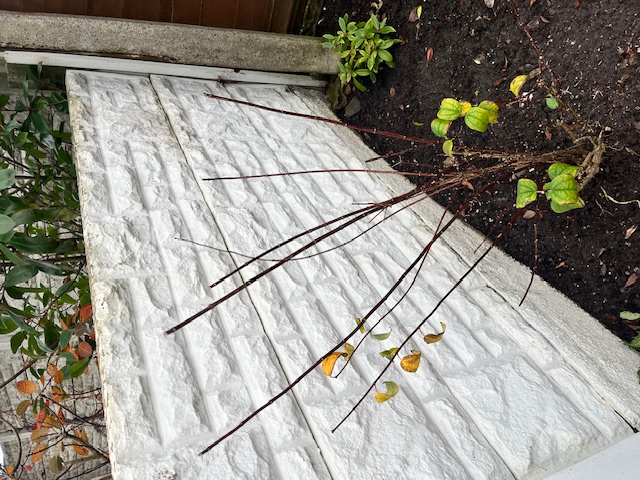
Is it too late to prune my philadelphus?



Lee Burkhill
Lee Burkhill, known as the Garden Ninja, is an award-winning garden designer and horticulturist with over 30 years of gardening experience and 15 years as a professional garden designer. A qualified RHS (Royal Horticultural Society) professional, Lee specialises in sustainable garden design and practical horticultural advice. He designs and presents on BBC1’s Garden Rescue and in leading gardening publications. Lee combines three decades of hands-on gardening knowledge with professional design qualifications to help gardeners create beautiful, functional outdoor spaces.
View all posts by Lee Burkhill