Hi @toolowtozero
Welcome to the Garden Ninja community and what an absolutely fantastic time to start your gardening journey at 70! There's something magical about growing plants from seed, and you've chosen some brilliant varieties to begin with. Gazania, Rudbeckia, and Scabious are all wonderful flowers that will give you loads of colour and attract plenty of pollinators to your garden.
Understanding Your Pricking Out Options
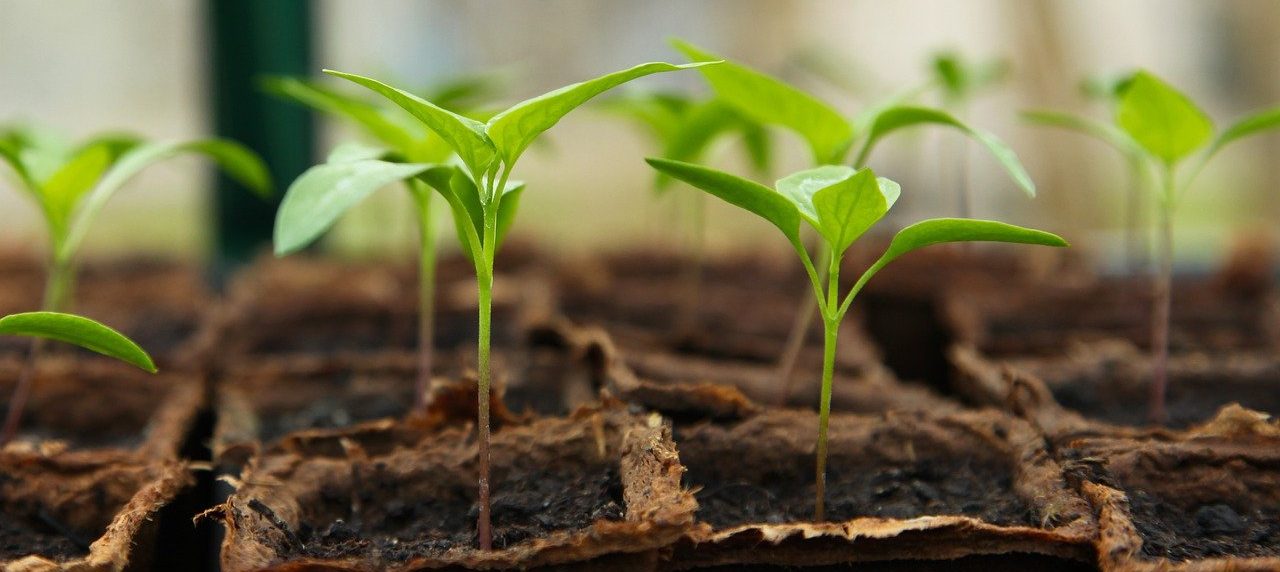
Your question about cell sizes is spot on, and it's brilliant that you're thinking ahead about the pricking out stage. For your needs with a small garden and only wanting one or two plants of each variety, I'd definitely recommend going with the larger 15-cell trays (equivalent to 9cm pots) rather than the 28-cell option.
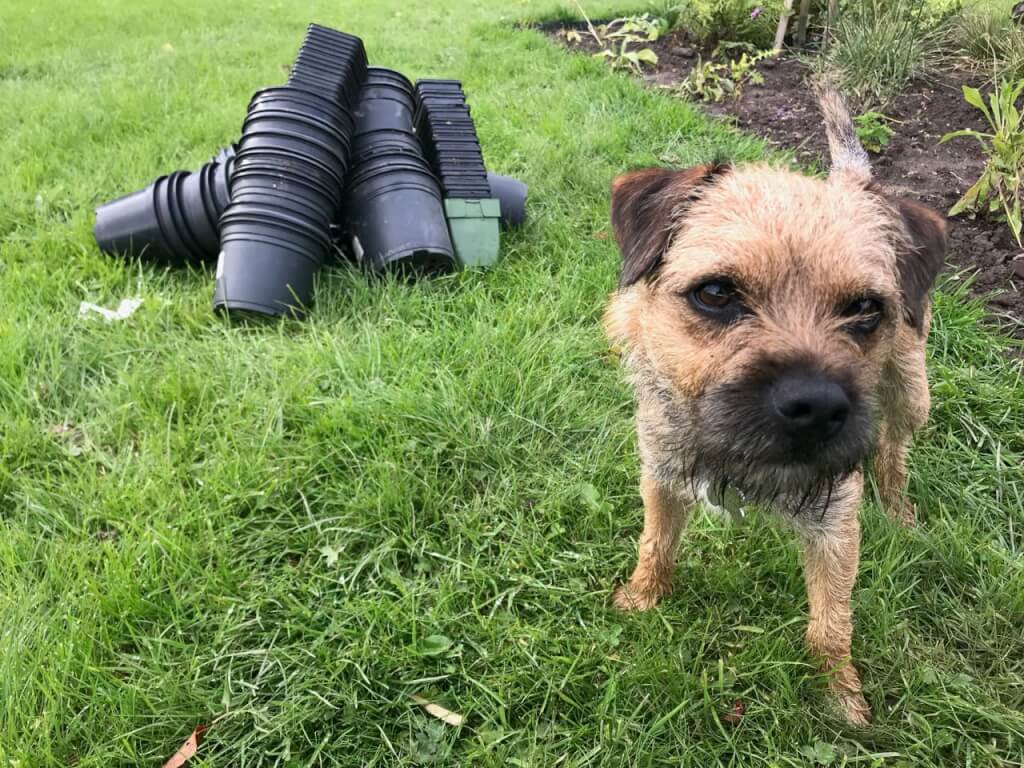
The larger cells will give your seedlings much more room to develop strong root systems before you plant them out, which means healthier, more robust plants that will establish better in your garden. With the smaller 28-cell trays, you'll likely need to pot on again into larger containers before planting out, which creates extra work and more potential for root disturbance.
Why Bigger is Better for Beginners
Since you're new to growing from seed, the larger cells are much more forgiving. They hold more compost, which means they dry out less quickly and give you a bit more margin for error with watering. This is particularly important with some of your chosen varieties like Gazania, which can be a bit temperamental if they get too dry or too wet during their early stages.
The extra root space also means your seedlings can stay in these containers longer if the weather doesn't cooperate for planting out, or if you need more time to prepare your garden beds. There's nothing worse than having seedlings that have outgrown their containers but can't be planted out yet because of late frosts or wet weather.
Practical Considerations for Small Gardens
Given that you only want one or two plants of each variety, you could actually consider going even larger and using individual 9cm or even 10cm pots for your pricking out. This eliminates the flimsy tray issue altogether and gives you maximum flexibility. You can move individual pots around as needed, and the plants will have plenty of root space to develop into really strong specimens.
https://youtu.be/DICGT44SMSs
For someone with a small garden who wants quality over quantity, this approach often works better than trying to manage lots of small cells. You'll end up with fewer but much stronger plants that will perform brilliantly in your garden.
Timing and Techniques for Success
The Garland seed trays with domes you've got are excellent for germination. Once your seedlings develop their first true leaves (usually the second set of leaves that appear), that's your cue to prick them out. Always handle seedlings by their leaves, never the stem, as stems are much more fragile and if damaged will kill the plant.
https://youtu.be/seGiNYRhaZE
For varieties like Scabious, which can be a bit slow to get going, the larger containers will be particularly beneficial as they may need to stay in their pots for quite a while before they're ready for the garden. Cerinthe is usually much quicker, so having that flexibility in container size really helps when different varieties develop at different rates.
Water Management Made Easy
One of the biggest advantages of larger cells or individual pots is easier water management. You can water individual plants as needed rather than trying to manage an entire tray where some seedlings might need more water than others. This is particularly useful for beginners as different varieties can have quite different water requirements.
Related Seed Starting Discussions
For more guidance on growing from seed and managing seedlings, check out these helpful forum discussions:
• Growing veg: when is it too late to start sowing seeds - Timing advice for seed sowing
• Watering seedlings - Best practices for keeping seedlings healthy
• When to pot seedlings on? - Knowing when to transplant
• Bulb planting in containers before transferring - Container growing techniques
• Where do you buy seeds? - Sourcing quality seeds
Essential Seed Starting Guide
• Seed germination for beginners: how to get seeds to grow - Complete guide to successful seed starting
My final piece of advice is to start small and enjoy the process. Growing from seed teaches you so much about plants and their individual needs, and there's nothing quite like the satisfaction of seeing a tiny seed develop into a flowering plant in your garden. Don't worry about making mistakes - they're all part of the learning process, and even experienced gardeners lose seedlings from time to time.
Good luck with your seed starting adventure, Jeff, and please keep us posted on how you get on! The Garden Ninja community loves to hear success stories, especially from new gardeners discovering the joys of growing from seed.
Happy gardening!
Lee Garden Ninja
Hi @toolowtozero
Welcome to the Garden Ninja community and what an absolutely fantastic time to start your gardening journey at 70! There's something magical about growing plants from seed, and you've chosen some brilliant varieties to begin with. Gazania, Rudbeckia, and Scabious are all wonderful flowers that will give you loads of colour and attract plenty of pollinators to your garden.
Understanding Your Pricking Out Options
Your question about cell sizes is spot on, and it's brilliant that you're thinking ahead about the pricking out stage. For your needs with a small garden and only wanting one or two plants of each variety, I'd definitely recommend going with the larger 15-cell trays (equivalent to 9cm pots) rather than the 28-cell option.
The larger cells will give your seedlings much more room to develop strong root systems before you plant them out, which means healthier, more robust plants that will establish better in your garden. With the smaller 28-cell trays, you'll likely need to pot on again into larger containers before planting out, which creates extra work and more potential for root disturbance.
Why Bigger is Better for Beginners
Since you're new to growing from seed, the larger cells are much more forgiving. They hold more compost, which means they dry out less quickly and give you a bit more margin for error with watering. This is particularly important with some of your chosen varieties like Gazania, which can be a bit temperamental if they get too dry or too wet during their early stages.
The extra root space also means your seedlings can stay in these containers longer if the weather doesn't cooperate for planting out, or if you need more time to prepare your garden beds. There's nothing worse than having seedlings that have outgrown their containers but can't be planted out yet because of late frosts or wet weather.
Practical Considerations for Small Gardens
Given that you only want one or two plants of each variety, you could actually consider going even larger and using individual 9cm or even 10cm pots for your pricking out. This eliminates the flimsy tray issue altogether and gives you maximum flexibility. You can move individual pots around as needed, and the plants will have plenty of root space to develop into really strong specimens.
For someone with a small garden who wants quality over quantity, this approach often works better than trying to manage lots of small cells. You'll end up with fewer but much stronger plants that will perform brilliantly in your garden.
Timing and Techniques for Success
The Garland seed trays with domes you've got are excellent for germination. Once your seedlings develop their first true leaves (usually the second set of leaves that appear), that's your cue to prick them out. Always handle seedlings by their leaves, never the stem, as stems are much more fragile and if damaged will kill the plant.
For varieties like Scabious, which can be a bit slow to get going, the larger containers will be particularly beneficial as they may need to stay in their pots for quite a while before they're ready for the garden. Cerinthe is usually much quicker, so having that flexibility in container size really helps when different varieties develop at different rates.
Water Management Made Easy
One of the biggest advantages of larger cells or individual pots is easier water management. You can water individual plants as needed rather than trying to manage an entire tray where some seedlings might need more water than others. This is particularly useful for beginners as different varieties can have quite different water requirements.
Related Seed Starting Discussions
For more guidance on growing from seed and managing seedlings, check out these helpful forum discussions:
• Growing veg: when is it too late to start sowing seeds - Timing advice for seed sowing
• Watering seedlings - Best practices for keeping seedlings healthy
• When to pot seedlings on? - Knowing when to transplant
• Bulb planting in containers before transferring - Container growing techniques
• Where do you buy seeds? - Sourcing quality seeds
Essential Seed Starting Guide
• Seed germination for beginners: how to get seeds to grow - Complete guide to successful seed starting
My final piece of advice is to start small and enjoy the process. Growing from seed teaches you so much about plants and their individual needs, and there's nothing quite like the satisfaction of seeing a tiny seed develop into a flowering plant in your garden. Don't worry about making mistakes - they're all part of the learning process, and even experienced gardeners lose seedlings from time to time.
Good luck with your seed starting adventure, Jeff, and please keep us posted on how you get on! The Garden Ninja community loves to hear success stories, especially from new gardeners discovering the joys of growing from seed.
Happy gardening!
Lee Garden Ninja
 Lee Burkhill: Award Winning Designer & BBC 1's Garden Rescue Presenters Official Blog