-
Ask a Gardening Question Forum
 Lee Burkhill: Award Winning Designer & BBC 1's Garden Rescue Presenters Official Blog
Welcome to the Garden Ninja Gardening Forum! If you have a gardening question that you can't find answers to then ask below to seek help from the Garden Ninja army! Please make your garden questions as specific and detailed as possible so the community can provide comprehensive answers in the online forum below.
Welcome to the ultimate beginner gardening and garden design forum! Where no gardening question is too silly or obvious. This online gardening forum is run by Lee Burkhill, the Garden Ninja from BBC 1’s Garden Rescue and a trusted group of experienced gardeners.
Whether you are a beginner or an expert gardener, it’s a safe place to ask garden-related questions for garden design or planting. If you have a problem in your garden or need help, this is the Garden Forum for you! (See forum rules & moderation policy here)
Posting Rules: This space is open for all garden-related questions. Please be polite, courteous and respectful. If you wouldn’t say it to your mum’s face, then don’t post it here. Please don’t promote, sell, link spam or advertise here. Please don’t ask for ‘cheeky’ full Garden redesigns here. They will be deleted.
If you need a garden design service, please use this page to book a design consultation. I will block anyone who breaks these rules or is discourteous to the Garden Ninja Community.
Join the forum below with your gardening questions!
Ornamental cherry canker

Quote from Cee on 3rd November 2025, 7:35 pmHi Lee, your YouTube channel is fab - I planted my first hedge with an eye on your video a few years back! Thank you.
I have a beautiful Prunus Subhirtella that I originally gave to my late mum for her birthday - it's now about 14 years old. I have learned the hard way how sensitive cherry trees are... A couple of years ago, one spring I pulled off a pair of water sprouts without thinking. Along came some gummosis but it wasn't too bad. When that turned into holes I painted Medo sealer over them... [??♀️]
Fast forward and I have terrible big cankers around half the trunk and I learned a bit more. ?
The cankers only became really horrible this September. I was away and when I came back it was like they expanded after the first heavy rains.All the advice online says no cuts in fall/Autumn so my plan to cut out the sick wood, make a thick poultice out of Bordeaux mixture and powdered milk and pack it into the sunken bits and tape it up seems to be a no go. But I'm terrified that the winter wet and cold will make everything even worse. I'm torn between doing it anyway or following the rules and leaving things alone.
All I've done is cleared all the fallen leaves, mulch etc away from the trunk, sprayed the cankers with a copper sulphate mix and raked in some blood fish and bone into the soil. The tree is looking glorious in its Autumn colours, the hint of first winter blossom has appeared and apart from a couple of witches brooms, it looks fine..... until you see the lower end of the trunk. [pix below] ?
Is there anything I can do to help it through our wet south west England winters and clay soil? Shall I do the Bordeaux paste thing and tape up the cankers with gaffer tape without cutting the diseased bits out to at least keep the rain off it? No one talks about this. I have found lots of advice about summer treatments but nothing about how to get through winter. I would be really grateful for any advice - that tree is so important to me plus it keeps my back yard private, I can't bear to lose it - particularly through my own stupidity. Many thanks, Cee.
Hi Lee, your YouTube channel is fab - I planted my first hedge with an eye on your video a few years back! Thank you.
I have a beautiful Prunus Subhirtella that I originally gave to my late mum for her birthday - it's now about 14 years old. I have learned the hard way how sensitive cherry trees are... A couple of years ago, one spring I pulled off a pair of water sprouts without thinking. Along came some gummosis but it wasn't too bad. When that turned into holes I painted Medo sealer over them... [??♀️]
Fast forward and I have terrible big cankers around half the trunk and I learned a bit more. ?
The cankers only became really horrible this September. I was away and when I came back it was like they expanded after the first heavy rains.
All the advice online says no cuts in fall/Autumn so my plan to cut out the sick wood, make a thick poultice out of Bordeaux mixture and powdered milk and pack it into the sunken bits and tape it up seems to be a no go. But I'm terrified that the winter wet and cold will make everything even worse. I'm torn between doing it anyway or following the rules and leaving things alone.
All I've done is cleared all the fallen leaves, mulch etc away from the trunk, sprayed the cankers with a copper sulphate mix and raked in some blood fish and bone into the soil. The tree is looking glorious in its Autumn colours, the hint of first winter blossom has appeared and apart from a couple of witches brooms, it looks fine..... until you see the lower end of the trunk. [pix below] ?
Is there anything I can do to help it through our wet south west England winters and clay soil? Shall I do the Bordeaux paste thing and tape up the cankers with gaffer tape without cutting the diseased bits out to at least keep the rain off it? No one talks about this. I have found lots of advice about summer treatments but nothing about how to get through winter. I would be really grateful for any advice - that tree is so important to me plus it keeps my back yard private, I can't bear to lose it - particularly through my own stupidity. Many thanks, Cee.

Quote from Lee Garden Ninja on 3rd November 2025, 9:56 pmHi @cee
Many thanks to your kind words about my Youtube channel guides!
Could you please upload a few pictures for me to assist further?
many thanks
Lee
Hi @cee
Many thanks to your kind words about my Youtube channel guides!
Could you please upload a few pictures for me to assist further?
many thanks
Lee
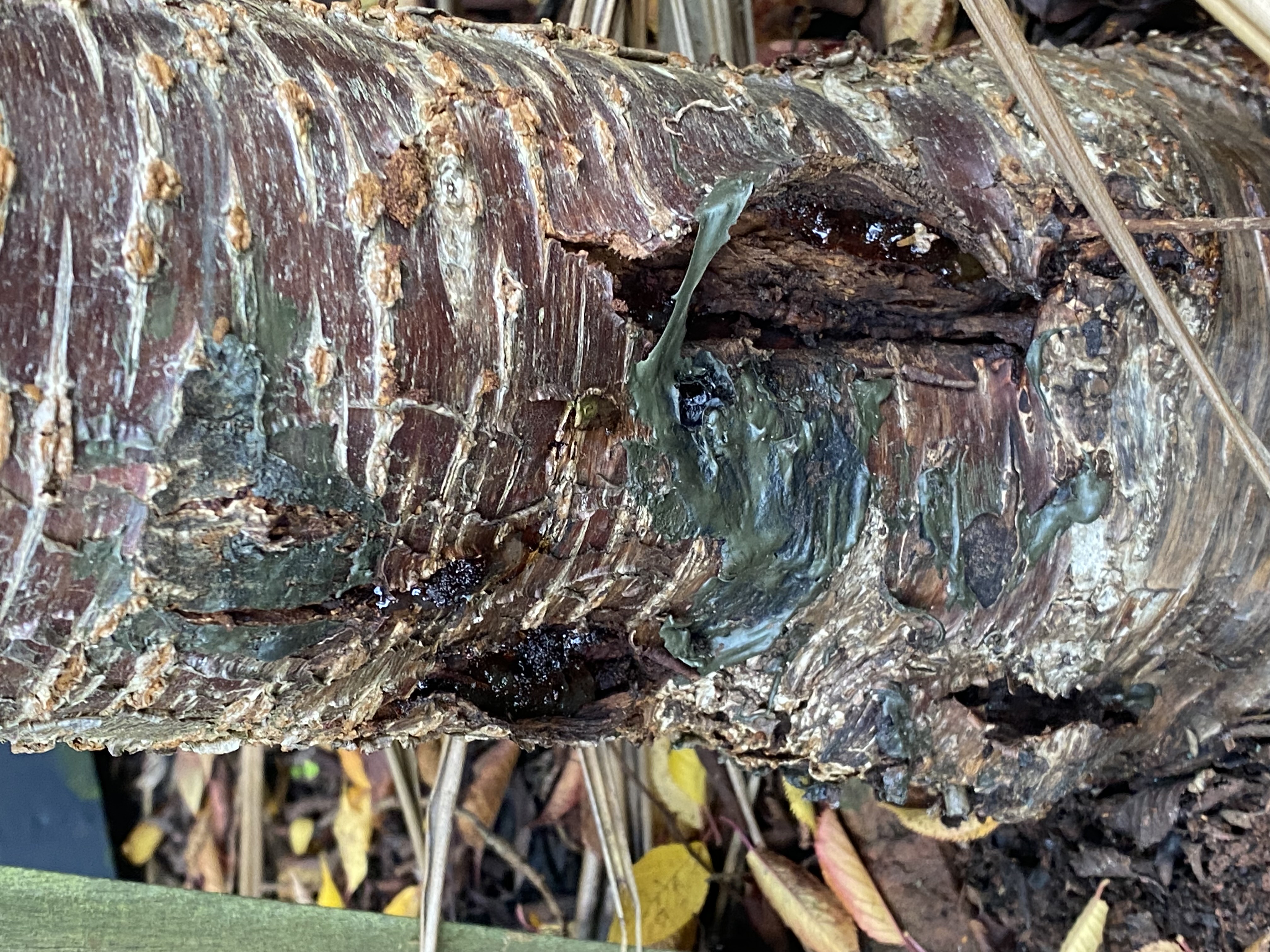
Quote from Cee on 3rd November 2025, 10:56 pmHere's the tree and a close up of the canker. The other side of the trunk is ok at the moment. The canker looks awful.
Here's the tree and a close up of the canker. The other side of the trunk is ok at the moment. The canker looks awful.
Uploaded files: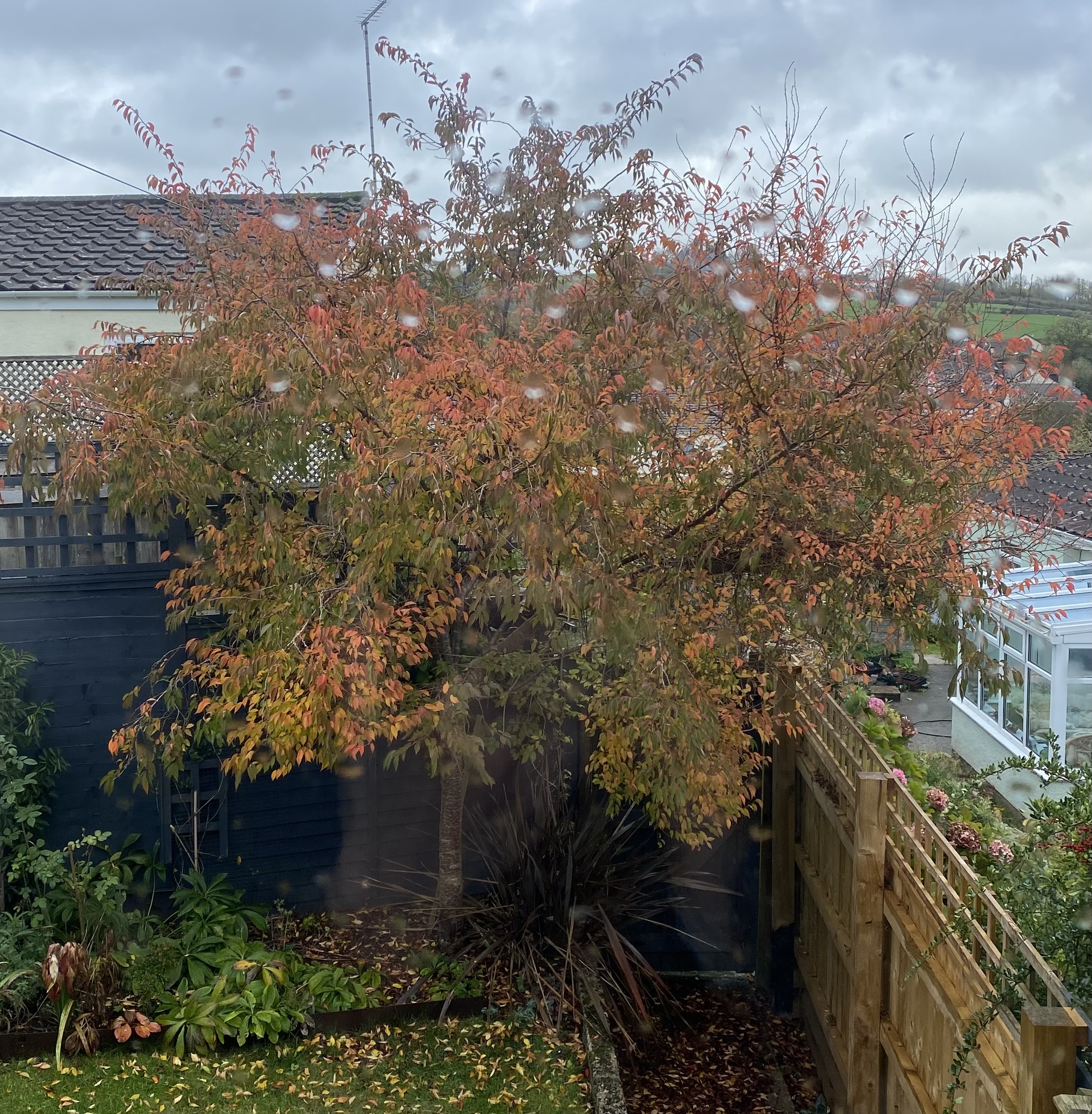
Quote from Lee Garden Ninja on 4th November 2025, 12:39 pmHello @cee
Thanks for the kind words about my YouTube guides!
It's lovely to hear the hedge planting video helped you, and I'm truly sorry to hear about your mum. The fact this Prunus Subhirtella was a gift to her makes it even more precious, and I completely understand why you're so determined to save it. Trees with that kind of history are irreplaceable, and your dedication to helping it through this challenge is admirable.
First things first: please don't beat yourself up about the water sprouts or the Medo sealer. We've all made mistakes in the garden, and cherry trees are notoriously sensitive, as you've discovered. The fact that your tree is still looking glorious in its autumn colours and producing winter blossom is actually a really positive sign. It tells me the tree still has plenty of vigour despite the canker issues on the trunk.
Understanding the canker situation
You're absolutely right that conventional wisdom says no pruning or cutting on stone fruits during autumn and winter. This is because wound healing is poor during dormancy, and wet conditions create the perfect environment for bacterial and fungal infections to spread.
However, your situation is a bit more nuanced because you're dealing with existing cankers that are already compromised, and you're in the wet southwest on clay soil, which, as you rightly point out, is exactly the wrong combination for cherry tree health.
The cankers expanding after heavy September rain are typical behaviour. The pathogens that cause these issues (usually bacterial canker or a fungal infection) thrive in wet conditions, and autumn rainfall essentially reactivates them after summer dormancy. The fact that they've become "really horrible" recently suggests the infection is active and probably will continue to worsen through winter if left completely untreated.
My practical advice for getting through winter
Here's what I'd suggest, and this is based on experience with similar situations where doing nothing felt riskier than doing something carefully:
I would not attempt to cut out the diseased wood until late winter or early spring (February through April is the traditional window for Prunus surgery). However, I do think there's merit in protecting those cankers from winter wet, which is clearly your main concern. Your instinct about creating a barrier isn't wrong, but I'd approach it slightly differently than your proposed Bordeaux paste method.
What I'd do instead is carefully clean around the canker margins with a stiff brush to remove any loose, dead bark and debris where moisture and pathogens can harbour. Then, rather than packing the sunken areas with paste, I'd then leave the wound without any paint or treatment, which is how I rtreated my Damson which the previous homeowner had taped.
The problem with gaffer tape is that it can trap moisture underneath, causing the canker to sweat. Consider using breathable wound tape or even strips of hessian secured with garden twine if you must wrap it, though I wouldn't. The goal is to keep direct rainfall off whilst allowing some air circulation.
Supporting the tree's overall health
The work you've already done is spot on. Clearing debris from around the base reduces disease pressure, and the blood, fish and bone will support root health going into winter. Clay soil is challenging because it holds moisture, which cherries detest. If you haven't already, consider these additional steps:
- Improve drainage around the root zone by incorporating horticultural grit or sharp sand into the top few inches of soil in a circle around the tree (not right against the trunk, but from about 30cm out to the drip line)
- Keep the area around the trunk clear of mulch, leaves and vegetation through winter to promote air circulation and reduce humidity at the base
- Monitor for waterlogging after heavy rain and consider creating very gentle surface channels to guide water away from the trunk if pooling occurs
The spring treatment plan
Come late winter (late February onwards), when the weather is drier and the tree is just starting to wake up, that's when I'd consider surgical intervention. At that point, you can carefully excise the worst of the dead, cankered tissue back to healthy wood using a sharp, sterilised knife.
The key is to create a clean wound with sloping edges that won't collect water, and then LEAVE IT ALONE. I never treat or paint such wounds any more.
The witches' brooms you mentioned are interesting and might be related to the same stress factors causing the cankers, or they could be a separate viral issue. Keep an eye on them, but they're generally less critical than the trunk integrity.
Being realistic about the prognosis
I want to be honest with you: cankers that encompass half the trunk are serious, and there's a real possibility the tree may not recover fully even with treatment. However, the fact it's still flowering, leafing well and looks healthy in the crown suggests it's a fighter. Cherry trees can be remarkably resilient when they want to be, and yours clearly has strong sentimental reasons to keep going! Like I said I've saved countless Damsons this way.
Your goal through winter is simply to minimise further deterioration and support the tree's natural defences. Come spring, with proper intervention and continued care, you may well be able to stabilise the situation and give this precious tree many more years.
Further reading and support
I've written several articles and the forum has some brilliant discussions that might help you through this situation. Here are some specific resources that are directly relevant to your Prunus problems:
Forum discussions on similar cherry tree issues:
- Tree Canker Advice: Sickly cherry tree covers exactly the kind of canker problems you're experiencing and treatment options
- Sweet Cherry Tree: Splitting trunk discusses trunk damage and canker management with some excellent practical advice
- Ornamental Cherry Pruning explains why we never prune cherries in winter due to silver leaf disease
- Fruit Tree Pruning for Cherries has comprehensive guidance on the correct timing and techniques for Prunus species
Articles on soil improvement and drainage:
- Plants That Love Clay Soil has excellent information on managing clay soil drainage issues
- How to Improve Soil from New Build Houses discusses improving heavy, waterlogged clay soils
- Soil Types Explained helps you understand your soil and how to work with it rather than against it
General fruit tree care:
- How to Prune an Apple Tree whilst focused on apples, contains excellent general principles about wound healing and the importance of timing
Keep us posted on how your tree does through winter, and don't hesitate to share updates on the forum. We're all rooting for you and your mum's tree. If you've found my advice helpful, I'm always grateful for a Google review to say thanks!
Best of luck, Cee!
Hello @cee
Thanks for the kind words about my YouTube guides!
It's lovely to hear the hedge planting video helped you, and I'm truly sorry to hear about your mum. The fact this Prunus Subhirtella was a gift to her makes it even more precious, and I completely understand why you're so determined to save it. Trees with that kind of history are irreplaceable, and your dedication to helping it through this challenge is admirable.
First things first: please don't beat yourself up about the water sprouts or the Medo sealer. We've all made mistakes in the garden, and cherry trees are notoriously sensitive, as you've discovered. The fact that your tree is still looking glorious in its autumn colours and producing winter blossom is actually a really positive sign. It tells me the tree still has plenty of vigour despite the canker issues on the trunk.
Understanding the canker situation
You're absolutely right that conventional wisdom says no pruning or cutting on stone fruits during autumn and winter. This is because wound healing is poor during dormancy, and wet conditions create the perfect environment for bacterial and fungal infections to spread.
However, your situation is a bit more nuanced because you're dealing with existing cankers that are already compromised, and you're in the wet southwest on clay soil, which, as you rightly point out, is exactly the wrong combination for cherry tree health.
The cankers expanding after heavy September rain are typical behaviour. The pathogens that cause these issues (usually bacterial canker or a fungal infection) thrive in wet conditions, and autumn rainfall essentially reactivates them after summer dormancy. The fact that they've become "really horrible" recently suggests the infection is active and probably will continue to worsen through winter if left completely untreated.
My practical advice for getting through winter
Here's what I'd suggest, and this is based on experience with similar situations where doing nothing felt riskier than doing something carefully:
I would not attempt to cut out the diseased wood until late winter or early spring (February through April is the traditional window for Prunus surgery). However, I do think there's merit in protecting those cankers from winter wet, which is clearly your main concern. Your instinct about creating a barrier isn't wrong, but I'd approach it slightly differently than your proposed Bordeaux paste method.
What I'd do instead is carefully clean around the canker margins with a stiff brush to remove any loose, dead bark and debris where moisture and pathogens can harbour. Then, rather than packing the sunken areas with paste, I'd then leave the wound without any paint or treatment, which is how I rtreated my Damson which the previous homeowner had taped.
The problem with gaffer tape is that it can trap moisture underneath, causing the canker to sweat. Consider using breathable wound tape or even strips of hessian secured with garden twine if you must wrap it, though I wouldn't. The goal is to keep direct rainfall off whilst allowing some air circulation.
Supporting the tree's overall health
The work you've already done is spot on. Clearing debris from around the base reduces disease pressure, and the blood, fish and bone will support root health going into winter. Clay soil is challenging because it holds moisture, which cherries detest. If you haven't already, consider these additional steps:
- Improve drainage around the root zone by incorporating horticultural grit or sharp sand into the top few inches of soil in a circle around the tree (not right against the trunk, but from about 30cm out to the drip line)
- Keep the area around the trunk clear of mulch, leaves and vegetation through winter to promote air circulation and reduce humidity at the base
- Monitor for waterlogging after heavy rain and consider creating very gentle surface channels to guide water away from the trunk if pooling occurs
The spring treatment plan
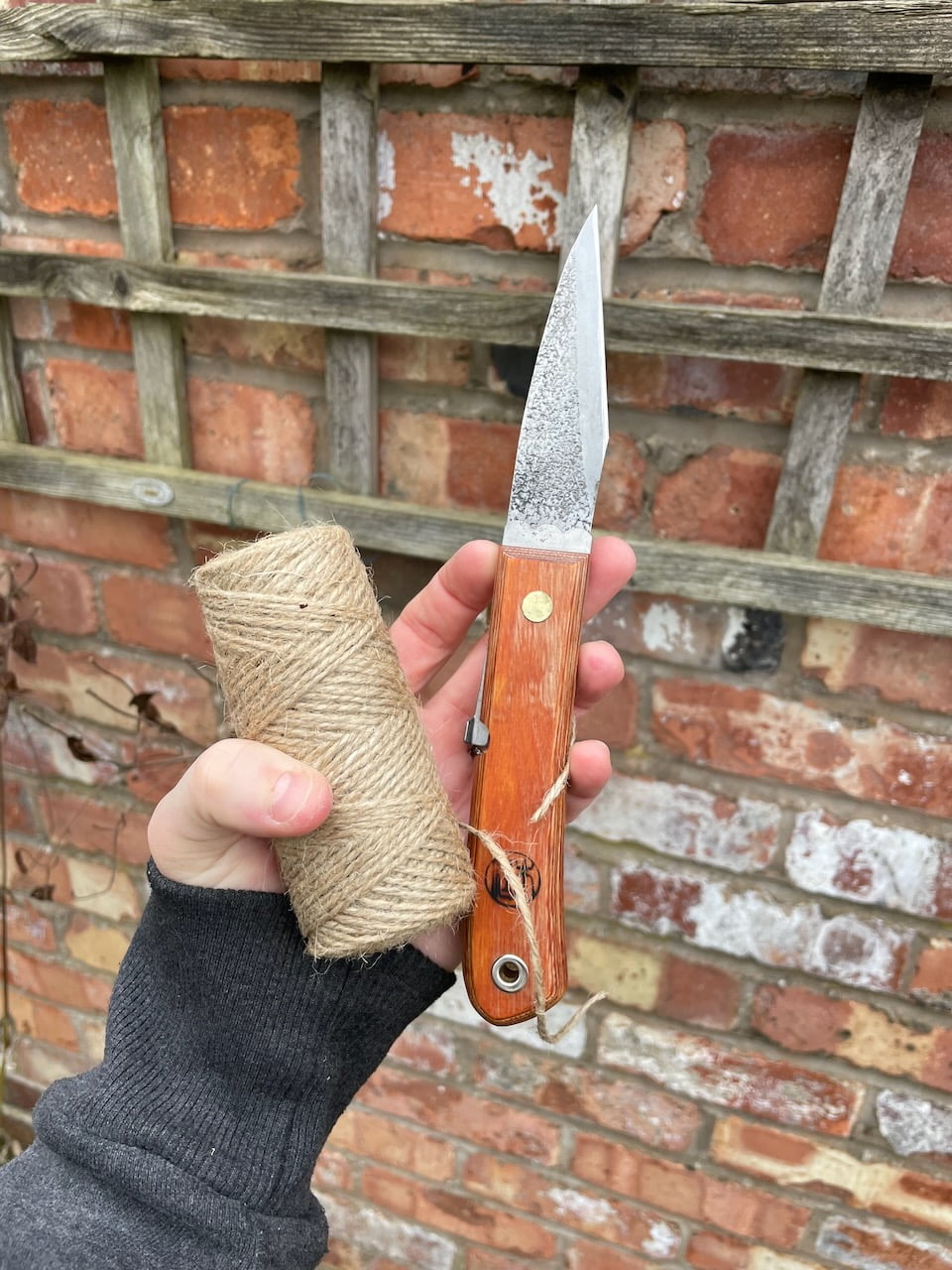
Come late winter (late February onwards), when the weather is drier and the tree is just starting to wake up, that's when I'd consider surgical intervention. At that point, you can carefully excise the worst of the dead, cankered tissue back to healthy wood using a sharp, sterilised knife.
The key is to create a clean wound with sloping edges that won't collect water, and then LEAVE IT ALONE. I never treat or paint such wounds any more.
The witches' brooms you mentioned are interesting and might be related to the same stress factors causing the cankers, or they could be a separate viral issue. Keep an eye on them, but they're generally less critical than the trunk integrity.
Being realistic about the prognosis
I want to be honest with you: cankers that encompass half the trunk are serious, and there's a real possibility the tree may not recover fully even with treatment. However, the fact it's still flowering, leafing well and looks healthy in the crown suggests it's a fighter. Cherry trees can be remarkably resilient when they want to be, and yours clearly has strong sentimental reasons to keep going! Like I said I've saved countless Damsons this way.
Your goal through winter is simply to minimise further deterioration and support the tree's natural defences. Come spring, with proper intervention and continued care, you may well be able to stabilise the situation and give this precious tree many more years.
Further reading and support
I've written several articles and the forum has some brilliant discussions that might help you through this situation. Here are some specific resources that are directly relevant to your Prunus problems:
Forum discussions on similar cherry tree issues:
- Tree Canker Advice: Sickly cherry tree covers exactly the kind of canker problems you're experiencing and treatment options
- Sweet Cherry Tree: Splitting trunk discusses trunk damage and canker management with some excellent practical advice
- Ornamental Cherry Pruning explains why we never prune cherries in winter due to silver leaf disease
- Fruit Tree Pruning for Cherries has comprehensive guidance on the correct timing and techniques for Prunus species
Articles on soil improvement and drainage:
- Plants That Love Clay Soil has excellent information on managing clay soil drainage issues
- How to Improve Soil from New Build Houses discusses improving heavy, waterlogged clay soils
- Soil Types Explained helps you understand your soil and how to work with it rather than against it
General fruit tree care:
- How to Prune an Apple Tree whilst focused on apples, contains excellent general principles about wound healing and the importance of timing
Keep us posted on how your tree does through winter, and don't hesitate to share updates on the forum. We're all rooting for you and your mum's tree. If you've found my advice helpful, I'm always grateful for a Google review to say thanks!
Best of luck, Cee!
Quote from Cee on 4th November 2025, 5:42 pmWow Lee what a super helpful, detailed response. Thank you so, so much. I was despairing at the lack of information about winters.
I think you are right and I have to hold off the 'surgery' until we hit a dry patch after February - I don't want to make things worse. I know it's a critical situation for my tree so I will put my new pruning knife away for now. But what you have explained has really helped me to think some more about protecting the damaged parts of the trunk through our soggy winter.
I hear you about the gaffer tape and preventing air circulation - like a human wound it's got to 'breathe'. I questioned it when our local garden nursery plant man suggested it. I did think of grafting tape but people say it's very hard to use for beginners.
My latest, (probably mad), idea is to make a little temporary roof out of something like a plastic cone recovery collar for dogs just to keep the worst of the rain off and channel it away. If I can attach it to the tree above the cankers but a few inches above the ground the air can easily circulate. I'm thinking I can use self-fusing silicone tape to help affix it to the tree (I read about the tape this morning in a fruit growers forum - it's waterproof but won't damage the bark when you remove it). Or I could even run a silicone seal bead around the top (like around a bath but transparent) - that's also water proof but will not hurt the tree and will be easy to remove in the future.
The tricky bit is going to be getting a collar to stay attached to the tree, I guess. I'm not a dog owner so I'll have to buy one and improvise. We'll see - it may need a re-think but you've inspired me to think some more beyond the basic 'drastic surgery right now' or not dichotomy.
Thank you also for the clay soil links. It's red, squidgy and messy, I really need to work with it. I will follow your advice for this winter and making sure it doesn't get too soggy near the tree.
You really have given me so much to think about - your response to my question is like a masterclass. Thank you again.
I hope others find this useful going forward - what to do with Prunus cankers in winter is definitely a gap in the online knowledge base. I will update this thread as things develop, I think that's important. I'm going to be watching my tree and on tenterhooks all winter. ??
Wow Lee what a super helpful, detailed response. Thank you so, so much. I was despairing at the lack of information about winters.
I think you are right and I have to hold off the 'surgery' until we hit a dry patch after February - I don't want to make things worse. I know it's a critical situation for my tree so I will put my new pruning knife away for now. But what you have explained has really helped me to think some more about protecting the damaged parts of the trunk through our soggy winter.
I hear you about the gaffer tape and preventing air circulation - like a human wound it's got to 'breathe'. I questioned it when our local garden nursery plant man suggested it. I did think of grafting tape but people say it's very hard to use for beginners.
My latest, (probably mad), idea is to make a little temporary roof out of something like a plastic cone recovery collar for dogs just to keep the worst of the rain off and channel it away. If I can attach it to the tree above the cankers but a few inches above the ground the air can easily circulate. I'm thinking I can use self-fusing silicone tape to help affix it to the tree (I read about the tape this morning in a fruit growers forum - it's waterproof but won't damage the bark when you remove it). Or I could even run a silicone seal bead around the top (like around a bath but transparent) - that's also water proof but will not hurt the tree and will be easy to remove in the future.
The tricky bit is going to be getting a collar to stay attached to the tree, I guess. I'm not a dog owner so I'll have to buy one and improvise. We'll see - it may need a re-think but you've inspired me to think some more beyond the basic 'drastic surgery right now' or not dichotomy.
Thank you also for the clay soil links. It's red, squidgy and messy, I really need to work with it. I will follow your advice for this winter and making sure it doesn't get too soggy near the tree.
You really have given me so much to think about - your response to my question is like a masterclass. Thank you again.
I hope others find this useful going forward - what to do with Prunus cankers in winter is definitely a gap in the online knowledge base. I will update this thread as things develop, I think that's important. I'm going to be watching my tree and on tenterhooks all winter. ??


Lee Burkhill
Lee Burkhill, known as the Garden Ninja, is an award-winning garden designer and horticulturist with over 30 years of gardening experience and 15 years as a professional garden designer. A qualified RHS (Royal Horticultural Society) professional, Lee specialises in sustainable garden design and practical horticultural advice. He designs and presents on BBC1’s Garden Rescue and in leading gardening publications. Lee combines three decades of hands-on gardening knowledge with professional design qualifications to help gardeners create beautiful, functional outdoor spaces.
View all posts by Lee Burkhill




Vuelo Top 10 Garden Blogger Award 2019
Chelsea Flower Show Director Generals Trade Stand Award 2018
5 Star Trade Stand Hampton Court 2018
Garden Media Guild New Talent 2017 Finalist
RHS & BBC Feel Good Gardens Winner 2016


Categories
- Blog
- Garden Advice
- Planning a garden
- Horticulture & Plant Ideas
- Wildlife Gardens
- Grow Your Own Fruit & Veg
- Garden Services
- Portfolio
- Garden Design Styles
- Pruning Guides
- Propagating & Growing Plants
- Lawn Care
- Hedge Care
- Summer Gardening
- Spring Gardening
- Autumn Gardening
- Winter Gardening
- Garden Tools & Equipment
- Tree Planting & Care