Hi @garden_fairy
Thanks for posting and welcome to the forum!
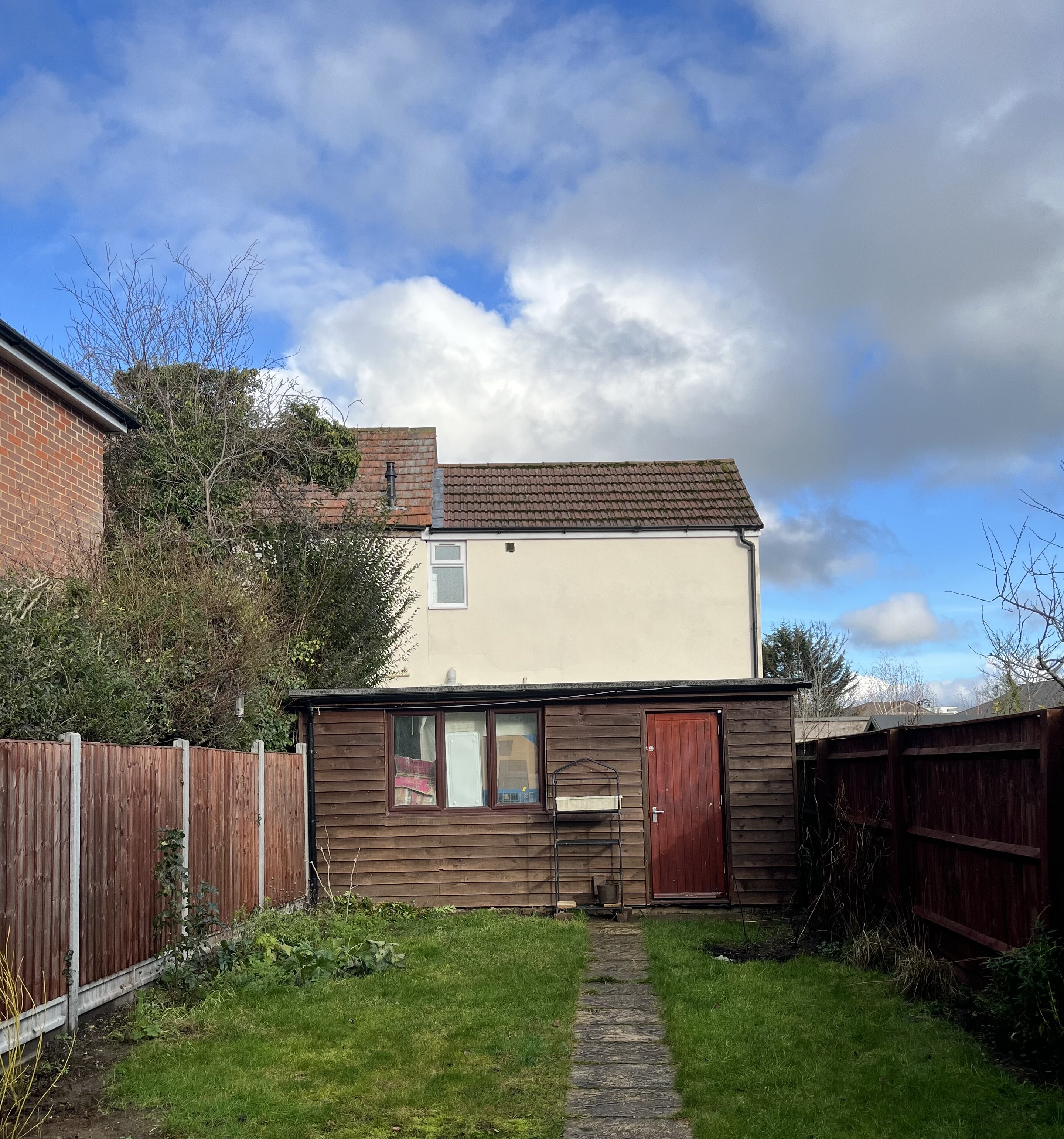
It's exciting that you're looking to transform this sunny area at the back of your garden. You've clearly thought about the challenges you're facing with the established tree and hedge roots competing for water, plus that shed foundation restricting planting options. Your instinct about raised beds and painting the shed cream is absolutely spot on as a starting point.
Before I dive into some high level ideas and resources, I should be upfront with you. What you're describing is really garden design territory, which involves creating a cohesive planting scheme, selecting specific plants for your soil conditions and aspect, and working out proportions and layouts that will transform this space properly. The forum policy is that we don't cover full garden design projects here, as that level of detail requires proper site assessment, understanding your budget, and creating a bespoke plan for your specific conditions.
If you'd like a comprehensive design with detailed planting lists, exact plant positioning, and a strategy for dealing with those competing roots and the shed foundation, then I'd recommend booking a garden design consultation. That way, I can properly assess your garden's microclimate, soil conditions, and create a planting plan that not only looks and smells lovely but actually thrives in those challenging conditions. It's the difference between getting some general ideas versus a roadmap that sets you up for success.
That said, I can absolutely point you towards some helpful resources and give you some strategic thinking to get you started on the right track.
Why raised beds are your friend here
You've hit the nail on the head with raised beds for this situation. With established tree and hedge roots sucking up moisture and nutrients, plus that shed foundation limiting where you can dig, raised beds solve both problems brilliantly. They create fresh growing space above the competing roots and can be positioned over that foundation without any excavation required. They also add height and structure to the area, which will make the shed feel less isolated and more integrated into the garden.
My comprehensive guide to building raised beds covers everything from materials to soil mixes, and more importantly, the design considerations for positioning them effectively. The key is to avoid creating what I call skinny borders (narrow planting strips that look mean and cramped). Instead, aim for raised beds that are at least 60cm to 80cm deep, which gives you enough planting depth for proper root development and allows you to create layered planting with different heights and textures.
Shed transformation strategy
Painting the shed cream is a good idea if you want to make it a focal point, but not so much if you want it to disappear a bit. It will immediately lift the space and provide a lovely neutral backdrop for planting if you want to draw attenton to it.
I've done exactly this transformation in my small garden makeover project, where I rotated and repainted a dreary shed to become a focal feature rather than an eyesore. The cream colour reflects light beautifully, which is especially valuable in a sunny spot where you want to soften the brightness rather than absorb it with dark colours.
Consider adding some architectural details like window boxes, trellis panels, or even a living roof if the structure can take it. My green roof shed guide shows how you can add a planted roof that helps the shed blend into the garden whilst providing habitat for insects and reducing heat buildup in summer (which you mentioned is an issue with the south east facing aspect).
Design principles for long gardens
Since you've got a long garden with a straight path leading to this shed area, you're dealing with classic long thin garden challenges. The worst thing you can do is create skinny borders running parallel to that path, which just emphasizes the corridor effect and makes everything feel cramped. Instead, you want to create depth and interruption to the sightline.
My guide to designing long thin gardens covers strategies for breaking up these spaces and creating destinations rather than dead ends. The shed area getting the most sun is actually your golden opportunity to create a proper seating and entertaining zone that justifies the journey down the garden. By framing it with substantial raised beds (not skinny borders), adding scented planting, and making the shed attractive rather than apologetic, you transform this from "the back where the shed lives" into "the sunny retreat at the end of the garden."
Planting for scent and beauty
You mentioned wanting plants that smell lovely and look lovely. For a sunny, south east facing spot, you've got fantastic options for scented planting. Mediterranean herbs like lavender, rosemary, and thyme will absolutely thrive in that heat and provide gorgeous fragrance whilst being tough enough to cope with competition from those tree roots once established in raised beds. Roses would be stunning there too, especially repeat flowering varieties that give you scent through summer.
However, selecting specific varieties depends on your soil type, how much maintenance you want to commit to, your colour preferences, and importantly, what will actually fit the proportions of the space without overwhelming it or looking lost. This is where proper design makes the difference between a plant list and a cohesive scheme.
Helpful design resources
Have a look through my garden design styles category which showcases different approaches to similar challenges. Pay particular attention to how I use raised beds to create structure and how planting is layered for year round interest.
My outdoor living garden guide might spark some ideas for turning that sunny shed area into a proper entertaining space, while my shade loving plants guide will help you think about what to plant near those tree and hedge boundaries where the root competition is fiercest.
The skinny border warning
One critical piece of advice: resist the temptation to create narrow planting strips around the shed perimeter. I see this mistake constantly, where people create 30cm or 40cm wide borders that are too shallow for proper planting and end up looking mean and ineffective. If you're going to add planting, commit to beds that are at least 80cm deep. This gives you room for layered planting with taller specimens at the back, mid-height perennials in the middle, and ground cover at the front. Anything narrower looks apologetic and struggles to establish properly, especially competing with those tree roots.
Final thoughts
You've clearly got a good vision for what this space could be, and your other half's willingness to dig when told is half the battle! With a cream-painted shed, substantial raised beds positioned thoughtfully, and a proper planting scheme that considers scent, colour, and year-round interest, you can absolutely transform this into a stunning garden destination.
If you want to take this to the next level with specific plant recommendations, exact positioning, and a comprehensive design that accounts for all those site-specific challenges, then a proper consultation would be the way forward. But hopefully, these resources and strategic thoughts give you enough to start visualising possibilities and making some initial progress.
Let us know how you get on, and feel free to share photos as the transformation develops!
Happy planting!
Lee Garden Ninja
Hi @garden_fairy
Thanks for posting and welcome to the forum!
It's exciting that you're looking to transform this sunny area at the back of your garden. You've clearly thought about the challenges you're facing with the established tree and hedge roots competing for water, plus that shed foundation restricting planting options. Your instinct about raised beds and painting the shed cream is absolutely spot on as a starting point.
Before I dive into some high level ideas and resources, I should be upfront with you. What you're describing is really garden design territory, which involves creating a cohesive planting scheme, selecting specific plants for your soil conditions and aspect, and working out proportions and layouts that will transform this space properly. The forum policy is that we don't cover full garden design projects here, as that level of detail requires proper site assessment, understanding your budget, and creating a bespoke plan for your specific conditions.
If you'd like a comprehensive design with detailed planting lists, exact plant positioning, and a strategy for dealing with those competing roots and the shed foundation, then I'd recommend booking a garden design consultation. That way, I can properly assess your garden's microclimate, soil conditions, and create a planting plan that not only looks and smells lovely but actually thrives in those challenging conditions. It's the difference between getting some general ideas versus a roadmap that sets you up for success.
That said, I can absolutely point you towards some helpful resources and give you some strategic thinking to get you started on the right track.
Why raised beds are your friend here
You've hit the nail on the head with raised beds for this situation. With established tree and hedge roots sucking up moisture and nutrients, plus that shed foundation limiting where you can dig, raised beds solve both problems brilliantly. They create fresh growing space above the competing roots and can be positioned over that foundation without any excavation required. They also add height and structure to the area, which will make the shed feel less isolated and more integrated into the garden.
My comprehensive guide to building raised beds covers everything from materials to soil mixes, and more importantly, the design considerations for positioning them effectively. The key is to avoid creating what I call skinny borders (narrow planting strips that look mean and cramped). Instead, aim for raised beds that are at least 60cm to 80cm deep, which gives you enough planting depth for proper root development and allows you to create layered planting with different heights and textures.
Shed transformation strategy
Painting the shed cream is a good idea if you want to make it a focal point, but not so much if you want it to disappear a bit. It will immediately lift the space and provide a lovely neutral backdrop for planting if you want to draw attenton to it.
I've done exactly this transformation in my small garden makeover project, where I rotated and repainted a dreary shed to become a focal feature rather than an eyesore. The cream colour reflects light beautifully, which is especially valuable in a sunny spot where you want to soften the brightness rather than absorb it with dark colours.
Consider adding some architectural details like window boxes, trellis panels, or even a living roof if the structure can take it. My green roof shed guide shows how you can add a planted roof that helps the shed blend into the garden whilst providing habitat for insects and reducing heat buildup in summer (which you mentioned is an issue with the south east facing aspect).
Design principles for long gardens
Since you've got a long garden with a straight path leading to this shed area, you're dealing with classic long thin garden challenges. The worst thing you can do is create skinny borders running parallel to that path, which just emphasizes the corridor effect and makes everything feel cramped. Instead, you want to create depth and interruption to the sightline.
My guide to designing long thin gardens covers strategies for breaking up these spaces and creating destinations rather than dead ends. The shed area getting the most sun is actually your golden opportunity to create a proper seating and entertaining zone that justifies the journey down the garden. By framing it with substantial raised beds (not skinny borders), adding scented planting, and making the shed attractive rather than apologetic, you transform this from "the back where the shed lives" into "the sunny retreat at the end of the garden."
Planting for scent and beauty
You mentioned wanting plants that smell lovely and look lovely. For a sunny, south east facing spot, you've got fantastic options for scented planting. Mediterranean herbs like lavender, rosemary, and thyme will absolutely thrive in that heat and provide gorgeous fragrance whilst being tough enough to cope with competition from those tree roots once established in raised beds. Roses would be stunning there too, especially repeat flowering varieties that give you scent through summer.
However, selecting specific varieties depends on your soil type, how much maintenance you want to commit to, your colour preferences, and importantly, what will actually fit the proportions of the space without overwhelming it or looking lost. This is where proper design makes the difference between a plant list and a cohesive scheme.
Helpful design resources
Have a look through my garden design styles category which showcases different approaches to similar challenges. Pay particular attention to how I use raised beds to create structure and how planting is layered for year round interest.
My outdoor living garden guide might spark some ideas for turning that sunny shed area into a proper entertaining space, while my shade loving plants guide will help you think about what to plant near those tree and hedge boundaries where the root competition is fiercest.
The skinny border warning
One critical piece of advice: resist the temptation to create narrow planting strips around the shed perimeter. I see this mistake constantly, where people create 30cm or 40cm wide borders that are too shallow for proper planting and end up looking mean and ineffective. If you're going to add planting, commit to beds that are at least 80cm deep. This gives you room for layered planting with taller specimens at the back, mid-height perennials in the middle, and ground cover at the front. Anything narrower looks apologetic and struggles to establish properly, especially competing with those tree roots.
Final thoughts
You've clearly got a good vision for what this space could be, and your other half's willingness to dig when told is half the battle! With a cream-painted shed, substantial raised beds positioned thoughtfully, and a proper planting scheme that considers scent, colour, and year-round interest, you can absolutely transform this into a stunning garden destination.
If you want to take this to the next level with specific plant recommendations, exact positioning, and a comprehensive design that accounts for all those site-specific challenges, then a proper consultation would be the way forward. But hopefully, these resources and strategic thoughts give you enough to start visualising possibilities and making some initial progress.
Let us know how you get on, and feel free to share photos as the transformation develops!
Happy planting!
Lee Garden Ninja

 Lee Burkhill: Award Winning Designer & BBC 1's Garden Rescue Presenters Official Blog