Hi @philcas
Thanks for your question on when and how to prune Ceonothus, the gorgeous, bright blue flowering shrub!
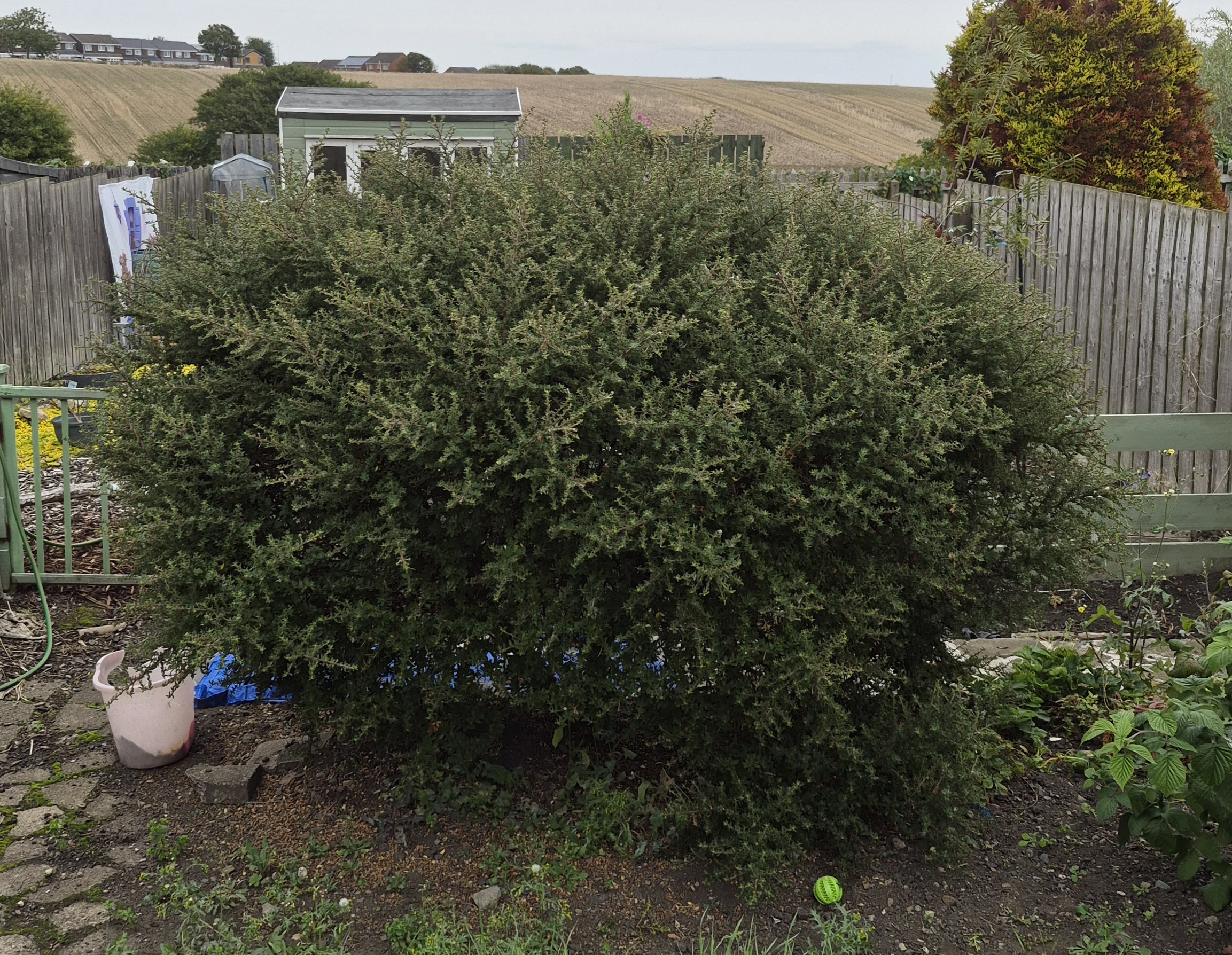
I completely understand your frustration with that "big lump" appearance! Ceonothus can indeed look spectacular when flowerin,g but become rather ungainly afterwards, especially when they haven't received proper pruning guidance. The good news is that with careful technique, you can definitely tidy up your rectangle-shaped beauty and potentially encourage some height growth, too.
Why Ceonothus Needs Careful Pruning
Ceonothus does not tolerate heavy pruning, and cutting back into old wood results in dead branches. This is the crucial principle to understand before you start. Ceanothus do not respond well to hard pruning; in fact, it can kill them if you're not careful. Only cut back into the green section of stems, as pruning into woody growth is not always a good idea for evergreen Ceonothus, which may struggle to grow back.
Timing Is Everything
Flowering time dictates when Ceonothus should be pruned. Those that flower in spring and up to mid-summer are best pruned just after flowering. Since most varieties finish flowering by June, you'll want to tackle yours soon if it's already bloomed. Pruning too early can snip off flower buds, which means fewer blooms to enjoy next year, so timing really matters with these temperamental shrubs.
The Proper Pruning Technique
Never prune any stems that are larger than 1/4 inch wide.
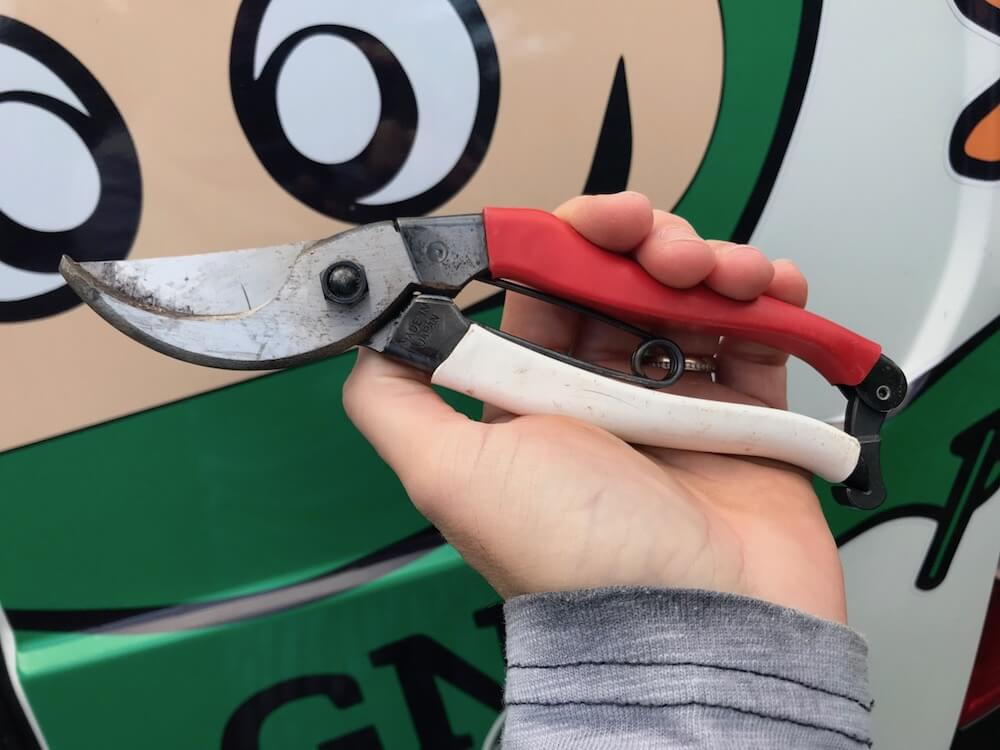
Instead, prune the very tips of each branch back to where you want it to be. Use secateurs to cut back long, flowered shoots by one-third to a half immediately after flowering. This light-touch approach maintains the plant's health whilst improving its appearance.
New shoots can be produced only by tip pruning on stems where growth is active, which is why you must stick to fresh green growth rather than venturing into the woody brown stems. Cleaning out interior dead wood and removing awkward lower limbs improves shape and attractiveness, so focus on opening up the centre whilst respecting those pruning limits. You could try and crown lift it, but I'd be cautious you don't end up with a very misshapen shrub!
Encouraging Height Growth
Regarding your question about encouraging taller growth, this is where understanding your Ceonothus variety becomes important. Taller species can be trained into small trees with early pruning, and the removal of interior dead wood as plants age produces a cleaner appearance. Some varieties can grow into small trees if they are supported and pruned when they are young.
If yours is naturally a spreading variety, you're somewhat limited in encouraging height, but you can develop a framework of branches by shortening stems to outward-facing buds. Promote branching by pinch-pruning the soft tips on young plants in spring, which encourages a more upright, structured growth pattern over time.
Your Pruning Strategy
Start by removing any clearly dead, damaged, or crossing branches from the interior. Then work on shortening those wayward shoots by up to half their length, always cutting back to a healthy outward-facing bud or branch junction. Remove spent flower spikes, which will help it look less wild and give the whole plant a tidier appearance.
Managing Expectations
If a plant has become woody and overgrown, it is usually best to replace it rather than attempt to prune it to give it a new lease of life. However, if your Ceonothus isn't completely woody throughout, careful annual pruning from now on will gradually improve its shape and flowering performance.
Further Reading on Ceonothus Care:
Best of luck taming your wayward beauty – with patience and the right technique, you should see a marked improvement next year!
Lee Burkhill - Garden Ninja
Hi @philcas
Thanks for your question on when and how to prune Ceonothus, the gorgeous, bright blue flowering shrub!
I completely understand your frustration with that "big lump" appearance! Ceonothus can indeed look spectacular when flowerin,g but become rather ungainly afterwards, especially when they haven't received proper pruning guidance. The good news is that with careful technique, you can definitely tidy up your rectangle-shaped beauty and potentially encourage some height growth, too.
Why Ceonothus Needs Careful Pruning
Ceonothus does not tolerate heavy pruning, and cutting back into old wood results in dead branches. This is the crucial principle to understand before you start. Ceanothus do not respond well to hard pruning; in fact, it can kill them if you're not careful. Only cut back into the green section of stems, as pruning into woody growth is not always a good idea for evergreen Ceonothus, which may struggle to grow back.
Timing Is Everything
Flowering time dictates when Ceonothus should be pruned. Those that flower in spring and up to mid-summer are best pruned just after flowering. Since most varieties finish flowering by June, you'll want to tackle yours soon if it's already bloomed. Pruning too early can snip off flower buds, which means fewer blooms to enjoy next year, so timing really matters with these temperamental shrubs.
The Proper Pruning Technique
Never prune any stems that are larger than 1/4 inch wide.
Instead, prune the very tips of each branch back to where you want it to be. Use secateurs to cut back long, flowered shoots by one-third to a half immediately after flowering. This light-touch approach maintains the plant's health whilst improving its appearance.
New shoots can be produced only by tip pruning on stems where growth is active, which is why you must stick to fresh green growth rather than venturing into the woody brown stems. Cleaning out interior dead wood and removing awkward lower limbs improves shape and attractiveness, so focus on opening up the centre whilst respecting those pruning limits. You could try and crown lift it, but I'd be cautious you don't end up with a very misshapen shrub!
Encouraging Height Growth
Regarding your question about encouraging taller growth, this is where understanding your Ceonothus variety becomes important. Taller species can be trained into small trees with early pruning, and the removal of interior dead wood as plants age produces a cleaner appearance. Some varieties can grow into small trees if they are supported and pruned when they are young.
If yours is naturally a spreading variety, you're somewhat limited in encouraging height, but you can develop a framework of branches by shortening stems to outward-facing buds. Promote branching by pinch-pruning the soft tips on young plants in spring, which encourages a more upright, structured growth pattern over time.
Your Pruning Strategy
Start by removing any clearly dead, damaged, or crossing branches from the interior. Then work on shortening those wayward shoots by up to half their length, always cutting back to a healthy outward-facing bud or branch junction. Remove spent flower spikes, which will help it look less wild and give the whole plant a tidier appearance.
Managing Expectations
If a plant has become woody and overgrown, it is usually best to replace it rather than attempt to prune it to give it a new lease of life. However, if your Ceonothus isn't completely woody throughout, careful annual pruning from now on will gradually improve its shape and flowering performance.
Further Reading on Ceonothus Care:
Best of luck taming your wayward beauty – with patience and the right technique, you should see a marked improvement next year!
Lee Burkhill - Garden Ninja
 Lee Burkhill: Award Winning Designer & BBC 1's Garden Rescue Presenters Official Blog