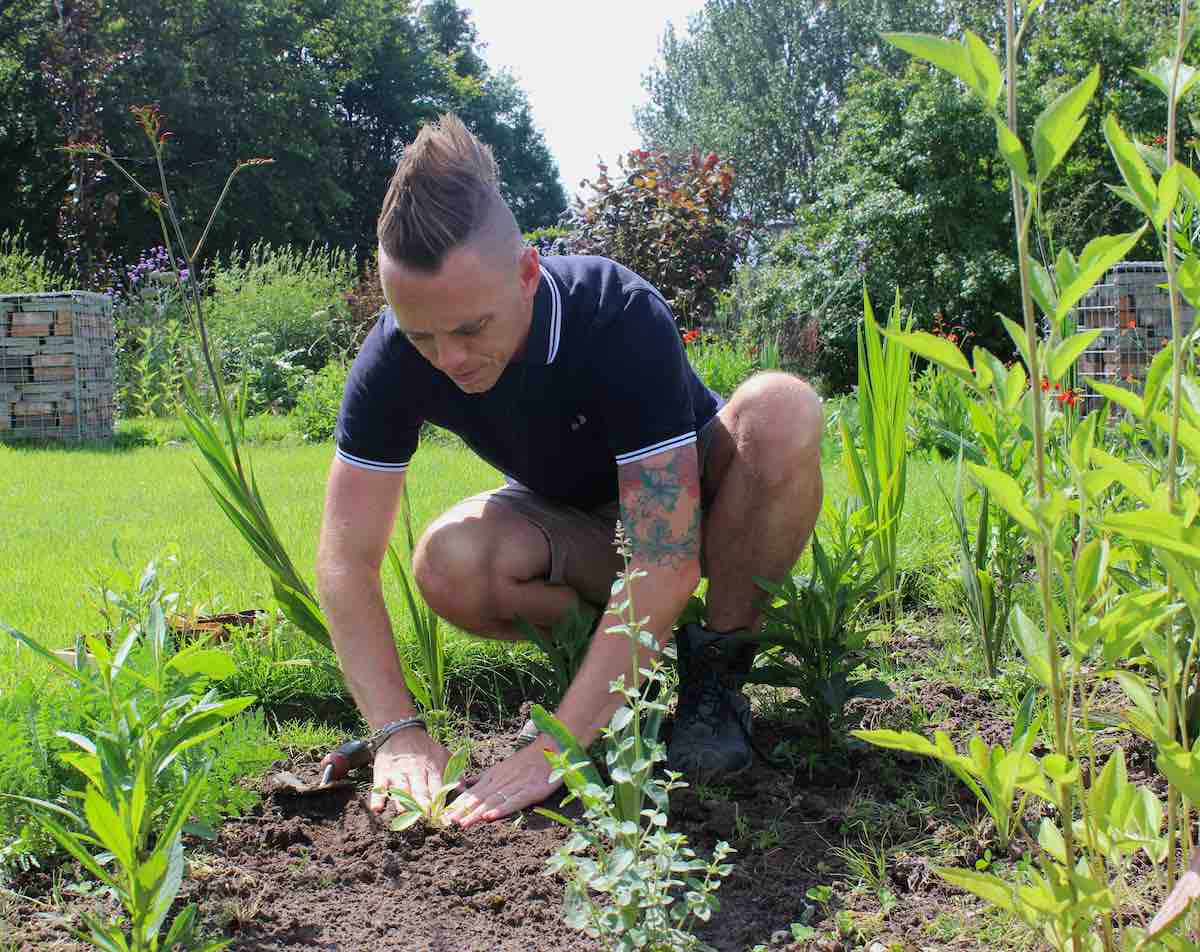
Hi @lawn-ranger
Good question about lawn scarification. For most people, searching for the best lawn mower is as far as their queries go, but scarification is key to a long-lasting moss, moss-free, even lawn. Best achieved, as you said, by a scarifier.
For an averaged sized lawn, I'd recommend an electric scarifier for a few reasons:
- Servicing costs are much lower for electric scarifiers compared to petrol scarifiers, and most repairs or services can be done at home.
- Electric scarifiers are far lighter and easier to manoeuvre.
- Electric scarifiers are far cheaper to buy
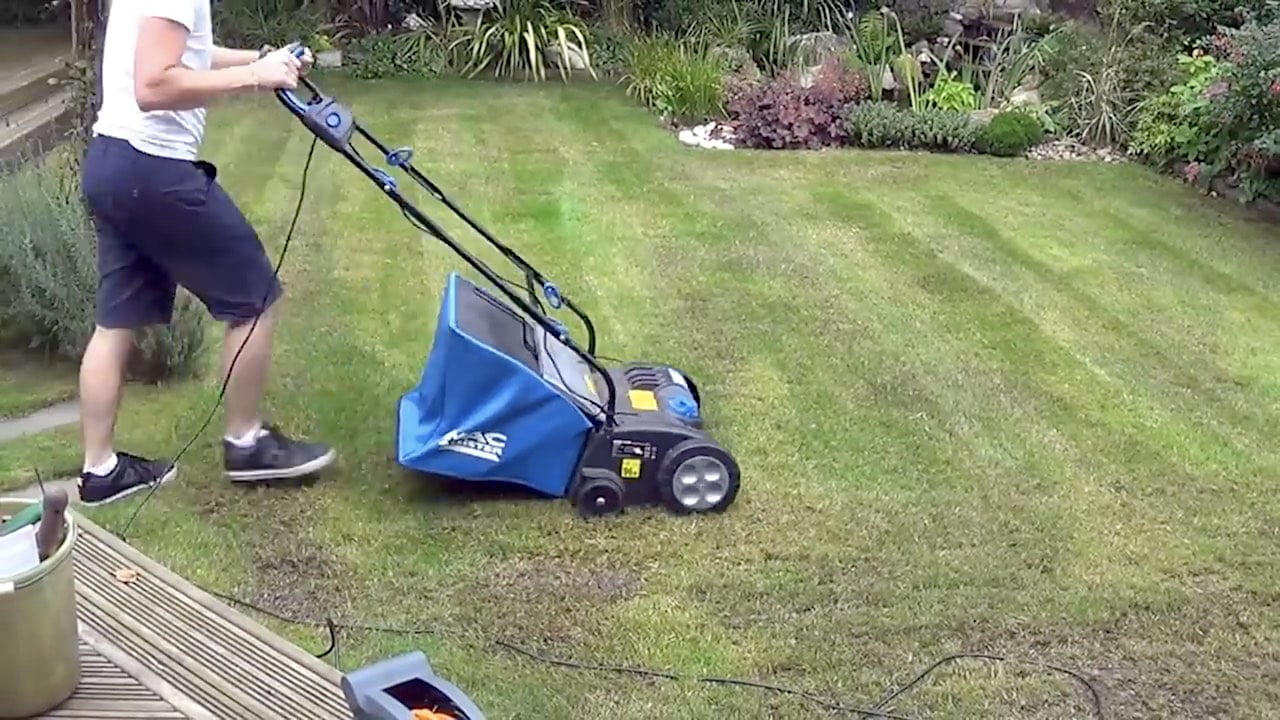
If you need a petrol scarifier, I'd advise you to hire one first to see if it is right for you. I find them too unwieldy and heavy to use frequently.
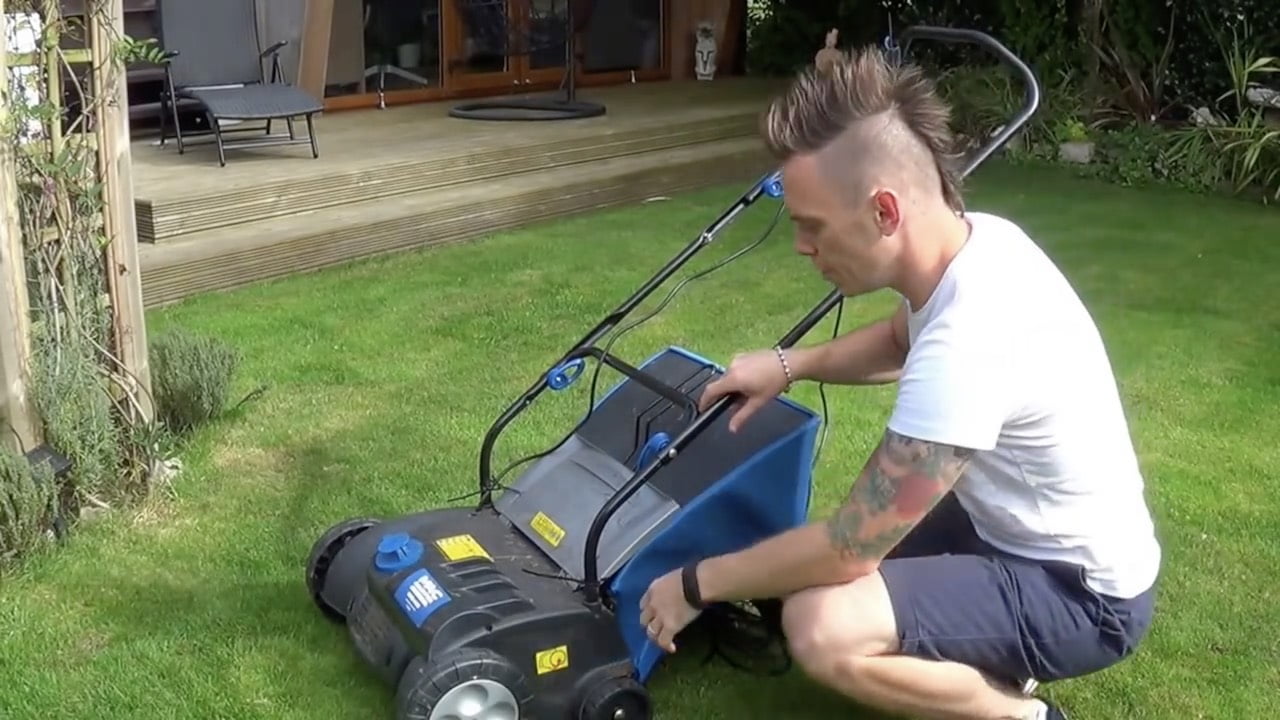
Have a look at this scarifier that I've used before. It has never done me wrong and is more than capable of handling most 'average-sized lawns'.
I'm also going to write a bit more about what to look out for when scarifying a lawn and why it is important so other readers have the full picture; there may be a few tidbits you can pick up on, too!
Why Do Lawns Need to Be Scarified?
Scarifying, also known as lawn dethatching, is the process of removing thatch—an accumulation of dead grass, roots, and organic debris that can build up on the soil surface. Here’s why scarifying is essential for a healthy lawn:
1. Improved Airflow and Nutrient Absorption
Thatch can act as a barrier that prevents air, water, and nutrients from reaching the grassroots. By scarifying your lawn, you break up this layer, allowing essential elements to penetrate the soil more effectively. This results in healthier grass that can grow more vigorously.
2. Enhanced Water Drainage
Excess thatch can cause water to pool on the surface, leading to soggy patches and potential root rot. Scarifying helps to improve drainage by loosening compacted soil and allowing water to flow through more freely.
3. Promotes Stronger Root Growth
Removing thatch encourages grass roots to spread deeper into the soil, strengthening the lawn and making it more resilient to drought and foot traffic. Healthy roots are the foundation of a thriving lawn.
4. Reduced Pests and Diseases
A thick thatch layer can create an ideal habitat for pests and fungal diseases. By scarifying, you reduce the buildup of organic matter that can harbour these issues, promoting a healthier lawn overall.
5. Encourages New Growth
Scarifying removes old debris and creates slices through the grass rhizomes, encouraging new grass shoots to emerge. This rejuvenates your lawn and can improve its overall appearance and density.
Signs Your Lawn Needs Scarifying
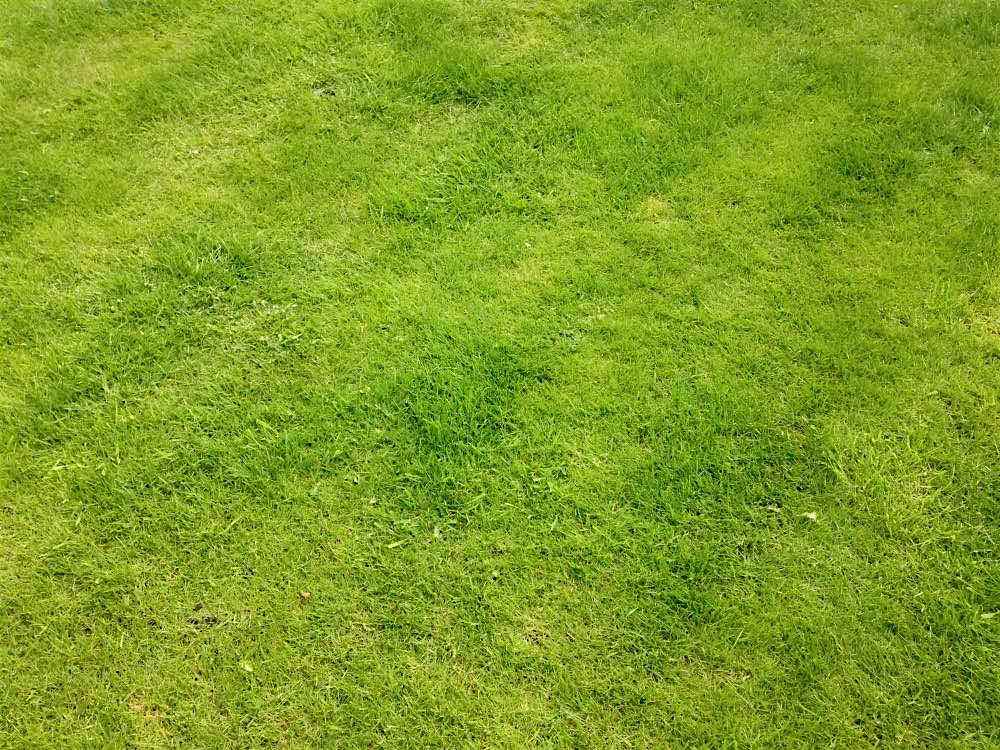
Before you grab your scarifier, it’s essential to recognize the signs that your lawn is due for this maintenance task:
Thick Layer of Thatch. If the thatch layer exceeds half an inch, it's time to scarify.
Poor Drainage: Water pooling on the surface after rain indicates compacted soil or excess thatch.
Dull or Patchy Grass: Scarifying can promote healthier growth if your lawn looks lacklustre or has bare patches.
Increased Pest Activity: A rise in insects or signs of disease can signal the need for dethatching.
What to Look for in a Good Electric Scarifier
When choosing an electric scarifier, several features can enhance your scarifying experience and results. Here are the key aspects to consider:
1. Power and Performance
Opt for a scarifier with sufficient power (usually measured in watts). A motor with at least 1,200 watts is ideal for residential use. This power effectively removes thatch and debris, making the task easier and quicker.
2. Adjustable Depth Settings
Look for a model with adjustable scarifying depths. This feature allows you to customize how deep the blades penetrate the soil based on the thickness of the thatch layer. A good scarifier should offer at least three depth settings for versatility.
3. Blade Quality
The blades are the heart of a scarifier. Ensure they are made from durable materials, like steel, for effective thatch removal. Some models also come with interchangeable blades for scarifying, raking, or aerating, adding to their versatility.
4. Collection Bag
A scarifier with a built-in collection bag makes cleanup easier. This feature helps gather the debris removed during the scarifying process, preventing it from cluttering your lawn and saving you time on post-scarifying cleanup.
5. Ergonomic Design
Consider the weight and design of the scarifier. An ergonomic handle and lightweight body will make it easier to maneuver and operate for extended periods without causing strain.
6. Cord Length or Battery Life
If you choose a corded electric scarifier, ensure the power cord is long enough to reach your entire lawn without needing an extension. For cordless models, look for one with a good battery life to avoid interruptions during the task.
7. Ease of Storage
After use, a scarifier should be easy to store. Look for models that can be folded or have a compact design to save space in your shed or garage.
8. User Reviews and Brand Reputation
Lastly, check user reviews and the reputation of the brand. Feedback from other gardeners can provide valuable insights into the performance, durability, and overall satisfaction with the scarifier.
https://youtu.be/8oeYfHJvmsQ
Scarifying is a vital lawn care process for maintaining a healthy and vibrant lawn. You can enhance your lawn's health and appearance by understanding the importance of dethatching and recognizing when it’s time to scarify. When selecting an electric scarifier, prioritize power, blade quality, adjustable depth settings, and user-friendly features to ensure you choose the best tool for the job.
Good luck with your scarifying Lawn Ranger, and let us know how you got on.
All the best
Lee Garden Ninja
Hi @lawn-ranger
Good question about lawn scarification. For most people, searching for the best lawn mower is as far as their queries go, but scarification is key to a long-lasting moss, moss-free, even lawn. Best achieved, as you said, by a scarifier.
For an averaged sized lawn, I'd recommend an electric scarifier for a few reasons:
- Servicing costs are much lower for electric scarifiers compared to petrol scarifiers, and most repairs or services can be done at home.
- Electric scarifiers are far lighter and easier to manoeuvre.
- Electric scarifiers are far cheaper to buy
If you need a petrol scarifier, I'd advise you to hire one first to see if it is right for you. I find them too unwieldy and heavy to use frequently.
Have a look at this scarifier that I've used before. It has never done me wrong and is more than capable of handling most 'average-sized lawns'.
I'm also going to write a bit more about what to look out for when scarifying a lawn and why it is important so other readers have the full picture; there may be a few tidbits you can pick up on, too!
Why Do Lawns Need to Be Scarified?
Scarifying, also known as lawn dethatching, is the process of removing thatch—an accumulation of dead grass, roots, and organic debris that can build up on the soil surface. Here’s why scarifying is essential for a healthy lawn:
1. Improved Airflow and Nutrient Absorption
Thatch can act as a barrier that prevents air, water, and nutrients from reaching the grassroots. By scarifying your lawn, you break up this layer, allowing essential elements to penetrate the soil more effectively. This results in healthier grass that can grow more vigorously.
2. Enhanced Water Drainage
Excess thatch can cause water to pool on the surface, leading to soggy patches and potential root rot. Scarifying helps to improve drainage by loosening compacted soil and allowing water to flow through more freely.
3. Promotes Stronger Root Growth
Removing thatch encourages grass roots to spread deeper into the soil, strengthening the lawn and making it more resilient to drought and foot traffic. Healthy roots are the foundation of a thriving lawn.
4. Reduced Pests and Diseases
A thick thatch layer can create an ideal habitat for pests and fungal diseases. By scarifying, you reduce the buildup of organic matter that can harbour these issues, promoting a healthier lawn overall.
5. Encourages New Growth
Scarifying removes old debris and creates slices through the grass rhizomes, encouraging new grass shoots to emerge. This rejuvenates your lawn and can improve its overall appearance and density.
Signs Your Lawn Needs Scarifying
Before you grab your scarifier, it’s essential to recognize the signs that your lawn is due for this maintenance task:
Thick Layer of Thatch. If the thatch layer exceeds half an inch, it's time to scarify.
Poor Drainage: Water pooling on the surface after rain indicates compacted soil or excess thatch.
Dull or Patchy Grass: Scarifying can promote healthier growth if your lawn looks lacklustre or has bare patches.
Increased Pest Activity: A rise in insects or signs of disease can signal the need for dethatching.
What to Look for in a Good Electric Scarifier
When choosing an electric scarifier, several features can enhance your scarifying experience and results. Here are the key aspects to consider:
1. Power and Performance
Opt for a scarifier with sufficient power (usually measured in watts). A motor with at least 1,200 watts is ideal for residential use. This power effectively removes thatch and debris, making the task easier and quicker.
2. Adjustable Depth Settings
Look for a model with adjustable scarifying depths. This feature allows you to customize how deep the blades penetrate the soil based on the thickness of the thatch layer. A good scarifier should offer at least three depth settings for versatility.
3. Blade Quality
The blades are the heart of a scarifier. Ensure they are made from durable materials, like steel, for effective thatch removal. Some models also come with interchangeable blades for scarifying, raking, or aerating, adding to their versatility.
4. Collection Bag
A scarifier with a built-in collection bag makes cleanup easier. This feature helps gather the debris removed during the scarifying process, preventing it from cluttering your lawn and saving you time on post-scarifying cleanup.
5. Ergonomic Design
Consider the weight and design of the scarifier. An ergonomic handle and lightweight body will make it easier to maneuver and operate for extended periods without causing strain.
6. Cord Length or Battery Life
If you choose a corded electric scarifier, ensure the power cord is long enough to reach your entire lawn without needing an extension. For cordless models, look for one with a good battery life to avoid interruptions during the task.
7. Ease of Storage
After use, a scarifier should be easy to store. Look for models that can be folded or have a compact design to save space in your shed or garage.
8. User Reviews and Brand Reputation
Lastly, check user reviews and the reputation of the brand. Feedback from other gardeners can provide valuable insights into the performance, durability, and overall satisfaction with the scarifier.
Scarifying is a vital lawn care process for maintaining a healthy and vibrant lawn. You can enhance your lawn's health and appearance by understanding the importance of dethatching and recognizing when it’s time to scarify. When selecting an electric scarifier, prioritize power, blade quality, adjustable depth settings, and user-friendly features to ensure you choose the best tool for the job.
Good luck with your scarifying Lawn Ranger, and let us know how you got on.
All the best
Lee Garden Ninja

 Lee Burkhill: Award Winning Designer & BBC 1's Garden Rescue Presenters Official Blog