Hi @rosi
Thanks for your question about weed killers. Without seeing pictures, I can't give 100% advice, but the description does, in fact, sound like weed killer damage—specifically glyphosate.
Out of the many reasons why glyphosate and weed killers should be used with caution is that they drift when sprayed from one area to the next. They also have links with carcinogens, wildlife destruction and the loss of habitats for birds and insects. Not a nice thought just to get rid of some weeds.
If it was only one of your plants that had turned yellow, I'd say that it was probably stress or disease, but a tree, hardy shrub, and lawn—all sound like weed killers to me, I'm afraid, from somewhere.
Symptoms of Weed Killer Damage on Plants
1.Leaf Discolouration
Yellowing: Leaves may turn yellow, starting from the edges or tips and spreading inward.
Browning: Leaves can develop brown or burnt edges, or entire leaves may turn brown.
2. Distorted Growth
Curling or Twisting: Leaves and stems may curl, twist, or become misshapen.
Stunting: New growth may be stunted or fail to develop properly.
3. Spotting and Blotching
Spots: Leaves can develop spots or blotches that may be white, yellow, or brown.
4. Wilting
Sudden Wilting: Plants may wilt quickly after exposure, even if soil moisture levels are adequate.
5. Leaf Drop
Premature Leaf Drop: Leaves may fall off the plant prematurely, often following discolouration and wilting.
Your neighbour or someone may have done it by accident, so I don't want to start a war. If you can post some pictures below, I'll happily confirm for you. For other Ninjas not aware of why I don't use weed killers in my gardens the below summary should help so you can make an informed choice.
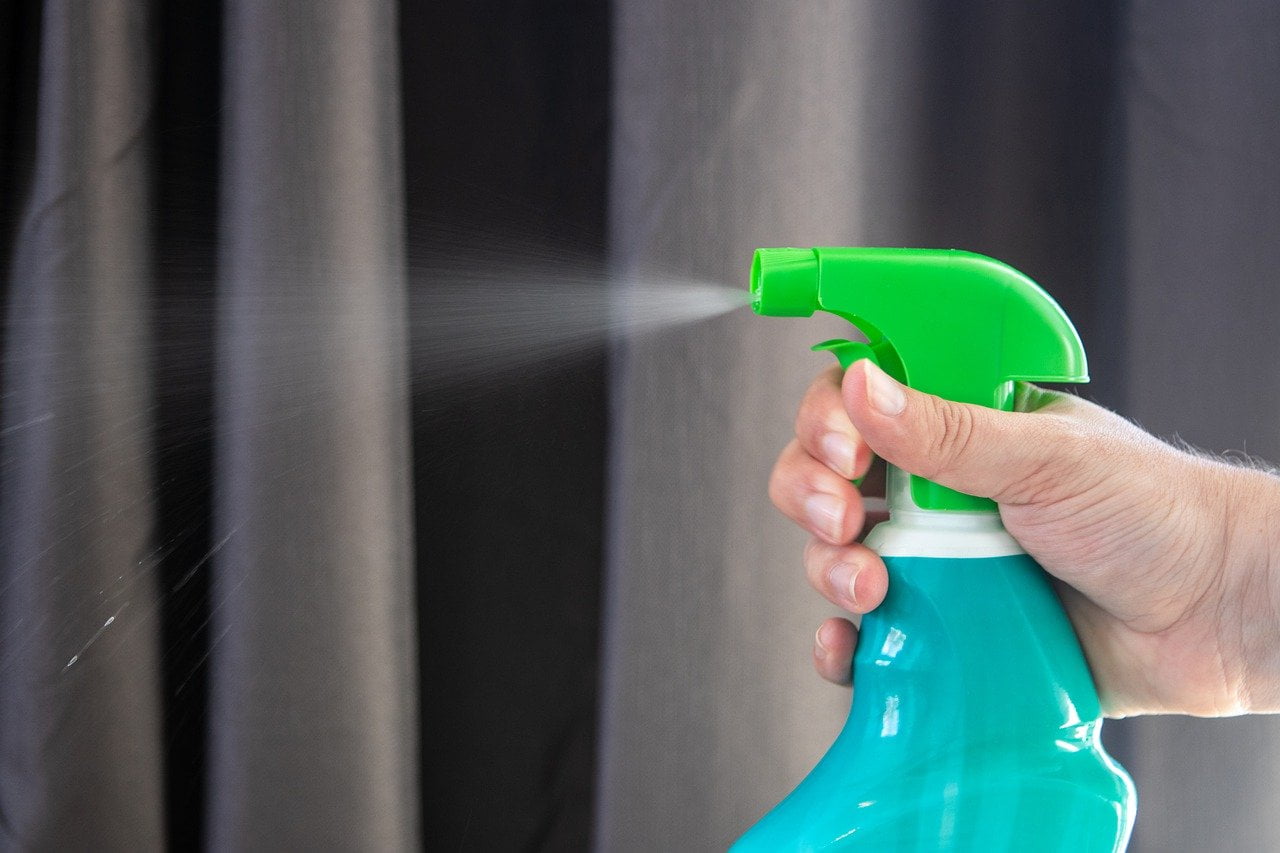
1. Environmental Impact
Soil Health: Weed killers can disrupt soil ecosystems, killing beneficial microorganisms and affecting soil fertility. Soil is the lifeblood of all life on the planet, so damaging it necessarily isn't sensible gardening!
Water Contamination: Chemicals can leach into groundwater or run off into nearby water sources, harming aquatic life and potentially contaminating drinking water.
2. Non-Selective Damage
Harm to Desirable Plants: Many weed killers are non-selective, meaning they can harm or kill desirable plants if accidentally sprayed or if the chemicals drift during application.
Impact on Biodiversity: Reducing plant diversity can negatively impact local wildlife, including pollinators and other beneficial insects.
3. Health Risks
Human Exposure: Improper handling or application can lead to skin irritation, respiratory issues, or other health problems for humans. Imagine breathing those chemicals in?! Google legal cases of glyphosate for an alarming history of human illnesses linked to weed killers.
Pet Safety: Pets may be exposed to harmful chemicals if they play in or eat treated areas.
4. Resistance Development
Weed Resistance: Overuse of chemical weed killers can lead to the development of resistant weed species, making them harder to control over time and requiring stronger or more frequent applications.
5. Soil Residues
Long-Term Residues: Some weed killers leave residues in the soil that can persist for months or even years, affecting future plantings and soil health.
6. Impact on Beneficial Insects
Harm to Pollinators: Many weed killers can negatively impact bees, butterflies, and other pollinators, reducing pollination and affecting plant reproduction.
Disruption of Ecosystems: Harm to beneficial insects can lead to imbalanced ecosystems, resulting in more pest problems.
7. Cost
Expense: Regular use of weed killers can be costly, especially if you need to buy multiple products to address different types of weeds or resistant species.
8. Temporary Solution
Short-Term Fix: Weed killers often provide only a temporary solution, as weeds can regrow from seeds or roots that survive the initial treatment. Long-term weed control typically requires ongoing maintenance and integrated management strategies.
All the best
Lee Garden Ninja
Hi @rosi
Thanks for your question about weed killers. Without seeing pictures, I can't give 100% advice, but the description does, in fact, sound like weed killer damage—specifically glyphosate.
Out of the many reasons why glyphosate and weed killers should be used with caution is that they drift when sprayed from one area to the next. They also have links with carcinogens, wildlife destruction and the loss of habitats for birds and insects. Not a nice thought just to get rid of some weeds.
If it was only one of your plants that had turned yellow, I'd say that it was probably stress or disease, but a tree, hardy shrub, and lawn—all sound like weed killers to me, I'm afraid, from somewhere.
Symptoms of Weed Killer Damage on Plants
1.Leaf Discolouration
Yellowing: Leaves may turn yellow, starting from the edges or tips and spreading inward.
Browning: Leaves can develop brown or burnt edges, or entire leaves may turn brown.
2. Distorted Growth
Curling or Twisting: Leaves and stems may curl, twist, or become misshapen.
Stunting: New growth may be stunted or fail to develop properly.
3. Spotting and Blotching
Spots: Leaves can develop spots or blotches that may be white, yellow, or brown.
4. Wilting
Sudden Wilting: Plants may wilt quickly after exposure, even if soil moisture levels are adequate.
5. Leaf Drop
Premature Leaf Drop: Leaves may fall off the plant prematurely, often following discolouration and wilting.
Your neighbour or someone may have done it by accident, so I don't want to start a war. If you can post some pictures below, I'll happily confirm for you. For other Ninjas not aware of why I don't use weed killers in my gardens the below summary should help so you can make an informed choice.
1. Environmental Impact
Soil Health: Weed killers can disrupt soil ecosystems, killing beneficial microorganisms and affecting soil fertility. Soil is the lifeblood of all life on the planet, so damaging it necessarily isn't sensible gardening!
Water Contamination: Chemicals can leach into groundwater or run off into nearby water sources, harming aquatic life and potentially contaminating drinking water.
2. Non-Selective Damage
Harm to Desirable Plants: Many weed killers are non-selective, meaning they can harm or kill desirable plants if accidentally sprayed or if the chemicals drift during application.
Impact on Biodiversity: Reducing plant diversity can negatively impact local wildlife, including pollinators and other beneficial insects.
3. Health Risks
Human Exposure: Improper handling or application can lead to skin irritation, respiratory issues, or other health problems for humans. Imagine breathing those chemicals in?! Google legal cases of glyphosate for an alarming history of human illnesses linked to weed killers.
Pet Safety: Pets may be exposed to harmful chemicals if they play in or eat treated areas.
4. Resistance Development
Weed Resistance: Overuse of chemical weed killers can lead to the development of resistant weed species, making them harder to control over time and requiring stronger or more frequent applications.
5. Soil Residues
Long-Term Residues: Some weed killers leave residues in the soil that can persist for months or even years, affecting future plantings and soil health.
6. Impact on Beneficial Insects
Harm to Pollinators: Many weed killers can negatively impact bees, butterflies, and other pollinators, reducing pollination and affecting plant reproduction.
Disruption of Ecosystems: Harm to beneficial insects can lead to imbalanced ecosystems, resulting in more pest problems.
7. Cost
Expense: Regular use of weed killers can be costly, especially if you need to buy multiple products to address different types of weeds or resistant species.
8. Temporary Solution
Short-Term Fix: Weed killers often provide only a temporary solution, as weeds can regrow from seeds or roots that survive the initial treatment. Long-term weed control typically requires ongoing maintenance and integrated management strategies.
All the best
Lee Garden Ninja
 Lee Burkhill: Award Winning Designer & BBC 1's Garden Rescue Presenters Official Blog