-

Pleached Trees; planting and support guide
 Lee Burkhill: Award Winning Designer & BBC 1's Garden Rescue Presenters Official Blog

Pleached trees are a great way of adding privacy to a small or overlooked garden. They have a modern clean shape which blends well with newer contemporary houses and also heritage properties. Available in a variety of beautiful specimens there's a type for most tastes. However, gardeners can be put off as to how to plant them as they do require unusual staking. Don't let that put you off, here's your one-stop guide!
As a garden designer, who specialises in awkward and overlooked gardens, I use pleached trees a lot in my designs. This is not because I’m lazy with my tree choice but because they really do offer a host of benefits to a small garden. Whether it’s politely blocking out nosey neighbours, adding some contemporary drama or making the most of the space underneath them, pleached trees can bring the wow factor to any garden.
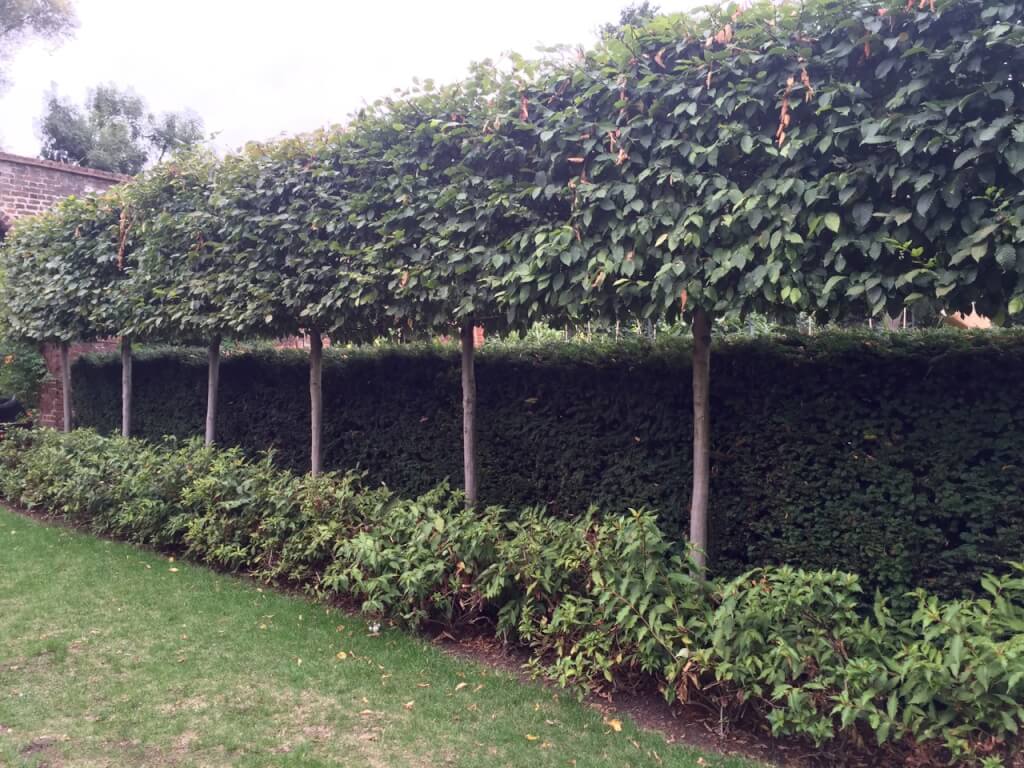
Pleached trees offer privacy and year-round interest in a garden, leaving space underneath for planting. Great for small gardens!
However, they are a bit of a diva when it comes to planting and staking. I think this is where most people get out of pleached trees and topiary. If you don’t take the time to prepare them correctly your design concept will fall short. Badly supported or incorrectly planted trees mean you could be left with wonky donkey leaning trees. Don’t be put off, a small amount of time in the preparation of your pleached tree planting will ensure years of beautiful symmetrical planting.
Pleached Tree Planting Guide
- What are pleached trees?
- Why choose pleached trees?
- Species of Pleached Tree
- How to plant pleached trees
- How to support pleached trees
- Tying in pleached trees
- Aftercare of pleached trees
- Advantages of Pleached Trees
- Drawbacks of Pleached Trees
- How and when to prune Pleached Trees
- Common Pleached Tree Problems
What are pleached trees?
A pleached tree is a tree that has been specially trained to create a formal screen of branches and foliage on a single, clear stem. Think of them as a “hedge on stilts” where the trunk rises between 1.8m and 2.2m before the branches form a continuous, narrow screen above. The branches are carefully trained horizontally onto a supporting framework, creating a flat plane rather than the natural rounded canopy you’d expect from a standard tree.
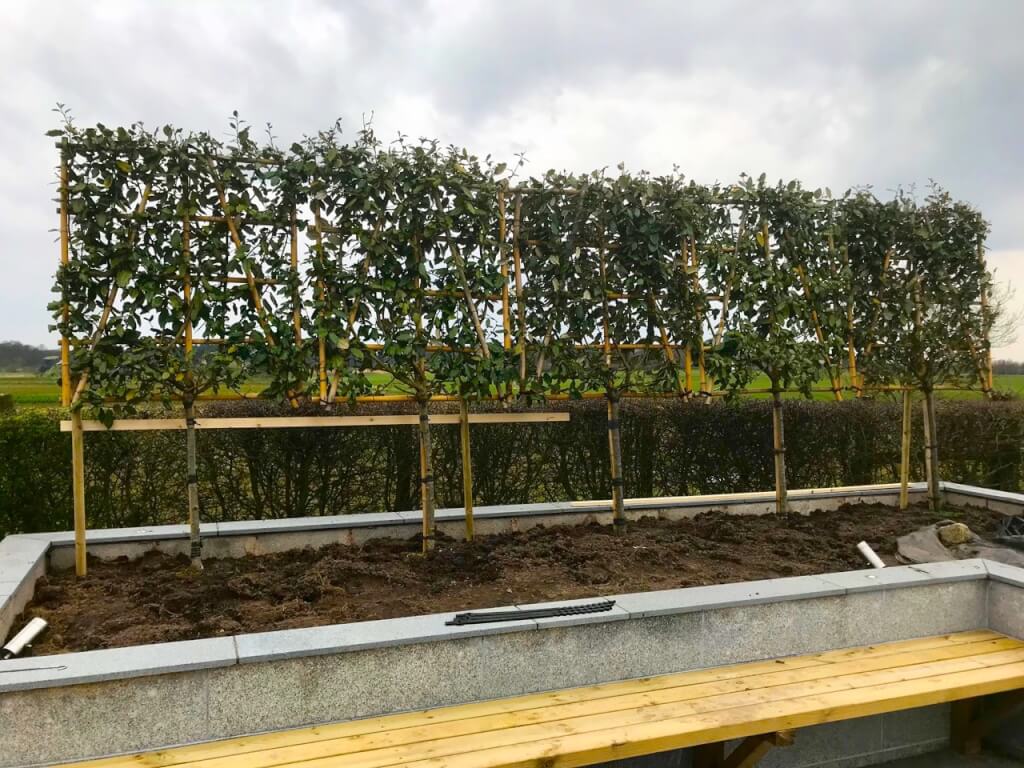
When several pleached trees are planted in rows (typically 1.5m apart), their young shoots are interwoven to create a living wall effect. This makes them brilliant for privacy screening above existing fences, defining garden rooms, or adding architectural structure without consuming valuable ground space. Unlike espalier trees, which have horizontal branches spaced at regular intervals all the way up the trunk, pleached trees have a clear stem below with the horizontal branches concentrated at the top, creating that distinctive elevated hedge appearance.
The practice dates back to medieval times when pleached walkways, or “pleached allées”, were created to provide shaded paths in grand European gardens. The technique became particularly popular in 17th and 18th century French formal gardens, and it’s enjoying a massive revival today thanks to contemporary garden designers at shows like RHS Chelsea who appreciate how pleached trees work brilliantly in both traditional and modern garden settings.
Why Choose Pleached Trees? The Benefits
Pleached trees pack a serious punch when it comes to garden design benefits, particularly if you’re working with a smaller urban plot or an overlooked garden. Here’s why they’ve become such a go-to solution in my designs:
A) Space efficiency is their superpower.
Unlike traditional trees that spread outwards, creating shade and taking up precious planting space, pleached trees grow vertically with a narrow footprint. You get all the height and screening benefits without sacrificing the area beneath them, which remains perfect for underplanting with shade-loving perennials or creating seating areas.
B) Privacy screening above fence height
This solves one of the biggest challenges in modern gardens. Most fencing stops at around 1.8m, but nosey neighbours or overlooking windows often sit higher. Pleached trees bridge this gap beautifully, extending your privacy screen by another 1.2m to 1.5m without the need for unsightly trellis extensions or planning permission nightmares.
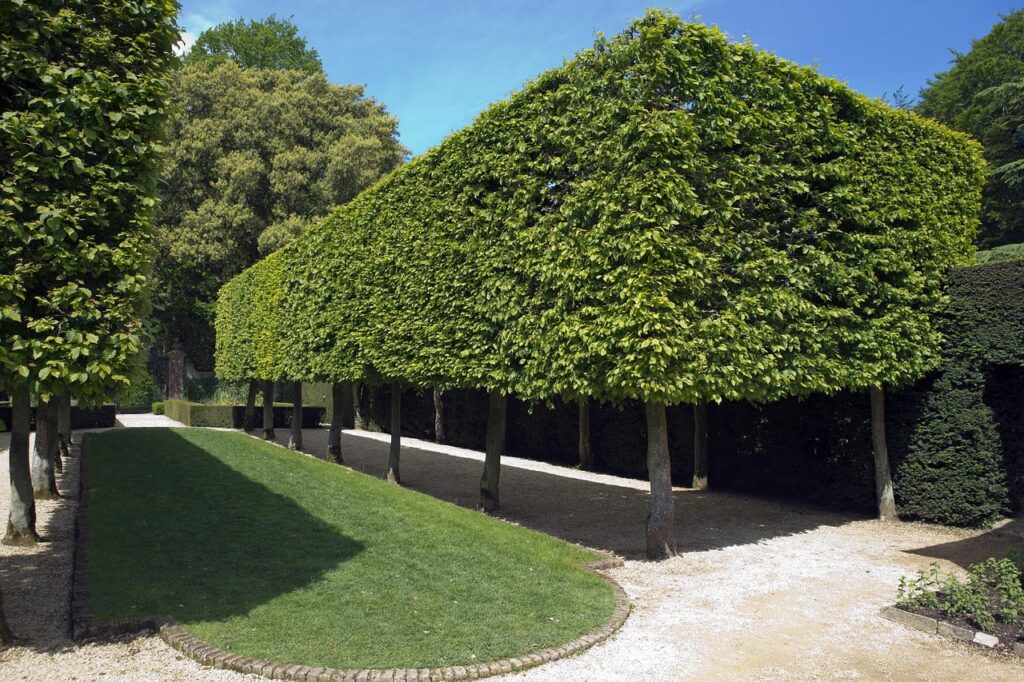
C) Year-round structure and interest
Which varies depending on your choice. Deciduous varieties like hornbeam retain their russet leaves through winter, providing structure even when dormant. Evergreen options like photinia or cherry laurel maintain their screening throughout the year, though they can look a bit heavy in winter if not pruned properly.
D) Architectural drama is immediate.
There’s something undeniably contemporary about the clean lines and formal structure of pleached trees. They add instant sophistication to a garden design, creating defined spaces and drawing the eye upward, which makes small gardens feel more spacious rather than cramped.
E) Wildlife value shouldn’t be overlooked
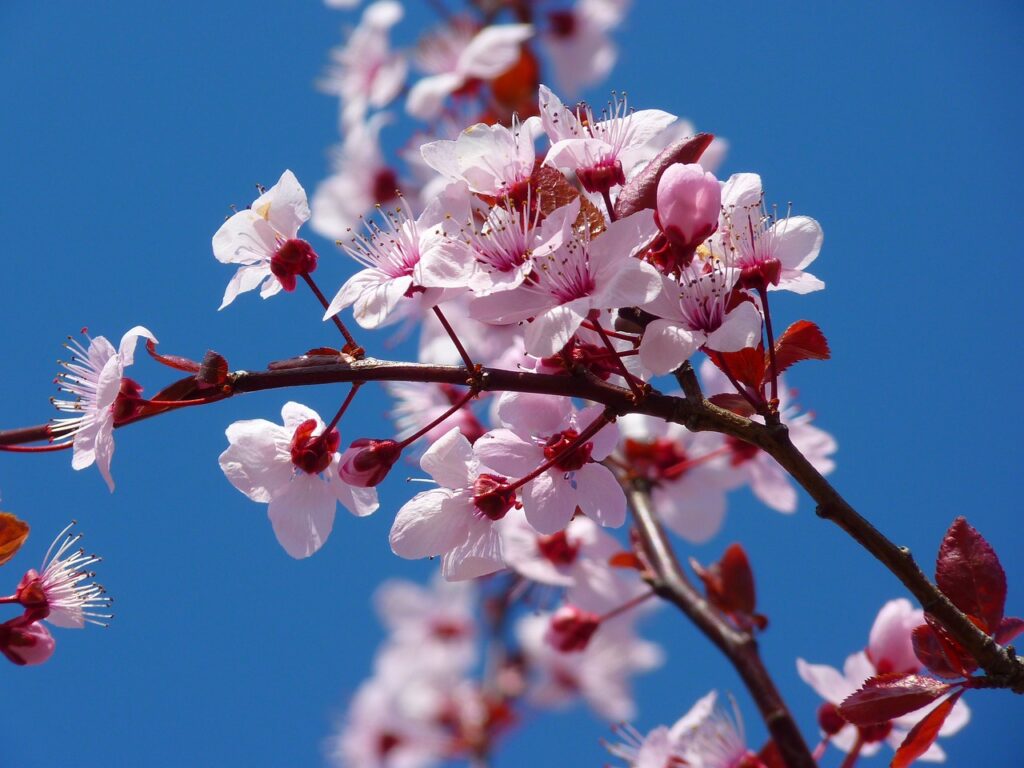
Despite their manicured appearance, pleached trees still provide nesting sites for birds, particularly in the denser evergreen varieties. The flowers of species like crab apple also support pollinators, whilst maintaining that formal aesthetic.
The trade-off? They require regular maintenance (twice-yearly pruning at minimum) and proper support structures. But if you’re after maximum impact with minimum ground space, pleached trees are absolutely worth the effort.
Species of Pleached Tree
Pleached trees come in a number of species, and there’s plenty of variety to choose from. The most common varieties are:
| Species | Evergreen/Deciduous | Growth Rate |
|---|---|---|
| Hornbeam (Carpinus betulus) | Deciduous (holds brown leaves in winter) | Medium |
| Lime/Linden (Tilia) | Deciduous | Fast |
| Cherry Laurel (Prunus laurocerasus) | Evergreen | Fast |
| Photinia ‘Red Robin’ | Evergreen | Medium-Fast |
| Oleaster (Elaeagnus × ebbingei) | Evergreen | Medium |
| Crab Apple ‘Everest’ (Malus) | Deciduous | Medium |
| Portuguese Laurel (Prunus lusitanica) | Evergreen | Medium |
| Beech (Fagus sylvatica) | Deciduous (holds brown leaves in winter) | Medium |
Pleached Tree Sizes, Costs & What to Expect
Let me be straight with you about pleached trees: they’re not cheap. But understanding what you’re paying for and what sizes are available helps you make informed decisions for your garden budget.
Standard frame sizes typically start at 120cm wide by 150cm high for the trained canopy, which sits atop a clear stem of around 1.8m. Larger frames, measuring 150cm by 180cm or even 180cm by 180cm, are available; however, these command premium prices. The stem height can vary from 1.4m for lower screening right up to 2.2m for dramatic height above tall fencing.
Typical costs range dramatically based on maturity and species. A young, freshly-pleached tree with a 120x150cm frame might start around £150 to £250, whilst a mature specimen with a 180x180cm frame and several years of training can easily reach £800 to £1,500 per tree. Evergreens like photinia and cherry laurel tend to be pricier than deciduous hornbeam, whilst fruit trees like crab apple sit somewhere in the middle.
Delivery considerations are crucial. These trees aren’t popping through your letterbox. Most suppliers require specialist lorry delivery with tail-lift equipment, and you’ll need access for the vehicle plus the manpower to move them. Some companies charge delivery per tree under a certain quantity (often 4 trees), whilst larger orders may include subsidised or free delivery.
Rootball vs potted availability affects timing. Most pleached trees are grown as rootballs, available from October through April during the dormant season. Pot-grown specimens are available year-round but cost more. If you’re ordering in autumn, expect rootball delivery unless you specifically request (and pay extra for) potted trees.
Establishment timeline is the bit everyone forgets to ask about. If you buy pre-pleached trees from a reputable nursery, you’re looking at one to two growing seasons for the canopies to merge into a continuous screen. DIY pleaching from young trees? That’s a four to five-year project requiring patience and skill. Ready to give up your weekends? Probably not, which is why buying pre-pleached makes sense for most gardeners.
How to plant pleached trees.
Pleached trees are planted in the same fashion as any container-grown plant, and the staking differs significantly. First things first, though!
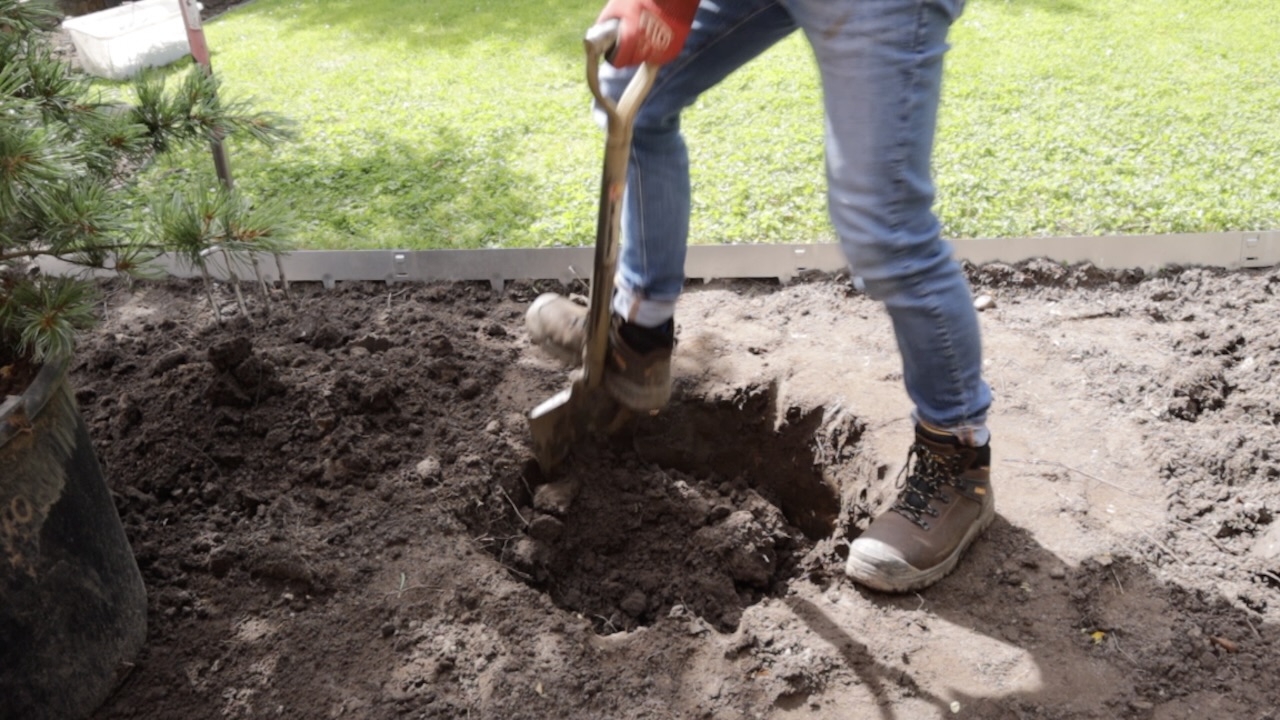
1. Dig a hole that’s 1.5 times the size of the original pot.
Loosen the soil in the base and around the sides of the dug hole, and remove any debris from it. Work over the ground so it is broken up and will allow water to drain from it. Avoid adding compost or plant feed at this stage as it will simply slow down the rooting of the tree. If need b,e you can add mycorrhizal fungi to help root development.
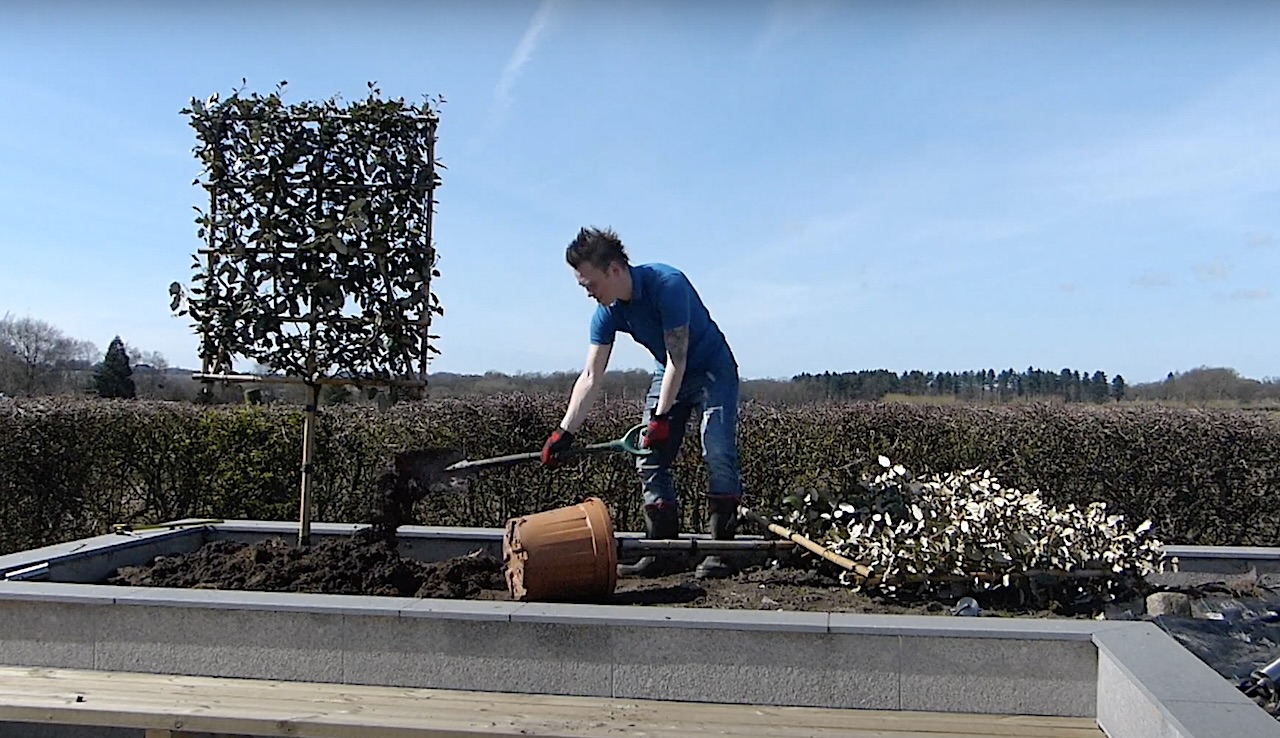
2. Carefully remove the pleached tree from the pot
Carefully lean the pleached tree against the inside, taking care that the frame is not damaged and that it bears all of the weight on the ground. If necessary, have a friend or partner hold the canopy while you loosen the pot. Sometimes, pleached trees are braced and stapled into the pot, which needs to be removed first; this can sometimes be really delicate work.
3. Position the tree in the hole, then stand back
Make adjustments by adding/removing soil until the tree is level and true – sometimes, it’s easier to have a friend help with the viewpoint when you adjust it. Keep standing back to make sure the top and sides of the frame are level. Nobody wants wonky pleached tree frames!
4. Backfill the planting hole whilst someone supports the tree
Backfill with the same soil – there is no need to add fertiliser or compost as this will just stunt initial root growth, which is needed for the tree to anchor itself over the next few years
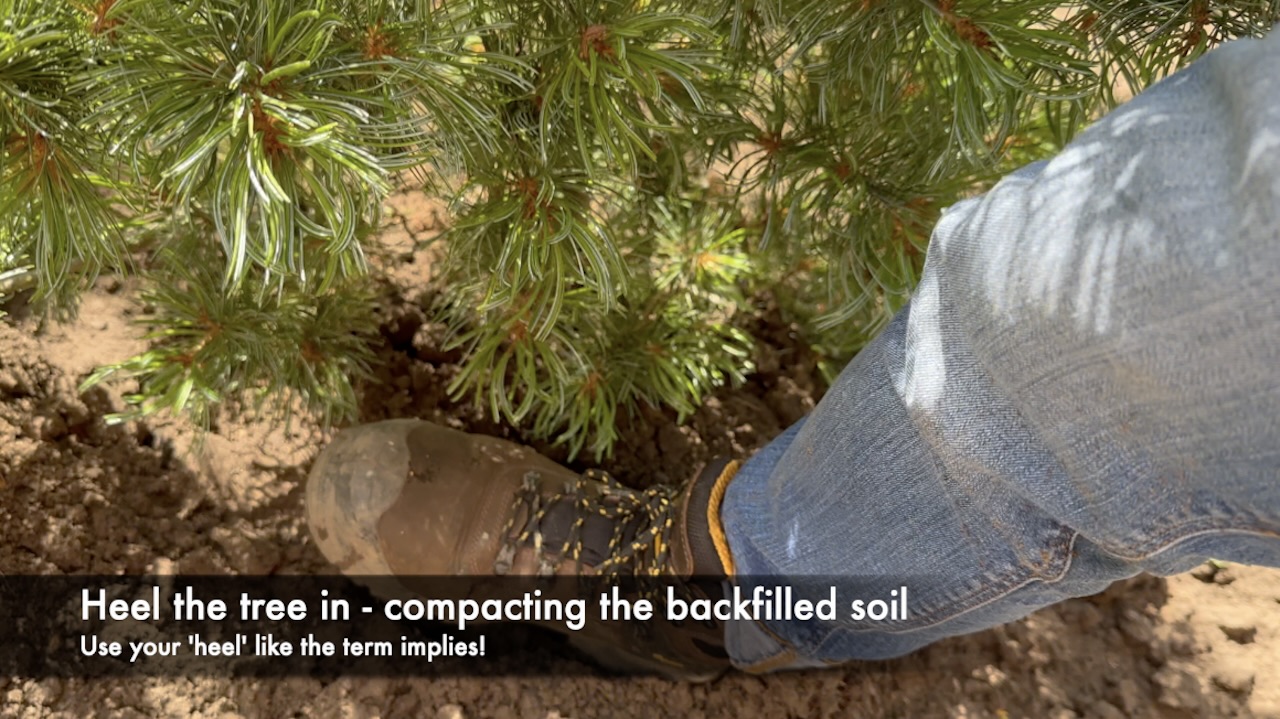
5. Heel in the tree
Press down around the base of the tree and the surrounding soil using your heel. This is known as heeling in. It helps to ensure the tree is firmly planted and won’t blow over. Heel towards the trunk, pushing away from the tree. If you fail to backfill and compress properly, the tree will suffer from settlement, wind rock or failure to establish its root system.
6. Build a frame of supports for your pleached tree
See below for detailed instructions on how to brace and support your pleached trees.
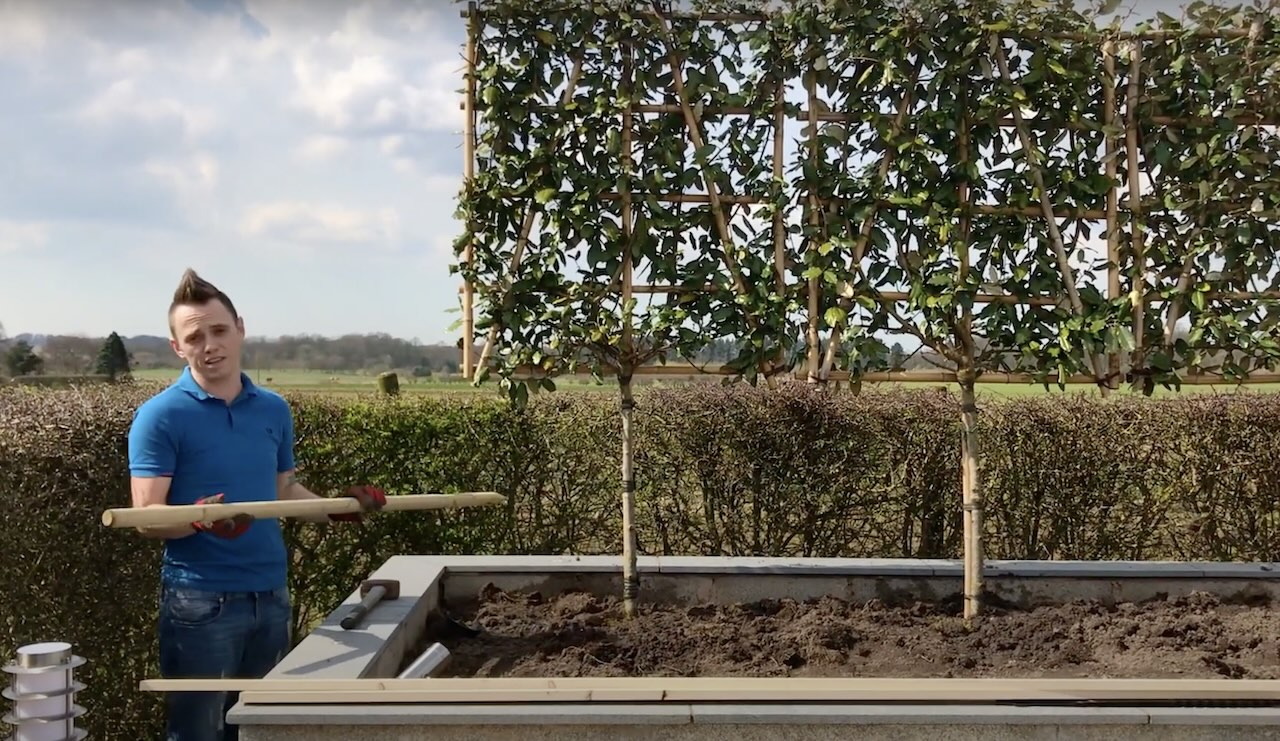
How to support pleached trees
Creating a frame for the pleached trees is necessary to prevent them from moving or migrating over time. This happens particularly in exposed sites or where the soil may settle if air pockets give way. This is usually, if not completely, backfilled.
By creating a frame, you can ensure that the trees maintain their clean lines and remain stable as they establish themselves in your garden or flower beds.
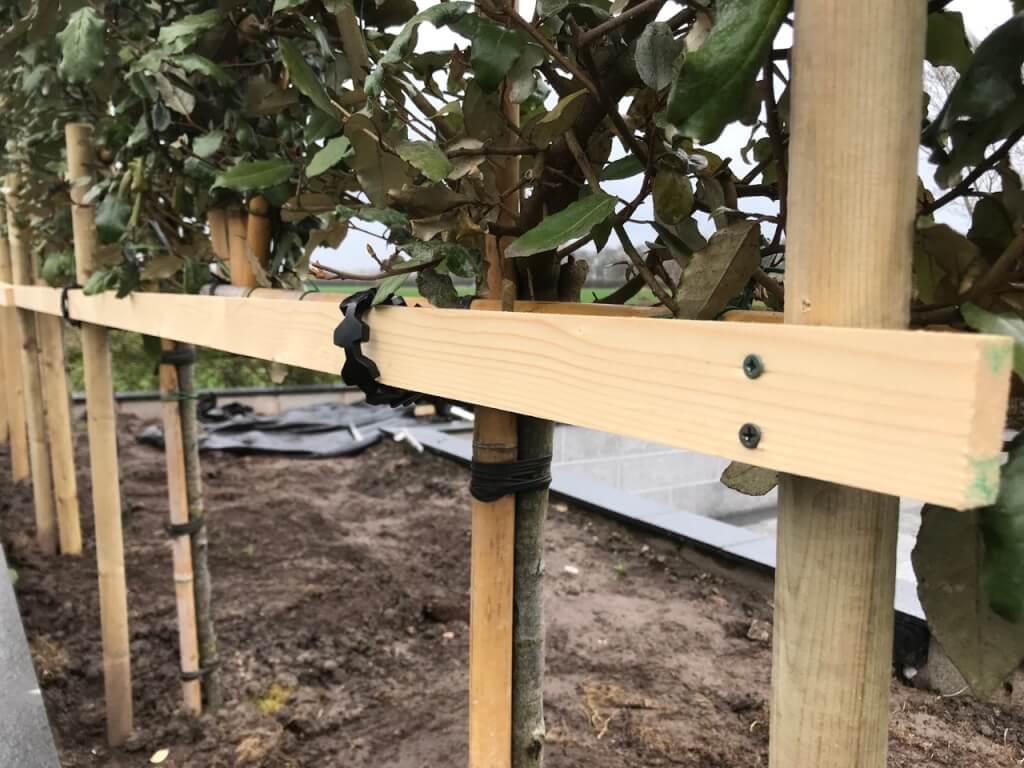
A solid framework for Pleached trees is essential to keep their uniformity.
The best method I have found over the years is to use a mix of fence post stakes and pressure-treated timber batons. I try to design my frame to be of minimal visual impact and try to mirror the positions of the tree trunks so it doesn’t distract from the beauty of the trees. Obviously, it depends on the site, whether stakes can be placed where you want them, etc.! So don’t beat yourself up if it’s not perfectly symmetrical.
The key here is to make sure the support is solid and can hold the trees in their desired position.
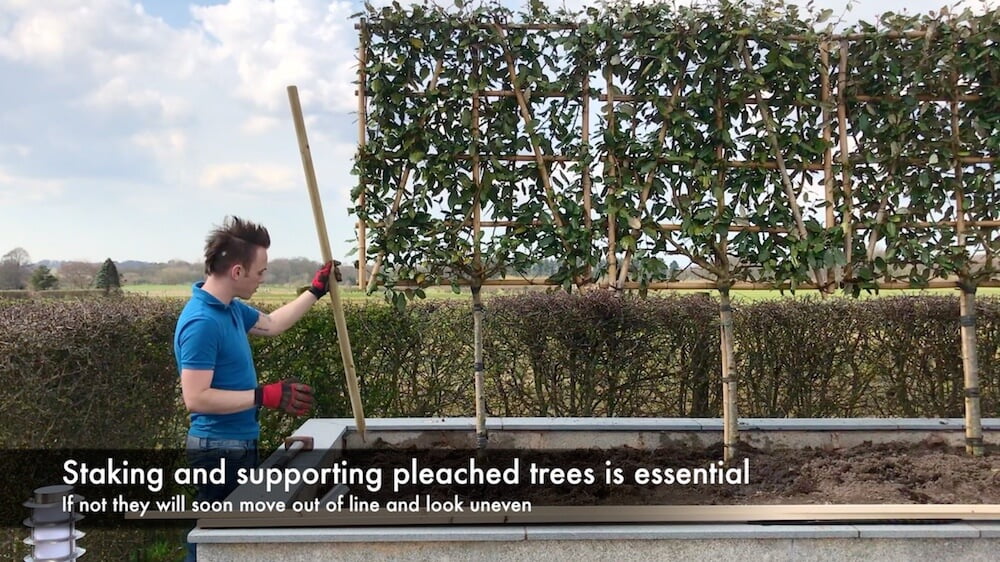
Step 1: Hammer in some suitable tree stakes behind each pleached tree
Here, I’m using 2.4m stakes. You want to make sure they are in deep enough so they don’t wobble or move easily. There is no need to concrete them in or take any more drastic measures. A simple lump hammer should do the trick. I am using 5, given there are 5 pleached trees to support.
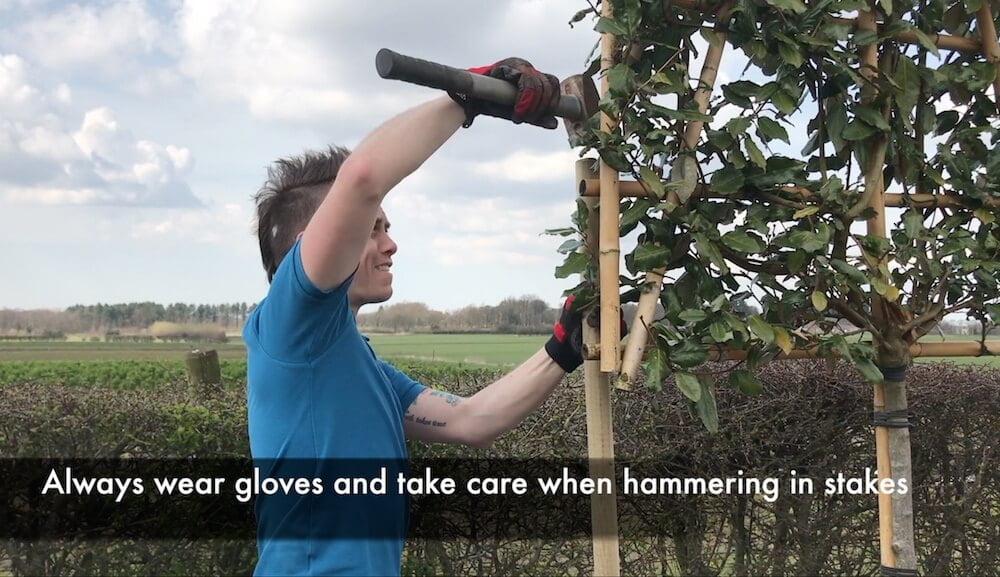
Step 2: Brace the stakes with pressure-treated outdoor timber
You need to brace the stakes horizontally using a piece of pressure-treated timber. You will need a spirit level, pencil, drill and suitable screws (such as decking screws).
For neatness, you want the brace just below the frame’s bottom. This brace holds the stakes together as one unit, meaning that they completely support the trees, giving you a really stable, level frame.
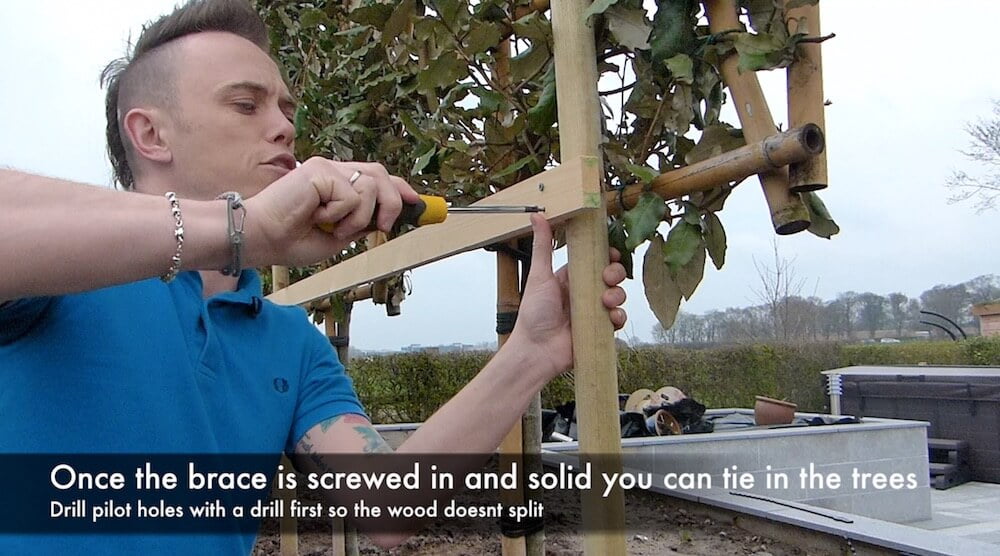
Drill two pilot holes for two screws and then attach the first end of the brace. Then, use the spirit level mark on the other posts at the top of the brace. Drill pilot holes and screw each one in as you did with the first. By the end, you will have a horizontal (hence the spirit level) brace across the back of your pleached trees.
Tying pleached trees to the supports
Now, here is the most important tip for any tree support. You need to use a rubber or flexible tree tie. If you use string, wire or those cable ties you found in the garage, you’re going to damage the tree. Potentially killing it over time.
When examining quality pleached trees, you will notice that the branches and supports are tied with rubber strips. This allows movement, flexibility, and growth without cutting into the tree. If the tie cuts into the tree, it can cause irreparable damage to the water and food transport system, the lifeblood of the tree, causing it to die of thirst!
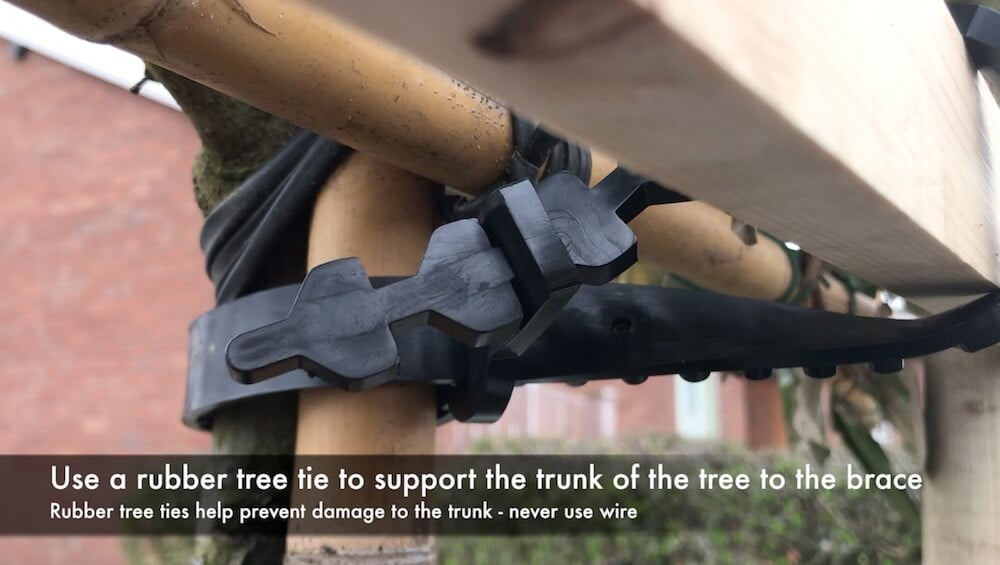
Why are rubber tree ties so good?
Well, rubber tree ties are great as they allow you to tie the tree, leaving enough flexibility for it to move slightly. You never want a tree to be entirely fixed; any severe wind will certainly damage it. Rubber tree ties also allow you to adjust them over time, typically by loosening them as the tree grows.
There are two parts to a rubber tree tie. The first is the solid loop that goes around the stake or support. Then, at the other length, the one with the slots in. This slotted length goes around the trunk of the tree, and the arrowhead fits back through the slots. Y
ou want it tight enough to hold it in place, but not so that it’s strangled. Think as you would if you were tying a formal suit tie.
Spacing and Positioning: Getting It Right
Getting the spacing and positioning sorted before you dig is absolutely critical. Bodge this bit and you’ll either have gaps that never fill or overcrowded trees competing for resources.
Tree to tree spacing should be 1.5m to 1.8m apart for most varieties with standard 120-150cm wide frames. If you’ve opted for larger 180x180cm frames, increase this to 1.8m to 2m spacing. The goal is for the canopies to just touch and interweave as they mature, creating that continuous screen without overcrowding.
Distance from boundaries matters more than you’d think. Plant at least 40cm to 50cm away from fences or walls. This gives you access to trim the back of the trees (trust me, you’ll need it) and allows air circulation to prevent fungal issues. If you’re planting against a building rather than a fence, increase this to a full metre minimum to protect foundations and allow maintenance access.
Underground considerations often get forgotten until you hit something expensive with your spade. Check for drains, service pipes, and underground cables before digging. Tree roots and drainage pipes are not friends, and replacing a cracked drain costs significantly more than a few pleached trees. Ring before you dig if you’re at all unsure.
Sight lines and shadows deserve thought beyond just “I want privacy here”. Walk around your garden at different times of day and consider where shadows will fall. Pleached trees create dappled shade beneath, which is lovely, but a row of them along your south-facing boundary might turn your patio into a twilight zone. Also think about sight lines from inside your house –you don’t want to block views you actually want to keep.
Aftercare of pleached trees
Once you have tied and supported the pleached trees, you need to give them a really good watering. Ensuring that over the next few weeks, you give them a good soaking at least twice a week, more frequently if the weather is warm and dry. This will help establish them in the ground. Keep checking the trees for any initial movement and tweak the ties if necessary.
With most pleached trees, you’re required to prune them twice a year, usually in early spring and then late autumn when they are dormant. As a rule of thumb, I tend to trim off any shoots that grow past the frame or tie them into the frame to cover any gaps that may be there. It’s really quite simple! If you need help with pruning I have a really speedy guide below to help.
Advantages of Pleached Trees
- Space Saving: Pleached trees are ideal for small gardens or urban landscapes where space is limited. Their narrow, vertical growth habit allows them to provide height and structure without encroaching on valuable ground space.
- Privacy and Screening: When planted in rows along property boundaries or around outdoor living areas, pleached trees form a dense, leafy barrier that offers privacy from neighbouring properties or unsightly views.
- Architectural Interest: The carefully trained form of pleached trees creates a striking visual impact, adding a sense of formality and sophistication to garden designs. The precise lines and geometric shapes formed by the branches can complement modern or traditional architectural styles.
- Seasonal Interest: Pleached trees can offer year-round interest depending on the species selected. Some varieties feature attractive foliage that changes colour with the seasons, while others produce showy flowers or ornamental fruit. Additionally, the sculptural silhouette of bare branches in winter adds structure to the garden during the colder months.
- Versatility: Pleached trees are versatile landscaping elements that can be used in various ways. They make excellent formal hedges, allees, or focal points in garden beds. They can also be used to define outdoor spaces, create outdoor rooms, or frame views within the landscape.
Drawbacks of Pleached Trees
- Maintenance: Pleached trees require regular pruning and maintenance to achieve and maintain their desired form. This includes annual trimming to shape the canopy and remove any unwanted growth. Without proper upkeep, pleached trees can lose their architectural shape and become overgrown.
- Cost: The initial cost of purchasing pleached trees, especially larger specimens or those with intricate designs, can be significant. Additionally, professional pruning services may be associated with ongoing expenses if you lack the time or expertise to maintain the trees themselves.
- Limited Selection: Not all tree species are suitable for pleaching, and certain varieties may perform better than others in specific growing conditions. As a result, the selection of trees available for pleaching may be somewhat limited, depending on factors such as climate, soil type, and desired aesthetic.
- Establishment Period: Newly planted pleached trees may require time to establish themselves and fill out their framework. During this establishment period, the trees may appear sparse or less dense than desired, detracting from the overall visual impact until they reach maturity. They also need careful bracing as detailed above.
- Space Constraints: While pleached trees excel at providing vertical interest, they may not offer as much horizontal spread or shade as untrained trees with a more natural growth habit. This can be a drawback when ample canopy coverage or shade is desired, such as outdoor seating areas or play spaces.
How and when to prune Pleached trees
Pruning or clipping pleached trees is essential to maintain their desired shape and encourage healthy growth. New gardeners can be a bit confused as to how to prune, and clip pleached trees. They need to be cut and maintained just like hedges to keep things simple. So, it usually requires cutting at least twice a year, in spring and autumn, or sometimes a third time if the season’s growth is particularly vigorous!
Here’s a guide on how and when to prune them:
i) Timing for Pleached Tree Clipping
Prune pleached trees during early spring before the birds nest and then again in autumn. This keeps them neat and tidy throughout the year. Avoid pruning during periods of active growth or hot, dry weather, as this can increase the risk of stress and disease.
ii) Tools for Pruning
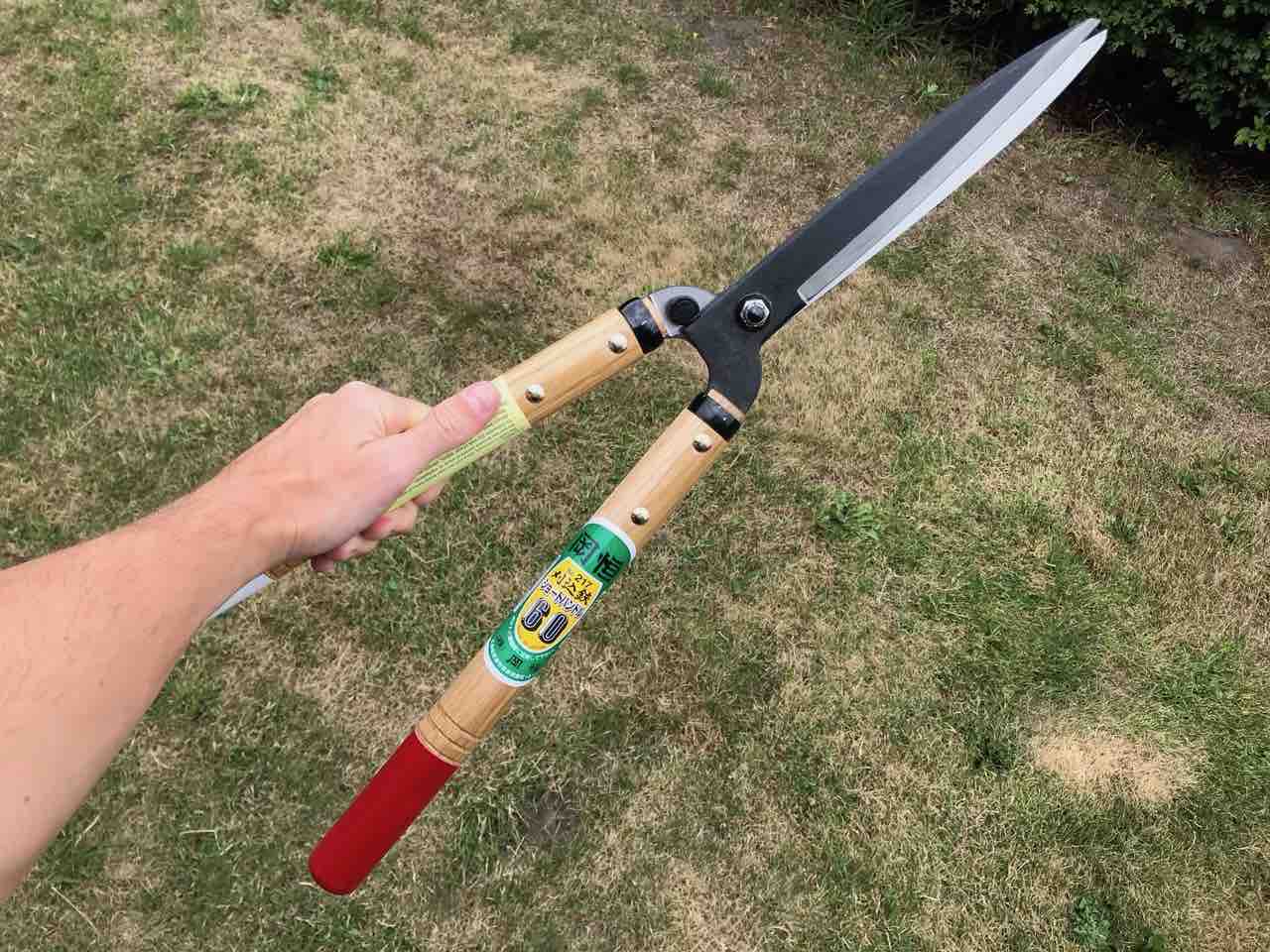
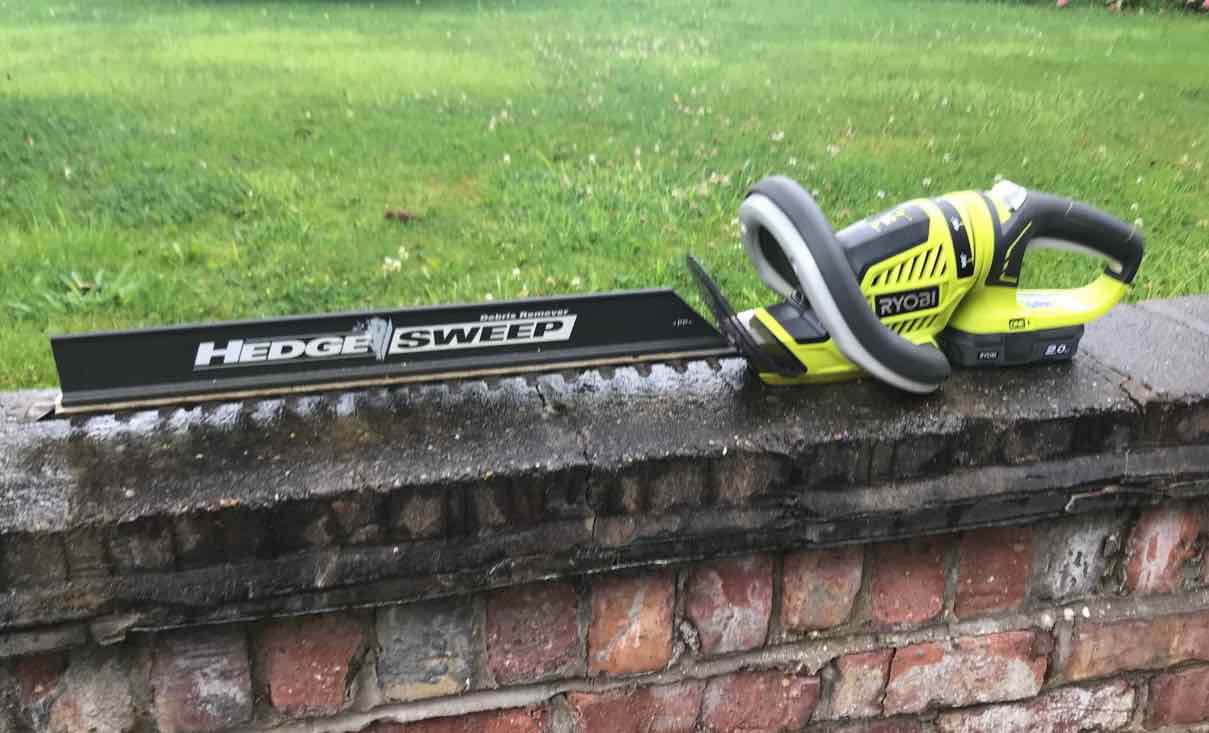
Use sharp, clean pruning tools such as hand pruners, loppers, and pruning saws to make clean cuts and minimise damage to the tree. Always ensure the tools are sterilised before use. Disinfect tools between cuts, especially when pruning multiple trees, to prevent the spread of diseases.
iii) Pruning Technique
First, remove any dead, damaged, or diseased branches. Cut back to healthy tissue or the nearest lateral branch. Thin out overcrowded or crossing branches to improve air circulation and light penetration throughout the canopy. This helps prevent disease and encourages even growth. Trim back new growth to maintain the desired shape and size of the pleached frame. Focus on removing any vertical shoots that disrupt the horizontal structure.
If necessary, lightly trim the sides and top of the pleached frame to maintain a tidy appearance and encourage lateral branching. This keeps the pleached tree square. Avoid cutting into too much old wood or removing too much foliage at once, as this can weaken the tree and compromise its health.
iv) Maintenance
Regularly inspect pleached trees throughout the growing season for any signs of damage, disease, or unwanted growth. Perform light pruning as needed to maintain the shape and size of the pleached frame. This may include removing stray shoots or correcting minor asymmetries, especially if water shoots or shoots further down the clear stem emerge. Nip these off with secateurs.
v) Pleached tree pests and diseases
Monitor the trees for pests such as aphids, scale insects, or caterpillars and take appropriate measures to control infestations if necessary. Consider fertilising pleached trees in spring or early summer to promote healthy growth and vigour. The best homemade organic plant feed is comfrey tea or peat-free compost.
Common Problems with Pleached Trees
Sometimes, no matter how diligent you are, your pleached trees may suffer from some problems or pests. If caught quickly, most of them can be rectified. Let me detail the common problems you may face with pleached trees. Problems with pleached trees can include pests, diseases, and environmental stressors. Here’s a list of some common issues and their treatments:
A) Pleached Tree Pests
Aphids: These small insects feed on sap, causing leaves to curl and distort. Treat with insecticidal soap or horticultural oil.
Scale Insects: Scale insects can infest branches and leaves, sucking sap and causing yellowing or wilting. Apply insecticidal oil or systemic insecticides.
Caterpillars: Caterpillars may chew on leaves, leading to defoliation. Handpick caterpillars when feasible or use Bacillus thuringiensis (Bt) insecticide.
B) Pleached Tree Diseases
Powdery Mildew: Powdery mildew appears as a white, powdery coating on leaves and stems. Improve air circulation and apply fungicidal sprays containing sulfur or potassium bicarbonate.
Leaf Spot: Leaf spot diseases cause dark spots or lesions on leaves. Prune and dispose of infected foliage, and apply fungicidal sprays if necessary.
Anthracnose: Anthracnose can cause dieback and leaf blight. Prune affected branches and improve air circulation to reduce humidity levels.
C) Planting or Environmental Stress
Drought Stress: Adequately watered trees during dry periods to prevent drought stress. Apply mulch around the base of the trees to retain soil moisture.
Frost Damage: Protect pleached trees from frost damage by covering them with frost cloth or burlap during cold snaps.
Root Compaction: Avoid compacting the soil around pleached trees, as this can restrict root growth and lead to nutrient deficiencies. Use mulch and avoid heavy foot traffic around the root zone.
Wind rock or root lift: Usually, it occurs when a tree hasn’t been heeled in or braced correctly. Reheel it in and provide support if the tree becomes unrooted ASAP.
D) Pleached Tree Nutrient Deficiencies
Nitrogen Deficiency: Symptoms include yellowing leaves and stunted growth. Apply a balanced fertilizer containing nitrogen to correct deficiencies.
Iron Deficiency (Chlorosis): Leaves may turn yellow or pale due to iron deficiency. Treat with iron chelate or iron sulfate, applied as a foliar spray or soil drench.
Frequently Asked Questions About Pleached Trees
How long does it take for pleached trees to form a screen?
If you purchase pre-pleached trees from a nursery, the canopies will merge into a continuous screen within one to two growing seasons with proper care. If you’re training young trees yourself from scratch, expect four to five years before achieving the full pleached hedge effect. Fast-growing species like lime can establish quicker, whilst slower growers like hornbeam take longer but create denser screens.
Can I keep pleached trees in large pots permanently?
Whilst possible, keeping pleached trees in containers long-term requires significant commitment. You’ll need substantial pots (minimum 80-100 litres), excellent drainage, regular feeding during growing season, and diligent watering especially in summer. The trees will also need repotting every 3-4 years and won’t achieve the same vigour or size as ground-planted specimens. For temporary situations like rental properties, pots work fine, but for permanent screening, plant them in the ground.
What happens if I want to remove the bamboo frame?
Most commercial pleached trees come with bamboo cane frames that guide the initial shape. These can theoretically be removed once the branches have become woody and self-supporting, typically after 3-5 years in the ground. However, many gardeners choose to leave frames in place indefinitely as they provide continued support and make pruning to shape easier. Over time, the frames become barely noticeable behind the foliage.
Do pleached trees need support stakes forever?
The support posts and horizontal bracing rails should remain in place permanently, unlike standard tree stakes that are removed after a few years. Pleached trees have restricted root systems due to their controlled growth, and the elevated canopy creates significant wind resistance. The support framework prevents wind rock, keeps the trees aligned, and maintains their uniform appearance. Think of the supports as part of the structure, not temporary props.
How much maintenance time do pleached trees actually require?
Realistically, plan for two pruning sessions per year: one in late winter when the structure is visible (for deciduous varieties) and one in mid-summer to control vigorous growth. For a row of 10 trees, each session takes roughly half a day to a full day, depending on your experience and the trees’ vigour. Add watering time during establishment (first 2 years) and occasional feeding, and you’re looking at maybe 3-4 full days per year. It’s not negligible, but it’s manageable for most keen gardeners.
Can I pleach existing trees in my garden?
Technically, yes, but it’s challenging, and results vary wildly. You need young, pliable trees (ideally under 5 years old) with straight trunks and flexible branches. Older established trees have woody branches that resist training and can snap. If you’re determined to try, start with species known for flexibility like hornbeam, beech, or lime. Set up a proper framework, train gradually over several years, and accept that results won’t match commercially-pleached specimens. For most gardeners, buying pre-pleached trees delivers better results with less frustration.
Summary
So there you have it, a comprehensive guide to planting and supporting pleached trees. Pleached trees are a versatile and space-efficient addition to any garden, offering both practical and aesthetic benefits. Their vertical growth habit makes them ideal for small or urban gardens where ground space is limited while also providing effective privacy screening and noise reduction from neighbouring properties or roads.
With their formal and elegant appearance, pleached trees add structure and sophistication to garden borders, giving a super modern look to your design. They offer year-round interest, from lush foliage in spring and summer to colourful autumn displays and architectural winter silhouettes.
Pleached trees can also be tailored to suit different design styles and preferences, making them a versatile choice for various garden settings. Additionally, when strategically positioned, they can provide shade during hot summer months while allowing sunlight to filter through in winter, optimising garden microclimates.
Please comment below if you have any questions, or visit my YouTube channel for more help. I’d also love to see pictures of where you have used pleached trees in your own gardening!
If you’re a fan of pleached trees, then why not Tweet, Facebook or Instagram me with your pictures? You can also follow me on Youtube where I’ve got plenty of garden guide vlogs.
Happy Gardening.



Lee Burkhill
Lee Burkhill, known as the Garden Ninja, is an award-winning garden designer and horticulturist with over 30 years of gardening experience and 15 years as a professional garden designer. A qualified RHS (Royal Horticultural Society) professional, Lee specialises in sustainable garden design and practical horticultural advice. He designs and presents on BBC1’s Garden Rescue and in leading gardening publications. Lee combines three decades of hands-on gardening knowledge with professional design qualifications to help gardeners create beautiful, functional outdoor spaces.
View all posts by Lee Burkhill






Categories
23 thoughts on “Pleached Trees; planting and support guide”
Leave a Reply
You must be logged in to post a comment.
Other posts
-

Start here: to begin your gardening journey! Read more
-
Clematis Ultimate Growing & Pruning Guide Read more
-
The ultimate guide to how to plant trees: 10 Easy Garden Trees Read more
-
Unusual Fruit Trees for UK Gardens: The Complete Growing Guide Read more
-
How to mulch your garden: reduce weeds & feed plants Read more
-
How to Design a Garden Online: A Guide to Designing Your Dream Garden Read more



We are buying 6 pleached beach trees for screening cover in our garden. We have our house on the market at present to sell. So we will be putting them for now into large pots. What will be the best way of securing /staking them until we move?
Hi Robert, Great to hear from you. I would still stake them with a brace of some description or they will blow over. If you can fix this brace to a fence or wall that would be best if you’re then going to move them again. Failing that I’ve used elasticated strapping (the ones with hooks on the end) to keep them tied to a fence before I’ve moved them. Hope that helps! Happy Gardening.
Hi there, we are thinking of getting some pleached trees for our back garden as it is very overlooked by our neighbors. I think we will need about 12.
Please can you advise how far out from a fence pleached trees should be planted? Thank you
Hi Christine. Great to hear from you. I’d always advise that a foot or 50cm is about right. This means you can trim the back and there’s some airflow. Too close and you can’t clip and you may end up with issues as airflow helps keep plants healthy. If they’re too crammed things like fungus or pests can take over for example. Hope that helps!
Hi,
My pleache’d trees have been in the ground three years now and have good growth but at what point ,if any, do I loosen or remove the trunk ties for the supporting canes?
Hi
We are looking at 6 pleached evergreen for privacy at the side where we border neighbours but the wind can be quite strong as it whips between the houses. 1.8m stem and 1m frame can you please advise which would be most suitable.
Thank you
Hello,
We have removed 2 large llalandii from our back garden and now need to replant with something to hide the overlook from neighbours. I love the look of pleached trees but with the previous stumps we can’t plant new trees closer than 2m, preventing the pleached frame from meeting and leaving a gap. Will the pleached trees ever grow across the gap or is it better to plant a traditional tree instead and just wait for it grow tall enough?
Thanks
Hi – I’m considering using pleached trees in my front garden to screen people looking into our house. I have a 4.4m fence that the trees would screen above, so don’t know if I’d need 3 or 4 trees. What would you advise? The trees I’ve seen have 1.2m screens, so how close do you plant them to each other? Is it OK to overlap them? And how far do the grow sideways? Or is the idea to always keep them the same width as the screen? Great advice about framing them too – I will definitely do this!
Hi
Would you use an electric or battery operated hedge trimmer to prune pleached trees or prune by hand using shears?
Is there plant food I can buy to help growth?
Hi Michelle, The best way you can help plants and trees grow strong is by using a decent compost mulch placed directly on the soil. I have an article on that here. Hope that helps. Lee https://staging.gardenninja.co.uk/mulching-your-garden/
Hi
We’ve moved into a new house and the developer planted red robin pleached trees but some have died is there any way I can encourage some branches to go across further to the next wooden support. As I think then I’d only need to replace two
Hi Alison, Great to hear from you. To encourage bushy lateral growth you pruning back to the next stet of buds this will encourage more bushy growth. There’s no easy way to make a stem or branch grow longer without some skill and patience. Cutting back to the next set of buds is the easiest way to encourage further growth. Checkout my pruning guide series on Youtube here.Happy Gardening. Lee https://www.youtube.com/playlist?list=PL7HK5RsLCR9crgatYb4LcwE34Om3cKsIO
I am planting hornbeam footballs and want them to grow into a pleached hedge. Any tips.
Hi Katy, Thanks for your comment on pleached trees. If you’re planting root balls you need to make sure that your planting hornbeam standards and not hedging plants. A standard has one main stem. It’s then a case of over years training each shoot at the top into a frame that you would need to build. In all honesty, it would be quicker to buy the pleached trees already established as it is a real skill to achieve. All the best. Lee
Hi Lee
I’d like a pleached hedge but the plants are very expensive. I’ve found some nice pleached apple tress which are about 5 foot high. Will they grow taller over time, or stay the same height.
Thanks for advice. Iris
Hi Iris, It depends on the rootstock. In my experience they won’t grow too vigorously, obviously, it depends on the rootstock they are grafted onto. They are probably pleached more for produce than height or vigour. Happy Gardening. Lee
I’d love to plant some pleached hornbeam or crabapple trees along my back fence. Sadly I don’t have the budget to buy mature pleached trees. Can I buy young trees and train them once they’re in position or do they need to be grafted on smaller rooting stock?
Hi Phillipa, Most pleached trees are grafts to speed up the framing of the pleached tree. Training can take considerable time but if you pick a fast growing tree like beech it can be made simpler! Hope that helps. Happy pleaching. Lee
Hi, we have built a raised bed (2.3m long, 50cm deep and 60cm high) infront of an oil tank which faces lengthways towards our patio. Behind the oil tank there is our side path and then a fence separating us from our neighbours. Unfortunately our neighbours have a bedroom window which looks directly down onto our patio (over the top pf the tank). Given that there is an entrance door into our house by the oil tank, I thought adding pleached trees into the raised bed would be neat and effective for screening. However I am wondering if it is too small an area? The height we need to achieve is 2.7m max. Any larger than that and we will be coming into our bedroom! I have thought of a tree but don’t want one that will cover the path into our door (infront of the raised bed), or interfere with the porch over the door.
If you think pleached would work in that space, can you make any suggestions on which type of pleached trees would suit that size please?
Many thanks 🙂
I have planted some new cherry laurel pleached trees this month (November) and apart from mulching, is there anything I should do to protect the branches from hard frosts or snow?
Hi Lee, This is such a fantastic guide, it’s so useful to have both the video and the step-by-step instructions. Thank you so much for sharing! It’s really great. xx
Thanks Rachel I’m glad my tree guides are so useful! Happy Gardening. Lee