-
How to mulch your garden: reduce weeds & feed plants
 Lee Burkhill: Award Winning Designer & BBC 1's Garden Rescue Presenters Official Blog
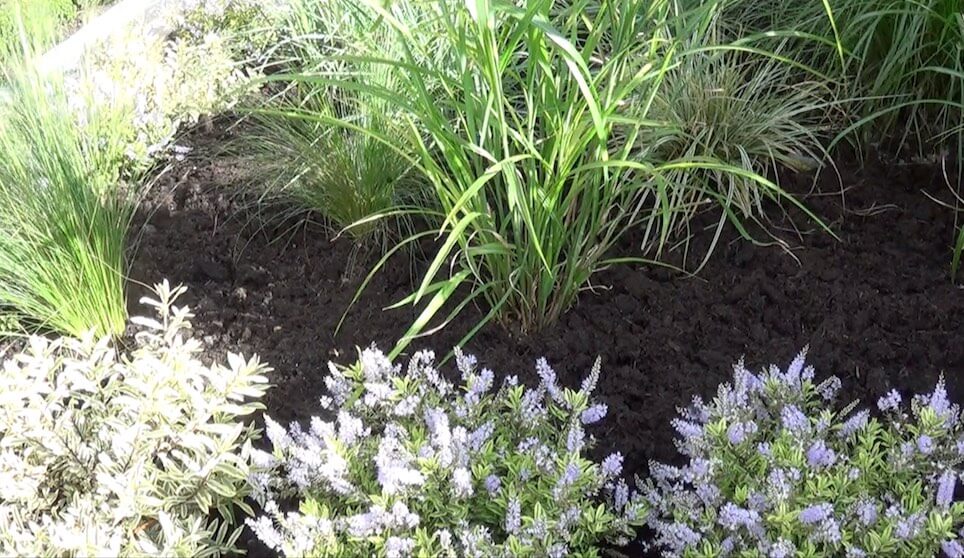
Mulching your garden is one of the best gardening practices to ensure your plants stay in top health during the year. In fact, I'm more often than not advising gardeners to mulch their gardens. I think some people see it as an 'optional' extra or something that's not really necessary but I couldn't disagree more!
Mulching is hands down the laziest way to dramatically improve your garden, and I mean that as the highest compliment. After thirty-five years designing gardens professionally, I can tell you that the gardeners with the best-looking borders and healthiest plants are the ones who’ve mastered this one simple technique.
Mulching your garden involves spreading a 5-7cm layer of organic material, such as compost, bark, or leaf mould, over the soil surface. This protective blanket transforms your beds by slashing weeding time by up to eighty percent, cutting your watering needs in half during summer droughts, and steadily improving your soil without you lifting a spade. It’s the ultimate ‘work smarter, not harder’ gardening hack.

Whether you’re growing vegetables, establishing new flower borders, or maintaining established shrub beds, mulching delivers results that feel almost unfair. Your neighbours will be spending hours weeding and watering whilst your plants thrive with minimal effort. This complete guide covers everything you need to know: which mulches work best for different plants, exactly when to apply them in the UK, how much you actually need, and the critical mistakes that waste your time and money.
Let me show you how to mulch properly so you can spend less time maintaining your garden and more time actually enjoying it.
Jump to:
- How to mulch a garden
- What is mulching?
- Benefits of mulching a garden
- Should I remove old mulch?
- Types of garden mulch
- How long does it take to mulch?
- How deep should mulch be?
- What’s the best time of year to mulch a garden
- How long does mulch last?
- What’s the best compost for garden mulch?
- Can I mulch over weeds?
- Plants you should not mulch
- Why woodchips can rob nitrogen
- Mulch FAQ & Problems
This page contains affiliate links for products I use and love. If you take action (i.e. subscribe, make a purchase) after clicking a link, I may earn some gardening commission which helps me keep the Garden Ninja Blog free for all.
How to mulch a garden
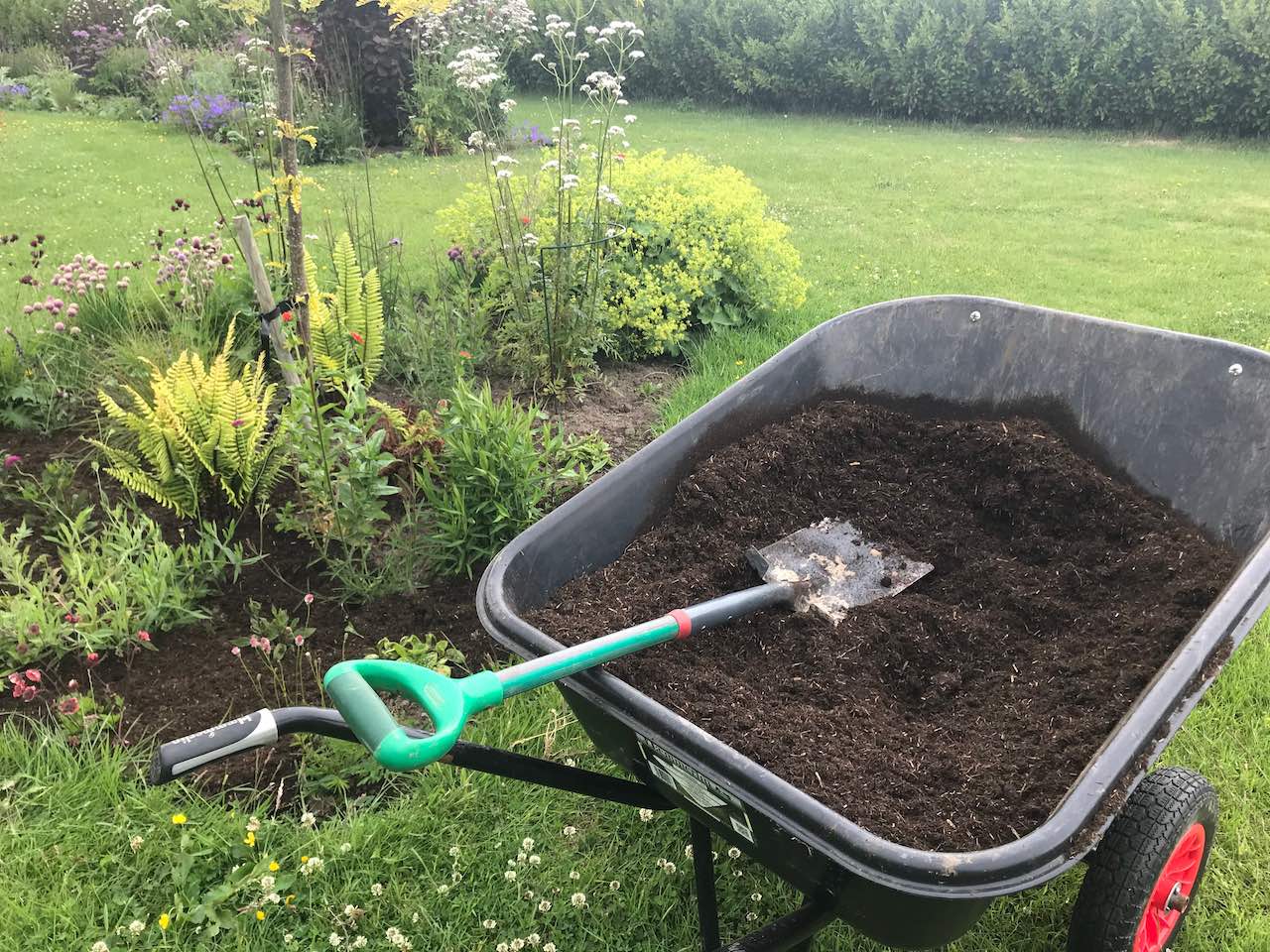
Mulching is relatively easy to do and has loads of benefits for your garden and plants. By mulching your plants, you can save time during the summer with watering and feeding. You can mulch by hand or with a trowel. The aim is to cover the soil with your preferred mulch around all of the plants and the rest of the exposed soil surface.
- Choose your timing: Mulch in April-May or September-October when the soil is warm and damp
- Clear all weeds: Remove every weed completely before you start, roots and all
- Water if dry: Soak the soil thoroughly if it hasn’t rained recently
- Spread mulch 5-7cm deep: Cover entire bed to this depth, not just a token sprinkling
- Keep 10cm away from stems: Leave clear gaps around all plant stems and tree trunks
- Level the surface: Rake smooth and pull back from the lawn edges
- Top up annually: Add fresh mulch each spring or autumn as the old layer breaks down
That’s it. Three hours of work once or twice a year saves you dozens of hours weeding and watering all season. I usually mulch the entire bed to maximise the benefits. The most important thing is to weed the beds beforehand fully, or the weeds will continue to take over, especially with mulching and feeding them.
What is mulching?
Mulch is a protective layer of material, at least 5cm (2 inches) thick, spread over the soil surface around plants or across entire garden beds.
Think of it as a breathable blanket that sits on top of your soil. It can be organic material like compost, bark, or leaf mould that breaks down over time, or inorganic material like gravel or slate that stays put. The key is that it covers bare soil to lock in moisture, suppress weeds, regulate temperature, and gradually improve soil structure as it decomposes.
Usually, it is organic, ie compost, leaf mould or bark, but can be gravel-based if need be. This can be added to the base of specific plants or all over garden beds.
What’s the difference between mulch and compost?
This trips up loads of gardeners, but it’s actually straightforward. Compost is fully decomposed organic matter that you dig into the soil to improve its structure and add nutrients. It’s brown, crumbly, and smells earthy.
Mulch is a material spread on top of the soil surface, but not incorporated into the soil. Compost can be used as mulch, but not all mulch is compost. Bark chips are a type of mulch, but they are definitely not compost. Essentially, compost is added to the soil, and mulch is applied to the surface of the soil.
How much mulch do I need for my garden?
For effective weed suppression and moisture retention, you need mulch at least 5-7cm (2-3 inches) deep across the entire area. As a rough guide, one cubic metre of mulch covers about 15-20 square metres at this depth, or one 70-litre bag covers roughly one square metre.
If you’re mulching a standard 10 square metre flower bed, you’ll need about half a cubic metre or seven to ten 70-litre bags. Don’t skimp on depth; thin mulch is basically useless, and you’ll just be wasting your time and money.
How to Calculate How Much Mulch You Need
Nothing’s more frustrating than running out of mulch halfway through the job, or massively over-ordering and having mountains of the stuff you can’t use. Here’s how to calculate quantities properly by using my mulch calculator below or using the forumulas beneath it!
? Garden Ninja Mulch Calculator
Work out exactly how much mulch you need for your garden beds
You’ll Need:
Coverage: One cubic metre covers 15-20 m² at this depth
The Basic Formula
One cubic metre of mulch covers approximately 15-20 square metres at 5-7cm depth. So if your bed is 10 square metres, you need roughly half a cubic metre. If it’s 40 square metres, you need about 2-3 cubic metres.
For bagged mulch, one standard 70-litre bag covers about one square metre at 7cm depth. So for that 10 square metre bed, you’d need ten bags. This helps you work out whether buying bulk is more economical than bags.
Measuring Your Bed Area
For rectangular beds, it’s simple: length × width = area in square metres. A bed 5 metres long by 2 metres wide is 10 square metres.
For irregular shapes, divide the bed into rough rectangles or circles, calculate each area, and add them up. Don’t worry about being exact to the centimetre; close enough is fine for mulching calculations.
For circular beds, use the formula: radius × radius × 3.14. A circular bed 3 metres across (radius 1.5m) is about 7 square metres.
Depth Matters Enormously
At 5cm depth, one cubic metre covers 20 square metres. At 10cm depth, it covers just 10 square metres. This is why I stress proper depth constantly. Going thin to save money completely defeats the purpose and you end up buying more mulch later anyway.
Bulk vs Bagged: The Cost Comparison
Let’s say you need to mulch 40 square metres properly at 7cm depth. That’s about 2.8 cubic metres or forty 70-litre bags.
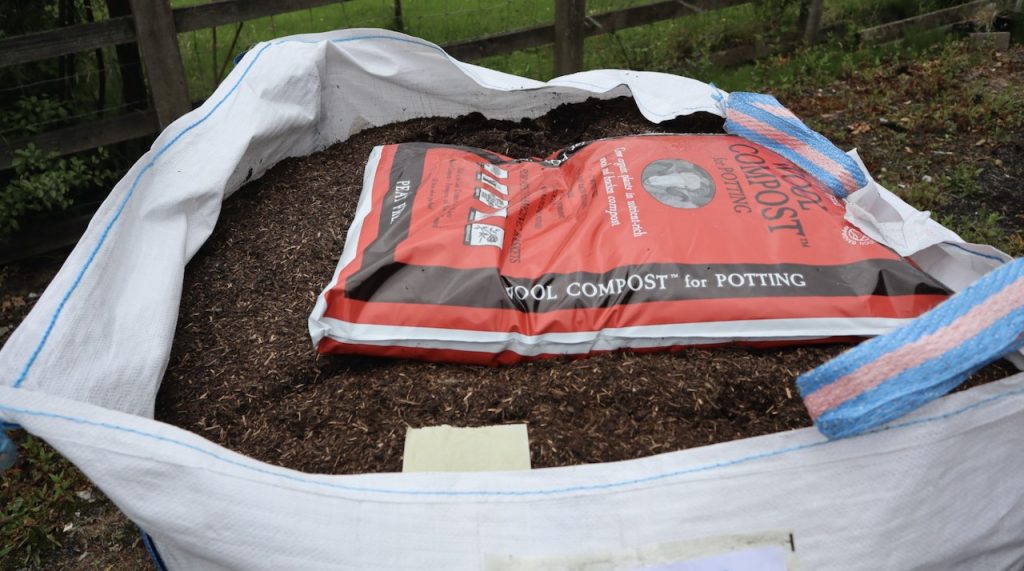
Bagged bark at £6 per bag = £240. Bulk bark at £40 per cubic metre delivered = £112 for 3 cubic metres. The bulk option saves you £128 on one job. If you’re doing more than about 15 square metres, bulk is almost always more economical.
The downside of bulk is that you need somewhere to store a massive pile of mulch and the physical capacity to shift it around your garden with a wheelbarrow. Bagged lets you work bit by bit over several weekends if needed.
The Benefits of Mulching
Mulching offers several benefits for your garden, flower beds, and overall soil health. In fact, mulching is the secret weapon of many garden designers and horticulturalists! Let’s have a look at the benefits of mulching below:
1. Water retention
Mulching retains water, which is especially important given the effects of climate change. It means that in hot weather, you will need to water less, and plants shouldn’t be as susceptible to wilting. It helps prevent water from evaporating from the soil surface.
2. Nutrient release
Organic mulch, such as compost or recycled green waste, slowly releases nutrients into the soil over an extended period. It can help reduce or even eliminate the need to apply additional fertilisers.
This can save money and time, as applying mulch in autumn and Spring can reduce spot fertilising throughout the season.
3. Improving soil structure
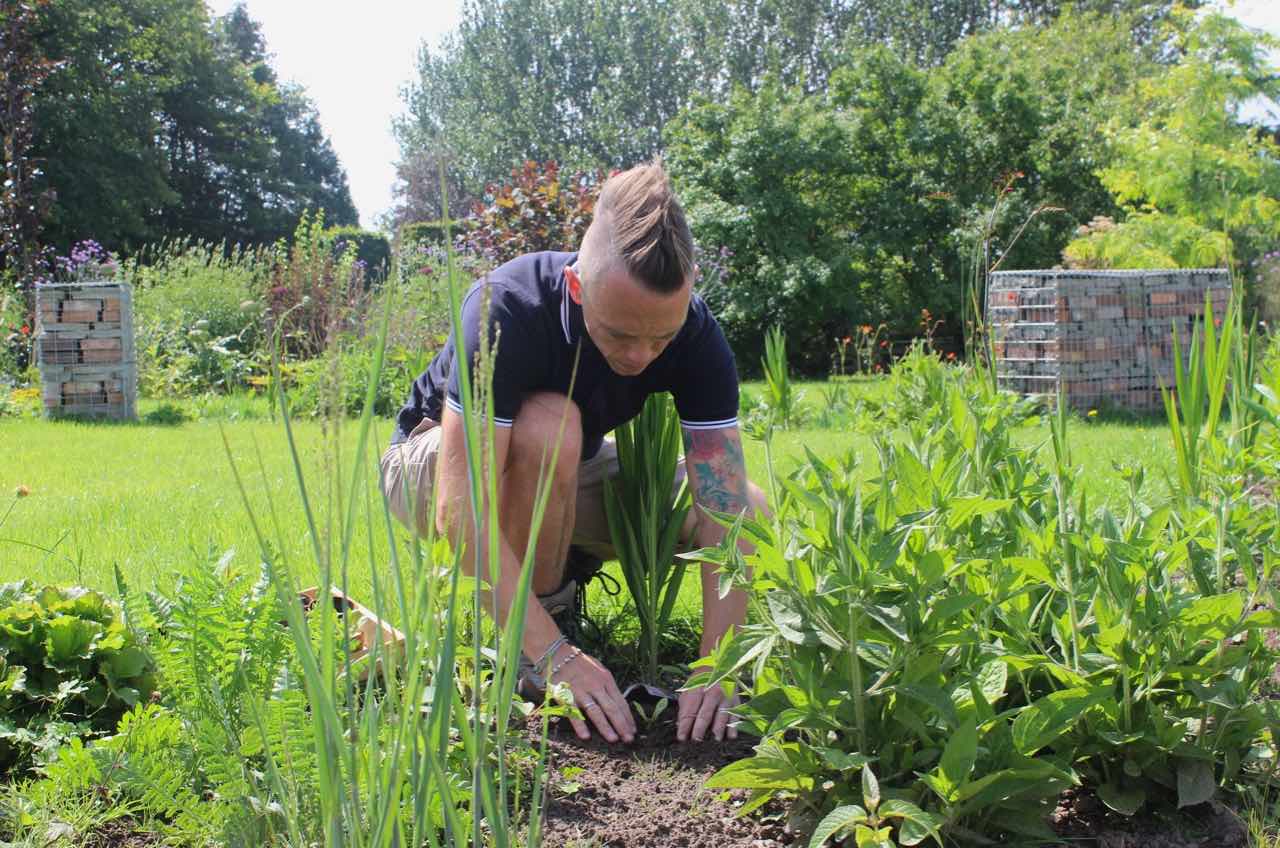
Organic mulches, in particular, improve the crumb structure of the soil. Earthworms and microorganisms break down organic matter, such as compost and pull it down into the soil. This activity helps aerate and break up the soil.
This can reduce the amount of digging required and can help reduce the release of C02 into the environment. This is a great garden hack to help improve the structure and texture of your soil without ever having to lift a spade!
4. Weed reduction
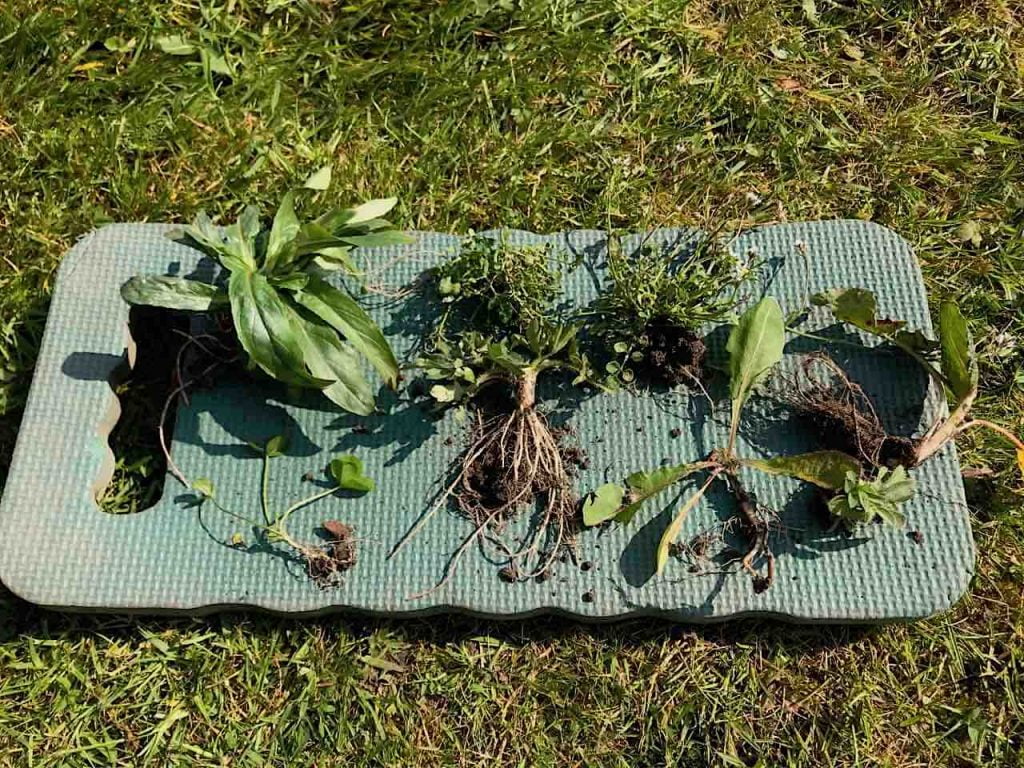
Mulching also helps reduce weeds, especially gravel-based mulches. I’m keen to stress that when mulching, you should always start with a weed-free flower bed. Weeds germination requires fine tilth for the seeds to take root, which is why freshly prepared ground always ends up with hundreds of opportunistic weeds!
Adding mulch removes this environment, making it harder for weeds to establish. If weeds do occur, they are far easier to spot, especially with black compost, as they stick out like a sore thumb and can be removed quickly.
Do I need to remove old mulch before adding new?
No, and this is the beauty of organic mulch. As it breaks down, earthworms and soil organisms pull it into the soil where it improves structure and adds nutrients. You top up with fresh mulch when the old layer has decomposed or thinned out.
The only time you’d remove old mulch is if it’s become compacted and waterlogged, preventing water from reaching the soil, or if you’re switching from one mulch type to another for aesthetic reasons. With organic mulches like compost or leaf mould, layer on top as the old material breaks down and integrates into the soil.
Types of Garden Mulch
There are many different types of garden mulch available, depending on the desired outcome. Growing vegetables may require high feed mulches, whereas ornamental flower beds may use chipped bark to reduce weeds or even gravel.
| Mulch Type | Best For | Key Points |
|---|---|---|
| Peat-Free Compost | Vegetable beds, hungry perennials, annual borders | High nutrients and moisture retention. Breaks down in 6-12 months so needs annual replacement. More expensive but brilliant for soil improvement. |
| Leaf Mould | Woodland plants, shade borders, all general borders | Free to make from autumn leaves. Lightweight and excellent soil conditioner. Low nutrients but fantastic structure improver. Lasts 6 months. |
| Well-Rotted Manure | Roses, vegetables, fruit, hungry shrubs | Very high nutrients, perfect for heavy feeders. Must be at least 2 years old or it burns plants. Can contain weed seeds. Lasts 12 months. |
| Bark Chips | Shrub borders, paths, established trees, decorative beds | Lasts 2-3 years and looks smart. Good weed suppression. Robs nitrogen as it breaks down so avoid on vegetable beds. Low nutrient value. |
| Wood Chips | Paths, around established trees and shrubs only | Often free from tree surgeons. Long-lasting (2-3 years) with good weed control. Robs nitrogen so only use around woody plants, not vegetables. |
| Straw | Strawberries, vegetable paths, temporary coverage | Lightweight and cheap. Keeps fruit clean. Blows about and looks scruffy. Attracts rodents. Use hay-free straw only. Lasts 6-12 months. |
| Gravel/Stone | Alpines, Mediterranean plants, drought-tolerant beds | Permanent solution with excellent drainage. No soil improvement. Expensive initially but lasts forever. Can raise pH if limestone-based. |
| Mushroom Compost | Alkaline-loving plants, brassicas, general borders | Good structure improver, readily available. Very alkaline (pH 7-8) so avoid around acid-loving plants like rhododendrons. Lasts 12 months. |
| Grass Clippings | Vegetable beds in thin layers only | Free and high nitrogen. Goes slimy if too thick. Apply 2cm maximum. Never use from chemically treated lawns. Breaks down in 2-4 weeks. |
| Seaweed | Coastal gardens, vegetable beds, general borders | Free if you’re coastal. High in trace elements. Rinse off excess salt first. Can smell while fresh. Excellent soil conditioner. Lasts 6-12 months. |
Mulches are often classified as biodegradable (organic in structure and breakdown) or non-biodegradable (stone, man-made matting, or inert materials).
Each has its own set of benefits and drawbacks, helping you pick the right mulch for your garden and flower beds.
Biodegradable Mulches
1. Compost
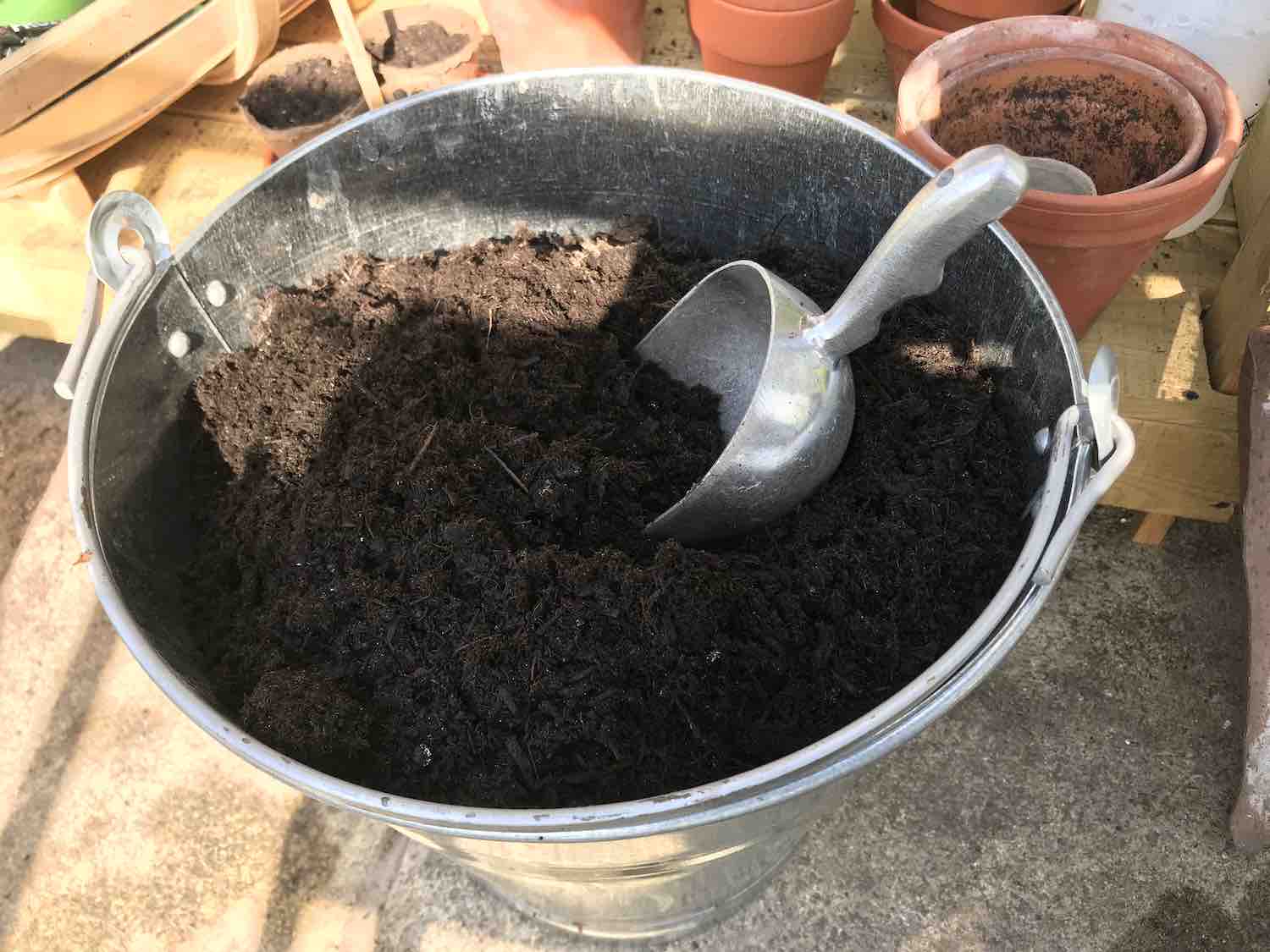
Peat-free compost is probably the best form of mulch as it contains a high level of nutrients. It retains a lot of moisture and is easily absorbed and taken down into the soil by beneficial bacteria, earthworms and invertebrates.
Always choose peat-free or homemade compost, as this protects peat bogs, which are being destroyed by commercial peat composting extraction.
2. Leaf Mould
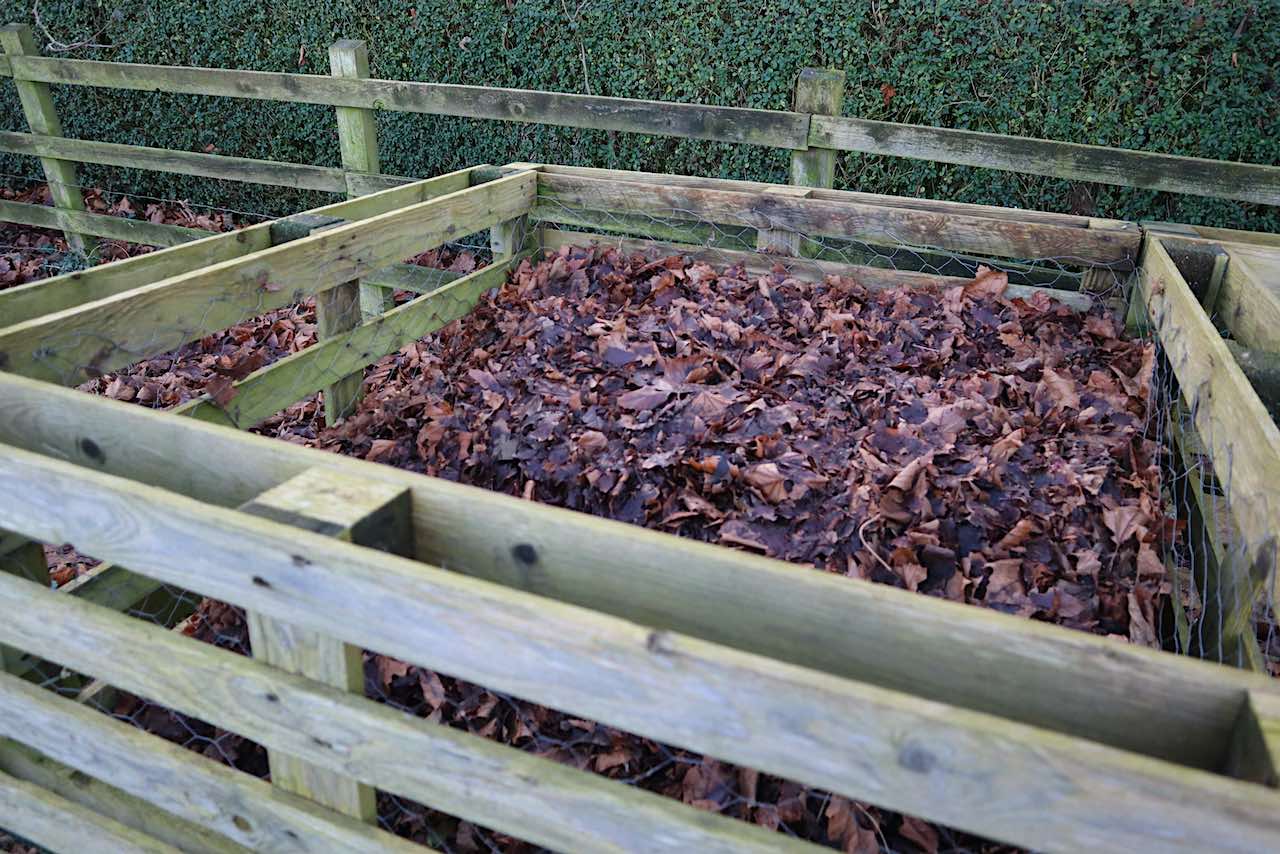
Probably one of the best types of multi-purpose mulches for adding bacteria and acting as a gentle feed to your soil. Leaf mould is lightweight and very easy to lift and move around the garden.
Leaf mould can be made from fallen leaves and takes about 12-18 months to mature. It’s a great way to recycle, and leaf mould is also excellent for helping germinating seedlings come along.
3. Chipped bark
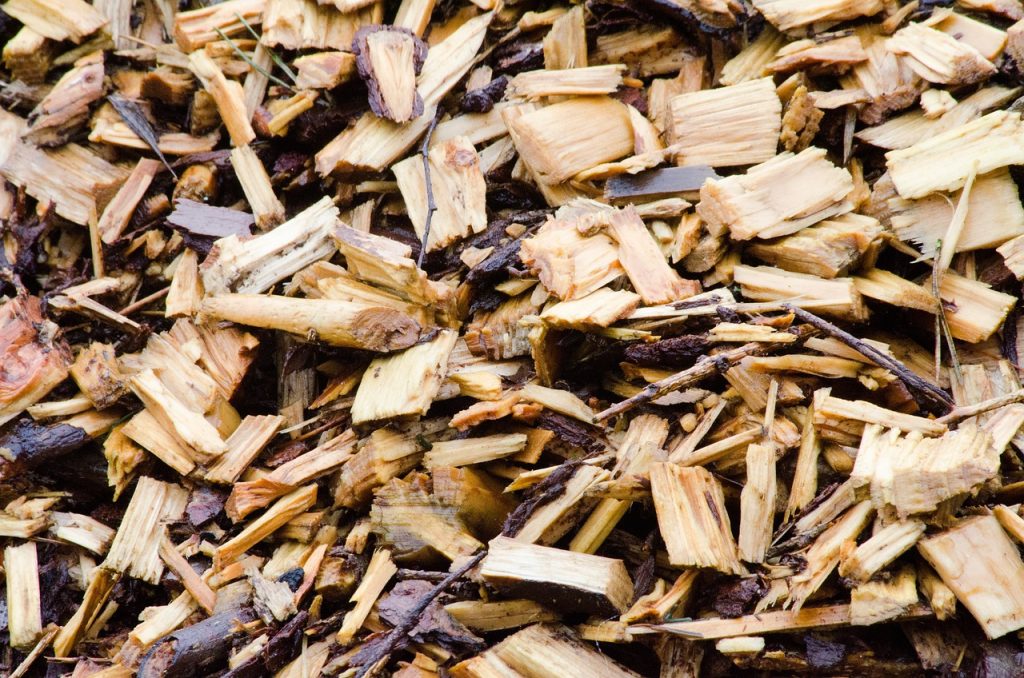
Chipped bark or wood chips are great for a decorative look, mulch, and to help keep water retention in the soil. However, it can start to rob nitrogen from the ground, a major core nutrient; as the wood breaks down, it uses precious nitrogen from the soil. So if you already have poor soil, this may further reduce your garden’s fertility. See further on for why wood chips rob nitrogen from your soil.
Care needs to be taken to balance the feed of the ground to compensate for this, or to use peat-free compost instead of bark.
4. Straw or hay
Straw and hay can be used as a soil mulch to help keep moisture in the ground. It is often used in hot climates and used frequently by allotment owners or homesteaders as a way to reduce watering of garden vegetables.
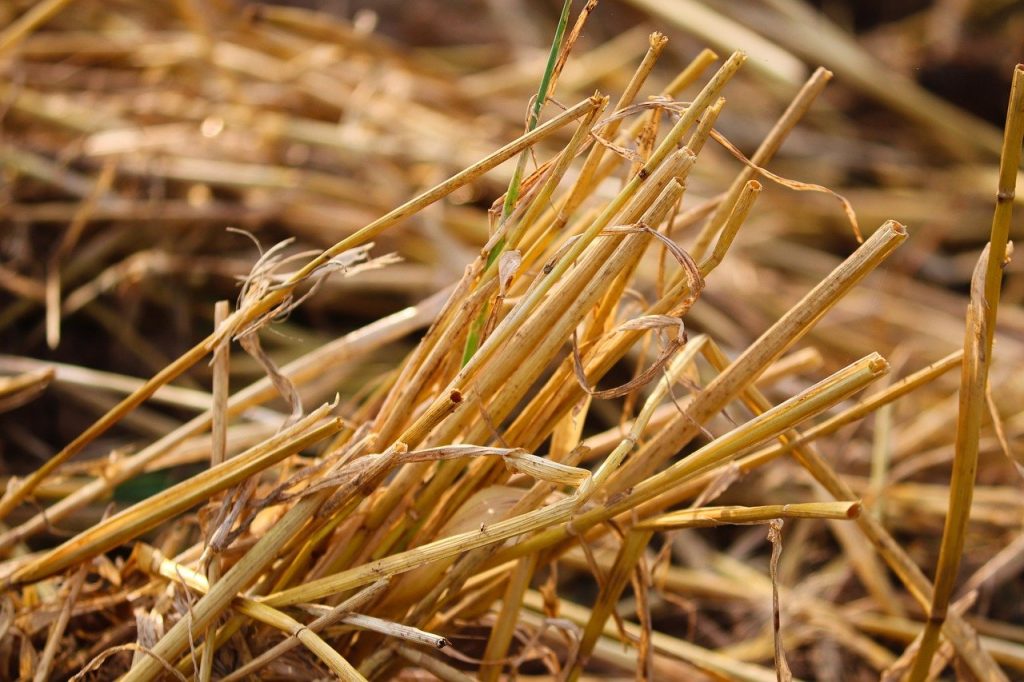
Straw mulching doesn’t add huge amounts of feed to plants and does take a while to break down. Birds and garden visitors such as squirrels can also make a right mess of it as they dig and peck through it!
Did you know that you can take my course and learn how to become a Garden Ninja yourself? Click here for details
Non Biodegradable Mulches
1. Gravel
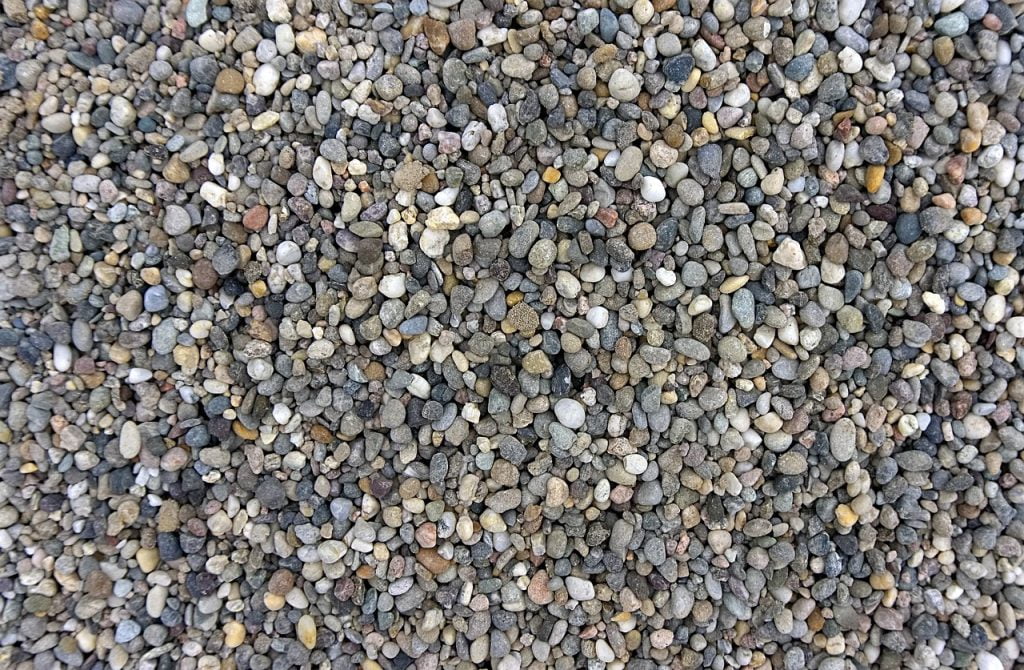
Gravel or stone chippings are particularly useful as a mulch for alpine plants and pond plants as they help reduce soil disturbance and assist with drainage. It contains no organic or nutrient value meaning it won’t feed your plants only suppress weeds and keep moisture in.
2. Landscape matting, weed membrane or geotex
Another form of mulch is using landscape fabric or geotextile. This is usually laid before plants are dug into the ground. It acts as a blanket around all the plants to control weeds and retain moisture.
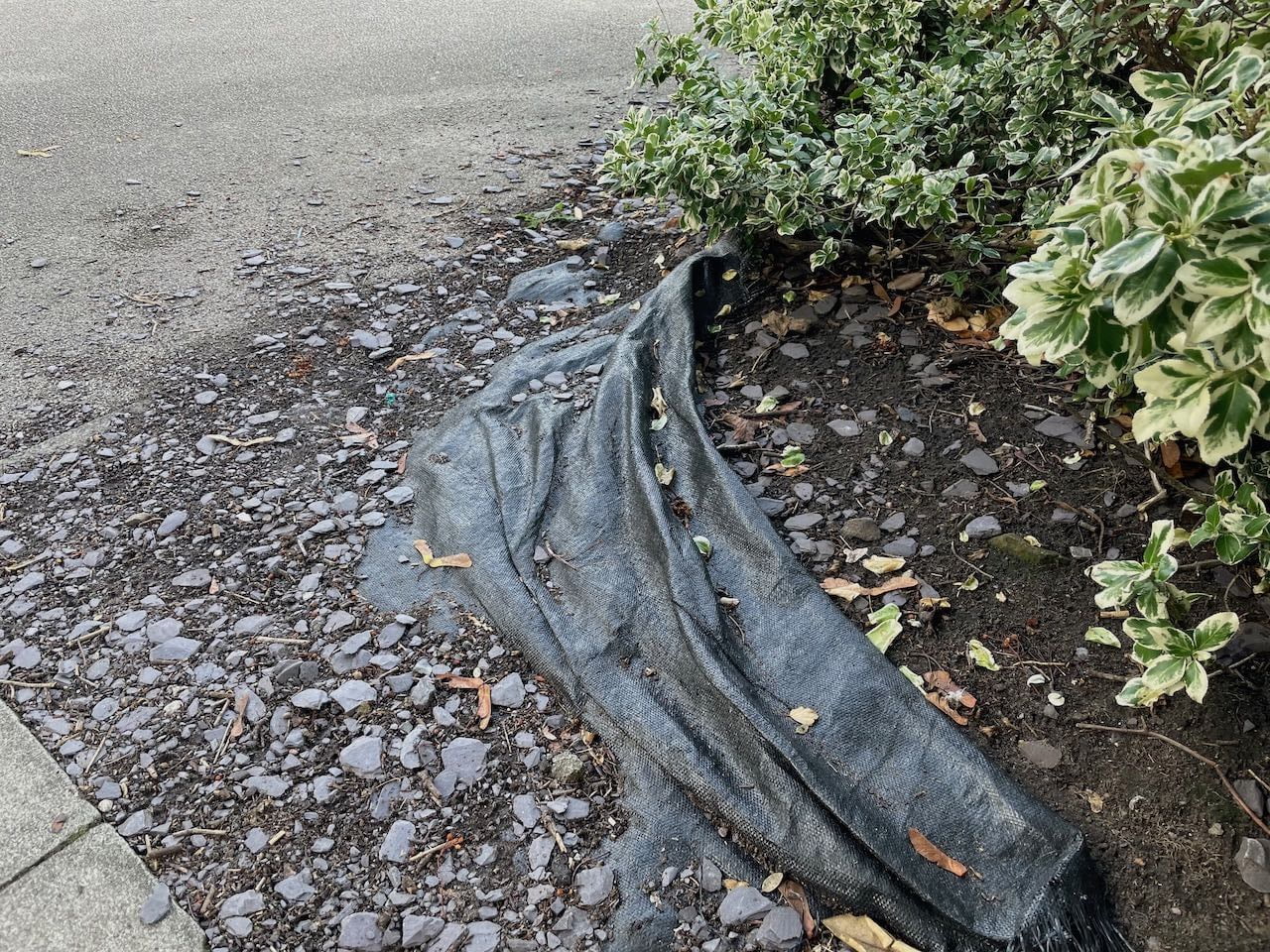
However, there are serious concerns about using such man-made materials, as they are often made from plastic. These plastics can’t be easily recycled and can contaminate the soil and food chains. If using landscape fabric, then natural hessian can be a better alternative, which will slowly break down over time.
How long does it take to mulch?
Mulching may take some time, depending on the size of the planting beds. If you’re short on time, try mulching around individual plants instead. You can do this by adding a deep layer of mulch around the circumference of each plant. However, for most gardens, a couple of hours is all it takes to mulch a set of flower beds or garden borders.
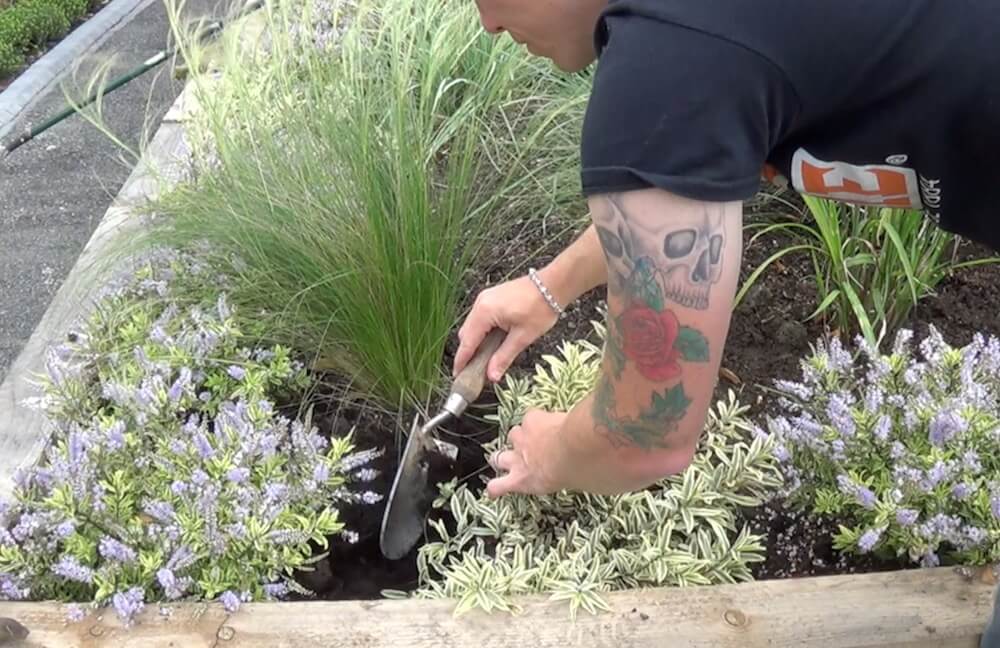
Carefully spread your mulch around the plants to about 1-3cm deep. Take care not to mulch too deeply, as this can cause the stems of plants to rot and become damaged. So if in doubt, less is more in this case. You can always re-mulch later in the season.
That’s it; it’s super easy and makes your garden look neat and smart.
How deep should mulch be?
Aim to mulch your garden to a depth of 2-3 inches or 5-7cm in depth. This helps provide enough cover for the plants and retain moisture whilst suppressing weeds. If you don’t mulch deep enough, then the benefits will be reduced and you’ll find yourself having to weed more and still water your plants at the same rate.
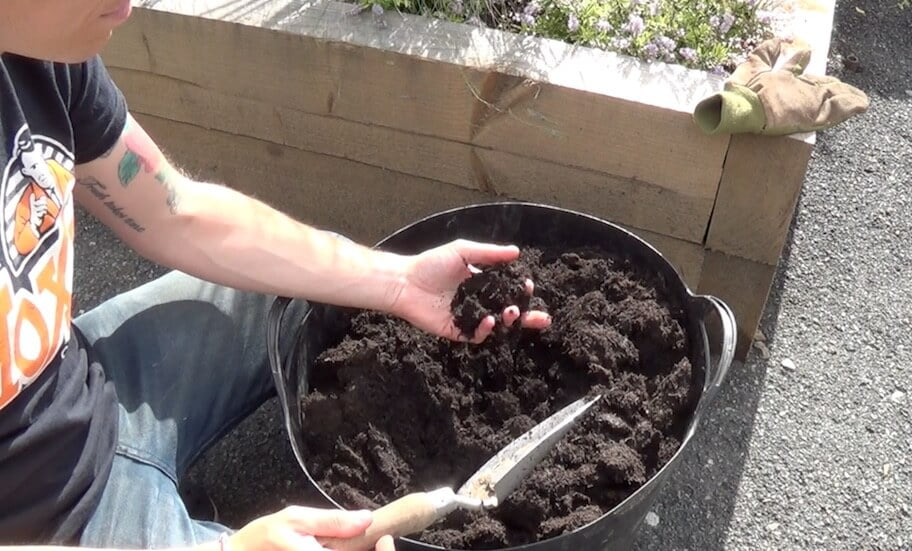
This depth of mulch helps bring the most benefits to your garden soil and flowers. It’s worthwhile spending the extra time ensuring you’ve covered the ground to the correct depth, at least 2 inches worth of whichever mulch you choose.
What’s the best time of year to mulch a garden
The best times to mulch in the UK are mid-to-late spring (April to May) and autumn (September to October).
Spring mulching is brilliant because the soil has warmed up but hasn’t dried out yet, and you’re getting ahead of summer weeds before they germinate. Autumn mulching protects plant roots through winter and gives organic matter time to break down, ready for spring growth. Avoid mulching when the ground is frozen solid or completely dry, as you’ll trap cold in the soil or waste the moisture-retaining benefits.
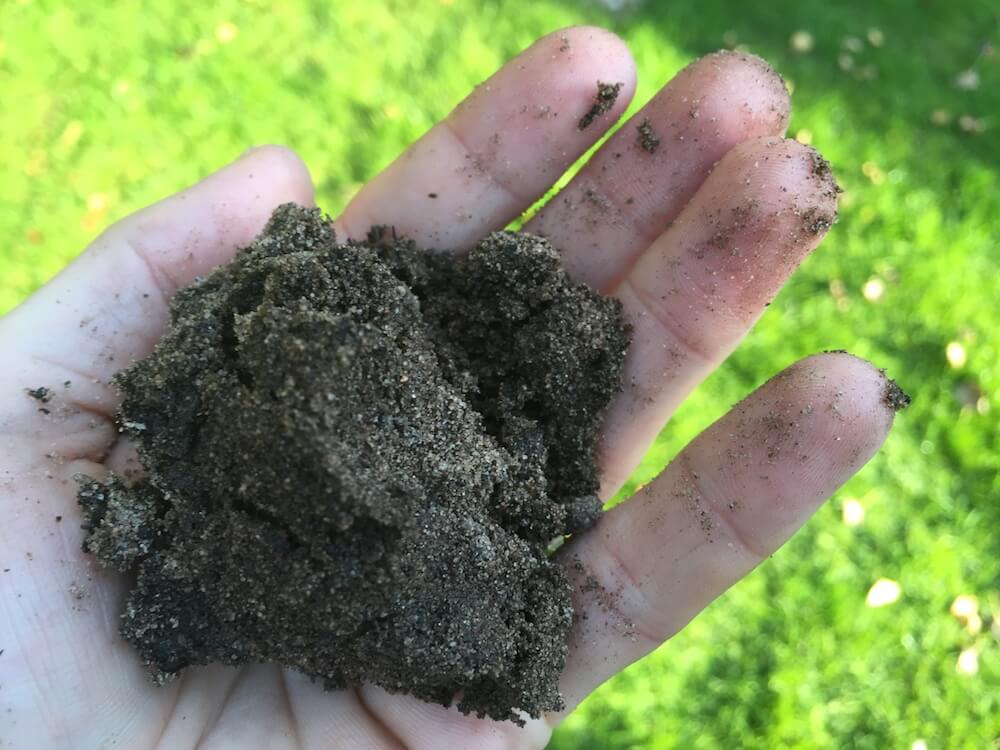
Soil is a living, breathing organism, and from spring through autumn, millions of bacterial interactions and exchanges occur between invertebrates and worms.
How long does mulch last?
Different mulches will last for different lengths of time depending on the amount of organic matter. For example, compost mulch won’t last as long as chipped bark, but it will add more value to the soil even though it breaks down quickly.
Most mulches last a maximum of 2 years, with the exception of gravel or the dreaded plastic mulch.
Below is a guide for the fastest mulches vs their soil improvement benefit.
- Leaf mould – fastest to break down – slow-release medium nutritional value
- Compost – second fastest to break down – highest nutritional value, fast release
- Straw – slow to break down – little nutritional value
- Chipped bark – Slow to break down – long release light nutritional value
- Gravel – never breaks down, lasts the longest – no nutritional value
- Landscape fabric – very slow to break down and can contaminate the ground – no nutritional value
Leaf mould lasts around 6 months as a mulch. Compost usually lasts one year as a mulch, and chipped bark will last 2-3 years before breaking down.
What’s the best compost for garden mulch?
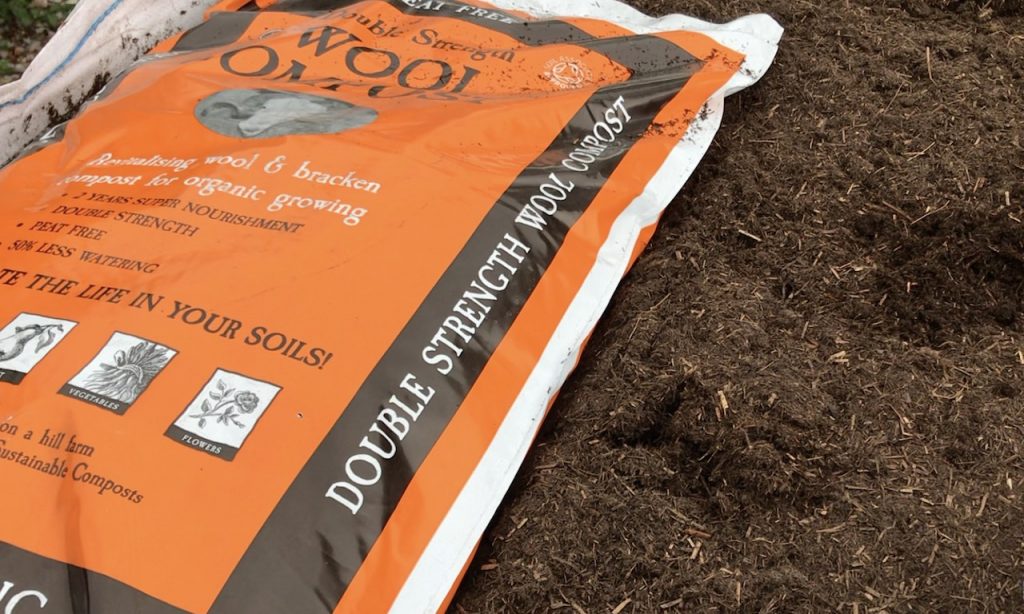
In my experience as a garden designer, peat-free quality compost, such as Dalefoot’s amazing wool, is the best for a garden mulch. It lasts around a year and feeds plants super slowly. It is also a fantastic mulch for breaking down heavy clay soil.
Second to compost is homemade leaf mould, which is very cost-effective, usually free, and can recycle all those fallen leaves that arrive in autumn, so it’s a win-win!
Can I mulch over weeds?
Absolutely not, and this is one of the biggest mistakes I see gardeners make. You must start with completely weed-free soil, or you’re just feeding the weeds. Perennial weeds like bindweed, couch grass, and ground elder will punch straight through mulch like it’s not even there. Even annual weeds already established will thrive under mulch.
Clear every last weed first, then mulch to prevent new ones from germinating. It’s tempting to skip this step, but you’ll regret it within weeks when you’re battling supercharged weeds that are now much harder to spot and remove.
Plants and Places You Shouldn’t Mulch
Whilst mulch benefits most gardens, there are specific plants and situations where mulching causes more problems than it solves. Knowing when to hold back is just as important as knowing when to mulch.
Mediterranean and Drought-Tolerant Plants
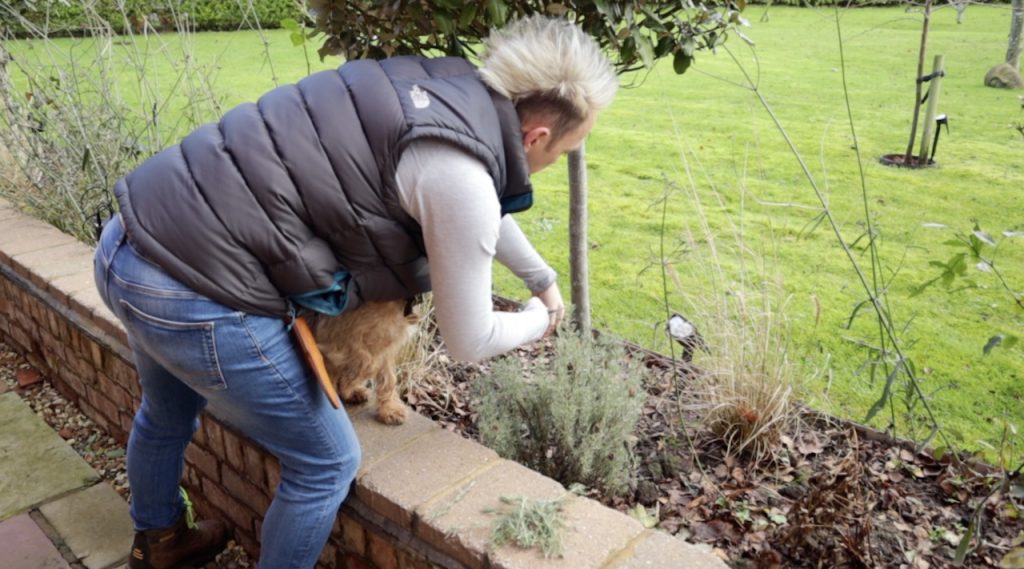
Lavender, rosemary, thyme, oregano, sage, cistus, santolina, and most Mediterranean herbs positively hate organic mulch around their stems. These plants evolved in hot, dry conditions with gritty, free-draining soil. Organic mulch keeps things too moist around their crowns and stems, leading to rot and fungal problems.
If you must mulch around these plants, use gravel or grit instead of organic matter, and keep it well away from the stems. Honestly, though, these plants are happier with bare soil or just a thin gravel mulch for aesthetic purposes.
Alpine and Rock Garden Plants
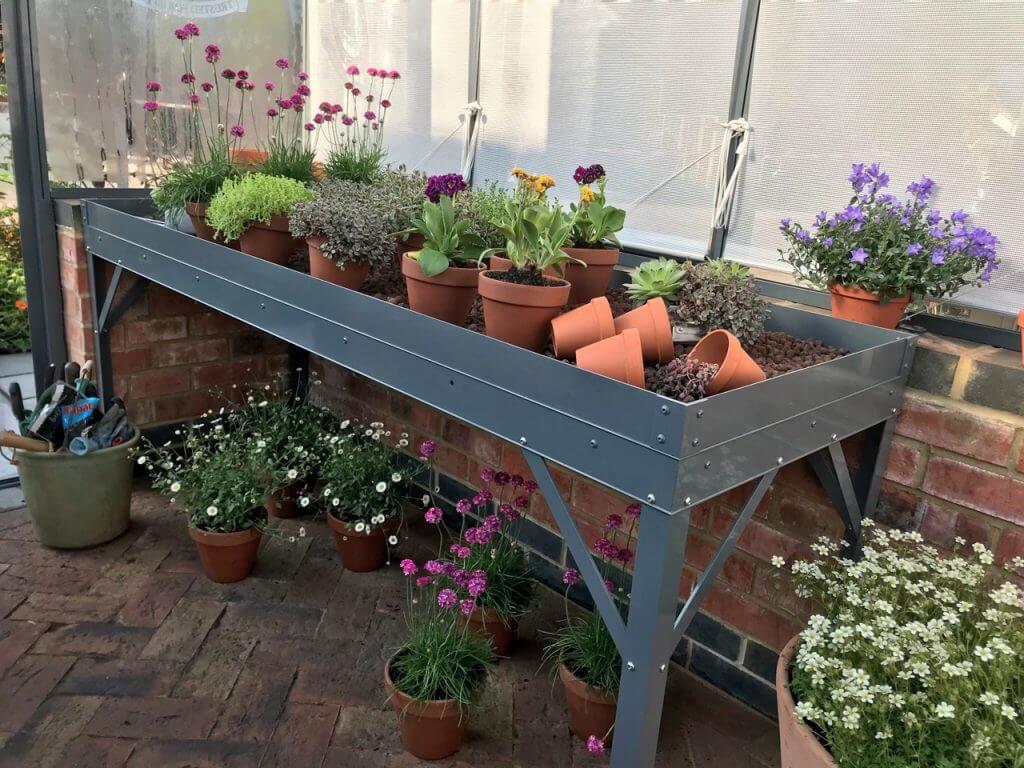
Alpines evolved to grow in rocky, perfectly drained conditions. They cope with extreme cold and snow but cannot tolerate wet, humid conditions around their foliage. Organic mulch creates exactly the wrong environment for them.
Use grit or small gravel around alpines, or no mulch at all. The rock garden or alpine bed should be topped with stone rather than organic matter. If you’re growing alpines in containers, a top dressing of horticultural grit serves the aesthetic purpose without causing problems.
Ground Cover Plants
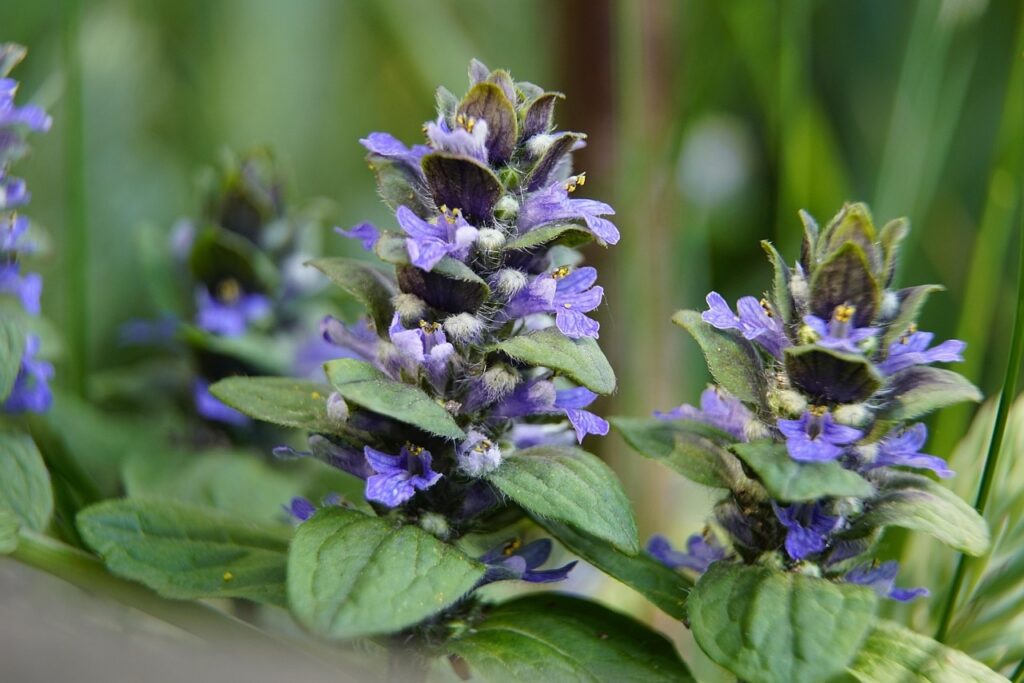
Plants like creeping thyme, ajuga, vinca, lamium, and other ground covers spread horizontally across the soil surface, rooting as they go. Mulch prevents this spreading behaviour and can actually smother these plants rather than helping them.
Let ground covers do their job as living mulch. Once they’ve filled in properly, they create their own weed suppression and don’t need additional mulching. If you’re establishing ground covers in a weedy area, you might mulch very lightly between plants initially, but remove it as the plants fill in.
Areas for Direct Seeding
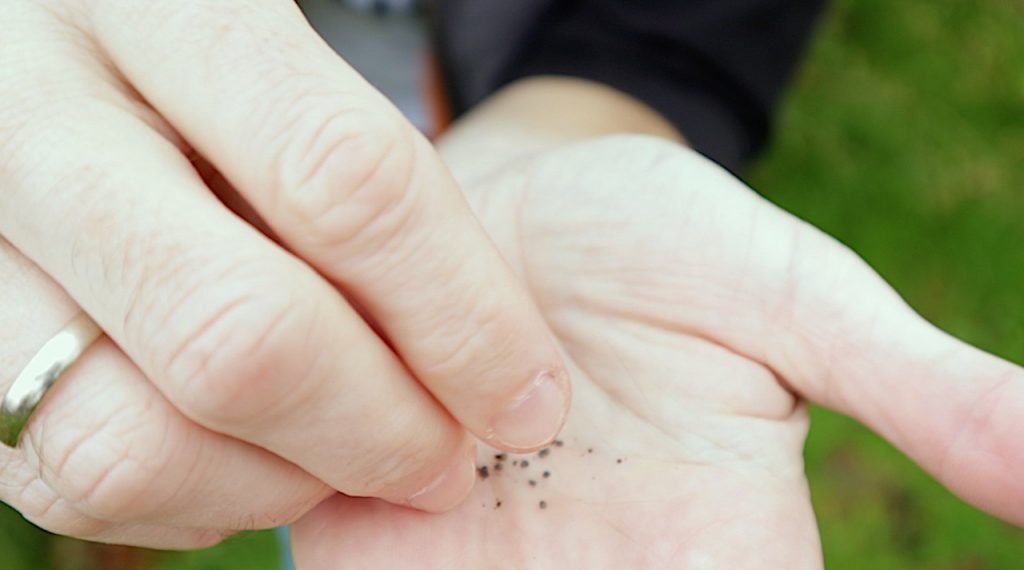
Avoid mulching areas where you plan to sow seeds directly. Seeds need contact with bare soil to germinate. Most can’t push through even thin layers of mulch. If you’re growing vegetables from seed, leave the bed bare until seedlings are well established, then carefully mulch between rows.
The exception is very large seeds, such as beans, squash, and peas, which can tolerate light mulch. However, even then, I’d wait until they’ve germinated and the seedlings are a few centimetres tall before mulching around them.
Newly Planted Seeds and Seedlings
Emerging seedlings are delicate. Mulch can physically prevent them from breaking through the soil surface, or it can harbour slugs and snails that demolish tender young leaves. Wait until seedlings are at least 5-8cm tall with several sets of leaves before mulching around them.
This applies to both vegetable seedlings and germinating perennials. Let them get established first, then mulch carefully around them, keeping the mulch well away from the stems.
Very Wet or Waterlogged Soil
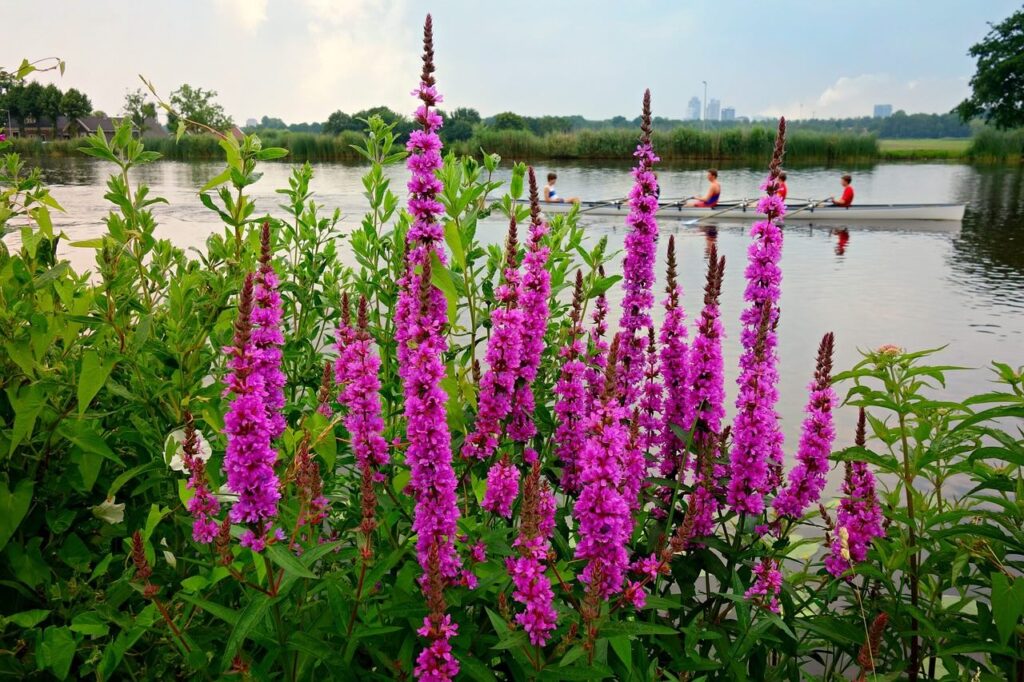
If your soil remains waterlogged for extended periods or you have serious drainage problems, adding organic mulch exacerbates the situation by retaining even more moisture at the surface. The ground becomes a soggy, anaerobic mess where roots can’t breathe.
Fix drainage problems before mulching wet areas. Install drainage, work in lots of grit or sharp sand to improve structure, or create raised beds that lift plants above the waterlogging. Once drainage is sorted, then mulch happily.
Around Very Young Trees
Mulch is generally brilliant for trees, but be very cautious with really young, newly planted trees in their first year. Piling mulch against the thin bark of a young tree trunk is asking for trouble. The bark is too soft and damage-prone.
Keep mulch at least 15-20cm away from the trunk of young trees. Create a proper gap, not just a token space. As the tree matures and the bark thickens, you can gradually reduce this gap to 10cm, but always maintain a clear space around the trunk base.
Understanding the Nitrogen Robbing Problem with Wood-Based Mulches
This is one of the most misunderstood aspects of mulching, and it catches many gardeners off guard. Let me explain what’s actually happening when you use bark or wood chip mulch, because understanding the science helps you avoid problems.
Why Wood Robs Nitrogen
When fresh wood breaks down, soil microorganisms need nitrogen to fuel the decomposition process. They grab nitrogen from the surrounding soil to do their work. This temporarily locks up nitrogen that would otherwise be available to your plants. The nitrogen isn’t lost; it’s just tied up in microbial bodies and will eventually be released back into the soil, but there’s a lag period where nitrogen becomes scarce.
This is why you sometimes see plants with yellowing leaves after mulching with fresh wood chips, especially on vegetable beds or around young plants that need lots of nitrogen for rapid growth. The plants are experiencing a nitrogen deficiency, not because the wood is toxic, but because the soil’s nitrogen has been diverted to decompose the wood.
Common Mulching Mistakes That Waste Your Time and Money
I’ve been designing gardens professionally for decades, and I still see the same mulching mistakes over and over. These errors don’t just reduce the benefits of mulching; they can actually harm your plants or create more work than if you hadn’t mulched at all. Let me save you the grief by highlighting what not to do.
Mistake 1: Volcano Mulching Around Tree Trunks
Walk around any suburban neighbourhood and you’ll see mulch piled high against tree trunks like miniature volcanoes. This is absolutely terrible for trees. Mulch in direct contact with bark keeps it constantly moist, which causes the bark to soften and rot. Diseases can enter through this weakened tissue, and you’ll often see adventitious roots growing into the mulch rather than down into the soil where they belong.
Pull mulch back at least 10cm from tree trunks and shrub stems, creating a visible gap. The mulch should look like a doughnut around the plant, not a volcano. I tell clients to imagine the plant needs breathing space around its ankles. This simple change prevents an enormous amount of rot and disease problems.
Mistake 2: Mulching Frozen or Bone Dry Soil
Mulch locks in whatever moisture is in the soil, so if you mulch when the ground is frozen solid or completely parched, you’re trapping those conditions. Frozen soil stays frozen longer when covered with mulch. Dry soil stays dry because the mulch prevents rain from penetrating efficiently until it’s saturated.
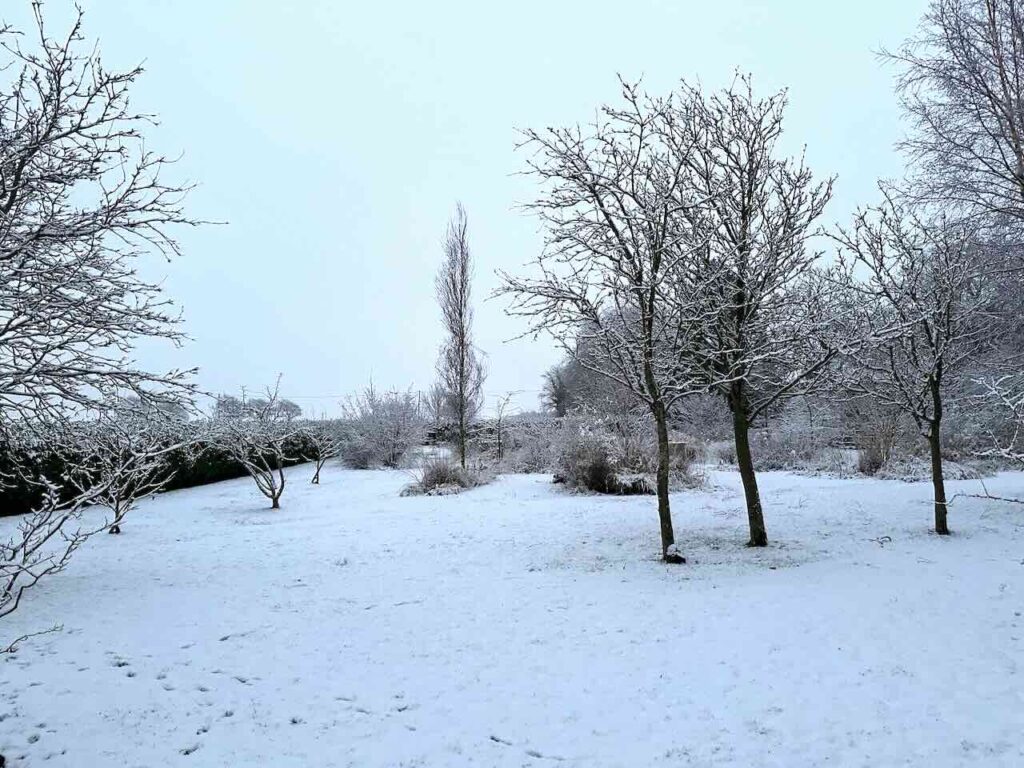
Always mulch damp soil. If it’s been dry for weeks, water thoroughly first and let it soak in overnight before mulching. If the ground is frozen, wait until it thaws and warms up a bit. Spring mulching works brilliantly in April because the soil is naturally moist from winter rain but has started warming up. Autumn mulching after September rains is equally good timing.
Mistake 3: Mulching Too Thinly
I see so many gardeners spreading mulch maybe 1-2cm deep and wondering why they’re still getting loads of weeds and the soil dries out just as fast as before. Thin mulch is pointless. You need at least 5cm depth, preferably 7-8cm, to actually suppress weed germination and make a meaningful difference to moisture retention.
Yes, this means buying more mulch than you thought. But buying twice as much mulch and doing the job properly is far more cost-effective than buying half the amount you need, achieving no results, and having to do it all again six months later. Go deep or don’t bother.
Mistake 4: Mulching Before Weeding
If I had a pound for every time I’ve seen someone mulch over existing weeds, thinking the mulch will kill them, I’d retire tomorrow. It doesn’t work that way. Perennial weeds will punch through mulch without even slowing down. Annual weeds already established will love the extra feeding from organic mulch breaking down around them.
You must clear every single weed before mulching. I mean every last dock root, every dandelion, every bit of ground elder. Get on your hands and knees and spend the time doing it properly. Only then does mulch work its magic by preventing new weed seeds from germinating. Mulch is prevention, not a cure.

Mistake 5: Using the Wrong Mulch for the Job
Not all mulches suit all situations. Fresh wood chips rob nitrogen from the soil as they break down, which is fine around established trees, but disastrous on vegetable beds where you need high fertility. Gravel around acid-loving plants can slowly raise soil pH if it contains limestone. Straw in ornamental beds looks scruffy and blows about in the wind.
Match your mulch to your plants. Compost for vegetable gardens and hungry perennials. Bark for established shrubs and trees. Gravel for alpines and Mediterranean plants. Leaf mould for woodland plants. There’s no one-size-fits-all solution, and choosing incorrectly undermines all your hard work.
Mistake 6: Forgetting to Top Up Regularly
Organic mulches break down. That’s their superpower and also their limitation. Compost might last a year before it’s incorporated into the soil. Leaf mould disappears in six months. Even bark eventually breaks down. If you’re not topping up regularly, you lose the benefits.
Check your mulched areas every spring and autumn. If you can see bare soil through the mulch layer, it’s time to top up. Don’t wait until the mulch has completely disappeared. Maintaining that protective layer year-round is what delivers the long-term soil improvement and weed suppression.
Mistake 7: Mulching Plants That Hate It
Some plants genuinely dislike mulch. Mediterranean herbs, such as thyme, oregano, and lavender, prefer gritty, dry conditions around their stems. Mulch can keep things too moist and cause stem rot. Alpine plants are similarly unhappy with organic mulch that stays wet.
Ground cover plants, such as creeping thyme and ajuga, need to spread across the soil surface. Mulch prevents this. Young seedlings can’t push through thick mulch. And any plant with a very tight crown, like some primulas, can rot if mulch is piled against it. Know which plants want mulch and which prefer to go commando.
Summary
Mulching is just one part of creating healthy, thriving garden beds. To get the most out of your garden, you’ll want to understand the complete picture of soil care and plant maintenance. I recommend checking out my other guides here at Garden Ninja HQ for a comprehensive overview.
In the meantime, happy mulching, get that protective layer down and watch your garden transform into the low-maintenance, high-performance space it should be.
Happy Gardening!



Lee Burkhill
Lee Burkhill, known as the Garden Ninja, is an award-winning garden designer and horticulturist with over 30 years of gardening experience and 15 years as a professional garden designer. A qualified RHS (Royal Horticultural Society) professional, Lee specialises in sustainable garden design and practical horticultural advice. He designs and presents on BBC1’s Garden Rescue and in leading gardening publications. Lee combines three decades of hands-on gardening knowledge with professional design qualifications to help gardeners create beautiful, functional outdoor spaces.
View all posts by Lee Burkhill





Categories
Other posts
-

Start here: to begin your gardening journey! Read more
-
What Are Poinsettias and How to Care for Them: The Complete Guide Read more
-
How to design a garden for a rental property: top tips! Read more
-
How to Force Rhubarb: Your Complete Guide to Sweet, Tender Stems in Winter Read more
-
Top 20 Beginner Vegetables to Grow in Your Garden Read more
-
Monet and Marqueyssac; two incredible French gardens Read more