Hi @denislaw10
Thanks for your question about pruning ginger and penstemons. It's a really interesting query because you're actually dealing with two completely different plant types here that require very different approaches to winter care and pruning. Let me explain how to prune each of these for you so you can give each plant exactly what it needs.
The key thing to understand first is that hardy ginger (I'm assuming you're referring to varieties like Hedychium which are tolerant of our UK winters) and penstemons are about as different as chalk and cheese when it comes to their origins and winter behaviour. Hardy ginger is a tropical or subtropical rhizomatous plant that has evolved to cope with warm, humid conditions and really doesn't appreciate hard frosts. Penstemons, on the other hand, are semi evergreen herbaceous perennials from temperate regions that have a much better relationship with cold weather. This fundamental difference means their pruning schedules are completely at odds with each other.
Pruning Hardy Ginger: Wait Until Spring
With your hardy ginger, the golden rule is to resist the temptation to cut it back before winter arrives. I know it might start looking a bit tatty as autumn progresses, but those stems and leaves are actually providing valuable protection for the rhizomes underground during the cold months. Hardy ginger varieties can survive down to around minus five degrees Celsius in well-mulched, sheltered positions, but they need all the help they can get from their own foliage acting as insulation.
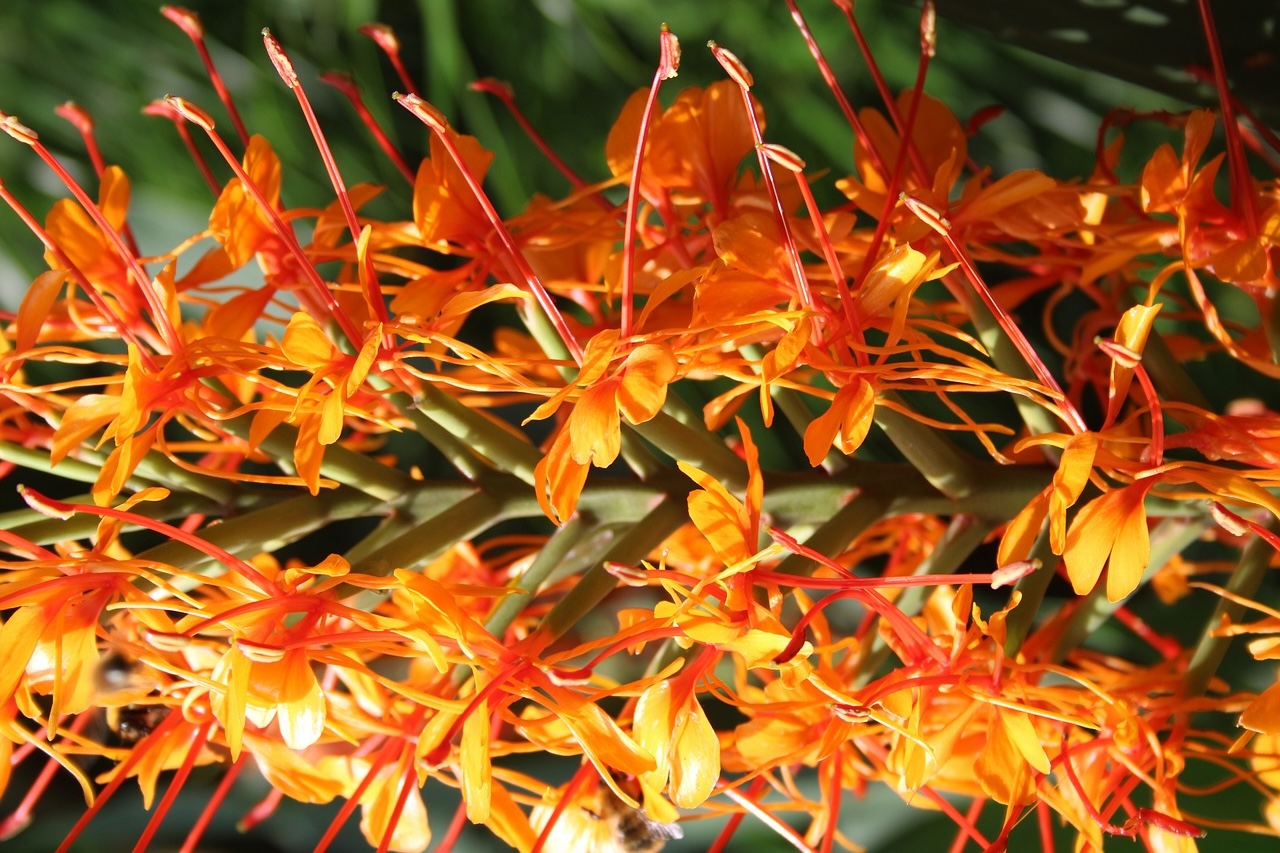
The foliage on hardy ginger will naturally die back once we get a proper frost. This usually happens in late autumn or early winter, depending on where you are in the UK. Once the frost has blackened the leaves and stems, you might be itching to get out there and tidy up, but hold your horses. The best approach is to leave all that dead foliage in place right through winter. It acts like a protective duvet over the crown and rhizomes, shielding them from the worst of the winter weather and helping to prevent waterlogging damage to the growing points.
Come late March or April, when you can see the first signs of new shoots emerging from the base of the plant, that's your cue to get the secateurs out. Cut all the old, dead stems back to just above ground level, around five to ten centimetres above the soil. This timing is absolutely crucial because it provides the rhizomes with maximum protection throughout winter, while clearing the way for fresh growth in spring.
If you cut back too early in autumn or winter, you risk exposing the crown to frost damage or allowing moisture to penetrate the cut stems and cause rot. Hardy ginger rhizomes are particularly susceptible to winter wet, so anything that keeps them drier and warmer is going to help them survive until spring.
For particularly tender ginger varieties or if you're in a cold, exposed garden, you might want to add an extra layer of protection. Once the foliage has been frosted, pile on a generous layer of mulch over the crown, approximately six to eight inches of well-rotted compost, bark chippings, or even dry leaves, held in place with chicken wire. This gives additional insulation and really helps borderline hardy varieties make it through a tough winter. Just remember to pull this mulch back in spring before the new shoots start pushing through; otherwise, they'll struggle to emerge.
Pruning Penstemons: After Winter, Not Before
Penstemons are a completely different kettle of fish and need an opposite approach. These gorgeous semi-evergreen perennials keep much of their foliage through winter, and that greenery is absolutely essential for their survival during cold weather. The foliage acts as protection for the crown of the plant, helps limit wind rock which can loosen roots in the soil, and generally keeps the plant much healthier through the difficult months. I have loads of Penstemons here at Garden Ninja HQ and I very rarely prune them at all unless damaged.
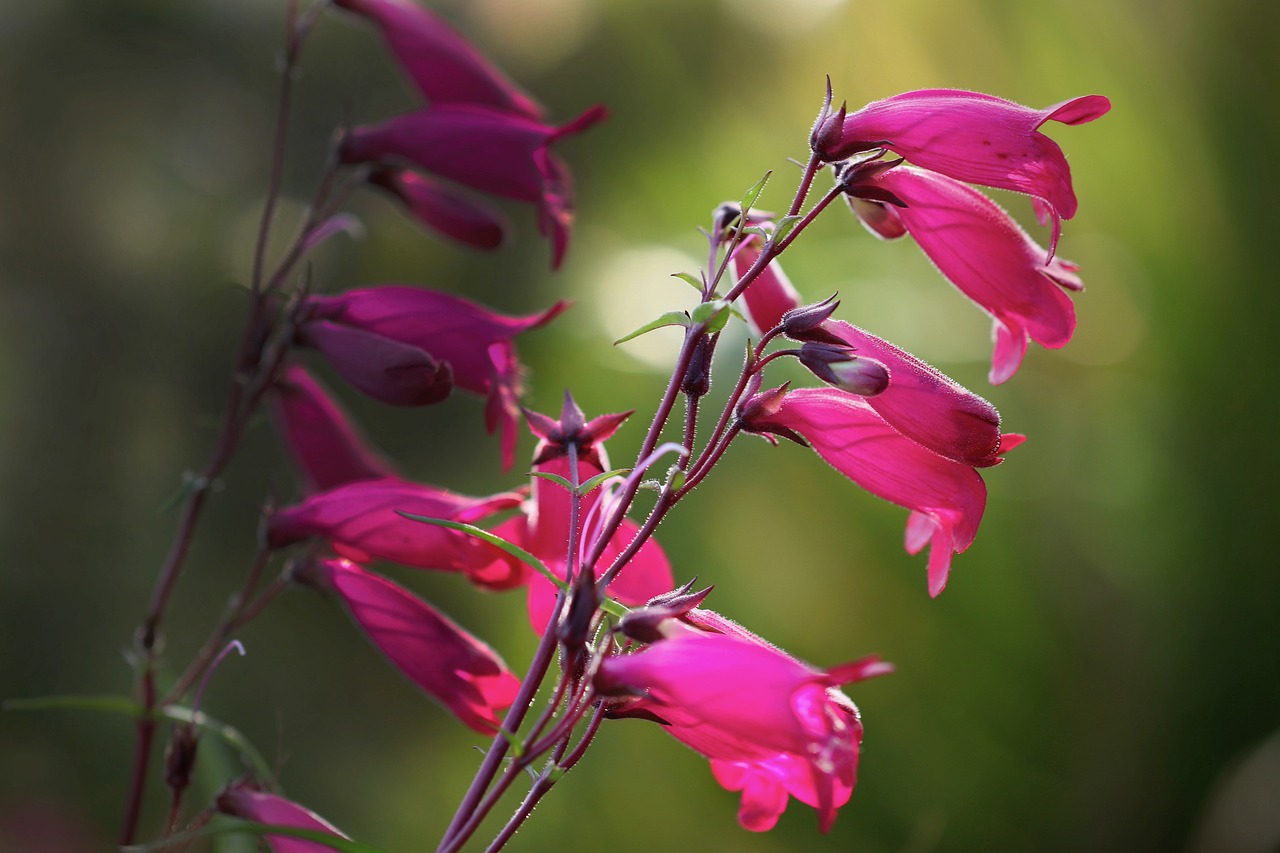
The mistake many gardeners make with penstemons is cutting them back hard in autumn because they're trying to be tidy. This is actually one of the worst things you can do because you're removing the very protection the plant needs to survive winter. Instead, in late autumn, around October or November, you should give your penstemons a light trim, taking back the growth by about one-third if damaged or looking worn. This removes the floppy spent flower stems and any really tatty growth whilst leaving plenty of semi evergreen foliage in place to protect the crown. Cut back to just above a set of healthy leaves, and don't be tempted to go any lower.
The proper hard prune for penstemons comes in spring, typically mid April to early May here in the UK, once the worst of the frosts have passed and you can see fresh new shoots emerging from the base of the plant. This is when you cut down hard to just above those new shoots, removing all the old woody growth from last year. You'll often find the new growth is appearing about three to six inches above ground level, so you're cutting back to that height rather than hacking everything to the ground. This spring pruning stimulates vigorous new growth and prevents the plant becoming leggy and woody.
The beauty of this approach is that it gives your penstemons maximum protection when they need it most, then removes all the dead wood at exactly the right time to encourage a fantastic flush of new flowering stems for summer. Penstemons that are pruned correctly in spring will reward you with masses of flowers from June right through to October. Those that are pruned too early in autumn often struggle to survive winter, particularly in cold or exposed gardens.
Why the Difference Matters
Understanding why these two plants need such different treatment really helps you remember which is which. Hardy ginger comes from tropical and subtropical regions where there's no such thing as a British winter. In its natural habitat, it grows year-round with the rhizomes safely tucked away underground, protected by consistently warm soil temperatures. When we grow it in the UK, we're pushing it right to the edge of its comfort zone, so we need to compensate by giving it all the protection we possibly can. That means leaving dead foliage in place, mulching heavily, and only cutting back once spring warmth returns.
Penstemons, by contrast, evolved in temperate climates with cold winters. They're semi evergreen because keeping some foliage through winter is part of their survival strategy. That foliage photosynthesizes on mild winter days, providing energy to the plant, and acts as physical protection for the crown. Removing it too early is fighting against what the plant naturally wants to do. By working with the plant's natural cycle and only pruning hard once new growth appears in spring, you're giving it the best possible chance to thrive.
The other crucial difference is that ginger grows from rhizomes underground, so even if the top growth is completely killed by frost, the plant can regenerate from below ground as long as the rhizomes survive. Penstemons, however, have a crown at soil level that contains all the growing points. If that crown is damaged or killed by frost exposure, the whole plant is done for. This is why protecting the penstemon crown through winter is absolutely non negotiable, and why autumn pruning is so dangerous.
A Quick Recap for Your Garden
To make this really simple for you, here's what to do with each plant. For your hardy ginger, ignore it completely through autumn and winter apart from possibly adding extra mulch over the crown once the foliage has been frosted. Leave all that dead foliage in place as protection. Then in late March or April, when you see fresh shoots appearing, cut all the old stems back to about ten centimetres above ground level and remove your winter mulch.
For your penstemons, give them a light trim in late autumn, taking off about one-third of the growth to tidy them up and reduce wind rock, but leave plenty of foliage in place. Then, in mid-April to early May, once you can see fresh new shoots at the base, cut hard back to just above those new shoots, removing all the old woody stems from last year. This spring pruning will give you a bushy, floriferous plant for the summer ahead.
Get these timings right and both plants will absolutely thrive for you. Get them wrong, particularly with penstemons, and you might find yourself replanting come spring. The good news is that once you understand the fundamental difference between these two plant types, the pruning schedules make perfect sense and become second nature.
Further Reading
For more help with your pruning and winter garden care, have a look at these articles:
How and When to Prune Herbaceous Perennials
Winter vs Summer Pruning: What's the Difference?
8 Winter Gardening Jobs for Beginners
How to Prune Garden Plants: Ultimate Beginner Pruning Guide
How to Protect Plants in Winter
I hope that clears things up and gives you confidence with both your ginger and penstemons. Do let us know how they get on!
Lee Garden Ninja
Hi @denislaw10
Thanks for your question about pruning ginger and penstemons. It's a really interesting query because you're actually dealing with two completely different plant types here that require very different approaches to winter care and pruning. Let me explain how to prune each of these for you so you can give each plant exactly what it needs.
The key thing to understand first is that hardy ginger (I'm assuming you're referring to varieties like Hedychium which are tolerant of our UK winters) and penstemons are about as different as chalk and cheese when it comes to their origins and winter behaviour. Hardy ginger is a tropical or subtropical rhizomatous plant that has evolved to cope with warm, humid conditions and really doesn't appreciate hard frosts. Penstemons, on the other hand, are semi evergreen herbaceous perennials from temperate regions that have a much better relationship with cold weather. This fundamental difference means their pruning schedules are completely at odds with each other.
Pruning Hardy Ginger: Wait Until Spring
With your hardy ginger, the golden rule is to resist the temptation to cut it back before winter arrives. I know it might start looking a bit tatty as autumn progresses, but those stems and leaves are actually providing valuable protection for the rhizomes underground during the cold months. Hardy ginger varieties can survive down to around minus five degrees Celsius in well-mulched, sheltered positions, but they need all the help they can get from their own foliage acting as insulation.
The foliage on hardy ginger will naturally die back once we get a proper frost. This usually happens in late autumn or early winter, depending on where you are in the UK. Once the frost has blackened the leaves and stems, you might be itching to get out there and tidy up, but hold your horses. The best approach is to leave all that dead foliage in place right through winter. It acts like a protective duvet over the crown and rhizomes, shielding them from the worst of the winter weather and helping to prevent waterlogging damage to the growing points.
Come late March or April, when you can see the first signs of new shoots emerging from the base of the plant, that's your cue to get the secateurs out. Cut all the old, dead stems back to just above ground level, around five to ten centimetres above the soil. This timing is absolutely crucial because it provides the rhizomes with maximum protection throughout winter, while clearing the way for fresh growth in spring.
If you cut back too early in autumn or winter, you risk exposing the crown to frost damage or allowing moisture to penetrate the cut stems and cause rot. Hardy ginger rhizomes are particularly susceptible to winter wet, so anything that keeps them drier and warmer is going to help them survive until spring.
For particularly tender ginger varieties or if you're in a cold, exposed garden, you might want to add an extra layer of protection. Once the foliage has been frosted, pile on a generous layer of mulch over the crown, approximately six to eight inches of well-rotted compost, bark chippings, or even dry leaves, held in place with chicken wire. This gives additional insulation and really helps borderline hardy varieties make it through a tough winter. Just remember to pull this mulch back in spring before the new shoots start pushing through; otherwise, they'll struggle to emerge.
Pruning Penstemons: After Winter, Not Before
Penstemons are a completely different kettle of fish and need an opposite approach. These gorgeous semi-evergreen perennials keep much of their foliage through winter, and that greenery is absolutely essential for their survival during cold weather. The foliage acts as protection for the crown of the plant, helps limit wind rock which can loosen roots in the soil, and generally keeps the plant much healthier through the difficult months. I have loads of Penstemons here at Garden Ninja HQ and I very rarely prune them at all unless damaged.
The mistake many gardeners make with penstemons is cutting them back hard in autumn because they're trying to be tidy. This is actually one of the worst things you can do because you're removing the very protection the plant needs to survive winter. Instead, in late autumn, around October or November, you should give your penstemons a light trim, taking back the growth by about one-third if damaged or looking worn. This removes the floppy spent flower stems and any really tatty growth whilst leaving plenty of semi evergreen foliage in place to protect the crown. Cut back to just above a set of healthy leaves, and don't be tempted to go any lower.
The proper hard prune for penstemons comes in spring, typically mid April to early May here in the UK, once the worst of the frosts have passed and you can see fresh new shoots emerging from the base of the plant. This is when you cut down hard to just above those new shoots, removing all the old woody growth from last year. You'll often find the new growth is appearing about three to six inches above ground level, so you're cutting back to that height rather than hacking everything to the ground. This spring pruning stimulates vigorous new growth and prevents the plant becoming leggy and woody.
The beauty of this approach is that it gives your penstemons maximum protection when they need it most, then removes all the dead wood at exactly the right time to encourage a fantastic flush of new flowering stems for summer. Penstemons that are pruned correctly in spring will reward you with masses of flowers from June right through to October. Those that are pruned too early in autumn often struggle to survive winter, particularly in cold or exposed gardens.
Why the Difference Matters
Understanding why these two plants need such different treatment really helps you remember which is which. Hardy ginger comes from tropical and subtropical regions where there's no such thing as a British winter. In its natural habitat, it grows year-round with the rhizomes safely tucked away underground, protected by consistently warm soil temperatures. When we grow it in the UK, we're pushing it right to the edge of its comfort zone, so we need to compensate by giving it all the protection we possibly can. That means leaving dead foliage in place, mulching heavily, and only cutting back once spring warmth returns.
Penstemons, by contrast, evolved in temperate climates with cold winters. They're semi evergreen because keeping some foliage through winter is part of their survival strategy. That foliage photosynthesizes on mild winter days, providing energy to the plant, and acts as physical protection for the crown. Removing it too early is fighting against what the plant naturally wants to do. By working with the plant's natural cycle and only pruning hard once new growth appears in spring, you're giving it the best possible chance to thrive.
The other crucial difference is that ginger grows from rhizomes underground, so even if the top growth is completely killed by frost, the plant can regenerate from below ground as long as the rhizomes survive. Penstemons, however, have a crown at soil level that contains all the growing points. If that crown is damaged or killed by frost exposure, the whole plant is done for. This is why protecting the penstemon crown through winter is absolutely non negotiable, and why autumn pruning is so dangerous.
A Quick Recap for Your Garden
To make this really simple for you, here's what to do with each plant. For your hardy ginger, ignore it completely through autumn and winter apart from possibly adding extra mulch over the crown once the foliage has been frosted. Leave all that dead foliage in place as protection. Then in late March or April, when you see fresh shoots appearing, cut all the old stems back to about ten centimetres above ground level and remove your winter mulch.
For your penstemons, give them a light trim in late autumn, taking off about one-third of the growth to tidy them up and reduce wind rock, but leave plenty of foliage in place. Then, in mid-April to early May, once you can see fresh new shoots at the base, cut hard back to just above those new shoots, removing all the old woody stems from last year. This spring pruning will give you a bushy, floriferous plant for the summer ahead.
Get these timings right and both plants will absolutely thrive for you. Get them wrong, particularly with penstemons, and you might find yourself replanting come spring. The good news is that once you understand the fundamental difference between these two plant types, the pruning schedules make perfect sense and become second nature.
Further Reading
For more help with your pruning and winter garden care, have a look at these articles:
How and When to Prune Herbaceous Perennials
Winter vs Summer Pruning: What's the Difference?
8 Winter Gardening Jobs for Beginners
How to Prune Garden Plants: Ultimate Beginner Pruning Guide
How to Protect Plants in Winter
I hope that clears things up and gives you confidence with both your ginger and penstemons. Do let us know how they get on!
Lee Garden Ninja

 Lee Burkhill: Award Winning Designer & BBC 1's Garden Rescue Presenters Official Blog