How to Prune Herbaceous Perennials: Complete UK Guide + Chelsea Chop Technique
Lee Burkhill: Award Winning Designer & BBC 1's Garden Rescue Presenters Official Blog
Beginner level
Master herbaceous perennial pruning with this comprehensive UK guide with me the Garden Ninja. Herbaceous perennials are the backbone of all amazing garden designs but pruning them is key! Learn when to prune 30+ perennials, the Chelsea Chop technique, avoid 6 costly mistakes, and boost wildlife whilst ensuring spectacular blooms year after year.
Pruning herbaceous perennials correctly transforms your garden from a one-hit wonder to a perpetual showstopper. Most gardeners hack everything down in autumn, robbing themselves of winter interest whilst harming wildlife.
The secret? Prune strategically in late winter (January to February in the UK) when plants are dormant, preserving seed heads for birds whilst ensuring vigorous spring growth. This comprehensive guide covers when to prune over 30 common perennials, mastering the Chelsea Chop technique, avoiding the six biggest pruning mistakes, and understanding which plants require autumn attention versus those that are best left until spring.
Whether you’re tackling Salvias, ornamental grasses, or ground cover geraniums, you’ll learn the three-group system that makes perennial pruning absolutely foolproof, even if you can’t identify every plant in your border! Let’s get pruning Ninjas!
This page contains affiliate links for products I use and love. If you take action (i.e. subscribe, make a purchase) after clicking a link, I may earn some gardening commission which helps me keep the Garden Ninja Blog free for all.
How to identify a herbaceous plant
Herbaceous perennials can be easily identified by this plant type, which returns year after year, dying back each winter and regenerating in the spring. They put on fresh green vegetative growth each year and then die back underground.
Herbaceous plants usually have a root, bulb, corm or underground storage system that survives throughout the winter.
Herbaceous perennials don’t require the care and attention of annuals or bedding plants, as the majority of them are fully hardy (there are exceptions, as with anything). This means herbaceous perennial plants will happily survive underground during the harsh winter frosts and arise again in the spring to dazzle us with their offerings.
Top 25 UK Herbaceous Perennials
To help you identify herbaceous plants, those that come back each year, I’ve listed below the top 25 or so here in the UK, so you can easily see in your own gardens what will need pruning back each year.
Latin Name
Pruning Group
Specific Timing
Special Notes
Helenium autumnale
Group 2 – Tall
Late Feb
Chelsea Chop in May for compact growth
Salvia nemerosa
Group 2 – Tall
Late Feb
Leave tender varieties (Hot Lips) until April
Geranium spp.
Group 1 – Ground
Late Feb
Shear hard after first flush for repeat blooms
Miscanthus, Panicum, Calamagrostis
Group 2 – Tall
Late Feb/Early March
Never cut back evergreen grasses (Stipa)
Penstemon spp.
Group 2 – Tall
March/April
Borderline hardy – old growth protects crown
Sedum spectabile
Group 2 – Tall
Late Feb
Leave seed heads for winter interest
Rudbeckia fulgida
Group 2 – Tall
Late Feb
Seed heads feed goldfinches through winter
Alchemilla mollis
Group 1 – Ground
After flowering or Feb
Self-seeds prolifically if not deadheaded
Stachys byzantina
Group 1 – Ground
Early winter if mushy
Prone to fungus in frost – prune early
Monarda didyma
Group 2 – Tall
Late Feb
Prone to mildew – remove diseased foliage immediately
Aster novi-belgii
Group 2 – Tall
Late Feb
Chelsea Chop prevents flopping
Verbena bonariensis
Group 2 – Tall
Late Feb
Self-seeds generously if left
Echinacea purpurea
Group 2 – Tall
Late Feb
Leave for birds, then cut back
Phlox paniculata
Group 2 – Tall
Late Feb
Thin in spring to prevent mildew
Eryngium spp.
Group 2 – Tall
Late Feb
Stunning winter structure – wait as long as possible
Geum spp.
Group 1 – Ground
Late Feb
Deadhead for continuous blooms May-Sept
Pulmonaria spp.
Group 1 – Ground
After flowering
Cut back tatty leaves for fresh growth
Bergenia cordifolia
Group 3 – Evergreen
Tidy in Feb
Remove frost-damaged leaves only
Dryopteris, Athyrium
Group 1 – Ground
Late Feb
Pull away old fronds by hand
Polystichum
Group 3 – Evergreen
Light tidy Feb
Remove damaged fronds only
Kniphofia uvaria
Group 3 – Evergreen
April (tender)
Old foliage protects crown from frost
Astrantia major
Group 1 – Ground
Late Feb
Cut back hard after first flush for repeat
Nepeta × faassenii
Group 1 – Ground
After flowering & Feb
Shear back to 10cm for fresh growth
Persicaria amplexicaulis
Group 2 – Tall
Late Feb
Vigorous – don’t worry about cutting back
Helleborus spp.
Group 3 – Evergreen
Jan/Feb before flowers
Remove old tatty leaves to show flowers
The key to spotting a herbaceous perennial vs a shrub is that herbaceous plants don’t put on woody growth in their stems like shrubs.
They are easy to spot as the first frosts of winter will turn them brown and crispy. Quite often, beginner gardeners think they are dead, but they are not.
They keep their energy underground in the crown and root system of the plant. Allowing the vegetative matter to die back once the plant has set seed in summer.
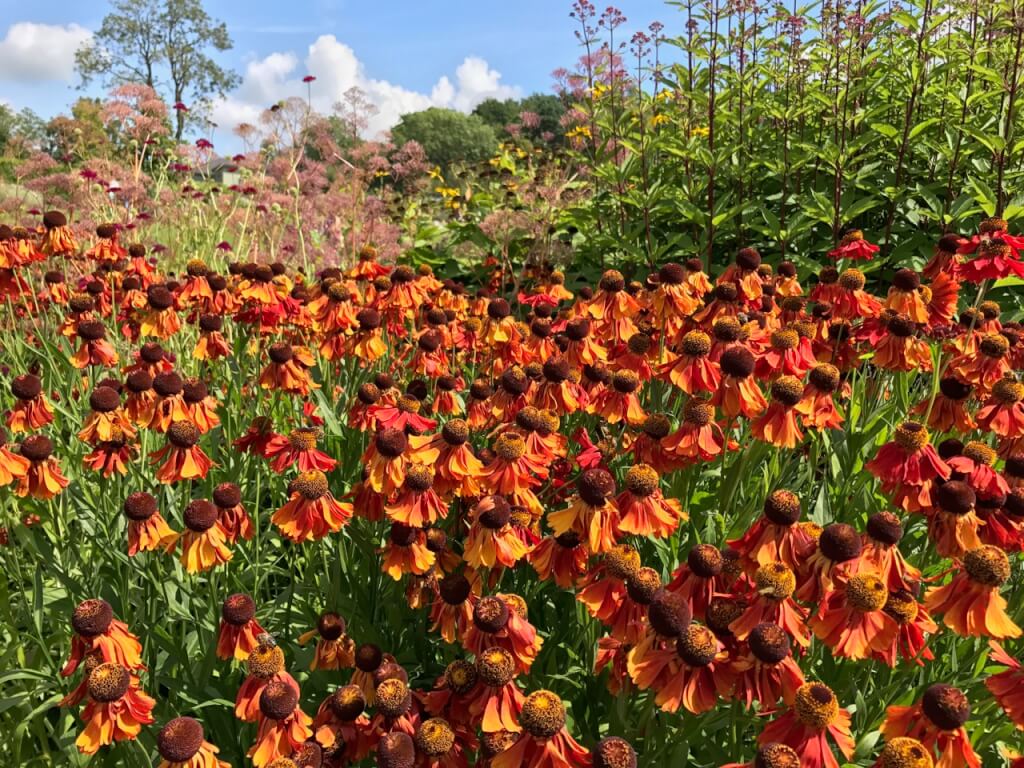
Two examples of herbaceous perennials are the Helenium, which is a typical daisy-like flower, and the banana plant (Musa basjoo), which, surprisingly, isn’t a tree but a herbaceous perennial. The largest herbaceous perennial in the world, growing upwards of 3m each year and dying back!
When to prune herbaceous perennials
The best time to prune herbaceous perennials is late winter, from January to February.
Most gardeners have a habit of pruning herbaceous perennials at the end of Autumn. This occurs during the great garden tidy-up at the end of the season when gardeners are frantically trying to tidy up, it seems. I’m not sure what it is with us Brits, but we do tend to love a good clean-up and tidy.
What I find is that you may remove the dried-up stems of herbaceous plants to make the borders look tidier, but you’re left with bare earth and spaces in your garden.
I advocate a different approach to pruning or tidying back herbaceous plants, like those in the Exploding Atom Garden, after winter, around late February here in the UK.
Pruning in late Winter is far more beneficial, both visually and for wildlife. The reason for this is that herbaceous plants such as Salvia, Miscanthus, Geums and Foxgloves act as a really good food source for wildlife during the barren winter months.
Seed heads provide easy snacks, and other insects that take refuge around these plants help keep our wildlife alive during winter when food sources are scarce.
The Chelsea Chop – Summer Pruning for Better Blooms
Now, before you think pruning only happens at winter’s end, there’s another brilliant technique that’ll transform your late-summer borders from floppy disasters into compact stunners. Enter the Chelsea Chop, named after the RHS Chelsea Flower Show, because that’s when we traditionally do it, around late May here in the UK.
The Chelsea Chop is essentially giving your tall perennials a haircut before they flower, cutting them back by about a third to half their height. I know it feels brutal snipping off perfectly good growth, but trust me on this one. What you’re doing is encouraging the plant to bush out rather than grow tall and leggy. The result? Shorter, sturdier plants that don’t need staking, more flowers (because more stems equals more blooms), and a later flowering period that extends your garden’s interest well into September.
I use this technique religiously on plants that have a tendency to flop over. There’s nothing worse than coming back from a weekend away to find your beautiful Phlox face-down in the mud after a summer downpour. The Chelsea Chop prevents exactly that disaster whilst giving you more flowers to boot.
The technique itself couldn’t be simpler.
Around late May or early June, when your perennials have put on most of their vegetative growth but haven’t formed flower buds yet, take sharp secateurs and cut back the stems by about a third. If you’re nervous (and I was when I first tried this), start by just chopping the front half of each clump. This way, the back half flowers at the normal time whilst the front half bushes out and flowers later, effectively doubling your flowering season from the same plant.
Here’s my tried-and-tested approach: I walk around the garden on the Bank Holiday weekend at the end of May with my secateurs, looking for anything that’s already looking a bit leggy or tall.
Plants like Phlox, Heleniums, Sedums, and Asters are prime candidates. I give them a good chop, water them well, and then watch the magic happen over the following weeks.
Plants Perfect for Chelsea Chop
Plants to NEVER Chelsea Chop
Why It Works/Doesn’t
Phlox paniculata
Peonies
Late bloomers respond well; early bloomers lose their flowers
Heleniums
Delphiniums
Encourages bushier growth and more flower heads
Sedums (upright types)
Foxgloves
Prevents flopping in heavy rain or wind
Asters
Iris
Delays flowering by 2-3 weeks, extending season
Rudbeckia (some varieties)
Aquilegia (Columbine)
Single-flush bloomers won’t flower again if chopped
Benefits of leaving herbaceous plants until winter:
Herbaceous plants in winter give wildlife a valuable food source
Herbaceous perennials look far nicer for winter structure in the garden
They offer shelter and a windbreak for hibernating creatures
It’s far less work for the gardener
Who wants to look at bare soil when you could be looking at arrangements of ghostly sepia-toned herbaceous plants?
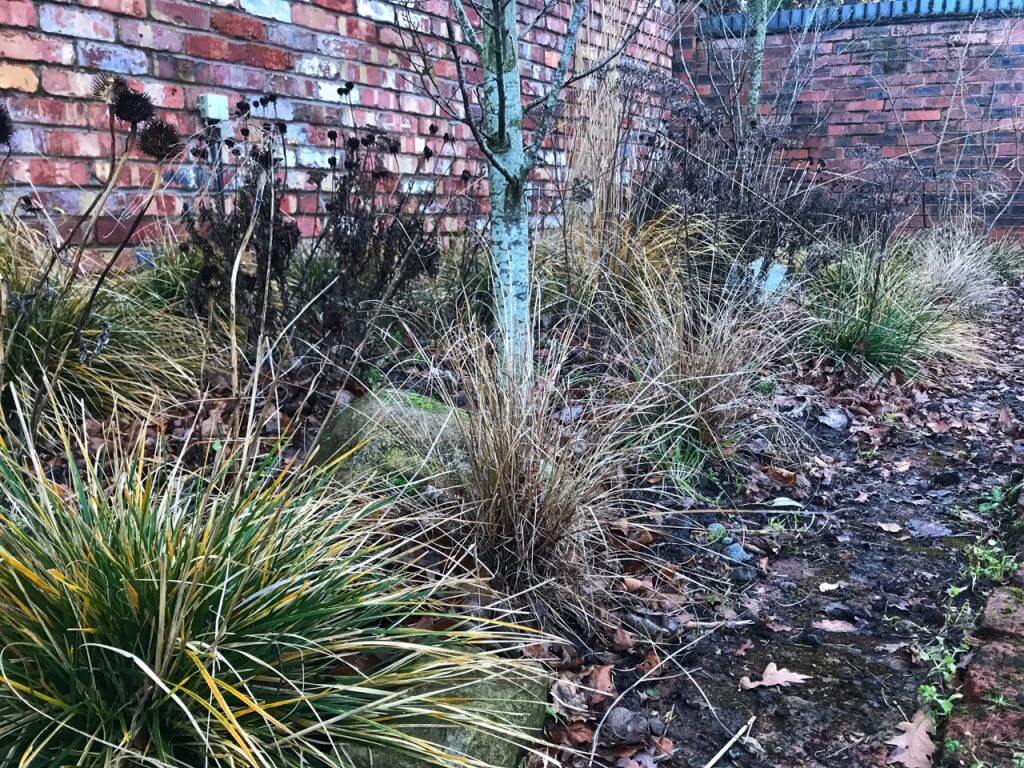
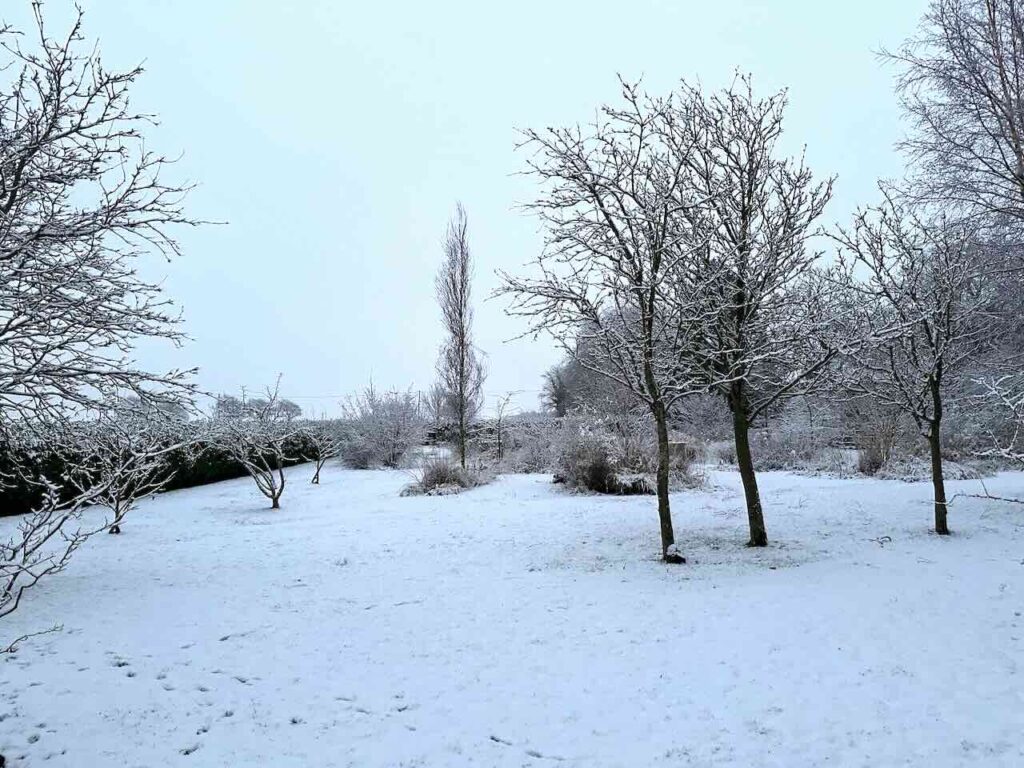
Look at how interesting this is in the dead of winter. If it were bare earth, it would look barren. The grasses against the Carpinus tree and crisped-up Heleniums look wonderful and are great for wildlife in the garden. Pruning herbaceous perennials in early autumn can reduce their interest in your garden, and this is why I advocate leaving them until late winter.
Best tools to prune herbaceous plants
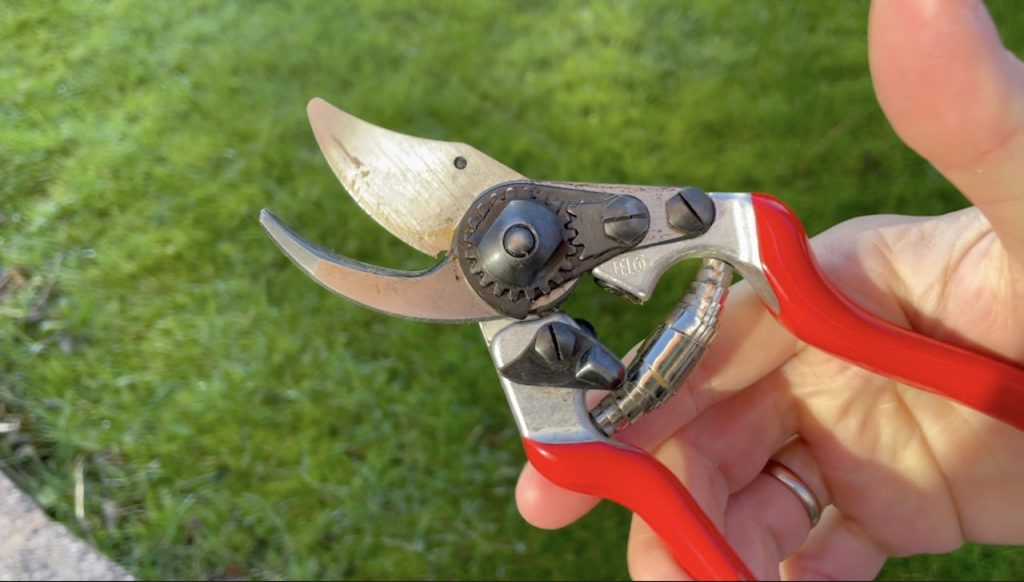
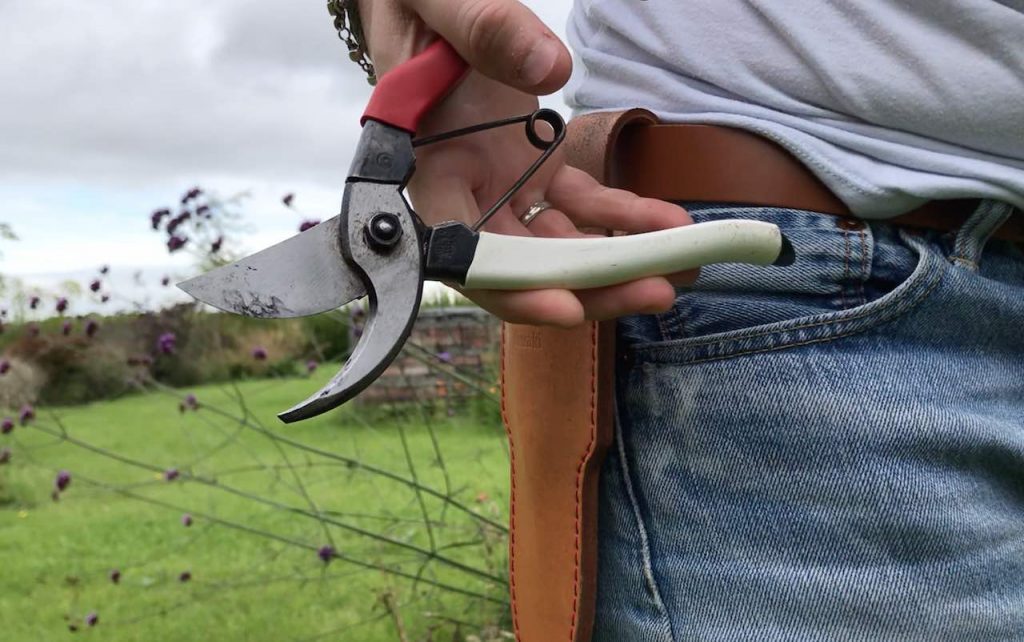
When it comes to pruning herbaceous perennials, it’s essential to have sharp, clean, and suitable tools for the job. Using old rusty secateurs or pruning shears will damage your plants and potentially lead to infection and disease.
Two tools are essential when pruning these plants back in winter
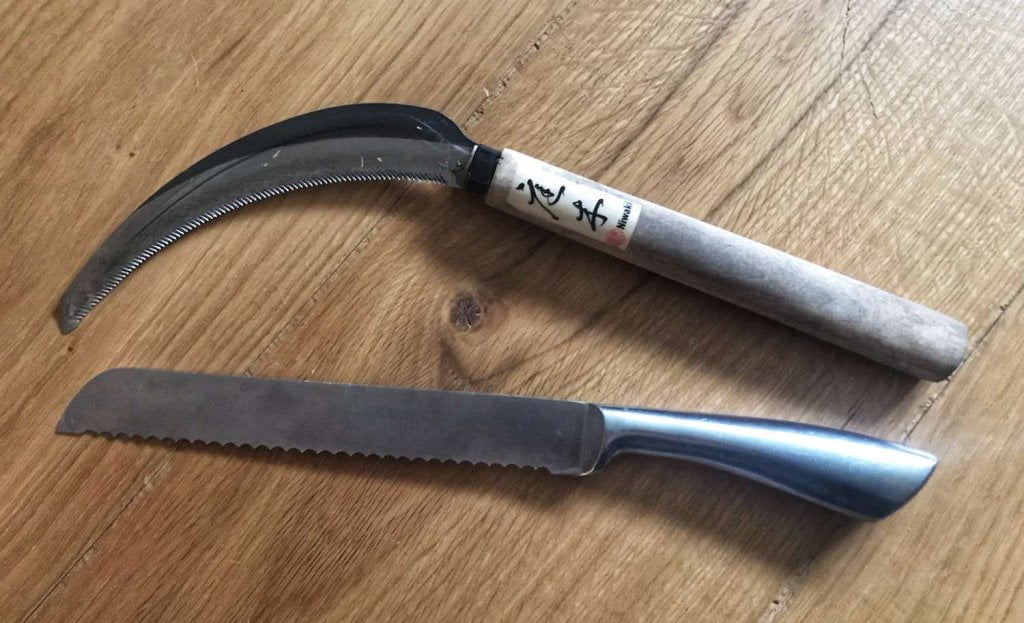
Japanese scythe (especially for larger grasses or big gardens, as they are faster than secateurs)or breadknife
If your secateurs look old, rusty, or blunt, follow my secateurs sharpening guide here. It’s worthwhile spending 10 minutes cleaning and sharpening them. It will save you time in the garden and protect your plants from awkward rough cuts or being torn at the base.
How to prune herbaceous perennials
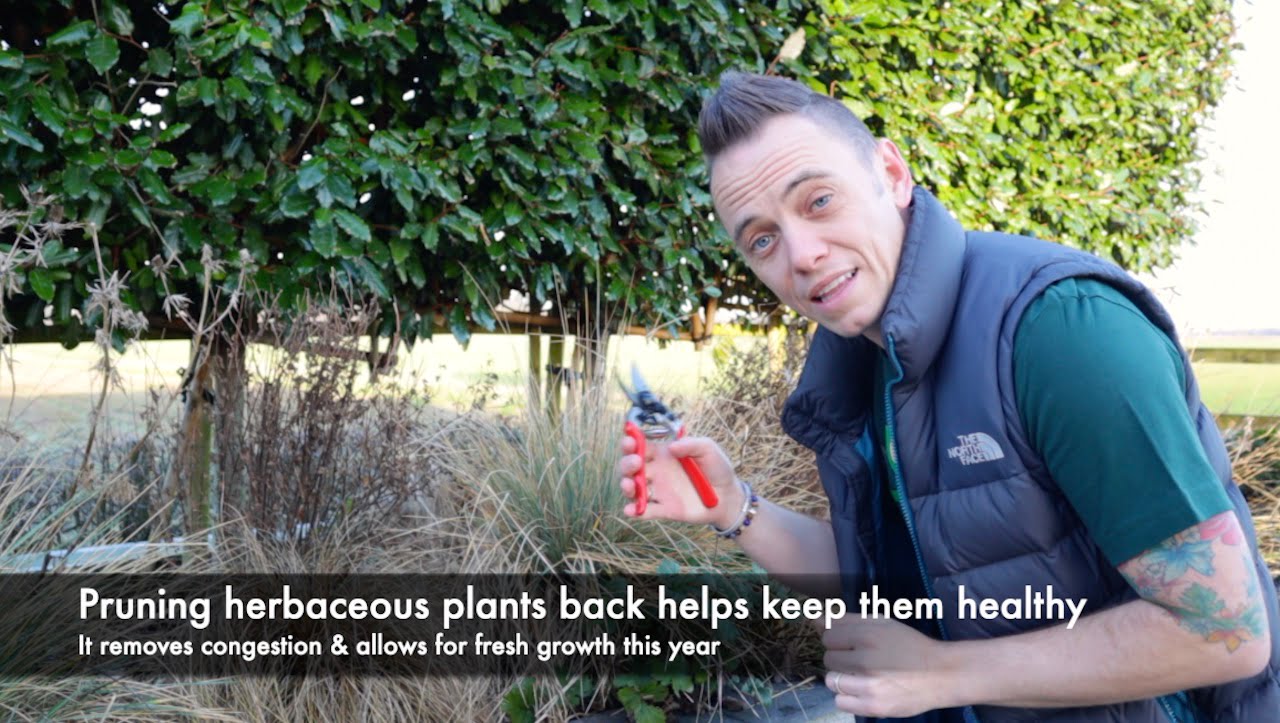
Pruning herbaceous perennials is super easy. It’s a case of cutting them back down to between 2 and 6 inches from the ground, depending on the size of the plant. For really tall grasses or Banana plants, 6 inches is enough. For a tiny Geum or Geranium, then 2 inches is sufficient.
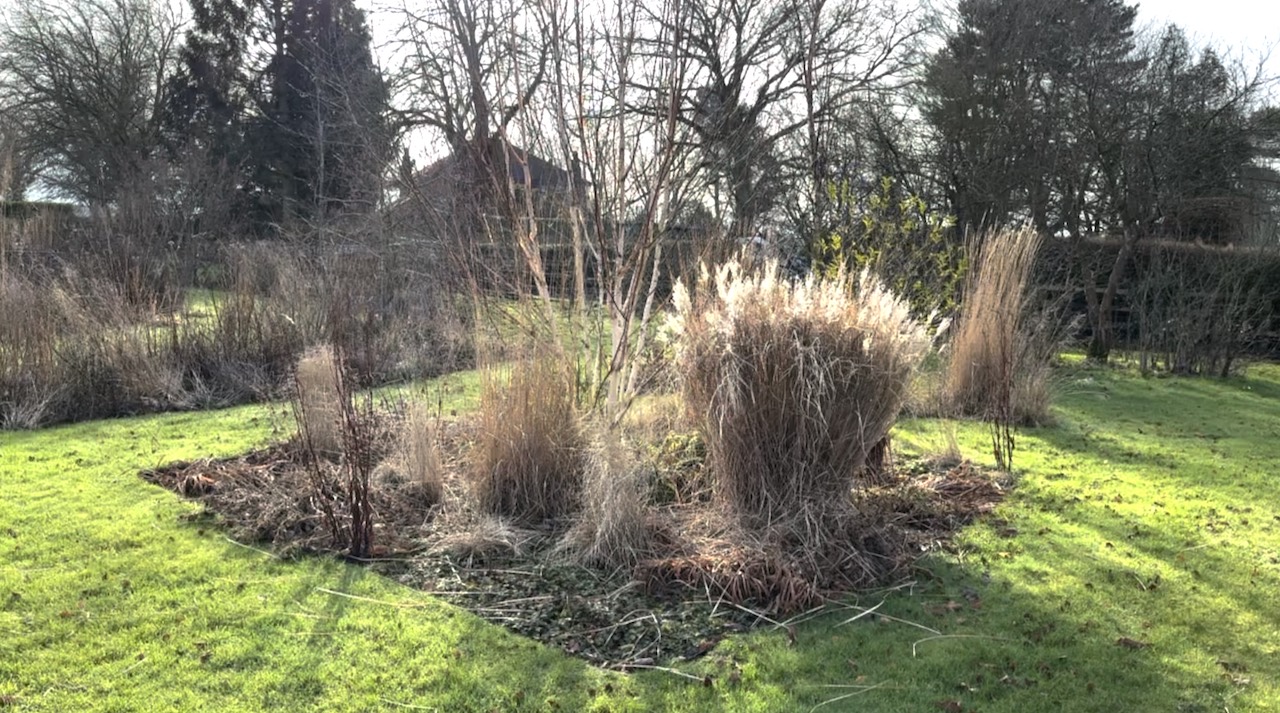
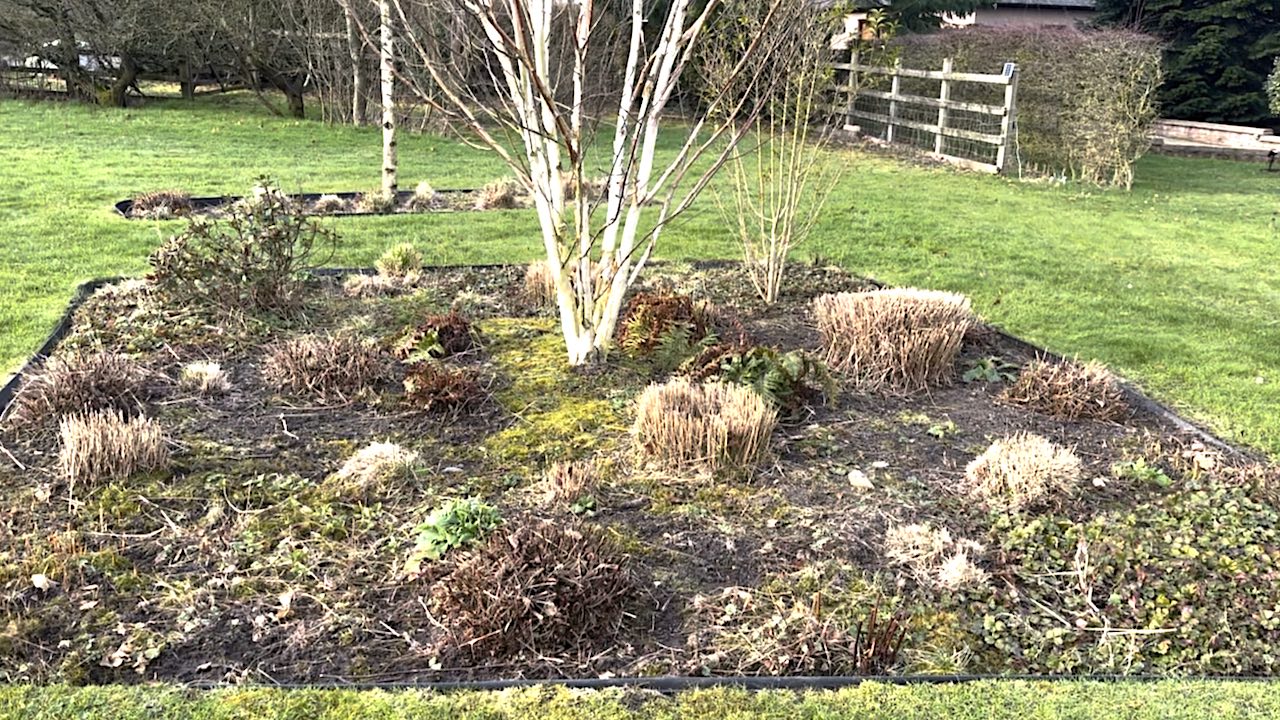
Take a look at the flower bed below before pruning. See the grasses and other herbaceous perennials that have turned brown over the winter.
With a sharp pair of secateurs or a Japanese scythe, snip back the old growth and compost it. See below for the amount removed and the corresponding height. All neat, clean cuts and the clippings have been composted.
How to know what plants to prune back?
To make it easy for beginner gardeners, I split herbaceous perennials into three main groups to help gardeners know what and when to do. Even if you don’t know the exact name of the plant you’re dealing with this guide should help you to identify the pruning method required.
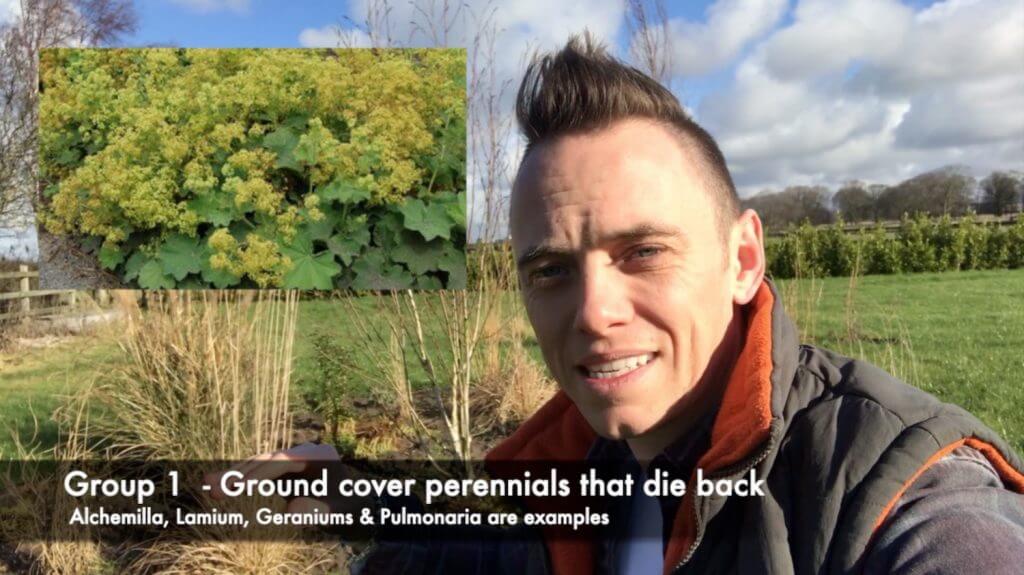
Pruning Group 1: Ground Cover Herbaceous Perennials that die back
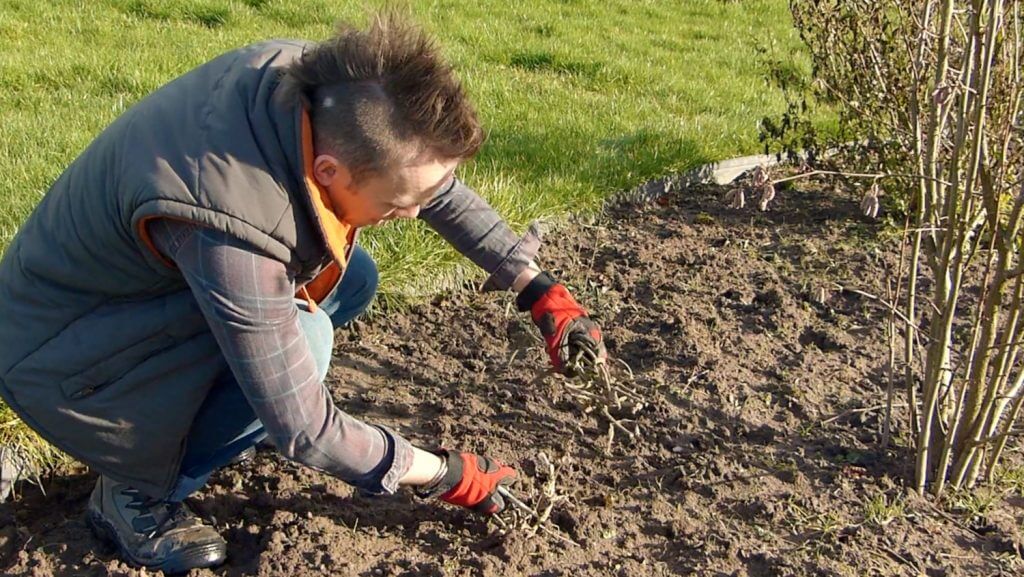
Ground cover plants are relatively easy to maintain. They tend not to look too messy as they are closer to the ground, so as they die back, they are pretty low maintenance. It needs very little pruning back. But sharp secateurs make it easy to cut off the brown bits.
I cut back ground cover herbaceous perennials to 2 inches above the ground, or 5-6cm. You can usually see a crown of green growth just above the soil level. So cut above this.
Examples of ground cover plants:
Geraniums
Alchemilla
Geums
Lamium
Pulmonaria
Stachys (Lambs Ear)
Creeping plants
The issue you may find with ground cover plants is that if there’s a hard frost, the leaves can turn mushy and sometimes grow fungus. This is not good for plant health, so if this is the case, remove them in early winter. Stachys is an excellent example of a plant that needs an earlier prune.
If not, I always leave them and tidy them up at the end of winter, just before spring.
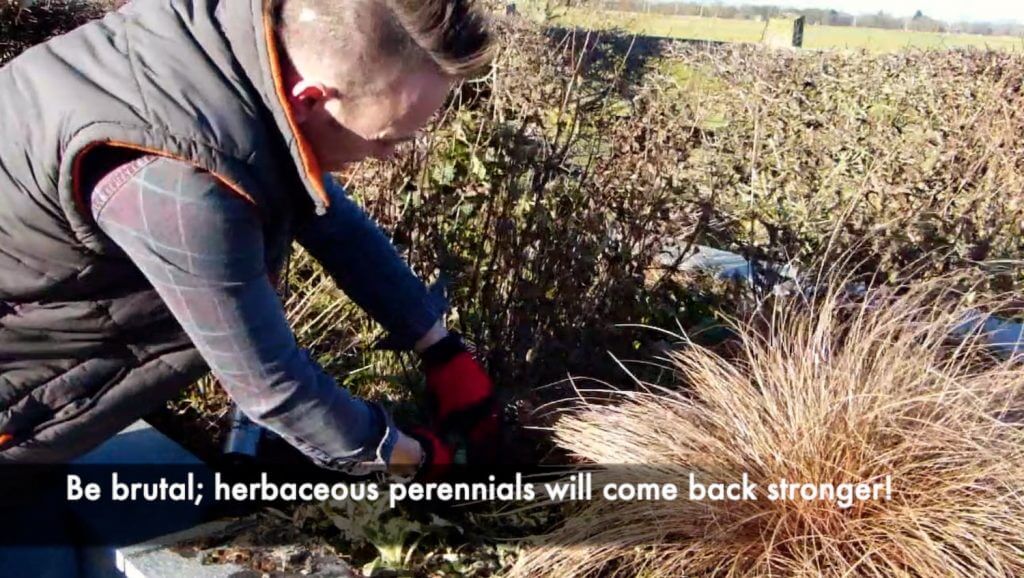
Even plants seemingly surviving the winter need to be cut back to the ground. This is because the old growth will be weak, and you want the plant to send out vigorous new growth. So don’t be tempted to try and salvage this group; be brutal, and you will be rewarded!
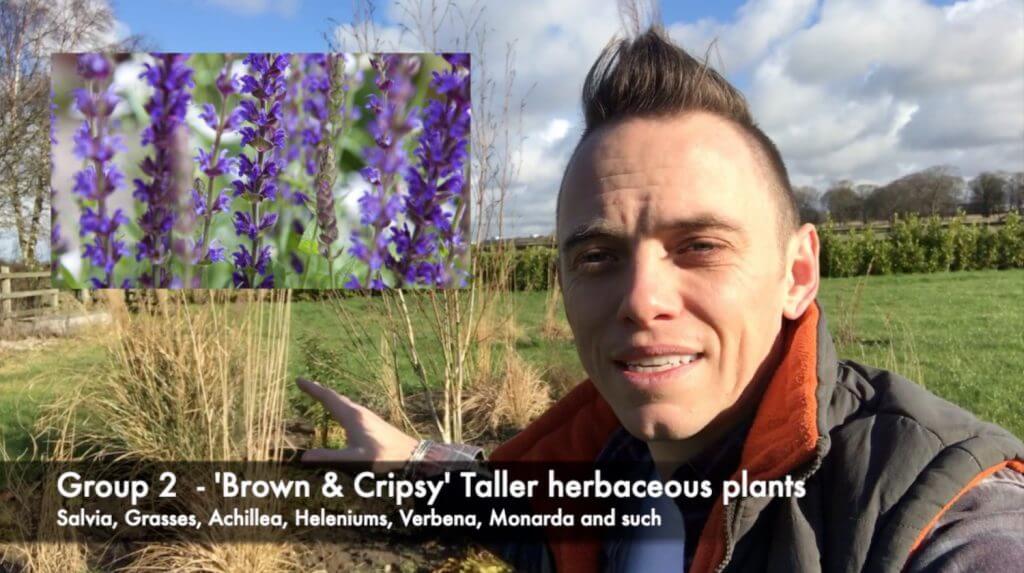
Pruning Group 2: Tall Herbaceous Perennial Plants
Group 2, the taller herbaceous perennials, is, in my humble opinion, probably the most interesting, especially in winter. This group will keep the drama alive in your garden even during those dark, miserable winter days. They are also more likely to have seed heads that provide sustenance for wildlife.
Examples of taller herbaceous perennials:
Heleniums
Salvias
Grasses (Miscanthus, Panicum, Calamagrostis)
Rudbeckia
Physostegia (Obedient Plant)
Eryngiums
Penstemons
Verbena
Monarda
Most people seem eager to cut down this group at the end of Autumn. I affectionately call this group the ‘Brown and Crispy Crew‘.
However, I really do advocate that you leave the ‘Brown & Crispy Crew‘ and see just how effective they are at keeping interest in your borders through the winter. You may even see small birds using them as perches or some insects working away on them throughout the winter.
Pruning this group is super easy. I tend to prune these towards the end of February to ensure that any new early growth has a free run. With a clean, sharp pair of secateurs, you will cut down the ‘brown and crispy crew’ to just above ground level, around 3 inches to 6 inches, 6cm to 12cm.
Some plants, like Penstemons, have delicate crowns, so you may want to leave these for another month or so. In most cases, though, a late February chop is fine.
Plants are tougher than you think, and it also allows you to plan the border for that year by seeing it without distraction. It also means you are able to look at your flower beds and identify any potential issues before spring starts.
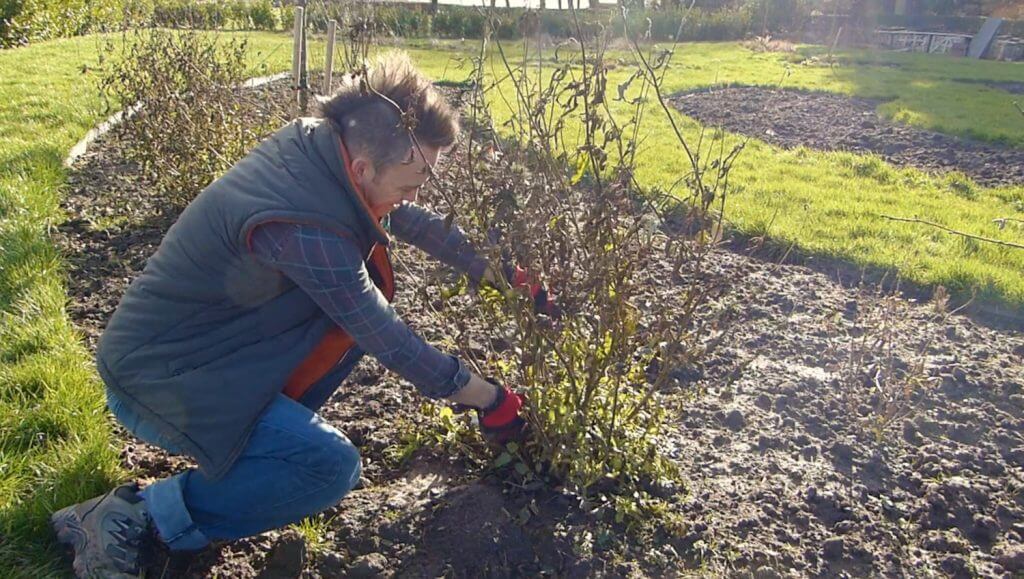
With sharp secateurs, cut this group back down to the ground – you can compost the cuttings.
This tall Salvia ‘Blue Enigma’ gets cut right back down to the ground.
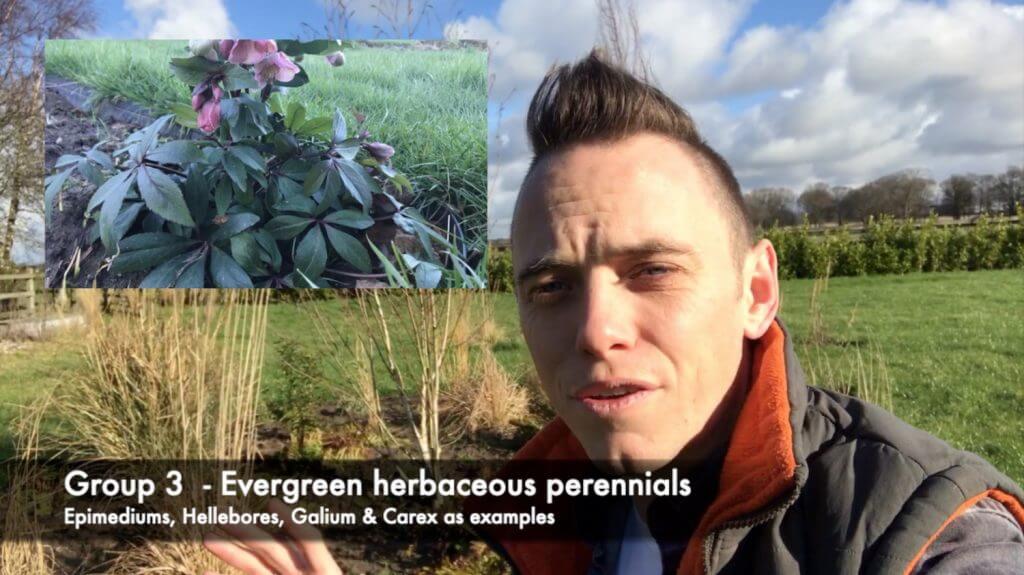
Pruning Group 3: Evergreen Herbaceous
This group is probably the easiest to deal with, as all you’re doing is a light tidy-up of any dead or damaged matter. Most of this category falls under ground cover, so any carpet-like plants that keep their colour through the winter or a large portion of the Fern family, fall into this group or anything with a glossy green leaf.
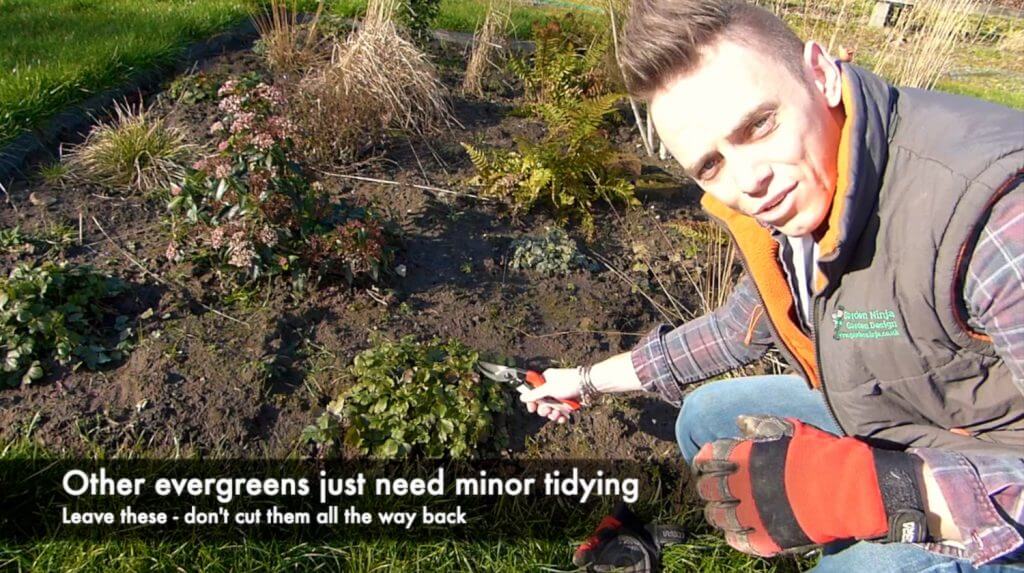
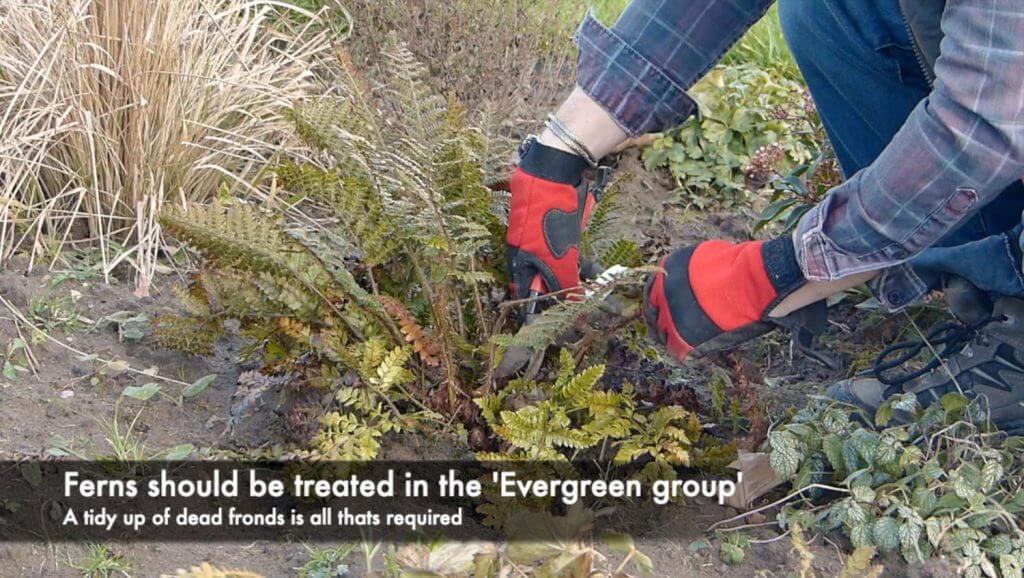
For ferns, all you need to do is selectively remove any leaves or fronds. Berginia only requires a light clear-up. Remove any old, crispy leaves as they appear early in the season, so don’t be too heavy-handed.
With evergreen grasses, such as Stipa gigantea, gently remove any old spent flowers and use secateurs (with gloves, as the leaves are sharp) to trim away any damaged leaves.
With Carex or Helictotrichon grasses, you can run your fingers through the grass and pull out any dead matter.
Evergreen herbaceous perennials only need a light tidy-up in late winter. Pruning should be light touch. When pruning evergreen plants in autumn or winter ,simply cut off with secateurs anything that is:
Damaged
Diseased
Chewed
Frost burnt
IFerns can be in Group 1 (deciduous) or Group 3 (Evergreen); if they’re in bad shape, a quick neatening is usually enough, so take them back to the ground. If you’re a bit late in pruning your herbaceous plants, I would advise you to prune out all the dead material still; don’t go so far to the ground.
If you’re pruning later in March or April, avoid severing any new growth. However, in my experience with herbaceous plants, late pruning is often preferable to no pruning at all.
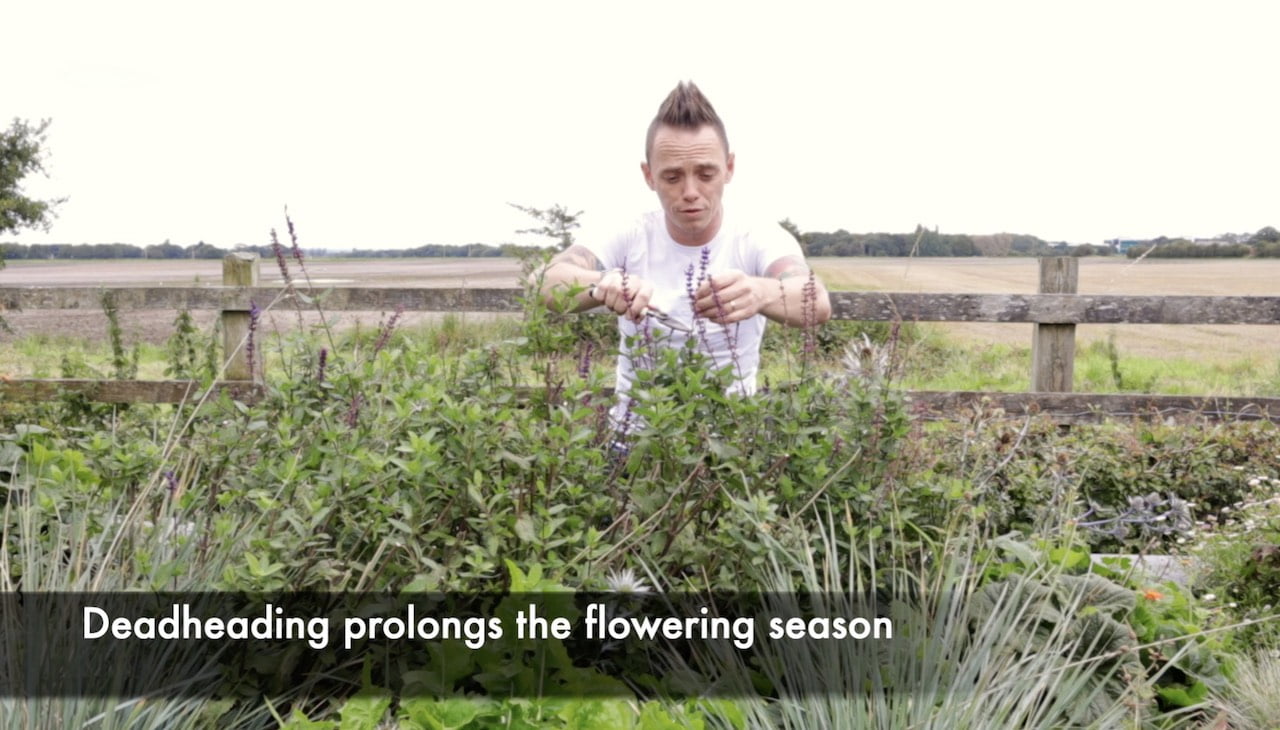
Deadheading is also something that many gardeners often overlook. Deadheading is basically removing spent flowers before they set seed during the spring and summer. This is different from the big prune we do in winter. Think of deadheading as little and often maintenance that tricks your plants into producing more flowers.
Here’s why it works: most perennials are programmed to flower, set seed, then call it a day. By removing the faded flowers before they produce seeds, you’re essentially telling the plant ‘job’s not done yet, mate’ and it responds by making another flush of blooms. It’s botanical trickery at its finest.
I deadhead throughout the growing season, usually whilst I’m having my morning coffee and wandering around the garden. It takes all of five minutes and makes an enormous difference to how long your borders look spectacular. Plants like Salvias, Geraniums, Delphiniums, and Nepeta all respond brilliantly to regular deadheading, often giving you a second or even third flush of flowers right through to October.
The technique is simple: follow the stem down to either the first set of healthy leaves or to where you can see new buds forming, and snip just above that point. For plants with individual flower stems like Delphiniums, cut the whole stem down to the basal foliage (the leaves at ground level). Don’t be shy about it – you’re encouraging new growth, not harming the plant.
Can you compost herbaceous cuttings?
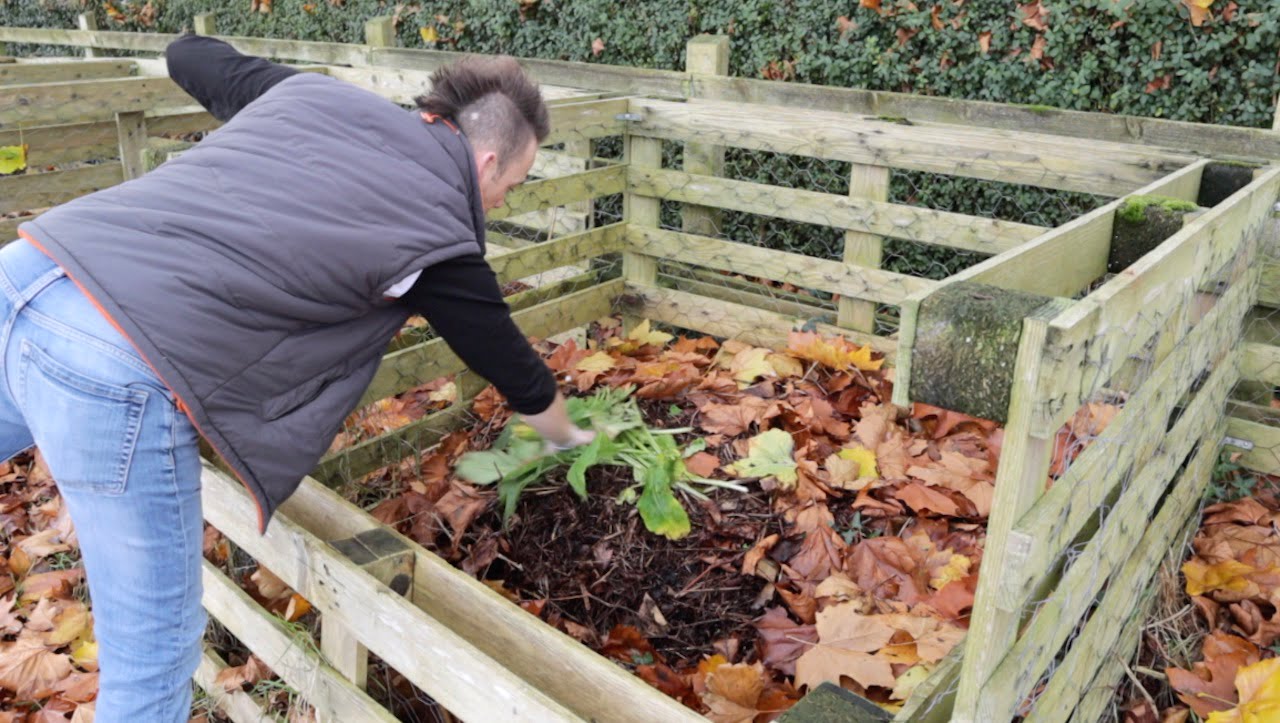
Yes, you can! All herbaceous clippings can be composted and should be reused and recycled in the garden. They make excellent woody material for compost bins, especially if you’ve got lots of green matter, such as grass clippings. These herbaceous perennial prunings are known as ‘browns’ for your compost bins. Always aim for a mix of 50% greens (fleshy wet ingredients like kitchen scraps) to 50% browns (like twigs, dried herbaceous perennials and cardboard).
I’ve even used a shredder in wildlife gardens to cut down the herbaceous clippings and then used them as mulch on the borders, meaning nothing goes to waste or landfill.
If you haven’t already considered creating a compost bin, I would urge you to read my speedy guide here. All gardens, no matter what size, can fit a small compost bin to close the loop
What to Do After Pruning – Feeding and Mulching
Once you’ve done all that hard work, cutting back your perennials, but the job’s not quite finished. This is the perfect time to give your plants a helping hand as they wake up from their winter dormancy. Think of it as laying the breakfast table before your guests arrive – everything’s ready and waiting when they need it.
Once I’ve finished pruning a border, I like to give it a light feed and a good mulch in poor soil areas. I use a balanced organic fertiliser (something like blood, fish and bone) sprinkled around the base of each plant, about a handful per square metre. Don’t go mad with it – herbaceous perennials aren’t particularly hungry plants, and too much nitrogen will give you lots of leafy growth at the expense of flowers. Nobody wants a garden full of green blobs with no blooms.
Then comes the mulch, which is probably the single most useful thing you can do for your borders. I use well-rotted compost or leaf mould, about 5cm deep, spread around (but not touching) the crowns of your perennials. This serves multiple purposes: it suppresses weeds (saving you hours of faff later), retains moisture (meaning less watering in summer), slowly releases nutrients as it breaks down, and protects the soil from heavy rain and temperature fluctuations.
One word of caution, though: don’t pile mulch right up against the stems or crowns of your plants. This is called ‘volcano mulching’ (because it looks like a little volcano around the base), and it’s a recipe for rot and disease. Leave a small gap around each crown so air can circulate. Your plants need to breathe, and smothering them with mulch, no matter how well-intentioned, does more harm than good.”
Will frost damage my herbaceous perennials?
The quick answer is not very often. Herbaceous perennials are tough plants, and while dormant, their roots, crowns, and bulbs will be well protected from sub-zero weather. These plants are adept at surviving long winters and know the optimal time to pop back up in Spring.
If you’re wondering if you should hold off from pruning as there’s going to be a frost again, my answer is not to worry too much. Pruning back old growth can’t harm herbaceous plants. That’s because the brown and crispy stuff is already dead.
Yes, it will give some protection from sinking frosts, but for the most part, you’ll be fine pruning late winter, even if a March or April frost appears. These plants are tough.
If you’re concerned about Penstemons and other more tender perennials, then why not layer your clippings on top of the crown until springtime? That way, you get the best of both worlds!
When is it too late to prune plants?
It’s never too late to prune plants, but there is a best time vs the most difficult time. The best time to prune herbaceous perennials is late winter, before new growth begins. If you’re in April or May and you still have last year’s dead plant material stuck to them, you can remove it.
The biggest problem with late pruning is that you can’t simply hack the plant back to the ground, as you’ll cut off all the new growth in the process. You’ll need to carefully remove the dead parts bit by bit with secateurs, not the Japanese scythe.
Problems with late pruning plants:
It’s time-consuming
It hinders the plant’s current growth as old matter gets in the way
There’s a high likelihood of cutting off new growth by accident
Your garden will look messy whilst old and new growth merge
Should I leave my herbaceous plants throughout the winter?
Absolutely, you should! Leaving your herbaceous plants to crisp up during the winter is a vital food source for wildlife and offers protection. Beneficial insects will overwinter in the leaf folds, seed heads, and debris on the bottom of these plants.
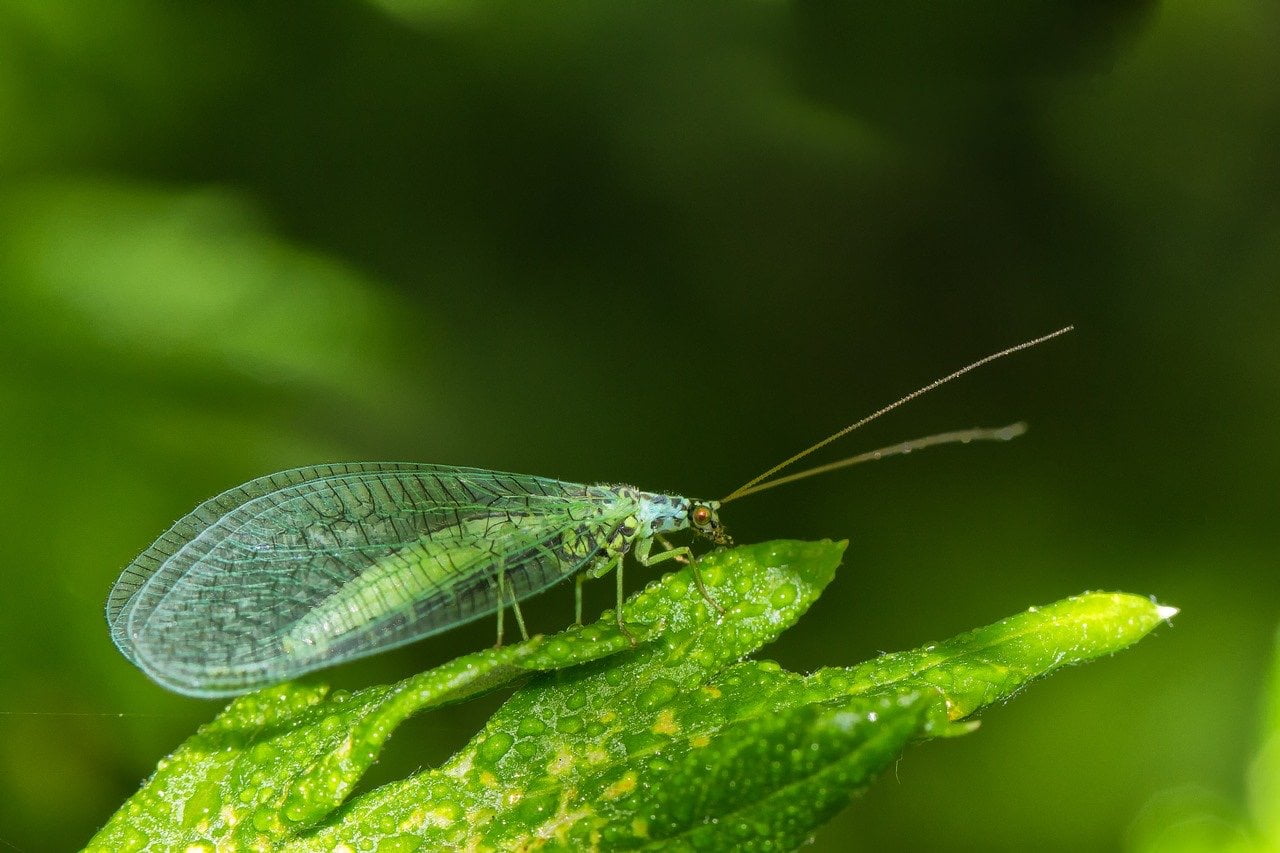
Lacewings, ladybirds and other insects will be hibernating or overwintering, so cutting back herbaceous plants in Autumn makes it harder for them to survive.
Leaving herbaceous plants over winter also protects the soil. They act as a protective fleece layer from extreme frost and heavy rainfall. They stop the wind from scraping the soil’s surface and are an all-around great protective layer.
By leaving the herbaceous plants through the winter, you also save yourself time at the end of a busy growing season. Putting off that work of pruning until the end of winter gives you, the gardener, much-needed time to relax!
FAQ Herbaceous Pruning
Q: What if I accidentally cut into new growth whilst pruning? A: Don’t panic. Herbaceous perennials are remarkably forgiving. The plant will simply send up more shoots – you might delay flowering by a week or two, but you won’t kill it.
Q: Can I root the cuttings from Chelsea Chopping? A: Absolutely! Cuttings from plants like Penstemon, Salvia, and Phlox often root readily. Stick them in pots of gritty compost and keep them watered.
Q: My Penstemons died after winter pruning – what went wrong? A: You probably pruned them too early. Penstemons need their old growth to protect the crown through winter. Wait until April when the worst frosts have passed.
Q: Should I prune differently in Scotland versus southern England? A: Yes. Scottish gardeners should wait until March or even April for tender perennials, whilst southern gardeners can start in late January. The key is avoiding pruning during hard frosts.
Q: How do I know if my grasses are evergreen or deciduous? A: If they’ve turned brown and crispy by winter, they’re deciduous (cut back). If they’re still green, they’re evergreen (don’t cut back, just tidy).
Pruning Mistakes, Problems & Fixes
Problem
Likely Cause
Solution
Plant didn’t regrow after winter pruning
Cut into crown, or plant is tender variety
Wait until May – may send up late shoots. If not, replace plant
Stems turning black/rotting after cutting
Blunt tools crushing stems, or cut when too wet
Cut back to healthy tissue with sharp, clean tools
No flowers after Chelsea Chop
Wrong plant type, or chopped too late
Let plant grow normally next year, note for future reference
Plants flopping over despite Chelsea Chop
Too much nitrogen, or chopped too early
Stake if needed, reduce fertiliser next year
New growth damaged during spring pruning
Pruned too late in season
Plant will recover, might flower slightly later this year
Mildew appearing after pruning
Tools spread disease, or poor air circulation
Remove affected leaves, improve spacing, disinfect tools between plants
Geraniums/Nepeta not flowering again
Not cut back hard enough after first flush
Cut harder next time – right back to basal foliage (5-10cm)
Lavender/Santolina died after hard prune
Cut into old woody growth
Replace plant – woody subshrubs won’t regrow from old wood
Penstemon died over winter
Pruned too early in autumn
Replace in spring, leave Penstemons until April in future
Garden looks bare and boring in winter
Cut everything back in autumn
Leave more plants standing next autumn for winter interest
Iris didn’t flower after spring prune
Cut off flower buds when tidying
Wait for next year’s flowers, only tidy Iris after flowering
Delphinium flowering poorly after cut-back
Cut back too late, or not fed after pruning
Feed with liquid fertiliser, water well, cut back immediately after flowering in future
Accidentally cut plant to ground in growing season
Pruning mistake or confusion about plant type
Water well, feed with liquid fertiliser – it’ll probably recover
Spread disease with dirty tools
Failed to disinfect secateurs between plants
Remove all diseased material immediately, disinfect tools, monitor plants closely
Compacted wet soil by walking on borders
Pruned when ground was waterlogged
Fork gently when dry to aerate, add organic matter, stay off borders when wet
Learn how to Design Your Own Garden
Now that you know how and when to prune back herbaceous perennials, why not learn more about how to design your own garden?
Whether you’re just starting out or have years of experience, our courses are designed for all skill levels. You’ll learn practical techniques in garden layout, plant selection, and maintenance while benefiting from Lee Burkhill’s deep knowledge and passion for sustainable gardening.
29
Garden Design Examples for Small Gardens: 30 Design Templates & Planting Plans
Garden Design Examples for Small Gardens: 30 Design Templates & Planting Plans: In this online gardening course, I’ll walk you through 30 fantastic garden designs, explaining the logic behind the layout, the plant choices, and take-home tips for applying them in your own garden.
Weekend Garden Makeover: A Crash Course in Design for Beginners
Learn how to transform and design your own garden with Lee Burkhills crash course in garden design. Over 5 hours Lee will teach you how to design your own dream garden. Featuring practical design examples, planting ideas and video guides. Learn how to design your garden in one weekend!
Garden Design for Beginners: Create Your Dream Garden in Just 4 Weeks
Garden Design for Beginners Online Course: If you want to make the career jump to becoming a garden designer or to learn how to design your own garden, this is the beginner course for you. Join me, Lee Burkhill, an award-winning garden designer, as I train you in the art of beautiful garden design.
Pruning herbaceous perennials late in the winter is the sensible option for you, the gardener and wildlife. By following this guide, you can easily prune back all plants, even if you don’t know their exact names!
Do you have your own preferred pruning time or method for pruning herbaceous perennials? If so, I’d love to hear from you. Also, why not send in some pictures of your pruning so we can spread the word to other new gardeners on Twitter?
You can Tweet, Facebook or Instagram me with your garden questions, pictures or comments. If you’re looking for more tips on garden design, tricks, and hacks, why not subscribe to my YouTube channel?
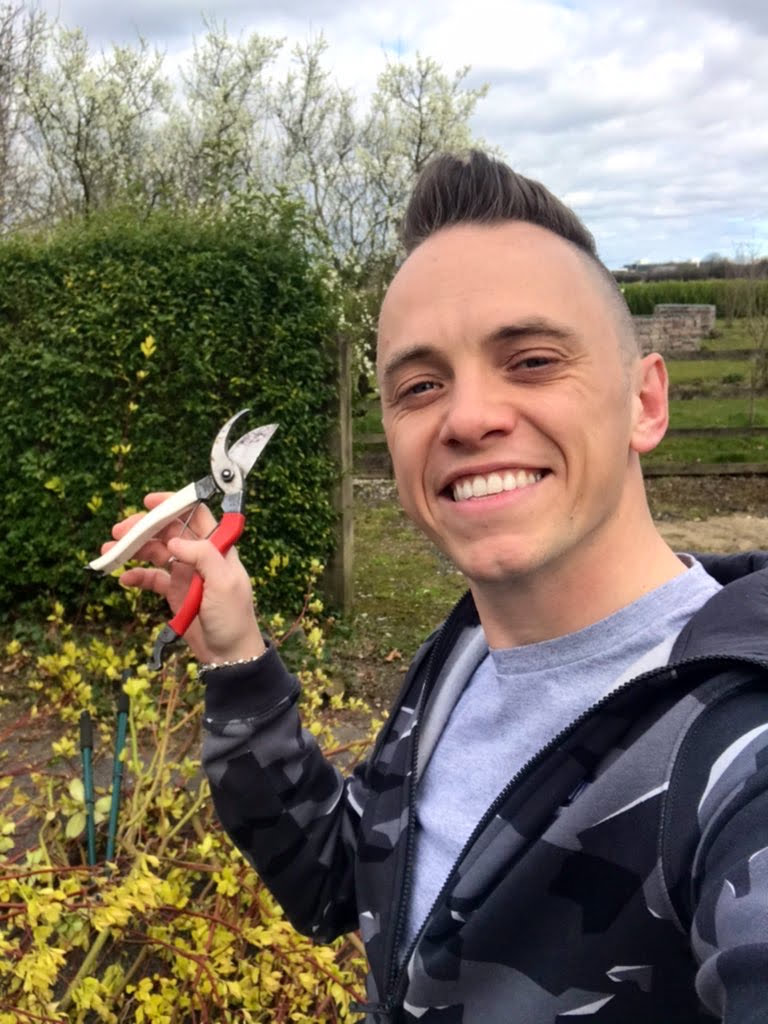
Lee Burkhill, known as the Garden Ninja, is an award-winning garden designer and horticulturist with over 30 years of gardening experience and 15 years as a professional garden designer. A qualified RHS (Royal Horticultural Society) professional, Lee specialises in sustainable garden design and practical horticultural advice. He designs and presents on BBC1’s Garden Rescue and in leading gardening publications. Lee combines three decades of hands-on gardening knowledge with professional design qualifications to help gardeners create beautiful, functional outdoor spaces.
Hi garden ninja I have a question on a few herbaceous perennials
The plants I have currently in the border (I intend hopefully to add some more)are coreopsis,osteospernums,salvias,lavandula, antirrhinum s, digitalis,calynopsis,campanula, dianthus,and senetti,I only planted these in the garden early last summer,so I avoided cutting them back in autumn is it alright now to go ahead and cut them back now late February?many thanks
Kind regards mark
Thanks for your comment. Yes, if you cut them back now that’s ideal before the new growth. Then they will be good to bloom this year! Happy pruning. Lee!














Hi garden ninja I have a question on a few herbaceous perennials
The plants I have currently in the border (I intend hopefully to add some more)are coreopsis,osteospernums,salvias,lavandula, antirrhinum s, digitalis,calynopsis,campanula, dianthus,and senetti,I only planted these in the garden early last summer,so I avoided cutting them back in autumn is it alright now to go ahead and cut them back now late February?many thanks
Kind regards mark
Hi Mark,
Thanks for your comment. Yes, if you cut them back now that’s ideal before the new growth. Then they will be good to bloom this year! Happy pruning. Lee!