How to prune Wisteria: Winter & summer pruning guide for beginners
Lee Burkhill: Award Winning Designer & BBC 1's Garden Rescue Presenters Official Blog
Intermediate level
Wisteria is one of the most loved and yet frustrating of all garden climbing plants for beginner gardeners. Its lilac hanging flowers are the envy of all gardeners. However, it can be temperamental, and flowers can be elusive without pruning. This beginner guide to Wisteria pruning will show you everything you need to know for flowering Wisterias.
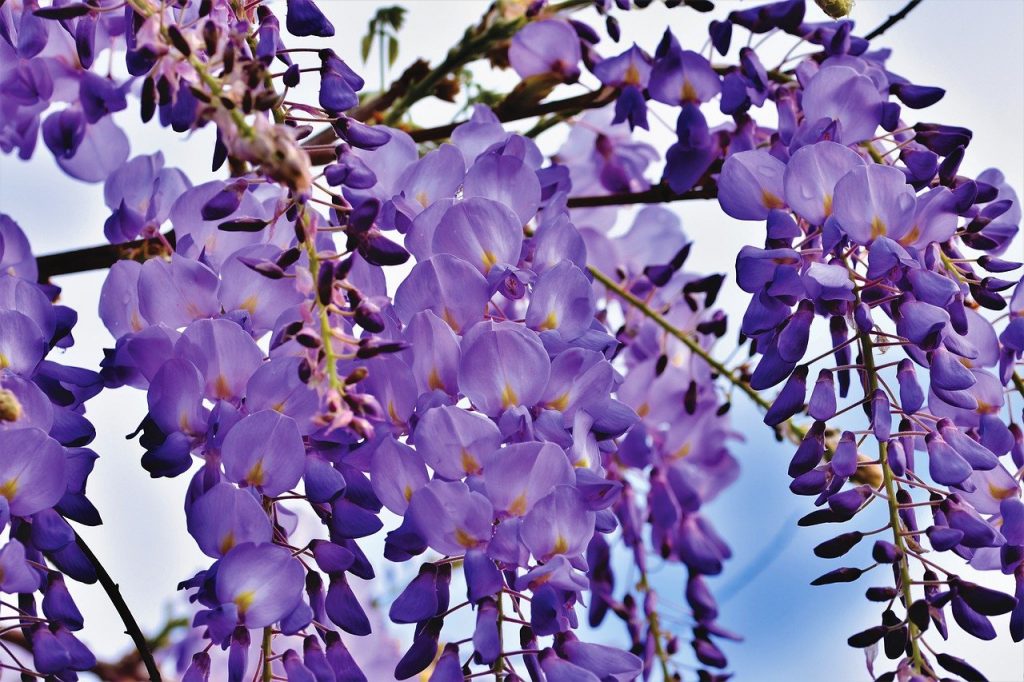
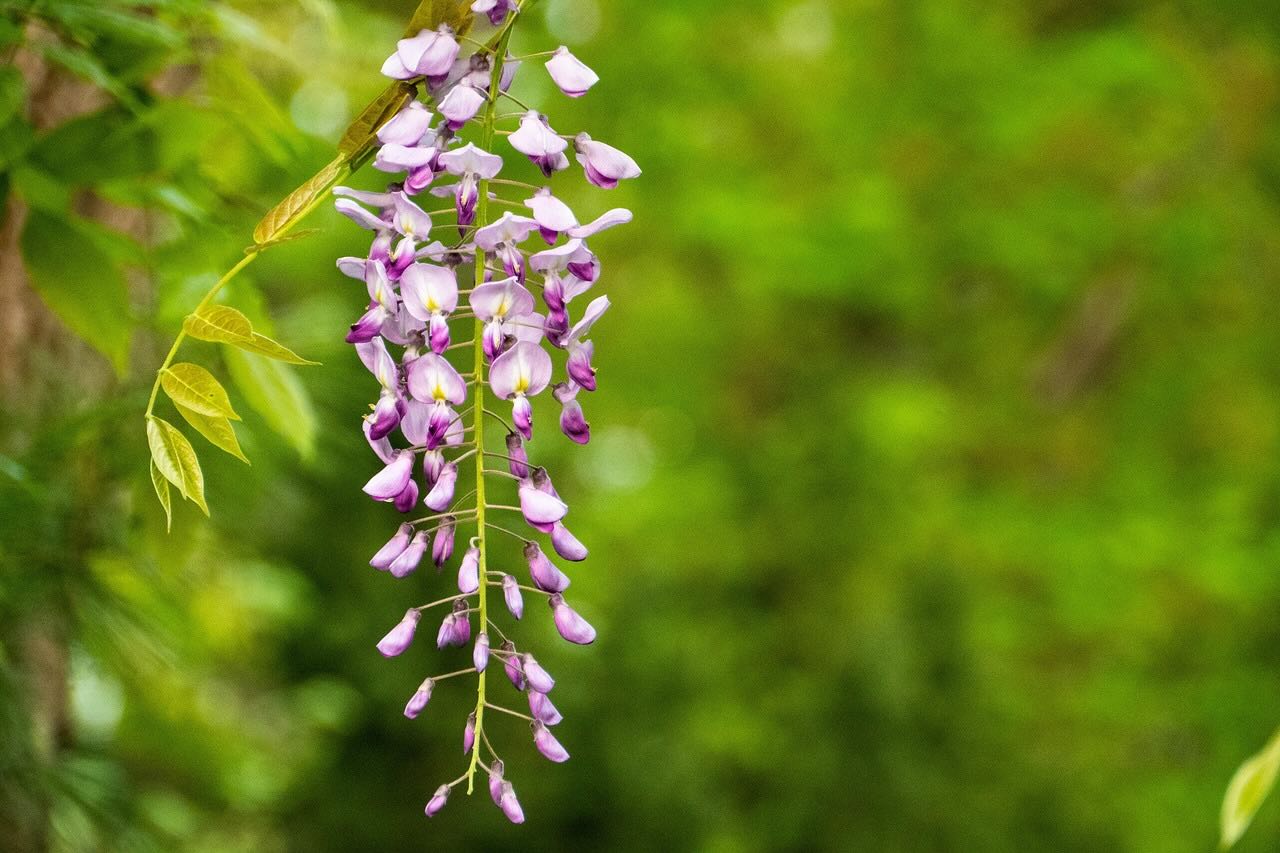
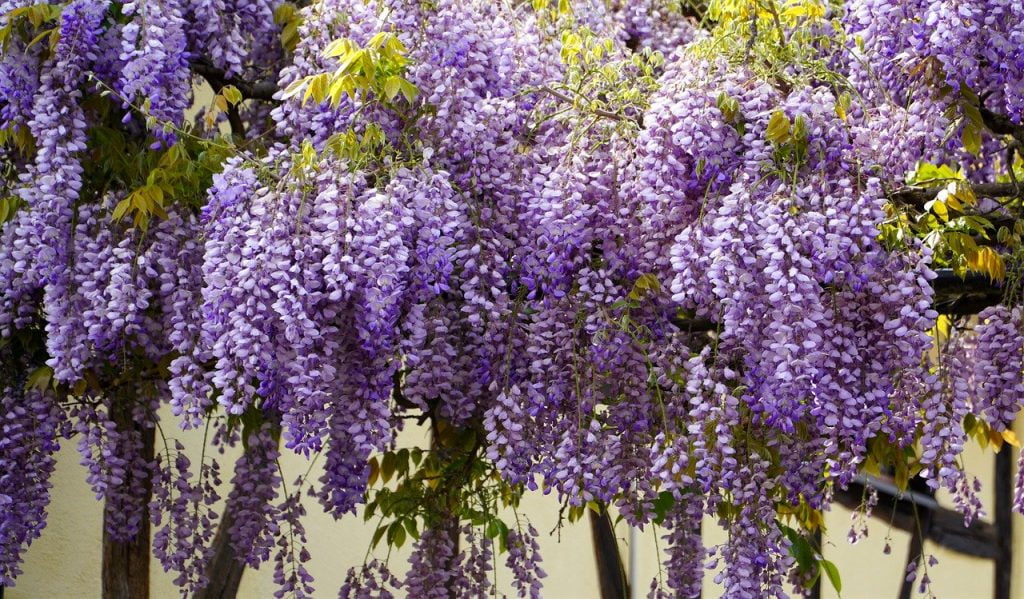
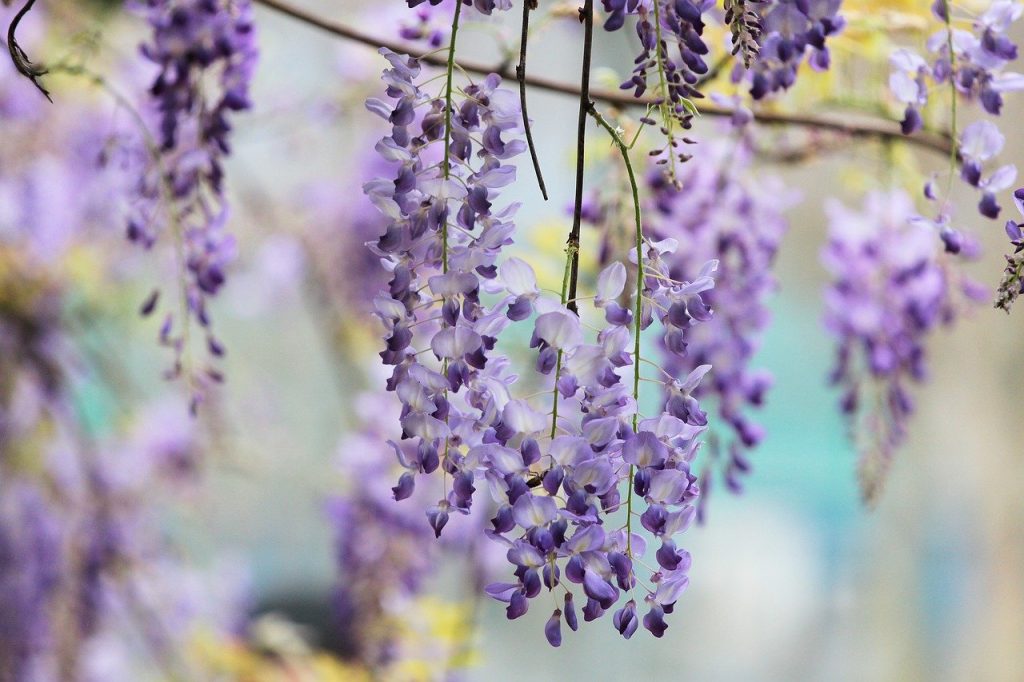
Growing a wisteria in your garden can be one of the most impressive plants to welcome you home. In summer, wisteria has jaw-dropping pendulous (raceme) lilac flowers that hang down like purple pendants in mid-summer.
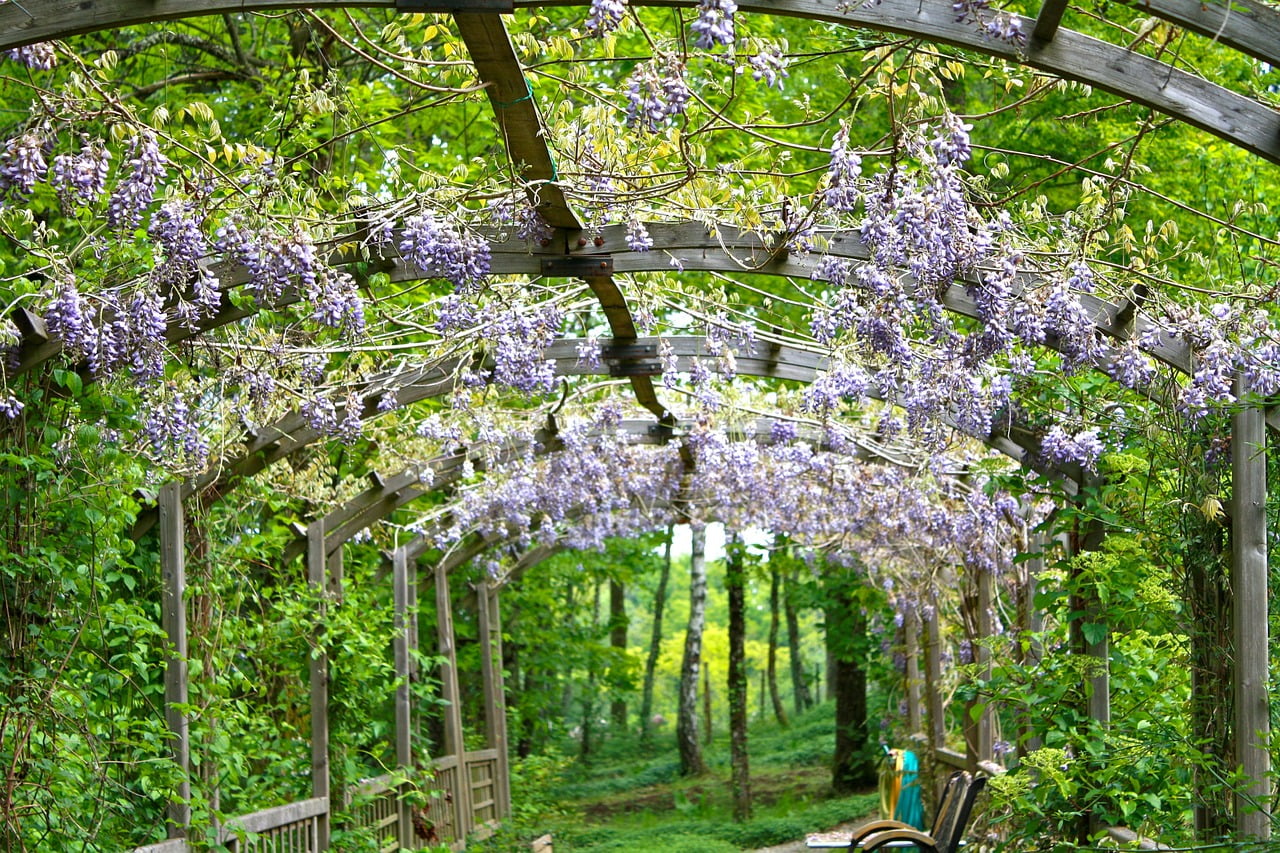
These climbing giants can add a green vertical gardening layer to your home. Whether around a door to soften an entrance, grown as a standard for a container garden or providing a draped walkway of purple flowers in summer, there really is a wisteria for all-sized gardens.
When to Prune Wisteria: Quick Answer
Prune wisteria TWICE yearly for maximum flowering:
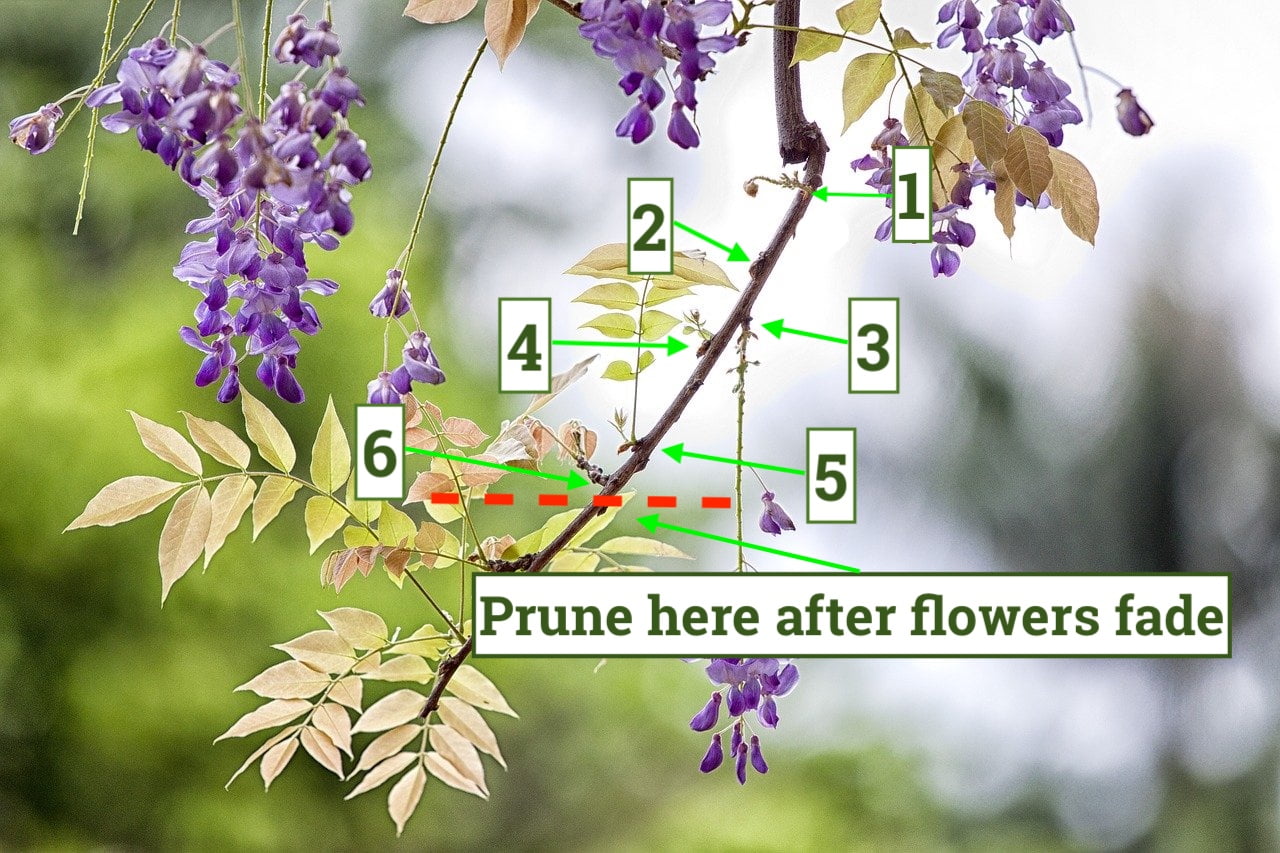
Summer pruning (late July to early August): Cut new green shoots back to 5-6 leaves from the main framework
Winter pruning (January to February): Cut summer-pruned shoots back to 2-3 buds from the main stem
This two-stage system encourages flower bud formation whilst controlling vigorous growth. Miss either pruning and you’ll sacrifice next year’s spectacular display.
This page contains affiliate links for products I use and love. If you take action (i.e. subscribe, make a purchase) after clicking a link, I may earn some gardening commission which helps me keep the Garden Ninja Blog free for all.
What is a wisteria?
Wisteria is a deciduous (drops its leaves in winter) woody climbing plant native to China, Japan and the USA. They are fast-growing plants with amazing displays of lilac and purple flowers in summer.
The wisteria is actually part of the pea family, the Fabaceae and has compound leaves. Compound leaves are individual leaflets on a stalk that can help you spot both wisteria and other pea family plants. You’ll even recognise the wisteria flowers as looking very similar to the Sweet Pea.
Wisterias have huge symbolism around the world, particularly in Japan. Given the fact they live so long – around 100 years, wisteria are often seen as a symbol of everlasting wisdom. Wisteria also symbolises longevity and endurance, given that they are as tough as old boots!
Why prune wisteria?
Pruning wisteria is essential to ensure a healthy plant and flowering year after year. Without pruning, your wisteria will grow rapidly, putting out lots of leafy green growth in all directions. They can also send out runners from the base of the plant in their search to colonise the garden.
These runners can divert precious energy from flowering, so they need to be managed.
Wisterias in the wild send out runners and put on lots of foliage to ensure the best chance of survival. Whilst your wisteria will still flower, if you do this, it may take 12-25 years.
By pruning your wisteria, you are helping to shape it to the structure or property you’re growing it up. Pruning helps divert energy away from areas of the plant to other areas. With wisteria pruning, we aim to restrict the green, leafy whip growth and redirect energy back to the flowering spurs.
You need to prune wisteria twice a year. Once in summer after it has flowered (late July) and then again in Winter (February).
Pruning wisteria twice a year helps to:
Control the growth and shape of your wisteria (formative pruning)
Focus energy on the flowering parts of the plant
Ensure your wisteria doesn’t waste energy with green leafy whips instead of flowers (maintenance pruning)
How to prune wisteria in winter
Winter is the prime time to prune wisteria, ready for flowers in summer. It’s this process that enables you to focus the plant’s energy on creating flowering spurs rather than sending out all of its energy into green, whippy wisteria growth.
It’s this long growth that zaps the energy from wisterias, taking it away from flowering and into taking over whatever structure they are planted next to.
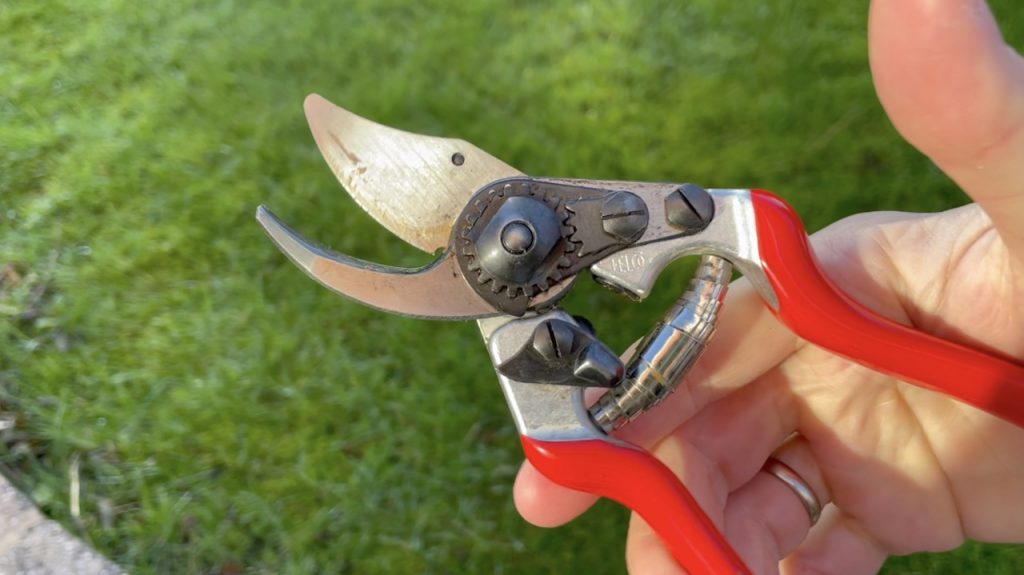
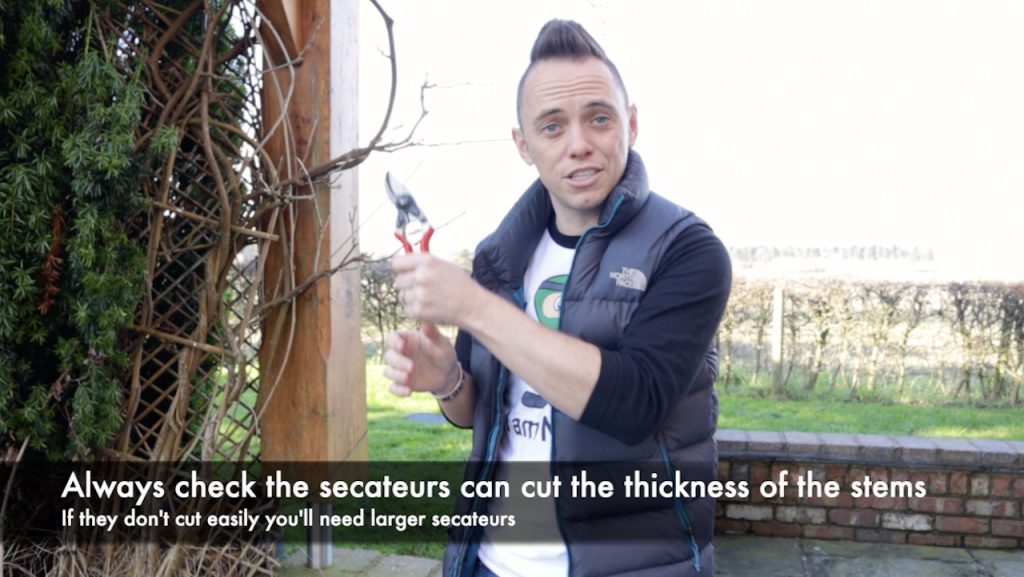
When pruning wisteria in winter, you will be met with lignified/woody branches and stems. It’s important that you use a pair of sharp, clean secateurs that are capable of cutting sometimes pencil-sized stems from the wisteria. I use Felco secateurs which are fantastic as they last a lifetime, and all the parts can be replaced in damaged or they become worn out.
Don’t be tempted to use scissors or a knife. The cleaner the wisteria cut, the better the climber will heal, which helps flowering over recovery of the wisteria.
If you have to use brute force to get the secateurs or snips to cut, you need bigger secateurs. Don’t force them, as you will damage your secateurs, wrists and your wisteria.
Make sure you keep your secateurs sharp, too, which will make the job far easier!
Step 2: Locate side shoots and count 3 buds
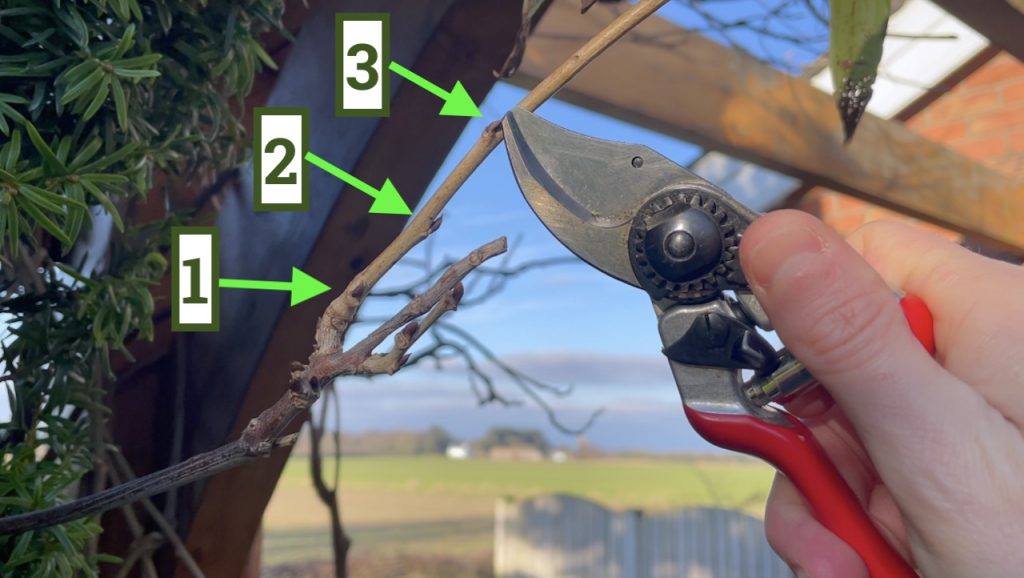
Locate the side shoots of your wisteria. These are shoots that come off from the main thick stems of your wisteria. You then want to count 3 buds from the base of that stem.
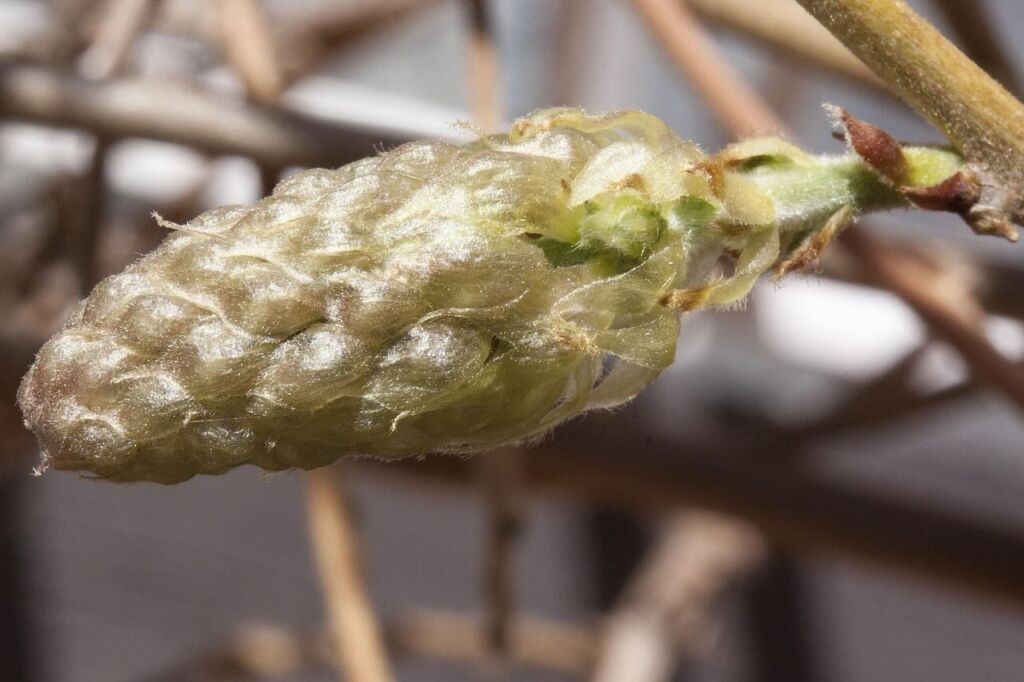
You can spot buds as little red or dark purple lumps that have broken through the woody shoots. You can feel them with your fingers as little bulges. These are the buds that are going to grow into both foliage and potential wisteria flowers this year.
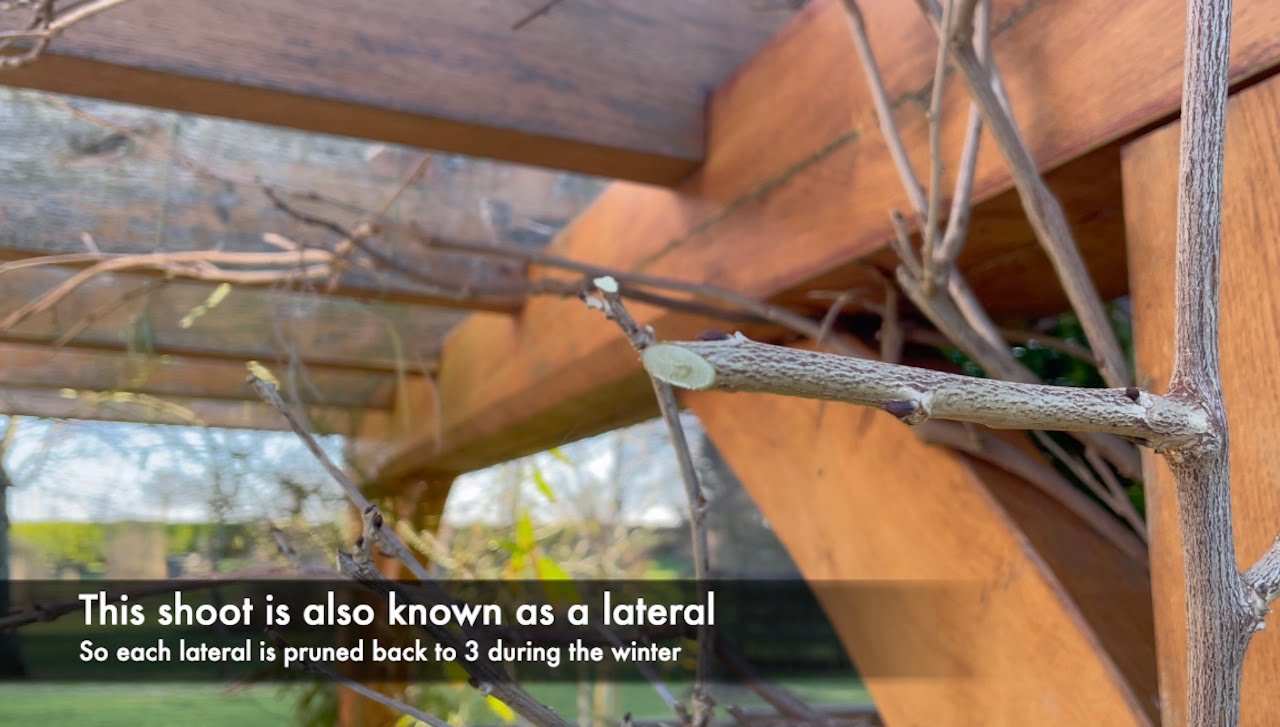
Step 3: Cut back laterals/side shoots to 3 buds
Now that you have identified the Wisteria buds, it’s time to count! You want to make a cut just above the 3rd bud. This is counting from where the lateral joins the stem and counting outwards. (Don’t count from the very end backwards as some online guides show you!)
Step 4: Ensure your pruning cuts are clean
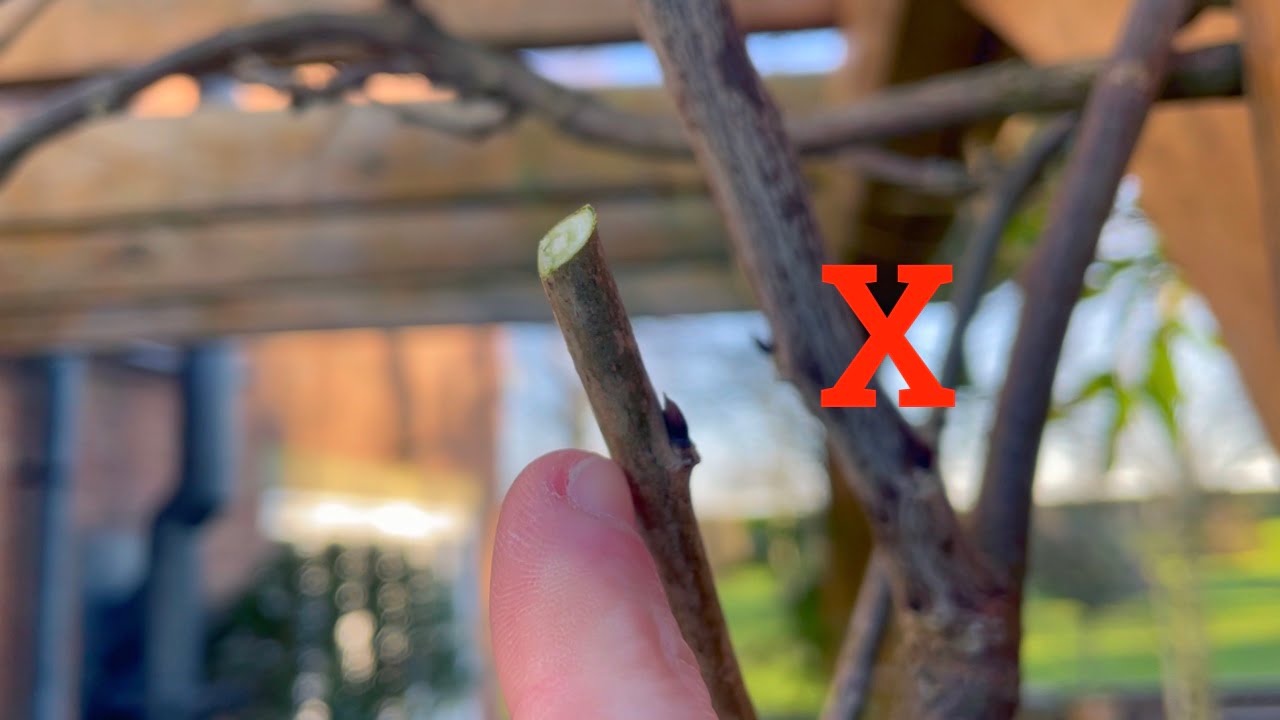
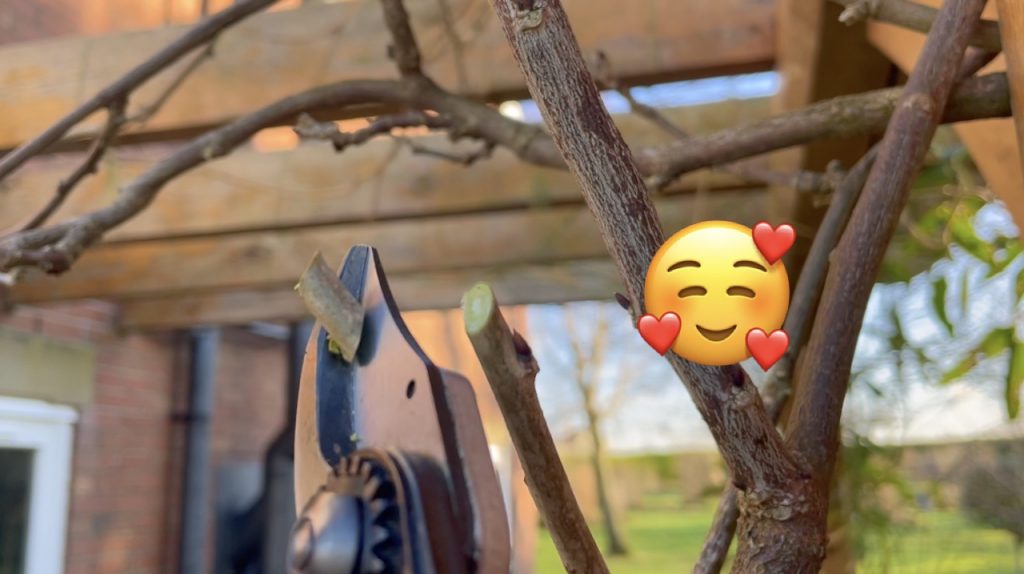
When making any pruning cut above a bud or lateral you want to make the cut on a diagonal 3mm above the bud. See below for an example of a poor pruning cut and then a good pruning cut.
The first bad example has left too much stem above the cut. This will die back, leaving a black brittle stump, which is not good for plant health. The second image shows the amount of ‘spare’ stem you should leave. This will heal nicely and provide a clean, healthy pruning cut.
Step 5: Take your time and work around the wisteria
Take your time cutting back all laterals to 3 buds across the wisteria. If you come across laterals that are in the way or are growing out too much, cut them right back to their ‘parent’ stem to stop them from growing.
You can also remove any ‘runners’ that spring up from the very base. You can recognise these as they are bright green long, and flexible. These will zap the energy from the rest of the plant so best to remove them.
Step 6: Recycle your cuttings
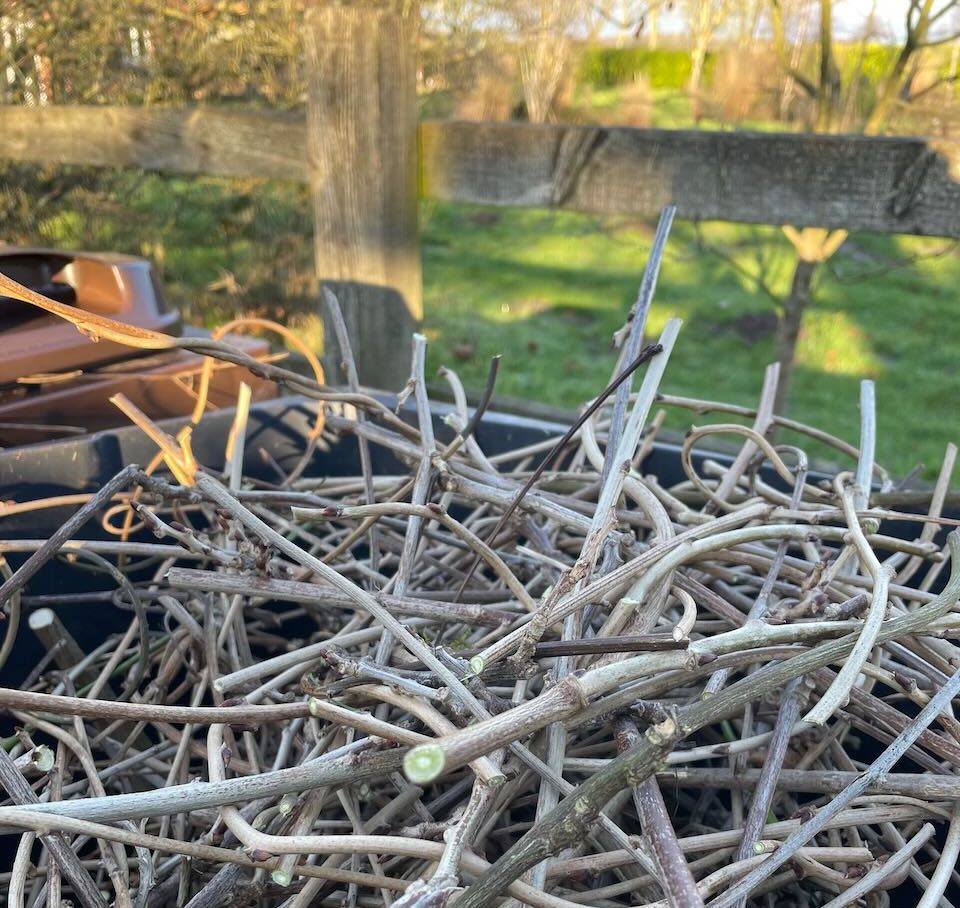
Once you have finished pruning your wisteria back to 3 buds and removing any runners or vigorous shoots from the base, you are left with several woody prunings. Don’t just bin them, though; they make excellent kindling for log burners or can be chopped up and added as a carbon layer for your compost bin.
You could even use them in bug hotels too for solitary bees and other insects to make a home with them!
How to prune wisteria in summer
Summer pruning of wisteria follows the same guidelines but takes back the growth to 6 buds not 3. This is because we want to prevent too much green whippy growth after flowering. If we don’t prune, the wisteria will put all its efforts into foliage again and may get out of hand.
Summer pruning involves cutting back wisteria to 6 buds after flowering – usually late July or August in the UK – we can help keep the wisteria neat and tidy. If we don’t do this, it can mean lots of tying in over the winter to then prune these longer stems back out again. What a faff!
So use the pruning guide above in summer to cut back to 6 wisteria buds in summer.
Then in winter (around February), we shorten the wisteria further by pruning to 3 buds.
Essential Tools for Perfect Wisteria Pruning
Having the right equipment transforms wisteria pruning from a frustrating battle into a satisfying gardening ritual. After testing countless tools over two decades of professional work, these are the essentials I won’t compromise on.
Tool
Priority
Why You Need It
Recommended Choice
Bypass Secateurs
ESSENTIAL
Your primary tool for 90% of wisteria pruning. Bypass action makes clean cuts that heal quickly. Handles stems up to 2cm diameter comfortably.
Okatsune 103 or Felco 2. Both are professional quality that last decades with proper care.
Loppers
HIGH
Essential for older wood and framework branches. Long handles provide leverage for cutting up to 4-5cm stems without strain.
Bypass loppers with telescopic handles for extra reach. Avoid anvil types on living wood.
Pruning Saw
MEDIUM
Needed for renovation work and very thick framework branches. Choose folding design for safety when working at height on ladders.
Silky Gomboy 240mm folding saw. Cuts on pull stroke for better control when stretched.
Garden Twine/Ties
HIGH
Tying in new growth to framework is as important as pruning. Soft ties prevent damage to tender shoots as they thicken.
Soft garden twine or adjustable velcro ties. Check and loosen ties annually to prevent girdling.
Ladder/Step Stool
HIGH
Most wisteria grow tall quickly. Safe access to upper growth is essential for proper pruning. Never overreach from unstable positions.
Tripod ladder for uneven ground, or quality step ladder rated for your weight plus tools.
Heavy-Duty Gloves
MEDIUM
Wisteria stems can be surprisingly sharp and scratchy. Good gloves protect hands whilst providing better grip on tools.
Leather palm gloves or modern synthetic materials with reinforced fingertips.
Disinfectant
USEFUL
Clean blades between plants prevent disease spread. Quick wipe takes seconds but prevents problems that take years to resolve.
Methylated spirits or commercial garden disinfectant. Avoid bleach which corrodes metal.
Collecting Sheet/Bag
USEFUL
Large tarpaulin or garden waste bag makes collecting prunings easier and keeps work area tidy. Wisteria produces substantial quantities of material.
Heavy-duty tarpaulin sheet positioned under work area before you start. Makes cleanup ten times faster.
?
Garden Ninja Tool Tip
The single best investment for wisteria pruning is quality bypass secateurs. I’ve used the same pair of Okatsune secateurs for over 12 years. They cost £40 initially but have saved me hundreds in replacement cheap secateurs that last barely a season. Professional tools feel better in your hand, make cleaner cuts that heal faster, and transform pruning from a chore into a pleasure. Buy once, buy right.
Why isn’t my wisteria flowering?
I hear from so many followers that their wisterias never flower. With proper pruning, all established wisterias that are in the place should flower. Here are the eight most common reasons and how to fix them.
1. Plant Is Too Young (Under 7 Years Old)
The Problem: Wisterias grown from seed can take 15-20 years to flower. Grafted plants flower in 5-7 years.
The Solution: Patience! If your wisteria is under 7 years old and healthy, keep pruning correctly and wait. Check if it’s grafted (look for a bulge near base) – grafted plants flower much sooner.
2. Incorrect Pruning (Or No Pruning at All)
The Problem: The single biggest cause of non-flowering wisterias. Without the twice-yearly pruning regime, energy goes into leafy growth instead of flower buds.
The Solution: Start the winter (3 bud) and summer (6 bud) pruning routine immediately. It can take 2 years of correct pruning before you see flowering results, but it WILL work.
3. Too Much Nitrogen Fertiliser
The Problem: High nitrogen feeds encourage lush green growth at the expense of flowers. Lawn feed runoff near wisterias causes this frequently.
The Solution: Stop feeding entirely for one year. Wisterias rarely need feeding. If you must feed, use a low-nitrogen, high-potassium fertiliser (tomato feed) in spring only.
4. Wrong Aspect (Too Much Shade)
The Problem: Wisterias need full sun (south or west-facing) for at least 6 hours daily. North-facing or heavily shaded wisterias produce leaves but few or no flowers.
The Solution: If moving isn’t possible, prune surrounding trees/shrubs to increase light. Consider moving young wisterias. Mature specimens in the wrong positions may never flower reliably.
5. Late Spring Frost Damage
The Problem: Wisteria flower buds form in winter but are vulnerable to late frosts in April/May. One hard frost can destroy the entire season’s flower buds.
The Solution: Protect wisterias with horticultural fleece when frost is forecast in April-May. Choose later-flowering varieties like Wisteria brachybotrys if you’re in a frost-prone area.
6. Waterlogged or Very Poor Drainage
The Problem: Wisterias hate waterlogged roots. Constantly wet soil prevents proper root development and flowering.
The Solution: Improve drainage by forking in horticultural grit, raising the planting area, or installing drainage. Consider moving the plant if soil is persistently boggy.
7. Wrong Species for Your Climate
The Problem: Wisteria floribunda (Japanese) is less hardy than sinensis (Chinese). In cold northern gardens, floribunda may not flower reliably.
The Solution: Check which species you have. In cold areas, Wisteria sinensis or brachybotrys are more reliable flowering choices.
8. Root Competition from Nearby Plants
The Problem: Large trees or vigorous shrubs nearby compete for water and nutrients, stressing the wisteria and preventing flowering.
The Solution: Create a 1-metre clear zone around the wisteria base. Mulch heavily to retain moisture and suppress competition. Consider removing or relocating competing plants.
They can take up to 7 years once planted before they flower. This is because they only flower once they have established a suitable root system and have enough structure above ground to then think about reproducing via flowers.
Don’t forget, any plant that produces flowers is therefore aiming to reproduce using some form of seed from that flower.
Although wisterias can take 7 years to flower, they really are worth the wait. Especially given the rustic charm of their woody twisted branch network and lilac summer racemes of hanging flowers.
When do wisterias flower in the UK?
Established wisterias flower in May to June here in the UK.
If we have long, cold winters, the flowering window can shift back by a week or two, meaning Wisterias may still have some flowers in July. The same applies to mild, clement winters, except for earlier flowers. All successful wisteria flowering windows are predicated on the correct pruning techniques, so if you haven’t pruned, don’t be surprised if your wisteria ignores you and sends out minimal flowers!
How big do wisterias grow?
A mature adult wisteria can reach around 10m (33ft) in tree form or spread up to 20m (66ft) against a wall, pergola or archway. They require regular pruning and trimming each year to promote summer flowering and control their scrambling growth.
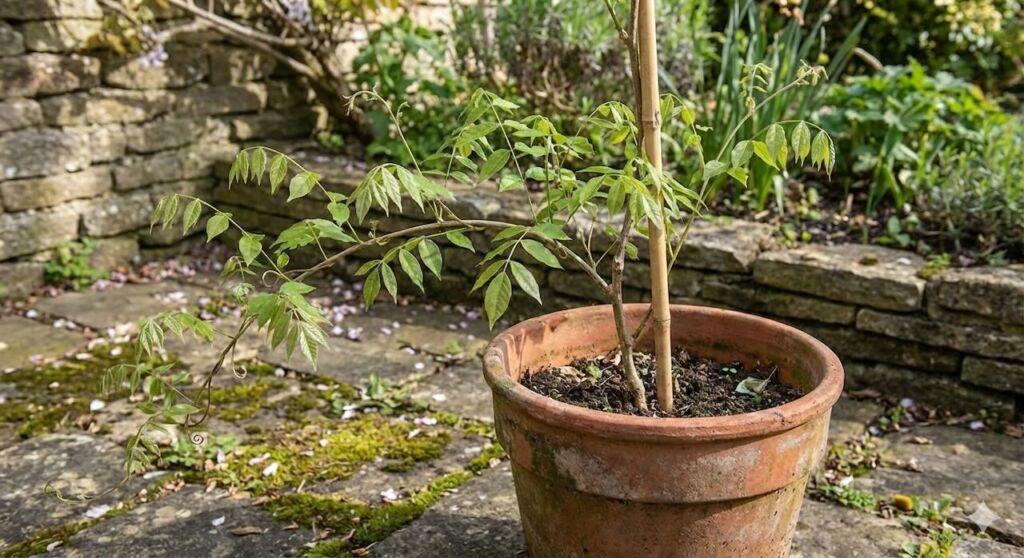
Whilst you can grow wisteria in a container they will need regular feed and eventually outgrow their pot. It’s best if you have a small garden or need a wisteria in a limited space to choose a standard wisteria.
This is a wisteria that has been grown and pruned to have one main stem. When growing wisteria as a standard its ultimate growth can be reduced due to the limited branch network.
What conditions does wisteria need to thrive?
Wisteria like bright sunny south-facing positions in the garden.
Whilst wisteria will grow in partial shade, this is likely to be at the loss of flowers each summer. They will survive in pretty much all soil types, but don’t like waterlogged or boggy soil conditions.
If you have heavy clay soil, it may be best to help open up the soil structure with some peat-free compost worked into the soil and a heavy mulch once the wisteria is planted.
Wisterias can tolerate exposure, but windburn may make the leaves unsightly and cause the flowers to drop prematurely on very windy sites. Usually, you will see them grown-up walls and pergolas in warmer positions where the wall or structure can help retain heat during the summer months.
Why don’t we prune back to 3 in summer?
You may be asking why we don’t just skip straight to the winter prune in summer after the wisteria has flowered. The reason we don’t prune wisteria straight back to 3 in summer is threefold:
It would cause you to lose valuable foliage for the remainder of the year
It can cause your wisteria to look scalped & uneven
The wisteria needs foliage to help create food and recover from flowering
Can I hard prune my wisteria?
Yes, you can hard prune a wisteria!Wisteria responds really well to a hard prune, and an established plant will often bounce back with vigorous regrowth the following year.
Care must be taken, though, as a serious hard prune, to within a foot or so of the ground will come at the cost of reduced flowers. Hard pruning wisteria will set back the flowering potential of your climber by at least 1 year. So it’s worthwhile considering whether you really need to hard prune your wisteria or whether a mere renovation prune will suffice.
I only hard prune back damaged wisterias. Such as specimens that have been damaged in the wind or have broken free from their structures, to snap or tear their limbs.
My video below shows the principles of how to hard prune to show you the technique. Clean, sharp loppers or a wood saw are essential.
I take back the plant by 50% for old wisterias that look out of control. Still using the same 3 and 6 rule as shown above. I find this preferable to going back to the ground.
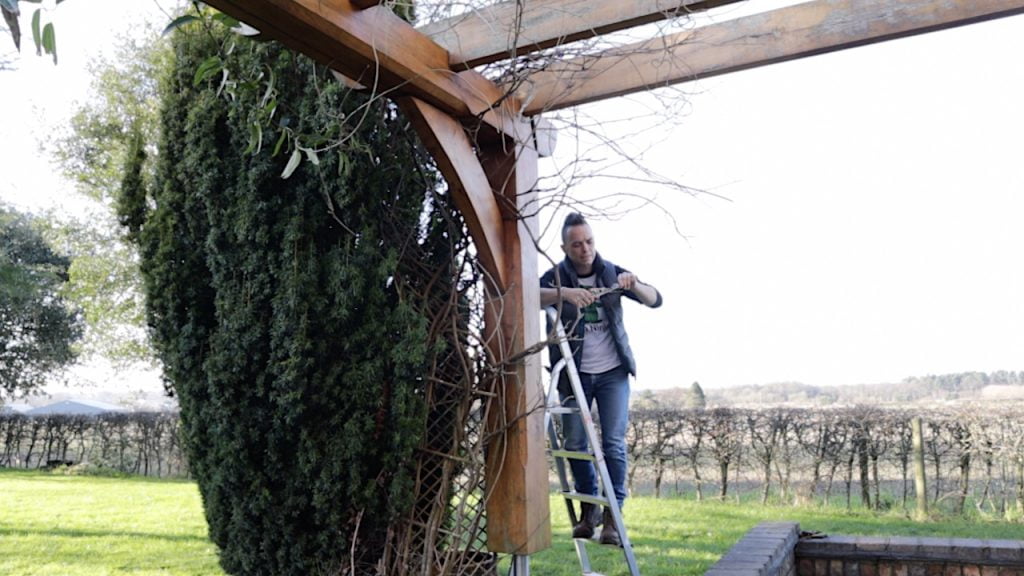
How to prune a wisteria over a pergola
Wisterias are often grown up and over pergolas, which can confuse beginner gardeners when pruning. It’s often daunting knowing where to start. My advice for pruning wisterias over pergolas follows the same advice as above, but with a few additional pointers.
Start by working from the bottom upwards, tracing the main stem(s)
Cut back the side shoots to either 3 in winter or 6 in summer
Remove any side shoots growing in the wrong direction or in congested places
Ensure equal spacing between the offshoots from the main stem.
Thin out any side shoots that are too close together
Tie in top growth that’s reaching from the stars by flexing it back towards the pergola
When training horizontally, tie in the shoot and then cut the side shoots to 3 or 6
Should I cut off the wisteria flowers when they have finished?
Once your wisteria has finished flowering, cutting off the flowers can help keep it neat and tidy. It also helps reserve energy for the plant to recover after the effort required to flower. Some gardeners believe it can help encourage further flowering. However, in my experience, the buds for flowering develop in early spring, so removing spent flowers won’t cause a second flush. However, it is good for garden hygiene to remove them to stop seed setting or energy being wasted.
What plant feed should I give a wisteria?
In my experience, wisterias rarely need any plant feed. They are vigorous climbers that take a number of years to get established, but when they do, they will grow and flower profusely!
Feeding wisterias should only be done if:
You have a very old sickly wisteria
You’ve hard pruned the year before
You have really poor soil
For most wisterias, I would always prefer a yearly mulch of some decent quality peat-free compost or a very dilute liquid feed with home made comfrey tea. Feed your wisteria in spring and never summer. Feeding in summer just causes lots of leafy growth that you then have to prune out. Feeding in spring gives the wisteria the energy it needs to flower, but as I said, I wouldn’t bother unless you have an old or recently hard-pruned wisteria.
Common Pests & Diseases of Wisteria
Wisteria is generally a hardy and low-maintenance plant, but it can be susceptible to a few pests and diseases. Which can throw off the beginner gardener if you’re not aware of them. For most growers, your wisteria will be fine, but for the odd few, here are some problems you may run into, along with some suggestions for solutions.
Wisteria Pests
i) Aphids
Aphids are small insects that feed on the sap of wisteria plants, often congregating on new growth and flower buds. They can cause distorted growth and may excrete honeydew, leading to the growth of sooty mold. Control aphids by spraying affected plants with a strong stream of water to dislodge them, using insecticidal soap or neem oil, or introducing natural predators like ladybugs.
ii) Scale Insects
Scale insects are small, oval-shaped pests that attach themselves to wisteria stems and leaves, sucking sap from the plant. They may appear as small bumps or shells on the plant surface. To control scale insects, prune away heavily infested areas, scrub scales off with a soft brush or cloth dipped in soapy water, or use horticultural oil sprays.
iii) Japanese Beetles
Japanese beetles are metallic green beetles that feed on wisteria foliage, skeletonizing leaves and causing significant damage. Handpick beetles from plants in the early morning when they are sluggish, and drop them into a bucket of soapy water. You can also use beetle traps placed away from wisteria plants to attract and capture beetles.
Diseases of Wisteria
i) Powdery Mildew
Powdery mildew is a fungal disease that appears as a white, powdery coating on wisteria leaves and shoots. It thrives in warm, humid conditions and can weaken the plant over time. Improve air circulation around plants by pruning away dense growth, avoid overhead watering, and apply fungicidal sprays containing sulfur or potassium bicarbonate to affected plants.
ii) Wisteria Blight
Wisteria blight, caused by the fungus Myrothecium verrucaria, can lead to leaf spotting, dieback, and overall decline of wisteria plants. Remove and destroy infected plant parts, avoid overhead watering, and apply fungicidal sprays containing copper or thiophanate-methyl to help control the disease.
iii) Leaf Spot
Leaf spot diseases, caused by various fungal pathogens, can cause dark spots or lesions on wisteria leaves. To prevent leaf spots, avoid overhead watering, prune away infected plant parts, and apply fungicidal sprays if necessary.
iv) Root Rot
Root rot can occur in wisteria plants growing in poorly drained or waterlogged soil. Improve soil drainage by amending heavy clay soils with organic matter, avoiding overwatering, and ensuring that plants are planted at the correct depth to prevent the crown from becoming waterlogged.
Regularly inspecting your wisteria plants for signs of pests and diseases, practising good cultural practices such as proper pruning and watering, and addressing issues promptly can help keep your wisteria healthy and vibrant in the garden. Don’t give up, Ninjas!
Learn more about Trees & Garden Design
Why not consider expanding your plant, tree and garden design knowledge with one of my online gardening courses? My Garden Design for Beginners Course is here to help you transform your garden with an affordable online course, no matter how little your experience with plants.
This course offers step-by-step guidance from me, Lee Burkhill, the Garden Ninja—award-winning garden designer and presenter on BBC1’s Garden Rescue. In this course, you’ll go from a garden design novice to a confident designer equipped to tackle any green space.
Planting Techniques – Select and arrange plants like a pro.
Design Styles & Layout Options – Explore different styles to suit every garden.
Course Features:
20 Hours of Study Time
Flexible Online Learning
Engaging Video Lessons & Quizzes
Real-World Case Studies
Certification upon Completion
Taught by Award-Winning Designer Lee Burkhill
Enrol now for just £199 and start your journey toward garden design mastery!
29
Garden Design Examples for Small Gardens: 30 Design Templates & Planting Plans
Garden Design Examples for Small Gardens: 30 Design Templates & Planting Plans: In this online gardening course, I’ll walk you through 30 fantastic garden designs, explaining the logic behind the layout, the plant choices, and take-home tips for applying them in your own garden.
Weekend Garden Makeover: A Crash Course in Design for Beginners
Learn how to transform and design your own garden with Lee Burkhills crash course in garden design. Over 5 hours Lee will teach you how to design your own dream garden. Featuring practical design examples, planting ideas and video guides. Learn how to design your garden in one weekend!
Garden Design for Beginners: Create Your Dream Garden in Just 4 Weeks
Garden Design for Beginners Online Course: If you want to make the career jump to becoming a garden designer or to learn how to design your own garden, this is the beginner course for you. Join me, Lee Burkhill, an award-winning garden designer, as I train you in the art of beautiful garden design.
Wisteria can add a real wow factor to your garden in summer and provide a soft green canopy to climb up walls or pergolas. For wisterias to perform consistently, pruning them twice a year is a must. Now that you know how to prune your wisteria, you will be set for success.
Hopefully, this guide will have given you the confidence to enjoy pruning and understand why cutting back your wisteria increases the chances of those gorgeous flowers!
I’d love to hear from you on my Twitter, Facebook or Instagram pages. If you have a gardening question then why not use the Garden Ninja Gardening Forum, where hundreds of Garden Ninja members can help you!
Lee Burkhill, known as the Garden Ninja, is an award-winning garden designer and horticulturist with over 30 years of gardening experience and 15 years as a professional garden designer. A qualified RHS (Royal Horticultural Society) professional, Lee specialises in sustainable garden design and practical horticultural advice. He designs and presents on BBC1’s Garden Rescue and in leading gardening publications. Lee combines three decades of hands-on gardening knowledge with professional design qualifications to help gardeners create beautiful, functional outdoor spaces.
This is really useful and I do hope that after nearly three years of having zero flowers on my ‘inherited’ ( it was at my home when we moved in) that we finally see some flowers! Thank you! Just one question – my wisteria is planted in the ground…. What should I feed it with? Many thanks!
Hi Rebecca, I wouldn’t feed a wisteria unless showing signs of illness or yellowing leaves. They simply don’t need feeding as they are so vigorous unless your soil type is super poor. Hope that helps. Lee
Thank you for all of the helpful information!
I am trying to train my wisteria to grow over a pergola. How do I get it to keep growing to cover if I am cutting back to the third bud? I feel like I’m missing some thing.
I am growing a standard sinensis in a pot. In full sun and has many leaves and green tendrils. Only hot it this spring and it hasn’t flowered yet. I water often and have fed it up to this month ..June. In John inner 3 compost .
Should I prune the long green shoots in June rather than July as I am in east Scotland? Will be colder than the south and longerdaylight .
This guide was super helpful! I’ve always been intimidated by pruning my wisteria, but your step-by-step instructions made it seem much less daunting. Can’t wait to try the summer pruning tips! Thanks for sharing your expertise!
















This is really useful and I do hope that after nearly three years of having zero flowers on my ‘inherited’ ( it was at my home when we moved in) that we finally see some flowers! Thank you! Just one question – my wisteria is planted in the ground…. What should I feed it with? Many thanks!
Hi Rebecca, I wouldn’t feed a wisteria unless showing signs of illness or yellowing leaves. They simply don’t need feeding as they are so vigorous unless your soil type is super poor. Hope that helps. Lee
i have never really pruned my wisteria, she is about 5 years old. any suggestions ? she is kinda gangly
Hi Kristine. There’s still time now so I’d get out there and nip her back to 3 buds pronto! Good luck with the pruning and happy gardening. ???
Hello, do I still nip them ti 6 buds this summer even though it has never flowered?
Hi Florence, Yes this way you’re conserving energy for it to flower next year! Happy Wisteria pruning. Lee
Thank you for all of the helpful information!
I am trying to train my wisteria to grow over a pergola. How do I get it to keep growing to cover if I am cutting back to the third bud? I feel like I’m missing some thing.
I am growing a standard sinensis in a pot. In full sun and has many leaves and green tendrils. Only hot it this spring and it hasn’t flowered yet. I water often and have fed it up to this month ..June. In John inner 3 compost .
Should I prune the long green shoots in June rather than July as I am in east Scotland? Will be colder than the south and longerdaylight .
This guide was super helpful! I’ve always been intimidated by pruning my wisteria, but your step-by-step instructions made it seem much less daunting. Can’t wait to try the summer pruning tips! Thanks for sharing your expertise!