Where to start with garden design? The Honest Guide for Overwhelmed Gardeners
Lee Burkhill: Award Winning Designer & BBC 1's Garden Rescue Presenters Official Blog
Beginner level
Where to start with garden design? So you have one of those awkward or boring gardens? The ones that have no real defined shape just a stretch of lawn the odd recess or weird angle and some borders with whatever plants came with the house when you moved in? Trust me you are not alone! This situation could describe 80% of the population's gardens.
You’re staring out at your garden right now, aren’t you? That rectangle of lawn, those overgrown borders, that wonky patio that the previous owners slapped down in 2003. Maybe it’s a brand new build with nothing but builders’ rubble and a token bit of turf. Either way, you’ve got absolutely no idea where to start, and honestly, the thought of tackling it makes you want to close the curtains and pretend it doesn’t exist.
I get it. Over fifteen years as a garden designer, I’ve spoken to hundreds of people in exactly your position. Lovely folks who desperately want a beautiful garden but feel completely paralysed by the process. They’ve watched a few episodes of Garden Rescue (cheers for that), scrolled through Instagram for hours, maybe even bought a couple of expensive plants from the garden centre, and they’re still standing at square one, wondering what to actually do.
Here’s what nobody tells you about garden design: it’s not about knowing loads of plant names or having some magical creative gene. It’s about understanding a process. And here’s the rub, most people skip the actual design bit entirely and jump straight to buying stuff, which is precisely why so many gardens end up as expensive failures.
Let me save you years of frustration, wasted money, and dead plants by showing you exactly where to start with garden design, why most DIY attempts fall flat, and how you can actually get this right without spending the next decade figuring it out through painful trial and error.
Why Most DIY Garden Design Attempts Fail Spectacularly
Before we talk about where to start, let’s have an honest chat about why gardens go wrong. Because if you understand what not to do, you’re already miles ahead of most people.
The “Garden Centre Sunday” Disaster
Picture this scenario, which plays out thousands of times every weekend across Britain. Someone decides Saturday morning that they’re going to “sort the garden out”. By Sunday afternoon, they’re at the garden centre with a trolley full of whatever looked pretty near the entrance. A few lavenders because they smell nice. That spiky thing with the purple flowers. Three random shrubs on a 3-for-2 deal. Maybe a climber because there’s a fence.
This is where gardens die. I should know because this was literally my first garden over twelve years ago. I thought enthusiasm and a decent budget would be enough. It wasn’t. Plants grew at completely different rates. The smaller ones got absolutely swallowed up. The larger ones looked completely out of place and lost. There was no flow, no cohesion, no actual thought beyond “I like that plant”.
I spent more time fighting that garden than enjoying it. Constantly moving things around, trying to make it work, watching expensive specimens fail because they were in the completely wrong place. That garden taught me more about what not to do than any textbook ever could.
The problem isn’t the plants themselves. The problem is approaching garden design as a shopping exercise rather than a planning exercise. You wouldn’t renovate your kitchen by just buying random appliances and hoping they fit, would you? So why do we treat gardens this way?
The Aspect Blindspot That Kills Plants
Here’s a fun game. Ask someone which way their garden faces. Nine times out of ten, they’ll have absolutely no idea. North, south, east, west, it’s all just “the back garden” to them.
This single bit of missing information is probably responsible for more plant failures than anything else. That gorgeous sun-loving Mediterranean plant you bought? It’s dying in your north-facing garden because it’s getting about three hours of weak sunlight a day. Those shade-loving ferns? They’re crisping up in your south-facing sun trap.
Understanding your garden’s aspect is absolutely fundamental to success, and yet most people never even consider it before buying plants. The aspect determines what you can grow, where your seating should go, which areas will be damp or dry, and basically every other decision you’ll make. Without knowing it, you’re just guessing.
The “No Plan” Approach to Hard Landscaping
Patios and paths are expensive. Really expensive. Which makes it even more baffling that so many people just wing it without any proper planning.
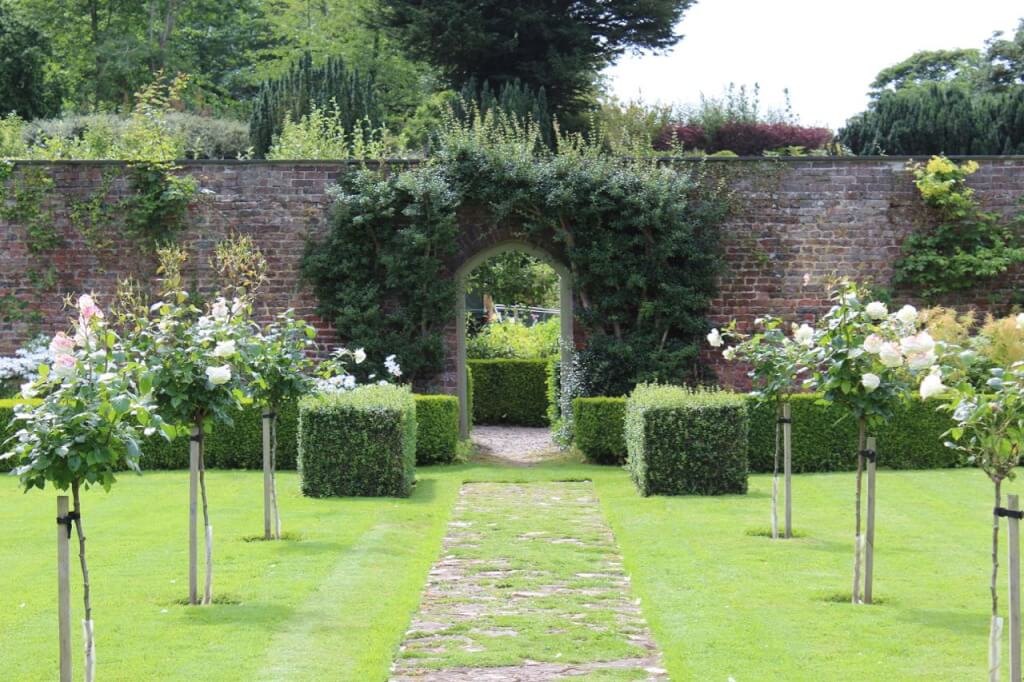
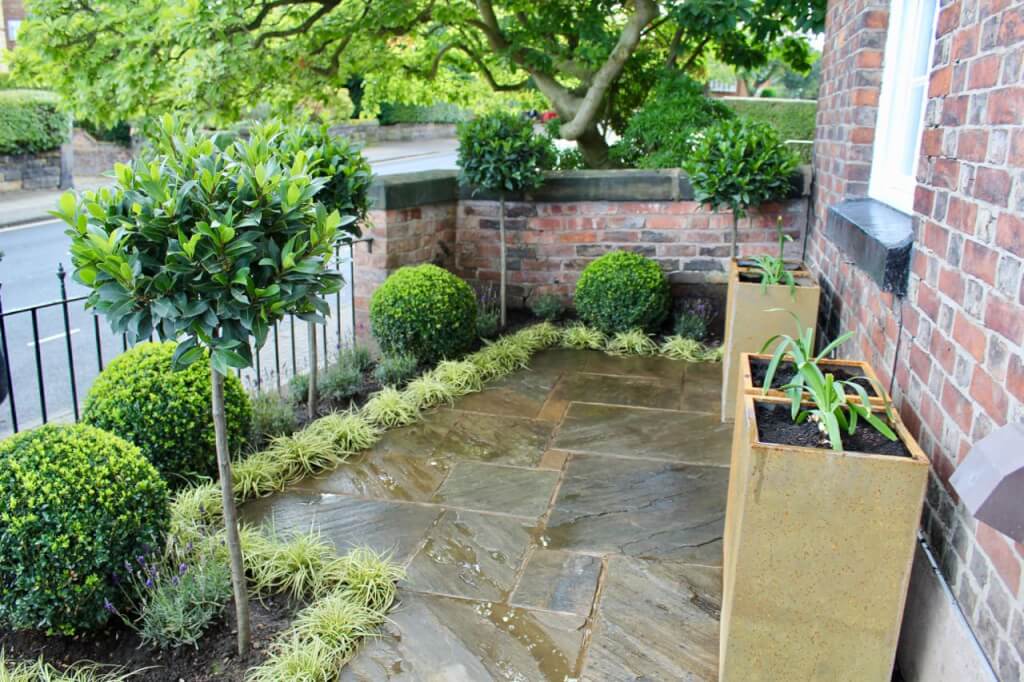
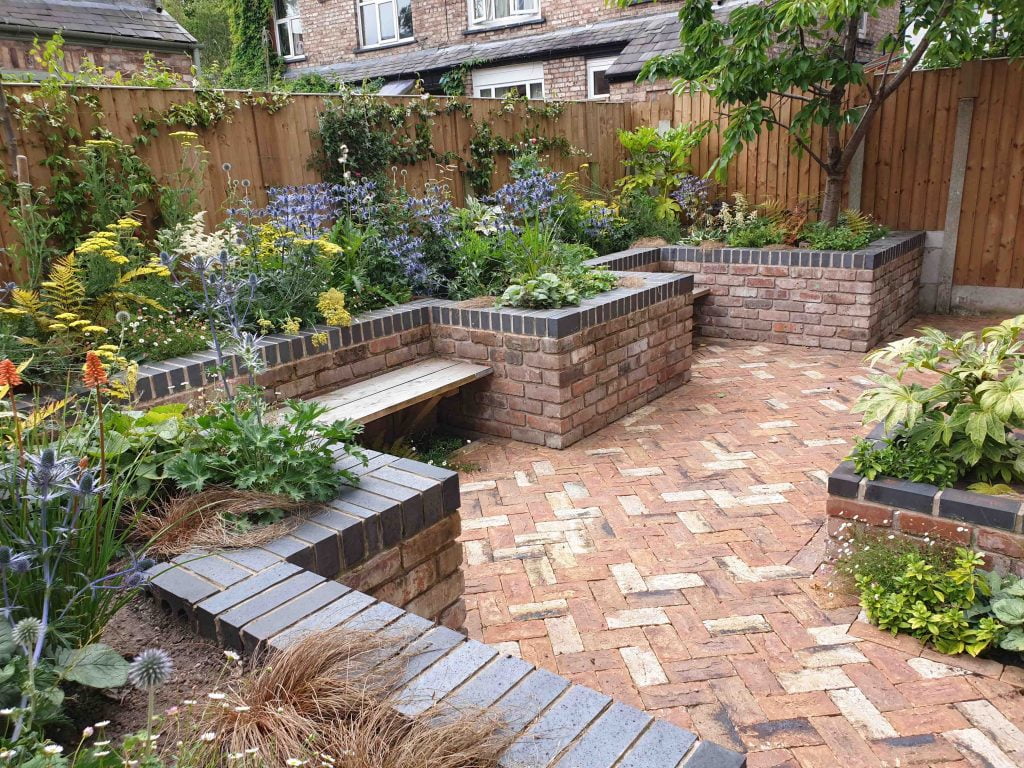
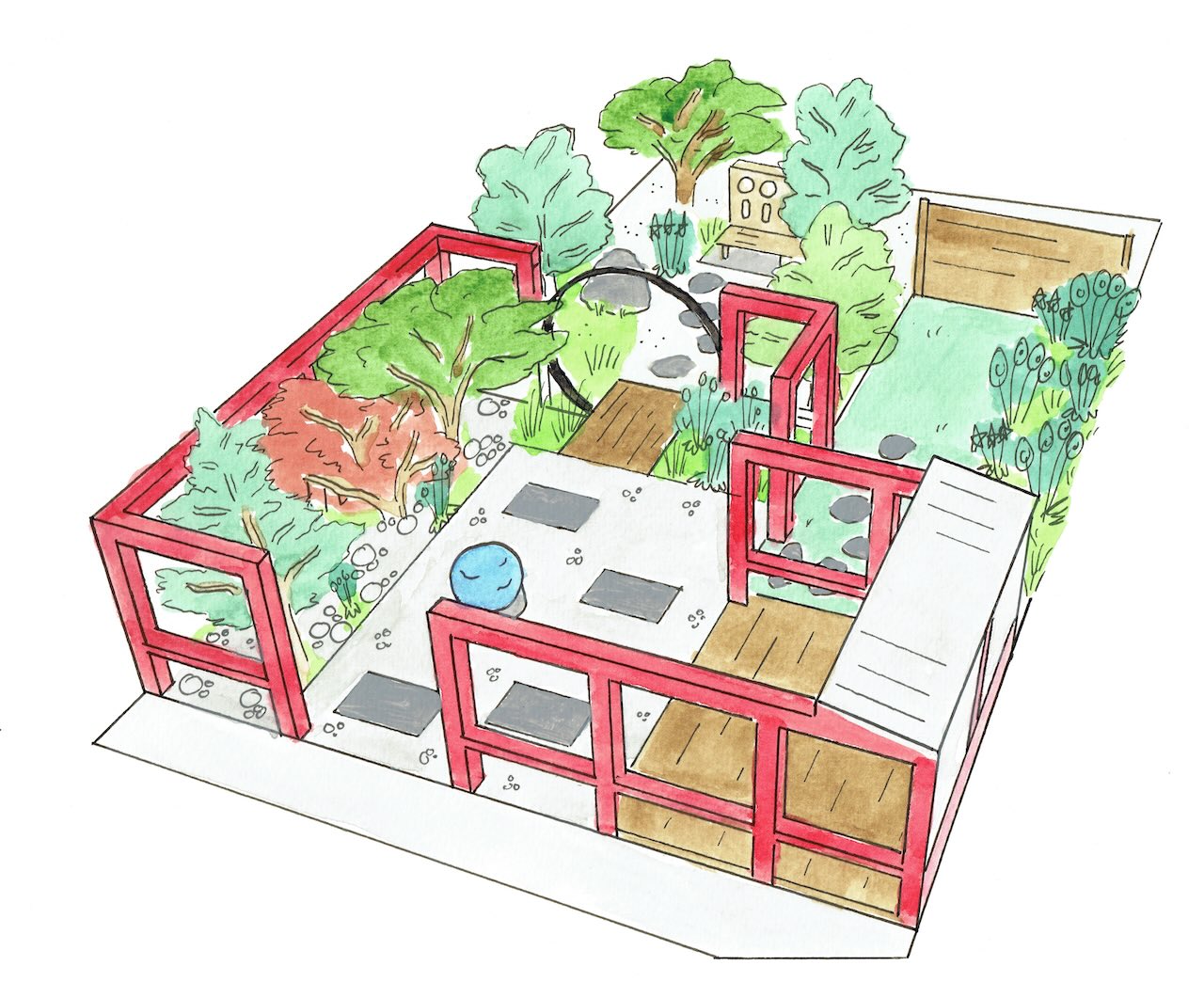
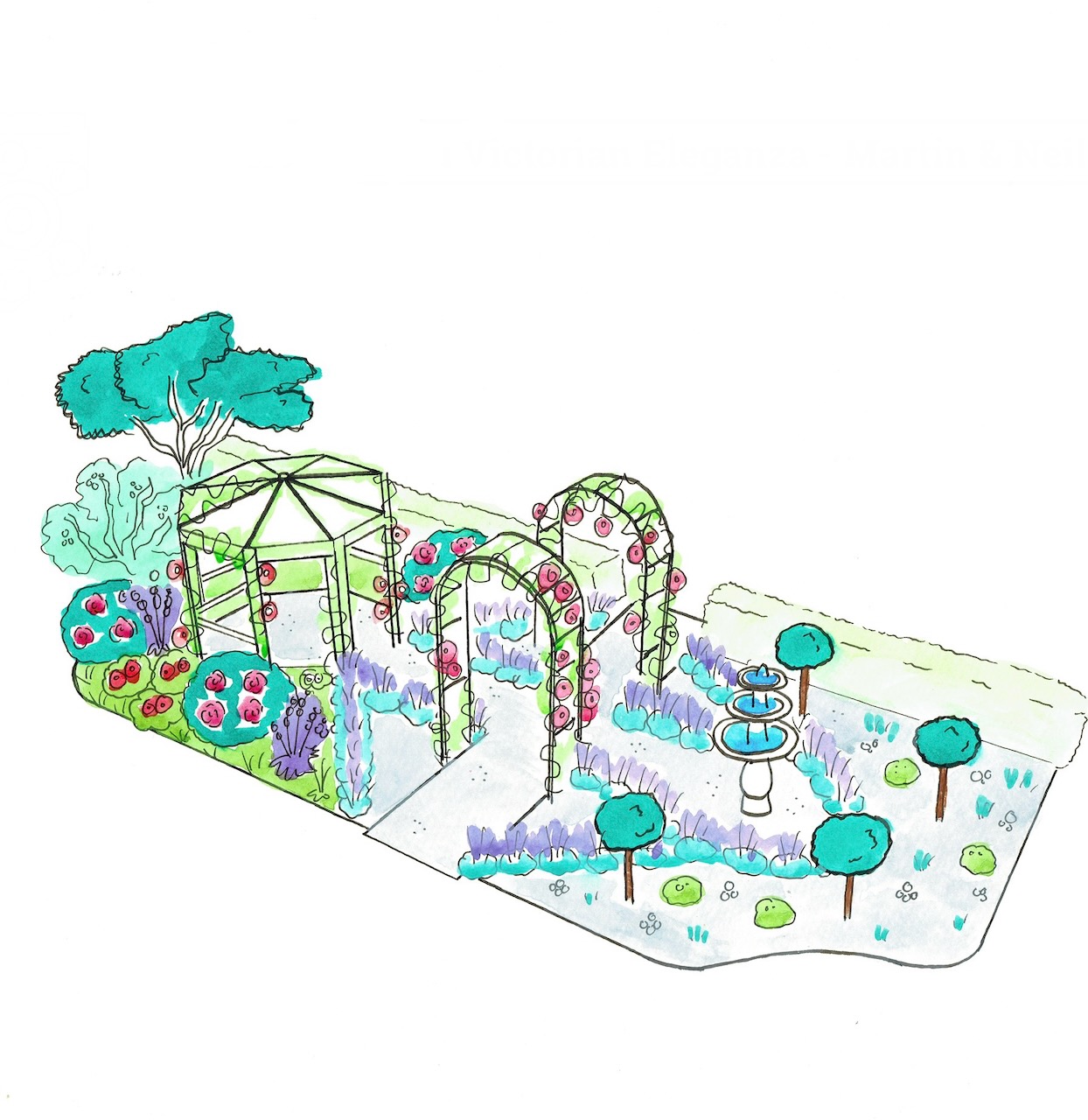
I’ve lost count of the gardens I’ve visited where someone has laid a massive rectangular patio right outside the back door, taking up a third of their small garden, because they thought “we need somewhere to sit”. No consideration of where the sun actually is during the day. No thought about proportions or how it relates to the rest of the space. Just a massive concrete rectangle that makes the garden look smaller and costs them three grand vs what you coulkd design, like the gorgeous seating area below.
Or paths that go nowhere useful. Or decking that turns into a death trap every autumn. Or gravel that’s migrated into every border and the house because nobody thought about edging.
Hard landscaping is the bones of your garden, and if you get the bones wrong, no amount of pretty planting will fix it. This stuff is expensive to correct, which is why planning it properly from the start actually saves you money.
What Actually Goes Into Proper Garden Design (And Why It’s More Complicated Than You Think)
Right, time for some proper honesty. Garden design isn’t something you can just pick up from a blog post or a YouTube video. There’s a reason people spend years training for this. Let me walk you through what actually needs to happen for a garden to work properly.
Site Analysis: The Boring Bit Everyone Skips
Before a single plant goes in or a single paving slab gets laid, you need to properly understand your site. And I mean really understand it, not just “it’s a rectangular garden”.
This means:
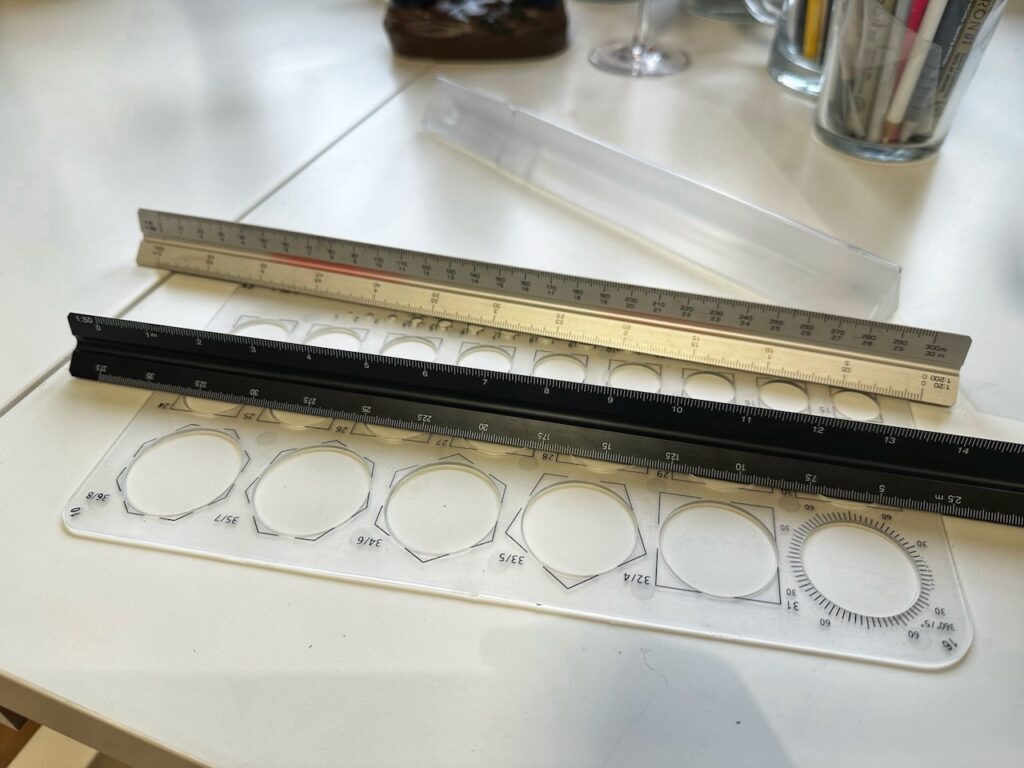
Measuring everything accurately. And I mean everything. The boundaries, the house, existing trees, that manhole cover, the gradient if there is one, where the bins live, where services might be buried. Creating a proper scale plan that you can actually work from. This alone can take several hours for even a modest garden if you’re doing it properly.
Understanding your soil type. Is it clay, sand, loam, chalk? Is it acid or alkaline? How well does it drain? This dictates what plants will actually survive in your garden. You can’t just plant whatever you fancy and hope for the best.
Mapping sun and shade patterns. Not just “it’s sunny”, but actually understanding how light moves through your space throughout the day and across the seasons. Where are the sunny spots in the morning versus the afternoon? What areas are in permanent shade?
Identifying problems and opportunities. Where does water pool? Are there eyesores that need screening? Is there overlooking from neighbours? What are the good views worth emphasising? Where are the exposed, windy spots?
Most people glance at their garden for about five minutes and think they know it. They don’t. A proper site analysis takes time, observation, and a systematic approach. Skip this, and you’re building on sand.
Design Principles: Why Some Gardens Just “Work”
There’s a reason some gardens feel peaceful and cohesive, whilst others feel chaotic and uncomfortable, even if you can’t quite put your finger on why. It ultimately comes down to fundamental design principles that most people are unfamiliar with.
Proportion and scale matter enormously. That massive patio I mentioned earlier? It fails because the proportion to the rest of the garden is entirely wrong. Furniture that’s too large for the space makes it feel cramped. Plants that grow huge in a tiny garden overwhelm it.
Unity and cohesion create that sense of “togetherness” in a design. It’s why using a limited palette of materials and repeating plant groups works so much better than the “pick and mix” approach. Your brain likes patterns and repetition. Gardens that jump around stylistically every few metres feel disjointed.
Creating focal points and managing sightlines draws people through the space properly. Most gardens have no clear destination or purpose for different areas. A well-designed garden leads your eye and your movement intentionally, creating interest and discovery.
Balance doesn’t mean symmetry, but it does mean visual weight that feels right. Understanding how to balance different elements, create rhythm with planting, and utilise negative space effectively requires real skill.
These aren’t just fancy concepts. They’re the difference between a garden that works and one that doesn’t. And they’re not intuitive; they need to be learned.
Planting Design: The Actual Hard Bit
Right, let’s talk about the elephant in the room. Planting design is extremely challenging to get right. Even after years of experience, I still spend a considerable amount of time on planting plans because there are so many factors to juggle simultaneously.
You need to understand plant characteristics beyond “it has pink flowers”. How large does it actually grow, not what the label says, but what it really does in your soil and climate? What’s its growth rate? What shape and texture does it bring? How does it look across all four seasons, not just that three-week flowering period?
Then you need to combine plants that work together aesthetically. Complementary colours, contrasting textures, varying heights and forms, creating interest across the seasons. Getting plants to look good together is part art, part science, and mostly a matter of experience.
But here’s where it gets properly tricky. You also need to match plants to your site conditions. Sun or shade tolerance, soil pH requirements, moisture needs, hardiness, resistance to pests and diseases. A plant might be absolutely gorgeous, but if it’s not suited to your specific garden, it’s going to fail or need constant mollycoddling.
And finally, you need to understand the maintenance requirements and how to create combinations that actually work in the long term. What prunes when? What’s going to swamp what in three years? How do you create a scheme that’s sustainable without needing constant intervention?
This is why most DIY planting schemes fall apart. They’re based on “I like that plant” rather than a systematic approach that considers all these factors together. It takes genuine knowledge and experience to get right, which is precisely why it’s the area where people most need professional help.
The Three Realistic Options for Getting Your Garden Design Right
Alright, enough doom and gloom. Let’s discuss your actual options here, because while I’ve been brutally honest about the challenges, there are proper solutions that work. You’ve basically got three routes, and which one you choose depends on your budget, time, and how involved you want to be in the process.
Option 1: Full Professional Garden Design (For When Budget Allows)
If you’ve got the budget, hiring a qualified garden designer like myself is genuinely the most efficient route to a garden that works properly. I’m not just saying this to drum up business (though obviously I’m happy for the work), it’s simply true.
A professional design service gives you:
A proper site survey and scale plan drawn up correctly from the start.
Someone who can actually read your site properly and spot problems and opportunities you’d never notice.
A cohesive design that considers every aspect simultaneously, not just individual elements.
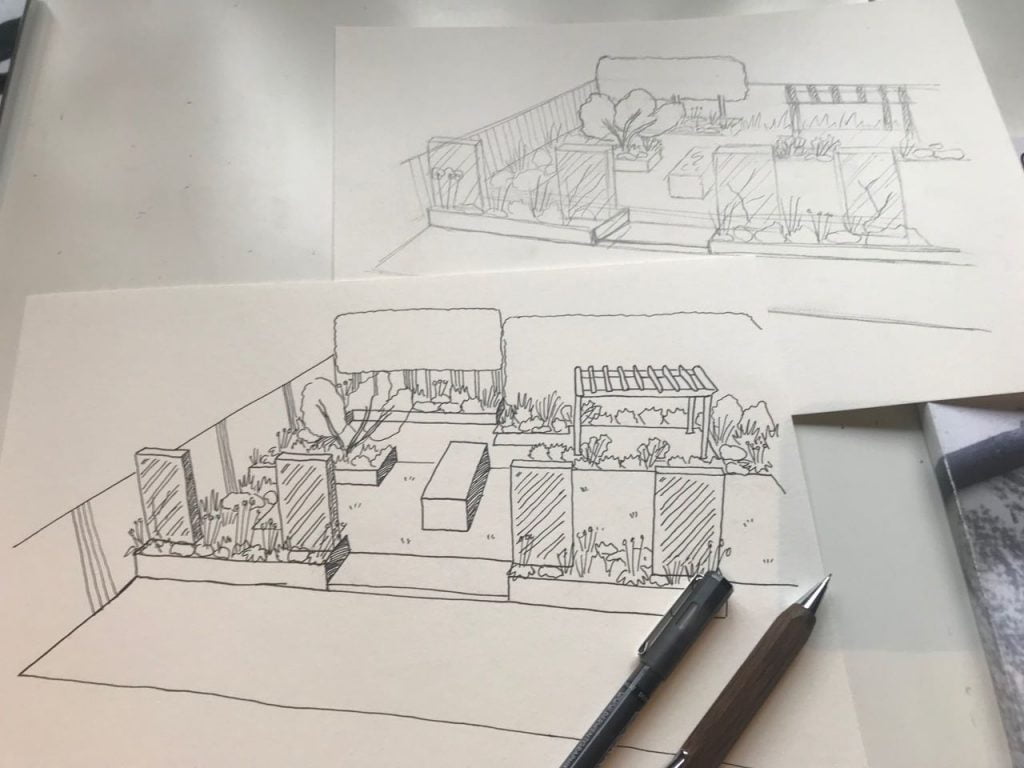
Technical drawings for landscapers to work from if you’re using contractors.
Professional knowledge about materials, costings, and what actually works long term.
The average cost for full professional garden design starts around £2,500 and goes up from there depending on the size and complexity of your garden. Yes, it’s a significant investment, but you’re paying for expertise that prevents expensive mistakes and creates something that works the first time. Most of my clients tell me the design has paid for itself in the form of saved mistakes and plant failures they would have made otherwise.
Is it essential? No. Is it the most reliable route to a genuinely well-designed garden? Absolutely.
Option 2: An Hour’s Consultation (The Smart Middle Ground)
Now, if complete professional design is beyond your budget, or you want to be more hands-on but need expert guidance, this is where my hour-long consultation service comes in. Honestly, it’s probably the best value in garden design you’ll find anywhere.
For £250, you get a full hour on a video call with me, where we can:
Troubleshoot specific problems in your garden that are holding you back.
Review your current plans and ideas to determine what’ll work and what won’t before committing money.
Receive personalised planting suggestions tailored to your soil type and specific conditions.
Discuss layout options and which would work best for your space, and how you want to use it.
Prioritise what to tackle first if you’re working in phases.
Discover the essential principles you need to design your space with confidence.
I launched this service because I realised most people don’t need a full design, they need a knowledgeable professional to spend an hour pointing them in the right direction and giving them confidence. It’s about removing the paralysis and providing you with a clear starting point, backed by professionals.
The feedback has been brilliant. People leave these sessions feeling equipped and confident rather than overwhelmed. They know what to do next, what to avoid, and they’ve got professional insight into their specific garden. One hour can prevent years of expensive mistakes and wasted time.
Honestly, if you’re reading this article because you’re overwhelmed and don’t know where to start, booking an hour with me is probably the fastest route to clarity and confidence. I was the first designer to offer this type of service, and I’m genuinely proud of how many people it’s helped over the years.
Option 3: Learn Garden Design Yourself with Online Courses (Best Value for Multiple Projects)
Right, here’s the option that I’m particularly passionate about because it democratises garden design and gives people genuine skills they can use forever, not just on their current garden.
Learning garden design properly through a structured course means you’re not just fixing your current garden, you’re acquiring knowledge you’ll use for the rest of your life. Next house? Sorted. Want to help your parents redesign their garden? You’ve got the skills. Considering a career change? You’ve got the foundation.
29
Garden Design Examples for Small Gardens: 30 Design Templates & Planting Plans
Garden Design Examples for Small Gardens: 30 Design Templates & Planting Plans: In this online gardening course, I’ll walk you through 30 fantastic garden designs, explaining the logic behind the layout, the plant choices, and take-home tips for applying them in your own garden.
Weekend Garden Makeover: A Crash Course in Design for Beginners
Learn how to transform and design your own garden with Lee Burkhills crash course in garden design. Over 5 hours Lee will teach you how to design your own dream garden. Featuring practical design examples, planting ideas and video guides. Learn how to design your garden in one weekend!
Garden Design for Beginners: Create Your Dream Garden in Just 4 Weeks
Garden Design for Beginners Online Course: If you want to make the career jump to becoming a garden designer or to learn how to design your own garden, this is the beginner course for you. Join me, Lee Burkhill, an award-winning garden designer, as I train you in the art of beautiful garden design.
I created my online garden design courses specifically because traditional training is ridiculously expensive and time-consuming. We’re talking £5,000+ for year-long courses that require evening attendance or £30,000+ for degrees. It’s completely inaccessible to most people who just want to learn how to design gardens without remortgaging their house or quitting their job.
My courses give you professional-level training at a fraction of the cost, in a format you can study in your own time. No travelling to evening classes. No year-long commitments. Just systematic, comprehensive training from someone who’s been designing award-winning gardens for fifteen years and presenting on BBC1’s Garden Rescue.
Here’s what I offer:
1) Garden Design for Beginners Course (£199) – The Complete Foundation
This is the big one, the comprehensive course that takes you from complete beginner to confident designer. It’s 20 hours of study time covering absolutely everything you need to know:
Design principles and fundamental concepts that make gardens work
How to conduct site analysis and create proper scale plans
Understanding aspect, soil, and environmental factors
Layout options for different garden shapes and purposes
Planting design techniques and plant selection
Creating cohesive colour schemes and seasonal interest
Technical skills for drawing plans and presenting designs
It’s structured with video lessons, written guides, interactive quizzes, and practical assignments. You get unlimited access to all materials, so you can revisit lessons as often as you need. There’s also an active course forum where you can get feedback and connect with other students.
The certificate you receive at the end demonstrates your competence in garden design. Students have used this qualification to launch their own garden design businesses, whilst others have used it to confidently tackle their own gardens. Either way, it’s proper training that gives you genuine skills.
This course is ideal if: you want comprehensive training to design your own garden properly, you’re considering a career in garden design, or you want to understand the complete design process from start to finish.
2) Garden Design Examples for Small Gardens: 30 Templates & Plans (£29)
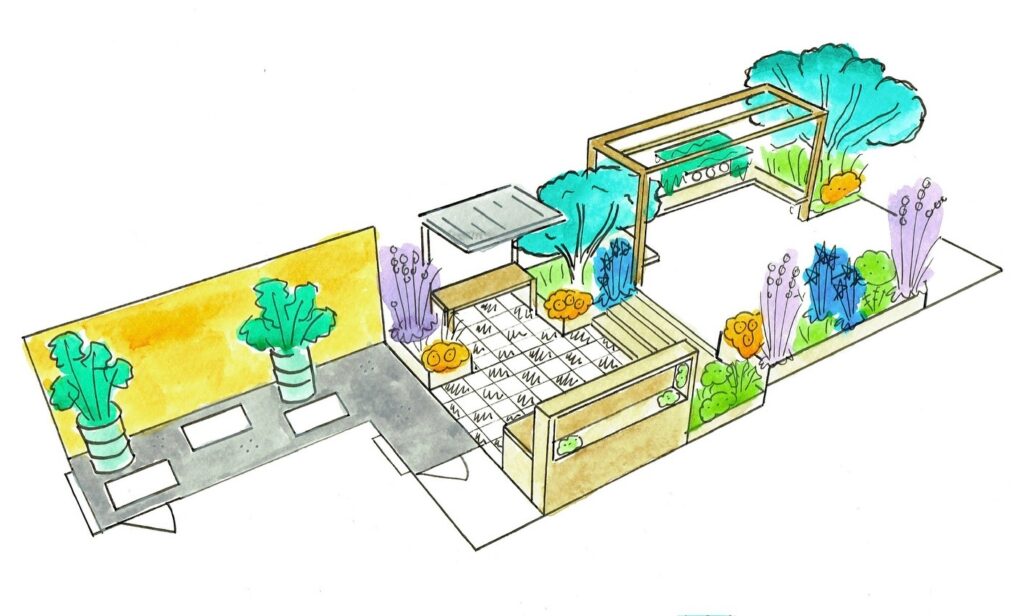
This course is perfect if you’re more hands-on and want specific, ready-to-use design solutions. I walk you through 30 complete garden designs I’ve created, explaining the logic behind each one:
Complete layouts for different garden shapes and sizes
Detailed planting plans with specific plant recommendations
Explanation of design decisions and why they work
Plant lists with quantities for each design
Tips for adapting templates to your specific garden
Solutions for common problem gardens
Each template includes both the design layout and the full planting scheme, so you can see exactly how to create that look in your own space. It’s about learning through real examples rather than just theory.
This course is ideal if: you want practical, ready-to-use designs you can implement immediately, you learn better from examples than theory, or you’re working with a typical small urban garden.
3) Weekend Garden Makeover: Crash Course in Design (£69)
This is the quick-start option if you need to get moving fast. Over five hours, I’ll give you the fundamental knowledge to tackle a garden transformation:
Quick-win design principles you can apply immediately
How to avoid the most common expensive mistakes
Layout basics and where to position key elements
Simple planting strategies that work
Practical tips for new build and blank canvas gardens
It’s condensed, practical, and focused on getting you started with confidence. You won’t become a professional designer in five hours, but you’ll absolutely know enough to avoid the major pitfalls and create something decent.
This course is ideal if: you need to move quickly on a garden project, you’re on a tight budget, or you want to test whether garden design interests you before committing to more comprehensive training.
I genuinely believe online garden design courses are the most cost-effective way to learn properly. Here’s why:
You study at your own pace. Life’s busy. Being able to learn in half-hour chunks when you’ve got time, rather than committing to weekly evening classes, just works better for most people.
No financial risk. At £29 to £199, these courses cost less than a single plant shopping trip that goes wrong. Compare that to multi-thousand-pound classroom courses or degrees.
Unlimited access. You can revisit lessons as many times as you need. Forgotten something six months later? Just go back and refresh. You’re not trying to retain everything from a single class.
Learn by doing. The courses include practical assignments and real examples. You’re applying knowledge to your own garden as you go, which means better retention and immediate value.
Professional guidance. You’re learning from someone who’s been designing gardens professionally for fifteen years and judging Chelsea Flower Show gardens. This isn’t amateur hour.
Lifetime skills. Once you’ve learned garden design principles, you’ve got them forever. It’s not just about your current garden, it’s knowledge you’ll use for decades.
Here’s what I want you to understand after reading all this: garden design is a proper skill that takes time to learn. It’s not something you can just pick up from watching a few YouTube videos or reading blog posts (though my YouTube channel is excellent for specific techniques, obviously).
You wouldn’t expect to watch a few cooking shows and then be able to create restaurant-quality meals. You wouldn’t expect to read a few DIY blogs and then confidently rewire your house. Yet somehow, people expect to be able to design entire gardens with no training or guidance, and then they’re disappointed when it doesn’t work out.
This isn’t about being gatekeeping or saying you can’t do it yourself. You absolutely can, but you need proper guidance to do it well. That’s what the courses provide. That’s what the consultations offer. That’s what professional design delivers.
The worst thing you can do is nothing. Being paralysed by overwhelm and never starting means you’re stuck looking at that boring garden forever. The second worst thing is jumping in without any plan or knowledge and creating an expensive mess you’ll spend years trying to fix.
Quick Reference Guide: Your Options at a Glance
Still weighing up your options? Here’s a simple comparison:
Option
Cost
Best For
Time Required
Full Professional Design
From £1,500
Larger budgets, complex gardens, wanting guaranteed professional results
Designer handles it (4-6 weeks typical)
Hour Consultation
£250
Need expert guidance, specific problem-solving, clear direction for DIY
1 hour call + implementation time
Garden Design for Beginners Course
£199
Complete training, career change, designing multiple gardens, comprehensive skills
20 hours study + implementation
30 Design Templates Course
£99
Ready-made solutions, small gardens, quick implementation
Learn through examples + implementation
Weekend Makeover Course
£29
Tight budget, quick start, testing interest in garden design
5 hours study + implementation
Frequently Asked Questions About Starting Garden Design
How long does it take to design a garden properly?
If you’re doing it yourself with course support, plan on spending at least 20-30 hours on the design phase before implementation. This includes site analysis, learning the principles, creating scale plans, and developing the planting scheme. Rushing this is what leads to expensive mistakes. If you’re using a professional, the design process typically takes 4-6 weeks from initial meeting to final plans.
Can I really learn garden design online, or do I need face-to-face training?
Online garden design training absolutely works and is actually better for most people’s circumstances. You learn at your own pace, can revisit materials as needed, and apply knowledge to your own garden immediately. The only advantage of face-to-face training is direct in-person feedback, but my courses include forum support for that. Thousands of students have successfully completed my online courses and gone on to design beautiful gardens or launch design businesses.
What if I make expensive mistakes even after taking a course?
The entire point of the courses is preventing expensive mistakes by teaching you what to consider before you start spending money. Students consistently tell me the course saved them from mistakes that would have cost far more than the course fee. That said, gardens are living things and some trial and error is normal. The courses teach you how to minimise costly errors and how to adapt when things don’t go exactly to plan.
Do I need to be good at drawing or have creative talent?
Absolutely not. Garden design is more about systematic thinking than artistic talent. Yes, being able to sketch helps, but it’s not essential. Many excellent designers have average drawing skills but brilliant spatial awareness and plant knowledge. The courses teach you techniques for visualising and planning that don’t require art school abilities. If you can use a ruler and follow instructions, you can create garden plans.
What’s the best time of year to start planning a garden design?
Right now. Seriously, whenever you’re reading this. The planning phase doesn’t depend on seasons, and actually winter is brilliant for planning because you can see the garden’s bones without summer growth obscuring everything. By planning now, you’ll be ready to implement when planting season arrives. Waiting for “the right time” is just procrastination dressed up as sensible planning.
Will your courses work for my specific garden type?
The courses cover principles that apply to all gardens, then show specific examples for different situations including small urban gardens, new builds, awkward shapes, shady plots, overlooked gardens, and more. The Garden Design for Beginners course is comprehensive enough to handle any garden type. The 30 Templates course specifically focuses on small gardens, measuring up to approximately 100 square metres. If you’re unsure, book a consultation and I’ll advise which course is best suited to your situation.
Final Thoughts: The Garden You Actually Want Is Closer Than You Think
I began this article by discussing the overwhelming feeling of looking at your garden and having absolutely no idea where to start. I hope by now you realise two things:
First, you’re not alone in feeling that way, and it’s not because you’re useless at gardening. Garden design is genuinely complex, and most people have never been taught how to approach it systematically.
Second, getting unstuck is actually straightforward once you have proper guidance. Whether that’s an hour’s consultation to give you direction, a comprehensive course to teach you the full skillset, or professional design to take it off your hands entirely, there are clear routes forward.
The garden you actually want, the one you’ve been imagining while scrolling through Instagram or watching garden shows, is absolutely achievable. It’s not some magical thing that only naturally talented people can create. It’s the result of following a proper process with good guidance.
Stop researching and start doing. You’ve got the information you need. You know what your options are. The only question left is whether you’re going to take action or stay stuck in analysis paralysis.
Book that consultation. Enrol in that course. Get in touch about design work. Just do something to move forward. Your garden won’t transform itself, but with the right support, you can absolutely transform it.
I’ve been the Garden Ninja for fifteen years now, helping hundreds of people create gardens they love. The ones who succeed aren’t the ones with the most significant budgets or the most plant knowledge. They’re the ones who admit they need guidance, get that guidance from someone who knows what they’re doing, and then actually implement it.
If you’ve got questions about which option suits your situation best, ask in the comments below or get in touch through my forum. I’m here to help, and I promise I don’t bite (despite the ninja reputation).
Now stop reading about garden design and go actually start sorting your garden out. You’ve got this.
Lee Burkhill, known as the Garden Ninja, is an award-winning garden designer and horticulturist with over 30 years of gardening experience and 15 years as a professional garden designer. A qualified RHS (Royal Horticultural Society) professional, Lee specialises in sustainable garden design and practical horticultural advice. He designs and presents on BBC1’s Garden Rescue and in leading gardening publications. Lee combines three decades of hands-on gardening knowledge with professional design qualifications to help gardeners create beautiful, functional outdoor spaces.