The Hori Hori: The Best Japanese Gardening Knife Guide
Lee Burkhill: Award Winning Designer & BBC 1's Garden Rescue Presenters Official Blog
Beginner level
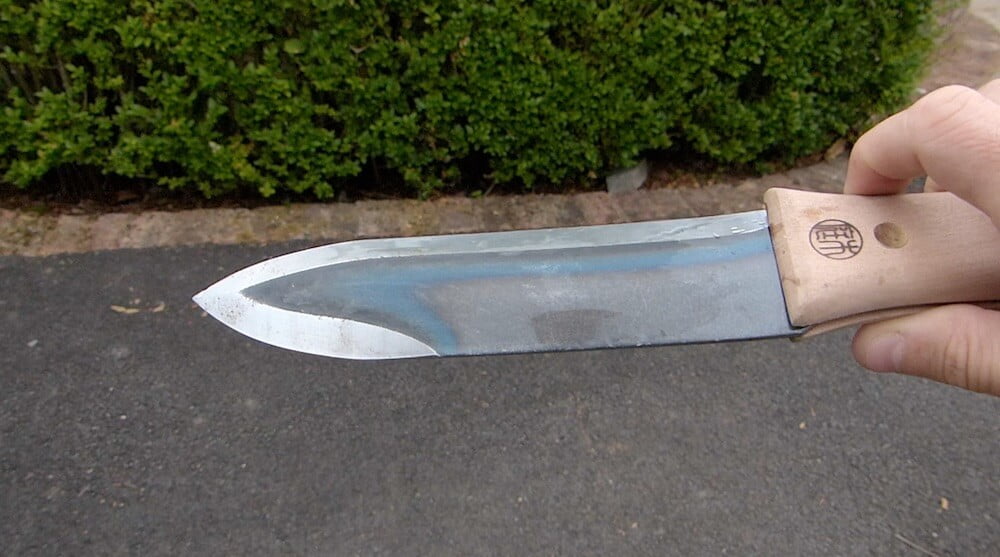
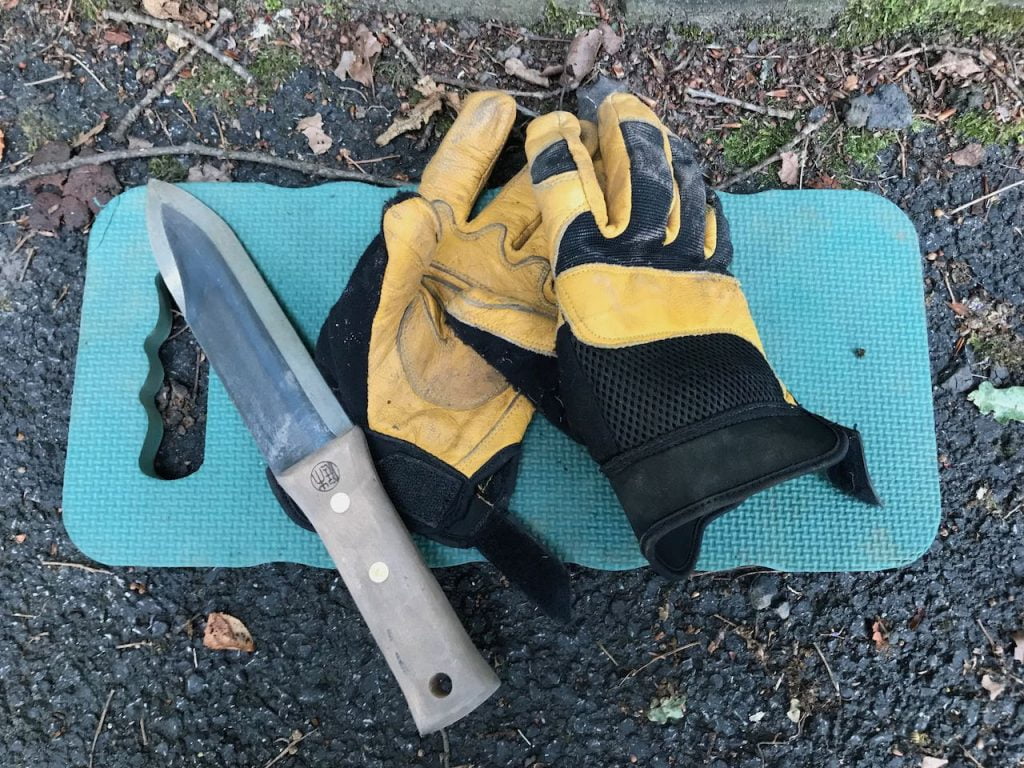
A Hori Hori is a traditional Japanese gardening knife which makes weeding, unearthing roots and cultivating an absolute doddle! You may have seen them but are still unsure if you really need one. I'm about to convince you otherwise! I've been converted as these Hori Hori gardening knives make daily chores an absolute breeze. This handy guide gives you the low down on the Hori Hori.
Now I know what you’re thinking, but you don’t need to be a Samurai to use one or train with a Sensei gardener for years on a remote Japanese island. Once you’ve got the hang of using a hori hori, I guarantee you’ll never look back!
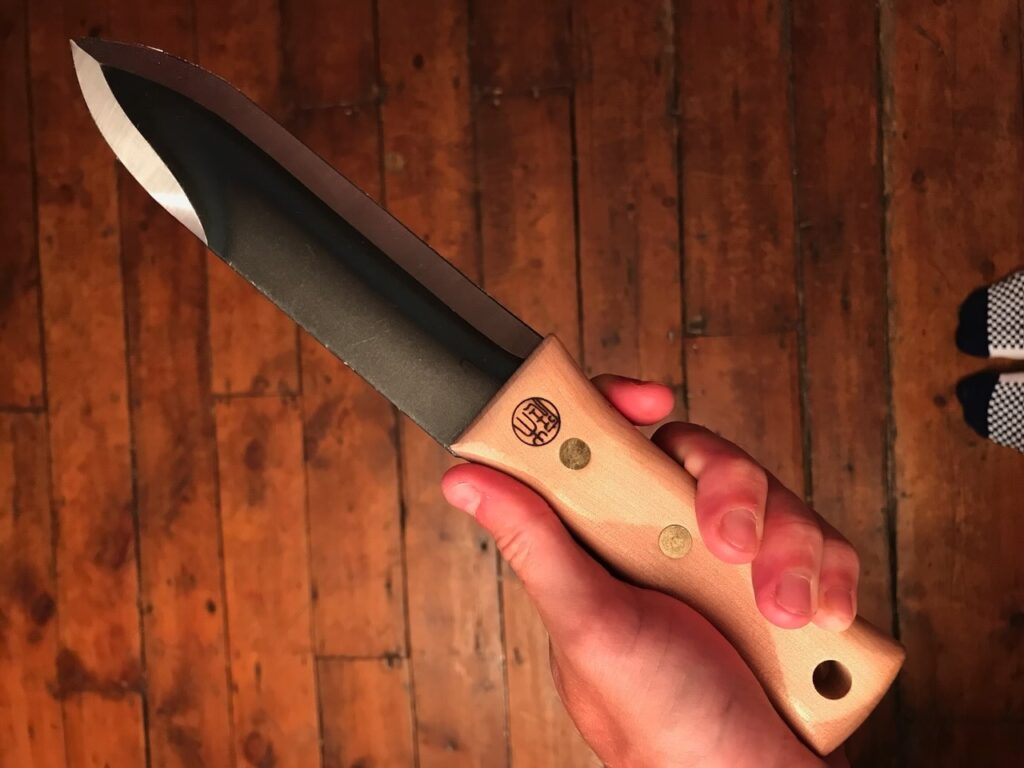
Whilst the Hori Hori gardening knife may look quite brutal, they’re remarkably easy to use. I’ve put together this handy guide to help explain why every gardener should consider using a Hori Hori!
Quick Answer: What Is a Hori Hori?
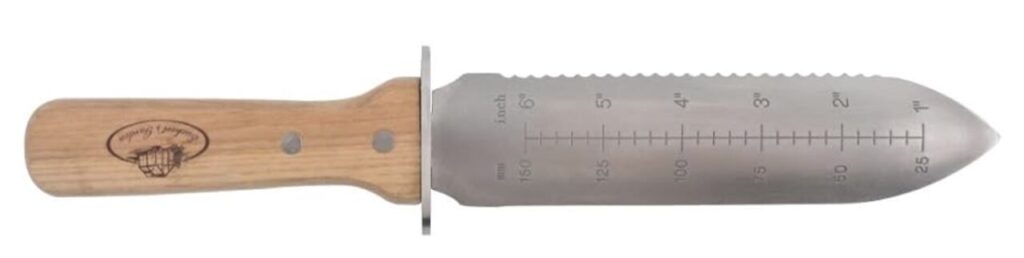
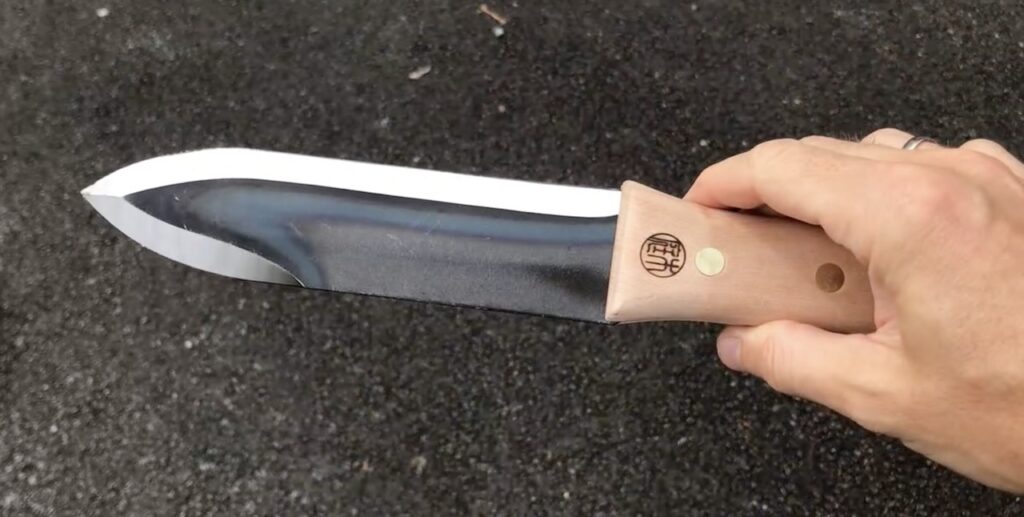
A hori hori is a Japanese gardening knife with a curved blade, one sharp edge, and one serrated edge that makes weeding, planting, and digging an absolute doddle. Gardeners love them because they replace at least three other tools (trowel, weeder, and knife) whilst being sharp enough to slice through roots and tough weeds without creating massive craters in your borders. If you do any regular weeding, grow your own veg, or maintain flower beds, a hori hori will quickly become the most used tool in your arsenal.
This page contains affiliate links for products I use and love. If you take action (i.e. subscribe, make a purchase) after clicking a link, I may earn some gardening commission, which helps me keep the Garden Ninja Blog free for all.
1. What does Hori Hori Mean?
The Hori Hori comes from the term ‘to dig’ in Japanese, and that is something that a Hori Hori does very effectively! They are used for various gardening tasks, from weeding to precision excavation.
Often, hori hori ホリホリ is referred to as ‘dig dig’ when translated.
2. History of the Hori Hori Knife
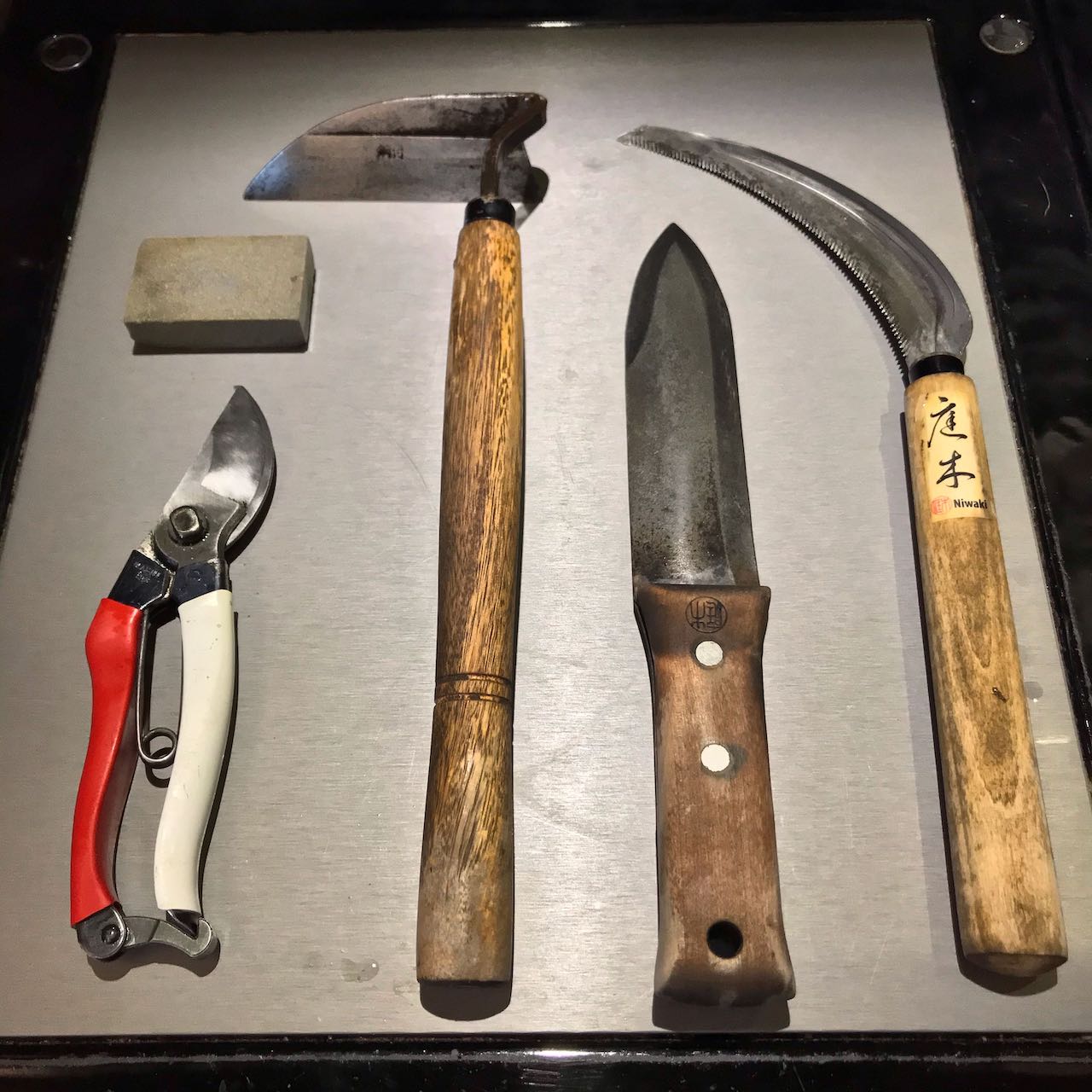
The hori hori, also known as a Japanese soil knife or digging knife, has a rich history rooted in Japanese gardening traditions. The tool was originally developed in Japan for gardeners and farmers to perform various tasks in the garden, from digging and planting to weeding and cutting.
The design of the hori hori is believed to have originated from a traditional Japanese tool called the “ne hori,” which was used for digging narrow trenches in soil and planting rice seedlings. Over time, the design evolved to incorporate a wider blade with a serrated edge on one side, making it more versatile for gardening tasks.
The hori hori gained popularity in Japan for its practicality and effectiveness in the garden. Its sharp blade, pointed tip, and sturdy construction made it ideal for cutting through soil, roots, and tough weeds, while its concave shape allowed for easy scooping and digging.
In recent years, the hori hori has gained international recognition and popularity among gardeners around the world. Its versatility, durability, and ergonomic design make it a valuable tool for both professional landscapers and home gardeners. Today, the hori hori remains an essential part of Japanese gardening heritage and continues to be used and appreciated by gardeners worldwide.
3. Hori Hori vs Traditional Trowel
I spent pretty much all of my gardening years using traditional trowels before I discovered the hori hori some 10 years ago, and I genuinely wish someone had sat me down earlier and explained the difference.
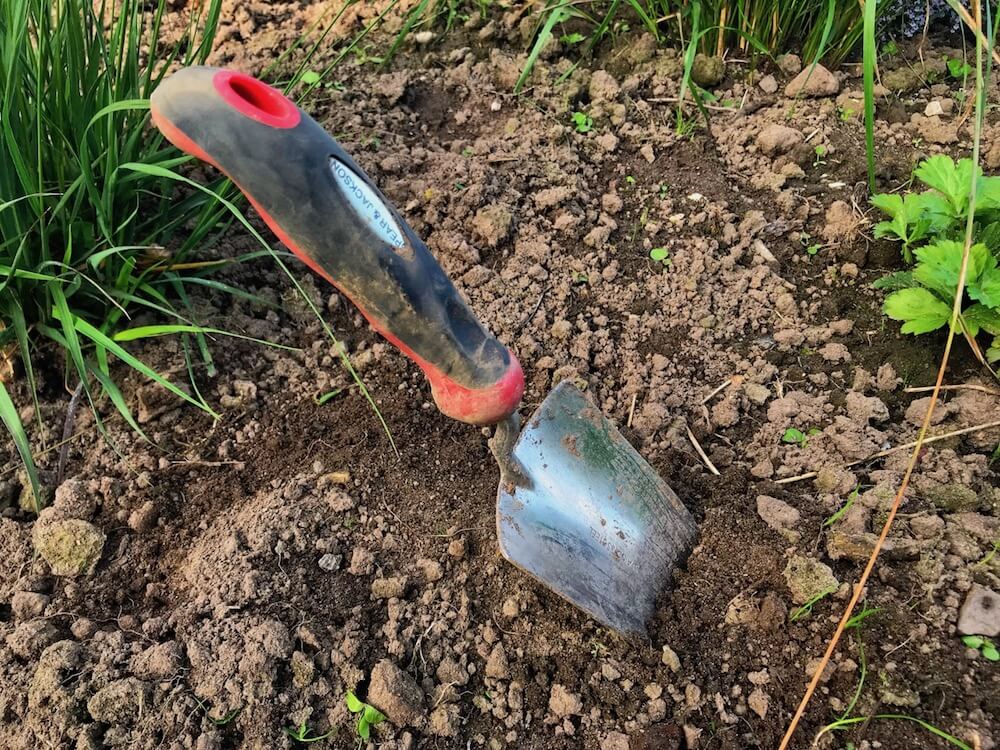
Traditional trowels have that curved scoop shape, which seems brilliant for digging out weeds, doesn’t it? Except here’s what actually happens. Every time you dig out a weed, you’re bringing up half your mulch with it.
That lovely bark chip layer you spent ages spreading? It’s now scattered across your border like confetti at a wedding. The hori hori’s flat blade slips down alongside the weed root, loosening the soil without creating a crater or disturbing your mulch layer.
For weeding anything with a taproot (dandelions, docks, those absolute nightmare deep rooted thugs), a trowel is about as useful as a chocolate teapot. The curved blade can’t get deep enough alongside the root, so you end up snapping it off halfway down. Then you’re back three weeks later doing the same job again. The hori hori’s long, narrow blade slides right down next to even the deepest taproot, and that sharp edge cuts through any side roots. One twist, one pull, and Bob’s your uncle. The whole thing comes out, root and all.
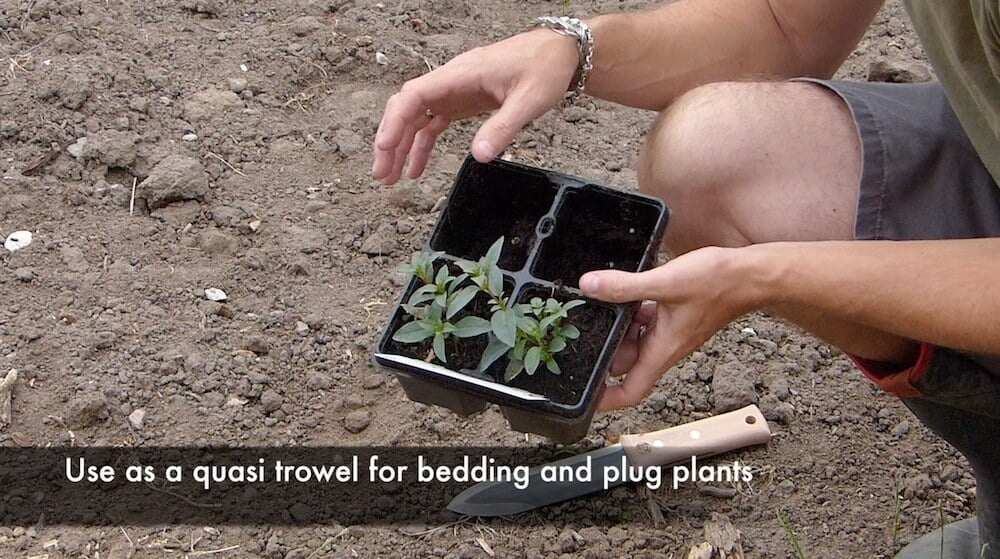
Now, trowels do have one advantage. If you’re planting loads of bedding plants or potting up in the greenhouse, that scoop is handy for moving compost about. But here’s the secret: the hori hori’s concave blade does exactly the same job, just with a slightly different technique.
The other massive advantage? Trowels can’t cut anything. You need your secateurs for roots, your knife for twine, and your saw for woody stems. The hori hori handles all of that. Less tool switching means more actual gardening and less time trudging back and forth to your tool bucket.
4. How to use a Hori Hori
There are multiple uses for a Hori Hori, which is why they are so popular. They are a super versatile garden tool, and I use mine all the time. In fact, I wouldn’t garden without a Hori Hori!
The hori hori is a gardening hand tool that enables you to dig, cut, move and extract from the ground in really swift and efficient movements. It’s a lightweight knife that you can carry with you in the garden on a holster or in your gardening bucket. The hori hori requires very little maintenance other than a clean and the occasional sharpening.
The main uses for a Japanese gardening hori hori are:
Weeding
Digging
Excavating
Planting
5. Weeding with a Hori Hori
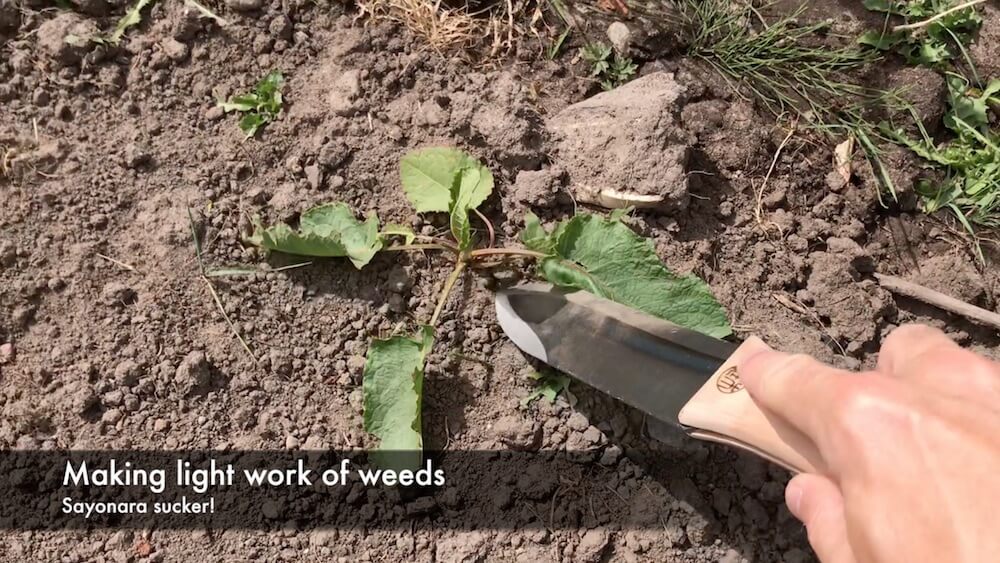
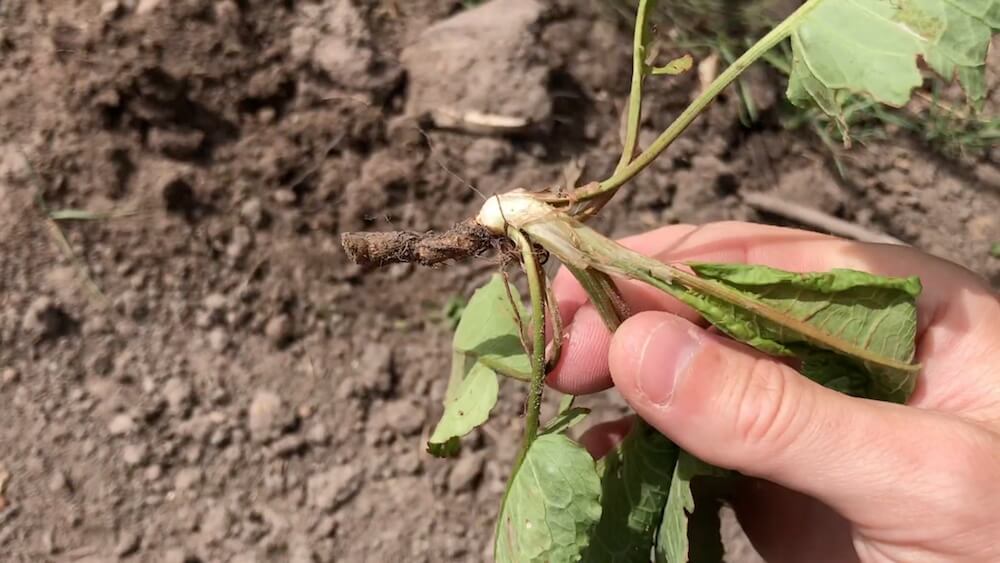
Weeding with the Hori Hori couldn’t be simpler. I don’t know about you, but I used to use those fiddly, long, thin weeders, which often missed the root completely. The Hori Hori allows you to quickly and cleanly dig up weeds with minimal effort even removing the root at the same time.
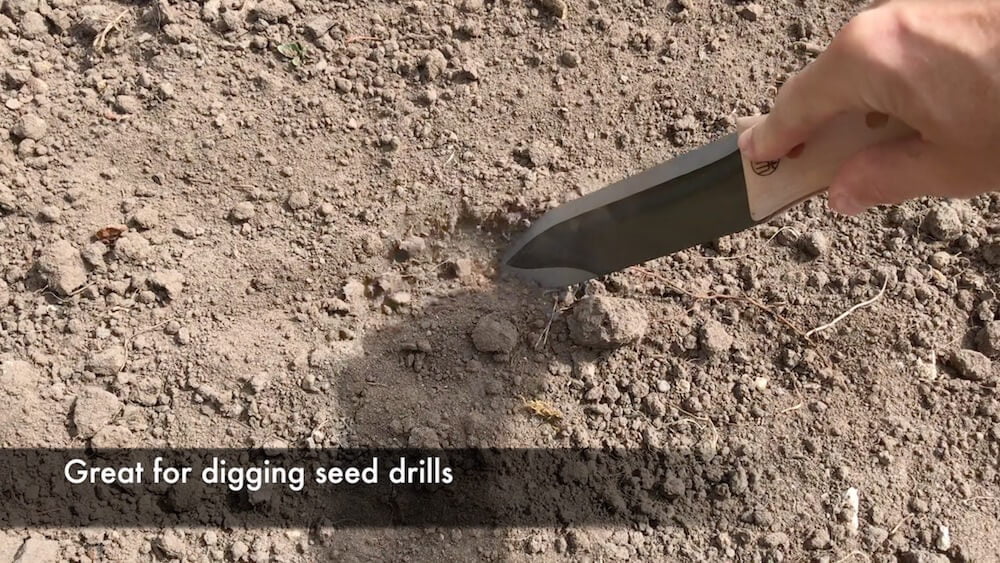
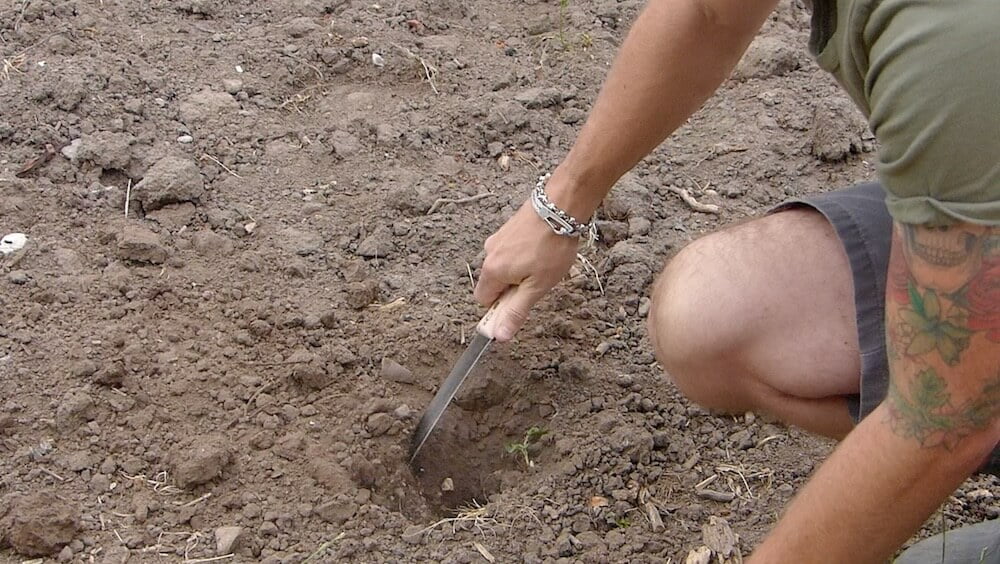
For anyone who grows their own, digging drills is a preferred method for sowing lettuce, peas or root crops. With the Hori Hori, you can use the sharp edge to drag out neat drills in cultivated soil. The blade is concave, meaning that it can help excavate a clean drill into the soil, saving time and effort!
7. Excavating troublesome roots
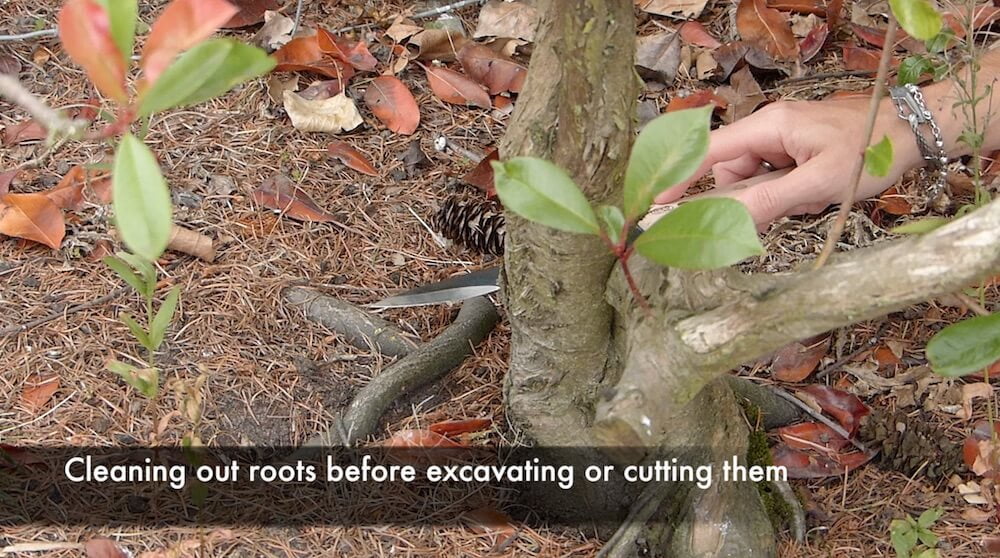
A neat trick of the Japanese gardening knife is to quickly and carefully excavate soil from around roots or other structures. You can do this really precisely and with far more care than a trowel or spade. Then once you’ve cleaned around the roots you can use a knife or hacksaw to cut out the offending root!
It means you don’t have to keep switching from tool to tool either! Great for 9cm plants, spring bulbs, plug plants or home-propagated seedlings!
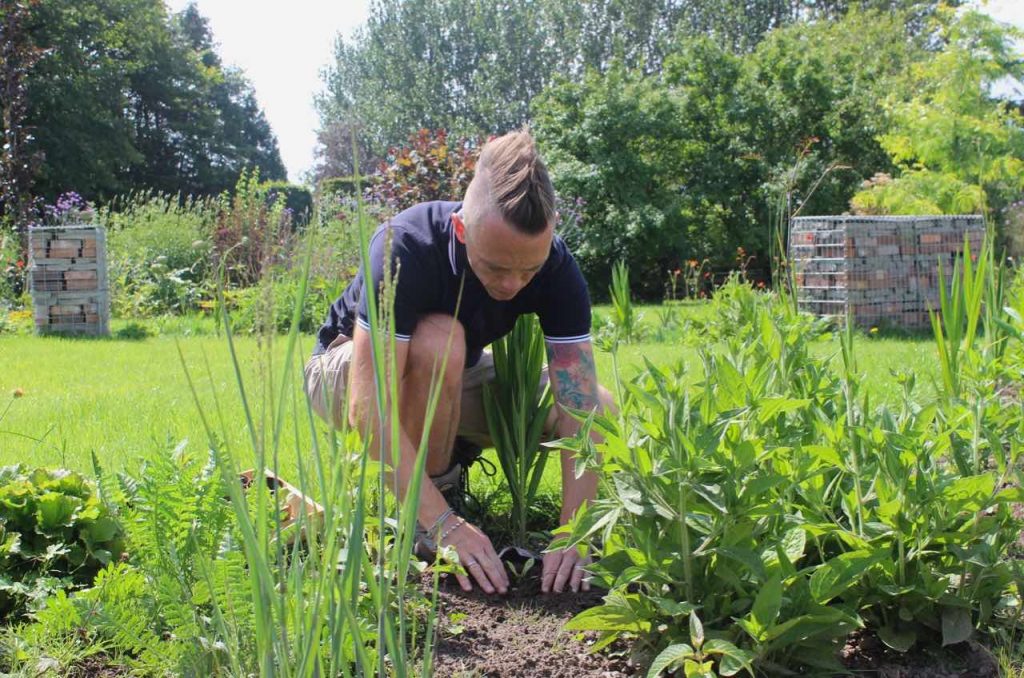
Simply dig using the hori hori to create a hole big enough for either the bulb or the plug plant. Pop it in, backfill and then water the plant. Simple!
9. How to clean a Hori Hori
Right, my earlier maintenance advice was a bit basic, so let me give you the full monty. A well maintained hori hori will outlive you, so it’s worth getting this right. Yes, you can rinse it, but it will quickly rust or start to look pretty unkempt!
Daily Cleaning (Takes 30 Seconds)
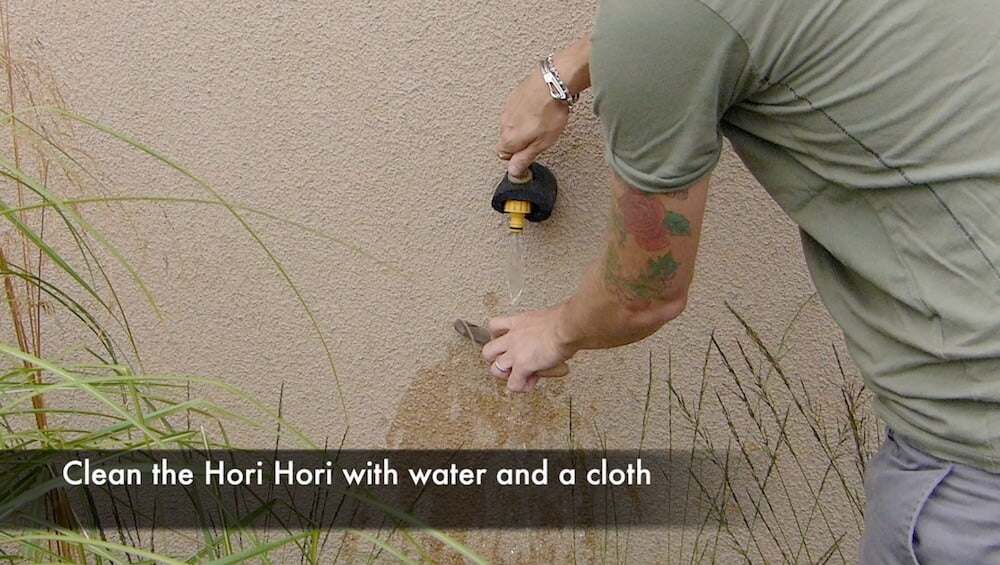
After each use, knock off the worst of the soil by tapping the blade against your boot or the side of your bucket. Then give it a quick wipe with a cloth. That’s honestly it for daily maintenance. Don’t overthink this bit.
Deep Cleaning (Once a Month or When Filthy)
Fill a bucket with water and give the blade a proper scrub with a stiff brush. For carbon steel, dry it immediately and thoroughly. For stainless steel, you can be a bit more relaxed about it. If you’ve been cutting through something particularly sticky or resinous, a drop of washing-up liquid helps shift it.
Sharpening (When You Notice It’s Struggling)
You’ll know when your hori hori needs sharpening because weeding becomes harder work. For the smooth edge, use a whetstone or diamond sharpening stone at about a 20 degree angle. Five or six strokes on each side should do it.
For serrated edges, you need a diamond sharpening rod that fits between the teeth. The Truly Garden model comes with one, which is brilliant. Otherwise, you can pick up a small diameter diamond rod for about a tenner. Just run it through each serration a few times.
If sharpening feels like too much faff, any decent garden centre or tool shop will do it for a few quid. I get mine done professionally once a year, then do touch ups myself in between.
Rust Prevention (Carbon Steel Only)
This is where carbon steel needs proper attention. After cleaning and drying, apply a thin coat of camellia oil, mineral oil, or even WD40 in a pinch. Just a few drops on a cloth, rub it over the whole blade, and you’re done. Do this every few weeks if you’re using it regularly.
If you do get surface rust (and you will eventually with carbon steel), don’t panic. Fine steel wool or a rust eraser will shift it in minutes. It’s not the end of the world, just part of owning carbon steel tools.
Storage
Always store your hori hori in its sheath. This protects both the blade and you from nasty accidents. Keep it somewhere dry. I hang mine on a hook in the shed, but a toolbox works just as well.
The leather sheaths that come with some models will stiffen up over time. A bit of leather conditioner sorts this out nicely, and makes it much easier to get the knife in and out.
The Big Don’t
Never, ever use your hori hori as a hammer or pry bar. I’ve seen people try to lever up paving slabs with them. That’s not what they’re for, and you’ll bend or snap the blade. If you need to hammer something, use an actual hammer. If you need leverage, use a proper pry bar. Your hori hori is a cutting and digging tool, not a crowbar.
Treat it right, and it’ll be the last weeding tool you ever buy.
If it does need some TLC using some Camellia oil and cloth can help, rubbing a small amount across the blade to protect it and prevent any rusting. The Hori Hori can also be sharpened with a tool file which helps keep it sharp to slice through those obstacles.
Keeping your gardening tools clean and sharp will ensure they last a lifetime and it’s good practice to ensure they are ready to use the next time you need them.
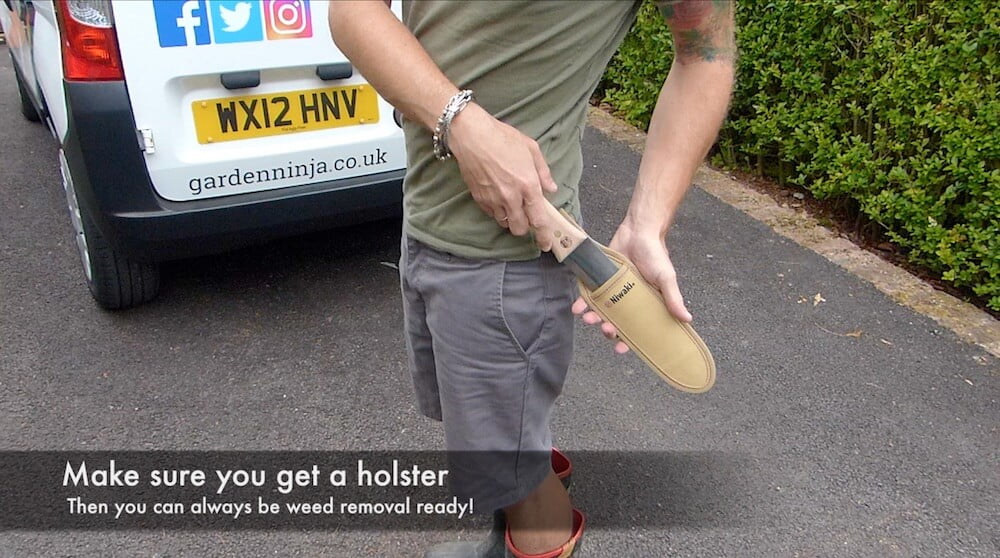
10. Using a Hori Hori Holster
You don’t want to be walking about wielding a knife when gardening, not only may it scare the neighbours but it’s much safer to use a holster. I’d highly recommend a garden holster to enable you to safely stow the blade until you need it.
It means you can have it with you for when you need it, but it keeps both hands free for other gardening-related activities! The holster certainly gives you a John Wayne / Kill Bill-style feel when in the garden!
11. What’s the best hori hori?
Choosing a hori hori is relatively simple, though you’ll be met by hundreds when looking online. It seems like many manufacturers have jumped on the bandwagon. But there are a few considerations.
Feature
What to Choose
Why It Matters
Blade Material
Carbon steel or stainless steel
Stainless steel won’t rust (best for UK weather). Carbon steel holds a sharper edge but needs maintenance
Edge Type
At least one smooth edge (ideally both smooth and serrated)
Two serrated edges get stuck on roots and are harder to sharpen. You need that smooth edge for clean cuts
Handle Material
Wooden handle
Warmer in your hand, softer to grip, and just feels nicer than cold metal, especially in winter
Blade Length
17cm (full size)
Half sized models (around 10cm) are pretty useless. You need proper length to get down to those deep roots
Weight
250 to 300 grams
Too light usually means thin, flimsy steel that’ll bend. You need some heft for serious digging
Sharpenable
Must work with a sharpening stone
This is why you want at least one smooth edge. A tool you can’t sharpen is a tool with a limited lifespan
My Top Hori Hori Recommendations for UK Gardeners
After years of using these things professionally and testing different models, here are my honest recommendations for UK gardeners. I’ve actually used all of these, not just read the marketing blurb.
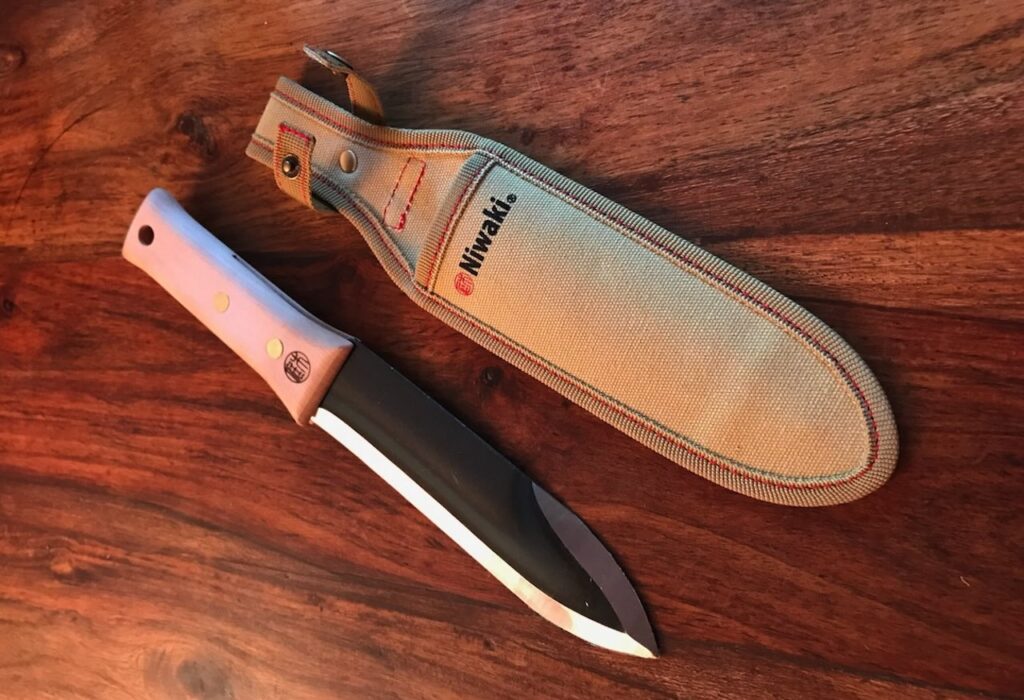
Best Overall: Niwaki Hori Hori Pro
This is the one I reach for most often. Made from SK5 carbon steel by third-generation craftsmen in Japan, it’s sharper than anything else I’ve tested. The beech handle fits perfectly in your hand for hours of work, and the canvas sheath that comes with it is properly tough.
The downside? It’s carbon steel, so you need to maintain it. I give mine a wipe with camellia oil every few weeks, and it develops this beautiful patina over time. If you can’t be bothered with maintenance, skip this one. But if you want the absolute best performing hori hori and don’t mind looking after it, this is the business. Expect to pay around £40 to £50.
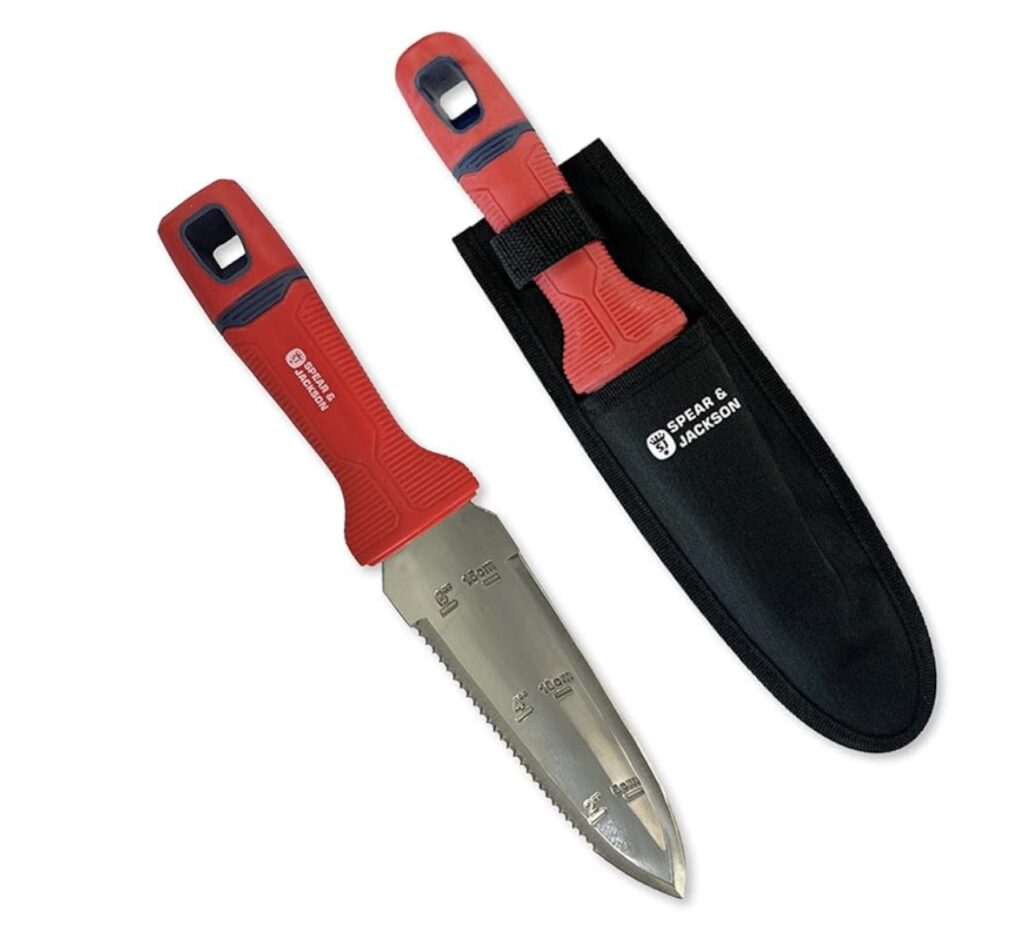
This is what I recommend to my course students and friends who are just getting started. It’s stainless steel, so it won’t rust even if you treat it like rubbish (though please don’t). It’s a tool you can test the waters with, and it’s pretty indestructible. I even put it in the dishwasher by accident a few years back, and it came out as new due to the plastic handle!
The blade is 6 inches long with proper depth markings, and it comes with both a smooth and serrated edge. It has plastic handles thats bright red, so easy to find when you put it down!
Look, sometimes you just want to try before you invest serious money, and there’s nothing wrong with that. This thin wooden-handled model won’t last as long as traditional Japanese models, as its overall build quality is lower. But for around £12, it’ll give you a proper feel for whether a hori hori suits your gardening style.
The blade is thinner than premium models, so don’t expect it to handle really heavy clay soil or serious root cutting. But for raised beds, containers, and general light to medium work, it’s an absolute bargain. Think of it as your gateway hori hori. Available on Amazon UK here.
12. Carbon Steel vs Stainless Steel: Which is Right for You?
Now this is where it gets interesting, and I’ve changed my tune a bit since I first started using hori horis. When I began, I was convinced carbon steel was the only way to go. It’s what the traditional Japanese models use, it holds an edge brilliantly, and there’s something rather satisfying about maintaining a proper carbon steel blade.
But here’s the thing. We live in Manchester, not Kyoto. Our weather is absolutely sodding wet for most of the year, and unless you’re religious about cleaning and oiling your tools after every single use (and let’s be honest, who actually is?), carbon steel can become a rusty nightmare pretty quickly.
These days, I actually recommend stainless steel for most UK gardeners, particularly beginners. Yes, it’s slightly softer than carbon steel, which means you’ll need to sharpen it a touch more often. But the trade off is absolutely worth it. You can leave it in your bucket overnight, use it in the rain, and it’ll still be gleaming the next morning. For the average gardener who wants a tool that just works without constant faffing about, stainless steel is your friend.
Carbon steel is brilliant if you’re the type who loves maintaining tools, doesn’t mind a bit of surface rust, and wants the absolute sharpest edge possible. It’s what I use in my professional work because I’m out there every day and the maintenance has become second nature. But for your typical weekend warrior? Stainless steel all the way.
The good news is both will last absolutely ages if you treat them right. I’ve got a stainless steel hori hori that’s seven years old and still going strong, and a carbon steel one that’s seen more action than a Hollywood stuntman and refuses to quit. Pick what suits your gardening style, not what some tool purist tells you is “proper.”
13. Benefits & Drawbacks of Hori Hori
Whilst I’m a total Hori Hori convert and use mine all the time in the garden here at Garden Ninaj HQ they are not for everyone. So let’s take a close look at the benefits and drawbacks of using a hori hori in the garden:
Why Hori Horis Are Brilliant
It replaces about three other tools. Seriously, you can dig, plant, weed, cut twine, saw through roots, and measure planting depths all with one tool. Your tool bucket will thank you.
Built to last decades. A decent stainless steel or carbon steel hori hori will outlive most of your other garden tools. I’ve got one that’s seven years old and still going strong.
Sharp enough to actually work. Unlike a trowel that just pushes soil around, a hori hori slices through soil, roots, and weeds like a hot knife through butter.
Comfortable for long sessions. A good wooden handle fits naturally in your hand and doesn’t cause blisters, even after hours of work.
The Downsides (Yes, There Are Some)
It’s a sharp blade, so you need to be careful. This isn’t a toy. Always use the sheath when you’re not actively using it, and don’t walk around with it unsheathed. Common sense, really.
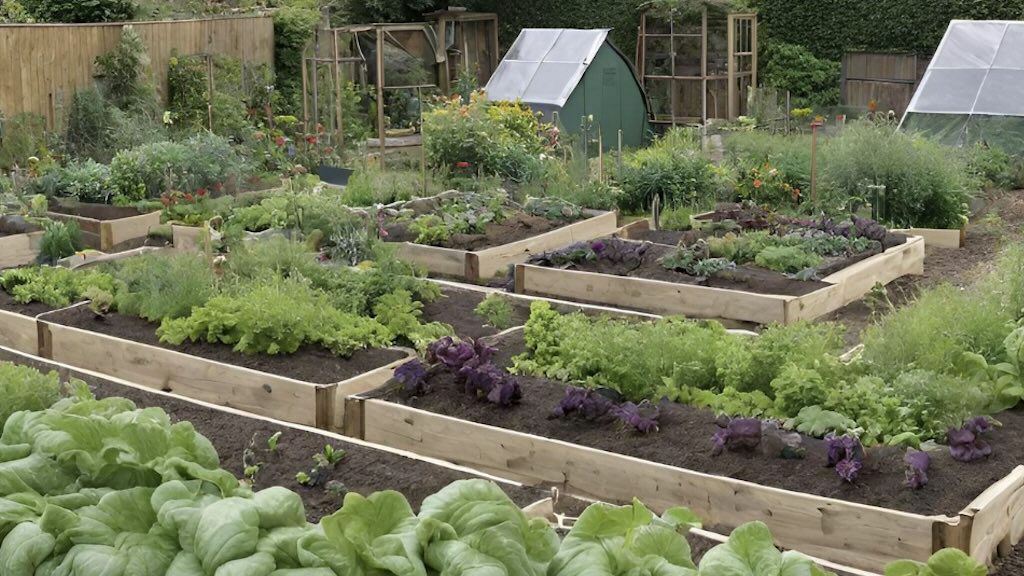
Not ideal for massive areas. If you’re weeding an entire football pitch, you’ll want a long-handled hoe. The hori hori is brilliant for precision work, borders, and raised beds, but it’s a hand tool.
Needs some maintenance. You can’t just chuck it in a shed and forget about it. Clean it after use, sharpen it occasionally, and oil it if it’s carbon steel. Five minutes of care will give you decades of service.
Costs more than a basic trowel. Expect to pay £20 to £50, depending on quality. But here’s the thing: a £3 trowel will snap within a year. A proper hori hori is a one-time investment.
If you garden regularly, do any amount of weeding, or grow your own veg, a hori hori will change your life. If you only potter about once a month with a few pots, maybe stick with basic tools. But for proper gardeners, it’s an absolute weapon.
14. Legal Stuff: Carrying Bladed Tools in the UK
Now, this might seem like boring admin, but it’s actually quite important. Under the Prevention of Crime Act 1953, carrying a bladed tool in public without good reason is an offence. And yes, your hori hori counts as a bladed tool.
The good news is that using it for gardening absolutely counts as a reasonable excuse. But you do need to be sensible about how you transport it.
Keep it concealed and sheathed. Don’t walk down the high street with it hanging off your belt like you’re auditioning for a samurai film. Keep it in a bag or toolbox when you’re travelling to and from gardens or allotments.
Don’t leave it visible in your car. Stick it in the boot, not on the passenger seat. You don’t want to give anyone the wrong idea, and you definitely don’t want to attract thieves.
At the allotment or garden, you’re fine. Once you’re actually gardening, wearing it on your belt in the holster is absolutely sound. That’s what it’s designed for.
Travelling on public transport? Make sure it’s well wrapped and in a bag. If anyone asks, explain you’re travelling to or from gardening work. Common sense, really.
I’ve never had any issues in fifteen years of using these tools professionally, because I treat them like the sharp implements they are. Don’t be daft, don’t brandish them about, and you’ll be absolutely fine.
15. FAQ: Everything Else You Need to Know
Can I use a hori hori for vegetable gardening?
Absolutely. It’s brilliant for making seed drills, harvesting root vegetables without damaging them, and cutting salad leaves. I use mine constantly in the veg patch.
Will it work in really heavy clay?
Yes, but you need a robust model. The Garrett Wade or Niwaki Pro can handle clay. Cheaper, thinner blades might struggle or bend.
Can I take it camping?
Many people do. It’s great for digging tent pegs, preparing kindling, and general camp tasks. Just remember it’s primarily a gardening tool, not a survival knife.
What if I have arthritis or weak wrists?
Look for lightweight models with ergonomic handles. The Nisaku with its shaped handle is good for this. Some people find the hori hori easier than traditional tools because it requires less twisting force.
Do I really need the serrated edge?
I think so, yes. The smooth edge is brilliant, but that serrated edge earns its keep when you’re cutting through tough roots or woody stems. Get both edges.
How do I know what length to buy?
Most are around 17cm blade length, which suits most people. If you have particularly large or small hands, you might want to try before you buy. Too short and you can’t get deep enough. Too long and it becomes unwieldy.
Can I use it for edging lawns?
In a pinch, yes, but it’s not ideal. A proper half-moon edger will do a better job for serious edging work. The hori hori is more for precision work, or you could just fit steel lawn edging like my guide below and never have to edge a lawn again!!!
16. Troubleshooting Common Hori Hori Problems
“My hori hori is going rusty!”
If it’s carbon steel, a bit of surface rust is normal. Clean it off with steel wool, dry thoroughly, and oil it. If it’s stainless steel and rusting, it’s probably not actually stainless steel, or you’ve got it stored somewhere really damp. Move it somewhere dry and it should be fine.
“The blade has gone dull”
Time to sharpen it. See the maintenance section above. This is normal wear and tear, not a fault. Even the best blades need sharpening eventually.
“The handle is coming loose”
This shouldn’t happen with a decent hori hori, but cheaper models sometimes have this issue. If the handle is wooden and just needs tightening, some epoxy resin can sort it. If it’s properly knackered, it might be time for an upgrade to a better quality model.
“It’s bending when I use it in clay soil”
You’re either using it wrong (don’t yank it back hard, use a slicing motion), or you’ve bought a cheap one with thin steel. Heavy clay needs a properly robust blade. Consider upgrading to something like the Garrett Wade or Niwaki Pro.
“I’ve lost it in the garden”
Join the club. This is why I like the ones with bright coloured handles. Have a proper hunt through your borders. They usually turn up eventually, often exactly where you left them three weeks ago.
“It won’t fit back in the sheath”
New leather sheaths are often quite stiff. Work some leather conditioner into it and give it time to break in. If it’s a plastic or canvas sheath, check you’re putting it in the right way round. Some are surprisingly finicky about orientation.
Learn Garden Design Online
Hori Horis are fab for practical gardening, but what if we want you to turn your garden design skills up a notch or two as well?
If you want to really get to grips with garden design and create an amazing garden, my Garden Design for Beginners online course covers everything from surveying, design layouts, planning beds, to plant selection.
Prices start from £29, and I’ll show you exactly how to design gardens that are both gorgeous and productive, just like the award-winning designs I create on BBC Garden Rescue. You can find out more about my online garden design courses here.
29
Garden Design Examples for Small Gardens: 30 Design Templates & Planting Plans
Garden Design Examples for Small Gardens: 30 Design Templates & Planting Plans: In this online gardening course, I’ll walk you through 30 fantastic garden designs, explaining the logic behind the layout, the plant choices, and take-home tips for applying them in your own garden.
Weekend Garden Makeover: A Crash Course in Design for Beginners
Learn how to transform and design your own garden with Lee Burkhills crash course in garden design. Over 5 hours Lee will teach you how to design your own dream garden. Featuring practical design examples, planting ideas and video guides. Learn how to design your garden in one weekend!
Garden Design for Beginners: Create Your Dream Garden in Just 4 Weeks
Garden Design for Beginners Online Course: If you want to make the career jump to becoming a garden designer or to learn how to design your own garden, this is the beginner course for you. Join me, Lee Burkhill, an award-winning garden designer, as I train you in the art of beautiful garden design.
All in all, the Hori Hori can save you lots of time and effort if used correctly. Having it holstered on you in the garden means you’re always prepared for pesky weeds or minor tweaks to your flower beds. It can be used for a number of functions, from weeding and digging to root cutting, without the need for multiple tools. If cleaned and cared for, it should last a lifetime.
Don’t worry that it looks lethal; with all tools, if used correctly, it will become your best friend. I’ve even known people to use them to open tins of paint, and beer bottles, and loosen root-bound plants from pots. What a multitool!
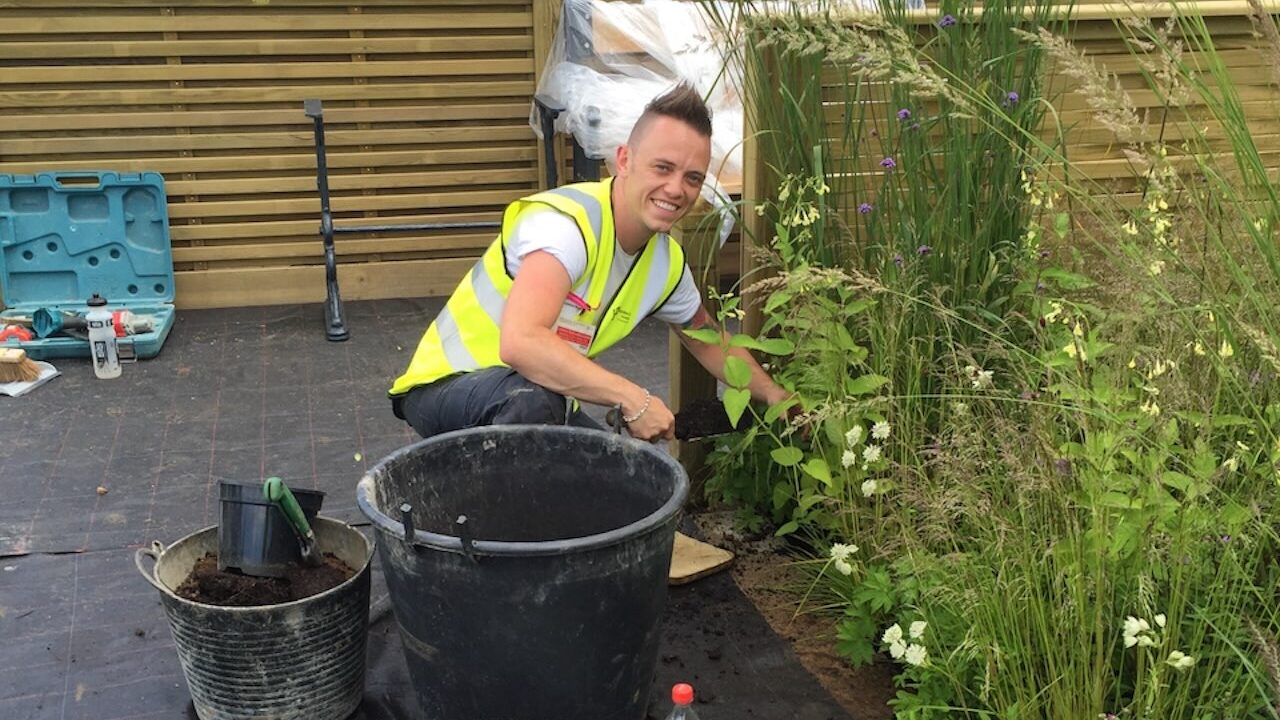
Lee Burkhill, known as the Garden Ninja, is an award-winning garden designer and horticulturist with over 30 years of gardening experience and 15 years as a professional garden designer. A qualified RHS (Royal Horticultural Society) professional, Lee specialises in sustainable garden design and practical horticultural advice. He designs and presents on BBC1’s Garden Rescue and in leading gardening publications. Lee combines three decades of hands-on gardening knowledge with professional design qualifications to help gardeners create beautiful, functional outdoor spaces.
Hiya,,
Yes, I think I definitely need one of these (and not just for my zombie apocalypse arsenal). Looks like a handy item as we have a large garden and often find ourselves trudging to the other end of the garden to get another tool to get rid of that giant weed that suddenly appeared, or poke in a self-seeded plant in a more appropriate place.
They don’t seem to be very common here; any suggestions on suppliers? I would ask my peoples who go to Japan on occasion, but I don’t see that happening for a long while!
Hi Lisa, I purchased a Hori Hori from the ‘Orange’ big box home improvement store a few years ago and have loved it! I have now them for my 3 adult gardening daughters! I hope you have found one but now. ?


















Hiya,,
Yes, I think I definitely need one of these (and not just for my zombie apocalypse arsenal). Looks like a handy item as we have a large garden and often find ourselves trudging to the other end of the garden to get another tool to get rid of that giant weed that suddenly appeared, or poke in a self-seeded plant in a more appropriate place.
They don’t seem to be very common here; any suggestions on suppliers? I would ask my peoples who go to Japan on occasion, but I don’t see that happening for a long while!
Hi Lisa, I purchased a Hori Hori from the ‘Orange’ big box home improvement store a few years ago and have loved it! I have now them for my 3 adult gardening daughters! I hope you have found one but now. ?