How to Tell When Your Garden Needs Watering: The Finger Test Method
Lee Burkhill: Award Winning Designer & BBC 1's Garden Rescue Presenters Official Blog
Beginner level
Knowing how and when to water your plants both indoor and outdoors can be a stumbling block for new gardeners. My guide is going to show you how to use your finger to be able to test any plant and work out if it needs water or not. Because believe it or not overwatering can be just as damaging as underwatering! Let me, Lee Burkhill, show you why!
After years of designing gardens and helping clients troubleshoot plant problems, I can tell you that watering confusion kills more plants than pests, diseases and poor soil combined. People either drown their plants with love or let them shrivel from neglect, and neither works particularly well.
The answer: Push your finger one inch (2.5cm) into the soil near your plant. If the soil feels dry, water deeply until moisture penetrates 15-20cm down. If it still feels moist, wait another day and test again. Most UK gardens need watering once weekly in cool weather and twice weekly during hot spells, but the finger test is your most reliable guide.
Let me show you how to stop guessing and start actually knowing when your garden needs water.
Why the Finger Test Works When Everything Else Fails
I’ve watched gardeners struggle with elaborate moisture meters, follow rigid watering schedules that ignore actual weather conditions, and use frankly bizarre methods involving the weight of pots and the colour of leaves. The finger test beats all of them because it’s immediate, free, and tells you exactly what’s happening where it matters most at the root level.
Here’s what you’re actually checking: plant roots need both moisture and oxygen. Soil that’s too wet fills all the air spaces and suffocates roots. Soil that’s too dry stresses plants and prevents nutrient uptake. Your finger can feel the difference between appropriately moist soil (cool, slightly damp, holds together when squeezed) and problem soil (either dripping wet or dusty dry).
How to Do the Finger Test Properly
This sounds almost too simple, but there’s a right way and a wrong way to check soil moisture.
Step 1: Choose your testing spot carefully. Push your finger into the soil about 5cm away from the plant stem, not right against it. You want to check where the feeding roots are, not where the main stem sits.
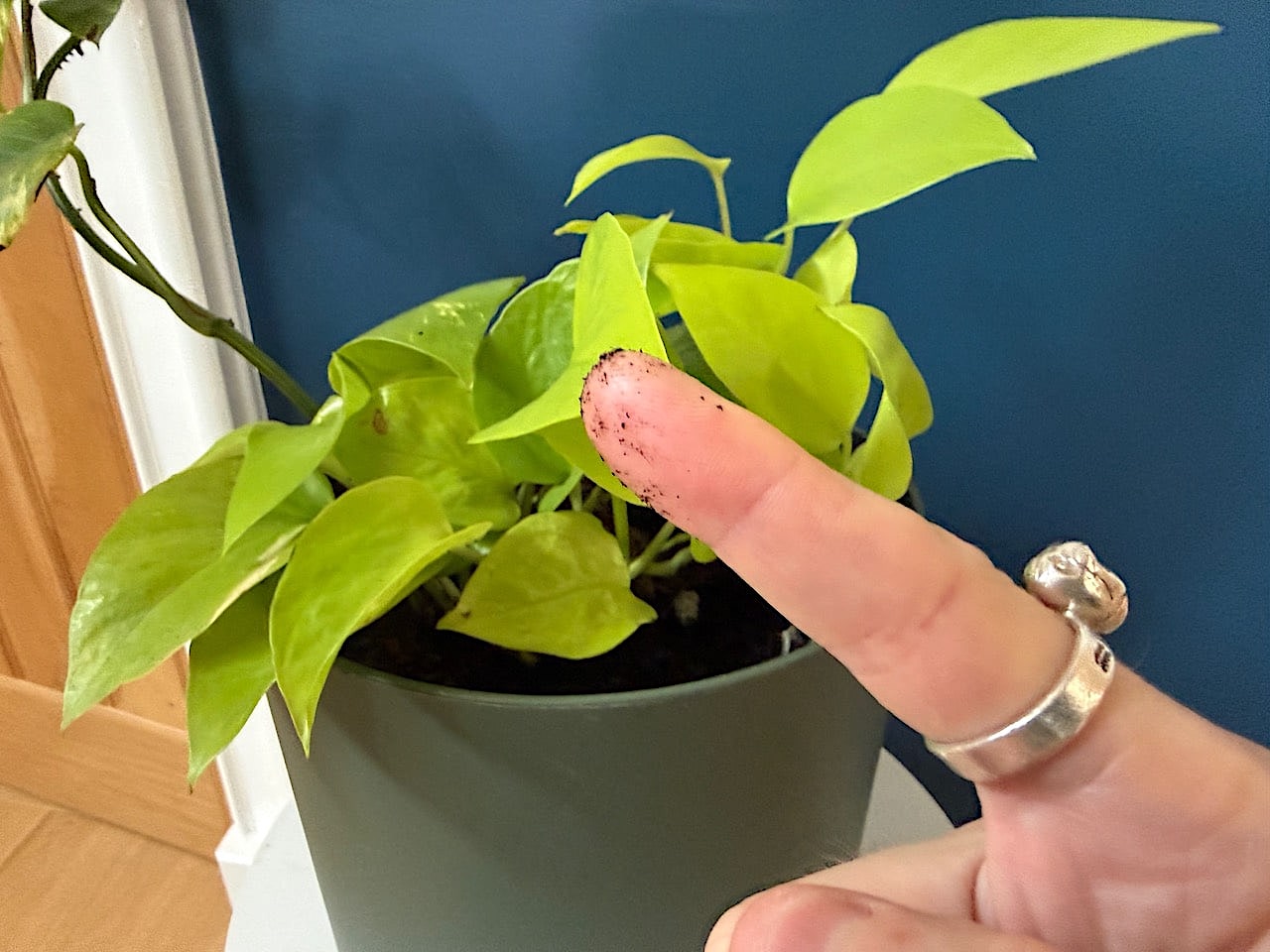
Step 2: Push down to your first knuckle, roughly one inch or 2.5cm deep. This is where the magic happens. Surface soil dries quickly and misleads you, but an inch down gives you the real picture. The image below is from moist soil. See how some compost sticks to my finger, but it’s not completely clean. This plant doesn’t need any more water just yet.
Step 3: Feel what you’re touching. Properly moist soil feels cool and slightly damp. It might leave a bit of soil on your finger but won’t be muddy. Dry soil feels warm and dusty, leaving your finger clean. Waterlogged soil feels cold and muddy, with visible moisture.
Step 4: Make your decision based on what you feel, not what the calendar says you “should” do. Dry equals water deeply. Moist equals wait. Soaking wet equals don’t water and check your drainage.
When to Water During Different Times of Year
UK weather is famously unpredictable, which is precisely why rigid watering schedules fail. However, I can give you realistic expectations to guide your finger testing frequency.
Spring (March – May)
The soil is generally moist from winter rain, but warming temperatures increase evaporation. Test twice weekly. Newly planted crops and transplants need checking more often because their roots haven’t established yet. Established plants can typically go 7-10 days between waterings unless we get an unusually dry spell.
Summer (June – August)
This is when watering becomes crucial, particularly during heatwaves. Test daily for containers and hanging baskets, which dry out shockingly fast. Plants in the ground typically need checking every 2-3 days, with watering required twice weekly during hot weather. If we get a hosepipe ban, prioritise recently planted areas and edible crops over established shrubs and lawns.
Autumn (September – November)
Nature usually does the work for you as rainfall increases and temperatures drop. Test weekly, but expect to water far less frequently. Greenhouse plants and anything under overhangs still need regular checking, as they miss the rain.
Winter (December – February)
Most outdoor plants need almost no supplemental watering. Focus your attention on winter containers, greenhouse plants, and anything sheltered from rainfall. Test every 7-10 days for these vulnerable spots.
How Much Water is Enough?
The biggest mistake I see after not watering enough is not watering deeply enough. People give plants a light sprinkle that wets the surface but never penetrates to the roots, actually encouraging shallow root systems that make drought stress worse.
When the finger test says “water,” here’s what you need to deliver:
For beds and borders
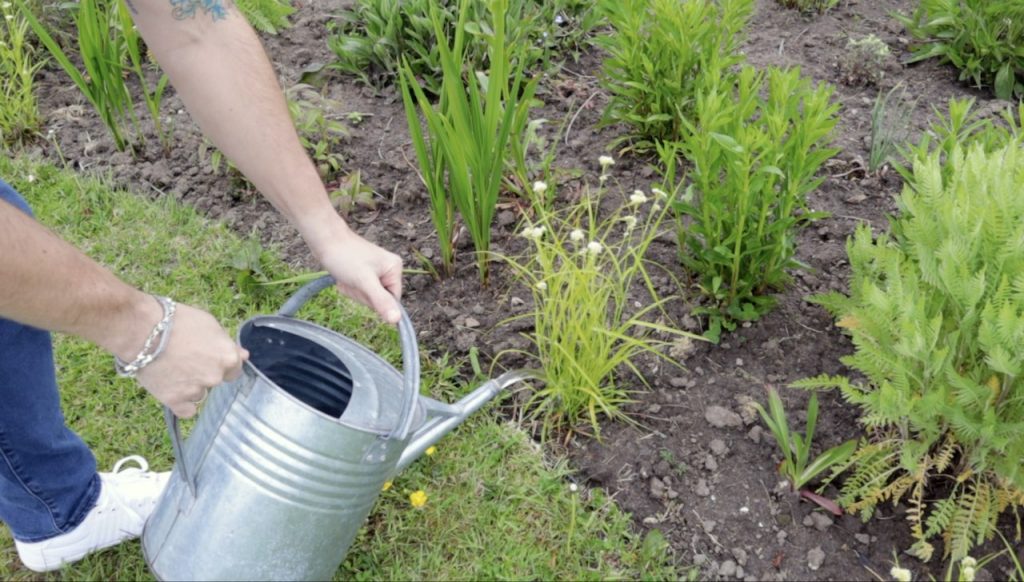
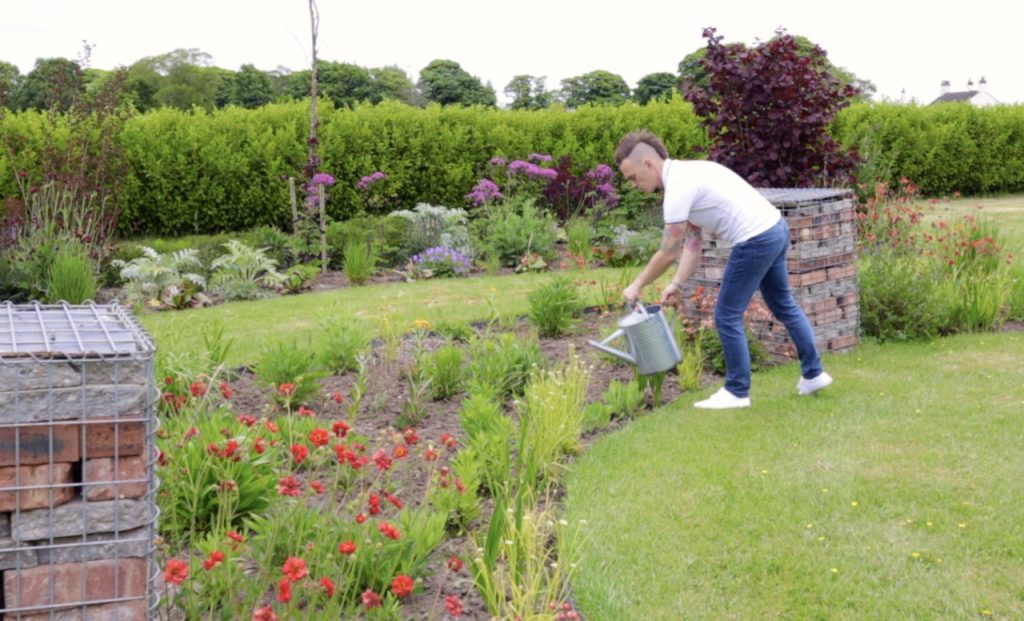
Water until the soil is moist 15-20cm deep. This typically means applying roughly 2.5cm (1 inch) of water, which translates to about 25 litres per square metre. A proper watering should take several minutes per area, not seconds.
For containers
Water until it runs out of the drainage holes, then let it drain completely. Never let pots sit in saucers full of water (except for bog plants). Check containers within 24 hours, as they dry much faster than ground soil.
For new plantings or seedlings
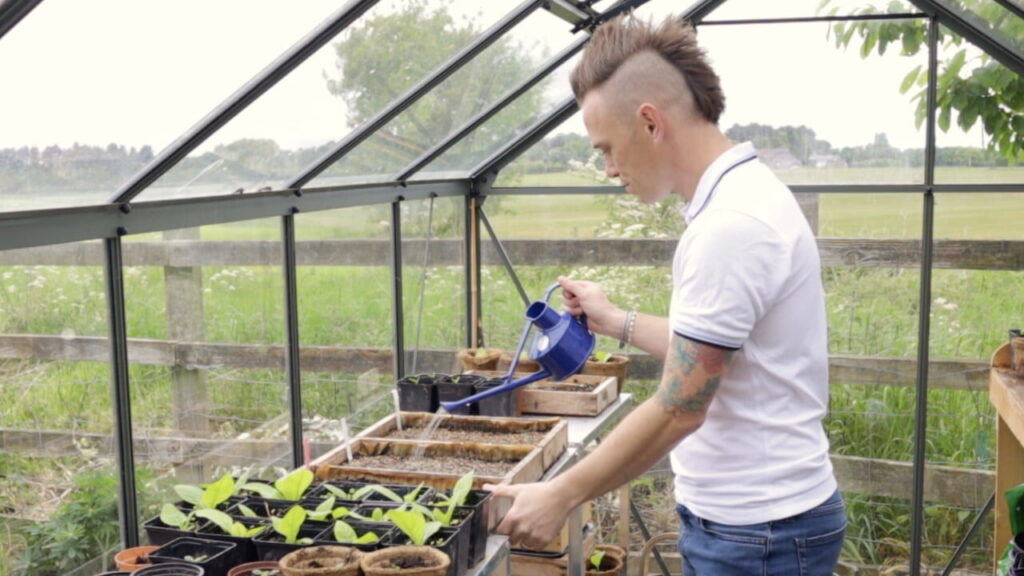
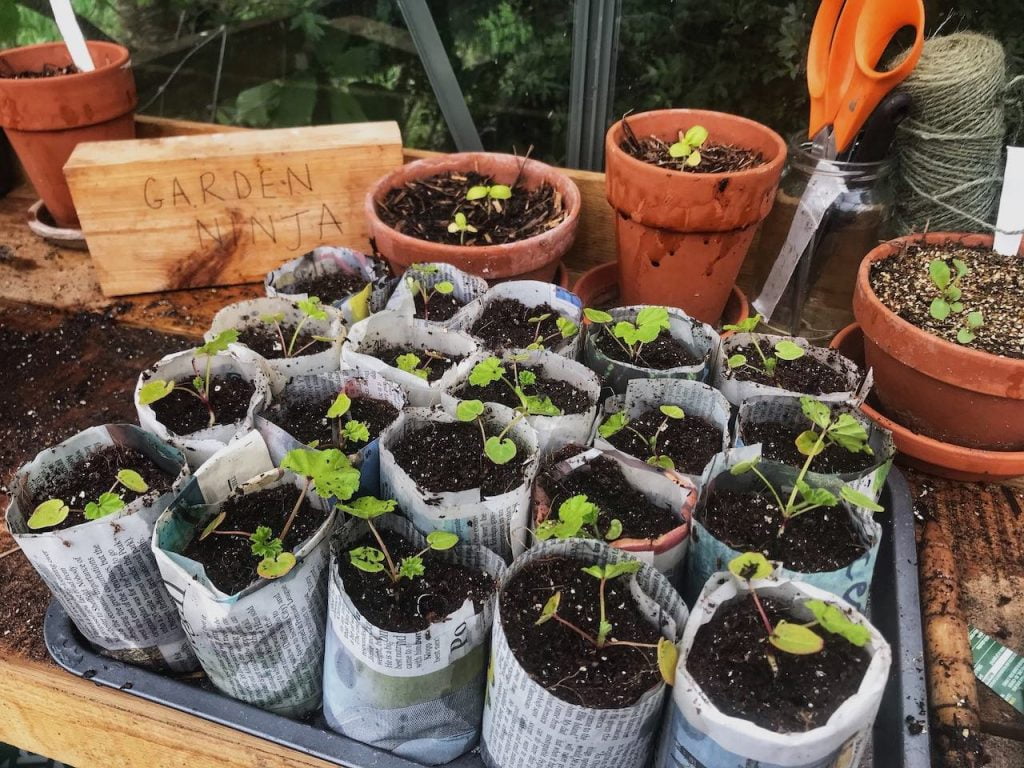
These need extra attention for their first growing season. Water more frequently (every 2-3 days after planting, tapering to weekly by month three) to help roots establish in their new home. Growing seedlings will need daily watering if in a greenhouse to stop them from fully drying out.
The Best Times to Water Your Garden
Timing matters almost as much as whether you water at all. Get this wrong, and you’ll waste water through evaporation or encourage disease.
1) Early morning is ideal
Watering between 6am and 10am gives plants moisture for the day ahead while minimising evaporation loss. Foliage that gets wet will dry quickly as temperatures rise, reducing disease risk.
2) Evening is second best
Watering after 6pm means less evaporation, but leaves staying wet overnight slightly increases disease risk, particularly for mildew-prone plants like courgettes and roses. If you must water in the evening, try to keep foliage dry.
3) Midday is the worst time
Watering in full sun wastes vast amounts to evaporation. Contrary to popular myth, water droplets won’t burn leaves like magnifying glasses, but you’re still losing half your water to the air rather than getting it to the roots.
Different Plants Have Different Needs
The finger test works universally, but what you do with the information changes based on what you’re growing.
Moisture-loving plants: Courgettes, squash, cucumbers, leafy vegetables and bog plants want soil that stays consistently moist. When the finger test shows “just barely moist,” water them. They’re sensitive to drought stress.
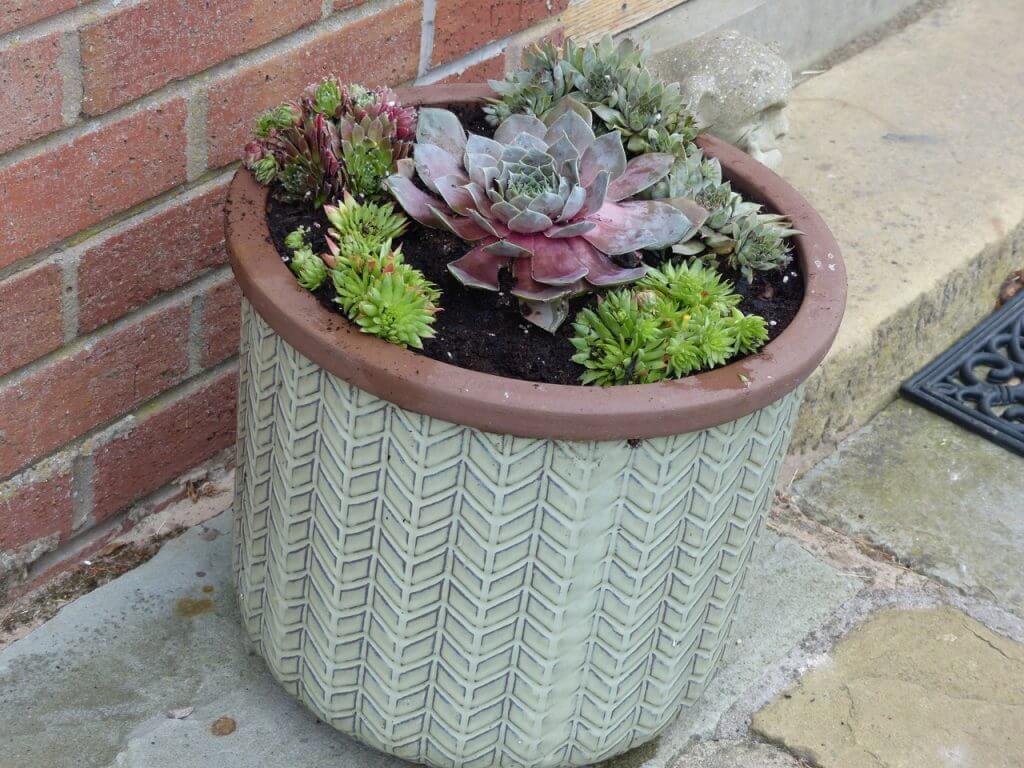
Drought-tolerant once established: Mediterranean herbs (lavender, rosemary, thyme), ornamental grasses and many perennials prefer drier conditions. Wait until the finger test shows “quite dry” before watering, or you risk root rot.
Somewhere in the middle: Most vegetables, bedding plants, roses and shrubs want the sweet spot. Water when the finger test shows “dry at one inch,” but don’t water if it’s still moist.
Container Growing: The Different Rules
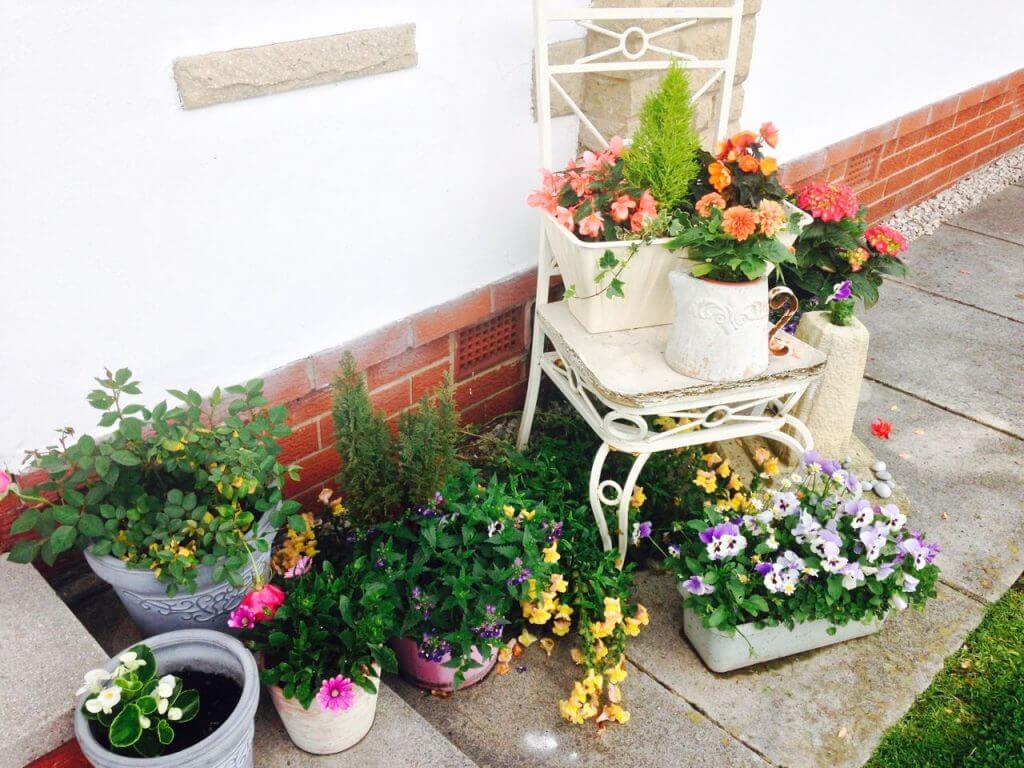
Pots and containers are a completely different beast from in-ground planting. The limited soil volume means they dry out faster and need to be checked far more frequently. As they drain so frequently and easily, I’d recommend watering outdoor containers more than you would immediately think, there’s little chance of overwatering, especially in summer.
Daily checks during summer: Containers in full sun need the finger test every single day during hot weather. Small pots (under 30cm) might need watering twice daily in peak summer.
Choose larger containers: A 45cm pot holds moisture far better than a 20cm pot. If you’re struggling with watering frequency, size up your containers before next season.
Group containers together: Clustered pots create their own humid microclimate and dry out less quickly than isolated containers.
Reading Plant Stress Signals
The finger test prevents problems, but knowing plant stress signals helps you catch issues before permanent damage occurs.
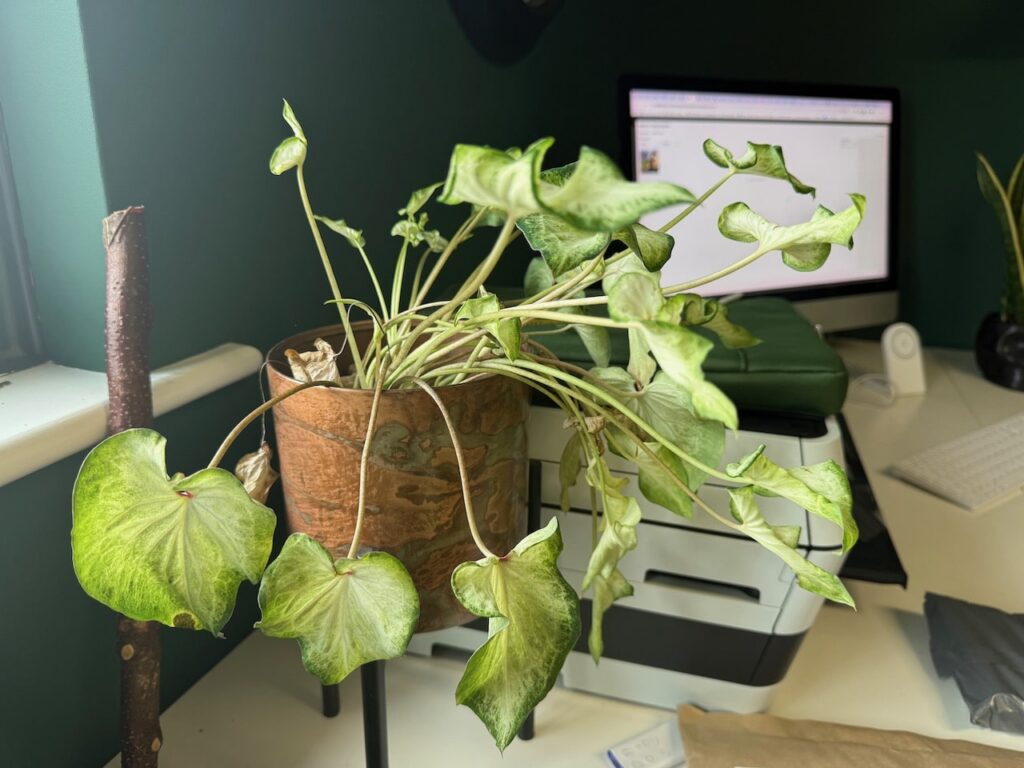
Early drought stress signs:Leaves look slightly dull or lose their perky appearance. Soft growth at the stem tips starts to droop. Leaf edges might curl slightly inward. This is your warning shot, so water immediately to help the plant recover fully.
Severe drought stress: Leaves are crispy, brown at the edges, or dropping off. Flowering stops. Growth halts. You’ve waited too long, though many plants will recover if you water deeply and consistently going forward.
Overwatering signals: Yellowing leaves, particularly older leaves near the base. Soft, mushy stems. Mould or algae growing on the soil surface. Slow growth despite adequate nutrients. These plants need better drainage, not more water.
The Lazy Gardener’s Watering Solutions
I’m all about making gardening easier, not harder. If the finger test is revealing you need to water constantly, here are my favourite solutions:
A)Mulch everything: A 5-7cm layer of wood chip, compost or bark around plants cuts watering frequency in half by preventing evaporation and keeping soil cool.
B) Improve your soil:Adding compost and organic matter helps soil retain moisture better while still draining excess. It’s the ultimate long-term fix.
C) Install drip irrigation: Leaky hoses or drip systems deliver water slowly and directly to roots, wasting nothing to evaporation. They’re brilliant for vegetable beds and borders.
D) Group thirsty plants together: Put your water-hungry crops in one area so you can give them extra attention without overwatering drought-tolerant plants.
E)Use self-watering containers: These have built-in reservoirs that wick water up as needed. They’re genuinely useful for holidays or busy periods, though I still check them weekly.
When Not to Trust the Finger Test
The finger test is remarkably reliable, but a few situations need different approaches.
Very heavy clay soil: Clay can feel moist at the surface, but be waterlogged below because it drains so poorly. If you have clay, dig down 10-15cm to check deeper layers, and focus on improving drainage rather than just adjusting watering.
Very sandy soil: Sand drains so fast that testing becomes less useful. Water more frequently with less volume, and work on adding organic matter to improve water retention.
During establishment: Newly planted areas need consistent moisture, even if the finger test says “moist enough.” For the first month after planting, water every 2-3 days regardless of finger test results to help roots establish.
Learn How to Design Your Own Garden
Now that you’re a pro at watering, why not consider the wider garden with some design training? My Garden Design for Beginners Course is here to help take your garden from average to extraordinary with an affordable online course, no matter how little your experience with plants.
Planting Techniques – Select and arrange plants like a pro.
Design Styles & Layout Options – Explore different styles to suit every garden.
Course Features:
20 Hours of Study Time
Flexible Online Learning
Engaging Video Lessons & Quizzes
Real-World Case Studies
Certification upon Completion
Taught by Award-Winning Designer Lee Burkhill
Enrol now for just £199 and start your journey toward garden design mastery!
29
Garden Design Examples for Small Gardens: 30 Design Templates & Planting Plans
Garden Design Examples for Small Gardens: 30 Design Templates & Planting Plans: In this online gardening course, I’ll walk you through 30 fantastic garden designs, explaining the logic behind the layout, the plant choices, and take-home tips for applying them in your own garden.
Weekend Garden Makeover: A Crash Course in Design for Beginners
Learn how to transform and design your own garden with Lee Burkhills crash course in garden design. Over 5 hours Lee will teach you how to design your own dream garden. Featuring practical design examples, planting ideas and video guides. Learn how to design your garden in one weekend!
Garden Design for Beginners: Create Your Dream Garden in Just 4 Weeks
Garden Design for Beginners Online Course: If you want to make the career jump to becoming a garden designer or to learn how to design your own garden, this is the beginner course for you. Join me, Lee Burkhill, an award-winning garden designer, as I train you in the art of beautiful garden design.
Stop trying to water on a schedule. I know it’s tempting to create a routine (water every Sunday, job done), but gardens don’t work like that. Weather varies, plant needs change, and soil conditions fluctuate. The finger test takes literally five seconds and tells you exactly what your garden needs right now, not what a calendar thinks it might need.
When I’m training new gardeners, I tell them to test soil moisture every time they visit their vegetable patch or borders. Make it as automatic as deadheading spent flowers or picking ripe tomatoes. Within weeks, you’ll develop an instinct for when plants need water, and the finger test becomes confirmation rather than investigation.
Deep, infrequent watering beats shallow, frequent watering every time. Train roots to grow deep by making them work for their water. Surface watering creates surface roots that leave plants vulnerable to drought. Proper watering creates robust root systems that can handle life’s challenges.
Now get out there and stick your finger in some soil. You’ll be amazed at how quickly this simple technique transforms your relationship with watering from guesswork into genuine understanding.
Make sure you visit my YouTube channel for more gardening guides. You can also check out my Tweet, Facebook or Instagram for more garden help and tips.
Lee Burkhill, known as the Garden Ninja, is an award-winning garden designer and horticulturist with over 30 years of gardening experience and 15 years as a professional garden designer. A qualified RHS (Royal Horticultural Society) professional, Lee specialises in sustainable garden design and practical horticultural advice. He designs and presents on BBC1’s Garden Rescue and in leading gardening publications. Lee combines three decades of hands-on gardening knowledge with professional design qualifications to help gardeners create beautiful, functional outdoor spaces.