When to Plant Vegetables in the UK: Your Monthly Planting Calendar
Lee Burkhill: Award Winning Designer & BBC 1's Garden Rescue Presenters Official Blog
Beginner level
Knowing when to plant your vegetables harvest and I've helped thousands of beginner gardeners avoid the mistakes of planting too early or late. My speedy guide here will explain when exactly to sow seeds and grow vegetables and when to avoid wasting your time with this month by month guide!
After fifteen years designing gardens and presenting on BBC1’s Garden Rescue, the single question I’m asked more than any other is “when should I plant my vegetables?” It’s brilliant that so many people want to grow their own food, but getting the timing wrong is the fastest way to waste money and lose confidence in your gardening journey.
The short answer: Most vegetables are planted between March and June in the UK, but timing varies dramatically by crop and region. Frost-sensitive crops like tomatoes, courgettes and runner beans must wait until mid-May in the south and late May to early June in the north, whilst hardy vegetables like broad beans and onion sets can go in as early as February.
Let me walk you through exactly when to plant what, because mastering timing is honestly half the battle in successful vegetable growing.
Why Timing Matters More Than You Think
I’ve lost count of the gardens I’ve visited where enthusiastic beginners have planted tomatoes in April only to watch them turn to mush after a late frost. The garden centres don’t help matters by stocking tender plants from March onwards, tempting you to buy before it’s safe to plant them outside.
Here’s what you need to understand: most vegetable seeds won’t even germinate if the soil temperature is below 7°C. You can have perfect soil, excellent compost and the best seeds money can buy, but if it’s too cold, nothing happens. Then gardeners assume they’ve done something wrong when actually, they’ve just jumped the gun.
The Quick Reference: What to Plant Right Now
Spring (March – May) If you’re reading this in spring, focus on hardy crops first. Broad beans, onion sets, shallots, early potatoes, peas, radishes, lettuce, spinach and beetroot can all handle cooler soil temperatures. These are your confidence builders because they’re far more forgiving than the Mediterranean crops everyone gets excited about.
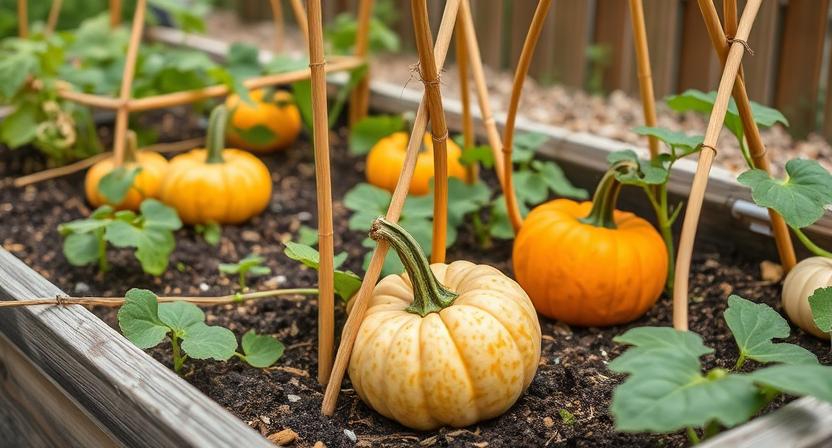
Early Summer (Late May – June) This is when the fun stuff goes in, but not a moment before mid-May in southern England. Tomatoes, courgettes, runner beans, French beans, sweetcorn and squash all need properly warm soil and absolutely no risk of frost. I tell people to think of the Chelsea Flower Show week (late May) as your green light for tender crops.
Summer (July – August) Don’t assume the planting season is over by July. This is perfect timing for fast-growing crops that will mature before winter. Sow more lettuce, spring onions, radishes and spinach for autumn harvests. In July, you can even plant calabrese and autumn cauliflowers for later in the year.
Autumn (September – October) Spring-planted garlic cloves go in during October and November. You can also plant overwintering onion sets and broad beans for an early crop next year. These are the gardeners’ secrets for getting ahead of the season.
Monthly Planting Guide for the UK
February: The Cautious Start
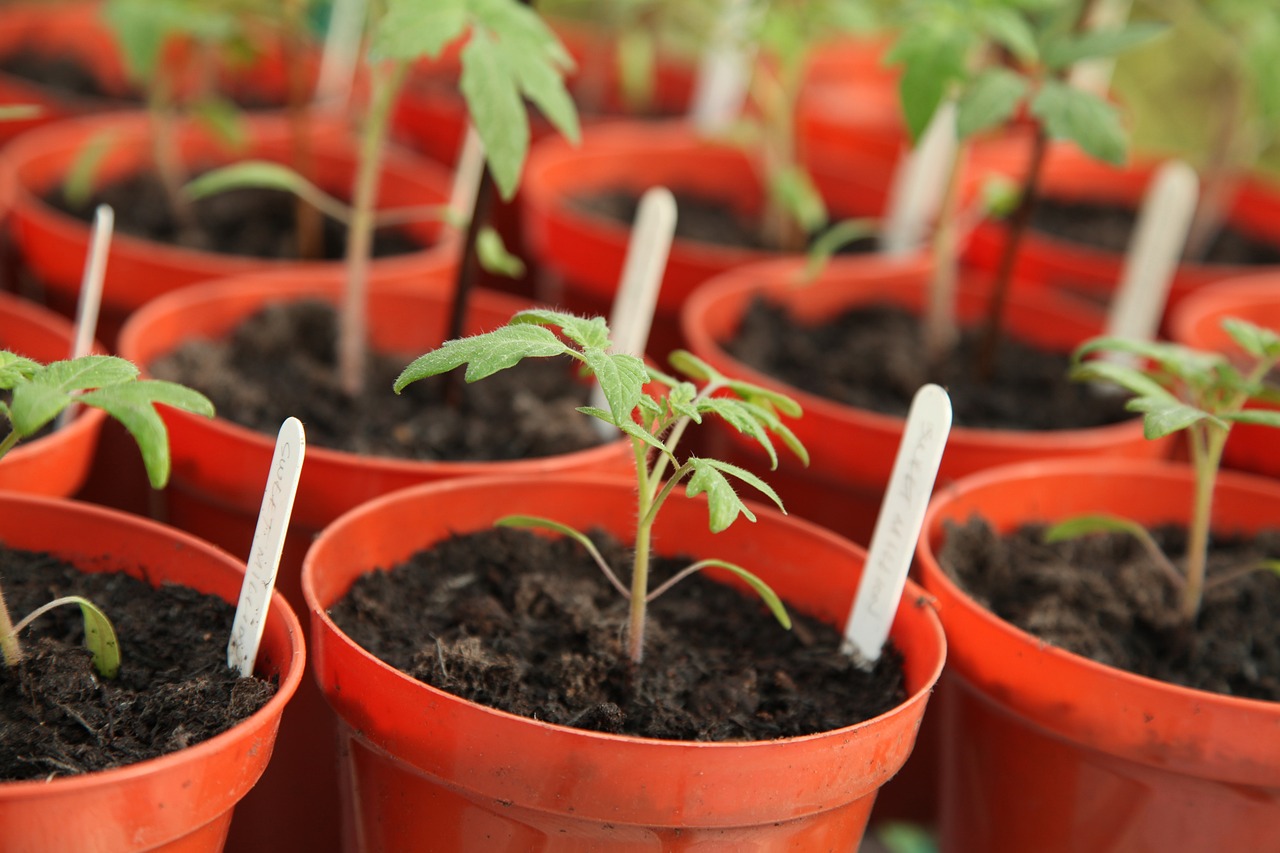
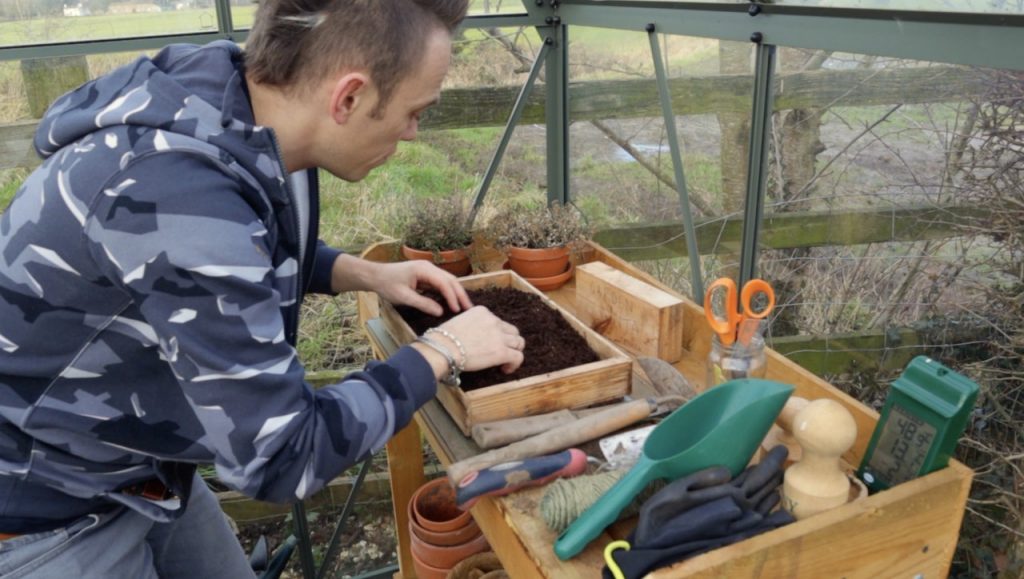
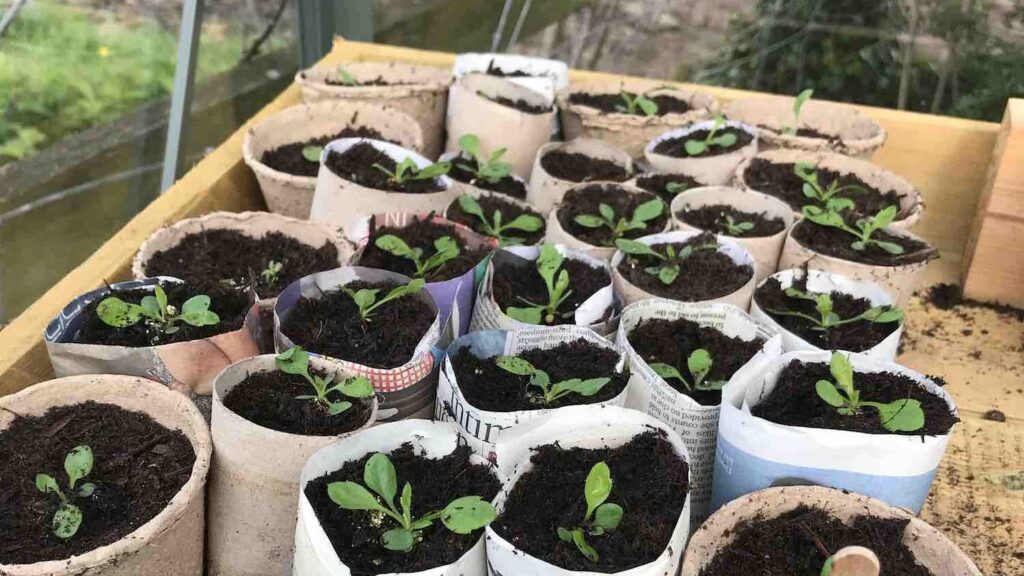
Honestly, February is still too early for most outdoor planting unless you’re in a particularly mild coastal area. However, you can start chitting (sprouting) your seed potatoes indoors on a windowsill. If you have a greenhouse or polytunnel, you can sow broad beans, early peas and onion sets in modules under cover.
What to plant outdoors: Only in very mild areas – shallots and onion sets What to start indoors: Chit seed potatoes; sow early tomatoes in a heated greenhouse
March: The Season Begins
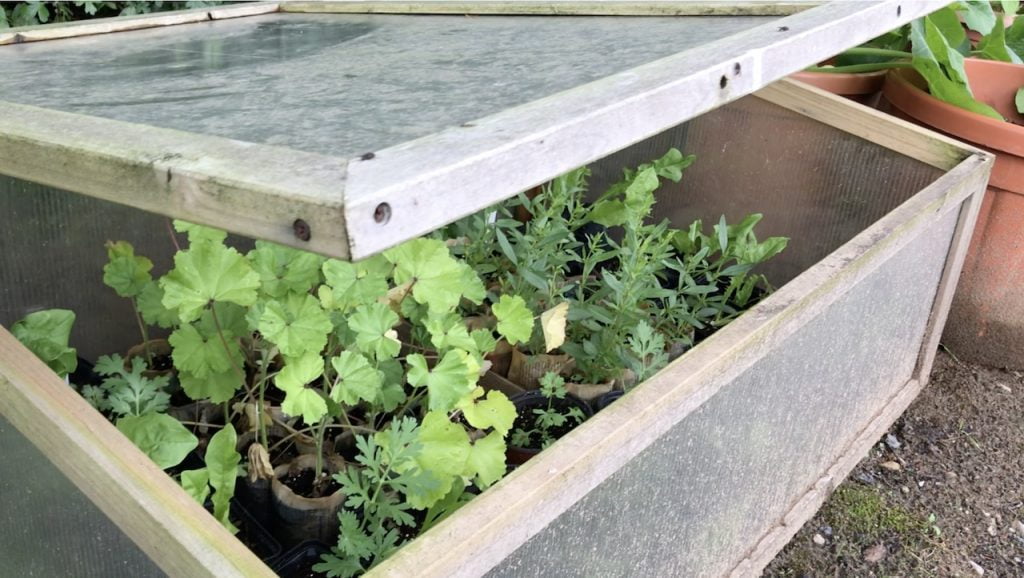
This is when things properly get going, though I’d still hold off on anything tender. The soil is starting to warm up, particularly if you’ve been covering beds with black plastic or horticultural fleece to capture what sun we get.
Direct sow outdoors: Broad beans, early peas, parsnips, spring onions, radishes, lettuce, rocket, spinach Plant outdoors: First early potatoes (end of month), onion sets, shallots Sow indoors: Tomatoes, chillies, aubergines (in heated greenhouse or propagator)
April: Building Momentum
April is glorious if you can resist the temptation to plant everything at once. Late frosts are still a real risk, so keep fleece handy for protection. I’ve seen entire vegetable plots wiped out by an unexpected cold snap in late April, so don’t let your guard down yet.
Direct sow outdoors: Carrots, beetroot, more lettuce, rocket, Swiss chard, spring onions, radishes, peas, broad beans Plant outdoors: Second early potatoes, onion sets Sow indoors: Courgettes, squash, cucumbers, runner beans (end of month)
May: The Main Event
Mid-May is the game-changer, particularly after the Chelsea Flower Show week. Once we’re past that, the risk of frost drops dramatically in most of southern England. Northern gardeners, you need to wait until late May or even early June depending on your location.
Direct sow outdoors (after mid-May): Runner beans, French beans, courgettes, squash, sweetcorn Direct sow outdoors (anytime): More carrots, beetroot, lettuce, spring onions, radishes Plant outdoors (after mid-May): Tomatoes, courgettes, squash, runner beans, French beans, cucumbers, sweetcorn Plant outdoors (anytime): Maincrop potatoes (early May)
June: Last Chance Saloon
June is your final opportunity to get most vegetables in the ground for this year’s harvest. After June, you’re limited to fast-maturing crops for autumn picking.
Direct sow outdoors: More beetroot, carrots, lettuce, spring onions, radishes, French beans (early June), calabrese, kale Plant outdoors: Any remaining tender crops from indoor sowings
July & August: Succession Planting
These months are about maintaining supply rather than major new plantings. The clever trick is succession sowing salads and quick crops every fortnight to avoid feast and famine.
Direct sow outdoors: Lettuce, rocket, spring onions, radishes, turnips, winter spinach (late summer)
September & October: Planning Ahead
Autumn planting is massively underrated. These crops overwinter and give you the earliest harvests next spring, often weeks before your neighbours who wait until spring to plant.
Soil temperature matters most: Push a soil thermometer 5cm into the ground. If it reads below 7°C, hold off on sowing seeds outdoors. Most tender crops want 10-15°C before they’ll germinate happily.
Check the forecast: Look ahead ten days. If frost is predicted, wait. It’s not worth the risk of losing plants you’ve nurtured for weeks.
The ground feels right: Squeeze a handful of soil. If water drips out, it’s too wet to work. If it crumbles into dust, it’s too dry. If it holds together then breaks apart when you poke it, you’re good to go.
Local knowledge trumps national guidance: Pay attention to when your neighbours plant out tender crops. They’ll know the local microclimates better than any general guide.
Regional Differences in the UK
The UK is surprisingly varied when it comes to growing conditions. What works in Cornwall won’t necessarily work in Cumbria.
Southern England and South Wales: Follow the main calendar above. You can often start a week or two earlier than the dates given.
Midlands and East Anglia: Use the calendar as written. You’re in the Goldilocks zone for UK vegetable growing.
Northern England, Scotland and Northern Ireland: Add 7-14 days to all the dates for tender crops. Your frost-free date might not arrive until early June in exposed areas.
Coastal areas: You get moderated temperatures year-round. Frosts are less severe but you may battle wind, so windbreaks become essential.
The Biggest Timing Mistakes I See
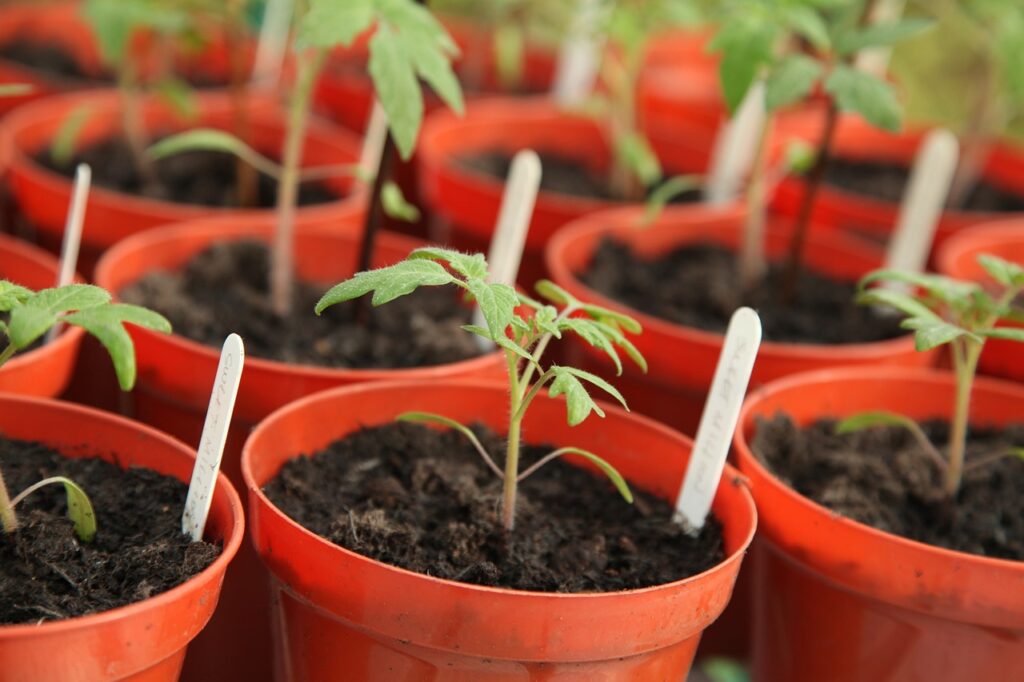
Starting tomatoes too early: I see people sowing tomatoes in January for unheated greenhouses. Don’t. They’ll languish on windowsills getting leggy and weak for months. Mid-March to early April is plenty early enough for greenhouse tomatoes, and April for outdoor varieties.
Planting before hardening off: Just because it’s warm enough doesn’t mean your mollycoddled indoor plants can go straight outside. Give them 7-10 days of gradual acclimatisation first.
Forgetting about succession planting: Planting all your lettuce on the same day means it all matures together, then bolts together, leaving you with nothing. Sow little and often instead.
Ignoring your own garden’s microclimate: Published dates are guidelines, not gospel. That south-facing wall might be warm enough weeks before the rest of your garden.
Learn How to Design Your Own Garden
Now that you’re a pro at when to grow vegetables, why not consider the wider garden with some design training? My Garden Design for Beginners Course is here to help take your garden from average to amazing with an affordable online cours,e no matter how little your experience with plants.
Planting Techniques – Select and arrange plants like a pro.
Design Styles & Layout Options – Explore different styles to suit every garden.
Course Features:
20 Hours of Study Time
Flexible Online Learning
Engaging Video Lessons & Quizzes
Real-World Case Studies
Certification upon Completion
Taught by Award-Winning Designer Lee Burkhill
Enrol now for just £199 and start your journey toward garden design mastery!
29
Garden Design Examples for Small Gardens: 30 Design Templates & Planting Plans
Garden Design Examples for Small Gardens: 30 Design Templates & Planting Plans: In this online gardening course, I’ll walk you through 30 fantastic garden designs, explaining the logic behind the layout, the plant choices, and take-home tips for applying them in your own garden.
Weekend Garden Makeover: A Crash Course in Design for Beginners
Learn how to transform and design your own garden with Lee Burkhills crash course in garden design. Over 5 hours Lee will teach you how to design your own dream garden. Featuring practical design examples, planting ideas and video guides. Learn how to design your garden in one weekend!
Garden Design for Beginners: Create Your Dream Garden in Just 4 Weeks
Garden Design for Beginners Online Course: If you want to make the career jump to becoming a garden designer or to learn how to design your own garden, this is the beginner course for you. Join me, Lee Burkhill, an award-winning garden designer, as I train you in the art of beautiful garden design.
Start with the easy, forgiving crops first. Radishes, lettuce, spring onions and courgettes will build your confidence because they grow reliably and quickly. Once you’ve mastered those, move on to the trickier crops like tomatoes and peppers that demand precise timing and more attention.
The worst thing you can do is try to grow everything in your first year, get overwhelmed, and give up. Choose five crops maximum for your first season. Get really good at growing those, then expand your repertoire next year.
Timing vegetables isn’t about being perfect; it’s about being observant. Watch your garden, learn from your mistakes (we all make them), and keep notes of what worked and when. I promise that by your third season, you’ll instinctively know when conditions are right.
Now get out there and start planting. Your future self will thank you when you’re eating homegrown vegetables all summer long.
Make sure you visit my Youtube channel, for more gardening guides. You can also check out my Tweet, Facebook or Instagram for more garden help and tips.
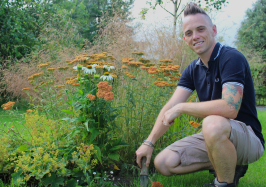
Lee Burkhill, known as the Garden Ninja, is an award-winning garden designer and horticulturist with over 30 years of gardening experience and 15 years as a professional garden designer. A qualified RHS (Royal Horticultural Society) professional, Lee specialises in sustainable garden design and practical horticultural advice. He designs and presents on BBC1’s Garden Rescue and in leading gardening publications. Lee combines three decades of hands-on gardening knowledge with professional design qualifications to help gardeners create beautiful, functional outdoor spaces.