Growing Courgettes: The Easiest Vegetable for Beginners
Lee Burkhill: Award Winning Designer & BBC 1's Garden Rescue Presenters Official Blog
Beginner level
Courgettes are the easiest beginner vegetable to grow in your gardens, windowsills, balconies or greenhouses. They are nearly foolproof and are a gateway plant to get you growing all sorts of other edibles and ornamental plants! So let me show you how to become a growing pro with courgettes.
If you’ve been thinking about starting a vegetable garden but feel overwhelmed, let me introduce you to your new best friend: the humble courgette. After designing hundreds of gardens and growing vegetables at Garden Ninja HQ for over thirty years, I can tell you with absolute certainty that courgettes are the gift that keeps on giving.
They’re forgiving, ridiculously productive, and perfect for anyone taking their first steps into growing their own food.
I still remember the first time I grew courgettes as a teenager. I was secretly gardening to escape the stress of school, and those plants gave me such confidence. While my granddad’s roses needed constant attention, those courgette plants just got on with it. They grew bigger each week, produced gorgeous yellow flowers, and before I knew it, I was harvesting more courgettes than my family could eat.
Why Courgettes Are Perfect for Beginners
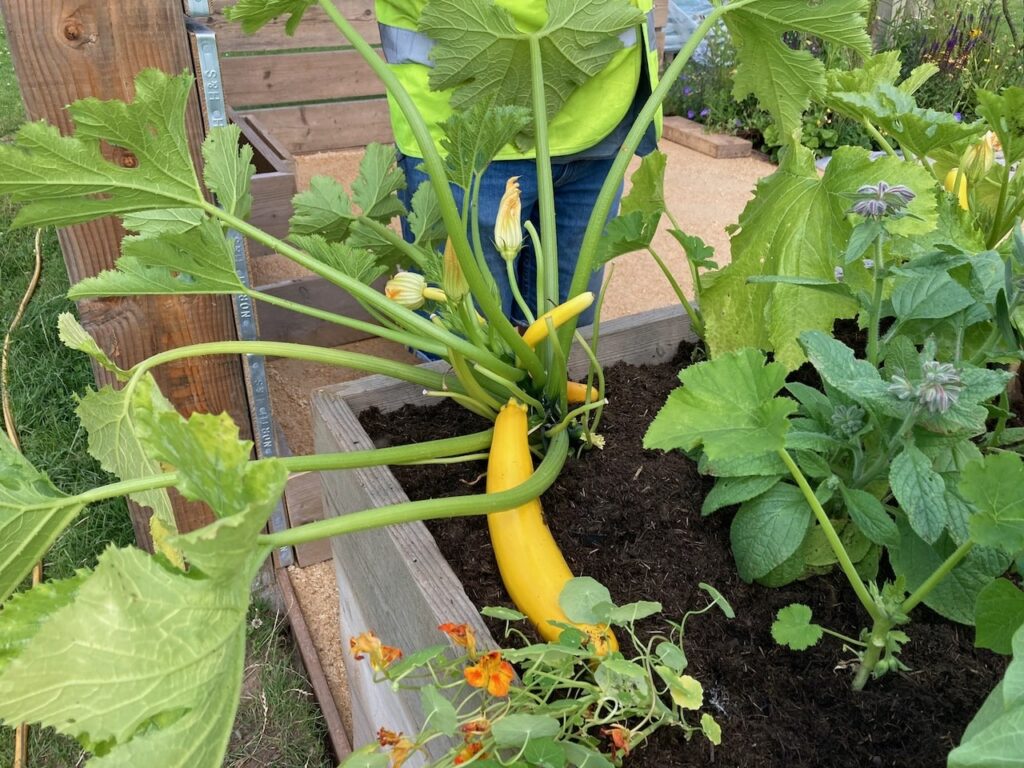
The beautiful thing about courgettes is that they actively want to grow. Unlike fussier vegetables, courgettes are remarkably straightforward. Give them sun, water, and decent soil, and they’ll reward you with an incredible harvest.
A single courgette plant in good weather can produce three to four fruits per week throughout summer and into early autumn. One plant. Dozens of courgettes over the growing season. All from a seed you can sow in a pot on your windowsill.
What makes courgettes even more appealing is that they’re genuinely hard to kill once they get going. I’ve seen them thriving in gardens where people thought they had terrible soil. They’re resilient, vigorous, and incredibly generous plants.
Even if you make mistakes with watering occasionally, they’ll usually bounce back. This forgiveness is exactly what new gardeners need, and you’ll save money compared to shop-bought courgettes whilst enjoying far superior flavour.
How Many Courgette Plants Do You Actually Need?
This is probably the most important question I get asked about courgettes, and it’s one where new gardeners often get it spectacularly wrong.
The classic beginner mistake is to plant out six or seven courgette plants because more must be better, right? Wrong! Trust me on this one: you’ll be drowning in courgettes, desperately trying to give them away to neighbours who’ve started avoiding you.
Here’s my recommended planting guide based on thirty years of experience:
For a couple: 2-3 plants maximum
For a family of four: 4-6 plants maximum
For each additional person: Add 1-2 plants
Remember, each plant can give you multiple courgettes every single week during peak season. At Garden Ninja HQ, I typically grow three courgette plants for myself, which gives me enough to eat fresh, share with friends, and experiment with preserving when there’s a particularly productive week.
The key thing to remember is that courgettes are far more productive than most other vegetables you might grow. One courgette plant will out-produce an entire row of beans or half a dozen lettuce plants. They’re the over-achievers of the vegetable patch, and whilst that’s brilliant for beginners wanting quick results and abundant harvests, it does mean you need to exercise some restraint when deciding how many to plant out.
Getting Started: Sowing Your Courgette Seeds
Courgettes are tender plants that absolutely detest frost, so timing is crucial. In the UK, start your seeds indoors during April or early May, which gives them time to germinate and grow into sturdy seedlings before the weather warms up enough to plant them outside.
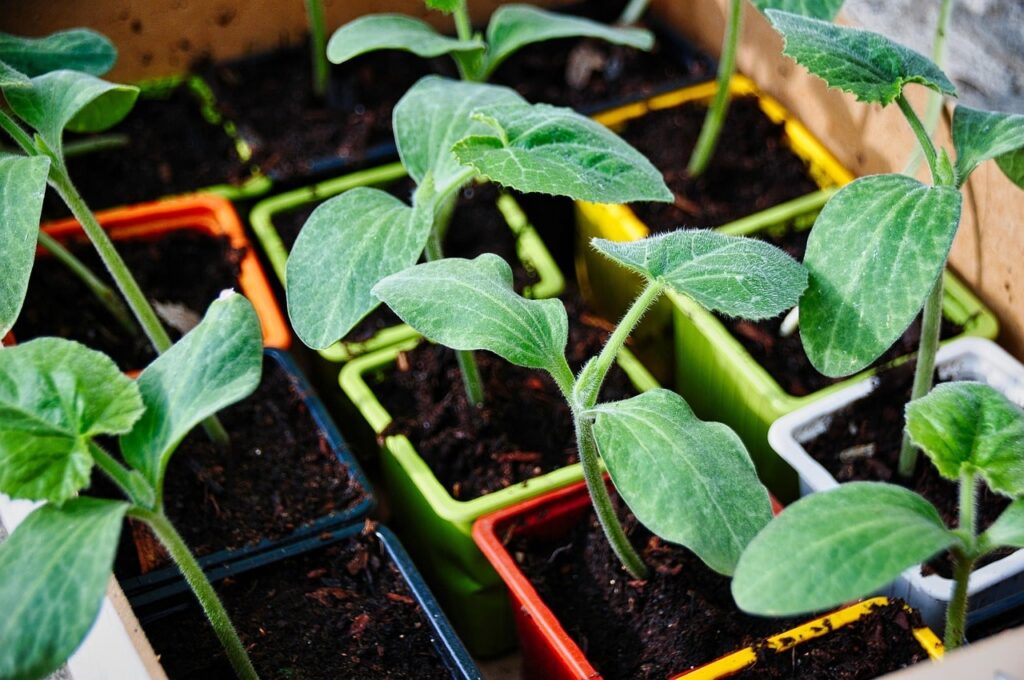
I always sow mine in individual pots rather than seed trays because courgettes develop substantial root systems quickly, and they don’t appreciate being cramped or having their roots disturbed during transplanting.
The easiest method for sowing courgette seeds:
Sow seeds on their sides (not flat) at 13mm depth
Use 7.5cm pots filled with peat-free seed compost
Cover with a clear plastic lid or bag to create humidity
Maintain 18-21°C for reliable germination
Expect seedlings within 7-10 days
This sideways planting technique helps prevent the seed from rotting if the compost becomes too wet during germination. Pop the pots in a heated propagator or on a sunny windowsill. Courgette seeds need temperatures between 18 and 21 degrees Celsius to germinate reliably, which is why starting them indoors works so much better than direct sowing outside.
Within seven to ten days, you should see your seedlings emerging. At this stage, remove the propagator lid or plastic bag to prevent them from becoming leggy and weak.
Keep them in a bright and warm location, turning the pots regularly to ensure even growth. If you’re based in a warmer part of the UK, you can sow courgettes directly outdoors in late May or early June, once the soil has warmed up and there’s no risk of frost.
However, I’d still recommend starting them indoors for most gardeners because germination is more reliable, you get an earlier harvest, and crucially, your seedlings are protected from slugs and snails during those vulnerable early weeks.
Planting Out and Choosing the Perfect Spot
Once the risk of frost has passed (typically late May in southern regions, early June in the north), your courgette seedlings are ready to go outside. The critical factors are choosing a sunny, sheltered spot with rich, moisture-retentive soil. Courgettes need at least six hours of direct sunlight daily to produce well.
Before planting, dig in plenty of well-rotted compost or manure. Courgettes are hungry plants that appreciate rich soil, and this makes an enormous difference. Each plant needs about a square metre of space for good air circulation, which helps prevent powdery mildew.
Container growing requirements:
Pot size: Minimum 45-50cm wide
Compost: Quality peat-free multi-purpose
Varieties: Choose compact types like ‘Sure Thing’ or ‘Midnight’
Once established, ongoing care is refreshingly straightforward. The number one rule is consistent watering, especially during hot weather and when fruiting. Courgettes are thirsty plants with large leaves that lose moisture rapidly.
During peak summer, you might need to water daily, particularly for containers. I sink a 15cm pot into the ground next to each plant and water it, directing moisture to the roots whilst preventing rot around the neck of the plant.
Water early morning or evening to minimise evaporation, and avoid wetting the leaves. A thick mulch layer helps retain moisture, suppresses weeds, and feeds the soil. I use well-rotted compost or leaf mould once plants are established.
Essential feeding and protection:
Once your courgettes start flowering, begin feeding weekly with high-potassium fertiliser (tomato food works perfectly). This encourages flowering and fruiting rather than just leafy growth. Container-grown courgettes particularly benefit from regular feeding. Keep an eye out for slugs and snails in the first few weeks after planting. Young plants are incredibly vulnerable. I use copper tape around containers, beer traps, and hand-picking after dark.
Harvesting Your Courgettes: Timing Is Everything
Here’s the secret to the best-tasting courgettes: pick them small. Courgettes harvested at 10 to 15cm long are sweeter, more tender, and infinitely more delicious. Additionally, regular harvesting encourages the growth of more flowers and fruits. Leave them to grow large, and the plant slows down production.
Top harvesting tips:
Check plants every 2-3 days during peak season
Harvest at 10-15cm length for best flavour
Cut with a sharp knife at the base, leaving 2cm of stem
Store in the fridge for up to a week (best within 2 days)
Pick male flowers (without tiny courgette) for eating
Don’t forget that courgette flowers are edible and delicious. They can be stuffed with ricotta, dipped in batter and fried, or added to risottos. Male flowers (without a tiny courgette at the base) are the ones to pick without reducing your fruit harvest.
Choosing the Right Variety
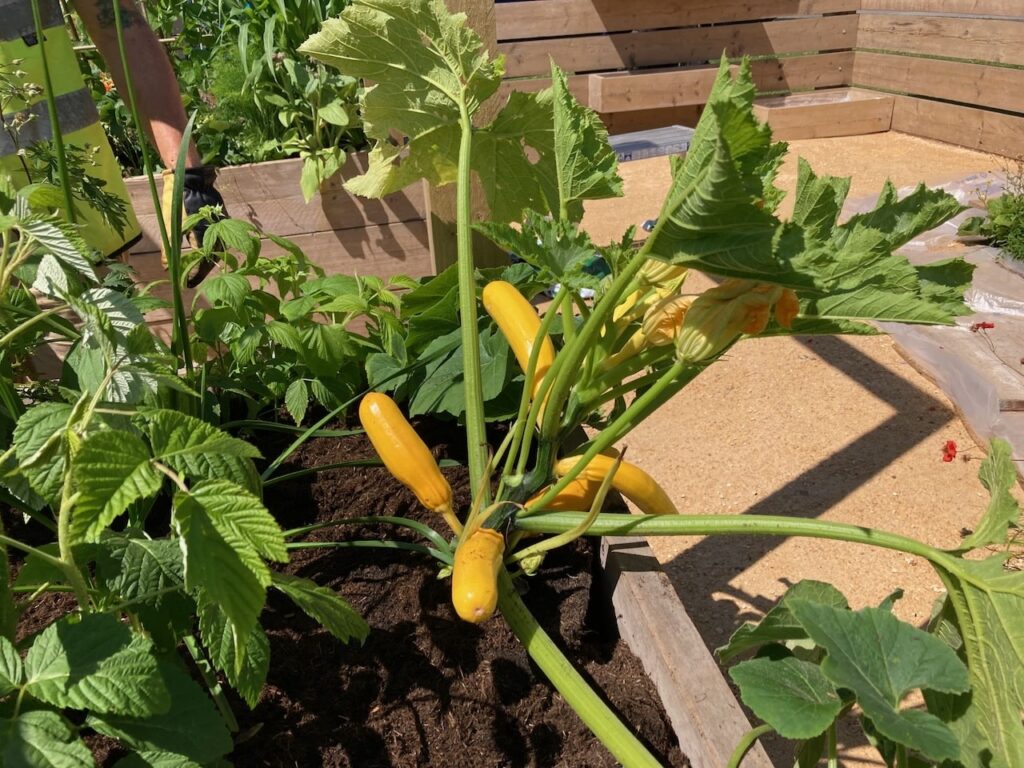
The RHS Award of Garden Merit varieties have been tested and proven reliable in UK conditions. ‘Defender’ is probably the most popular variety for good reason: incredibly productive, excellent disease resistance, spine-free, producing dark green fruits over a long season.
My top variety recommendations:
‘Defender’: The reliable all-rounder, disease-resistant, heavy cropper
‘Gold Rush’ or ‘Soleil’: Beautiful golden-yellow fruits, milder flavour
‘Eight Ball’: Round courgettes, perfect for stuffing, compact plants
‘Sure Thing’ or ‘Midnight’: Compact patio varieties for containers
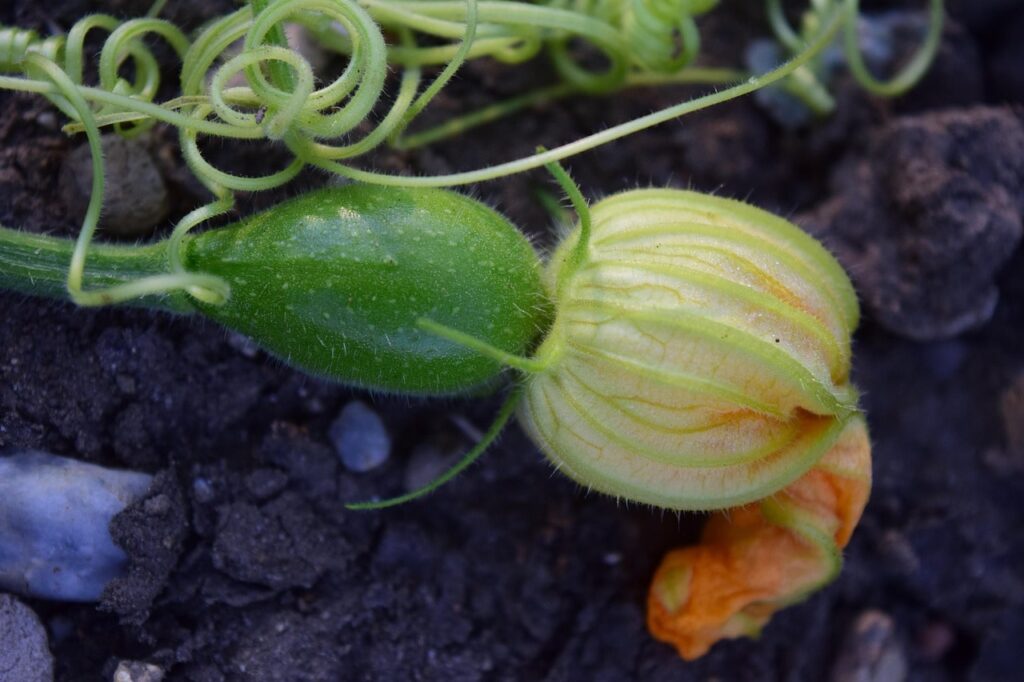
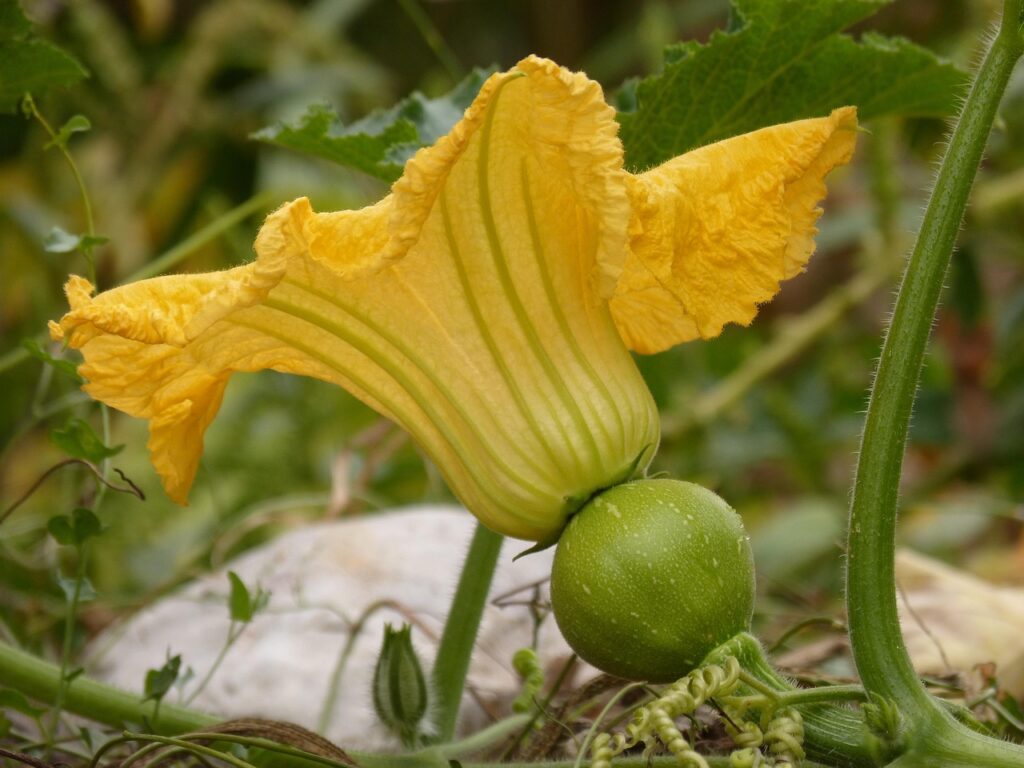
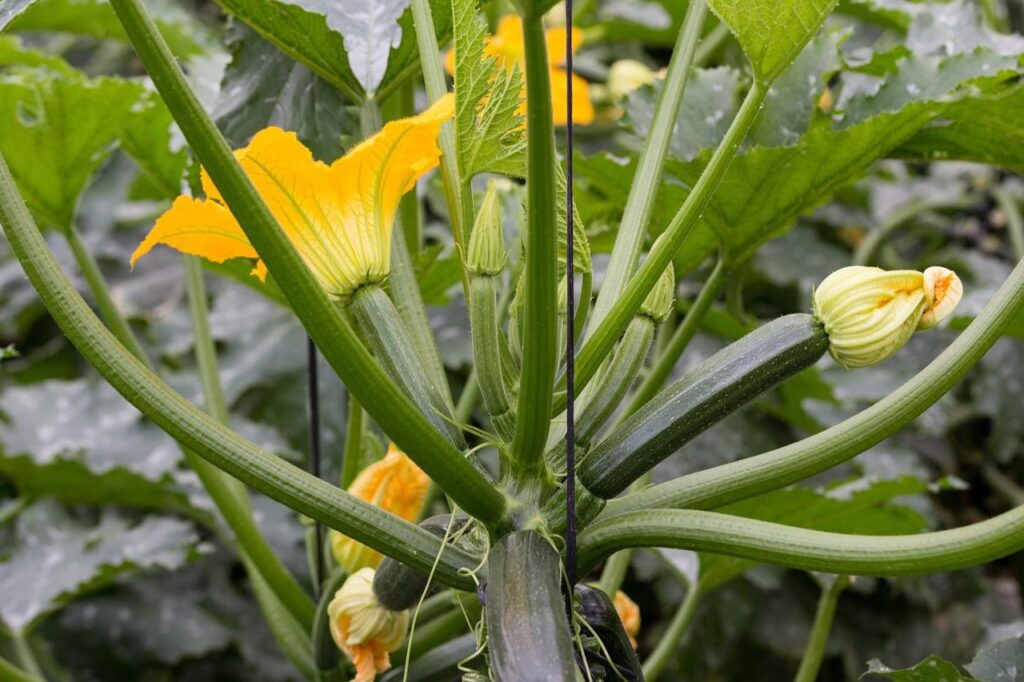
Here’s something that confuses many new courgette growers but is actually quite straightforward once you know what to look for. Courgette plants produce both male and female flowers, and understanding the difference is key to successful cropping which is the same for pumpkins and squahses.
The female flowers are the ones that produce the actual courgettes, whilst the male flowers are there purely for pollination.
How to identify the flowers:
Female flowers: Have a tiny immature courgette (or squash like shaped miniature fruit) at the base between the flower and stem
Male flowers: Grow on a thin, straight stem with no swelling at the base
Both: Have gorgeous golden-yellow petals and are equally beautiful
It’s completely normal for plants to produce mainly male flowers early in the season. Don’t panic if you’re seeing loads of flowers but no fruits initially. This is just the plant’s way of establishing itself before it starts the energy-intensive work of producing fruits. As the plant matures and the weather warms up, you’ll see more female flowers appearing, and that’s when the courgettes really start coming.
For pollination to occur, pollen from the male flower needs to reach the female flower. In most gardens, bees and other pollinating insects do this job brilliantly. However, if you’re growing courgettes in a greenhouse, on a covered balcony, or during particularly wet weather when pollinators are inactive, you may need to hand-pollinate.
Simply pick a male flower (you’ve got plenty of them!), remove the petals to expose the pollen-covered anther, and gently brush it against the centre of a female flower. I find this quite meditative, actually, and it’s a lovely way to really observe your plants up close.
Dealing with the Inevitable Glut
Even with just two or three plants, there will come a point when you’re producing more courgettes than you can eat fresh. Courgettes can be frozen for later use (best in cooked dishes), made into chutney, or baked into surprisingly moist courgette cakes and breads.
Three Simple Recipes for Your Courgette Glut
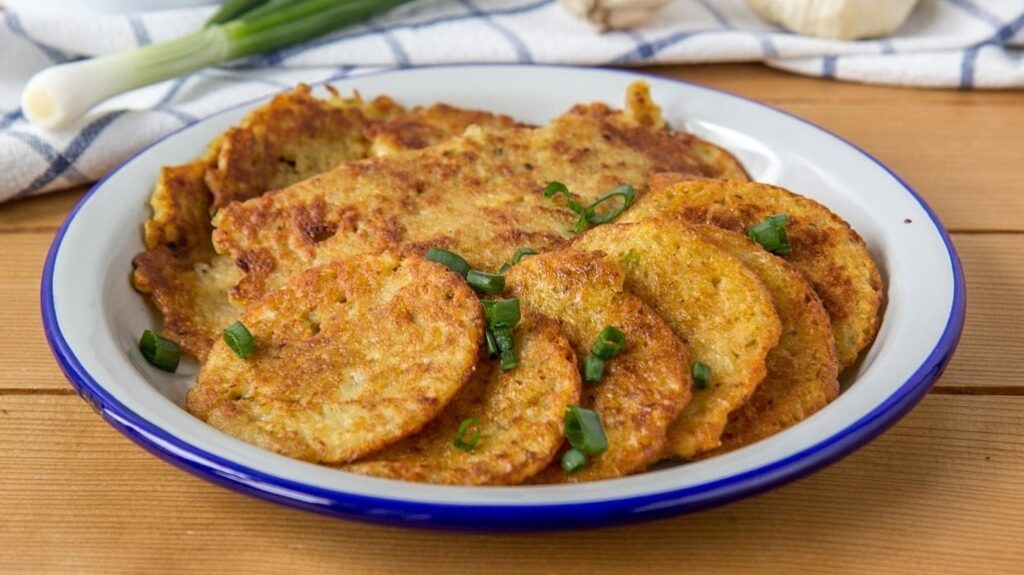
Simple Courgette Fritters
These are absolutely brilliant for using up multiple courgettes in one go, and they’re genuinely delicious. They’re perfect for lunch with a dollop of sour cream or as a side dish with grilled meat. These freeze beautifully too, so you can make a big batch and reheat them whenever you fancy.
Grate the courgettes coarsely and place in a colander
Sprinkle with salt and leave for 10 minutes to draw out excess moisture
Squeeze the grated courgette really well in a clean tea towel (you’ll be amazed how much liquid comes out)
Transfer to a bowl and mix with the beaten eggs, flour, cheese, and spring onions or herbs
Season well with black pepper
Heat oil in a large frying pan over medium-high heat
Drop spoonfuls of the mixture into the hot pan
Fry until golden brown on both sides (about 3-4 minutes per side)
Drain on kitchen paper and serve hot
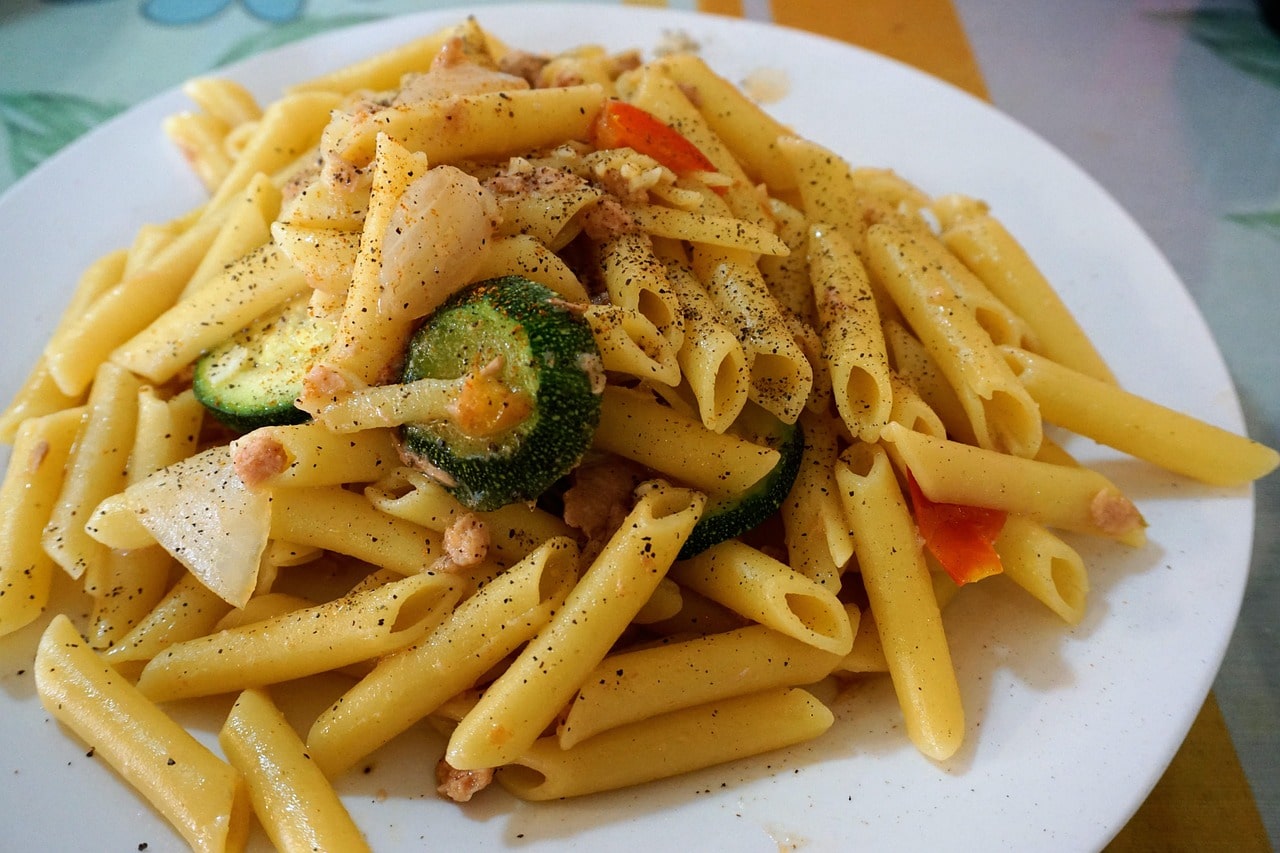
Quick Courgette Pasta
This is my emergency weeknight dinner when I’ve got more courgettes than I know what to do with. Dead simple, ready in 15 minutes, and it uses up courgettes whilst actually tasting like a proper meal rather than just a way to use up a glut. My husband requests this regularly even when we’re not overrun with courgettes!
3-4 medium courgettes, sliced into rounds or half-moons
400g pasta (spaghetti or penne work best)
Generous glug of olive oil
100g parmesan cheese, grated
1 Small Onion
1 Pepper
Zest of 1 lemon
Large handful of fresh basil, torn
1 garlic clove, crushed
Salt and black pepper to taste
Method:
Put a large pan of salted water on to boil for the pasta
Slice the courgettes into rounds or half-moons, rough cut the onion and red pepper.
Heat a large frying pan until really hot with a generous glug of olive oil
Fry the courgettes in batches until golden and slightly crispy at the edges (don’t overcrowd the pan or they’ll steam rather than fry)
The put to one side on kitchen paper and fry the onion until soft then add the peppers until they start to crisp at the edge.
Meanwhile, cook your pasta according to packet instructions
Drain the pasta, reserving a mugful of the cooking water
Toss everything together in the pan with the courgettes
Add pasta water gradually to create a light sauce
Stir through the parmesan, lemon zest, torn basil, and crushed garlic
Season to taste and serve immediately
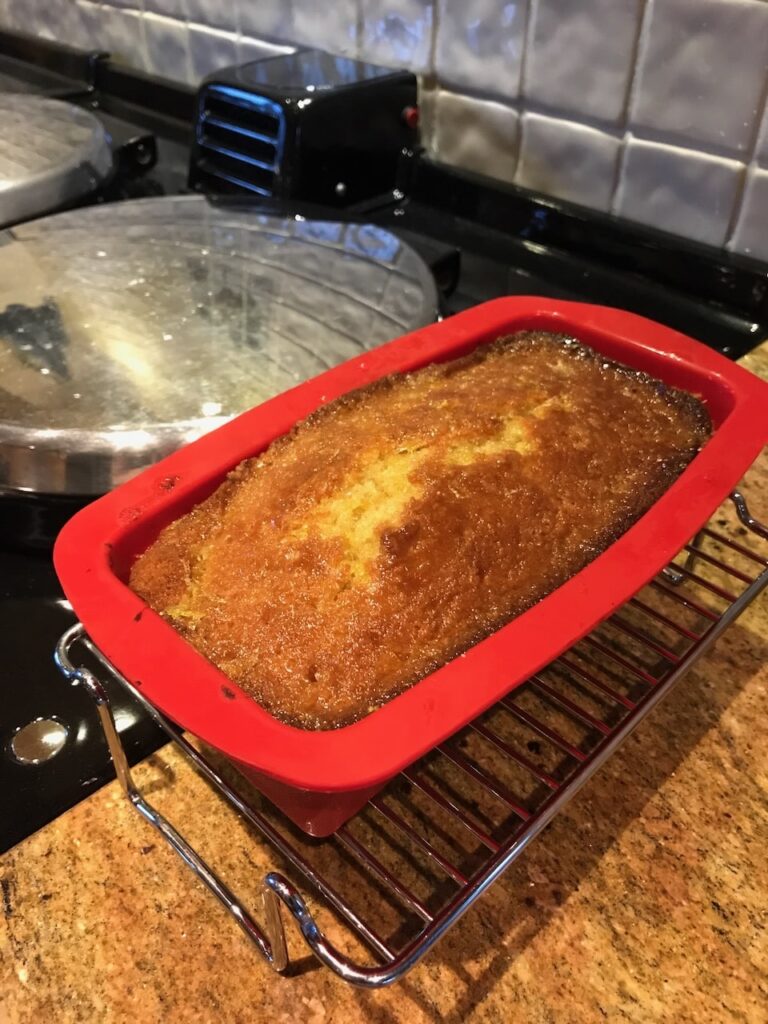
Courgette and Lemon Cake
I know it sounds odd, but trust me on this one. This cake is incredibly moist, keeps for ages, and people genuinely cannot tell there are vegetables in it. Honestly, this is one of my most-requested recipes at Garden Ninja HQ, and it’s a brilliant way to use up even the slightly larger courgettes that might be a bit too big for other dishes. The courgette adds moisture without any strong flavour, and the lemon cuts through beautifully.
300g courgettes, coarsely grated (no need to squeeze)
200g caster sugar
150ml vegetable oil
3 eggs
250g self-raising flour
1 teaspoon baking powder
Zest of 2 lemons
For the icing:
150g icing sugar
2-3 tablespoons lemon juice
Method:
Preheat your oven to 180°C (160°C fan) and line a 2lb loaf tin with baking parchment
Coarsely grate the courgettes (no need to squeeze out moisture for this recipe)
In a large bowl, mix the sugar, vegetable oil, and eggs until well combined
Fold in the self-raising flour, baking powder, and lemon zest
Gently fold in the grated courgette until evenly distributed
Pour the mixture into your prepared loaf tin
Bake for approximately 50 minutes, or until a skewer inserted into the centre comes out clean
Leave to cool in the tin for 10 minutes, then turn out onto a wire rack
Once completely cool, make the icing by mixing icing sugar with lemon juice until you have a drizzling consistency
Drizzle the lemon icing over the cooled cake and leave to set
Storage tip: This cake keeps beautifully in an airtight tin for up to a week, and the flavour actually improves after a day or two!
Are Courgettes and Zucchinis the Same Thing?
This is one of the most common questions I get asked, especially from new gardeners who’ve been watching American gardening videos or reading international recipes. The simple answer is yes, courgettes and zucchinis are exactly the same vegetable. It’s purely a language difference.
Here in the UK and in most of Europe, we call them courgettes (from the French), whilst in America, Australia, and some other countries, they’re known as zucchinis (from the Italian). Same plant, same growing requirements, same delicious taste.
The botanical name for both is Cucurbita pepo, and they’re members of the cucurbit family along with pumpkins, squashes, cucumbers, and melons. If you see a seed packet labelled zucchini, don’t be put off thinking it’s something different. It’ll grow exactly the same as any courgette variety, and you can use all the same growing advice. I’ve grown both ‘courgette’ labelled and ‘zucchini’ labelled varieties over the years, and honestly, there’s absolutely no practical difference whatsoever.
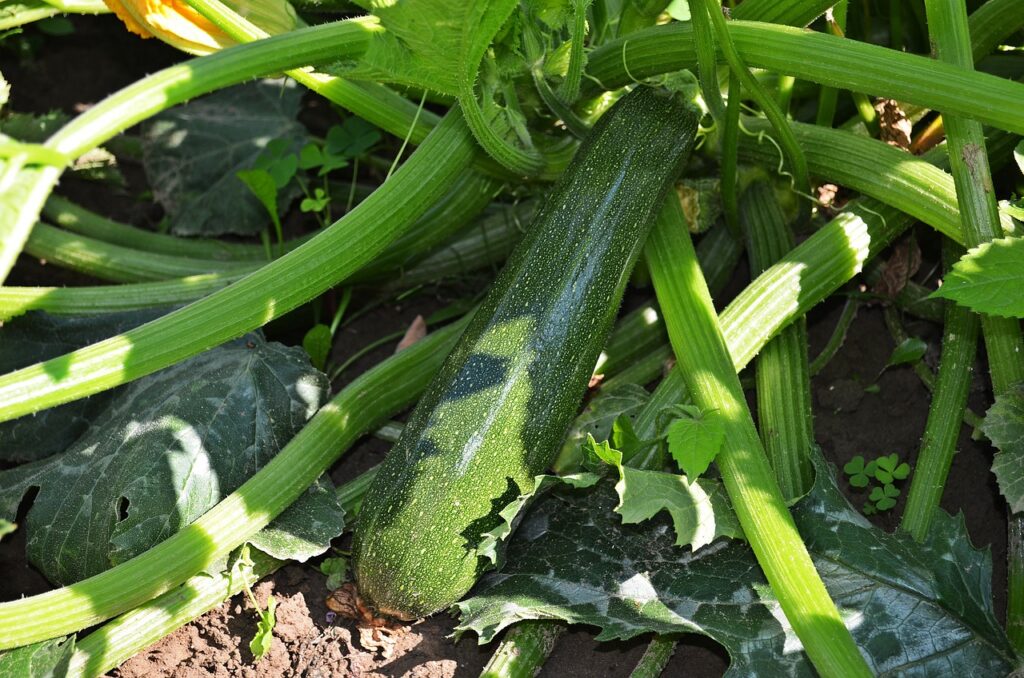
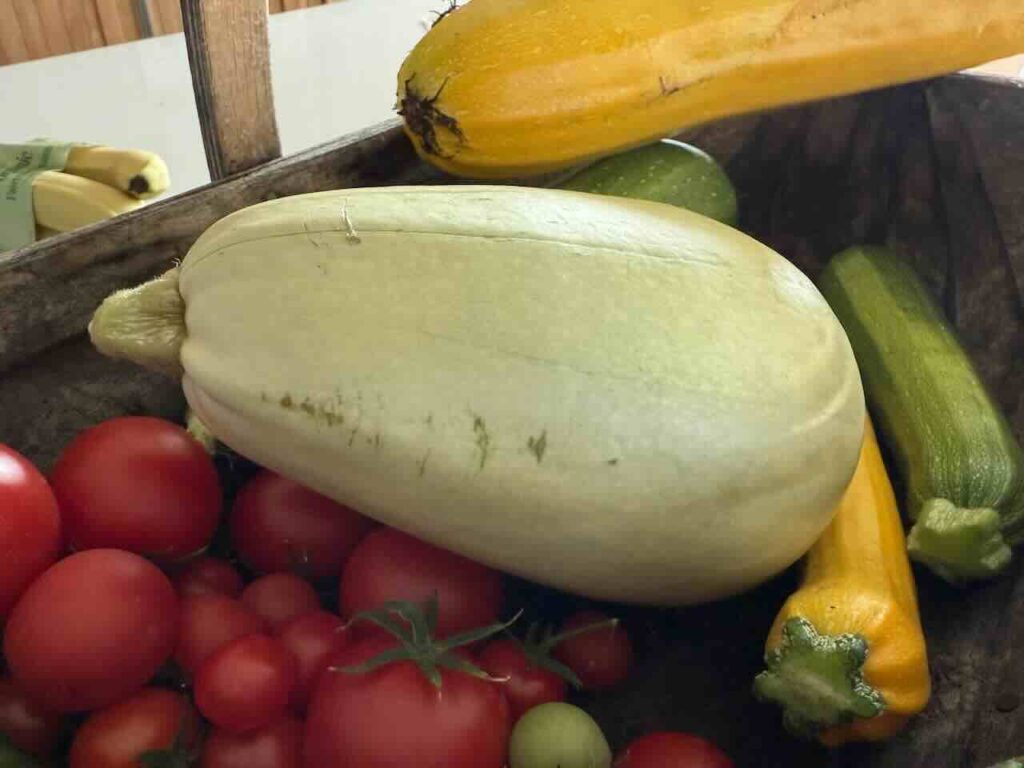
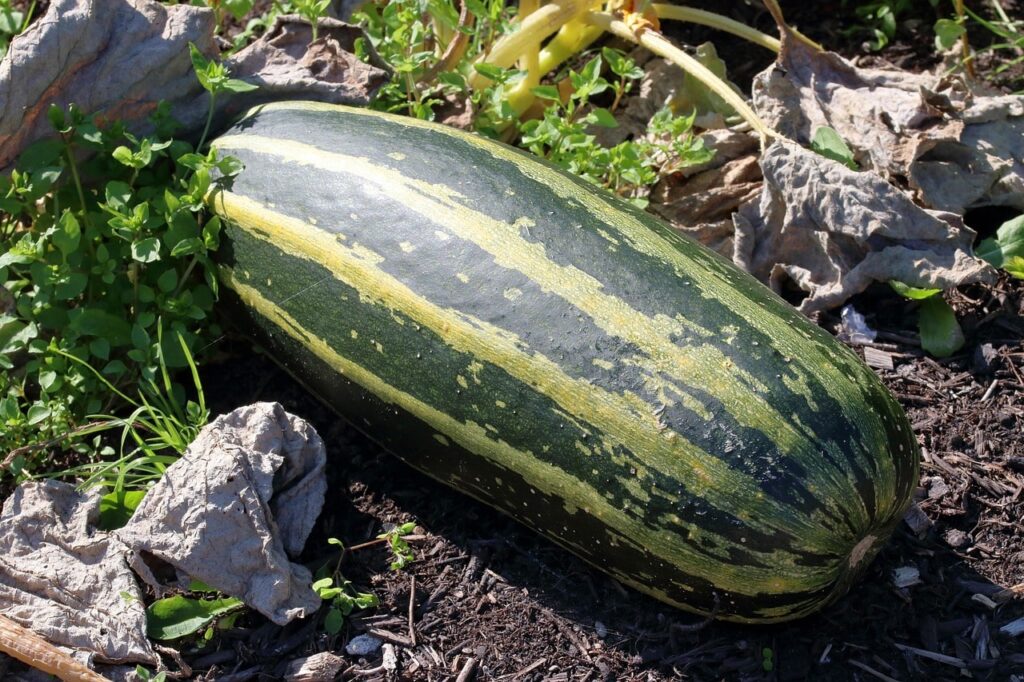
Now, here’s where it gets interesting: marrows are actually just courgettes that have been left to grow large. They’re not a different plant or variety; they’re simply mature courgettes.
If you forget to harvest a courgette (and trust me, it’s easily done when they’re hiding under those massive leaves), within a week it can balloon from a tender 15cm courgette into a 30cm marrow. The skin becomes thicker and tougher, the seeds develop and become more prominent, and the flesh loses that lovely tender, sweet quality that makes small courgettes so delicious.
When does a courgette become a marrow?
There’s no official size, but generally speaking, anything over 25cm long starts entering marrow territory.
At this size, the texture becomes more watery and spongy, and whilst they’re perfectly edible, they’re better suited to stuffing and baking whole rather than slicing and frying. Traditional marrow varieties are specifically bred to grow large, with thicker skins that store well, but honestly, a courgette variety left to mature will essentially become a marrow anyway.
My advice? Harvest your courgettes small at 10-15cm for the best flavour and texture, and if you do end up with an accidental marrow (we’ve all been there!), scoop out the seedy middle, stuff it with a mixture of rice, tomatoes, and herbs, and bake it. I
t’s actually rather good and very retro British. Just don’t make a habit of letting them get that big, because the plant will dramatically slow down fruit production once it thinks it’s successfully produced mature seeds.
Troubleshooting Common Problems
A) If your plants produce lots of male flowers but no fruits
It’s usually because female flowers haven’t been pollinated. This often happens early in the season or during wet weather when bees aren’t flying. You can hand-pollinate by picking a male flower, removing the petals, and dabbing the central bit into female flowers. It takes a minute and makes all the difference.
B) Powdery mildew
This white coating on leaves is extremely common on courgettes but rarely fatal. Good air circulation and avoiding overhead watering help prevent it. If it appears, remove the worst-affected leaves, and the plant will continue producing. Varieties like ‘Defender’ and ‘Gold Rush’ have particularly good mildew resistance. I
C) Flowers rotting
If courgettes rot at the flower end before growing, this is usually poor pollination or very wet conditions. Ensure adequate spacing for airflow and consider hand-pollinating in damp weather.
Learn How to Design Your Own Garden
Now you understand how to grow courgettes why not consider taking your skills to the next level with some online design training? My Garden Design for Beginners Course is here to help bring your garden from average to extraordinary with an affordable online course, no matter how little your experience with plants.
This course offers step-by-step guidance from me, Lee Burkhill, award-winning garden designer and presenter on BBC1’s Garden Rescue. In this course, you’ll go from a garden design novice to a confident designer equipped to tackle any green space.
Planting Techniques – Select and arrange plants like a pro.
Design Styles & Layout Options – Explore different styles to suit every garden.
Course Features:
20 Hours of Study Time
Flexible Online Learning
Engaging Video Lessons & Quizzes
Real-World Case Studies
Certification upon Completion
Taught by Award-Winning Designer Lee Burkhill
Enrol now for just £199 and start your journey toward garden design mastery!
29
Garden Design Examples for Small Gardens: 30 Design Templates & Planting Plans
Garden Design Examples for Small Gardens: 30 Design Templates & Planting Plans: In this online gardening course, I’ll walk you through 30 fantastic garden designs, explaining the logic behind the layout, the plant choices, and take-home tips for applying them in your own garden.
Weekend Garden Makeover: A Crash Course in Design for Beginners
Learn how to transform and design your own garden with Lee Burkhills crash course in garden design. Over 5 hours Lee will teach you how to design your own dream garden. Featuring practical design examples, planting ideas and video guides. Learn how to design your garden in one weekend!
Garden Design for Beginners: Create Your Dream Garden in Just 4 Weeks
Garden Design for Beginners Online Course: If you want to make the career jump to becoming a garden designer or to learn how to design your own garden, this is the beginner course for you. Join me, Lee Burkhill, an award-winning garden designer, as I train you in the art of beautiful garden design.
Beyond the joy of harvesting your own vegetables, growing courgettes connects you to the seasons and gives you an appreciation for where food comes from. There’s something deeply satisfying about sowing a seed, watching it grow, and eating the fruits of your labour. For children, courgettes are fantastic educational plants because they grow quickly, produce visible results fast, and offer plenty of involvement opportunities.
From an environmental perspective, homegrown vegetables have virtually no food miles, no plastic packaging, and no pesticides unless you choose to use them. Plus, gardening itself is brilliant for mental health and wellbeing, offering gentle exercise, time outdoors, and a productive focus. I’ve spoken many times about how gardening was my sanctuary during difficult periods.
If you’re feeling inspired to expand beyond courgettes, check outmy monthly planting calendar for UK gardens. Courgettes are honestly one of the best places to start. They’ll give you confidence, teach you fundamental growing skills, and reward you with abundant harvests.
So come on, Garden Ninjas, grab some seeds, find a sunny spot, and discover just how satisfying it is to grow your own courgettes. I promise you’ll never look at supermarket specimens the same way again.
Lee Burkhill, known as the Garden Ninja, is an award-winning garden designer and horticulturist with over 30 years of gardening experience and 15 years as a professional garden designer. A qualified RHS (Royal Horticultural Society) professional, Lee specialises in sustainable garden design and practical horticultural advice. He designs and presents on BBC1’s Garden Rescue and in leading gardening publications. Lee combines three decades of hands-on gardening knowledge with professional design qualifications to help gardeners create beautiful, functional outdoor spaces.