True Blue Flowers: 35 Genuine Blue Blooms (Not Purple-Blue)
Lee Burkhill: Award Winning Designer & BBC 1's Garden Rescue Presenters Official Blog
Beginner level
Explore the best blue flowers for UK gardens, from true blue delphiniums and forget-me-nots to stunning agapanthus and salvias. This expert guide features reliable perennials, cottage garden classics, and modern varieties perfect for British climates, with proven growing advice to create eye-catching blue borders that thrive in sun or shade throughout the seasons.
This may come as a surprise to you gardeners, but true blue flowers are absolute gold dust in the gardening world! I’m Lee Burkhill, the Garden Ninja, and in my 35 years of gardening and designing hundreds of gardens across the UK, finding genuinely blue flowers (not purple-blue, not lavender, but proper blue) is one of the trickiest challenges any garden designer will face.
The trickiest thing is that genuinely blue pigment in flowers is incredibly rare in nature. Most of what we call “blue” flowers are actually purple, violet, or lavender with just a hint of blue. True blue comes from a specific pigment called delphinidin combined with other cellular factors, and it’s about as rare as hen’s teeth!
But when you do find authentic blue blooms and use them effectively in your garden design, the impact is absolutely stunning. Blue flowers create calm, recede visually to make spaces feel larger, and provide that cooling contrast that’s brilliant for hot colour schemes. They’re also fantastic for creating that classic English cottage garden look or sophisticated contemporary plantings.
Now, I’ll be honest with you—this article focuses on the bluest of the blue flowers available to UK gardeners. Some might have the tiniest hint of purple or lavender, but these are as close to true blue as Mother Nature allows. I’ve personally grown most of these at Garden Ninja HQ, and I can vouch for their genuine blue credentials.
Why True Blue Flowers Are So Rare
Before we dive into the plant list, let’s have a quick science lesson (don’t worry, I’ll keep it brief!). The reason true blue is so rare is fascinating. Most flower pigments are based on anthocyanins, which naturally produce red, purple, and pink colours. To get blue, you need:
The delphinidin pigment (rather rare)
The right pH in the cell sap (slightly alkaline)
Metal ions like aluminium or magnesium
Specific cell structure to reflect light correctly
It’s like winning the botanical lottery four times over! This is why gardeners get so excited about proper blue flowers—they’re genuinely special.
From a design perspective, I use true blue flowers to:
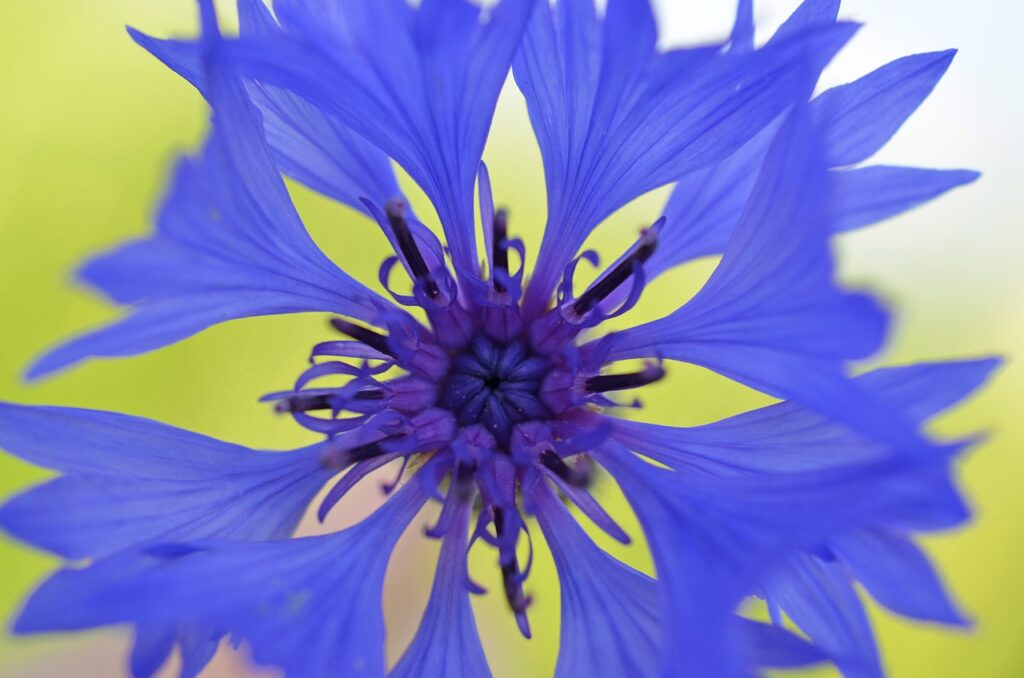
This is about as close to true blue as you’ll get in the annual plant world! Cornflowers are absolutely brilliant natives that produce that iconic bright blue colour we all associate with wildflower meadows. The ‘Blue Boy’ variety is particularly intense and reliable.
Growing Tips: Sow directly in autumn or spring where you want them to flower. They prefer full sun and well-drained soil. Deadhead regularly for continuous blooms. They’re brilliant for cutting and utterly bee-friendly. Self-seeds readily, so you’ll likely get volunteers next year.
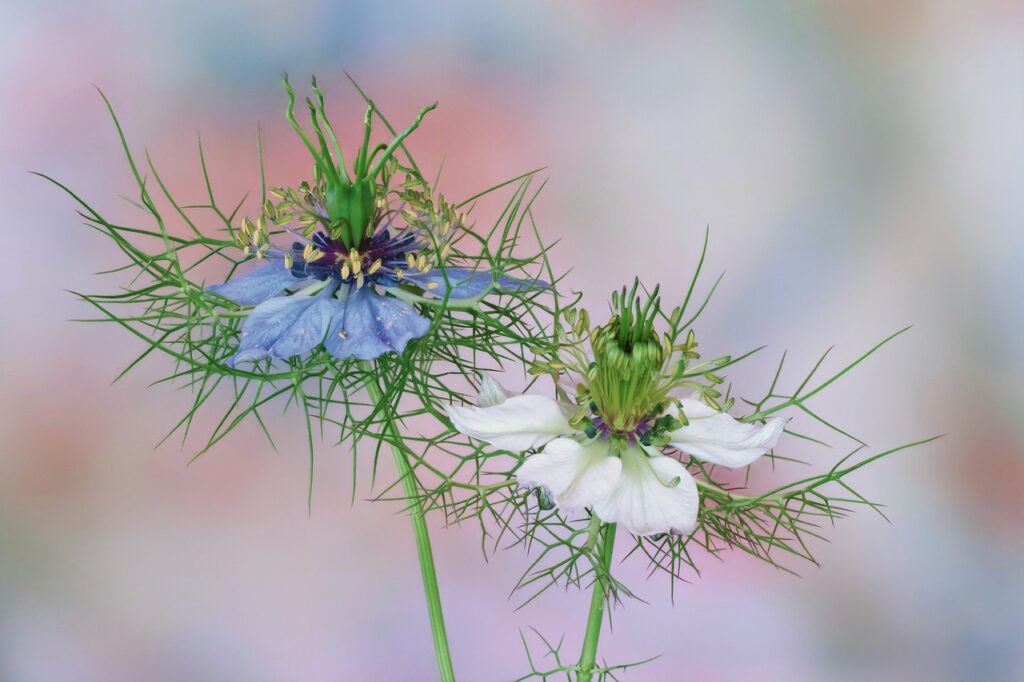
The delicate, true-blue flowers of Nigella are absolutely gorgeous, followed by those wonderful inflated seedpods that are perfect for dried arrangements. The ferny foliage adds lovely texture to borders. This is one of my go-to gap-fillers in early summer borders.
Growing Tips: Sow direct in autumn or early spring. They hate root disturbance, so don’t try transplanting. Full sun and decent drainage are all they need. Let some go to seed for next year’s display. Brilliant for cottage gardens.
3. Blue Poppy Annual (Meconopsis x sheldonii)
Height: 90-120cm | Spread: 30-45cm | Hardiness: Hardy perennial treated as annual in most of UK (H5)
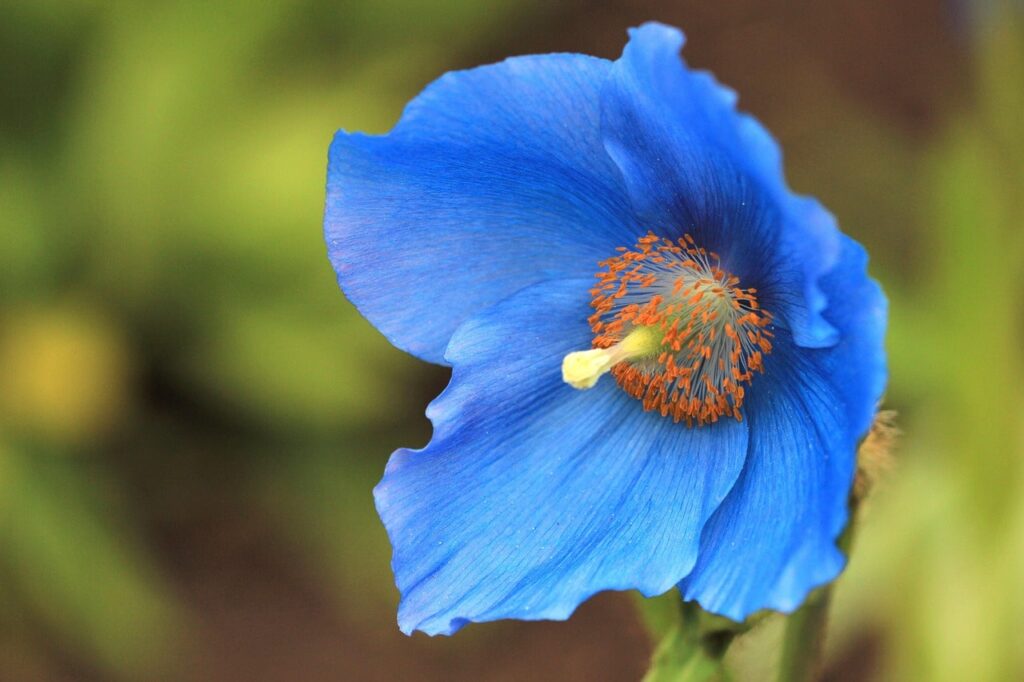
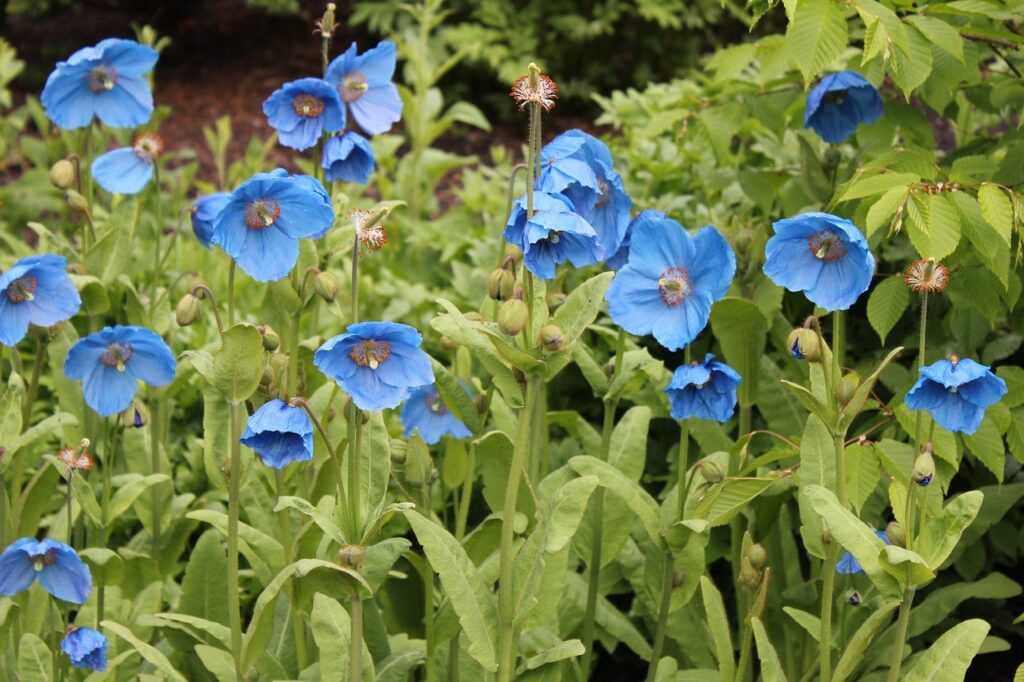
Now, this is the holy grail! The Himalayan blue poppy produces the most stunning, true sky-blue flowers you’ll ever see. I won’t lie to you—they’re challenging to grow in most of the UK and often treated as annuals, but when they succeed, they’re absolutely breathtaking.
Growing Tips: Need cool, moist conditions and acidic soil. Struggle in hot, dry summers. Perfect for Scottish gardens or cool, shaded spots in the north. Keep consistently moist. Mulch well. Worth every bit of effort when they flower!
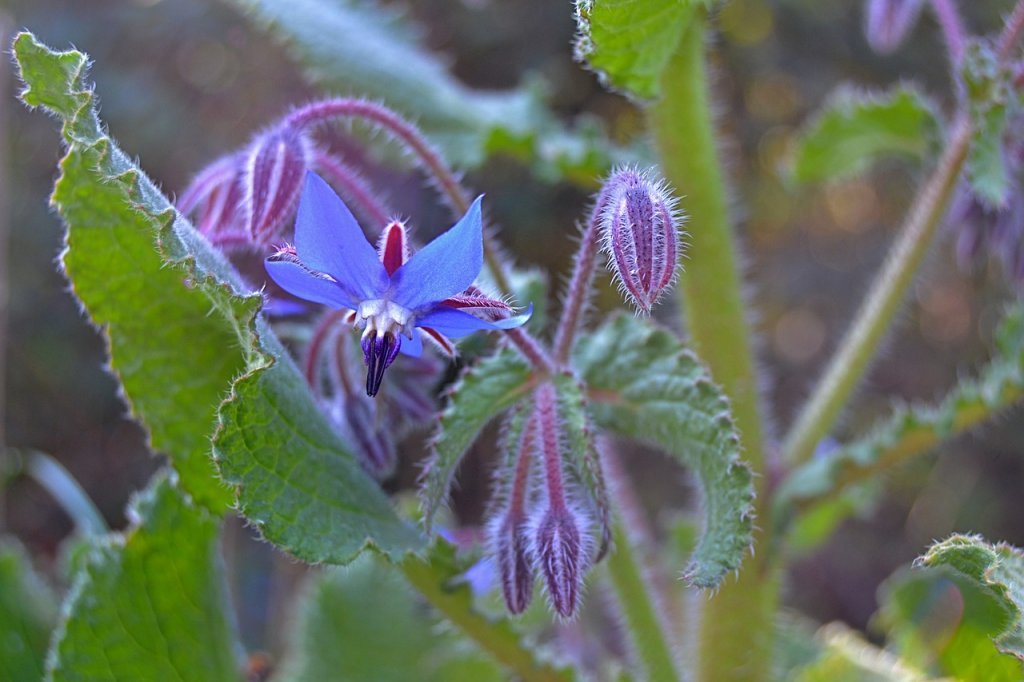
These star-shaped blue flowers are proper blue with lovely black anthers. The whole plant is edible, and the flowers are gorgeous frozen in ice cubes for summer drinks. They’re also phenomenal for bees—you’ll have every pollinator in the neighbourhood visiting!
Growing Tips: Sow direct from April onwards. Thrives in poor soil and full sun. Self-seeds prolifically (almost too well, so be warned!). Water at the base as the hairy leaves can get mildew if wet. Brilliant in herb gardens or wildlife areas.
5. Blue Flax (Linum perenne)
Height: 30-60cm | Spread: 30-40cm | Hardiness: Hardy perennial often grown as annual (H6)
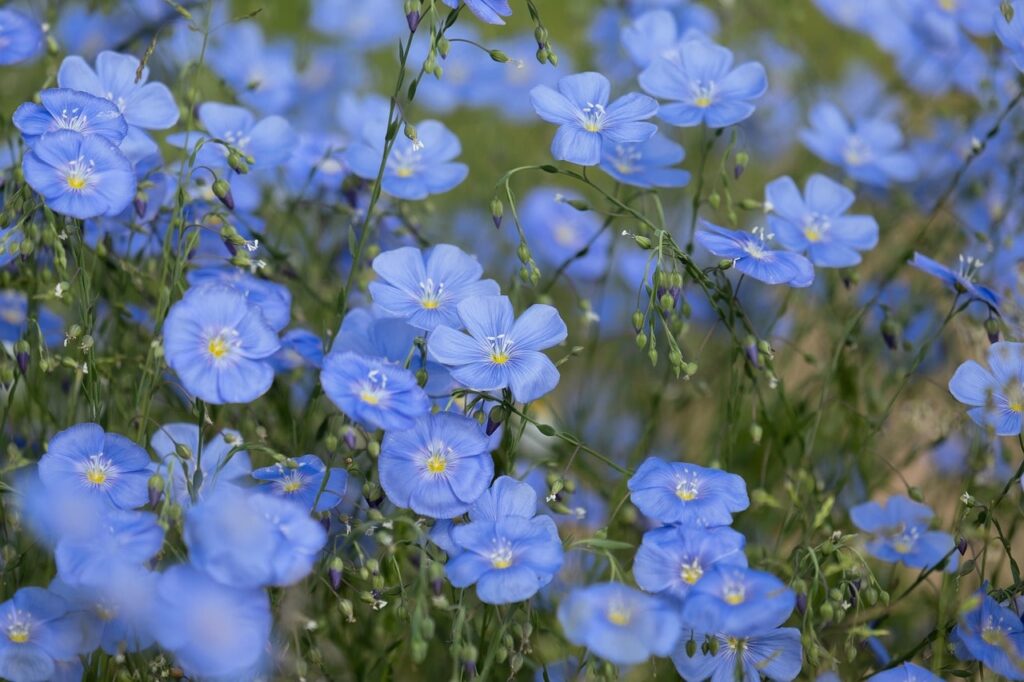
These delicate, true-blue flowers open fresh each morning on airy stems. They create a wonderful hazy effect in borders and work brilliantly in prairie-style plantings. The flowers are ephemeral, yet they are produced continuously.
Growing Tips: Full sun is essential. Thrives in poor, well-drained soil. Sow direct or in modules to transplant young. Short-lived perennial but self-seeds readily. Cut back after the first flush for the second wave of blooms.
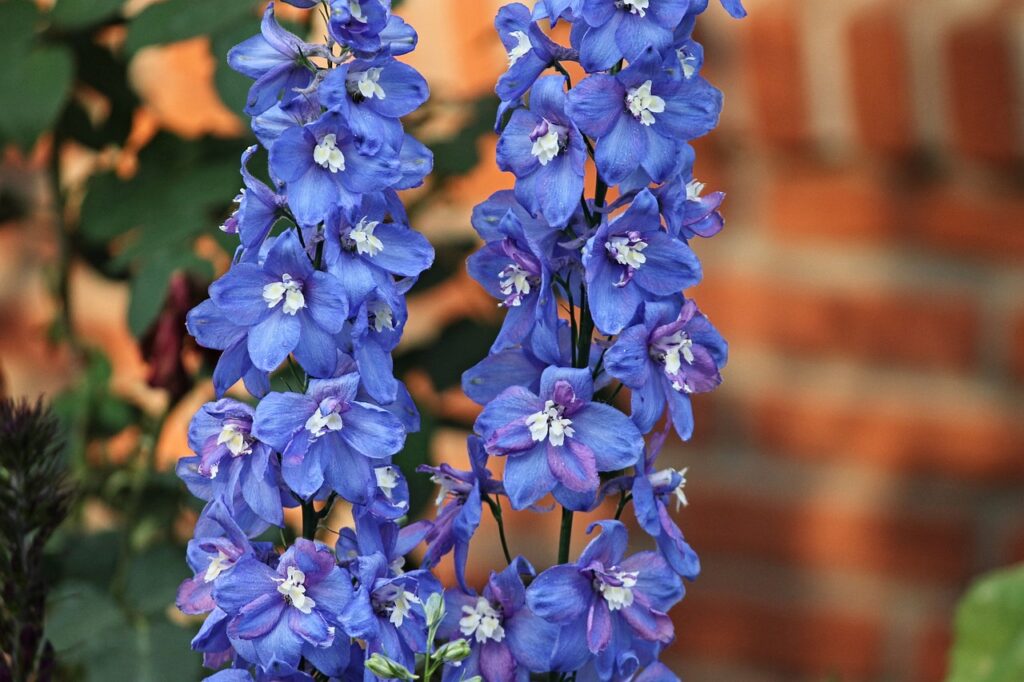
If you want proper blue, delphiniums deliver it in spades! These towering spires of true-blue flowers are absolute showstoppers in June and July. Yes, they need staking and a bit of fuss, but the impact is worth every minute of effort.
Growing Tips: Plant in rich, well-drained soil in full sun. Feed generously—they’re greedy feeders. Stake early before growth gets too tall. Cut back after flowering for a second flush. Protect from slugs when shoots first emerge. May need replacing every 3-4 years.
7. Himalayan Blue Poppy (Meconopsis betonicifolia)
The genuine article! These are the true Himalayan blue poppies with those incredible sky-blue petals. I’ll be straight with you, they’re difficult in most of the UK, but in Scotland, the north of England, or cool shaded gardens, they can be spectacular if you have the time, patience and damp part shaded soil for them!
Growing Tips: Needs acidic soil, cool temperatures, and consistent moisture. Shelter from the hot afternoon sun. Mulch heavily. In warm areas, they grow in deep shade. Don’t let them flower in the first year (remove buds) for better establishment. Perfect for woodland gardens in suitable climates.
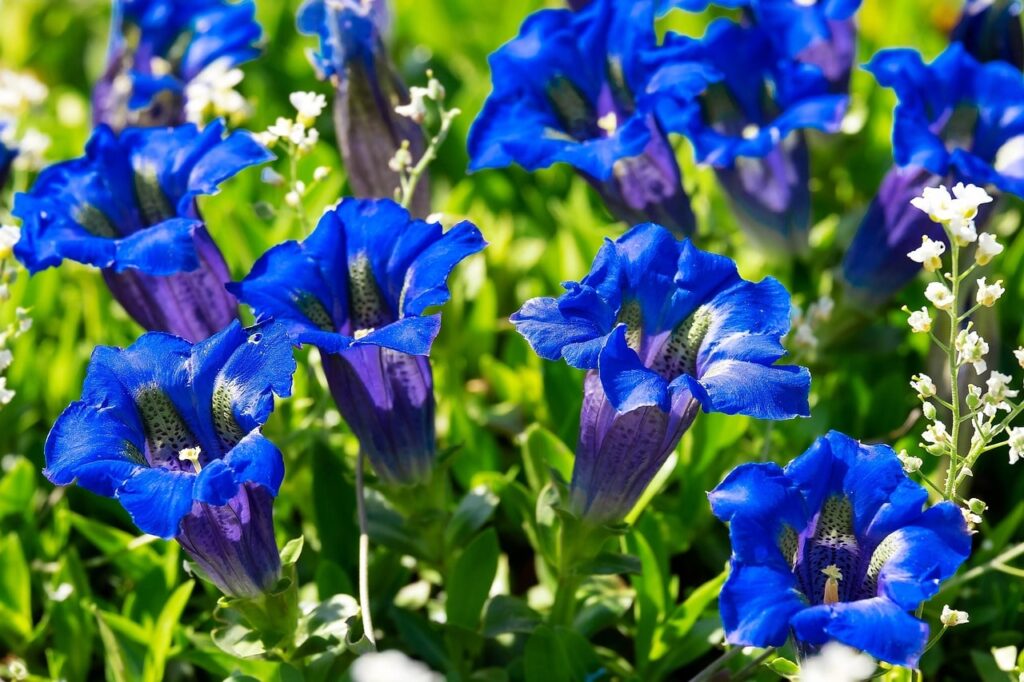
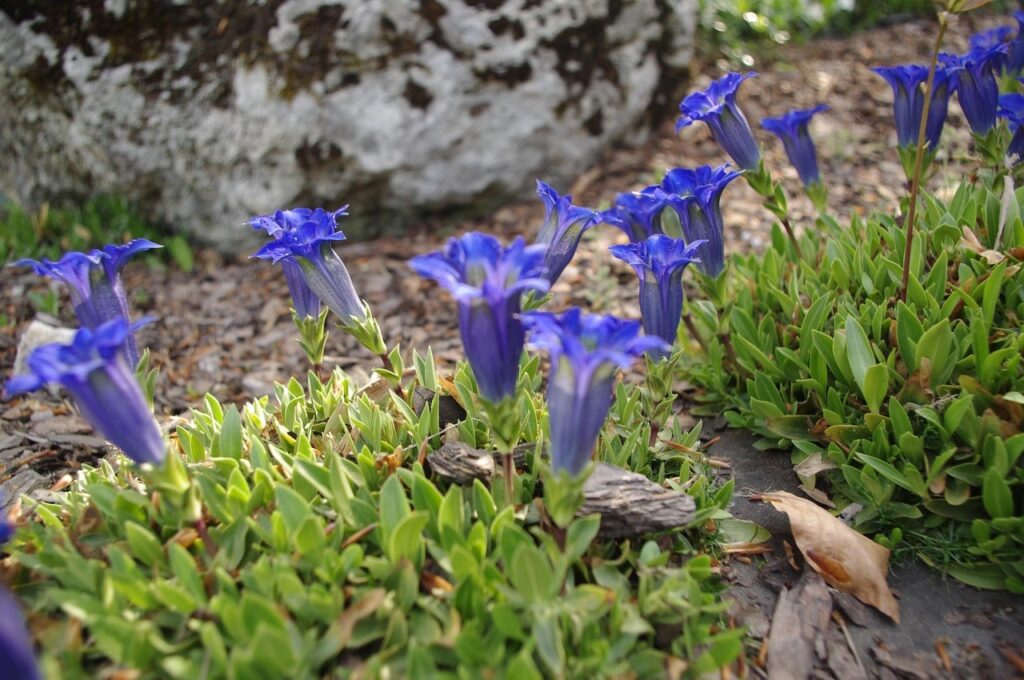
These produce the most intense, electric blue trumpet flowers in autumn when blue flowers are scarce. They’re ground-hugging plants perfect for rock gardens or the front of borders. The blue is absolutely stunning—almost unreal.
Growing Tips: Must have acidic soil and good drainage. Full sun to part shade. Keep moist during the growing season. Divide clumps every few years. Perfect for alpine beds or peat gardens. The autumn flowering is a real bonus when most blues have finished.
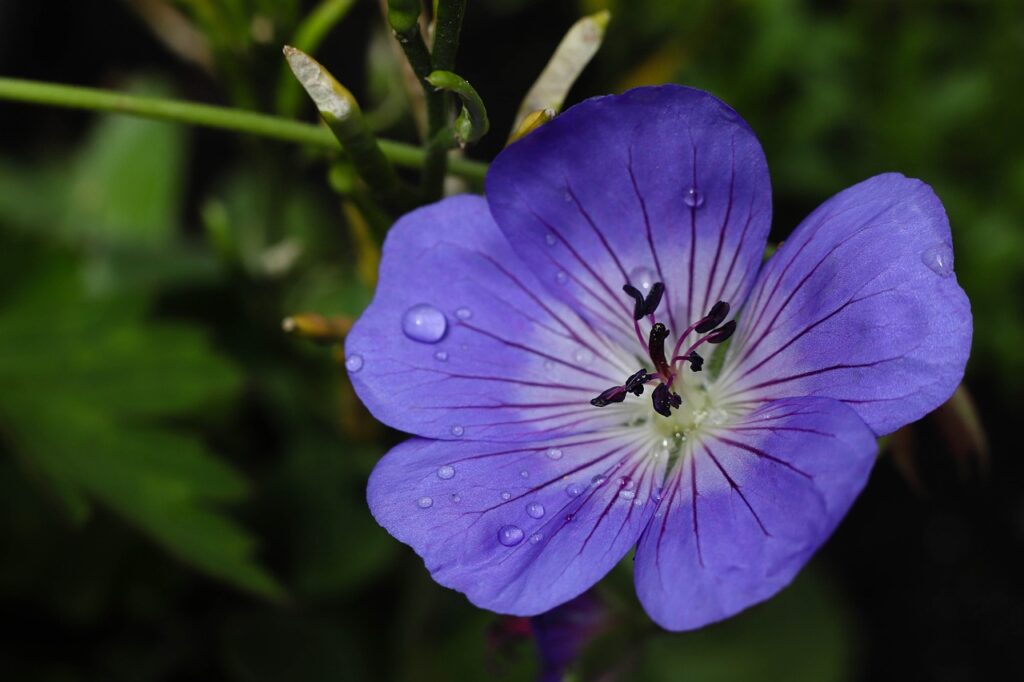
This award-winning hardy geranium produces true-blue flowers with white centres from May right through to November! It’s an absolute workhorse in borders and one of the longest-flowering perennials you can grow. I use it in nearly every garden design.
Growing Tips: Full sun to part shade. Unfussy about soil. Cut back by half in midsummer if it gets straggly—it’ll rebound quickly. Virtually maintenance-free. Spreads well without being invasive. Brilliant ground cover.
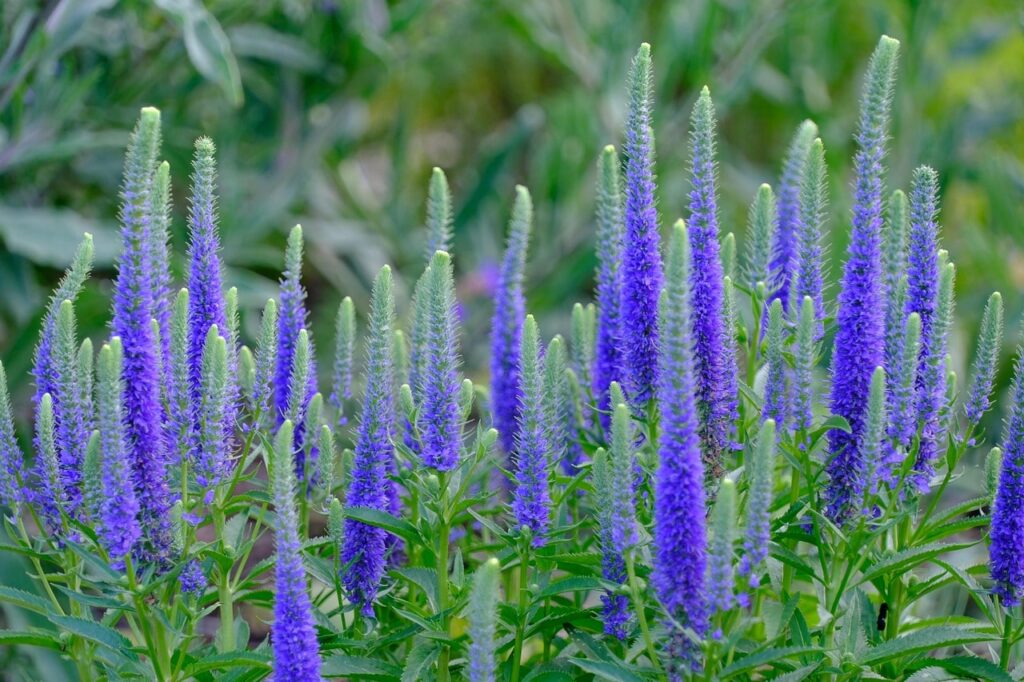
These vertical spikes of true-blue flowers add excellent structure to summer borders. Speedwell is tough as old boots, flowers for weeks, and attracts masses of pollinators. The flower spikes are that lovely, intense blue we’re after.
Growing Tips: Full sun and well-drained soil. Very drought-tolerant once established. Deadhead to prolong flowering. Cut back in autumn. Divide every few years to maintain vigour. Brilliant in gravel gardens or prairie plantings.
These produce the most stunning gentian-blue flowers on upright stems. The colour is extraordinary—proper blue without a hint of purple. Tuberous roots mean you can lift and store them like dahlias in colder areas. I’ve used these in my show gardens for an instant pop of bright blue!
Growing Tips: Full sun and well-drained soil. May survive mild winters with mulch protection. In colder areas, lift tubers and store frost-free. Deadhead regularly. Cutting back after first flush encourages more flowers. Bee magnet!
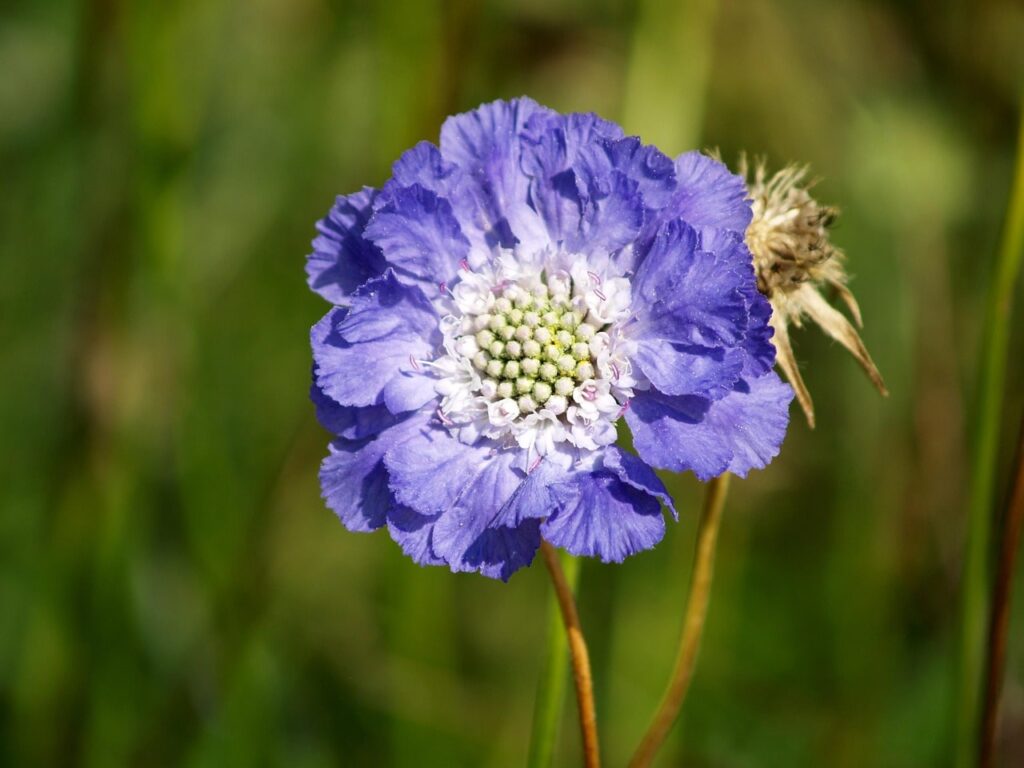
Scabious produces fabulous pincushion flowers in proper blue throughout summer. They’re excellent for cutting, attract a wide range of beneficial insects, and continue to flower if deadheaded. The blue is clean and true.
Growing Tips: Prefer alkaline soil and full sun. Well-drained soil is essential—they hate wet winters. Deadhead religiously for continuous blooms. Cut back in autumn. May be short-lived but worth replanting. Brilliant cottage garden plant.
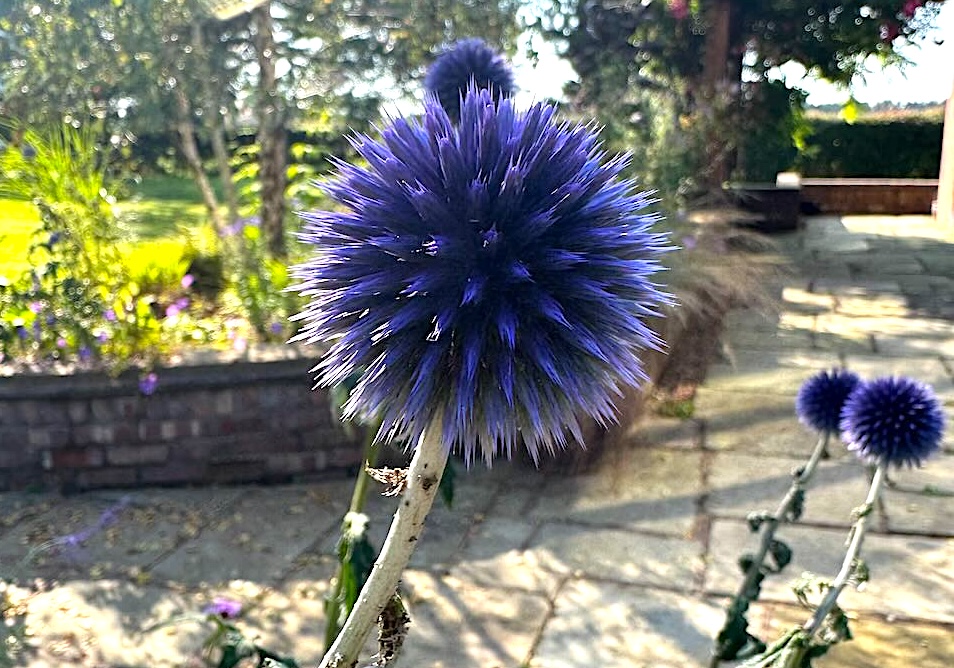
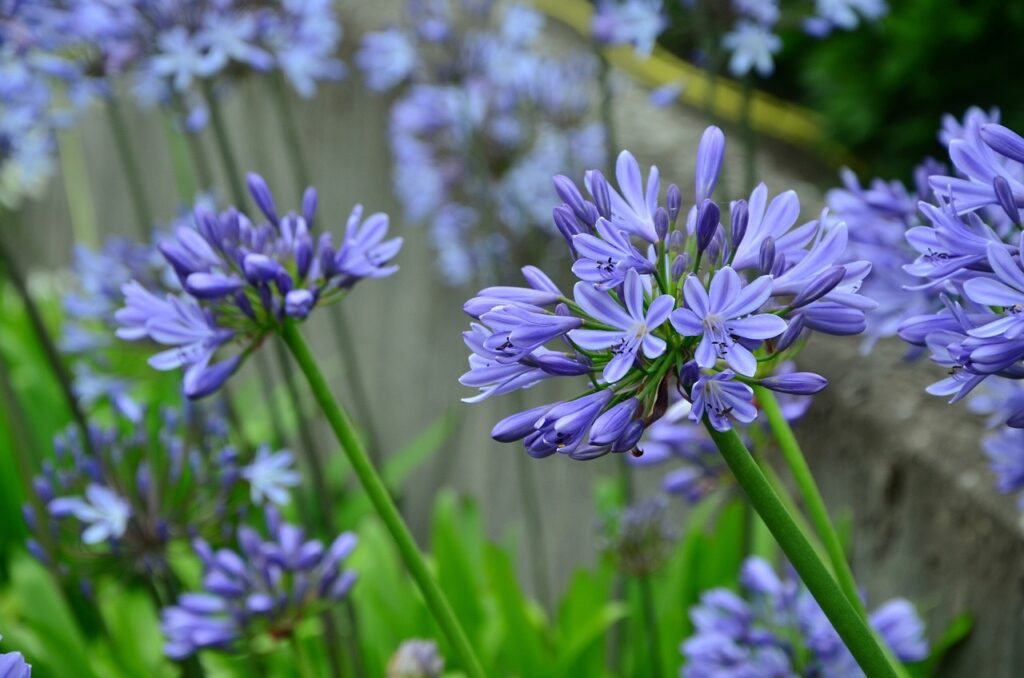
These bold spherical flower heads of true-blue tubular flowers are absolutely stunning in late summer. The strappy foliage provides great structure, even when not in flower. More tender varieties need winter protection, but it is well worth it.
Growing Tips: Full sun is essential. Well-drained soil—plant in pots in colder areas for easy overwintering. Mulch heavily in winter or move pots under cover. Feed with high-potash fertiliser or plant feed during the growing season. Divide clumps every few years.
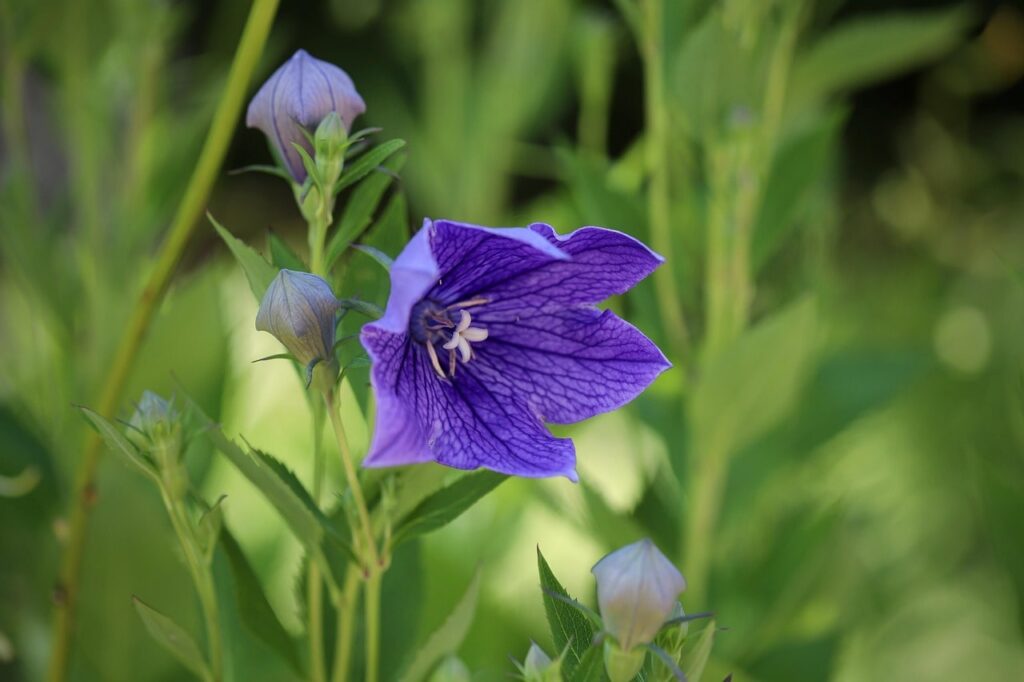
The balloon-like buds pop open into star-shaped blue flowers that are genuinely blue. These are wonderful late-summer perennials that are far more reliable than delphiniums. The inflating buds are fascinating—kids love them!
Growing Tips: Full sun, well-drained soil. Very late to emerge in spring—mark their position! Don’t disturb established clumps. Deadhead to prolong flowering. Long-lived and trouble-free once established. Perfect for mid-border positions.
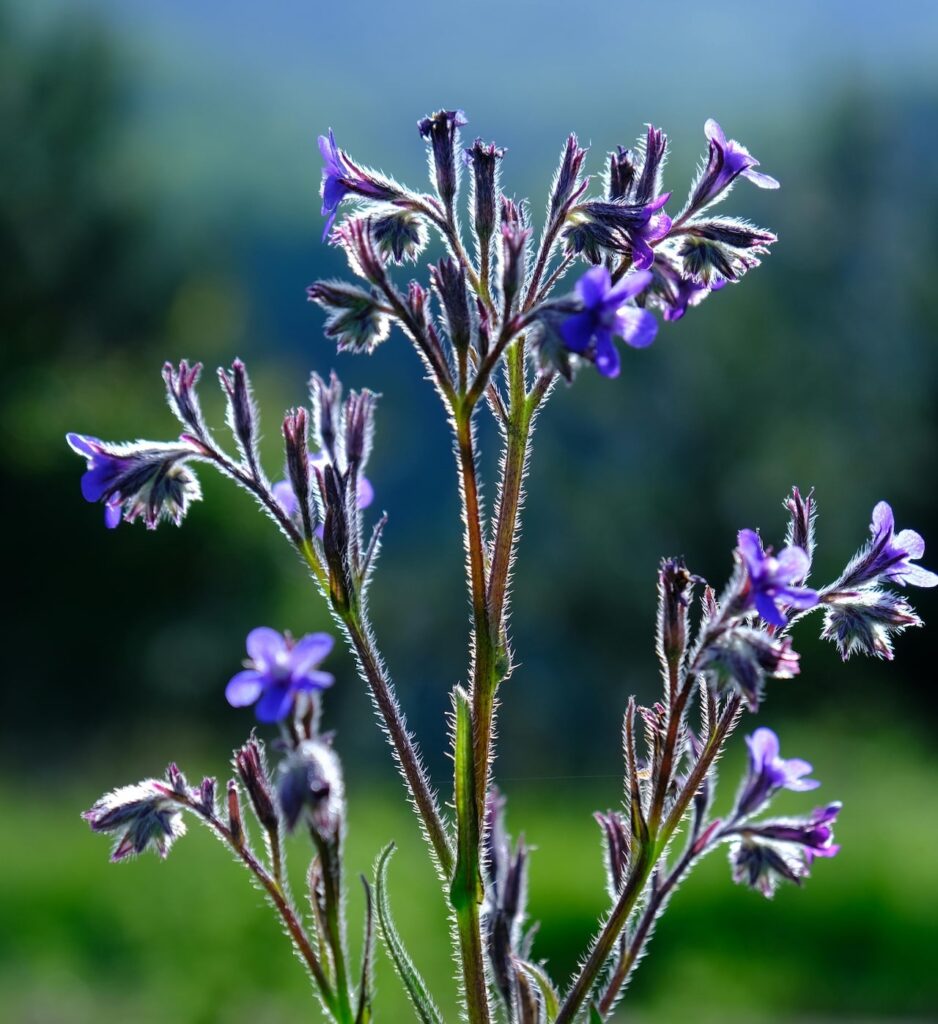
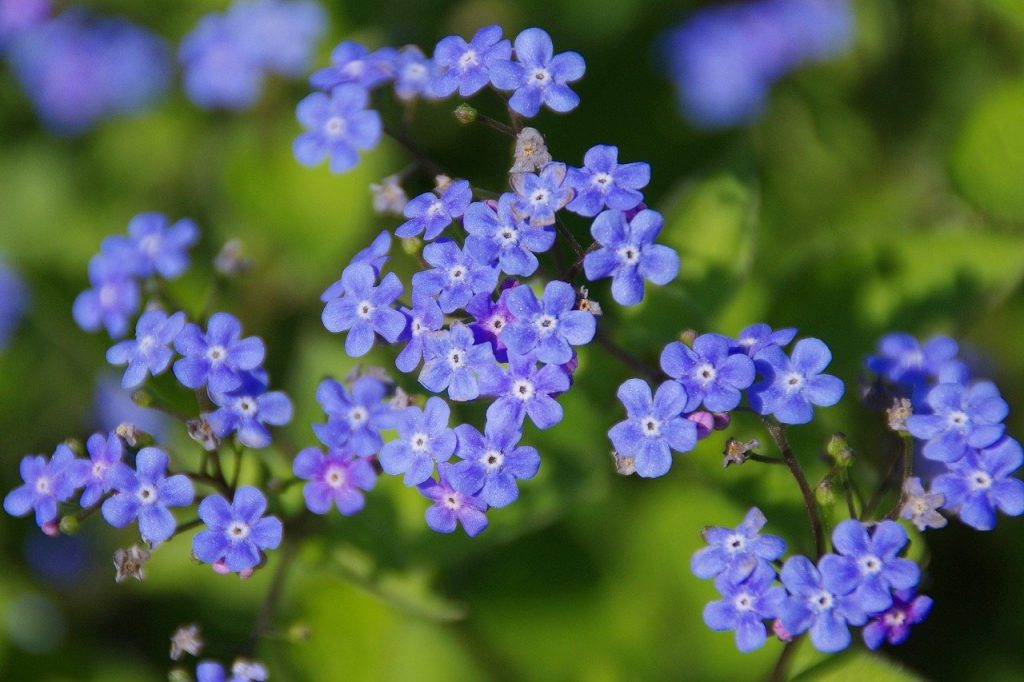
These produce masses of intensely blue forget-me-not-like flowers in late spring and early summer. The blue is proper royal blue, which is absolutely stunning for early spring colour. They’re quite coarse plants, but the flower colour more than makes up for it. I actually love the rough texture of the leaves, and they’re easy to spot compared to forget-me-nots based on that feature!
Growing Tips: Full sun, well-drained soil. It can be short-lived if you have a very wet winter, so take cuttings or allow it to self-seed. Cut back after flowering for a possible second flush. May need staking. Brilliant for wildlife. The blue is worth any effort!
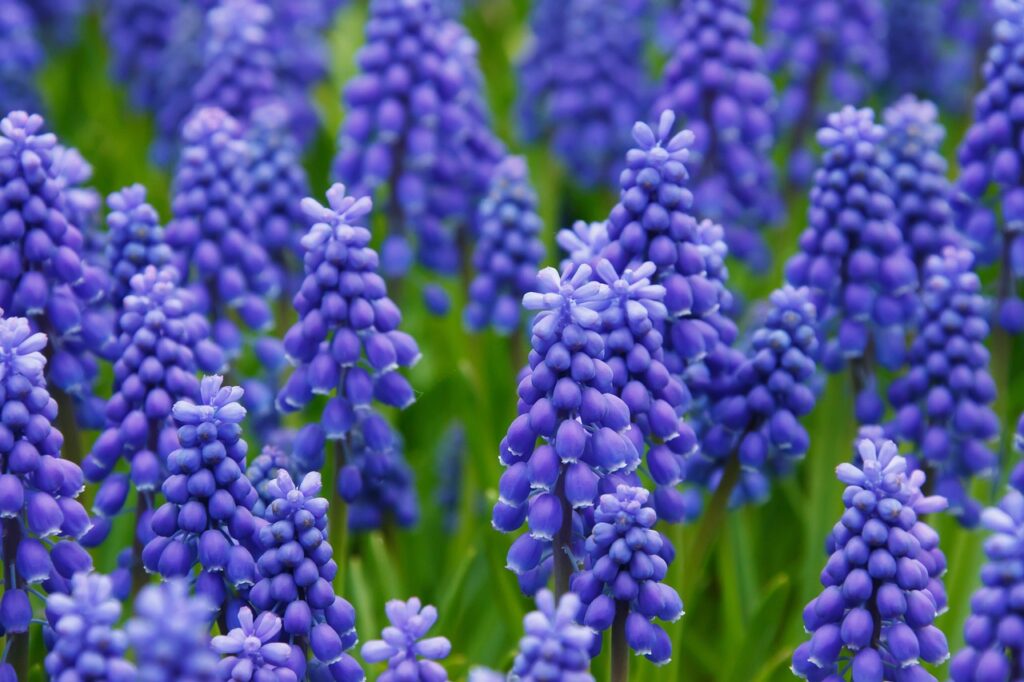
These little gems produce dense spikes of deep blue bells that are genuinely blue. They naturalise brilliantly under deciduous trees or at the front of borders. The scent is lovely too. One of the easiest and most reliable blue bulbs.
Growing Tips:Plant bulbs in autumn at 8cm deep. They’ll naturalise freely—can become invasive in ideal conditions. Full sun to part shade. Leave foliage to die back naturally. Divide congested clumps every few years. Perfect for spring containers.
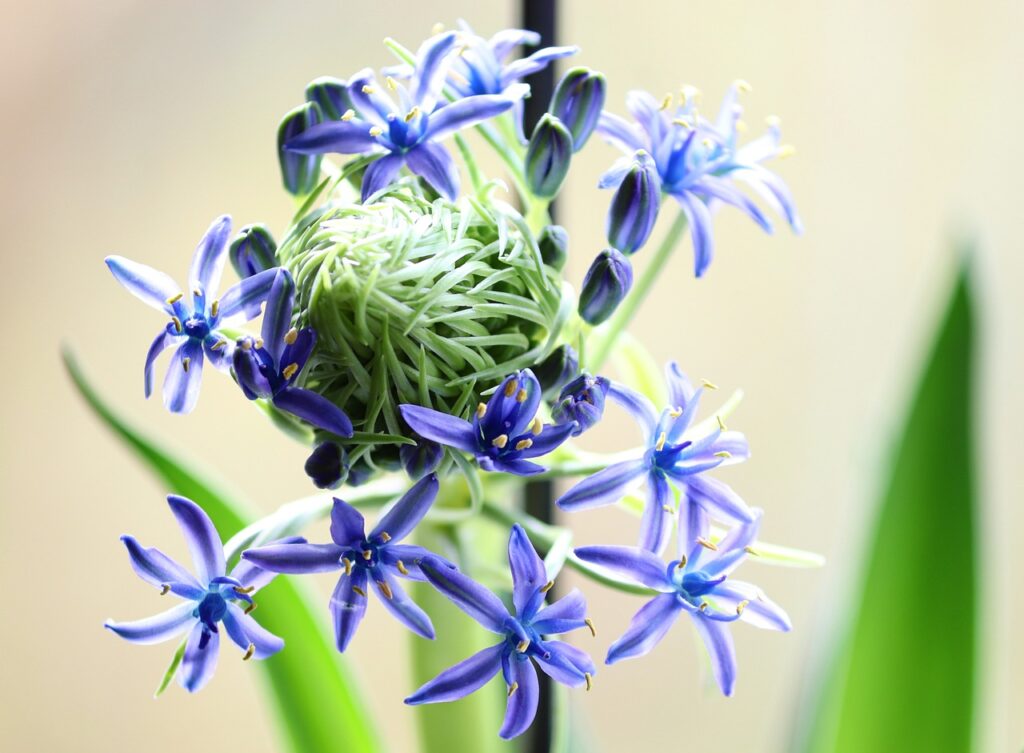
These produce the most brilliant electric-blue nodding bells in early spring. They naturalise beautifully in grass or under shrubs. The blue is intense and proper—no purple tones at all. Wonderful with snowdrops and crocuses.
Growing Tips: Plant bulbs in autumn at 8cm deep. They’ll self-seed and spread freely. Perfect for naturalising in lawns (delay mowing until foliage dies back). Full sun to part shade. Very low-maintenance. Creates stunning blue carpets over time.
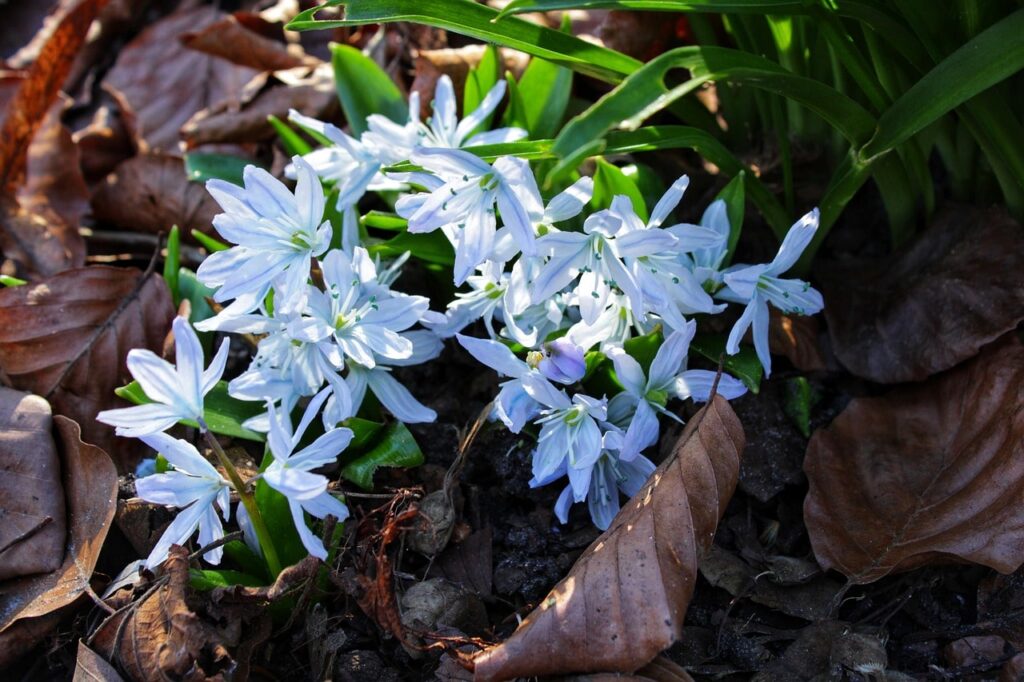
These star-shaped blue flowers with white centres appear in early spring and are genuinely blue. They’re perfect for rock gardens, the front of borders, or naturalising under shrubs. Utterly charming and trouble-free.
Growing Tips: Plant bulbs 8cm deep in autumn. They’ll self-seed and naturalise. Full sun to part shade. Leave foliage to die back. No maintenance required once established. Mix with other early bulbs for extended interest.
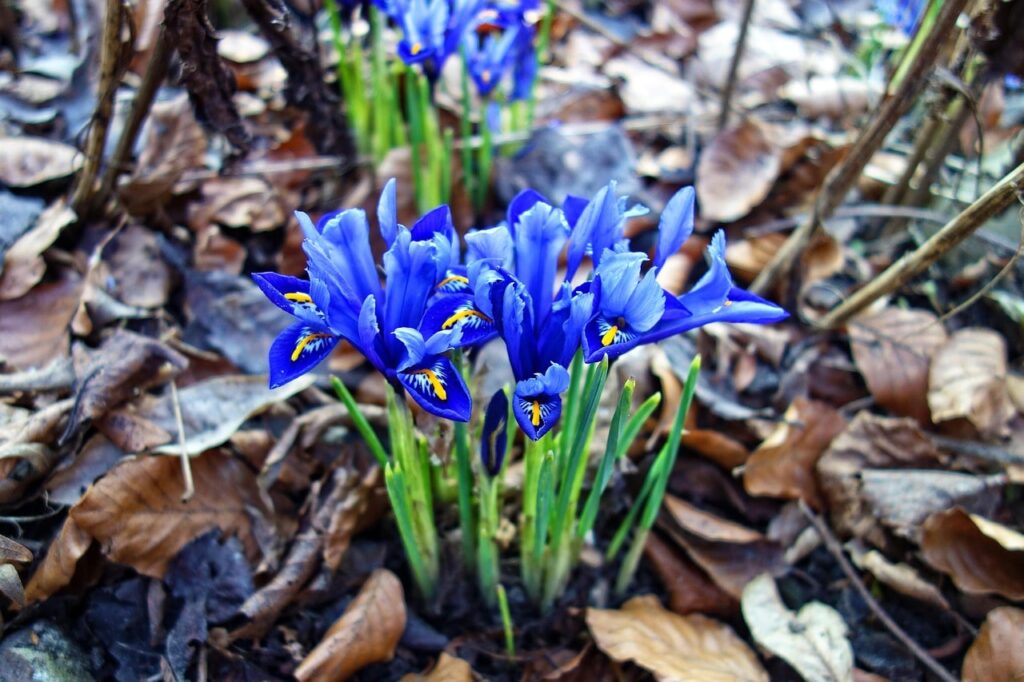
These miniature irises produce proper blue flowers in late winter and early spring. The colour is rich royal blue—absolutely gorgeous when little else is flowering. They’re perfect for containers or the front of borders.
Growing Tips: Plant bulbs in autumn in well-drained soil and full sun. Excellent drainage essential—they rot in wet conditions. Perfect for alpine beds or pots. May reduce in vigour after a few years. Deadhead but leave foliage to die back.
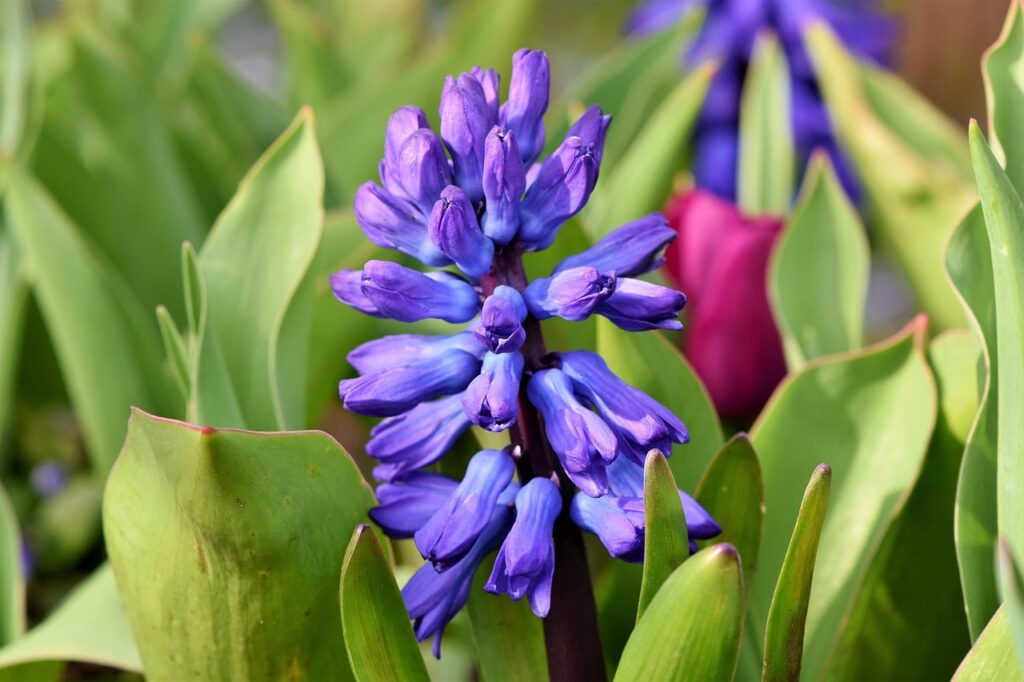
This variety produces dense spikes of proper blue bells with incredible fragrance. The scent is intoxicating! Perfect for spring containers near doorways or seating areas. The blue is clean and true.
Growing Tips: Plant bulbs in autumn at 10cm deep. Full sun, well-drained soil. After flowering, allow foliage to die back naturally. May reduce in vigour after first year—treat as annuals in pots or leave in borders to naturalise. Feed after flowering.
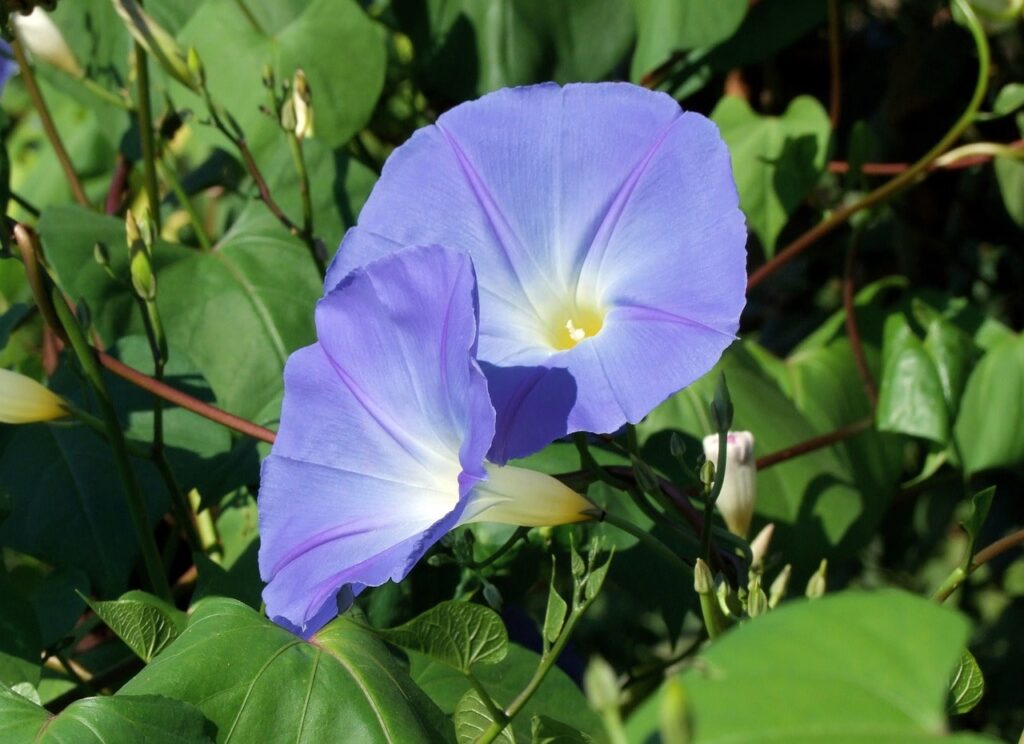
These produce the most stunning sky-blue trumpet flowers that open each morning. The blue is pure and true, which I find absolutely gorgeous. They grow quickly and flower prolifically from July until frost. Perfect for obelisks or temporary screens.
Growing Tips: Sow indoors in April, plant out after frosts. Full sun essential. Keep well-watered. Flowers only last one day but are produced continuously. Nick or soak seeds before sowing to improve germination. Need warm conditions to thrive.
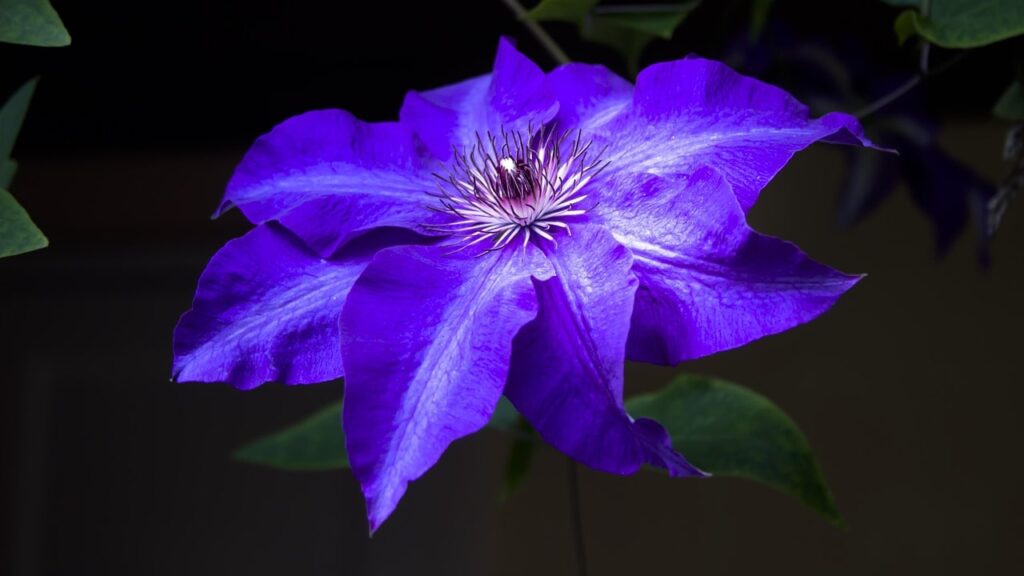
These large, true-blue flowers are stunning in early summer. The blooms can be 15cm across, and that lovely proper blue we’re after. It’s a vigorous grower and reliable flowerer. One of the bluest clematis available.
Growing Tips: Plant with roots in shade, top growth in sun. Mulch well. Light prune only (Group 2). Feed in the spring. Keep moist during the growing season. Grows quickly once established. Perfect for growing through trees or over pergolas.
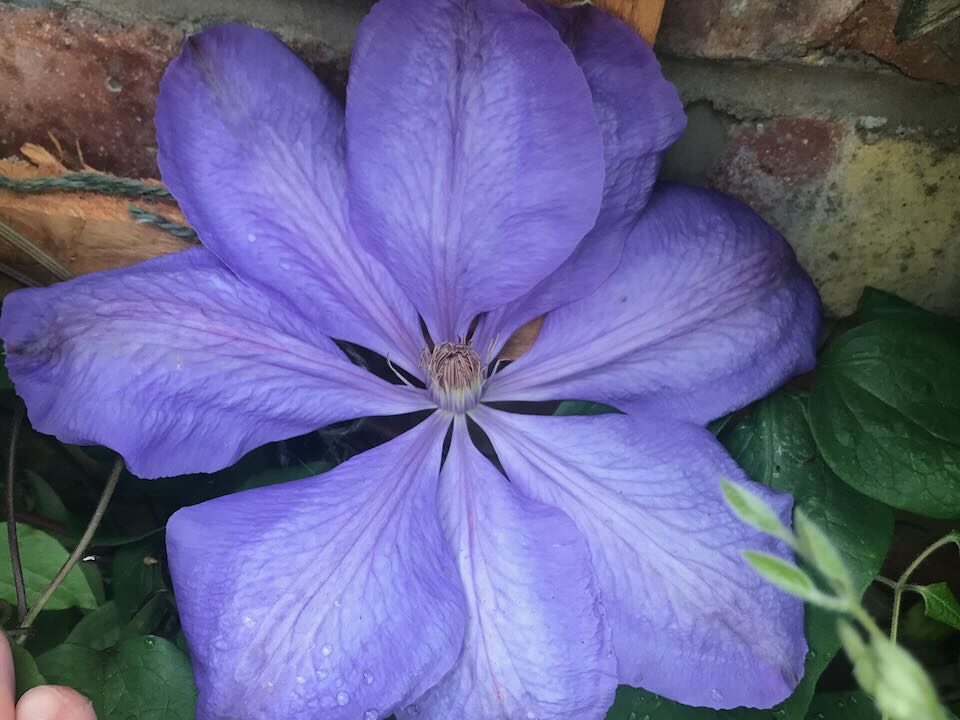
This compact clematis produces masses of absolutely huge mid-blue flowers in May-June with a second flush in autumn. Perfect for smaller gardens or containers, as the spread is small but the flowers are massive. Think dinner plate-sized! The colour is that lovely Wedgwood blue we’re looking for.
Growing Tips: Group 2, so light prune only. Excellent for pots on patios. Feed regularly if container-grown. Mulch well. Keep roots cool and moist. Flowers on old and new wood. Very reliable and not too vigorous.
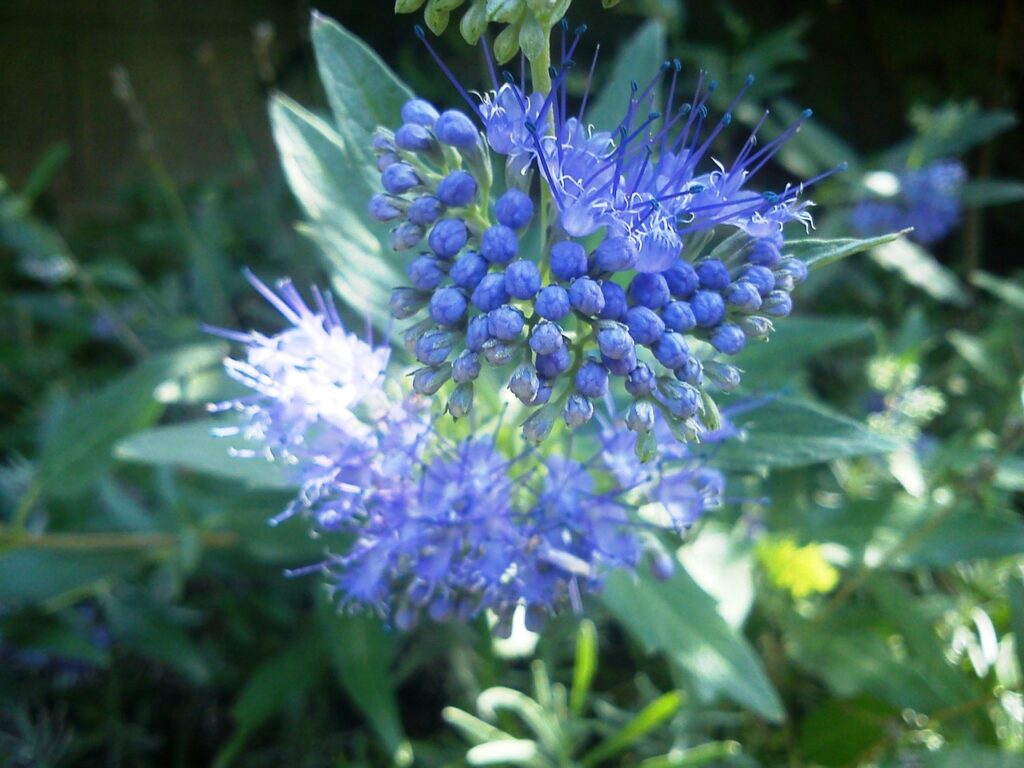
This late-summer-flowering shrub produces masses of true-blue flowers that are absolutely loved by bees. The silvery foliage is aromatic and attractive. It’s one of the best blue-flowering shrubs for UK gardens. I use it constantly in my designs.
Growing Tips: Full sun, well-drained soil. Cut back hard in spring to 15-20cm from ground—flowers on new wood. Very drought-tolerant once established. Perfect for gravel gardens or Mediterranean-style plantings. Butterflies adore it!
This produces brilliant electric-blue flowers from July through to October. The foliage turns red in autumn for a double show. It’s one of the best blue-flowering shrubs for autumn interest. The blue is intense and genuine.
Growing Tips: Full sun to light shade. Well-drained soil. Cut back to ground level in spring—flowers on new growth. Can be late to break dormancy in spring, so don’t panic! Very tough once established. Spreads slowly by suckers.
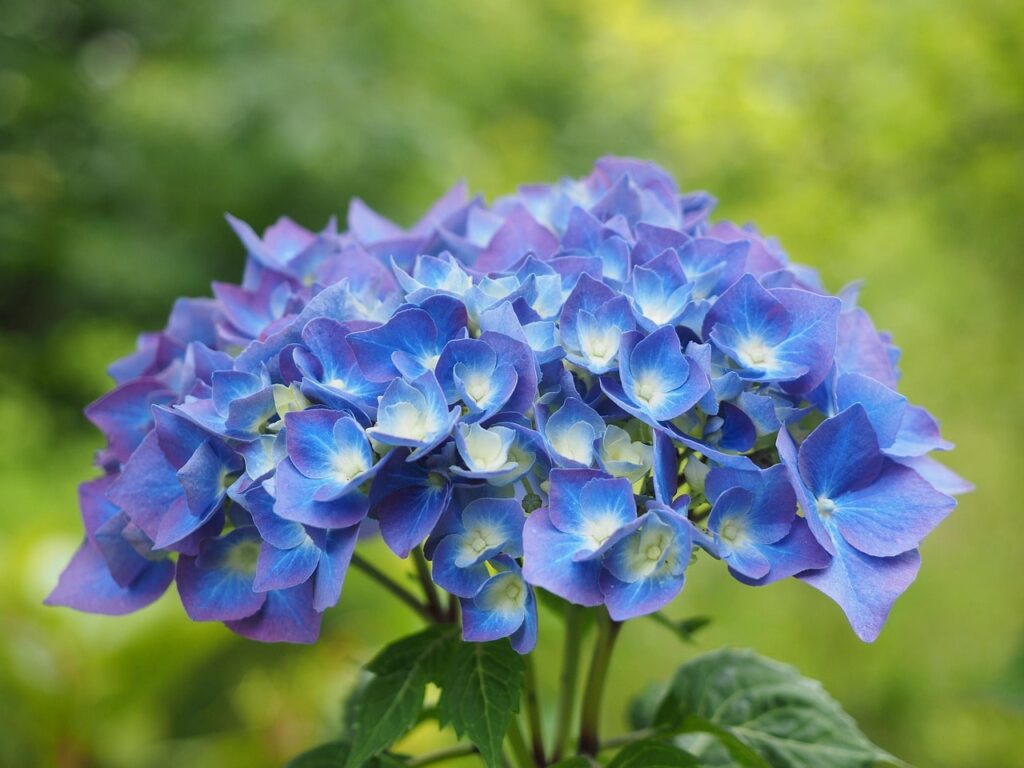
Now, here’s the thing with blue hydrangeas—they’re only genuinely blue in acidic soil. In neutral or alkaline soil, they’ll be pink or purple. But in the right conditions, they produce the most stunning true-blue lacecap flowers. Worth creating acidic conditions for!
Growing Tips: Need acidic soil (pH below 5.5) for blue flowers. Add aluminium sulphate or use ericaceous compost. Shelter from early morning sun (prevents frost damage on new growth). Mulch well. Don’t prune in autumn—just remove dead flowers in spring. Keep moist.
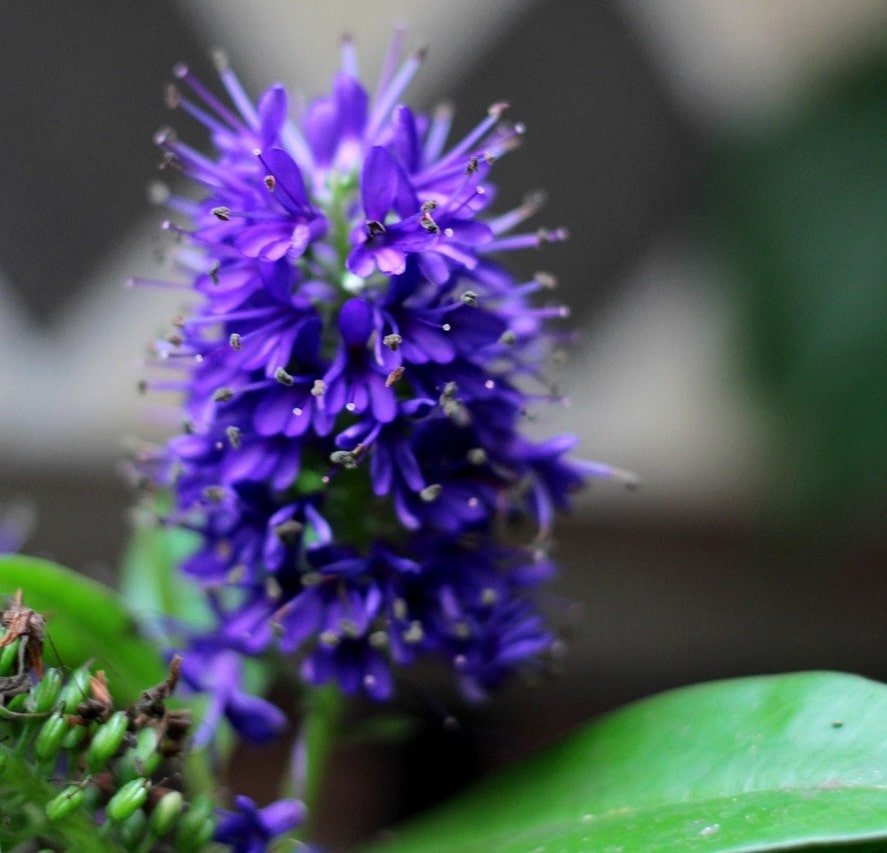
This produces spikes of proper blue flowers from summer through autumn. The evergreen foliage provides year-round structure. Perfect for coastal gardens or milder areas. Hebes are notoriously easy to look after and one of my bulletproof plants for beginner gardeners.
Growing Tips: Full sun, well-drained soil. Shelter from cold winds. Mulch in winter in colder areas. Trim after flowering to maintain shape. May not survive harsh winters in exposed locations. Tolerates salt spray—brilliant for seaside gardens.
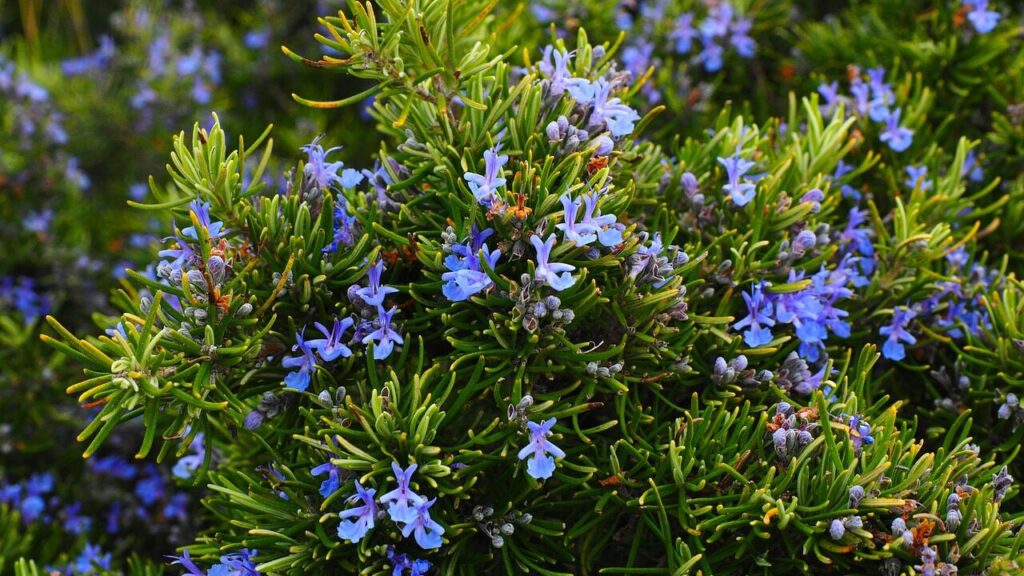
The flowers are lovely, true-blue, and appear in spring. Added bonus, you can use the leaves in cooking! The aromatic foliage is attractive year-round. Perfect for Mediterranean-style gardens or herb borders.
Growing Tips: Full sun, excellent drainage is essential. Shelter from cold winds. May not survive harsh winters in exposed areas. Trim after flowering to maintain shape. Very drought-tolerant once established. Perfect for gravel gardens.
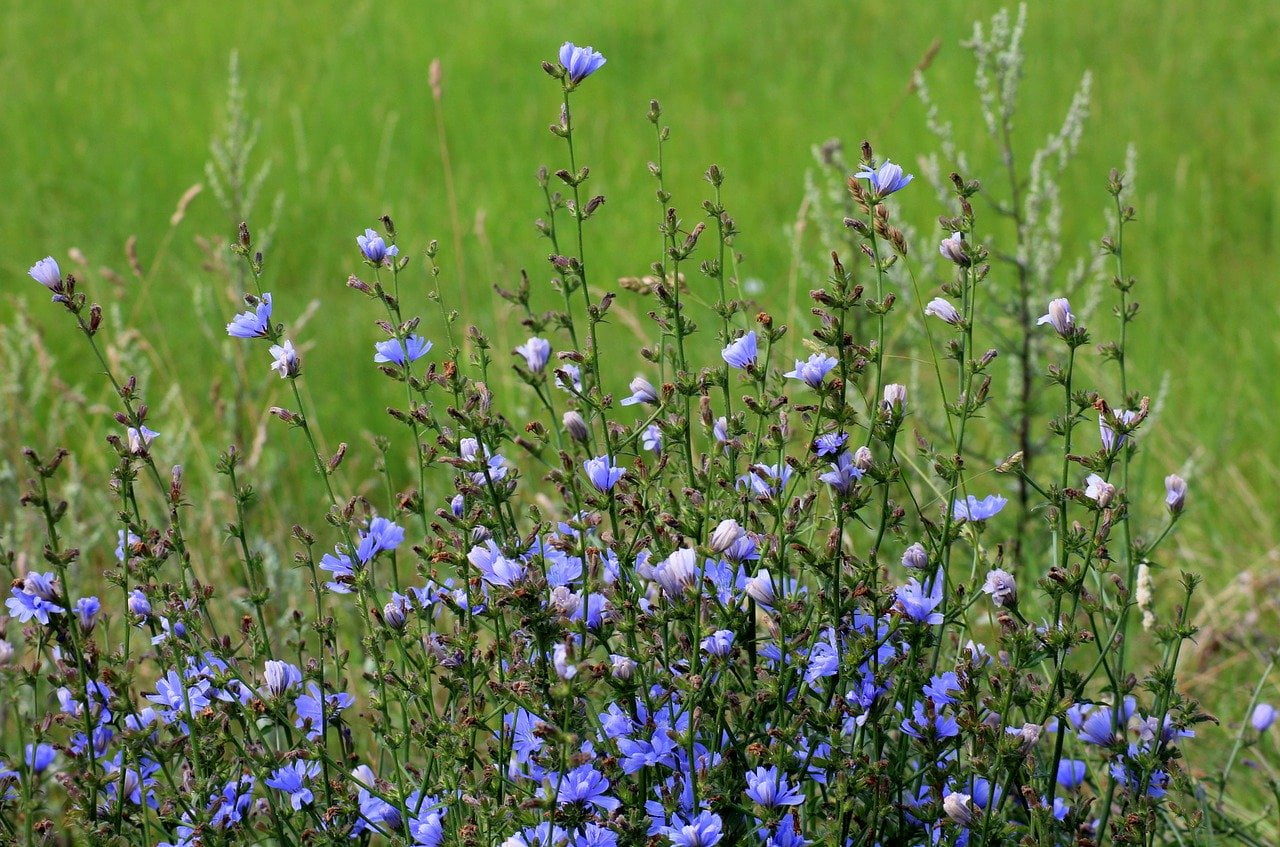
These sky-blue daisy-like flowers are genuinely blue and open fresh each morning. The plant is both ornamental and edible (leaves and roots). Brilliant for wildflower meadows, and I have it here at Garden Ninja HQ in my own meadow or cottage gardens. The blue is proper and pur,e and you can roast the roots to make a coffee substitute!
Growing Tips: Full sun, well-drained soil. Sow direct in spring. Tolerates poor soil. Self-seeds readily. It can be short-lived but self-perpetuates. Will need staking as they tend to flop over if not. Deep taproot makes it drought-tolerant. The flowers close by midday, so plant where you’ll see them in the morning.
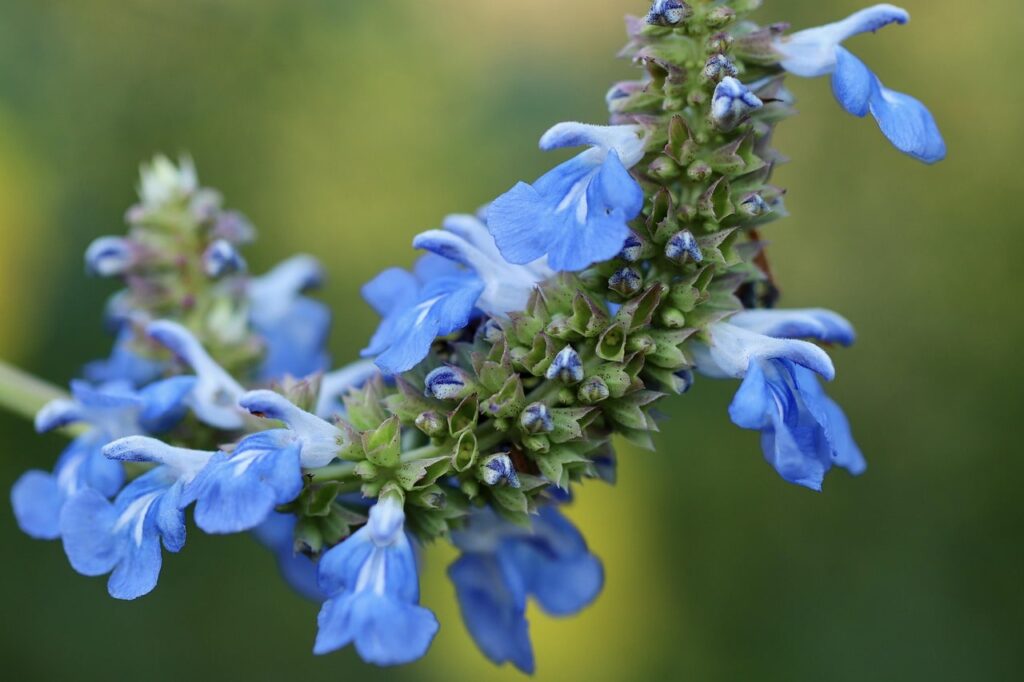
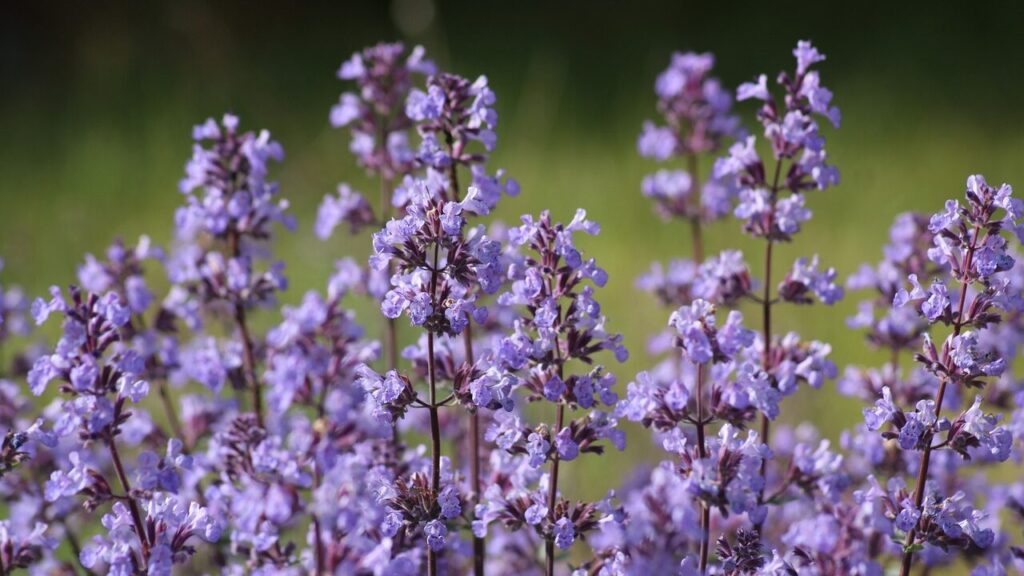
These produce masses of blue-purple flowers (leaning heavily to true blue) over aromatic grey-green foliage. They flower for months if deadheaded. Cats love them (hence the name!), and so do bees. One of the best easy perennials for UK gardens.
Growing Tips: Full sun to part shade. Well-drained soil. Cut back after the first flush for the second wave of blooms. Very drought-tolerant. It can flop in rich soil, so plant it in poorer ground for compact growth. Virtually maintenance-free, and can be divided and split every 3 years to get more plants for free!
These produce the most stunning deep blue trumpet flowers in spring. The blue is incredibly intense—almost unreal. They’re ground-hugging plants perfect for rock gardens or alpine troughs. Fussy but spectacular when happy.
Growing Tips: Need very well-drained soil and full sun. Add grit to soil. Water during dry spells in growing season. Can be reluctant to flower—sometimes sulks for no apparent reason! Best in cooler climates. Worth persisting with for that incredible blue.
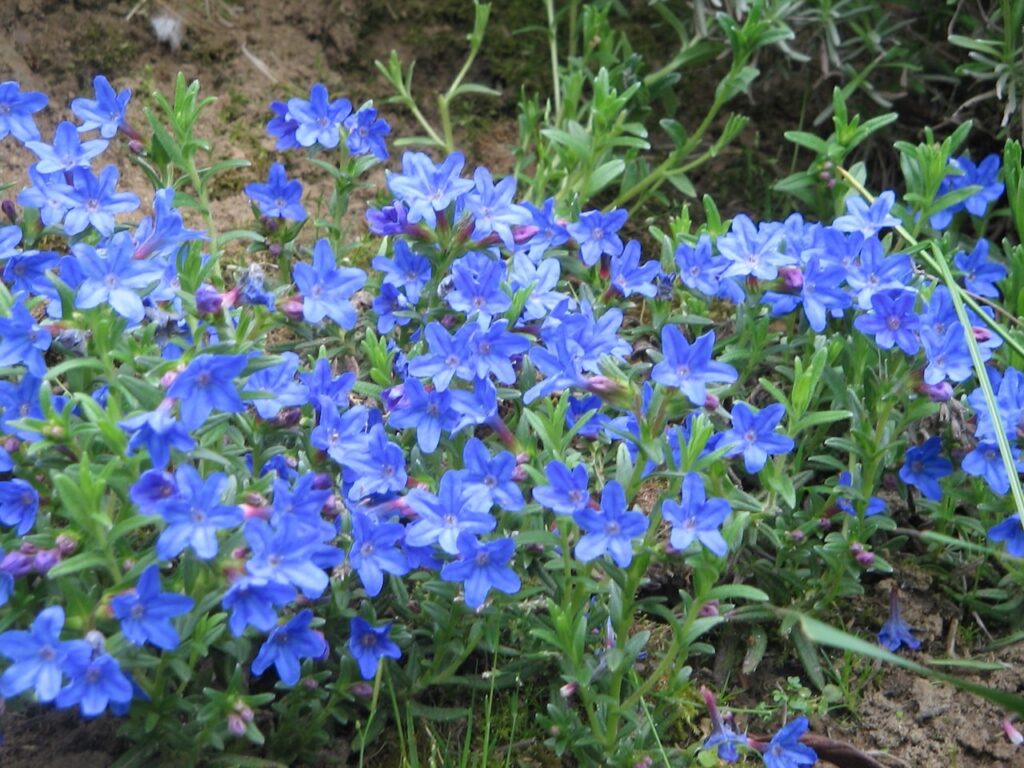
This evergreen spreader produces masses of gentian-blue flowers in late spring and early summer. It’s brilliant as ground cover or trailing over walls. The blue is proper and intense. Flowers can completely cover the foliage.
Growing Tips: Needs acidic soil and excellent drainage. Full sun to light shade. Trim after flowering to maintain compact growth. Water during establishment. Once established, very low-maintenance. Perfect for rock gardens or front of acid beds.
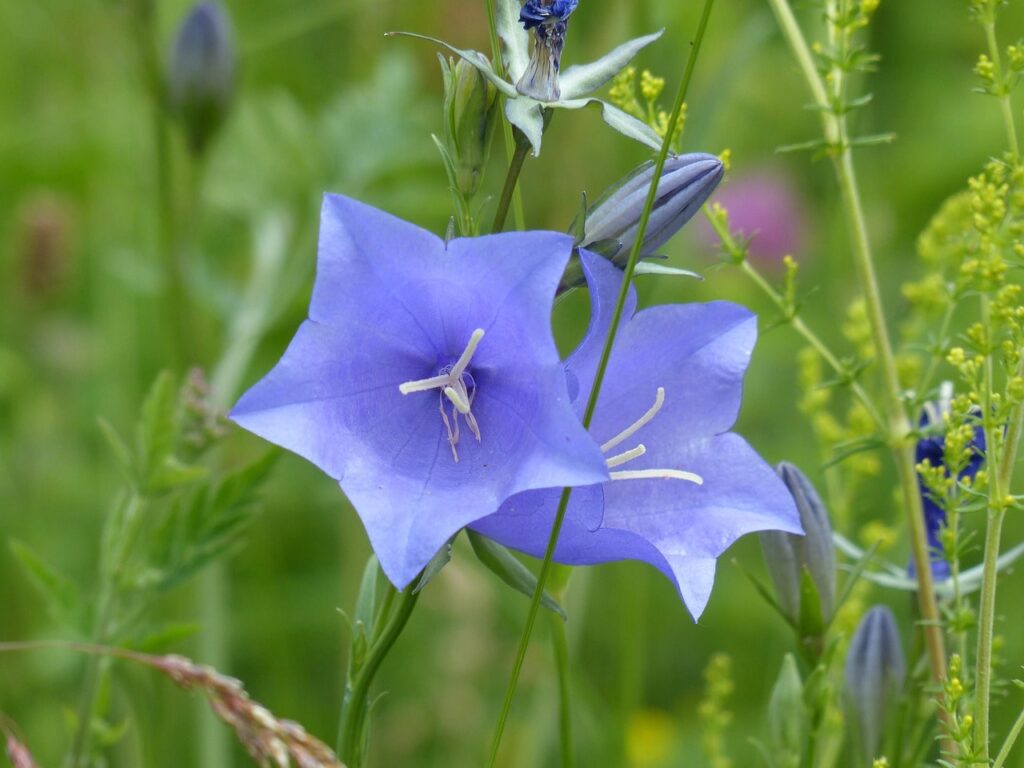
These produce upward-facing blue bell flowers continuously from June through September. They’re perfect for edging paths or the front of borders. The blue is clean and true. Very easy to grow and flower reliably.
Growing Tips: Full sun to part shade. Well-drained soil. Deadhead to prolong flowering. Divide congested clumps every few years. Perfect for pots or containers. Very little maintenance is required. Flowers for months!
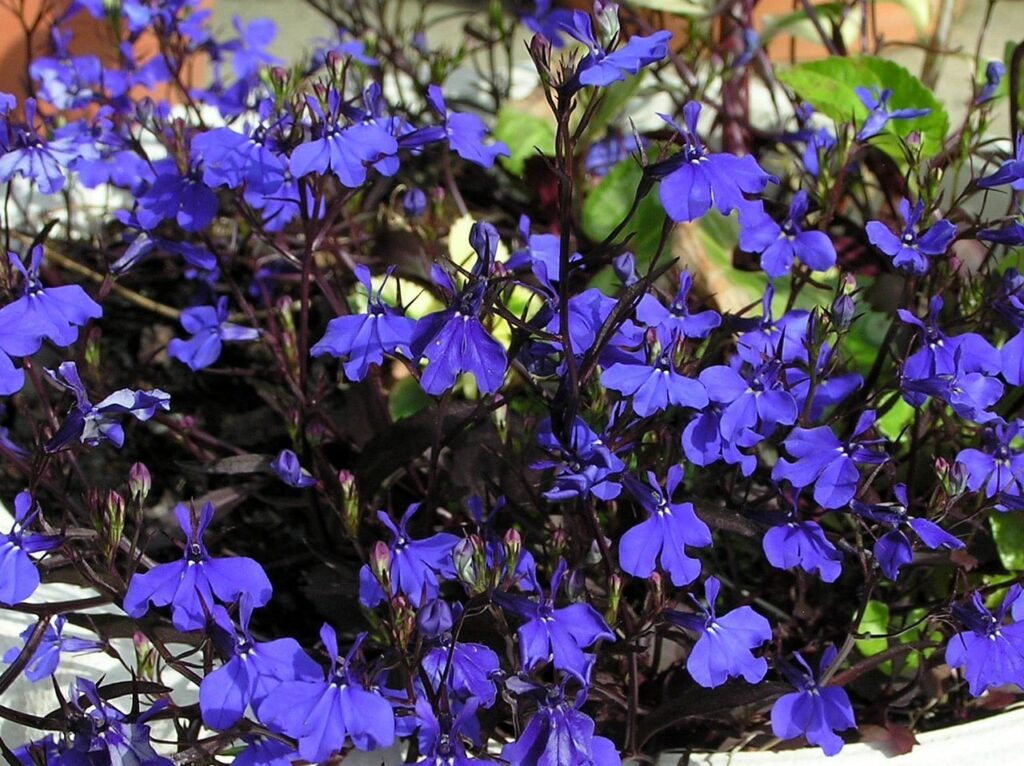
The intense blue of trailing lobelia is about as blue as annuals get. Perfect for containers, hanging baskets, or the front of borders. They flower continuously from planting until the first frost and work well in hanging baskets, balcony gardens and containers. The blue is dark along with the stems.
Growing Tips: Plant out after frosts. Keep well-watered and fed. Full sun to part shade. Trim back midsummer if they get straggly—they’ll bounce back. Can struggle in extreme heat. Perfect for edging or containers.
These classic cottage garden plants produce clouds of tiny true-blue flowers in spring. They’re perfect for underplanting bulbs or filling gaps in borders. Self-seed prolifically, so you’ll have them forever once you start them!
Growing Tips: Sow in summer for flowers next spring. They’ll self-seed everywhere once established—can become weedy but easy to remove. Prefer moisture-retentive soil. Part shade to full sun. Perfect with tulips and wallflowers for spring bedding.
1. Create Graduated Blue Schemes: Use different shades of blue from pale to deep to create depth. Start with pale blues like Scilla at the front, mid-blues like geraniums in the middle, and deep blues like delphiniums at the back.
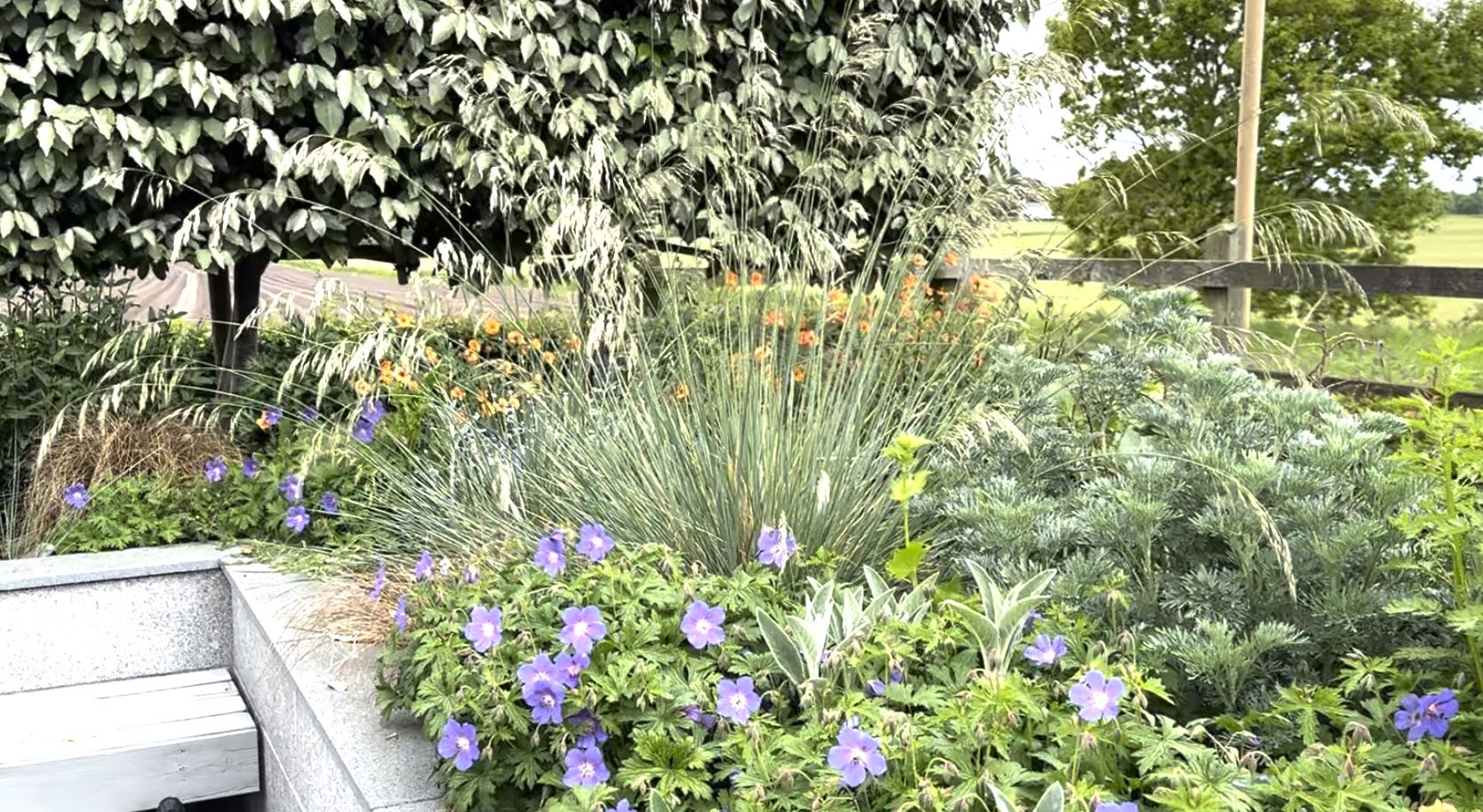
2. Pair with Silver and Grey Foliage: This is absolutely key! Silver foliage like Artemisia, Stachys, and lavender make blue flowers sing. The combination is sophisticated and cooling. I use this constantly in my designs.
3. Add White for Freshness: White flowers and blue create that classic fresh, clean look. Think blue delphiniums with white roses, or blue geraniums with white Shasta daisies.
4. Use Yellow for Contrast: Complementary colours on the colour wheel, blue and yellow create stunning high-impact combinations. Blue delphiniums with yellow achillea is a classic!
5. Consider the “Blue Border”: Create an entire border using only blue flowers with silver foliage. It’s cooling, sophisticated, and makes a bold statement. Brilliant for south-facing gardens that need cooling down visually.
6. Think About Background Colours: Blue flowers show up beautifully against warm-coloured backgrounds. Terracotta walls or warm brick really make blues pop. Dark green hedges work brilliantly too.
7. Layer Heights Properly: Use tall varieties like delphiniums and anchusa at the back, mid-height perennials like geraniums and scabiosa in the middle, and low-growers like lobelia and campanula at the front.
8. Plan for Succession: Early spring Scilla and Chionodoxa, late spring anchusa and forget-me-nots, summer delphiniums and geraniums, late summer agapanthus and caryopteris, autumn gentians. You can maintain blue interest for eight months!
9. Use Blue in Shaded Areas: Blue flowers glow in shade where hot colours can look harsh. Perfect for north-facing borders or woodland gardens.
10. Create Evening Interest: Blue flowers look stunning at dusk, taking on an ethereal quality in fading light. Plant them near seating areas you use in the evening.
Seasonal Blue Garden Calendar
Here’s how I structure a year-round blue scheme in UK gardens:
Late Winter (February-March): Iris reticulata, early crocuses (if any blue varieties)
Early Spring (March-April): Scilla, Chionodoxa, Muscari, early forget-me-nots
Late Spring (April-May): Anchusa, late forget-me-nots, early geraniums, Lithodora
Early Summer (June-July): Delphiniums, Salvia patens, Campanula, Geranium ‘Rozanne’, Nepeta, Scabiosa
High Summer (July-August): Continued geraniums, Veronica, Platycodon, Agapanthus, annual Morning Glory
Late Summer (August-September): Caryopteris, Ceratostigma, Hebe, late-flowering Salvia patens
Autumn (September-October): Gentiana sino-ornata, continued Ceratostigma and Geranium ‘Rozanne’
Winter: Evergreen foliage of Lithodora, rosemary, and structural plants
Common Mistakes to Avoid
I see these errors constantly, so learn from others’ mistakes:
1. Confusing Purple with Blue: Be honest about whether your “blue” flowers are actually purple-blue. True blues are rare—don’t settle for lavender if you want genuine blue!
2. Wrong Soil for Blue Hydrangeas: You absolutely cannot get blue hydrangeas in alkaline soil. Test your pH first or create acidic conditions in containers.
3. Planting Himalayan Poppies in Wrong Conditions: Don’t attempt these in hot, dry gardens—they’ll just disappoint you. Save them for cool, moist spots or don’t bother trying to grow them!
4. Forgetting to Stake Delphiniums: By the time they flop over, it’s too late. Stake them in May before problems occur.
5. Giving Up on Gentians Too Quickly: These can be temperamental and may sulk for a year before flowering. Persistence pays off with gentians!
6. Planting Morning Glory Too Early: These tender annuals need real warmth. Don’t rush planting out or they’ll sit and sulk.
7. Overcrowding: Blue flowers often look better with space around them. Don’t pack them in too tightly—they need room to breathe.
Creating Blue and White Combinations
One of my absolute favourite colour schemes is blue and white. Here are some winning combinations I use regularly:
Blue delphiniums + white roses + silver Artemisia
Blue Geranium ‘Rozanne’ + white Shasta daisies + grey Stachys
Blue Muscari + white tulips + white primroses
Blue Campanula + white alyssum + silver foliage
Blue Agapanthus + white Gaura + architectural grasses
Blue Scabiosa + white Echinacea + Perovskia (Russian sage)
Learn How to Design Your Own Garden
Now you have your shopping list for blue plants, why not consider taking your skills to the next level with some online design training? My Garden Design for Beginners Course is here to help take your garden from average to extraordinary with an affordable online course, no matter how little your experience with plants.
This course offers step-by-step guidance from me, Lee Burkhill, award-winning garden designer and presenter on BBC1’s Garden Rescue. In this course, you’ll go from a garden design novice to a confident designer equipped to tackle any green space.
Planting Techniques – Select and arrange plants like a pro.
Design Styles & Layout Options – Explore different styles to suit every garden.
Course Features:
20 Hours of Study Time
Flexible Online Learning
Engaging Video Lessons & Quizzes
Real-World Case Studies
Certification upon Completion
Taught by Award-Winning Designer Lee Burkhill
Enrol on a course now from just £29 and start your journey toward garden design mastery!
29
Garden Design Examples for Small Gardens: 30 Design Templates & Planting Plans
Garden Design Examples for Small Gardens: 30 Design Templates & Planting Plans: In this online gardening course, I’ll walk you through 30 fantastic garden designs, explaining the logic behind the layout, the plant choices, and take-home tips for applying them in your own garden.
Weekend Garden Makeover: A Crash Course in Design for Beginners
Learn how to transform and design your own garden with Lee Burkhills crash course in garden design. Over 5 hours Lee will teach you how to design your own dream garden. Featuring practical design examples, planting ideas and video guides. Learn how to design your garden in one weekend!
Garden Design for Beginners: Create Your Dream Garden in Just 4 Weeks
Garden Design for Beginners Online Course: If you want to make the career jump to becoming a garden designer or to learn how to design your own garden, this is the beginner course for you. Join me, Lee Burkhill, an award-winning garden designer, as I train you in the art of beautiful garden design.
There you have it—35 of the best genuinely blue flowers you can grow in UK gardens! True blue flowers might be rare in nature, but with this selection, you can create stunning blue-themed gardens that are cooling, sophisticated, and absolutely beautiful.
Remember, gardening isn’t about perfection from day one. Some of these plants (looking at you, Himalayan poppies and gentians!) can be challenging, but don’t let that put you off trying. Start with the easy wins like Geranium ‘Rozanne’, cornflowers, and Muscari, then build your confidence from there.
One thing I will say—once you start growing genuinely blue flowers, you’ll become a bit obsessed with spotting the difference between true blues and purple-blues! You’ll find yourself scrutinising every “blue” flower at the garden centre. Welcome to the club!
Lee Burkhill, known as the Garden Ninja, is an award-winning garden designer and horticulturist with over 30 years of gardening experience and 15 years as a professional garden designer. A qualified RHS (Royal Horticultural Society) professional, Lee specialises in sustainable garden design and practical horticultural advice. He designs and presents on BBC1’s Garden Rescue and in leading gardening publications. Lee combines three decades of hands-on gardening knowledge with professional design qualifications to help gardeners create beautiful, functional outdoor spaces.