-
Winter Container Gardening UK: Best Plants and Stunning Displays
 Lee Burkhill: Award Winning Designer & BBC 1's Garden Rescue Presenters Official Blog
Winter bedding plants offer us a blast of colour and interest when all else in the garden is fast asleep. I've used winter containers since I was a child to bring some cheer to my front door and garden in winter. I'm going to walk you through the easiest plants to use in containers for winter colour, some of which will come back every year!
Winter containers get a bad reputation, with many gardeners thinking there’s no point bothering with pots once autumn fades. This is absolutely bonkers. Winter container gardening is one of the easiest and most rewarding ways to keep your garden looking vibrant during the dark months, and it takes far less effort than summer displays.
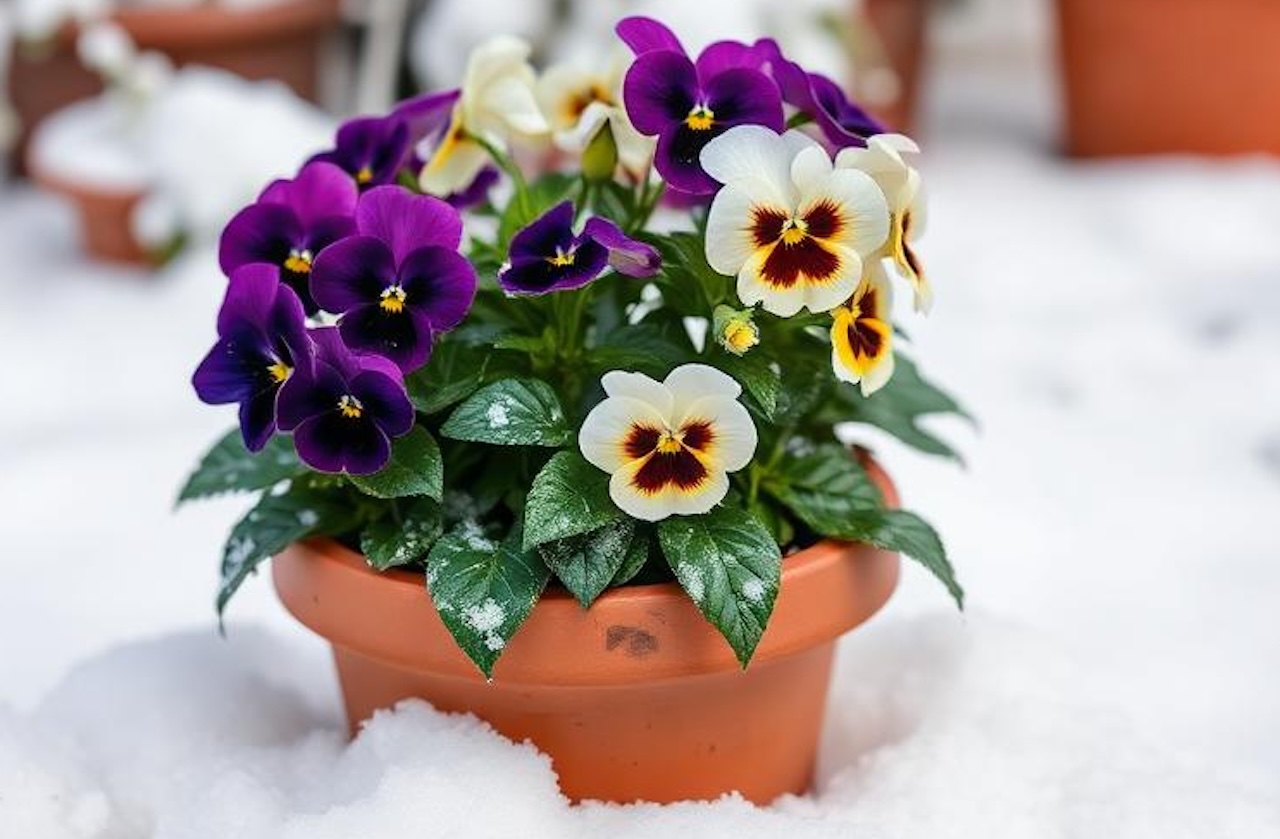
I’ve been creating winter containers for as long as I can remember, and they’re a blast of hope for keeping spirits up when everything else looks dormant in the garden.
A well-planted winter pot positioned where you can see it from your kitchen window is worth its weight in gold on a grey January morning. The best part is that winter plants are bombproof, needing virtually no maintenance compared to thirsty summer bedding. That first pop of daffodils or winter-flowering bedding plants can keep you hopeful during the darker gardening months.

Let me show you how to create absolutely weapon winter displays that last from November right through to spring.
This page contains affiliate links for products I use and love. If you take action (i.e. subscribe, make a purchase) after clicking a link, I may earn some gardening commission, which helps me keep the Garden Ninja Blog free for all.
Why Winter Container Gardening is Perfect for Busy Gardeners
Winter containers are brilliant for time-poor gardeners and beginners because the plants do all the heavy lifting with minimal fuss from you. Unlike summer bedding that needs constant deadheading, feeding and watering, winter plants just sit there looking gorgeous with barely any input. The rain does your watering, the cool temperatures mean slow growth, and most winter plants flower for months without needing deadheading.
For new gardeners, winter containers are a fantastic confidence builder. You can’t really get it wrong because the plant selection is narrower and everything is so hardy. Plant them up in November, give them a quick check every few weeks, and they’ll reward you with colour right through until April. No complicated feeding schedules, no aphid infestations, no daily watering in heatwaves. Just solid, reliable performance.
The other massive advantage is that winter containers are ridiculously good value. The plants last for months, they’re cheap to buy as plugs or small pots in autumn, and many can be planted out in your garden afterwards rather than being thrown away. You’re getting 5 to 6 months of display from a single planting. Bob’s your uncle, that’s brilliant value compared to summer annuals.
Essential Winter Bedding Plants
Winter bedding plants are the workhorses of winter containers, giving you instant colour and flowering for months. These are the plants that make winter container gardening accessible to everyone because they’re cheap, cheerful and absolutely bombproof in UK weather.
| Plant | Best Feature | Top Tip |
| Pansies & Violas | Non stop flowers | Remove any snow |
| Cyclamen | Long lasting blooms | Keep fairly dry |
| Primroses | Early spring colour | Plant in groups |
| Polyanthus | Bold flower heads | Deadhead spent stems |
| Winter Heathers | Texture and bees | Use ericaceous compost |
| Bellis Daisies | Cheerful pompoms | Deadhead regularly |
| Ornamental Cabbage | Dramatic foliage | Grows slowly |
| Winter Pinks | Scented flowers | Good drainage needed |
| Stocks | Fragrant spikes | Plant in autumn |
| Ajuga | Evergreen groundcover | Spreads nicely |
Winter Pansies & Violas
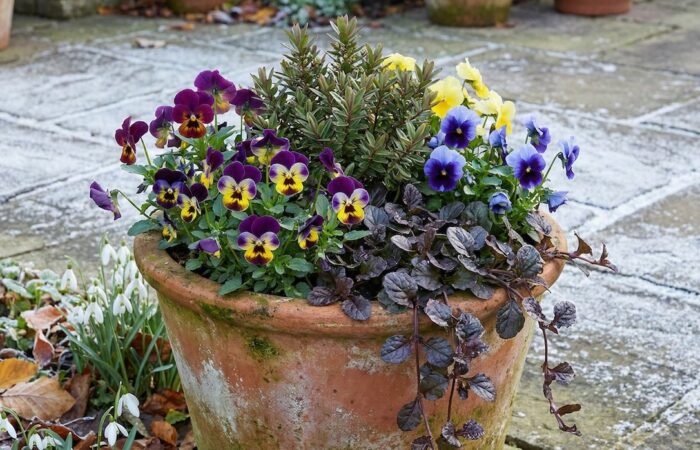
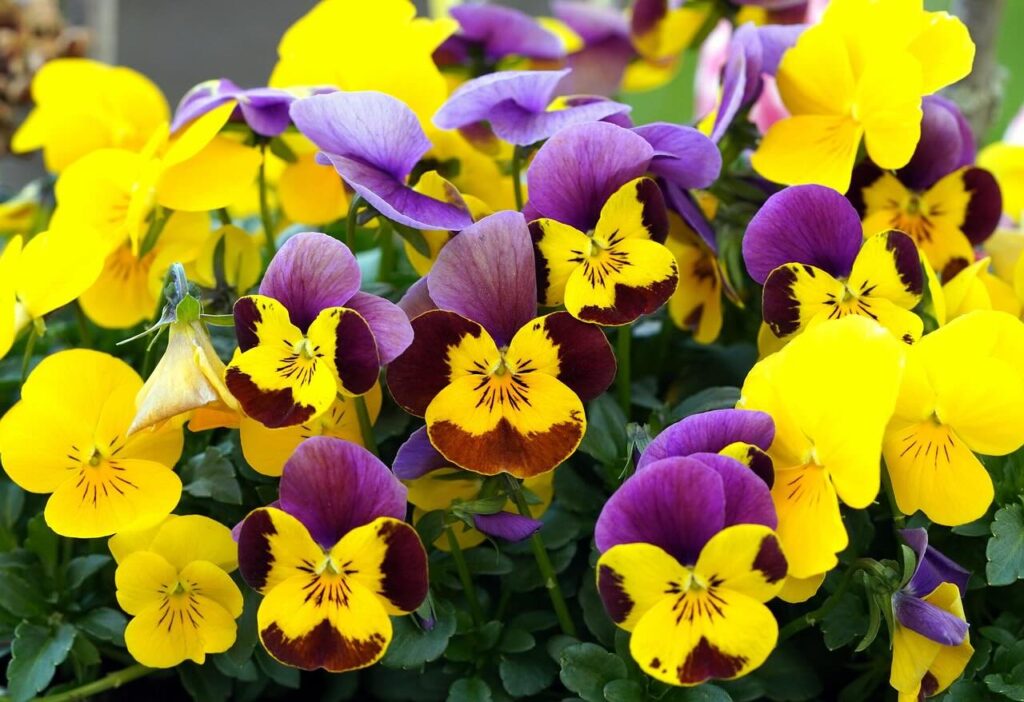
Pansies and violas are absolutely brilliant because they flower right through winter except during hard freezes, then bounce back as soon as it warms up. Modern varieties come in every colour imaginable from deep purples to bright yellows and even black. I always include trailing violas to soften the edges of my pots. Choose 9cm pots like these Violas for instant impact!
Cyclamen
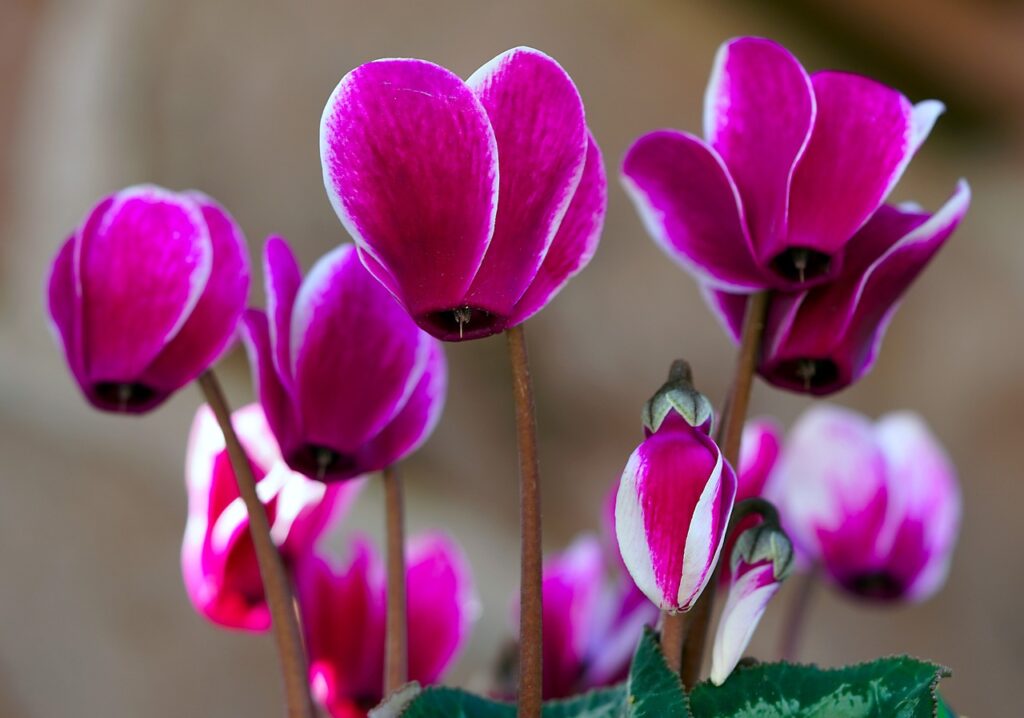
Cyclamen are proper little stunners with their swept-back petals and marbled foliage. Hardy cyclamen like Cyclamen coum survive frost brilliantly and will naturalise in your garden if you plant them out after their pot display. The larger flowered florist cyclamen work well too, but need a bit more shelter from severe frost. I love using these 13cm varieties to help bring winter cheer to my pots at Garden Ninja HQ.
Primroses
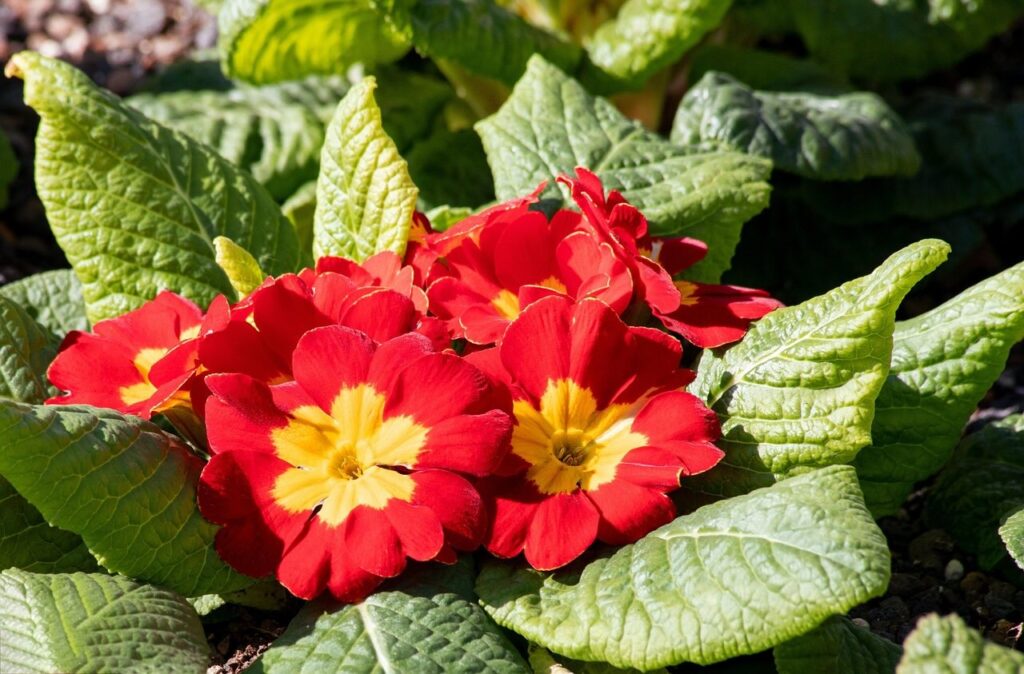
Primroses and polyanthus bring that cheerful cottage garden feel to winter pots. They start flowering in late winter and continue well into spring, bridging the gap beautifully. Plant them in bold groups for maximum impact rather than dotting single plants around. The modern F1 varieties are tougher and more weather-resistant than traditional types. Choose vibrant colours like this collection, there’s no point being coy and reserved when it comes to these bright little stunners!
You can grow them from seed like these cultivars, but they need stratification and can be a bit frustrating for the beginner gardener, so I always recommend buying them in pots instead. However, if you like the challenge, growing them from seed is a good test of your propagation skills!
Bellis Daisies
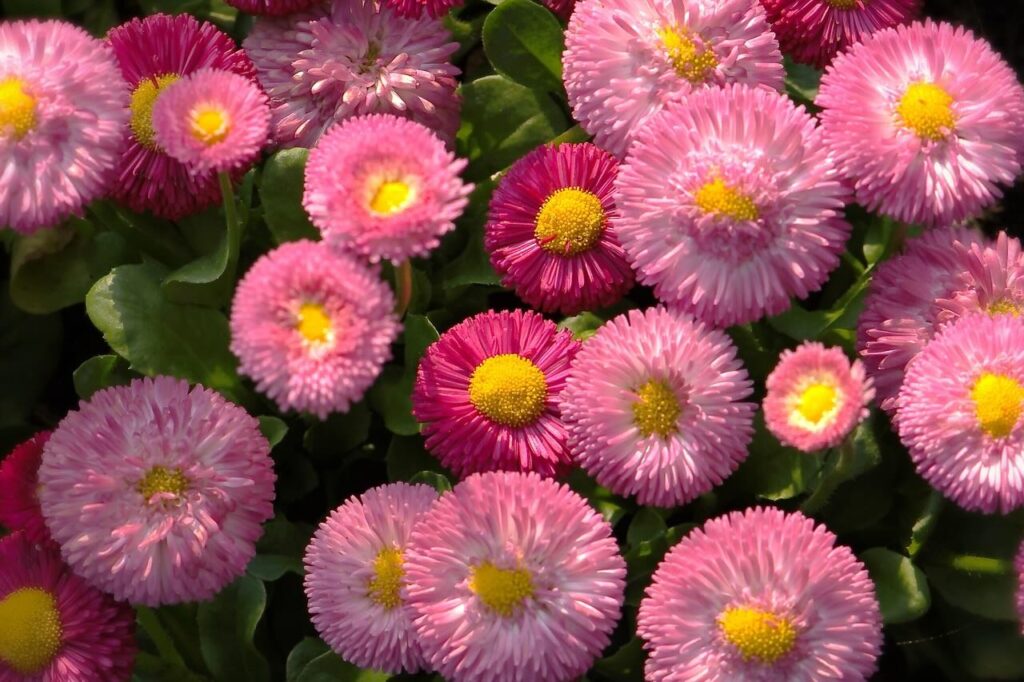
Bellis daisies are massively underrated for winter containers. These little pompom flowered beauties come in pink, red and white and flower from late winter through spring. They’re incredibly hardy, really cheap to buy as plugs, and bring a cottage garden charm to any display. Deadhead them regularly, and they’ll keep blooming for months. These pink cultivars bring bright cheer to your containers, as I find white can be a bit stark!
Ornamental Cabbage
Ornamental cabbage and kale are proper showstoppers for adding dramatic foliage to winter pots. The frilly leaves come in stunning shades of pink, purple, white and green that intensify in cold weather. They remind me of being a child and going to the garden centre to create winter pots with my pocket money, so they hold a special place in my heart!
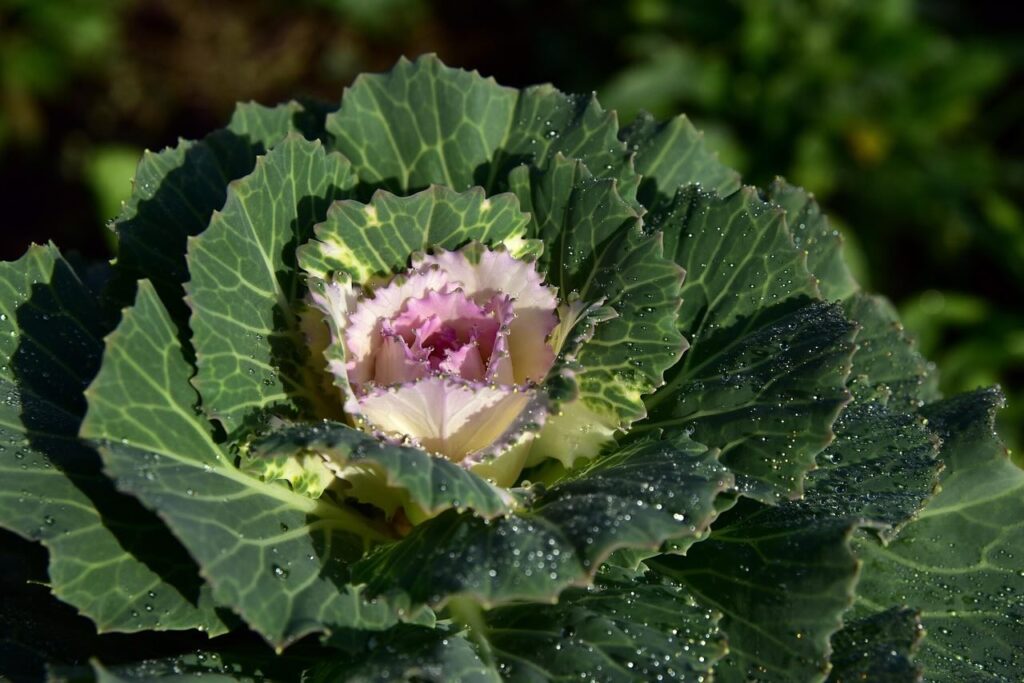
They’re not for eating but they’re absolutely brilliant for adding a bold centrepiece to large containers. They grow slowly so buy them at roughly the size you want.
Dianthus
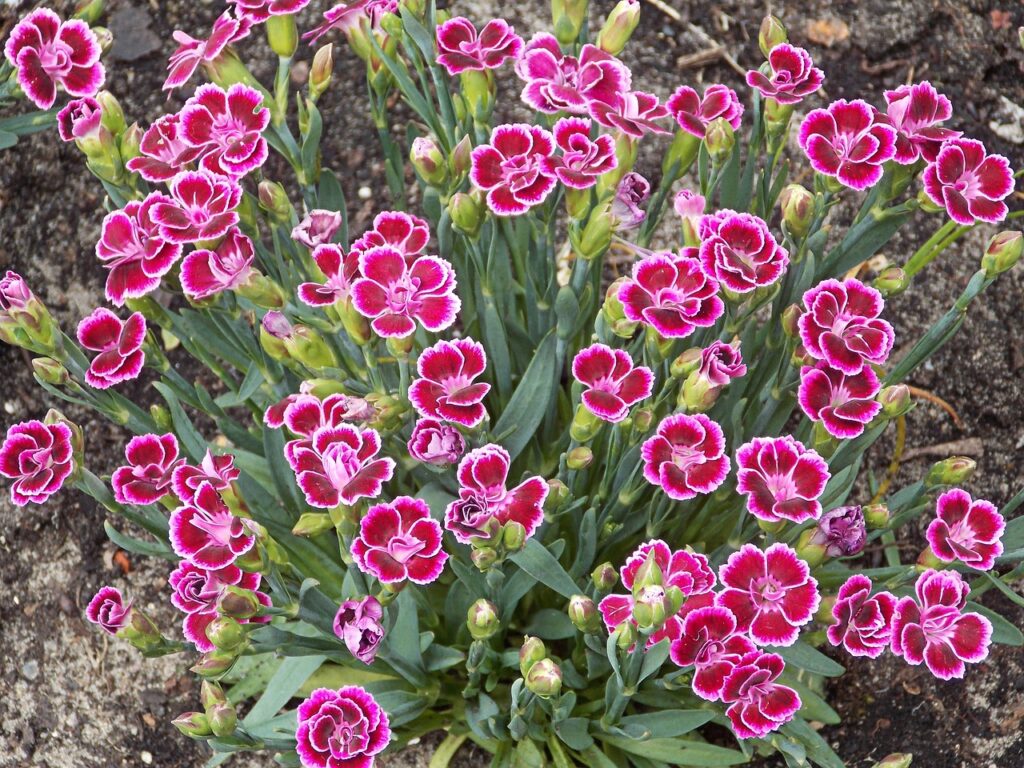
Winter flowering pinks like Dianthus are fantastic if you want scented flowers through the colder months. Modern varieties are bred for winter hardiness and produce gorgeous clove-scented blooms in shades of pink, red and white. They need good drainage, so mix extra grit into your compost. The silver grey foliage looks brilliant year round too.
Stocks
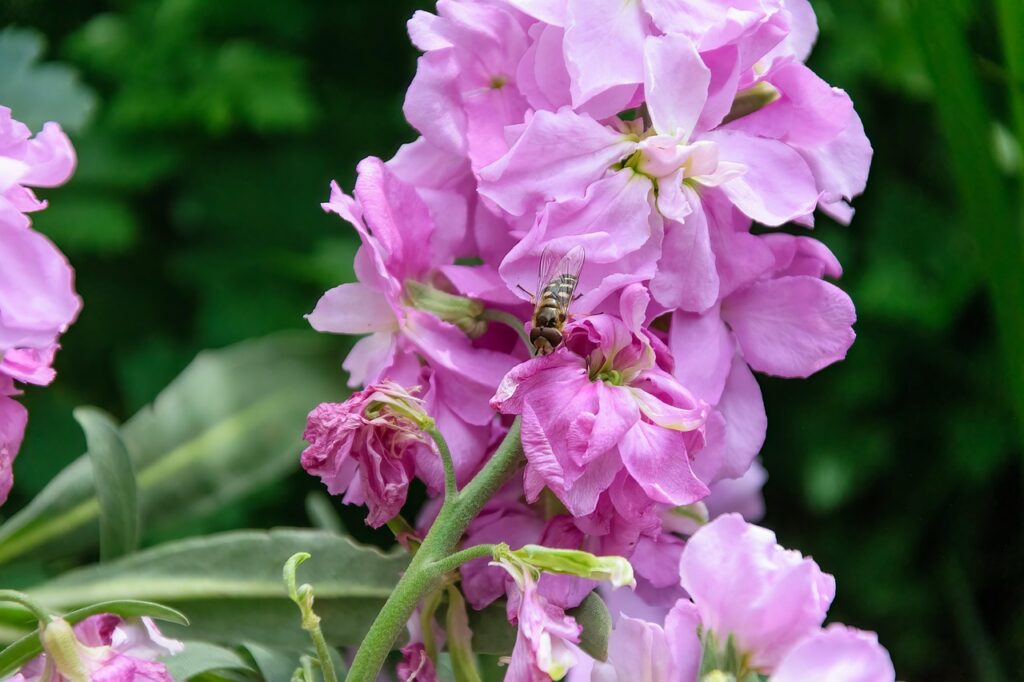
Stocks sown in autumn will flower through late winter and early spring with the most incredible fragrance. Brompton stocks are particularly good for containers, producing tall spikes of intensely scented flowers in rich colours. They’re not quite as bombproof as pansies in severe weather, but they’re worth growing for that amazing scent alone.
Ajuga
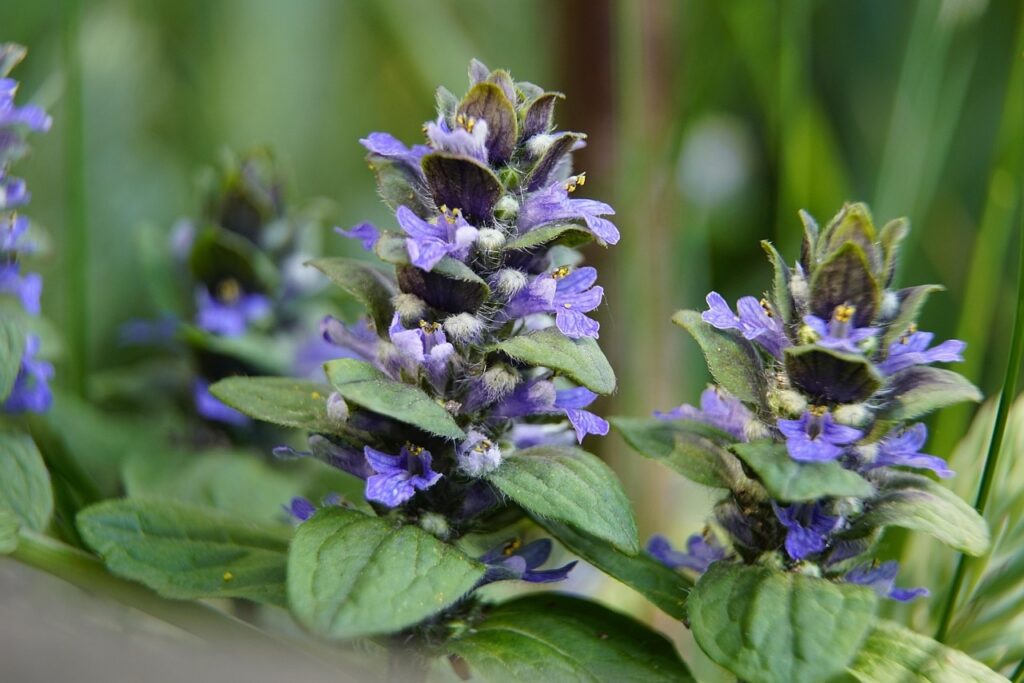
Ajuga or bugle makes brilliant groundcover in winter containers with its evergreen rosettes of leaves in bronze, purple or variegated patterns. It spreads to fill gaps between other plants and produces short spikes of blue flowers in spring. The dark leaved varieties like Ajuga reptans Black Scallop contrast beautifully with brighter flowering plants. I have Ajuga running through most of my dark moody borders here at Garden Ninja HQ.
Evergreen Structure Plants for Year Round Interest
Here’s where winter containers move from good to absolutely brilliant. Evergreen shrubs and perennials provide the backbone of winter displays, giving structure and interest even when nothing is flowering. These are investments that keep on giving because many will last for years in containers or can be planted out in your garden.
Top evergreen structure plants for containers:
- Skimmia japonica with red buds and glossy leaves
- Small conifers in blue, green or gold for vertical interest
- Heucheras with stunning leaf colours from purple to lime
- Euonymus with variegated foliage in cream and green
- Small evergreen ferns for shady spots
- Ivy for trailing and softening edges
Skimmia
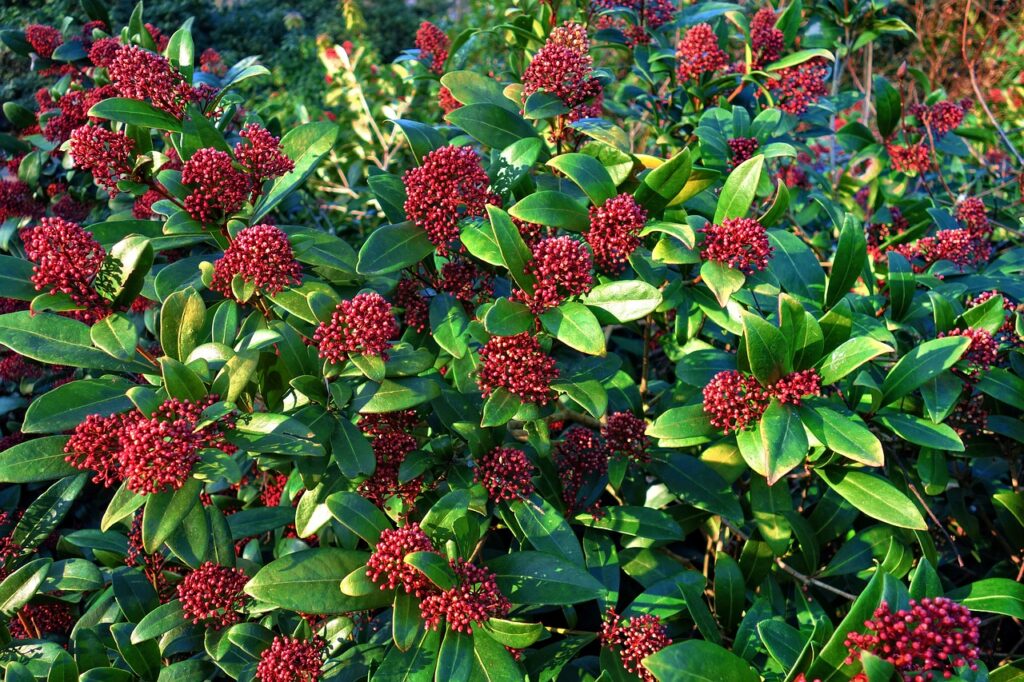
Skimmia is an absolute weapon in winter containers. The red flower buds form in autumn and sit there looking gorgeous all winter before opening to fragrant white flowers in spring. The glossy evergreen leaves provide structure year round. Skimmia japonica Rubella is the classic variety and never lets you down.
Conifers
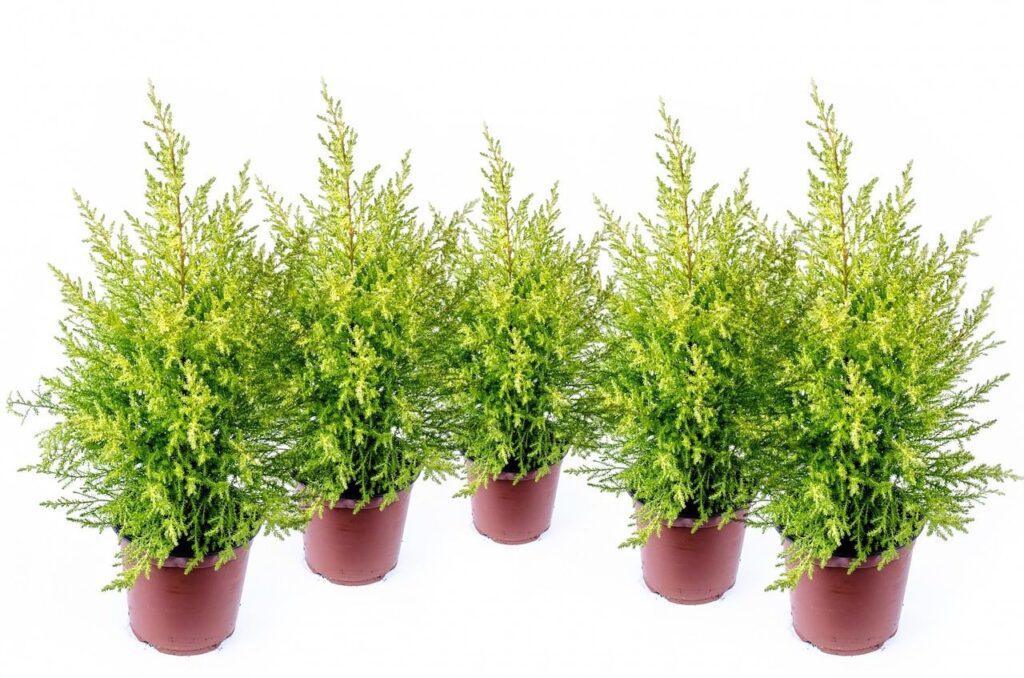
Don’t overlook small conifers and evergreen grasses for adding height and architectural interest. A dwarf conifer as the thriller in the centre of a pot gives instant structure. Just make sure you check the ultimate size because some varieties labelled dwarf still grow massively over time. Chamaecyparis and Juniperus both have brilliant compact varieties. Lemon conifers like the ones below add a lovely pop of yellow to a container!
Winter Interest Grasses and Texture Plants
Ornamental grasses are massively underrated for winter containers, bringing movement, texture and year round interest. The beauty of grasses is they look fantastic even when covered in frost or dusted with snow, creating stunning winter silhouettes. They also provide crucial contrast against flowering plants and evergreens.
Best grasses for winter containers:
- Carex oshimensis Evergold for golden variegation
- Carex buchananii with bronze copper tones
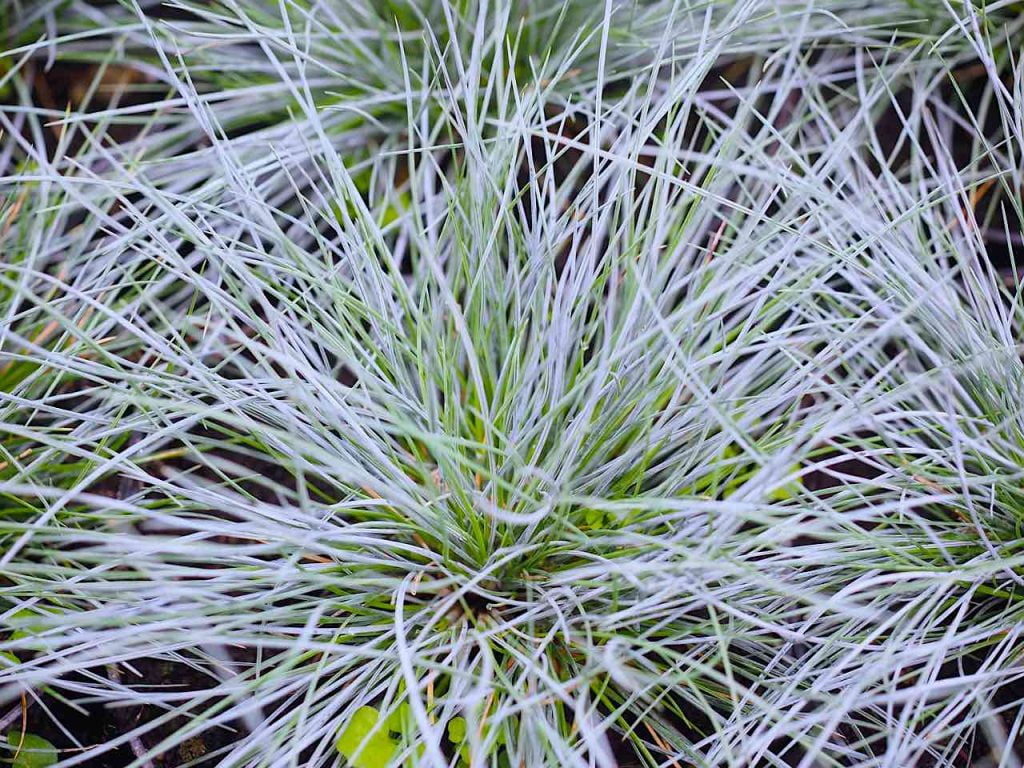
- Festuca glauca for neat blue grey tufts
- Uncinia rubra for burgundy red foliage
- Stipa tenuissima for wispy movement (though semi evergreen)
Carex
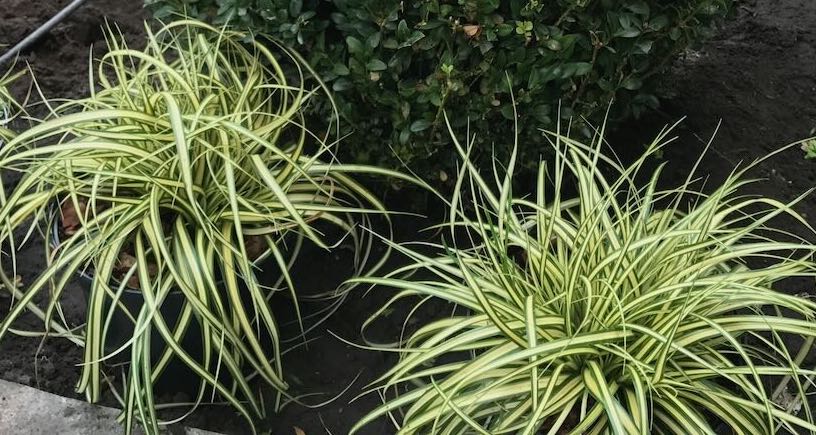
Carex varieties are properly versatile because they’re fully evergreen, incredibly hardy and come in brilliant colours. Carex oshimensis Evergold has gorgeous cream and green striped leaves that light up shady winter corners. It works beautifully as an underplanting to taller shrubs or as a standalone feature in smaller pots.
Festuca
Festuca glauca is a neat little blue grass that stays compact and provides fantastic colour contrast. I use it constantly in winter containers because it never outgrows its space, and the blue-grey foliage works with absolutely everything from pink cyclamen to red-berried skimmia. Plant it around the edges to create a textural collar.
Winter Flowering Shrubs for Long Term Impact
While winter bedding plants are brilliant for instant gratification, winter flowering shrubs are the proper investment pieces that elevate containers from good to absolutely spectacular. These shrubs flower when virtually nothing else does, often with the bonus of gorgeous scent, and they can live happily in large containers for years.
| Shrub | Flowers | Container Size |
| Sarcococca | Dec to Feb, scented | 30cm minimum |
| Mahonia | Nov to Mar, yellow | 40cm minimum |
| Winter Jasmine | Nov to Feb, bright yellow | 30cm minimum |
| Viburnum tinus | Nov to Apr, white pink | 40cm minimum |
| Daphne | Feb to Apr, highly scented | 35cm minimum |
| Camellia | Feb to Apr, spectacular | 40cm ericaceous |
Sarcococca
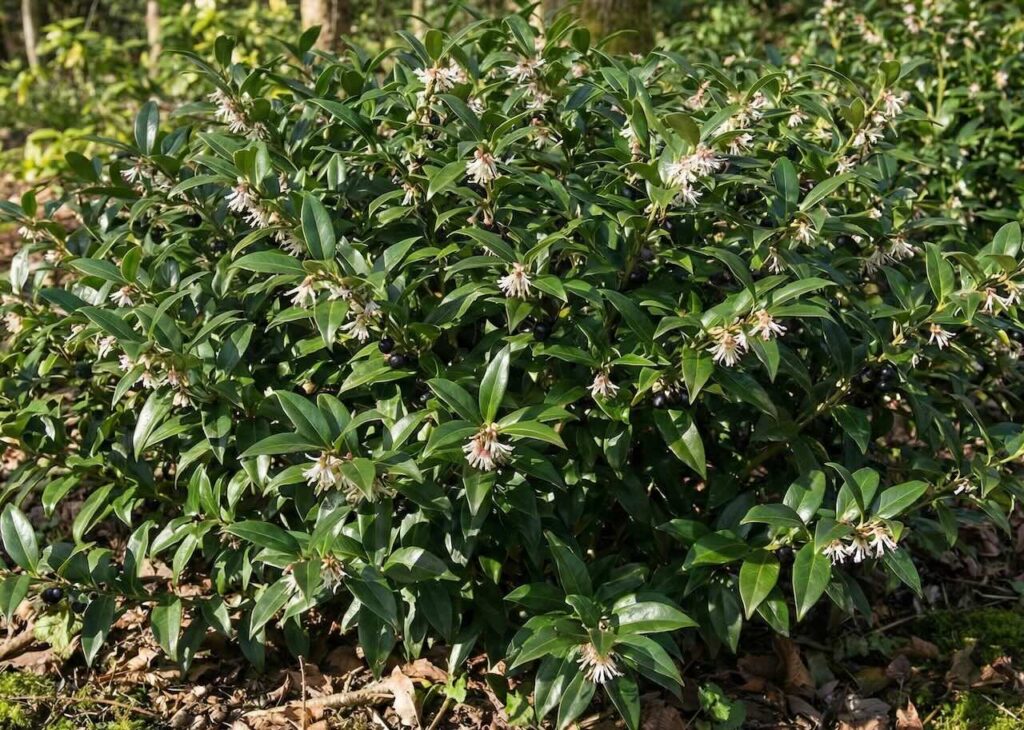
Sarcococca or sweet box is my absolute favourite winter flowering shrub for containers. The tiny white flowers are so powerfully fragrant that one plant near your front door will scent the whole area. It’s shade tolerant, evergreen, incredibly tough and thrives in containers for years. Sarcococca confusa is the one to go for.
Mahonia
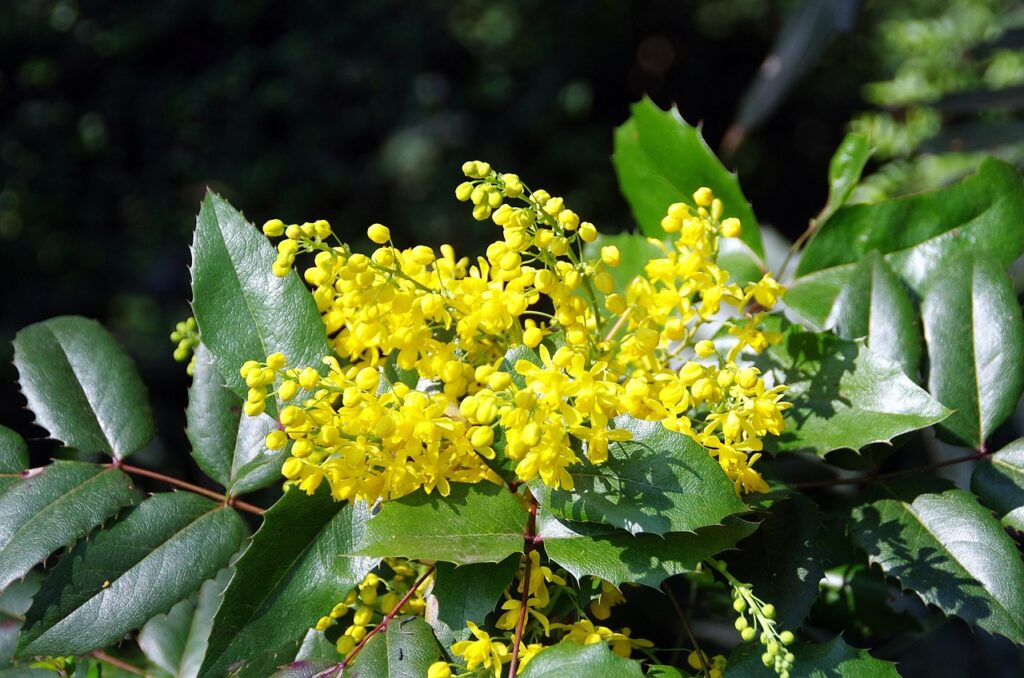
Mahonia is a bolder choice with its architectural spiky foliage and bright yellow flower spikes that appear from late autumn onwards. The flowers smell like lily of the valley and attract early bees on mild days. Mahonia x media Winter Sun or Charity are compact varieties perfect for large containers. Position them somewhere sheltered, as the leaves can get wind-damaged.
Winter Jasmin
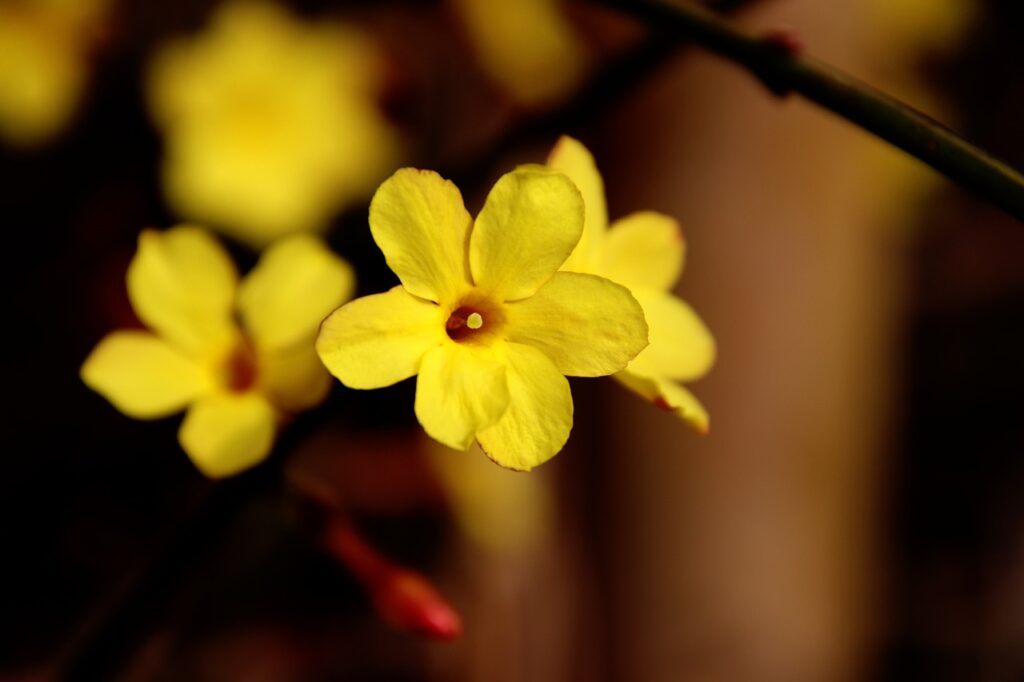
Don’t forget winter jasmine for a splash of brilliant sunshine yellow. It’s not actually scented despite the name, but the cheerful yellow flowers brighten the darkest days. Train it up a small obelisk or trellis in a large pot for vertical interest. It’s as tough as old boots and flowers reliably every single winter.
Creating Layered Winter Container Displays
The secret to professional looking winter containers is layering different plant heights, textures and flowering times. Think of it like building a wedding cake with a thriller in the centre, fillers in the middle and spillers trailing over the edges. This creates displays with depth and interest that look good from every angle.
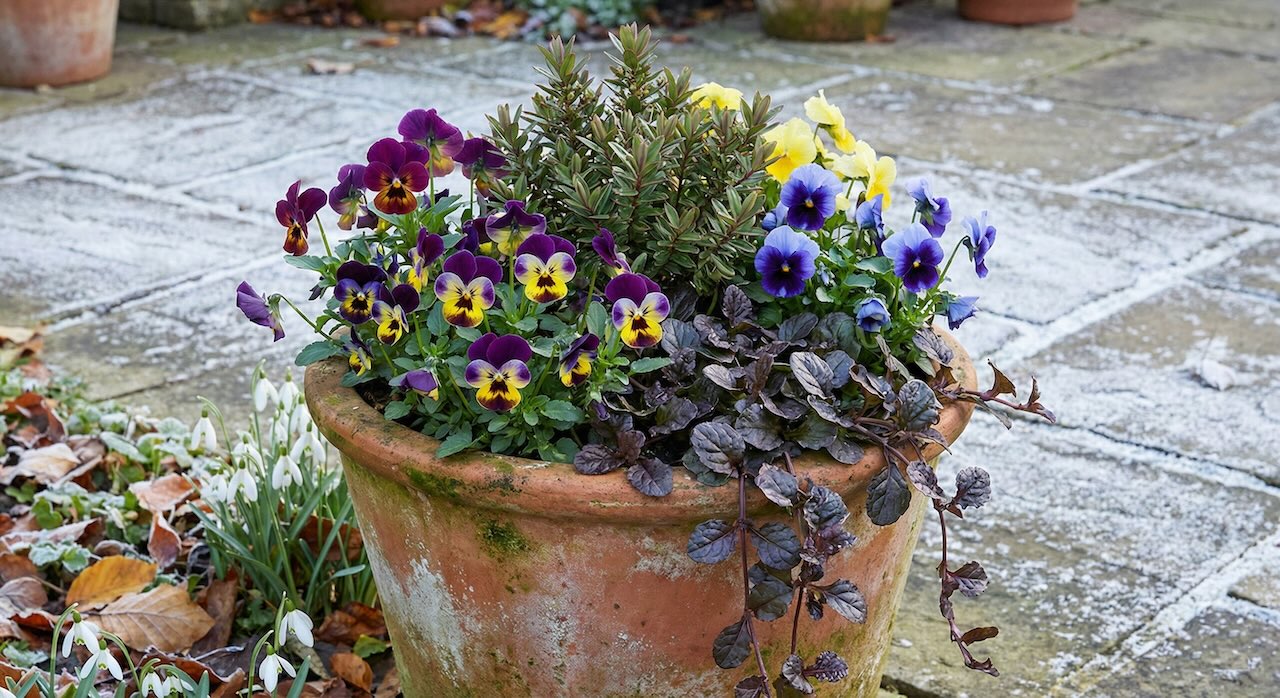
The perfect layered winter container formula:
- One tall thriller plant for height (conifer, cornus stems, tall grass)
- Three to five filler plants for body (skimmia, heuchera, cyclamen)
- Two to three spillers for softness (trailing ivy, violas, small ferns)
- Underplant with spring bulbs for succession (dwarf narcissi, crocus)
I always start by placing the tallest plant slightly off centre rather than dead in the middle. This creates a more natural look and allows the other plants to nestle around it. Use odd numbers of plants for a more pleasing arrangement, and group the same varieties together rather than dotting singles around.
Don’t be shy with plant numbers in winter containers. Plants grow incredibly slowly in cold weather so you want instant impact. Pack them in tighter than you would for summer displays. If you’re using small plug plants they’ll have room to expand slightly, but larger plants can touch each other without issue.
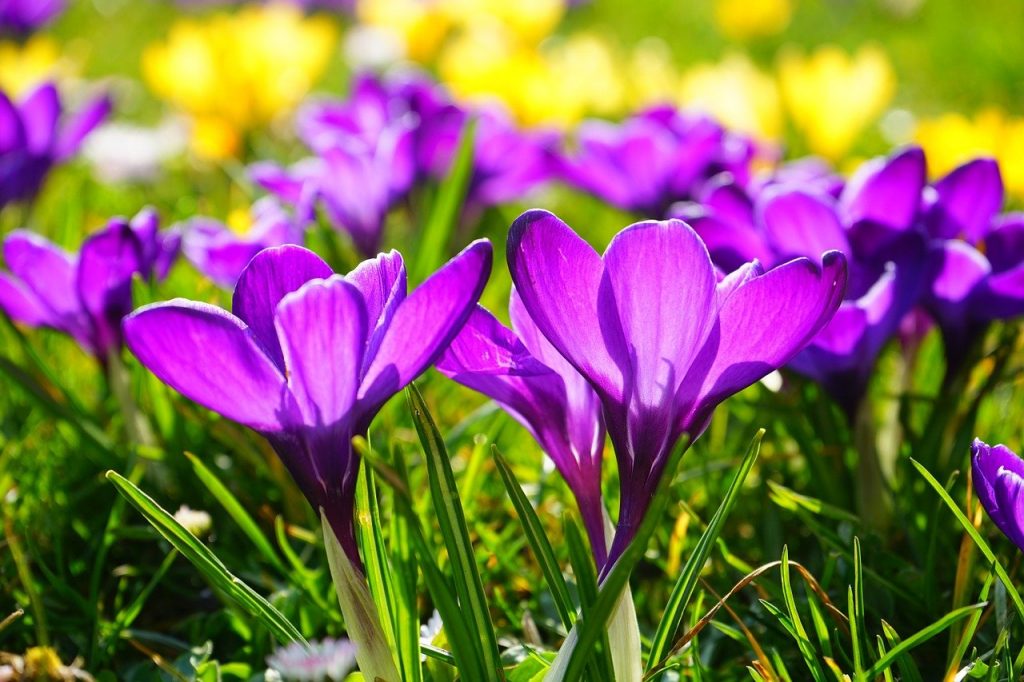
Underplanting with spring bulbs is an absolute game-changer. Tuck dwarf daffodils, crocus, snowdrops or early tulips between your main plants. They’ll push through in late winter and early spring, extending your display and creating waves of interest. I use dwarf narcissi like Tete a Tete, which flowers in February and March.
Essential Container Care Through Winter
Drainage is absolutely critical for winter container success. More plants die from winter waterlogging than from cold temperatures. Make sure every pot has decent drainage holes in the base, and raise containers on pot feet or bricks to allow water to escape freely. Standing in puddles during winter is a death sentence for most plants.
Use good quality peat free compost with some added grit for extra drainage. John Innes Number 3 is brilliant for winter containers because it’s heavier (stops pots blowing over in gales) and contains slow release nutrients. Mix in about 20% horticultural grit if you’re using lightweight peat free compost to improve drainage and stability.
Feeding is minimal in winter because plants aren’t actively growing. A slow release fertiliser mixed into the compost at planting time is all you need. Don’t be tempted to feed with liquid fertiliser during winter as this encourages soft sappy growth that’s vulnerable to frost damage. Save the feeding for when growth kicks off in spring.
Winter watering tips:
- Check compost weekly, even in winter it can dry out under house eaves
- Water in the morning never evening to prevent freezing
- Don’t water if frost is forecast that night
- Smaller containers dry out faster than large ones
- Remove saucers in winter to prevent waterlogging
- Snow provides moisture as it melts, brush heavy snow off plants
Positioning Containers for Maximum Impact
The whole point of winter containers is to cheer you up during dark months, so position them where you’ll actually see them. Place containers where they’re visible from your kitchen window, by your front door or along paths you use daily. There’s no point in having gorgeous winter displays hidden at the bottom of the garden where you never venture.
Group containers together rather than spacing them out. A cluster of three or five pots creates much more impact than singles dotted around. Grouping also provides some frost protection as plants huddle together and larger containers shelter smaller ones. I always have a group by my back door that I see every time I put the bins out or hang washing.
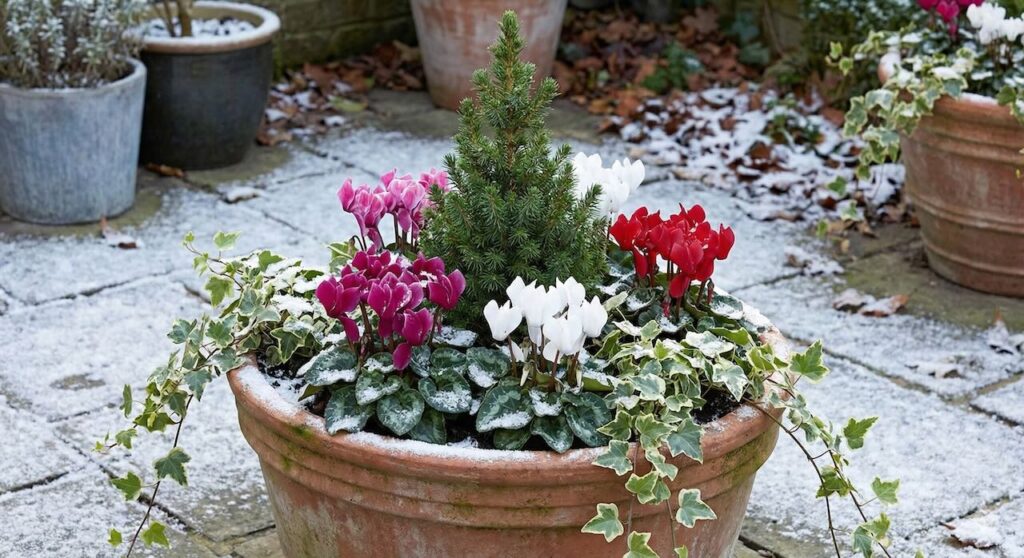
Consider shelter when positioning containers. A spot against a south or west facing house wall gets maximum light and some warmth radiating from the building. This microclimate can make a noticeable difference to how well tender plants perform. Avoid exposed windy corners where containers blow over and plants get battered.
Protecting Containers from Frost and Cold
Most winter bedding and hardy evergreens laugh at frost, but container-grown plants are more vulnerable than those in the ground because their roots are exposed on all sides. The compost in pots freezes solid far faster than garden soil, potentially damaging roots. A few simple precautions prevent casualties.
Frost protection strategies:
- Use frost-proof containers, not just frost-resistant ones
- Wrap pots with bubble wrap or hessian in severe cold
- Move tender plants to sheltered spots during hard freezes
- Mulch the compost surface with bark or gravel for root insulation
- Group containers together for mutual protection
- Never wrap foliage; only wrap pots to protect roots
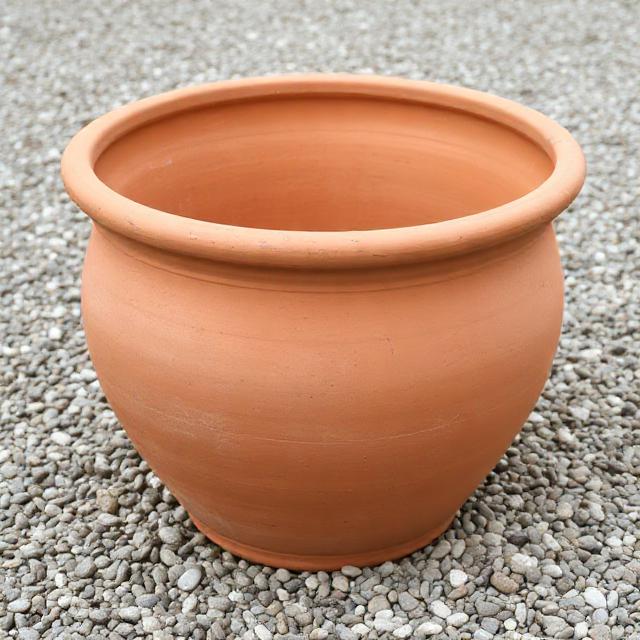
Terracotta pots are gorgeous but can crack in hard frosts if the compost is waterlogged. Either choose frost proof terracotta or stick to plastic, fibreglass or wooden containers for winter displays. If you love terracotta, double pot by placing a plastic pot inside the terracotta one with a gap between for insulation.
Maintaining Winter Displays
Winter container maintenance is refreshingly minimal compared to summer. A quick check every couple of weeks is usually enough. Remove any dead leaves or flowers, check for waterlogging after heavy rain, and ensure pots haven’t been knocked over by wind or knocked about by delivery drivers. The main job is simply enjoying them from your warm kitchen with a brew in hand.
Some winter bedding, like pansies, benefit from occasional deadheading to keep them flowering strongly. Just pinch off spent blooms and any yellowing leaves. Primroses and polyanthus can be left alone until spring when you can tidy up any tatty foliage. Evergreen shrubs require no maintenance during winter.
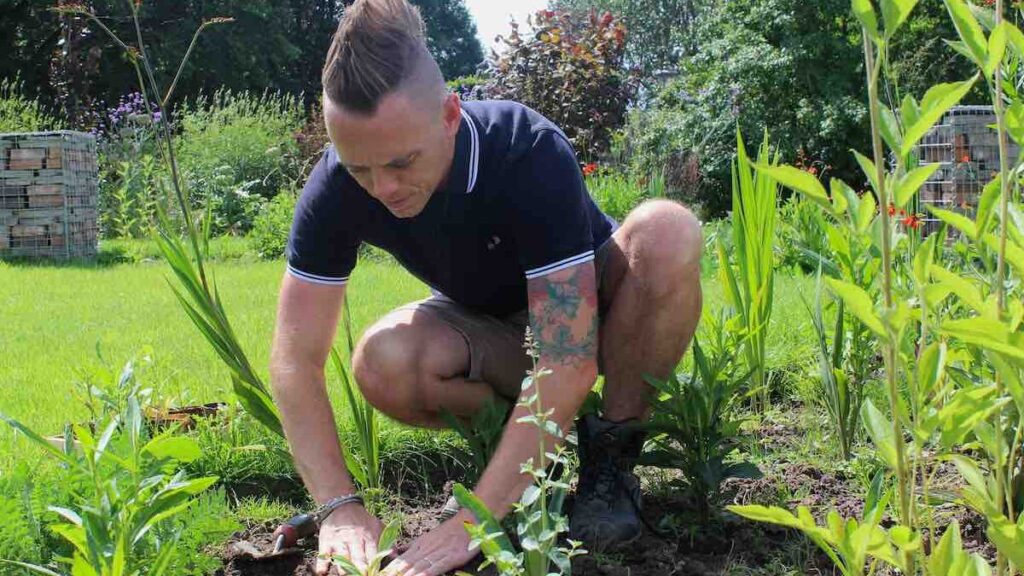
Come spring, you have options. Hardy plants like heucheras, grasses and small shrubs can stay in containers for another year or be planted out in your garden. Winter bedding can go on the compost heap or be planted out in a shady corner where primroses, especially, will naturalise.
Refresh the compost, add fresh plants and you’re ready for another gorgeous display.
Quick Winter Container Planting Guide
- Choose frost proof containers with good drainage holes
- Use John Innes Number 3 or quality peat free compost with added grit
- Plant densely for instant impact as winter growth is minimal
- Include evergreen structure plants for year round interest
- Add winter bedding for colour that lasts months
- Underplant with spring bulbs for succession
- Position where visible from indoors for maximum enjoyment
- Raise on pot feet for drainage
- Water sparingly and never in frosty weather
- Group containers together for impact and protection
Final Thoughts
Winter container gardening is honestly one of the most satisfying things you can do in the garden with minimal effort. While everyone else’s gardens look dormant and dull, yours will be bursting with colour and life right through the darkest months. The plants are tough, the maintenance is minimal, and the impact on your well-being is massive.
Don’t overthink it. Grab some winter bedding, add an evergreen or two for structure, use a decent sized container with good drainage, and position it where you’ll see it daily. The plants will do the rest. For the price of a few lattes you can have a winter display that lifts your spirits every single day for six months. That’s brilliant value and an absolute weapon way to keep gardening through winter. Now get those containers planted up, Ninjas!



Lee Burkhill
Lee Burkhill, known as the Garden Ninja, is an award-winning garden designer and horticulturist with over 30 years of gardening experience and 15 years as a professional garden designer. A qualified RHS (Royal Horticultural Society) professional, Lee specialises in sustainable garden design and practical horticultural advice. He designs and presents on BBC1’s Garden Rescue and in leading gardening publications. Lee combines three decades of hands-on gardening knowledge with professional design qualifications to help gardeners create beautiful, functional outdoor spaces.
View all posts by Lee Burkhill






Categories
Other posts
-

Start here: to begin your gardening journey! Read more
-
How to weed your garden without chemicals: organic weed removal techniques Read more
-
December Garden Tour; Bareroot pruning and border design Read more
-
Tatton gardens guide Read more
-
Damson Recipes: How to make Damson Gin, Jams, Crumbles & Cakes Read more
-
Can AI Design My Garden? The Truth About Artificial Intelligence Garden Design Tools Read more