What to Grow & Plant in December: Your Complete UK Winter Gardening Guide
Lee Burkhill: Award Winning Designer & BBC 1's Garden Rescue Presenters Official Blog
Beginner level
Whilst your neighbours are convinced that gardening is finished until March and are busy panic buying presents, I'm going to show you exactly what you can plant, harvest, and do in December to keep your garden ticking over beautifully through the darkest month.
December might seem like the month when gardens grind to a complete halt, with most folks convinced there’s absolutely nothing to do except watch the rain and count down to Christmas. However, as Garden Ninjas, you probably know that there’s always something to be done in or around the garden. So this month, let’s concentrate on garden planning!
Whilst others have mentally hibernated until the snowdrops appear, I’m out here at Garden Ninja HQ making the most of December’s unique opportunities because this underrated month is actually brilliant for getting ahead on essential tasks. Even a quick walk around will help you identify which trees need pruning this month and plan for new plantings in the spring or garden design tweaks.
December is my favourite month for all garden planning, as you can see the bare bones of what you are working with.
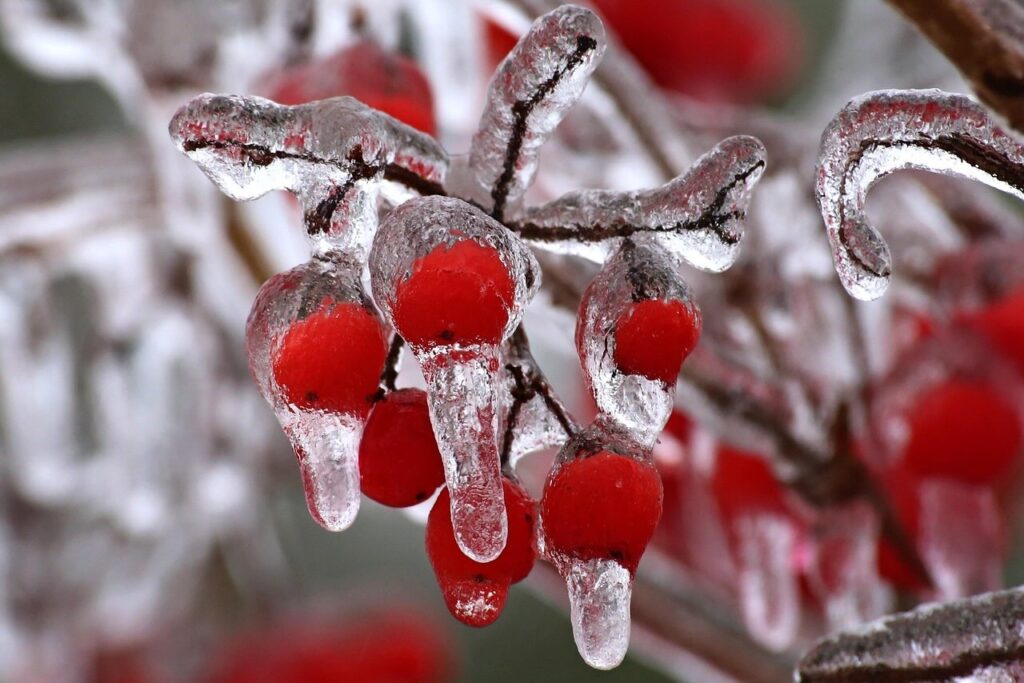
The low winter sun creates stunning light, frost transforms seed heads into works of art, and your garden’s bare structure becomes visible. This clarity is perfect for planning improvements and spotting problems that summer’s exuberance hides. December is your last chance to get certain jobs done before the ground potentially freezes solid in January and February.
Whether it’s winter pruning fruit trees, forcing rhubarb for early spring treats, cleaning and sharpening your tools, or supporting wildlife through the lean months, December gardening is about working smarter, not harder. And let’s be honest, getting out in the garden beats sitting on the sofa any day!
[This page contains affiliate links (see full details here). If you purchase through these links, I may earn a small commission at no extra cost to you.]
Why December Gardening is Actually Brilliant
Most gardeners view December as a dead time for the garden. This is probably because the weather is often grim, daylight hours are at their shortest, and traditional gardening advice tells us to stay indoors, which couldn’t be further from the truth. Let me outline the five key gardening opportunities in December.
December Gardening Opportunities:
Winter Pruning Window Opens – Deciduous fruit trees and bushes are fully dormant, making December perfect for structural pruning. You can see exactly what you’re doing with leaves gone.
Tool Maintenance Time – With less active growing happening, December is ideal for cleaning, sharpening, and servicing all your garden tools. You’ll thank yourself come spring!
Planning Without Pressure – The slower pace allows proper planning for next year. Order seeds, plan rotations, and make considered decisions by the fire.
Winter Harvests Peak – Hardy crops like leeks, parsnips, and sprouts are at their absolute best after frost. December harvests have incredible flavour.
Wildlife Support is Crucial – Food sources are scarce, making supplementary feeding and shelter absolutely essential for garden wildlife survival.
Winter Pruning: December’s Most Important Job
December is absolutely prime time for winter pruning. With deciduous plants fully dormant and leaves gone, you can see exactly what you’re doing and make structural improvements without stressing plants, which is why my winter pruning guide has been so successful.
Why Prune in December?
i)Plants are fully dormant – Sap has dropped, energy is stored in roots, and plants won’t bleed or stress from pruning. December pruning causes minimal shock.
ii) Perfect Visibility – With leaves gone, you can see the entire branch structure clearly. This makes it easy to identify crossing branches, dead wood, and shaping opportunities.
iii) Disease Pressure is Low – Cold temperatures mean fungal spores are far less active. Pruning wounds have months to callus over before diseases become active in spring.
Top Plants to Prune in December
1. Apple Trees (Malus domestica)
Remove any dead, diseased, or damaged wood first (the three Ds). Then focus on opening up the centre to create a goblet shape that allows light and air circulation.
This prevents diseases like apple scab whilst improving fruit quality.
Remove branches that cross or rub, as these wounds are entry points for disease. Cut back vigorous upright shoots to an outward facing bud. For spur bearing varieties, shorten the previous year’s growth by about a third.
The old saying “a bird should be able to fly through an apple tree” is absolutely right. You want an open, airy structure that allows light penetration.
2. Pear Trees (Pyrus communis)
Pears fruit on spurs that develop over several years, so focus on maintaining an open framework. The technique is similar to apples, but pears grow more upright, so they encourage outward growth more actively.
Remove the three Ds, then thin out congested areas. Pears are particularly susceptible to fireblight, so maintaining good airflow is crucial.
Cut back long shoots to an outward-facing bud.
3. Redcurrants and Whitecurrants (Ribes rubrum)
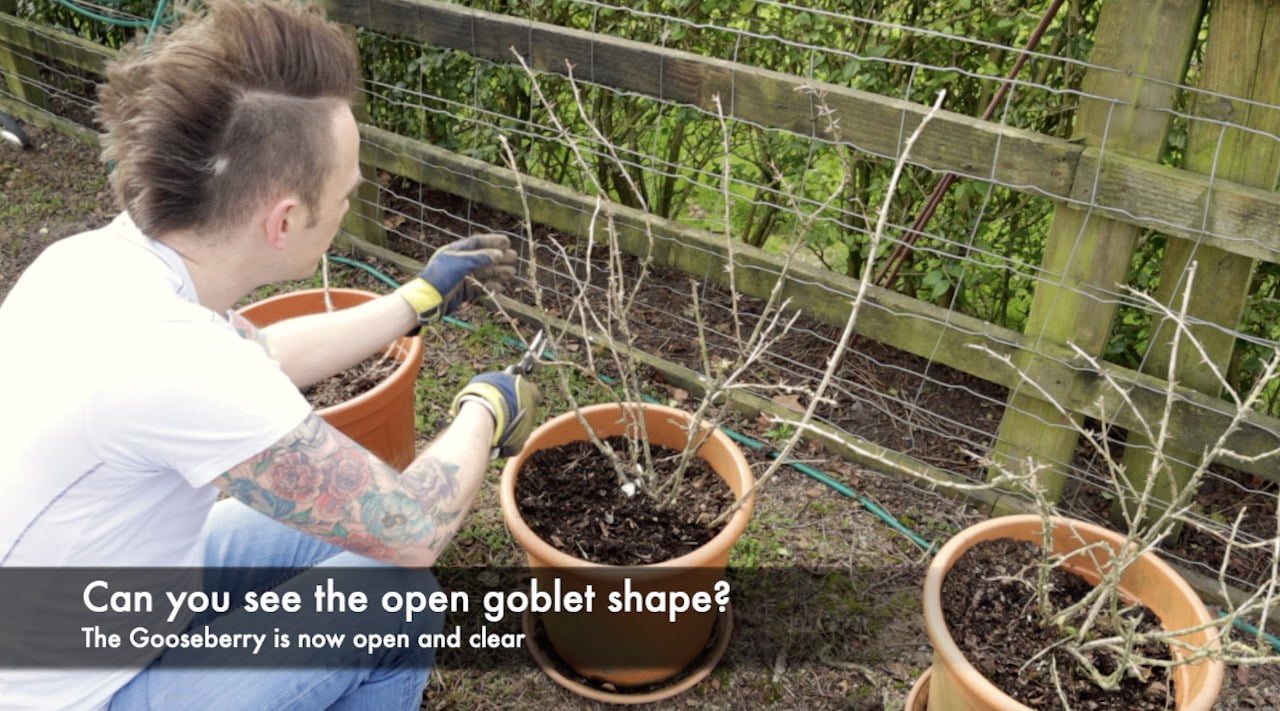
These produce best crops on spurs that form on older wood. Aim to create an open goblet shape with a clear stem (leg) of about 10 to 15cm.
Remove dead, diseased, or damaged branches. Cut back the main framework branches by about a third to an outward-facing bud.
Prune similarly to redcurrants, creating an open goblet shape. Good airflow helps prevent powdery mildew, a common problem in gooseberries.
Remove low-hanging branches that will touch the soil when laden with fruit. Cut out about a quarter of the oldest wood right to the base.
If your gooseberry is particularly thorny, create a more open structure for easier picking! The open goblet above not only reduces disease in gooseberries but makes it easy to grab fruit without getting stabbed next summer.
5. Wisteria (Wisteria sinensis)
December is the second crucial cut for wisteria, especially if you want flowers rather than just lots of green leaves in spring. In summer, you cut back long growth to 5 to 6 leaves. Now shorten those same shoots further to just 2 to 3 buds from the main framework.
This double pruning encourages flower bud formation, giving you masses of gorgeous flowers rather than just green leaves. Many new gardeners panic when pruning wisteria and end up doing nothing, which leads to fewer flowers or none at all. The real sin with wisteria is not pruning it at all!
6. Grapevines (Vitis vinifera)
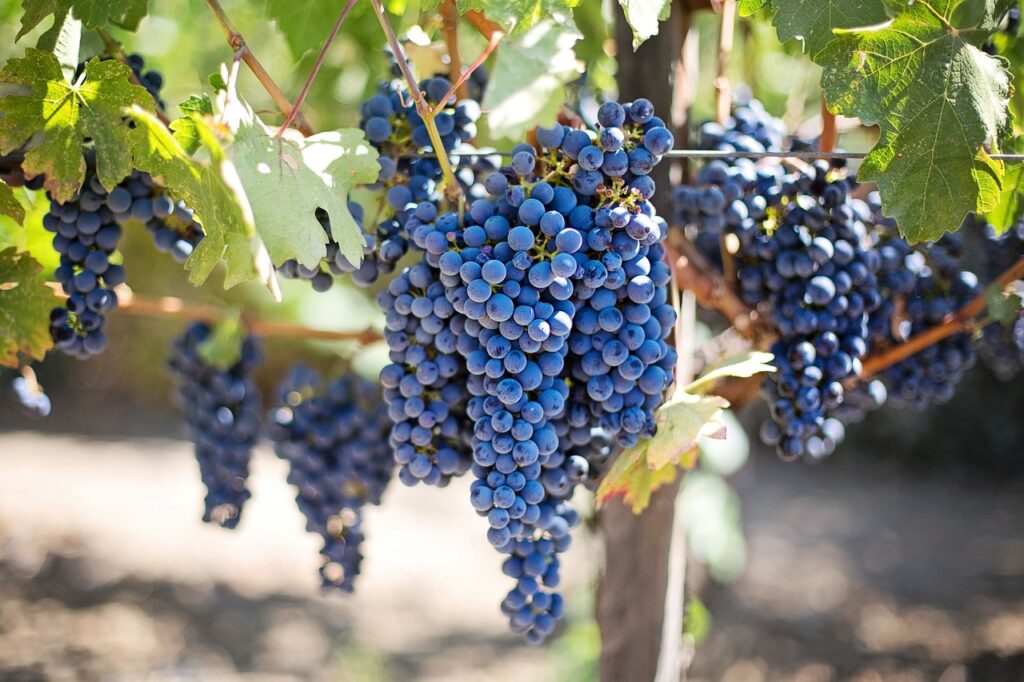
December is ideal for pruning grapevines whilst fully dormant. Grapevines fruit on new growth from last year’s canes, so prune back quite hard. A bit like Wisteria, they are tough as old boots, and if you forget to prune, you’ll get grapes rather than lots of large vine leaves.
Cut back all lateral shoots that fruited to just 2 buds from the main framework rod. These buds will produce new fruiting shoots next year.
Don’t prune spring flowering shrubs like forsythia or flowering currant. These flower on last year’s wood, so December pruning removes all the flower buds.
Don’t prune in freezing conditions. Frozen wood can shatter when cut, causing unnecessary damage.
Forcing Rhubarb for Early Spring Treats
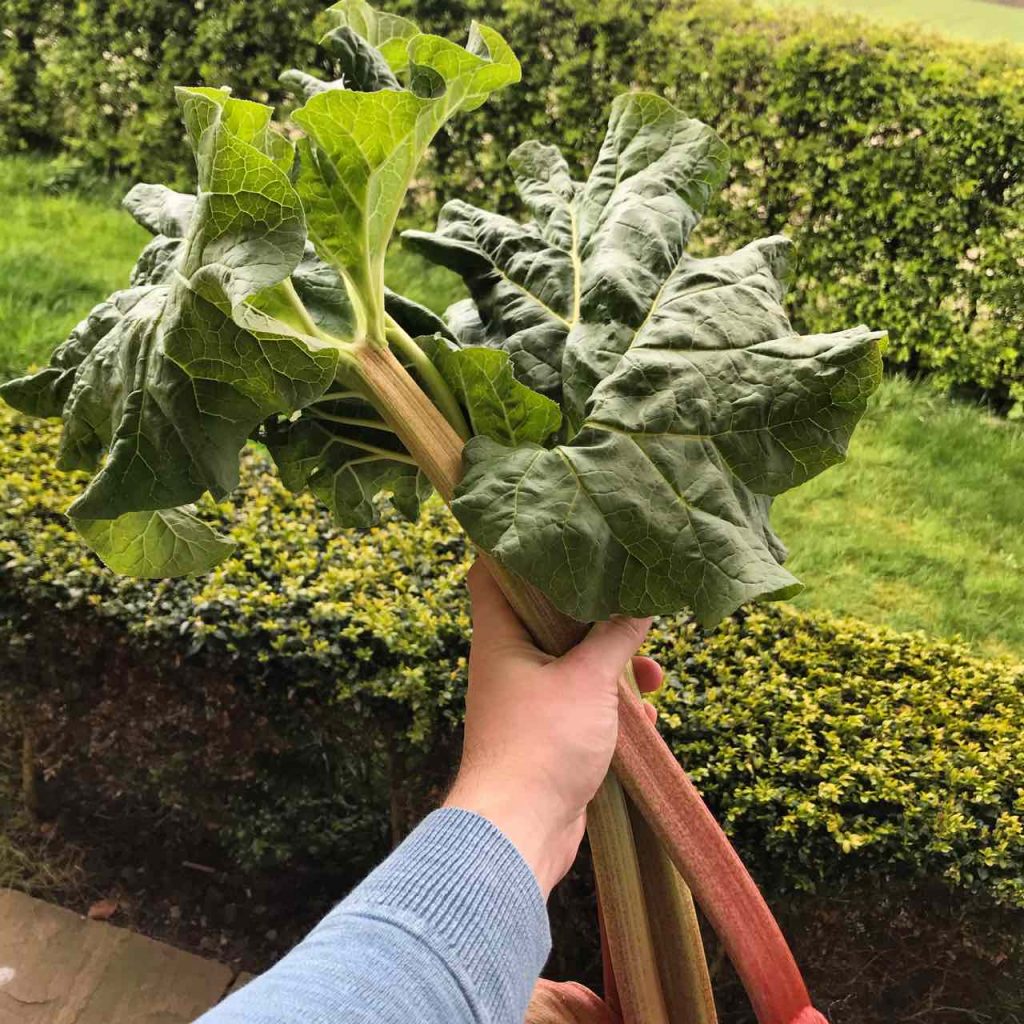
December is perfect for forcing rhubarb for tender, sweet stems in February and March. Forcing produces pale pink stems that are far more tender and less acidic than outdoor rhubarb. It’s a classic way of making plants and our vegetables stretch throughout the colder seasons. Now I must caveat this with the fact that forcing rhubarb is better left for intermediate gardeners and those with r=hubarb thats at least 4 years old, so if thats you then lets go!
Why Force Rhubarb?
Early harvests – Forced rhubarb is ready 8 to 10 weeks before outdoor crops.
Superior flavour – Lack of light produces tender, sweet stems with less oxalic acid.
Forced rhubarb rarely needs as much sugar.
Beautiful appearance – Forced stems are pale pink to almost white, creating a delicate appearance.
How to Force Rhubarb in Winter
Choose a well-established crown (at least 3 years old if not more). Your strongest rhubarb plant is the one to start with, as you’ve got more wiggle room to play around with this rather than young, less established plants. In December, clear away dead foliage and cover with an upturned bucket or proper rhubarb forcer. The container or pot must exclude all light.
So if using plastic, then make sure it’s a black plastic pot, and you put tape over all the drainage holes in the bottom, then turn it upside down and place it over the crown.
If you want even earlier stems, heap fresh manure or grass clippings around the outside. The decomposition produces gentle warmth. After forcing, let the crown recover. Don’t force the same crown two years running or you’ll exhaust it.
Check after 6 to 8 weeks. When stems are 30 to 40cm long, they’re ready to harvest. Pull stems gently at the base.
December Harvests: Winter’s Hidden Treasures
December offers some of the best-flavoured harvests of the year! The cold converts starches to sugars as a natural antifreeze, making these harvests a genuine treat. So if you’ve been growing vegetables in your kitchen gardens, raised beds or allotments, December is the prime time to harvest your winter veg.
1) Parsnips (Pastinaca sativa)
Parsnips are at their peak in December after hard frosts. Frost converts starches to sugars, giving that distinctive sweet, nutty flavour. Plant Parsnips in spring by growing them from seed, and then play the long game, these root vegetables will then make your Christmas dinners so much tastier!
They’re virtually indestructible in the ground and can stay there until you’re ready.
Harvest by loosening soil around the root with a fork, then lift carefully. Try roasting December parsnips with honey and thyme – the sweetness after frost pairs brilliantly with warm spices.
2) Brussels Sprouts (Brassica oleracea)
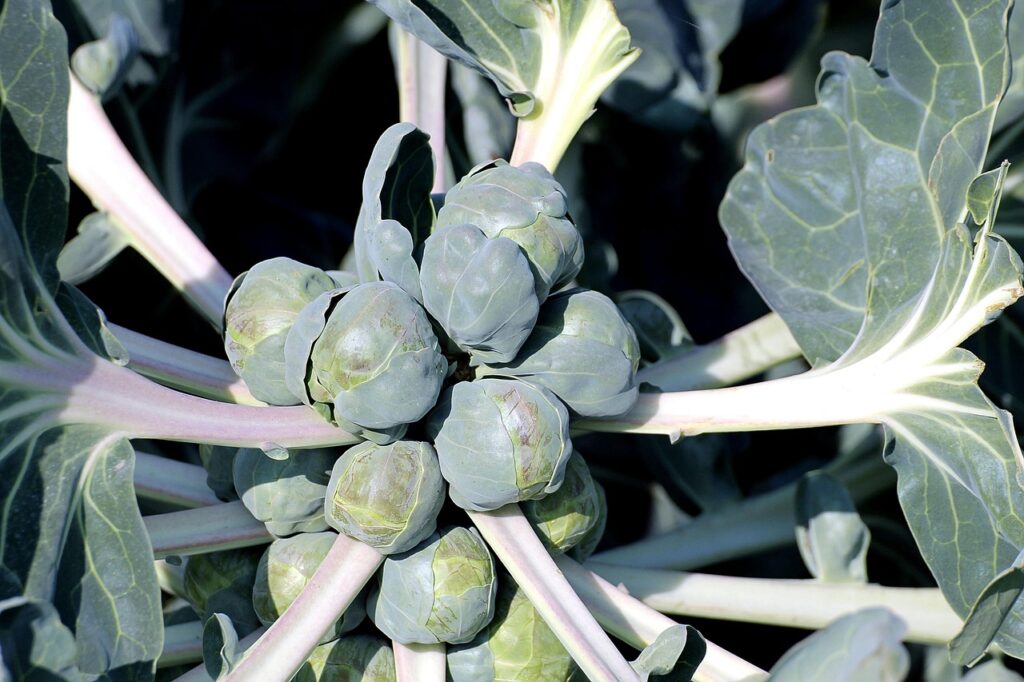
Growing sprouts is easy if you use plug plants rather than seeds earlier in the year. Then, when December comes, it’s time to harvest them after the first frost in November. Sprouts genuinely taste better after frost. Cold breaks down bitter compounds whilst increasing sugar content.
My top tip is to pick from the bottom upwards, taking the largest, firmest buttons (sprouts) first.
Don’t pull up plants after harvesting. The leafy tops are edibl,e and the remaining stem will sprout tender greens in spring if left in place.
3) Leeks (Allium porrum)
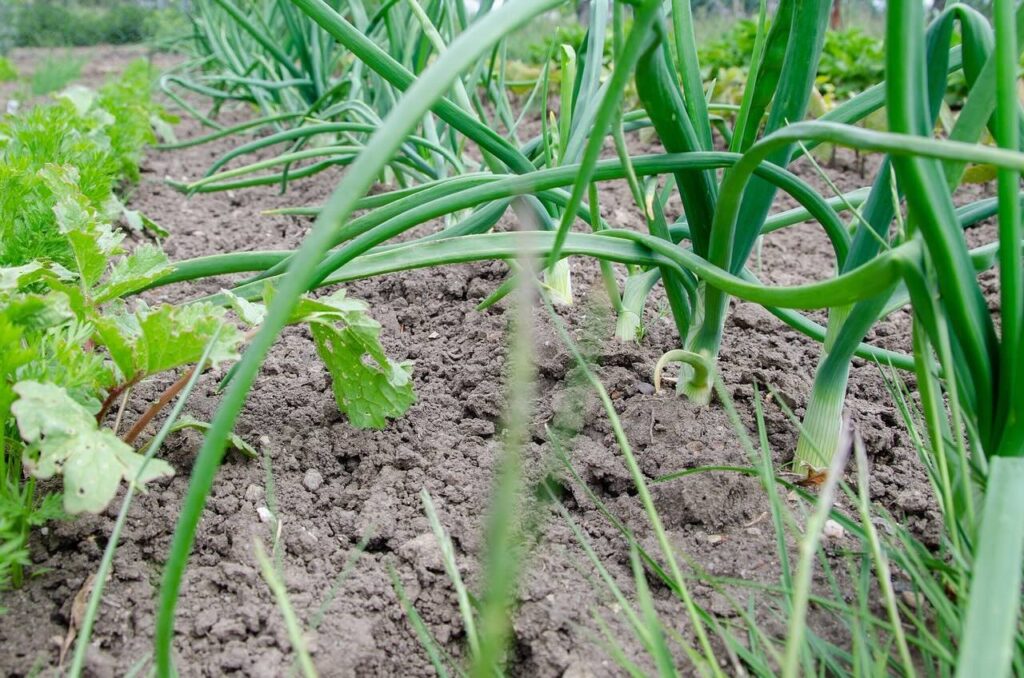
December leeks are absolutely gorgeous, perfect for winter soups, stews, and pies. They’ll stand happily in the ground all winter, improving in flavour as temperatures drop. So you don’t need to harvest them until February if you wish!
When growing leeks from seed or plug plants, you want to plant their roots and stems deeply. Use a bulb dibber or planter to make sure the whole room and stem drops in, then earth them up as they grow to extend the white shanks (the bit you eat).
The white shanks are traditional, but don’t waste the dark green leaves! They’re brilliant for making stock or soup.
4) Winter Cabbage (Brassica oleracea)
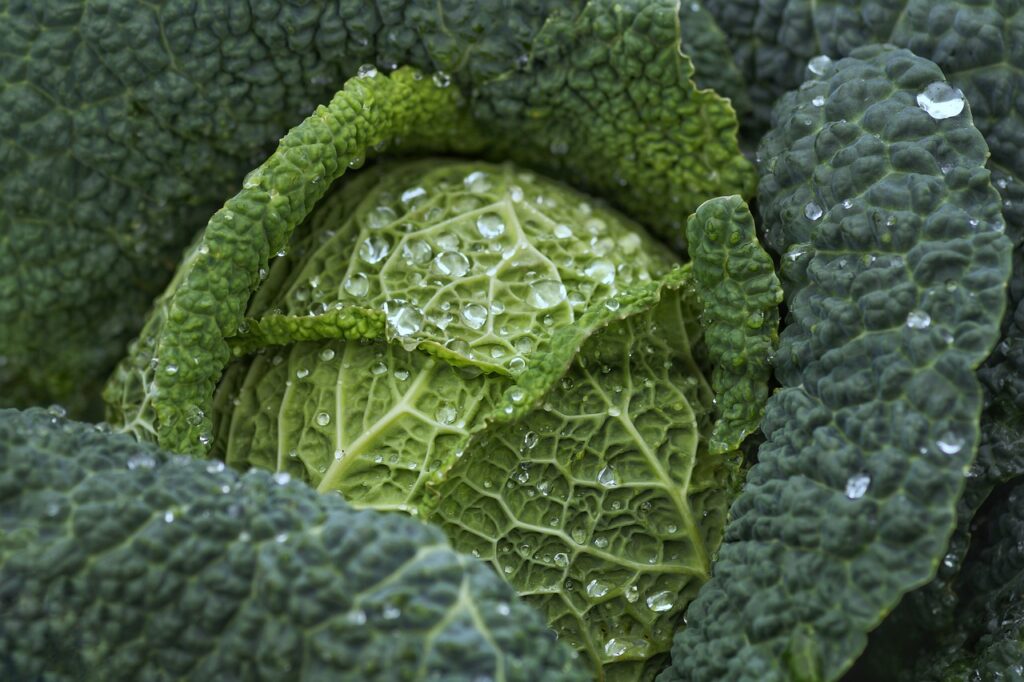
Cabbage gets a bad reputation, but once you’ve grown your own and tasted the difference, you’ll surely change your mind, Ninjas! They also keep your allotments and productive raised beds looking green in the winter months.
January King and other hardy types develop incredible flavour after cold weather. Cut the head when firm and solid, leaving the stem in the ground.
Score a cross in the top of the remaining stem about 1cm deep. This often produces several smaller secondary heads in spring!
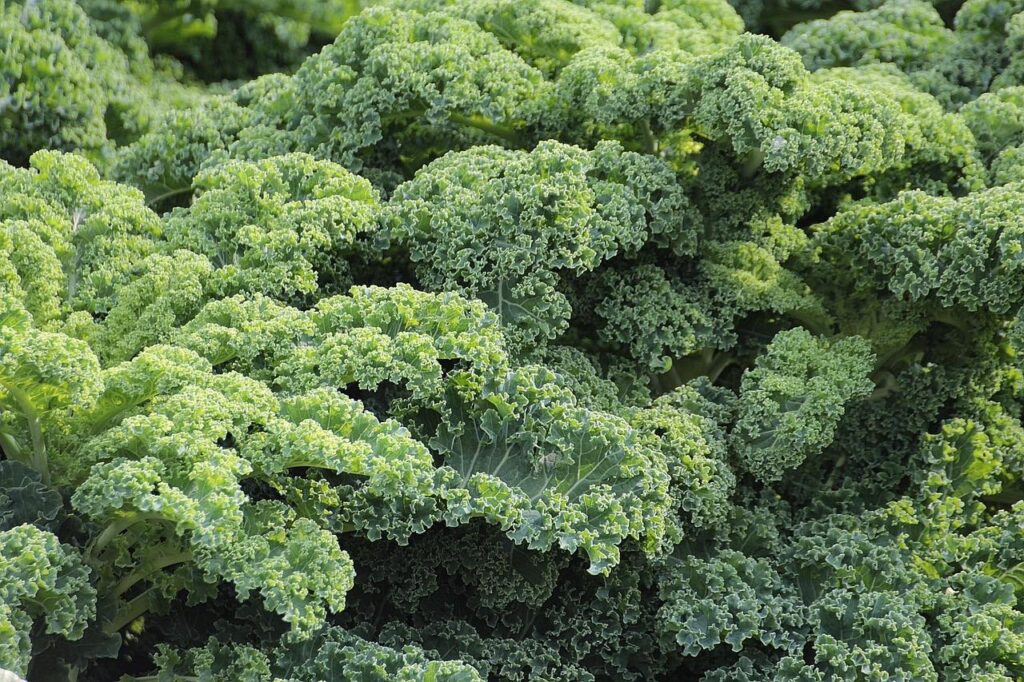
5) Kale (Brassica oleracea var. sabellica)
Kale is virtually indestructible, great to grow as a beginner, as it’s impossible not to germinate and tastes better after frost. Harvest individual leaves from the bottom upwards, leaving the growing tip intact. This leafy green is really rewarding and can be grown late in the season for newcomers to the grow-your-own year! If planting later, cheat with these plug plants to save time!
Don’t rip leaves off roughly. Use scissors or a sharp knife to cut cleanly, preventing damage and allowing continued production.
Herbs That Survive December
December is actually a brilliant month for fresh herbs! Whilst annual herbs like basil and coriander have long since succumbed to frost, several evergreen and hardy perennial herbs continue providing fresh flavour throughout the darkest month. These winter warriors are absolute heroes in the kitchen when most of the garden has died back, and they’re tougher than you might think.
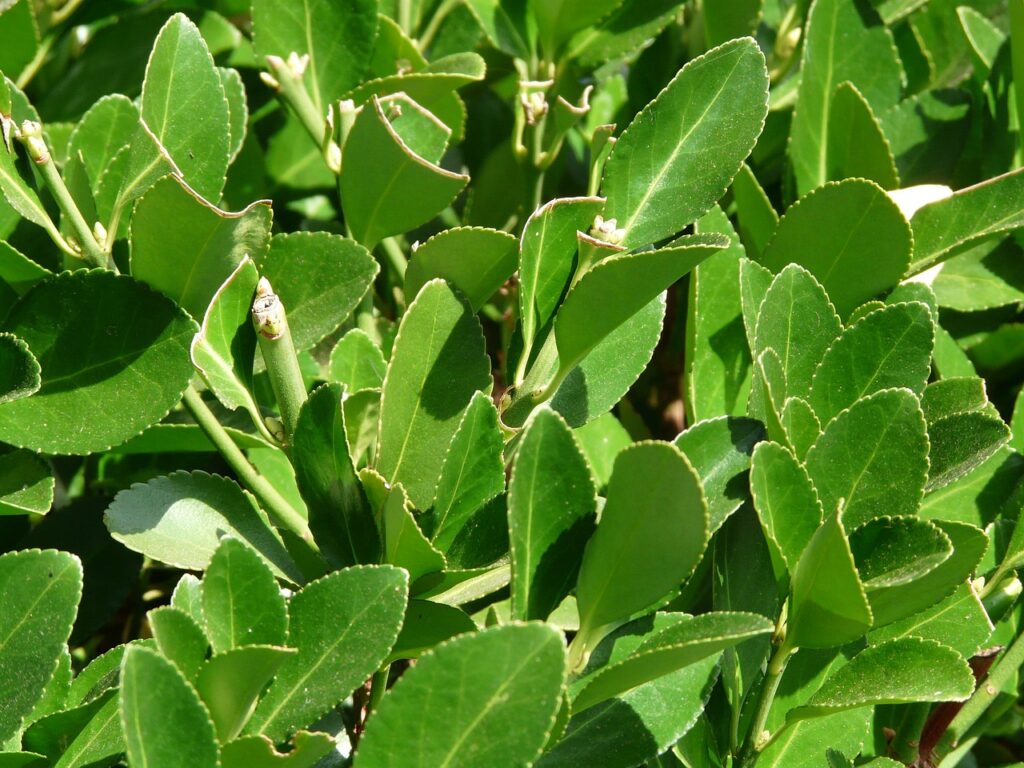
A) Bay (Laurus nobilis)
Bay is evergreen and provides fresh leaves throughout December. Pick individual leaves as needed for soups, stews, and slow cooked winter dishes. Fresh bay has a more delicate, aromatic flavour than dried leaves, making December pickings particularly special.
Bay trees are marginally hardy (tolerating temperatures down to around minus 5°C), so in very cold areas, protect them with fleece during hard frosts or move containerised specimens under cover. They’re particularly vulnerable to cold, drying winds, which can damage foliage. A sheltered spot against a south or west-facing wall provides ideal protection.
December is actually when bay flavour intensifies. The cold weather concentrates the essential oils in the leaves, making them more aromatic than summer pickings. Use fresh bay in bouquet garni for winter stocks, add whole leaves to roasting tins, or infuse them in milk for béchamel sauce.
Container grown bay trees benefit from being moved closer to the house in December where they’re easier to access for picking and get some protection from building warmth. Just ensure pots don’t sit in waterlogged saucers as Bay hates wet feet in winter.
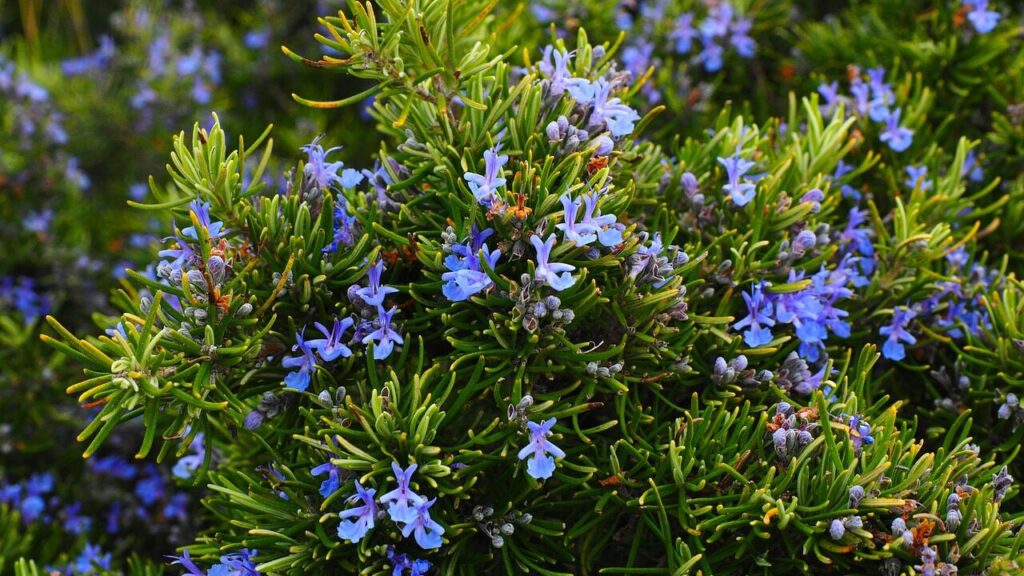
B) Rosemary (Salvia rosmarinus)
Rosemary is evergreen and actively growing in mild Decembers. Harvest sprigs as needed for flavouring winter roasts, stuffings, and hearty stews. Regular picking encourages bushy growth and prevents plants from becoming leggy and bare at the base.
Rosemary is fully hardy in most of the UK, tolerating temperatures well below freezing once established. The main threat in December isn’t cold but waterlogged soil – rosemary is a Mediterranean herb that demands excellent drainage. If your soil is heavy clay, grow rosemary in pots or raised beds where drainage is better.
December rosemary has a particularly resinous, concentrated flavour. The cold weather slows growth, intensifying the aromatic oils. Strip leaves from woody stems and chop finely for roast potatoes, add whole sprigs to lamb or chicken, or infuse sprigs in olive oil for dipping bread.
Rosemary softwood cuttings taken in December root readily indoors on a windowsill, giving you free plants as Christmas gifts or insurance against harsh winter weather damaging your main plant. Simply cut 10cm lengths of semi-ripe growth, strip the lower leaves, dip in rooting hormone if you have it, and pot into gritty compost. They’ll root in 6 to 8 weeks.
Varieties like ‘Miss Jessopp’s Upright’ are particularly hardy and reliable, whilst prostrate varieties like ‘Prostratus’ trail beautifully over walls and containers. All taste equally good in December!
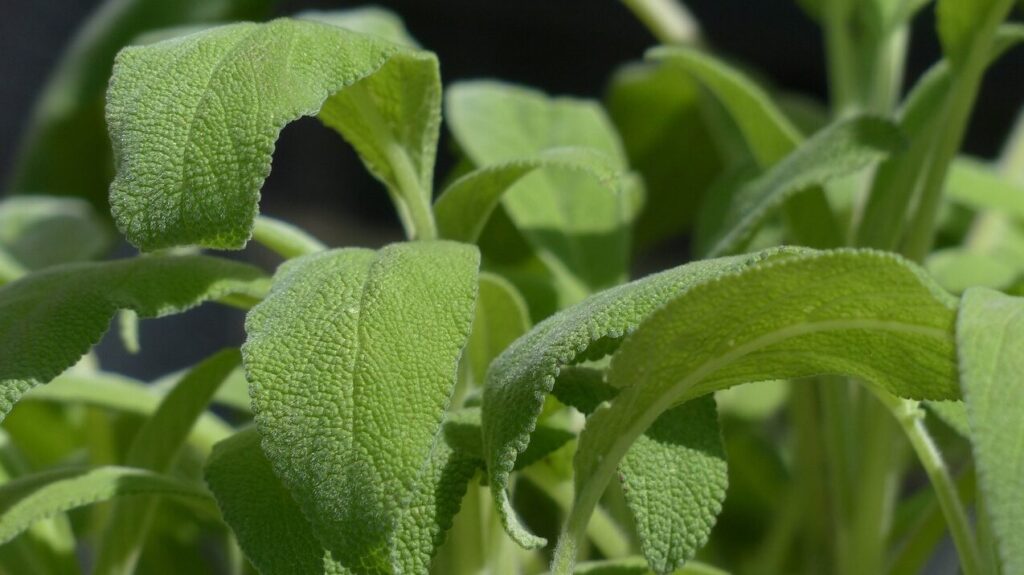
C) Sage (Salvia officinalis)
December sage leaves are perfect for flavouring winter dishes. Pick young shoots from the tips rather than stripping lower leaves, as this encourages the plant to bush out rather than becoming bare and woody at the base. Sage is the classic winter herb, absolutely essential for stuffing, sausages, and rich meat dishes.
Common sage (Salvia officinalis) is fully hardy in the UK, tolerating hard frosts without complaint. The main enemy in December is wet, poorly drained soil which causes root rot. Sage thrives in sun and sharp drainage, so if your soil is heavy, grow it in pots or raised beds with plenty of grit mixed in.
December sage has a more mellow, less aggressive flavour than summer pickings. The cold weather moderates the strong, almost medicinal taste that can be overwhelming in summer, making December leaves perfect for delicate dishes. The velvety, grey-green leaves are also incredibly beautiful, covered in frost.
Young purple sage (Salvia officinalis ‘Purpurascens’) and variegated varieties are slightly less hardy than common sage and benefit from winter protection in cold areas. Move containerised specimens under cover or wrap in fleece during the hardest frosts.
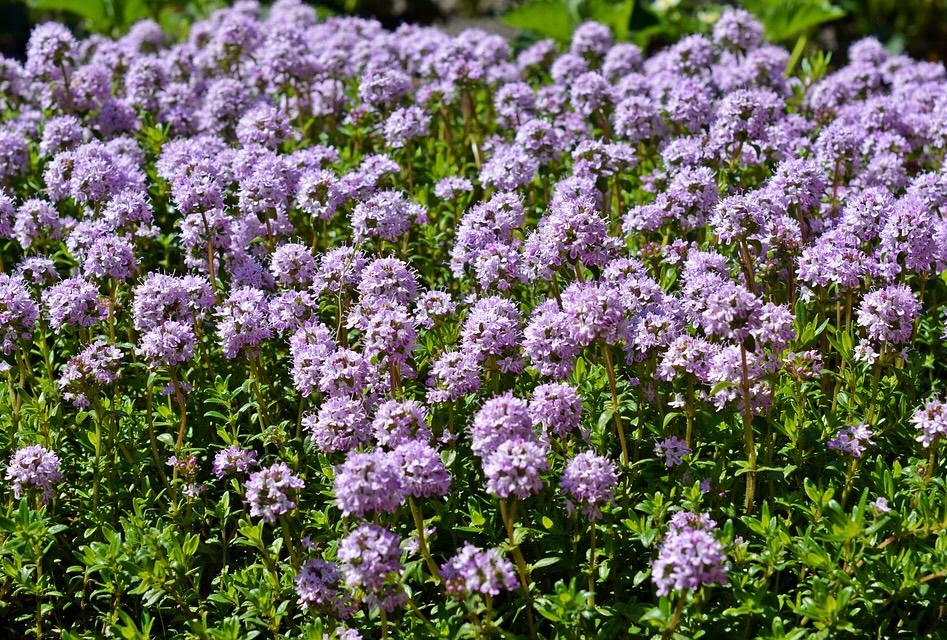
D) Thyme (Thymus vulgaris)
Whilst not mentioned in the basic list, thyme absolutely deserves recognition as a December herb hero! This low growing evergreen provides fresh sprigs throughout winter and is completely bombproof. Common thyme, lemon thyme, and creeping thyme all survive December beautifully.
December thyme has a concentrated, intense flavour. Use it in slow-cooked casseroles, add it to roasted vegetables, or make thyme butter for melting over steaks. It pairs brilliantly with root vegetables, winter squash, and rich meats.
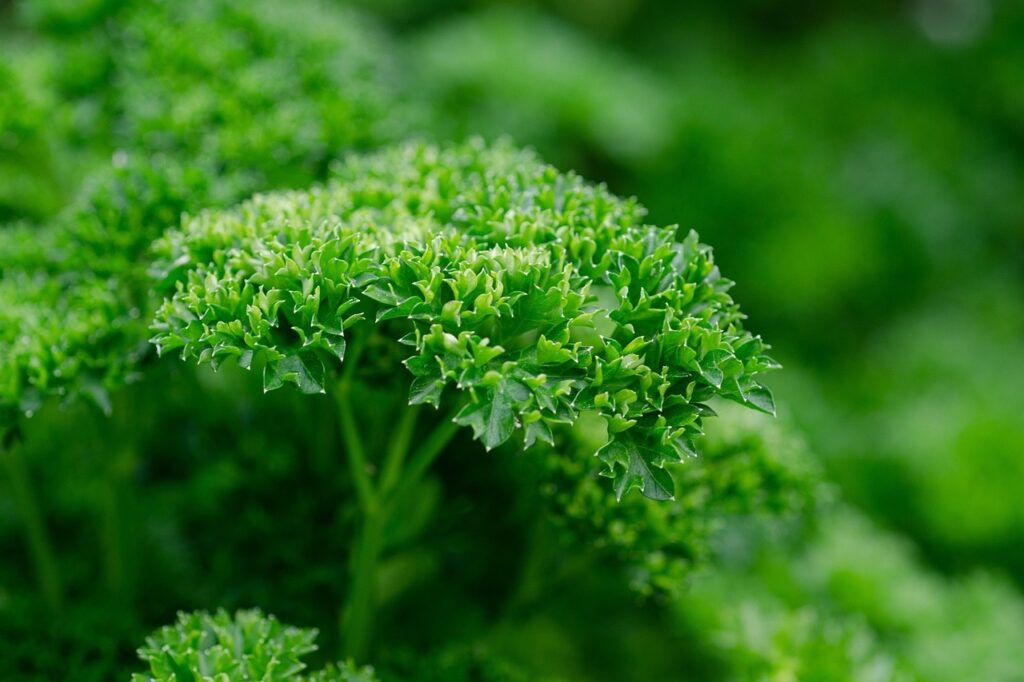
E) Parsley (Petroselinum crispum)
Both flat leaf and curly parsley are surprisingly tough and continue growing through mild Decembers, especially if given cloche protection. Parsley is technically a biennial, so plants from spring sowings are still productive in their first winter.
In December, parsley growth slows dramatically but doesn’t stop entirely. Pick leaves regularly to encourage fresh growth, taking from the outside of the plant and leaving the central growing point intact. Flat leaf parsley (French or Italian parsley) has better flavour than curly types and is slightly hardier.
Protect parsley with cloches or fleece during hard frosts for continued harvests. In very cold areas, pot up plants in autumn and move them under cover to a cool greenhouse or cold frame where they’ll crop all winter happily. December parsley is milder and less bitter than summer growth, perfect for adding fresh green flavour to winter stews and soups.
The secret to winter parsley is site selection. Plants in sheltered, south-facing spots protected from cold north and east winds continue growing far longer than those in exposed positions. A cloche or cold frame extends the season even further.
Tool Maintenance: December’s Essential Care
December’s slower pace makes it perfect for tool maintenance. Sharp, clean, well-maintained tools make gardening easier and help prevent plant diseases.
i) Cleaning Garden Tools
Remove all soil and plant debris from every tool. Dried on mud can harbour disease spores and bacteria. It’s also nice to clean your tools (at least) once a year, so when spring comes, they are ready to go and not caked in crumbly mud and rubbish!
Use a stiff brush or old paint scraper to clean thoroughly. For stubborn soil, soak tools in warm soapy water for 30 minutes, then scrub clean. Rinse and dry completely to prevent rust.
ii) Disinfecting Cutting Tools
Disease prevention starts with clean tools. Viruses, bacteria, and fungal spores can survive on blades and spread between plants.
Wipe cutting blades with diluted bleach solution (1 part bleach to 9 parts water) or methylated spirits. Leave disinfectant on for at least 30 seconds before wiping clean.
iii) Sharpening Blades
Blunt tools make gardening hard work. Sharp spades slice through soil, sharp secateurs make clean cuts.
Spades and Hoes: Use a flat file at a 20 to 30 degree angle, working along the existing bevel in smooth strokes. File in one direction only.
Secateurs: Only sharpen the beveled side, never the flat side. Use a diamond file or whetstone at the same angle as the existing bevel (usually 20 to 25 degrees).
After sharpening, test by cutting paper. Clean cuts with no tearing indicate properly sharp blades.
iv) Oiling and Storing
Apply a few drops of light machine oil to all hinges and springs. Work the tool open and closed to distribute oil. Wooden handles should be oiled with linseed oil to prevent drying, cracking, and splinters.
Store clean, sharp, oiled tools somewhere dry. Coat metal parts with a thin layer of oil before storing to prevent rust.
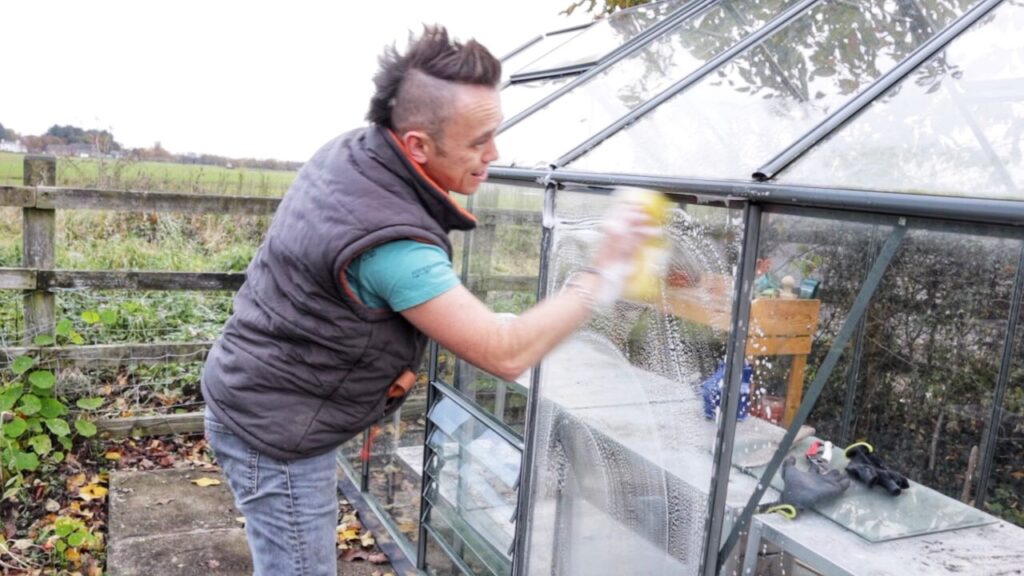
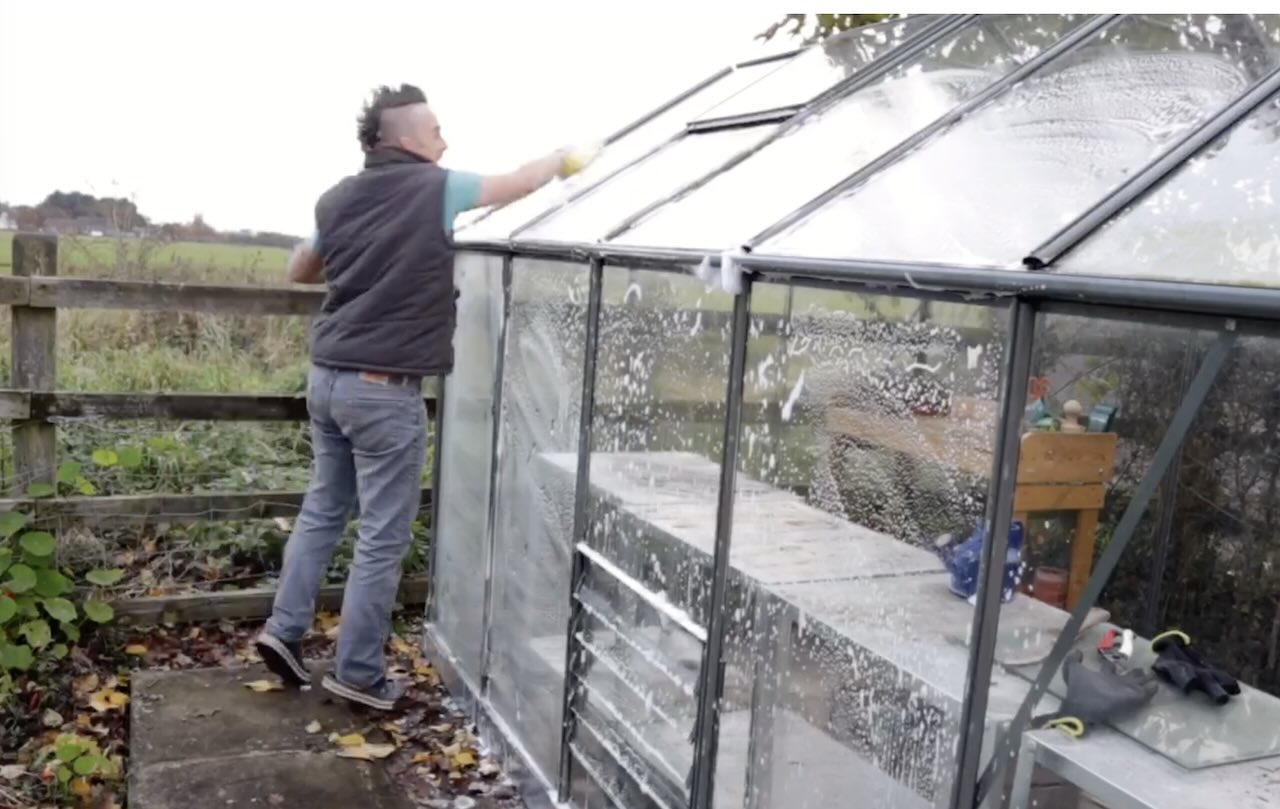
Greenhouse Deep Clean
December is perfect for a thorough greenhouse clean. Clean glass allows maximum light penetration during the darkest months.
Step 1: Glass Cleaning
Remove everything from the greenhouse if possible. Wash glass inside and out using warm soapy water and a long handled brush. Pay special attention to overlaps between panes where algae accumulates. Algae blocks significant light and provides pest habitat.
Step 2: Structure Cleaning
Scrub the framework with a dilute bleach solution (1 part bleach to 10 parts water). This kills disease spores, algae, and pest eggs. Inspect for damage whilst cleaning – cracked glass, bent frames, and failed seals all need attention before winter storms.
Step 3: Pots and Equipment
Fill a container with warm soapy water and bleach, submerge pots for 10 minutes, scrub if needed, then rinse and stack. Terracotta pots benefit from soaking overnight in water with washing soda to dissolve salt deposits.
Plants That Desperately Need December Protection
December is absolutely your last chance to properly protect tender, and marginally hardy plants before January and February’s brutal conditions arrive. Whilst November was for basic protection, December is for ensuring everything survives the coldest weather without turning into expensive compost!
I see so many gardeners lose plants in winter, not because they’re not hardy enough, but because they didn’t get protection sorted in time. Once we hit those proper hard frosts in January, it’s too late. The damage is already done. December is your window of opportunity, Ninjas!
Banana Plants (Musa basjoo)
These architectural beauties are actually tougher than you’d think, but they need proper protection to survive British winters. The foliage will die back regardless; that’s normal, and you can’t prevent it. That’s because Bananas are not trees but the world’s largest herbaceous perennial! What you’re protecting is the stem (pseudostem technically), which contains next year’s growth.
In December, once frost has blackened the leaves, cut the foliage back to about 30cm above ground level. Then wrap the entire stem with several layers of bubble wrap, hessian stuffed with straw, or thick horticultural fleece. Make sure you cover from ground level right to the top, any exposed stem can get frosted.
Once wrapped, cover the whole lot with tarpaulin to keep moisture out. Wet insulation is useless insulation! Tie it securely so December gales don’t unwrap your hard work. In spring (April), unwrap, and you’ll see fresh growth emerging from the protected stem.
Tree Ferns (Dicksonia antarctica)
Tree ferns are marginally hardy, and the crown (where the fronds emerge) is the vulnerable bit that needs protecting. If the crown freezes solid, the plant is dead, and there’s no recovery from crown damage.
In December, stuff the crown with dry straw, bracken, or shredded paper until it’s completely filled and packed tight. This insulates the growing point. Then wrap the trunk with bubble wrap or hessian to protect the fibrous bark from freeze damage.
For extra protection in very cold areas, pop an upturned bucket or large pot over the stuffed crown before wrapping. This creates a double layer of protection. Remove the bucket in April, but leave the trunk wrapping on until May – tree ferns are slow to wake up in spring.
Check the crown stuffing periodically through winter. If it gets wet, it’ll rot rather than insulate, so replace soggy stuffing with dry material if needed.
Container Plants
This is where most tender plant losses happen!Plants in pots are far more vulnerable than those in the ground because roots can freeze solid in containers, whilst ground-planted roots are insulated by surrounding soil.
Move tender container specimens to a frost-free shelter in December. Perfect spots include:
Unheated greenhouses (frost-free but cool)
Conservatories or porches (light and protection)
Garages with windows (less ideal but better than outside)
Sheds with natural light (for dormant plants that don’t need much light)
For large containers that can’t be moved, wrap pots with bubble wrap, hessian, or old blankets secured with string. This insulates roots from freezing solid. Plants can often survive cold air temperatures if their roots are protected.
Group containers together in the most sheltered spot you have whether against south or west facing house walls is ideal. Clustering creates a microclimate several degrees warmer than exposed positions.
Protection Materials: What Works and What Doesn’t
i) Horticultural Fleece
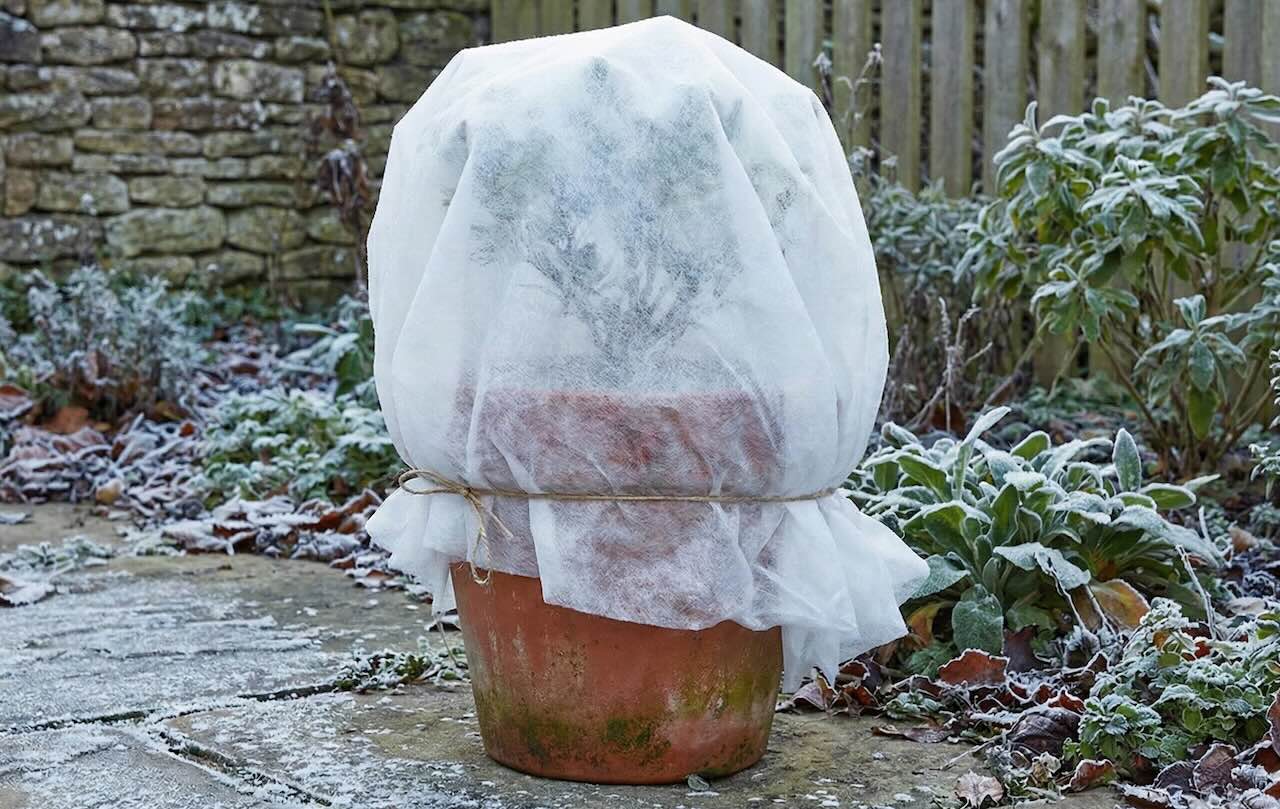
The most versatile protection material.Fleece is lightweight, lets light and rain through, and provides 2 to 4°C of frost protection. Use multiple layers for more protection – three layers can give 6 to 8°C of protection.
Drape loosely over plants rather than wrapping tightly. Tight wrapping prevents air circulation and can cause more damage through condensation and disease than frost would! Leave the bottom open for air circulation or weight down with bricks.
Fleece is reusable for years if you store it clean and dry over the summer. It’s effective for protecting slightly tender perennials, shrubs, and early-flowering plants like camellias.
ii) Bubble Wrap
Excellent insulation that’s waterproof and reusable.Large bubble wrap (the bubbles are 2 to 3cm in diameter) is more effective than small bubble wrap because the bigger air pockets provide better insulation.
Use bubble wrap for wrapping containers, tree trunks, and banana stems. Don’t wrap directly around foliage – the waterproof nature means condensation builds up inside which causes rot and fungal diseases. Always leave a gap between bubble wrap and leaves.
Secure with a string or tape. Bubble wrap lasts for years. I’ve got some that’s been protecting plants for over a decade! Store it rolled up somewhere dry over the summer.
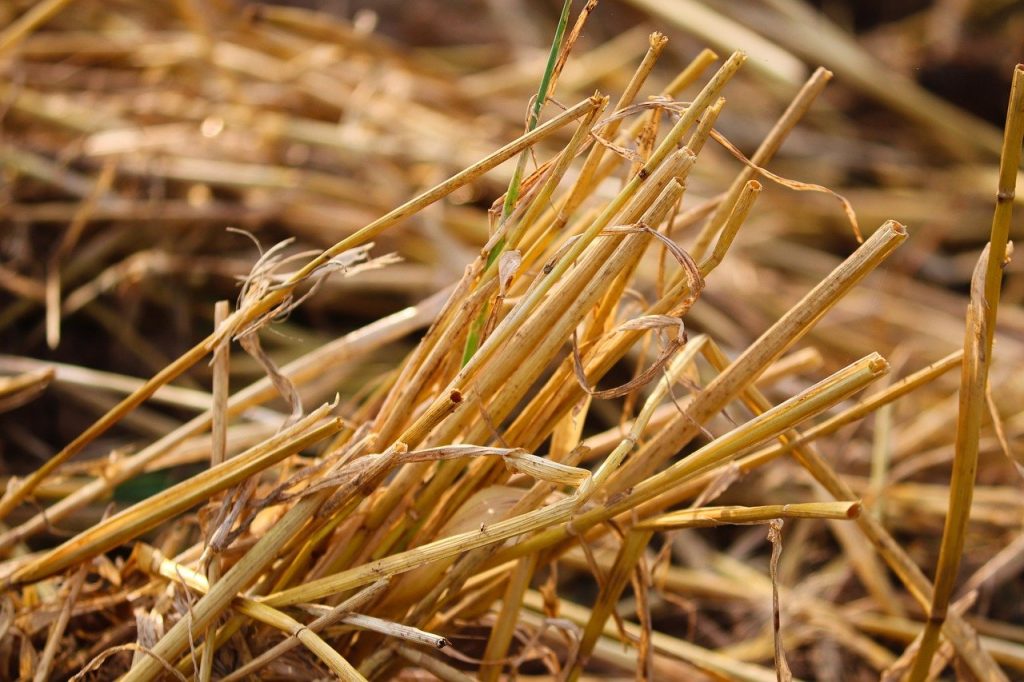
The critical thing with straw or bracken is it must stay dry to work properly. Wet straw rots and can actually damage plants rather than protecting them. Use a cover that prevents it from soaking or getting wet.
Straw also provides excellent habitat for overwintering beneficial insects, so you’re helping wildlife whilst protecting plants.
iv) Hessian or Burlap
Breathable, natural, and brilliant for wrapping.Use hessian to create sleeves around tender shrubs, stuffed with straw for insulation. It breathes so condensation isn’t a problem, but it’s not waterproof, so it needs covering in very wet winters.
Hessian looks far nicer than bubble wrap or plastic in highly visible areas of the garden. Coffee sacks made from hessian are perfect for this and often available free from coffee shops!
What NOT to Protect
Don’t waste time protecting things that don’t need it! Some gardeners go overboard wrapping everything in sight, which is unnecessary work and can actually cause problems.
Hardy herbaceous perennials like hostas, astrantias, geraniums, and rudbeckias don’t need protection. They’re fully hardy and wrapping them up just encourages diseases and prevents them providing wildlife habitat over winter.
Established hardy shrubs and trees don’t need wrapping. Things like roses, hydrangeas, hardy fuchsias, and deciduous trees are absolutely fine without protection. Wrapping them serves no purpose and trapped moisture can cause more harm than good.
Spring bulbs planted in autumn are completely hardy and don’t need protection. Covering them prevents natural growth patterns and can cause problems.
The golden rule is only protect things that actually need it – marginally hardy plants, recently planted specimens in their first winter, and anything in containers that can’t be moved.
Leave Seed Heads and Berries Standing
This is probably the single most important thing you can do for winter wildlife! Don’t cut down herbaceous perennials – those seed heads you’re itching to tidy away provide essential food for seed-eating birds like goldfinches, greenfinches, chaffinches, and tits.
Plants particularly valuable for seed include:
Echinacea (coneflowers) – goldfinches adore these
Rudbeckia (black eyed Susan) – seeds feed finches and tits
Teasels – brilliant for goldfinches and goldcrests
Ornamental grasses – seeds from Miscanthus, Panicum, and Calamagrostis
Sunflowers – leave spent flower heads on stems for birds to strip
Fennel, dill, and other umbellifers – seeds feed many species
Berrying shrubs and trees feed thrushes, blackbirds, redwings, fieldfares, and waxwings. Don’t prune these in December – leave the berries for birds! Valuable berry plants include:
Cotoneaster – berries feed birds all winter
Pyracantha (firethorn) – brilliant orange or red berries
Holly – classic winter berries (leave unpruned)
Hawthorn – native hedging with nutritious haws
Rowan – orange berries highly attractive to thrushes
Ivy – flowers in autumn, berries ripen in late winter (crucial food when nothing else is available)
The traditional advice to “tidy up your garden for winter” is absolute nonsense from a wildlife perspective. Messy gardens with standing plant stems, unpruned shrubs, and leaf litter support far more wildlife than obsessively neat gardens.
Shelter Sites: Creating Winter Habitats
Leaf piles are absolute gold for wildlife! Rather than raking up every single fallen leaf and binning them, create leaf piles in quiet corners for hibernation sites. These provide essential winter shelter for:
Leave piles undisturbed from December through to April. If you absolutely must move leaves from lawns and paths, pile them up behind sheds, under hedges, or in borders where they’ll benefit wildlife and break down into gorgeous leaf mould.
Log stacks and habitat piles provide similar shelter. Pile logs loosely in quiet corners – the gaps between logs create perfect hibernation spots. Partially rotted logs are even better as they provide food (beetle larvae, fungi) as well as shelter.
Don’t disturb compost heaps in winter – these warm, insulated environments are perfect for hibernating wildlife. Grass snakes, slow worms, frogs, toads, and countless beneficial insects use compost heaps as winter hotels. Only turn compost in spring when residents have woken up and moved out!
Hedgehog Support: Helping Our Prickly Friends
Hedgehogs are in serious decline in the UK (down 50% since 2000), so anything we can do to help them is crucial. December is when most hedgehogs are already hibernating, so the focus is on not disturbing them and providing safe hibernation sites.
Check potential hibernation sites before disturbing them. Hedgehogs hibernate in:
Leaf piles (especially large ones under hedges)
Log piles and brush heaps
Under sheds, decking, and outbuildings
Compost heaps
Dense evergreen shrubs
Purpose built hedgehog houses
Before starting any December garden clearance work, poke piles gently with a stick first and listen. If you hear snuffling or disturb a curled-up hedgehog, carefully replace the cover and leave it alone. Waking hibernating hedgehogs use critical energy reserves that can prevent survival until spring.
Provide hedgehog houses in quiet, undisturbed spots under shrubs or against fences. Pack with dry leaves and straw to make them attractive. Position the entrance away from prevailing wind and rain. Don’t check inside during winter – you’ll wake residents!
Leave gaps in fences and walls (13cm x 13cm minimum – the size of a CD case) to allow hedgehogs to roam between gardens. They need access to large territories (1 to 2km per night when active) to find enough food and potential mates. Joining up gardens creates “hedgehog highways” that help populations survive.
Stop using slug pellets, as these poison hedgehogs when they eat poisoned slugs. Switch to beer traps, copper tape, or nematodes for slug control. Hedgehogs eat slugs naturally, so having them in your garden reduces slug problems anyway!
Pond Wildlife: Preventing Winter Disasters
Frozen ponds kill fish and hibernating amphibians through toxic gas buildup under the ice. Never, ever break ice on ponds by smashing it violently. The shock waves travel through water and can kill fish, frogs, and other pond life instantly. I’ve seen people lose entire pond populations from this well-meaning but disastrous action!
The correct way to clear ice: Place a pan of hot (boiling) water on the ice surface and leave it there. The heat gradually melts through, creating a hole without shock waves. This takes patience, but it’s safe.
Float a ball or piece of wood in the pond to absorb ice expansion and help maintain a breathing hole. Tennis balls work brilliantly. As ice forms, it compresses the ball rather than expanding outward, which reduces pressure on pond liners and also keeps a small area free of ice for longer.
Don’t feed pond fish in December (or any time when water temperature is below 10°C). Fish metabolism slows dramatically in cold water and they can’t digest food properly. Uneaten food pollutes water and can cause ammonia spikes that kill fish in spring. Wait until March or April when water warms up before resuming feeding.
Leave pond pumps running if possible as moving water is less likely to freeze completely. If you turn pumps off for winter, remove and store them clean and dry to prevent frost damage.
December Garden Tasks Checklist
A) Check Stored Produce – Examine stored apples, pears, potatoes, onions, and squashes weekly. Remove anything showing rot immediately.
B) Protect Brassicas from Pigeons – Net cabbages, kale, and sprouts. Wood pigeons are savage in December.
C) Clear Ice from Ponds – Gently melt holes using hot water rather than smashing.
D) Check Tree Stakes – Inspect stakes are firmly in ground and ties aren’t rubbing.
E) Order Manure – Order farmyard manure or mushroom compost for spring delivery.
F) Repair Fences – Fix wobbly fence posts and replace damaged panels whilst plants aren’t in the way.
G) Order Compost – Plan ahead for spring potting and order for delivery before the rush.
Transform Your Garden Knowledge with Garden Ninja’s Expert Resources
Ready to elevate your December gardening beyond basic tasks? My comprehensive online courses provide the expertise to transform you from enthusiastic beginner to confident garden creator.
With courses starting from just £29, you gain access to award-winning design knowledge.
29
Garden Design Examples for Small Gardens: 30 Design Templates & Planting Plans
Garden Design Examples for Small Gardens: 30 Design Templates & Planting Plans: In this online gardening course, I’ll walk you through 30 fantastic garden designs, explaining the logic behind the layout, the plant choices, and take-home tips for applying them in your own garden.
Weekend Garden Makeover: A Crash Course in Design for Beginners
Learn how to transform and design your own garden with Lee Burkhills crash course in garden design. Over 5 hours Lee will teach you how to design your own dream garden. Featuring practical design examples, planting ideas and video guides. Learn how to design your garden in one weekend!
Garden Design for Beginners: Create Your Dream Garden in Just 4 Weeks
Garden Design for Beginners Online Course: If you want to make the career jump to becoming a garden designer or to learn how to design your own garden, this is the beginner course for you. Join me, Lee Burkhill, an award-winning garden designer, as I train you in the art of beautiful garden design.
December gardening rewards those who embrace winter rather than hiding from it. This often dismissed month offers unique opportunities for strategic tasks that set you up for brilliant results all year.
Whilst others are convinced there’s nothing to do until spring, you’ll be winter pruning for better harvests, forcing rhubarb for early treats, maintaining tools to perfection, and supporting crucial wildlife.
Whether it’s harvesting frost sweetened parsnips, planning next year’s crops by the fire, or ensuring your garden wildlife survives the lean months, December work is about working smarter, not harder. The jobs you do this month pay dividends for twelve months to come.
The traditional advice to ignore gardens until spring is rubbish. Gardens are dynamic ecosystems that benefit from thoughtful winter management.
By pruning now, protecting wisely, planning carefully, and supporting wildlife, you’re creating a garden that thrives year-round rather than just during summer’s easy months.
Get out there, Ninjas, and make December your secret weapon for creating a garden that works harder, looks better, and supports more wildlife. Your future self, your plants, and the garden creatures will thank you for it!
Lee Burkhill, known as the Garden Ninja, is an award-winning garden designer and horticulturist with over 30 years of gardening experience and 15 years as a professional garden designer. A qualified RHS (Royal Horticultural Society) professional, Lee specialises in sustainable garden design and practical horticultural advice. He designs and presents on BBC1’s Garden Rescue and in leading gardening publications. Lee combines three decades of hands-on gardening knowledge with professional design qualifications to help gardeners create beautiful, functional outdoor spaces.