Do pots need drainage holes? The truth about plant containers
Lee Burkhill: Award Winning Designer & BBC 1's Garden Rescue Presenters Official Blog
Beginner level
You've found the perfect pot. It's gorgeous, it matches your decor beautifully, and it's exactly the right size. There's just one tiny problem: no drainage holes. Can you use it anyway? Should you drill holes? Will your plant definitely die without them? This guide will explain why drainage holes are ESSENTIAL.
Here’s the uncomfortable truth that most plant shops won’t tell you: improper drainage kills more container plants than practically any other factor. Many gardeners contact me after spending a fortune on beautiful specimens, potting them up in stunning containers, and then wonder why their plants look increasingly miserable before dying completely.
The culprit? Water sitting at the bottom of pots with nowhere to escape, slowly suffocates roots until the plant gives up entirely.
The drainage hole question isn’t just academic; it’s practical. It’s literally the difference between thriving plants and expensive compost.
I’m going to walk you through exactly why drainage matters, what happens when it goes wrong, the surprising truth about that gravel layer everyone recommends, and most importantly, practical solutions for both pots with and without drainage holes.
Can You Use Pots Without Drainage Holes?
Yes, you can use pots without drainage holes, but it requires meticulous watering control and poses a significantly higher risk to plant health.
Indoor Plant Pots without holes
You can use pots without holes indoors with some modifications. Indoor plants in pots without drainage need careful monitoring to prevent overwatering, as every drop of water you add stays in the pot. So the answer is yes, but read on below about cache pots or double potting for the solution.
Outdoor Pots Without Holes
For outdoor use, pots without drainage holes should never be used, as rainwater will accumulate and drown plants.
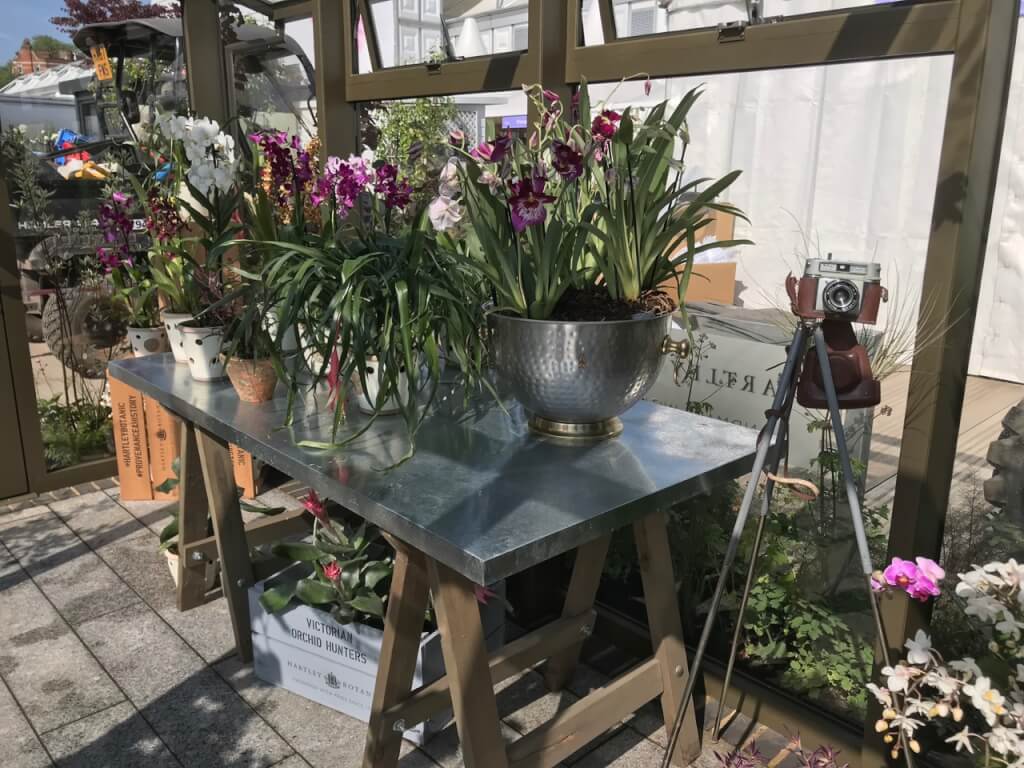
The safest approach is to use drainage hole pots inside decorative cache pots, allowing you to achieve the aesthetic you want while protecting plant health, which I’ll show you further on.
Before we dive into the technical details, let’s address this fundamental question, as I know half of you are reading this while staring at a pot without holes, wondering if you should take the risk.
The short answer is yes, you can use them, but you’re making your life considerably harder and your plants’ lives considerably more precarious. It’s like driving a car with dodgy brakes. It’s possible, but you must remain constantly vigilant, as even a single mistake can have serious consequences.
Plants in pots without drainage require precision watering, monitoring soil moisture levels religiously, and accepting that you’re working against nature rather than with it. For experienced gardeners who understand their plants’ water requirements intimately, it’s manageable. For everyone else, it’s a recipe for root rot and disappointment.
Why Drainage Holes Actually Matter
Let’s talk about what’s happening underground, where you cannot see.
Plant roots need three things to survive:
Water
Nutrients
And crucially, Oxygen.
That last one surprises people. Roots don’t just sit in soil passively absorbing water like some sort of botanical sponge. They’re actively respiring, taking in oxygen and releasing carbon dioxide, much like we do when we breathe.
When excess water sits at the bottom of a pot with nowhere to drain, it fills all the air pockets in the soil. This creates an oxygen-starved environment where roots literally cannot breathe.
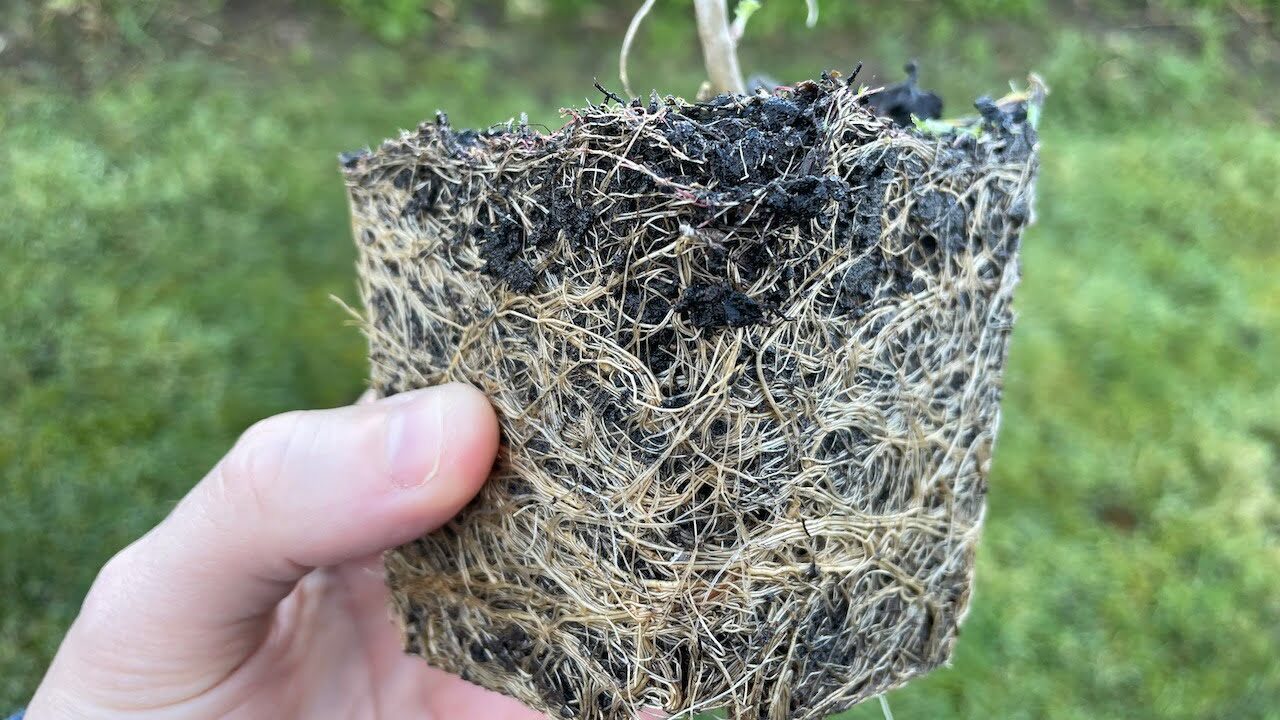
Waterlogged soil suffocates roots, leading to root rot, a fungal condition that kills plants surprisingly quickly once it takes hold. You’ll notice wilted leaves that don’t perk up after watering, yellowing foliage, and if you tip the plant out, black or brown mushy roots with a distinctly unpleasant smell.
The second critical function of drainage holes is flushing out accumulated salts. Tap water and fertilisers contain mineral salts that plants don’t absorb fully. These salts concentrate in the soil over time, and without drainage to flush them through, they build up to toxic levels.
You’ll notice brown leaf tips and edges, stunted growth, and occasionally a white, crusty deposit on the soil surface. Drainage holes allow you to water thoroughly until water runs through, carrying these excess salts away and keeping the growing medium healthy.
How Many Drainage Holes Do You Actually Need?
One drainage hole is technically sufficient for most pots, but honestly? More is better. Multiple drainage holes provide faster water escape, reducing the time roots spend sitting in saturated soil.
This is particularly important for plants that dislike wet feet, such as succulents, cacti, and Mediterranean herbs.
For standard-sized pots up to about 20cm diameter, one decent-sized hole (roughly 1cm) works fine.
Larger pots benefit from multiple holes spaced around the base.
Really big containers, those 50cm diameter monsters, should have at least five to seven holes to ensure adequate drainage. The holes don’t need to be enormous; they just need to be present and functional.
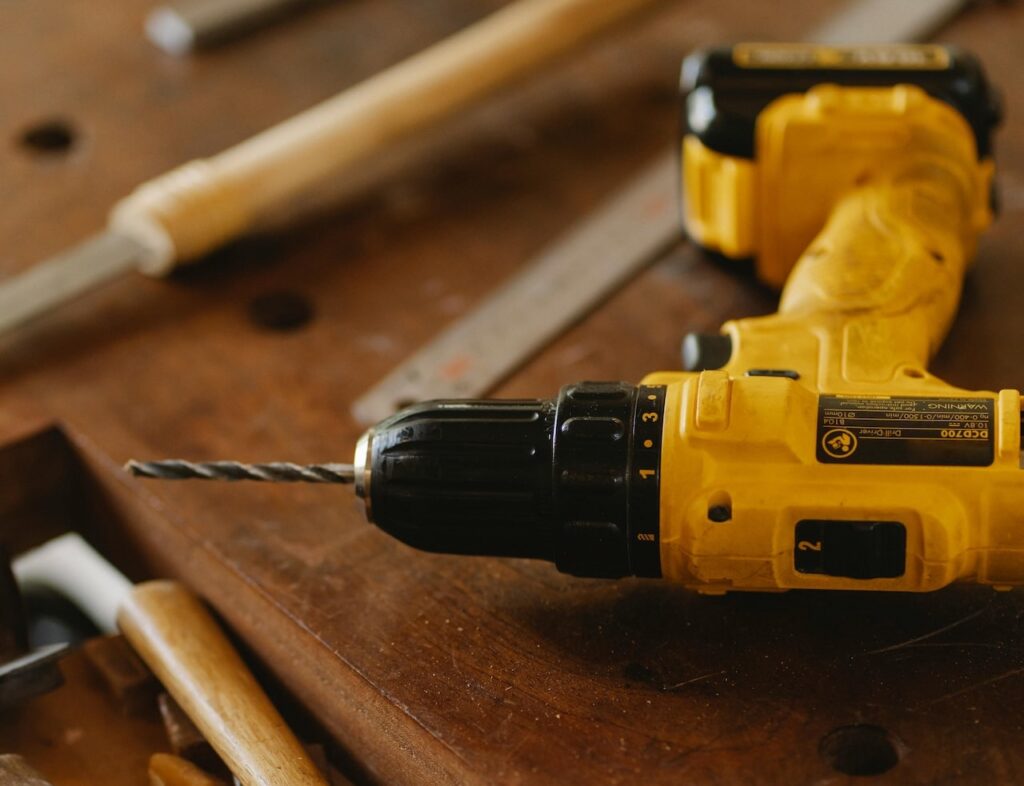
If your pot has tiny holes that seem barely adequate, you can always drill more or enlarge existing ones. Just work slowly with the appropriate drill bit for the material and support the pot properly to prevent cracking.
Best Plant Pot Types for Drainage
Pot Type
Drainage Status
Best Use
Terracotta with holes
Excellent drainage
Perfect for most plants, especially drought tolerant ones
Plastic with multiple holes
Very good drainage
Lightweight, affordable, great for all plants
Ceramic with single hole
Good drainage
Most plants, monitor moisture carefully
Glazed ceramic no holes
No drainage
Cache pot only, not for direct planting
Metal decorative no holes
No drainage
Cache pot only, can rust if used for direct planting
Large decorative no holes
No drainage
Cache pot for large plants, or fill bottom with gravel for stability
Drilling Holes in Pots Without Drainage
Found the perfect pot, but it doesn’t have a drainage hole? Don’t panic, you can often drill your own.
For ceramic, terracotta and some plastic pots, this is entirely doable with the right tools and a bit of patience.
Use a masonry bit for ceramic or terracotta pots, starting with a small pilot hole before moving to your desired size. Keep the drill at low speed and apply gentle, steady pressure rather than forcing it.
Running water over the area whilst drilling helps prevent cracking and keeps dust down. Place the pot on a stable surface with a soft material underneath, such as an old towel, and work from the outside of the pot rather than the inside to minimise chipping.
Plastic pots are easier to work with and can be drilled using standard drill bits or carefully pierced with a heated metal skewer for small holes.
Glazed ceramic pots are the trickiest and sometimes impossible to drill without cracking. For these, you’re better off using them as cache pots (more on that shortly).
Not all pots can or should be drilled. Delicate or valuable containers, pots with intricate glazes, or thin-walled ceramics are often prone to cracking when drilled. Don’t risk destroying something precious. Use the double potting method instead.
The Gravel Myth: Does It Actually Help?
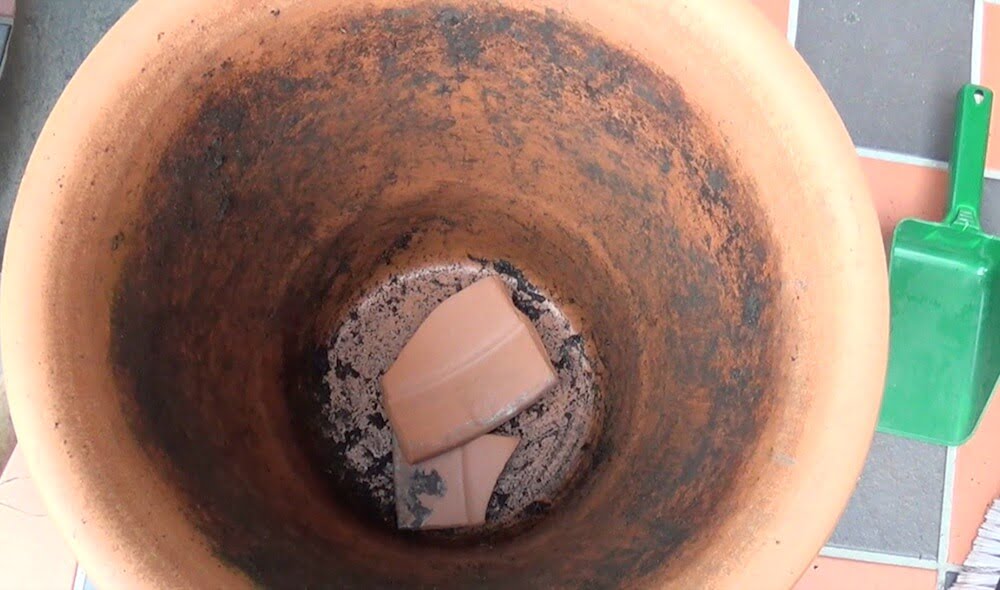
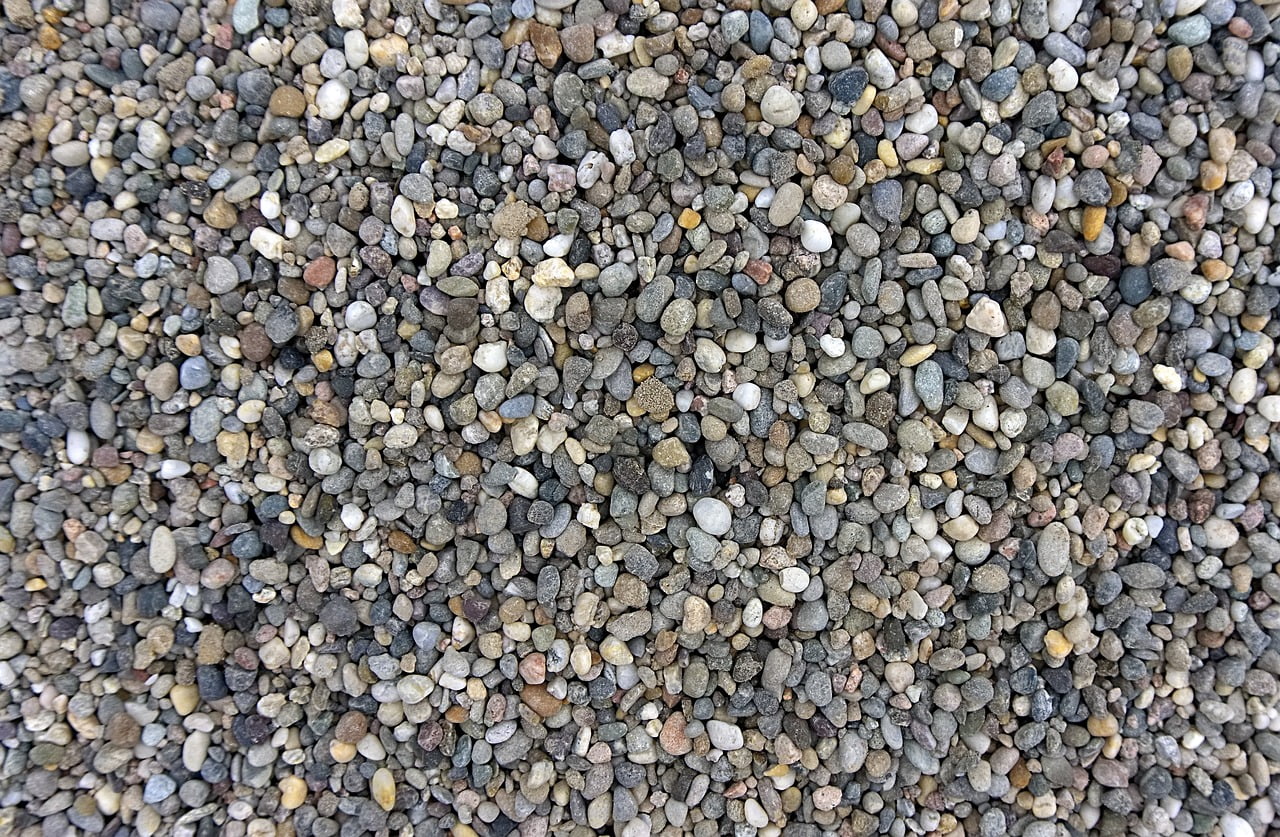
Right, let’s tackle the biggest controversy in container gardening. For decades, everyone and their grandmother recommended adding a layer of gravel, broken pottery, or stones to the bottom of pots to “improve drainage.” Often called ‘crocks’.
Garden centres sold it as an essential practice. Books showed diagrams of the perfect gravel layer. Except here’s the thing: recent research suggests the reality is more complicated than we thought.
The traditional explanation claims that gravel creates a phenomenon known as a perched water table, which actually exacerbates drainage issues.
Water moves from fine material (soil) to coarse material (gravel) only after the finer layer becomes fully saturated. This supposedly creates a waterlogged zone just above the gravel layer, exactly where roots sit. The gravel layer reduces soil volume, pushing this saturated zone higher and closer to roots.
However, and this is where it gets interesting, newer scientific testing in 2024 actually found that drainage layers can reduce water retention in certain scenarios. The debate is genuinely unsettled in horticultural science right now, which is refreshing honesty compared to the usual dogmatic pronouncements.
My practical advice after years of container growing?
Skip the gravel layer or crocks in pots with drainage holes, and instead improve your entire potting mix by incorporating perlite or horticultural grit throughout. This definitely improves drainage without any controversy.
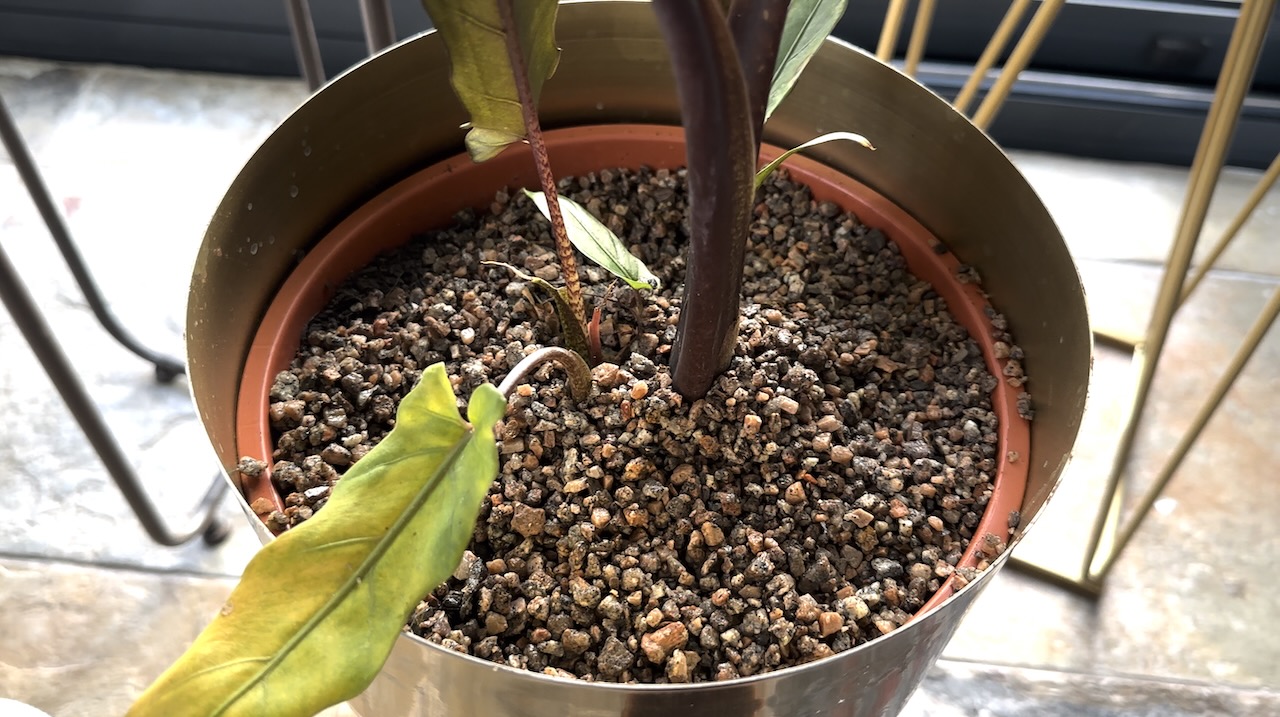
For pots without drainage holes, a layer of absorbent material, such as expanded clay aggregate, can help create a water reservoir away from the roots, although careful watering remains essential.
The one legitimate use for gravel? Filling the bottom third of enormous pots to reduce potting mix volume and add weight for stability. Just ensure it’s below where roots will ever reach.
Alternatives for Decorative Pots Without Drainage
You’ve fallen in love with a pot that has zero drainage holes and cannot be drilled. Here’s how to use it without killing your plant.
The Cache Pot Method (Double Potting)
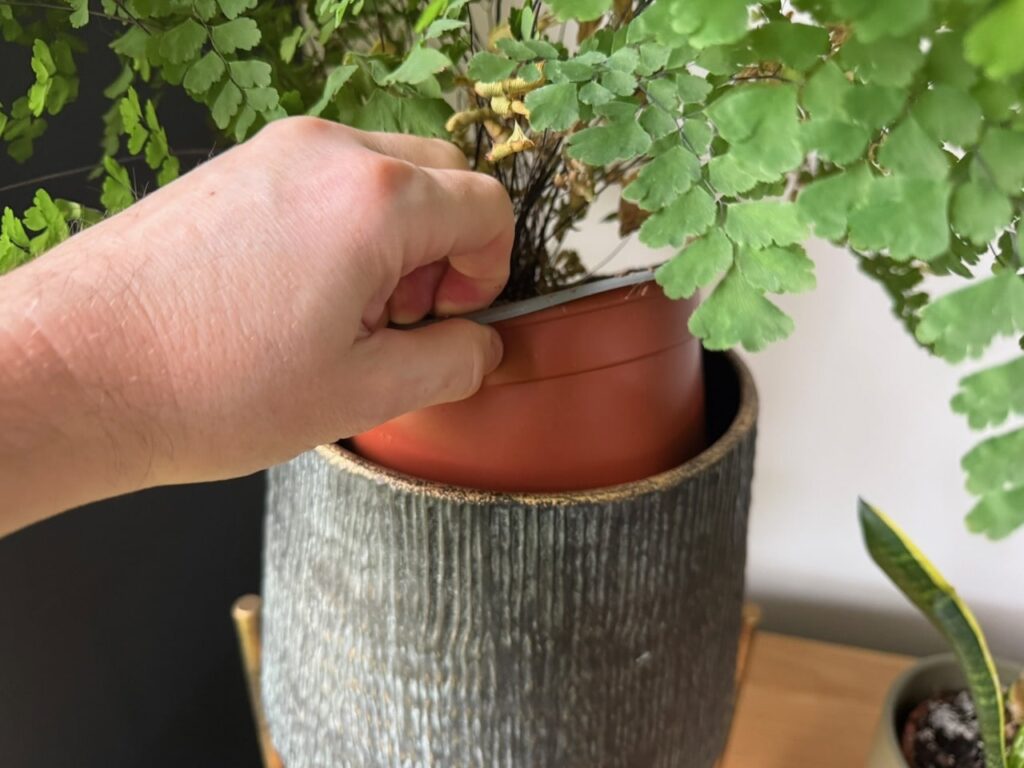
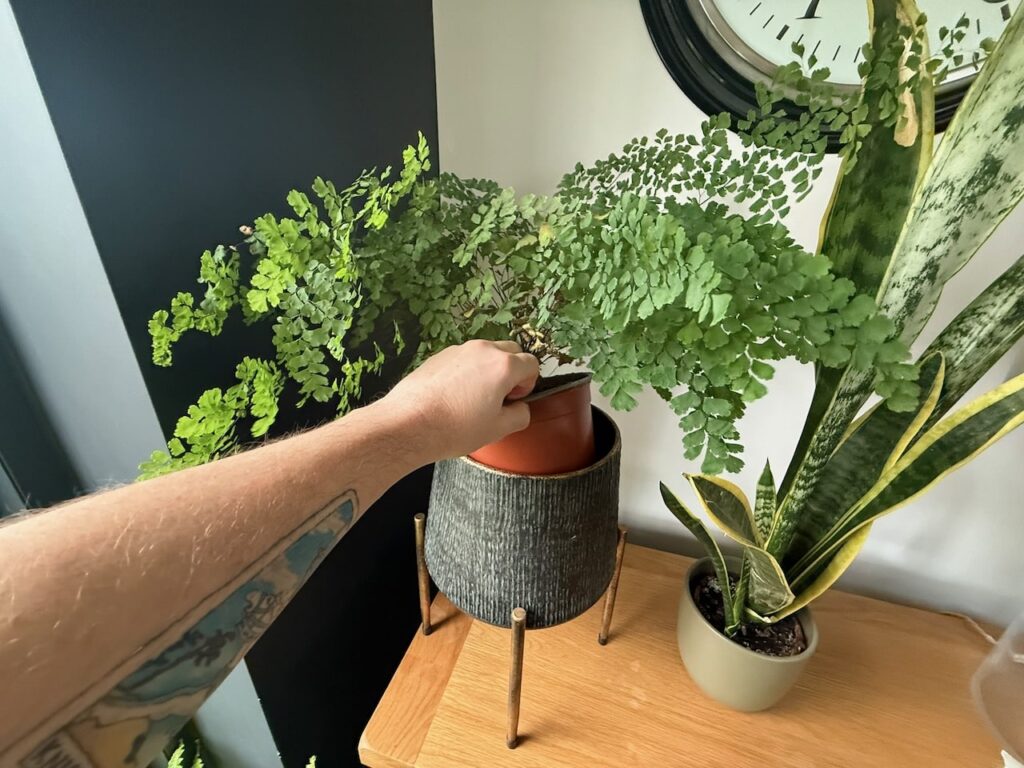
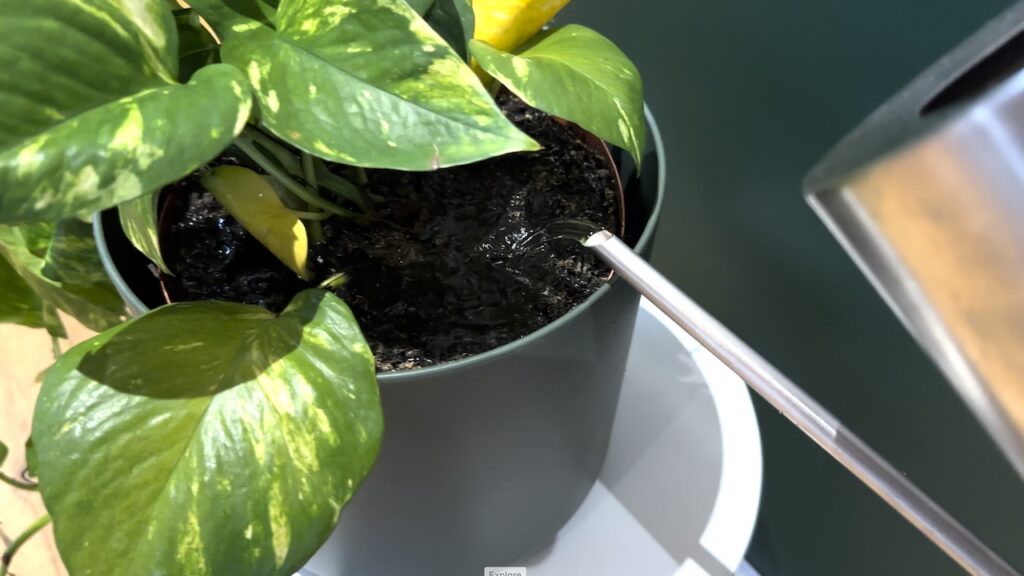
This is the single best solution, and I recommend it to practically everyone. Keep your plant in a plastic nursery pot with proper drainage holes, then place that pot inside your decorative container. The plastic pot remains invisible, your decorative pot stays pristine, and the plant gets proper drainage.
Simply lift out the inner pot, submerge it in water in the sink, let it drain completely, and then return it to the decorative pot. This method gives you the best of both worlds: beautiful containers and healthy plants.
You can add a layer of pebbles at the bottom of the outer pot to raise the inner pot slightly, ensuring it never sits in any overflow water. This also makes it easier to check for water accumulation.
Direct Planting (Advanced Users Only)
If you absolutely must plant directly into a pot without drainage, here’s how to minimise the risks. Use an exceptionally well-draining potting mix that is heavily amended with perlite, pumice, or horticultural grit.
Water very sparingly and slowly, adding small amounts and waiting to see how quickly it’s absorbed. Check soil moisture levels by pushing your finger deep into the pot before every watering.
Only water when the soil feels dry several centimetres down by using your finger test to check. My finger test guide will help you here. Consider using a soil moisture probe for larger pots where your finger cannot reach the root depth.
These inexpensive tools eliminate guesswork and prevent the most common mistake: watering when the surface appears dry but the soil remains soggy at the bottom.
Never use these pots without drainage holes outdoors where rain can unexpectedly flood them. One heavy downpour can undo months of careful watering and drown your plant overnight.
Signs Your Drainage Is Failing
Even pots with drainage holes can develop problems.
Roots can block holes from inside
Soil compaction can prevent water from reaching the drainage holes at all.
Watch for these warning signs:
Water sitting on the soil surface rather than soaking in
Water takes a long time to drain through after watering
Persistently damp soil even days after watering
The telltale musty smell that indicates trouble.
If you spot these issues, it’s time to repot with a fresh, well-draining mix, clear blocked drainage holes, or consider whether your pot has adequate drainage to begin with.
Learn How to Design Your Own Garden
Now that you know why holes in pots are essential for successful gardening, why not consider taking your skills to the next level with some online design training? My Garden Design for Beginners Course is here to help bring your garden from average to extraordinary with an affordable online course, no matter how little your experience with plants.
This course offers step-by-step guidance from me, Lee Burkhill, award-winning garden designer and presenter on BBC1’s Garden Rescue. In this course, you’ll go from a garden design novice to a confident designer equipped to tackle any green space.
Planting Techniques – Select and arrange plants like a pro.
Design Styles & Layout Options – Explore different styles to suit every garden.
Course Features:
20 Hours of Study Time
Flexible Online Learning
Engaging Video Lessons & Quizzes
Real-World Case Studies
Certification upon Completion
Taught by Award-Winning Designer Lee Burkhill
Enrol now for just £199 and start your journey toward garden design mastery!
29
Garden Design Examples for Small Gardens: 30 Design Templates & Planting Plans
Garden Design Examples for Small Gardens: 30 Design Templates & Planting Plans: In this online gardening course, I’ll walk you through 30 fantastic garden designs, explaining the logic behind the layout, the plant choices, and take-home tips for applying them in your own garden.
Weekend Garden Makeover: A Crash Course in Design for Beginners
Learn how to transform and design your own garden with Lee Burkhills crash course in garden design. Over 5 hours Lee will teach you how to design your own dream garden. Featuring practical design examples, planting ideas and video guides. Learn how to design your garden in one weekend!
Garden Design for Beginners: Create Your Dream Garden in Just 4 Weeks
Garden Design for Beginners Online Course: If you want to make the career jump to becoming a garden designer or to learn how to design your own garden, this is the beginner course for you. Join me, Lee Burkhill, an award-winning garden designer, as I train you in the art of beautiful garden design.
Drainage holes are not optional nice-to-haves, they’re fundamental requirements for healthy container plants. Yes, you can work around their absence with careful technique, but you’re fighting an uphill battle that most plants eventually lose.
The cache pot method gives you stunning decorative containers without compromising plant health, combining aesthetics with practicality.
If you’re choosing new pots, drainage holes win every time. If you’ve inherited or received gorgeous pots without drainage, either drill holes if the material allows, or use them as cache pots. What you shouldn’t do is plant directly into them and hope for the best, unless you genuinely enjoy the challenge of precision watering and accept the significant risk of plant failure.
Lee Burkhill, known as the Garden Ninja, is an award-winning garden designer and horticulturist with over 30 years of gardening experience and 15 years as a professional garden designer. A qualified RHS (Royal Horticultural Society) professional, Lee specialises in sustainable garden design and practical horticultural advice. He designs and presents on BBC1’s Garden Rescue and in leading gardening publications. Lee combines three decades of hands-on gardening knowledge with professional design qualifications to help gardeners create beautiful, functional outdoor spaces.