Cottage Garden Perennials That Self-Seed: 30 Plants for Effortless Beauty
Lee Burkhill: Award Winning Designer & BBC 1's Garden Rescue Presenters Official Blog
Beginner level
Cottage garden perennials are fabulously frivolous with their self-seeding, meaning more plants for free for the lazy gardener! These aren't invasive thugs that take over aggressively; instead, they're well-mannered perennials that gently self-seed, filling gaps, softening edges, and creating that coveted lived-in look that's impossible to achieve through careful planning alone. Let me show you my top 30 cottage garden plants!
There’s something deeply satisfying about a garden that regenerates itself, returning more generously each year with minimal intervention from you. In my three decades of designing gardens across Britain, I have seen clients’ faces light up when they discover seedlings of their favourite plants appearing in unexpected places, creating those wonderfully spontaneous drifts that define authentic cottage garden style.
The beauty of self-seeding perennials lies in their ability to create naturalistic plant communities that evolve organically over seasons.
Where you might plant three Aquilegia in a carefully considered triangle, nature intervenes and places twenty more in graceful drifts along pathways and between paving stones, creating effects far more charming than any designer could orchestrate.
This isn’t about laziness or accepting a chaotic garden; it’s about working intelligently with plants’ natural tendencies, allowing them to do much of the heavy lifting whilst you maintain overall control through selective editing and gentle guidance.
Why Self-Seeding Perennials Matter for Modern Gardens
When I’m consulting with new clients, one of the most common concerns centres around maintenance. Modern lifestyles rarely allow for the intensive weekly gardening sessions our grandparents enjoyed, yet we still crave abundant, characterful gardens.
Self-seeding perennials offer the perfect compromise. Once established, they create sustainable plant communities that fill seasonal gaps, suppress weeds through dense coverage, and provide continuous interest with remarkably little input beyond occasional editing.
The environmental benefits deserve consideration, too.
They adapt perfectly to your specific garden conditions because they’re growing precisely where they’ve decided the conditions suit them.
Over generations, they become increasingly well-suited to your soil, aspect, and microclimate, developing resilience that nursery-bought plants often take years to achieve.
From a design perspective, self-seeders contribute to the informal, romantic aesthetic that characterises the cottage garden style. They soften hard landscaping, blur boundaries between borders and lawns, and introduce serendipitous plant combinations that professional designers might never consider but which work beautifully.
The key lies in understanding which plants self-seed reliably without becoming problematic, and learning to recognise desirable seedlings so you can edit thoughtfully rather than hoeing indiscriminately.
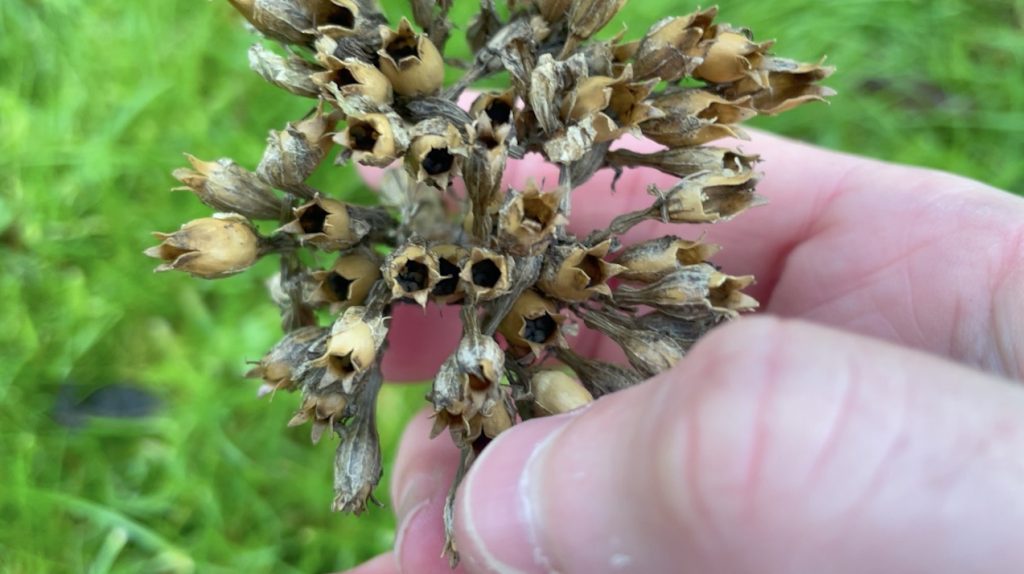
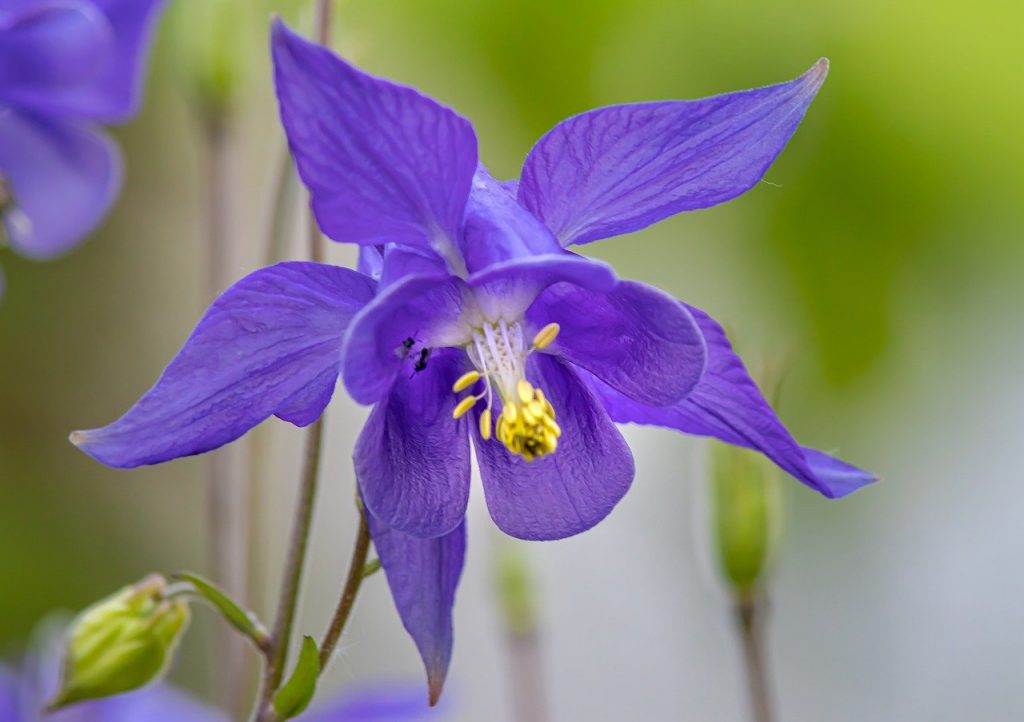
These graceful perennials produce distinctive spurred flowers in late spring, self-seeding prolifically to create naturalistic drifts throughout borders. The dissected foliage remains attractive even after flowering finishes. Seedlings appear freely but rarely become problematic, making them ideal for beginners who enjoy self-seeding plants. They hybridise readily, creating fascinating colour variations over successive generations. Scatter the seeds each year after the flowers crisp up and you’ll have these plants for years to come!
Growing Tips: Thrives in partial shade to full sun with consistently moist soil. Deadhead to prevent excessive seeding if desired, though this reduces their charm considerably. Allow seedlings to establish where they choose, transplanting any that appear in inconvenient locations while they are still small. Short-lived but self-renewal ensures continuity.
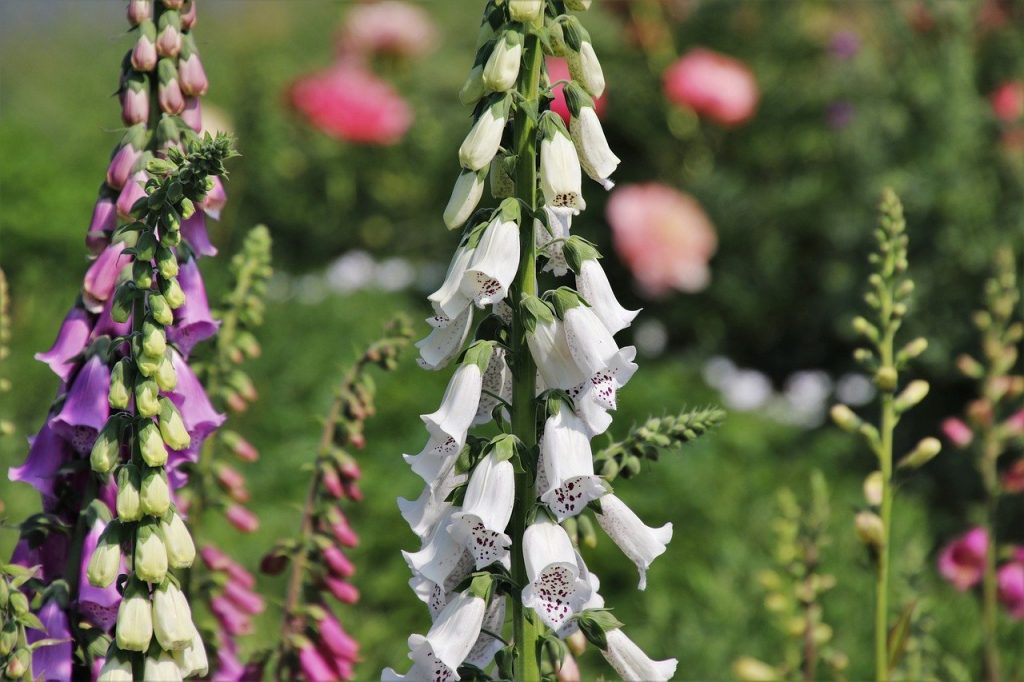
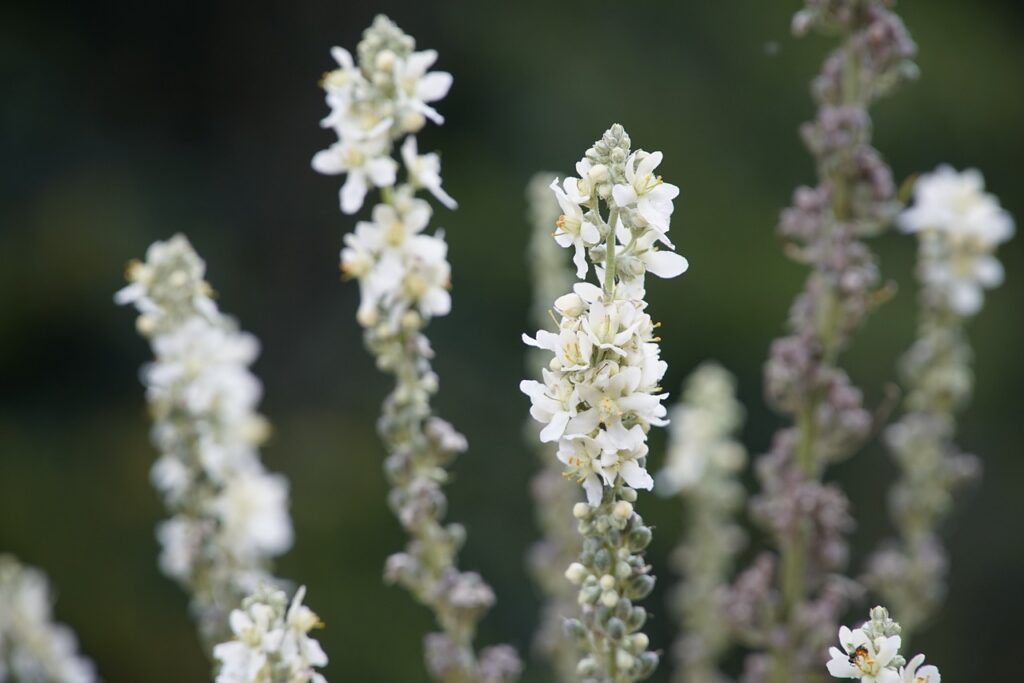
These architectural biennials create stunning vertical accents in early summer, their towering flower spikes attracting bumblebees in extraordinary numbers. Once established in the garden, they self-seed reliably, maintaining populations that appear where light levels are suitable for them. The white-flowered form ‘Albiflora’ comes true from seed and creates luminous effects in shady borders.
Growing Tips: Prefers light shade but tolerates full sun if the soil remains moist. Remove spent flower spikes after blooming to extend the display, but leave a few to set seed for next year’s generation. Transplant seedlings in autumn or early spring while they are still small. All parts are highly toxic, so keep them away from areas where children play.
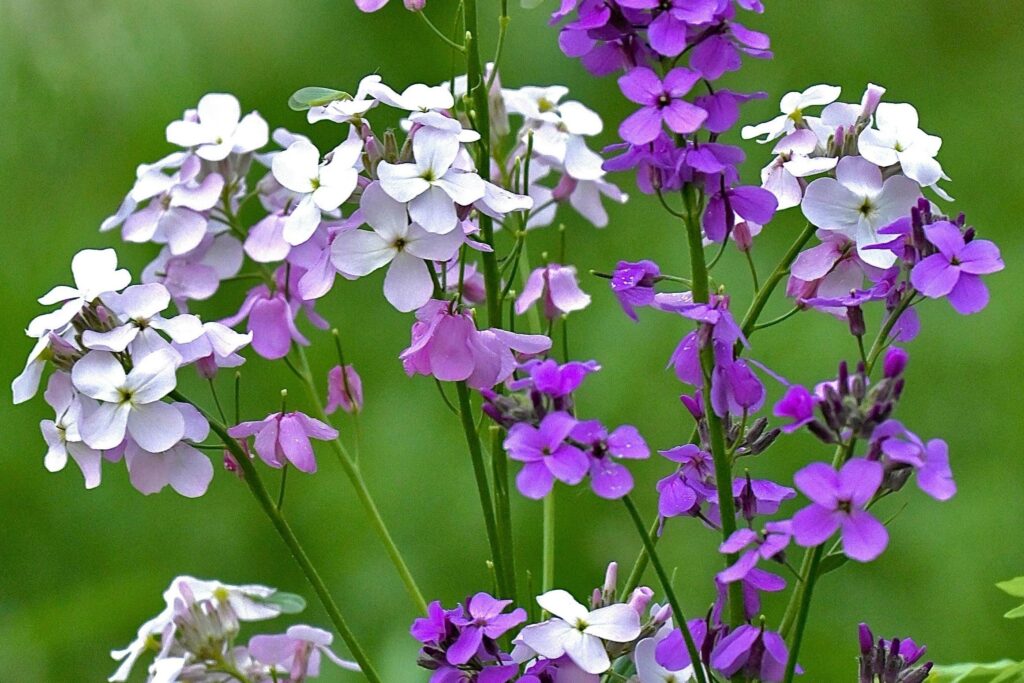
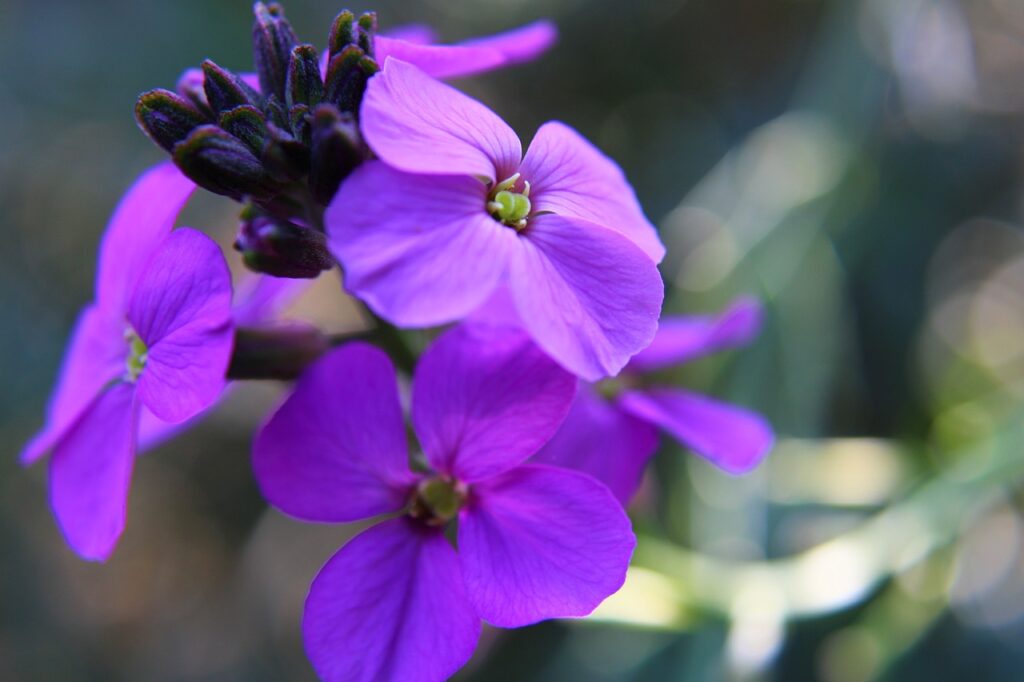
This cottage garden stalwart produces masses of fragrant purple or white flowers in late spring, releasing intense perfume during evening hours. Short-lived but self-seeds so enthusiastically that you’ll never be without it once established. The flowers attract numerous beneficial insects whilst providing nectar for moths during evening hours.
Growing Tips: Thrives in sun or partial shade with any reasonable soil. Cut back after flowering to encourage fresh basal growth and potential autumn rebloom. Self-seeds prolifically, so remove unwanted seedlings promptly to maintain control. Tolerates dry shade better than many cottage garden plants, making it valuable for challenging positions.
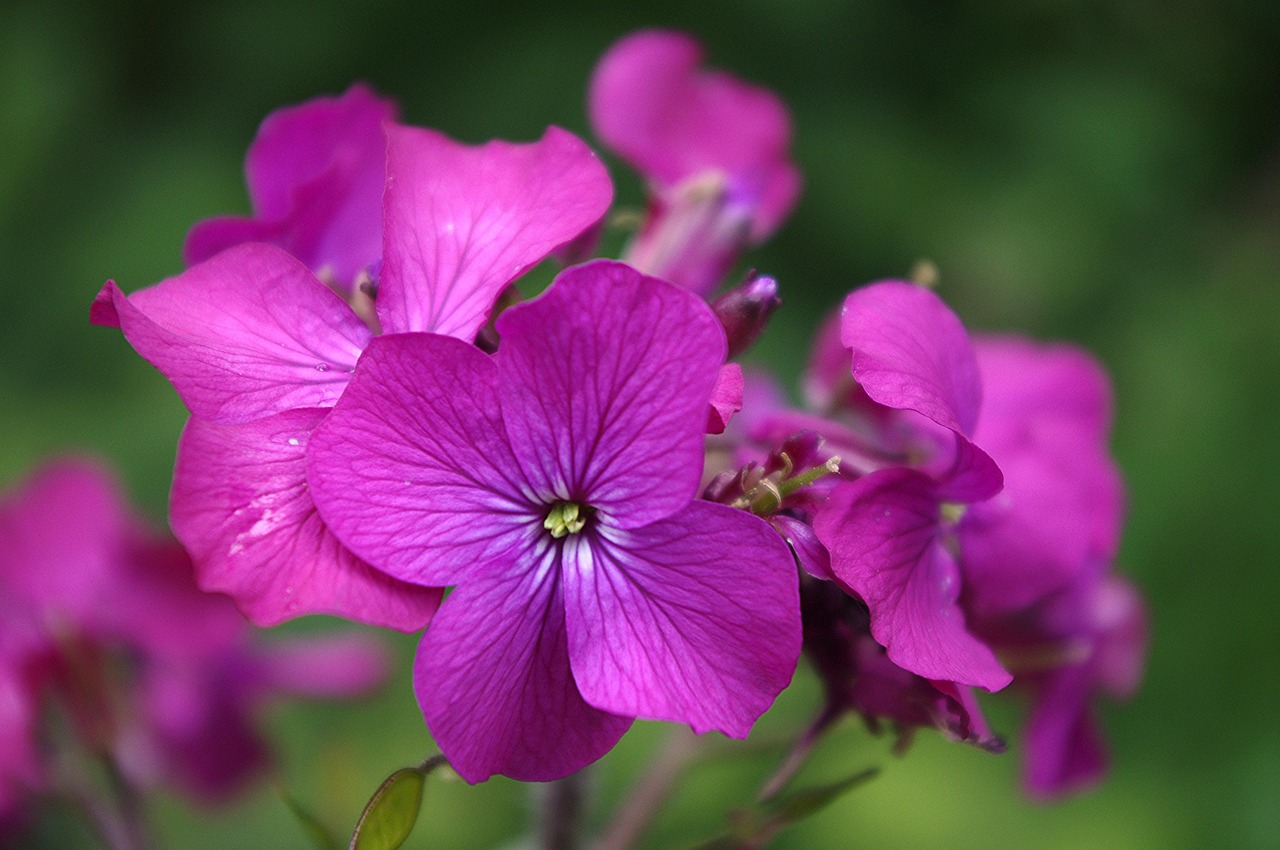
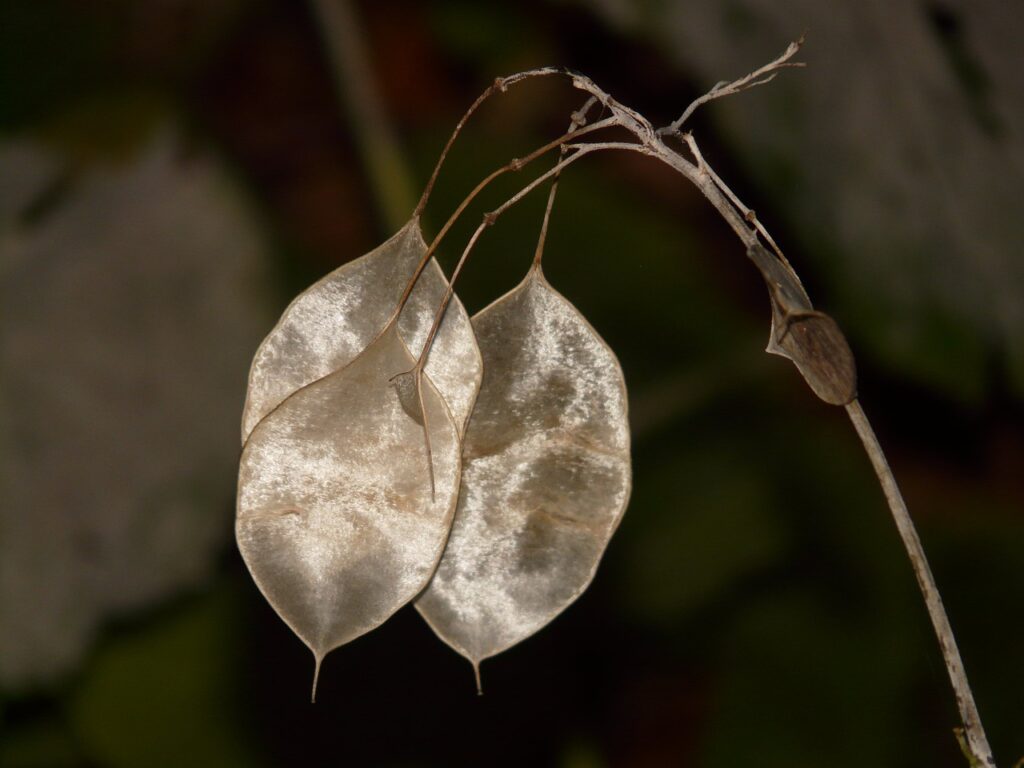
Technically a biennial, honesty produces purple or white flowers in spring, followed by translucent silvery seedpods that persist through winter, catching low sunlight beautifully. These architectural pods provide valuable structural interest when little else offers winter appeal. Self-seeds moderately, rarely becoming problematic.
Growing Tips: Tolerates full shade remarkably well, flowering reliably even in positions where few other plants succeed. Allow seedpods to remain on plants through winter for decorative effect and to ensure next generation’s seeds. Seedlings transplant easily while small if you need to move them. The variegated form ‘Variegata’ produces partially true-to-seed offspring, creating interesting foliage variations.
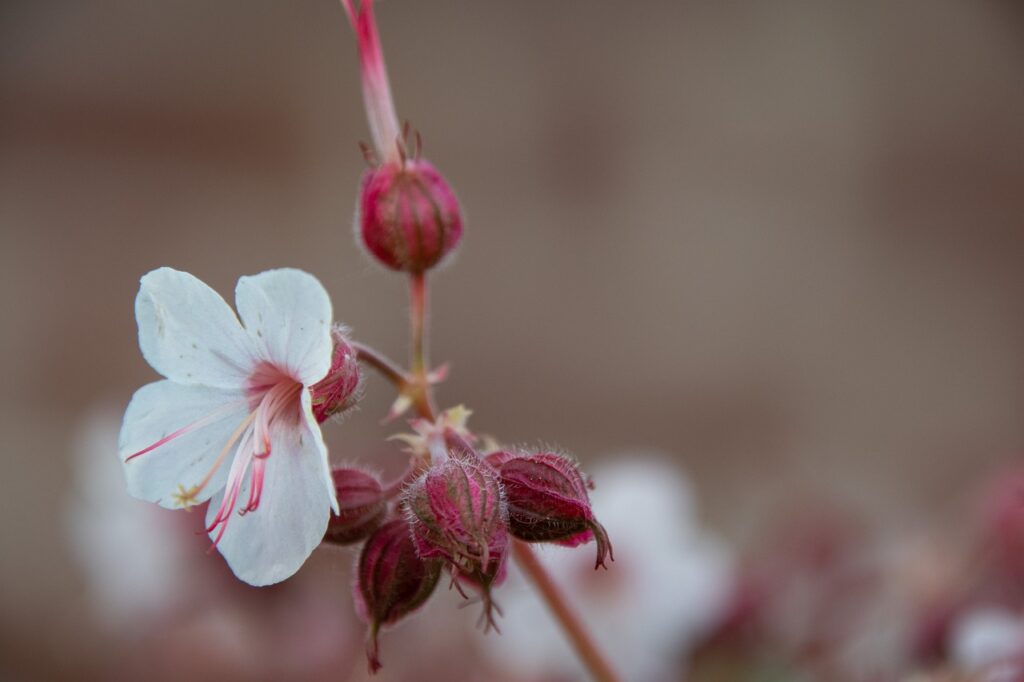
Our native meadow cranesbill produces masses of blue, white, or purple flowers throughout summer, creating relaxed drifts in borders and naturalised areas. The deeply divided foliage colours attractively in autumn. Self-seeds moderately in suitable conditions, creating charming drifts without overwhelming other plants. The scent divides people you either love it or hate it!
Growing Tips: Prefers full sun with moist, well-drained soil, although it tolerates light shade. Cut back after the first flowering flush to encourage fresh foliage and potential autumn rebloom. Seedlings produce colour variations, particularly when multiple forms grow together. Deadhead to reduce self-seeding if space is limited.
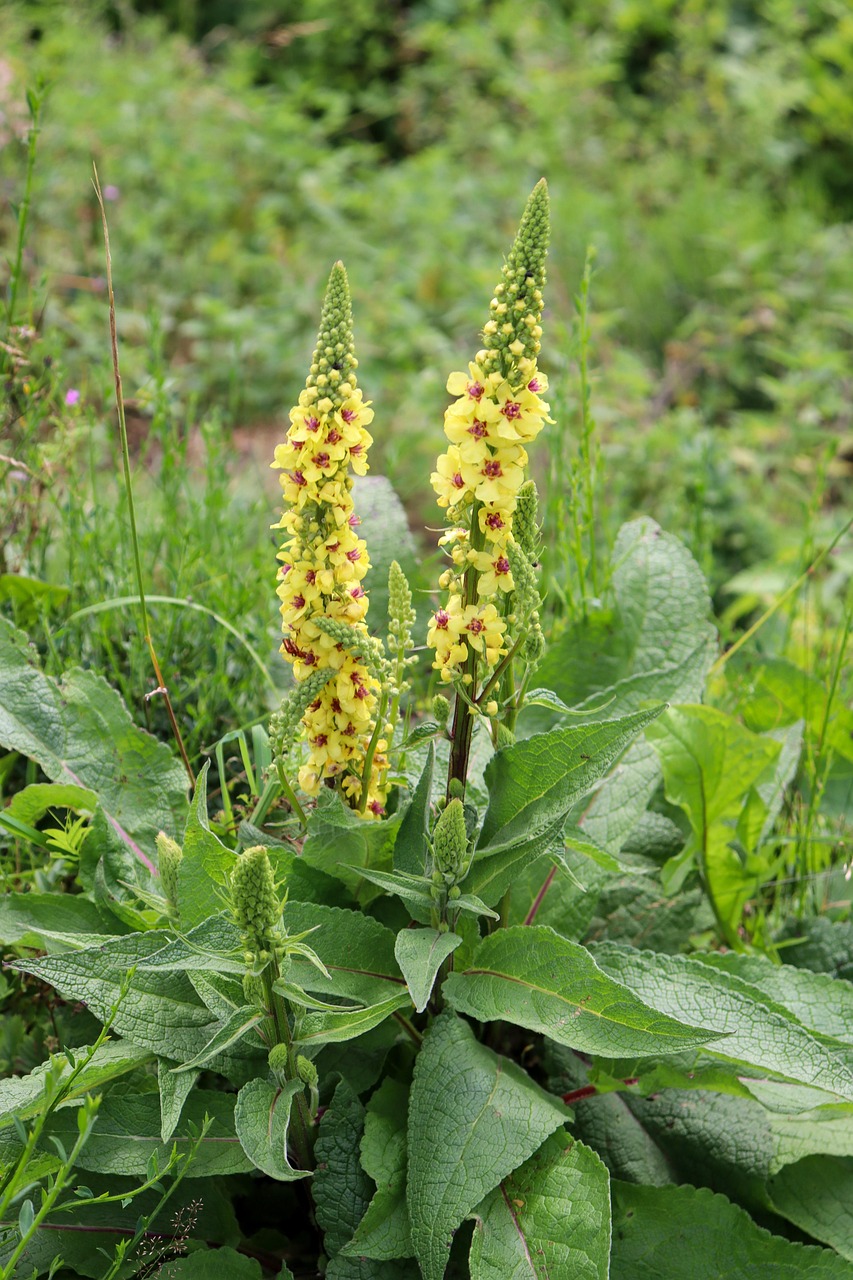
These architectural biennials produce towering flower spikes covered in small yellow flowers, creating dramatic vertical accents that punctuate borders spectacularly. The felted grey foliage forms impressive rosettes in the first year. Self-seeds reliably in gravel, paving cracks, and dry borders, appearing most commonly where drainage is sharp.
Growing Tips: Demands full sun and excellent drainage, thriving in poor soils where more demanding plants struggle. Avoid rich soil, which produces lax growth prone to toppling. Leave spent flower spikes standing to allow them to set seed. Transplant seedlings while they are small, as their taproots develop quickly. Hybridises readily with other Verbascum species, creating interesting variations.
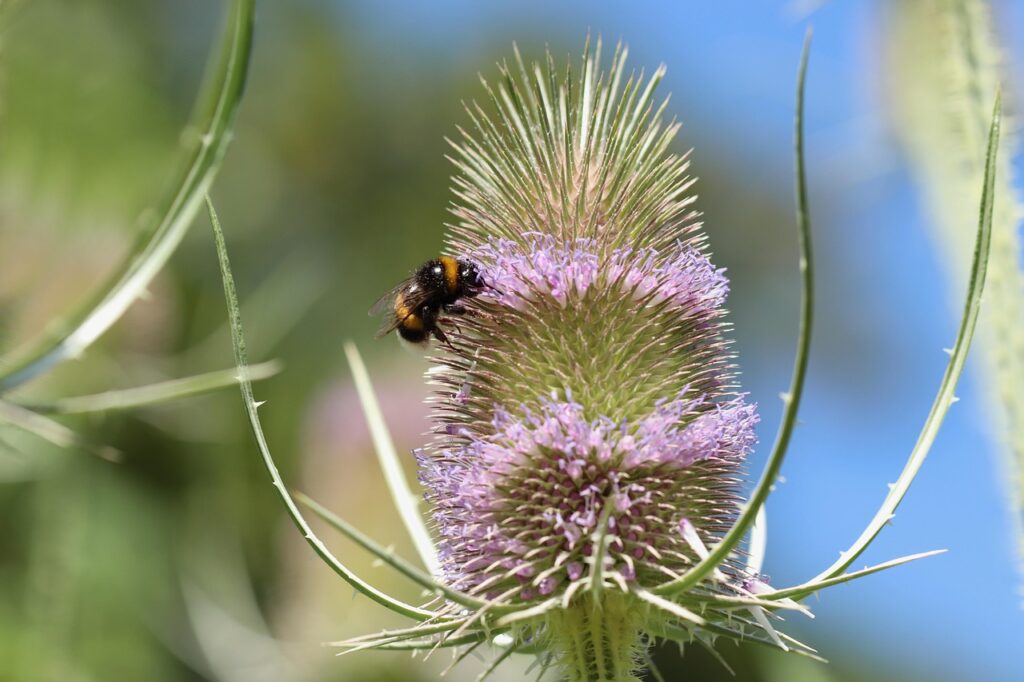
This native biennial creates a striking architectural presence with prickly stems and egg-shaped flowerheads that attract goldfinches in late summer and autumn. The skeletal seedheads persist through winter, providing valuable structural interest and serving as a food source for birds. Self-seeds enthusiastically, so requires firm control to prevent colonisation. But BEWARE, always handle with gardening gloves or the barbs will slice open your hands!
Growing Tips: Thrives in full sun with any reasonable soil, tolerating both dry and damp conditions. Remove most seedheads before seeds disperse to maintain control, leaving just a few to ensure the next generation. Seedlings pull easily when young, but again use gloves for their spines are sharp. Teasels provide exceptional wildlife value but can become problematic in small gardens without ruthless editing and said gloves, Ninjas!
These spring-flowering perennials produce intensely fragrant flowers in rich colours ranging from deep burgundy through orange to pale yellow. Short-lived but self-seeds reliably, appearing most commonly in walls, paving cracks, and at the base of hedges where drainage is sharp. The warm, spicy fragrance is powerfully nostalgic for many gardeners.
Growing Tips: Prefers alkaline, well-drained soil in full sun, but tolerates most conditions except waterlogging. Deadhead regularly to prolong flowering and reduce excessive seeding. Replace plants every 2-3 years as they become woody and flower poorly. The darkest forms tend to be the shortest-lived, but they self-seed enthusiastically.
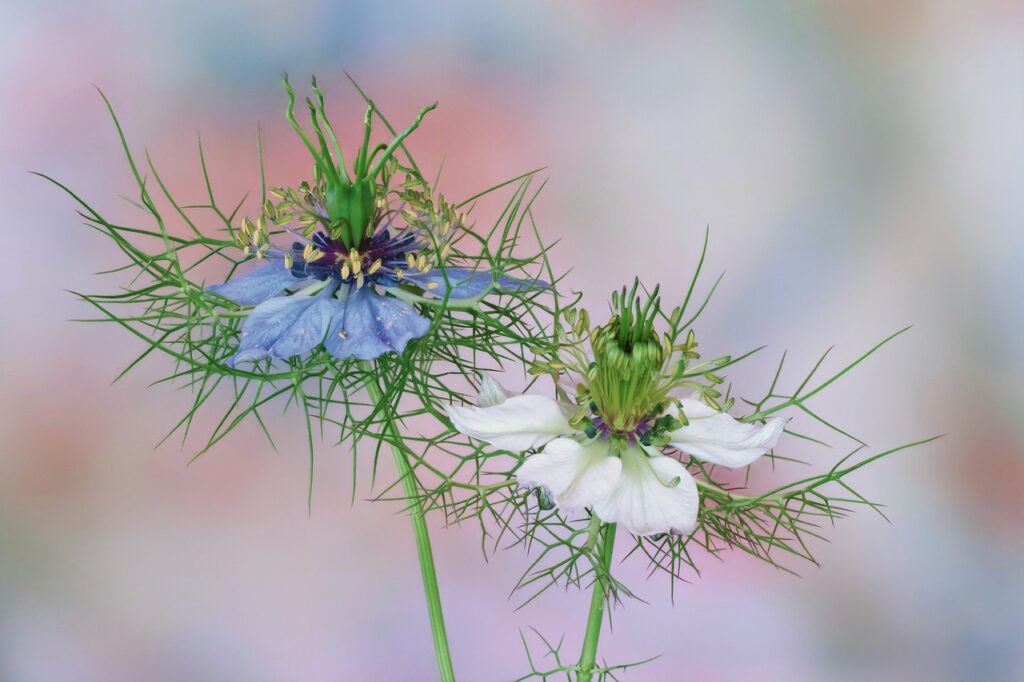
This cottage garden annual produces delicate blue, pink, or white flowers surrounded by fine, ferny foliage, followed by attractive, inflated seedpods. Self-seeds reliably year after year once established, creating naturalistic drifts that weave between perennials beautifully. The seedpods provide architectural interest and work wonderfully in dried arrangements. They are great cut flowers for bouquets and wedding flowers!
Growing Tips: Prefers full sun and well-drained soil but tolerates most conditions. Direct sow in autumn or early spring where you want them to flower, as they resent transplanting. Leave some seedheads to ripen and scatter naturally. Thin seedlings to 15cm apart for best flowering. Successive sowings every three weeks extend the season.
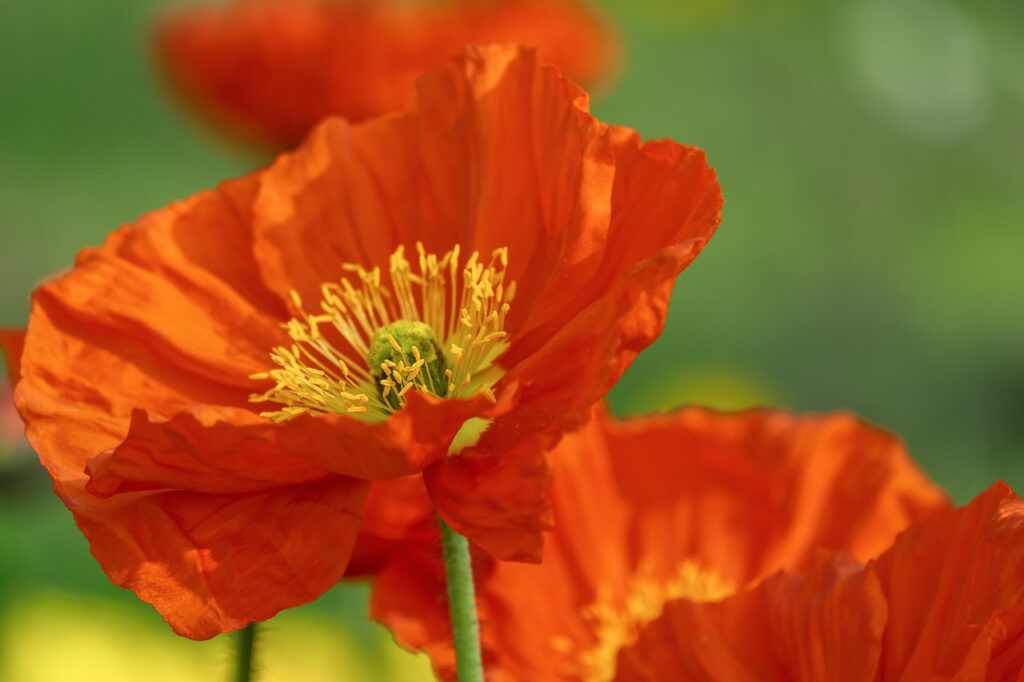
These iconic annuals produce tissue-paper flowers in scarlet, pink, and white, creating nostalgic displays throughout summer. Self-seeds enthusiastically in disturbed soil and gravel, appearing most reliably where soil is turned over regularly. The ephemeral flowers last only a few days but appear in such profusion that the display continues for weeks and the seed heads dried look great in flower arrangements or wreaths.
Growing Tips: Demands full sun and excellent drainage, struggling in heavy clay or shade. Direct sow in autumn for the earliest flowering or spring for summer displays. Scatter seeds on bare soil and barely cover as they need light to germinate. Self-seeding becomes more reliable after several generations have adapted to your conditions. Deadhead to extend flowering, but leave some to set seed.
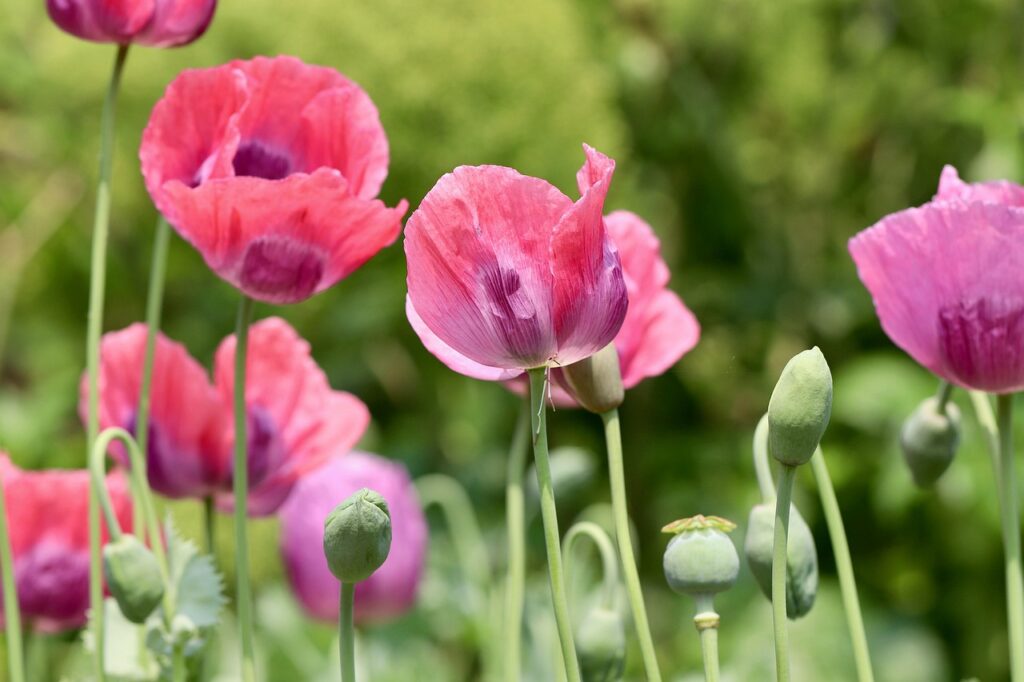
These statuesque annuals produce enormous flowers in extraordinary colours, from deep plum through salmon pink to palest lilac, followed by architectural seedpods beloved by flower arrangers. The glaucous foliage provides a striking textural contrast. Self-seeds prolifically, particularly in gravel and between paving. Different colour forms hybridise freely, creating fascinating colour wheel variations.
Growing Tips: Prefers full sun with well-drained soil, tolerating poor conditions admirably. Direct sow in autumn or early spring as they resent root disturbance. Thin seedlings ruthlessly to 30cm spacing for impressive flowering. Self-seeds so enthusiastically that editing is essential to prevent overwhelming other plants. Flowers last just days, but succession planting ensures a continuous display.
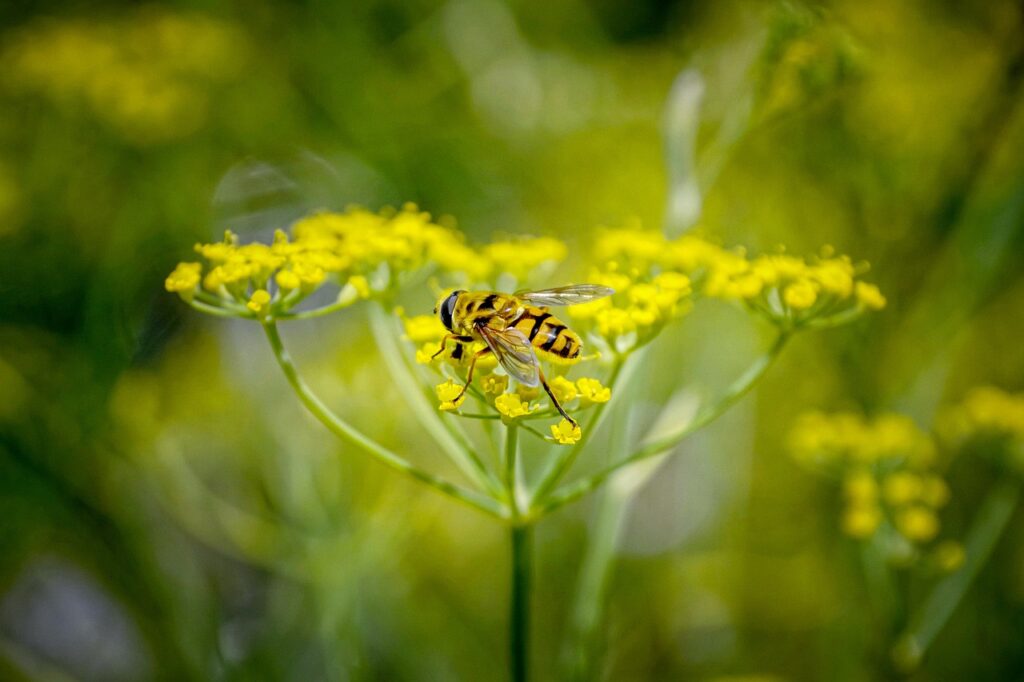
This architectural perennial herb produces feathery, bronze or green foliage topped with flat heads of yellow flowers, which are beloved by hoverflies, as seen below. Self-seeds moderately, appearing most commonly in gravel and at border edges where drainage is sharp. The foliage provides valuable textural contrast throughout the growing season, whilst dried seedheads offer winter interest. I have these that have self-seeded all around my Exploding Atom Garden at Garden Ninja HQ.
Growing Tips: Fennel demands full sun and well-drained soil, struggling in shade or heavy clay. Remove most seedheads before they ripen to prevent excessive seeding, leaving just a few for controlled regeneration. Cut down dead growth in late winter rather than autumn, as hollow stems provide valuable overwintering habitat for beneficial insects. The bronze form ‘Purpureum’ comes largely true from seed.
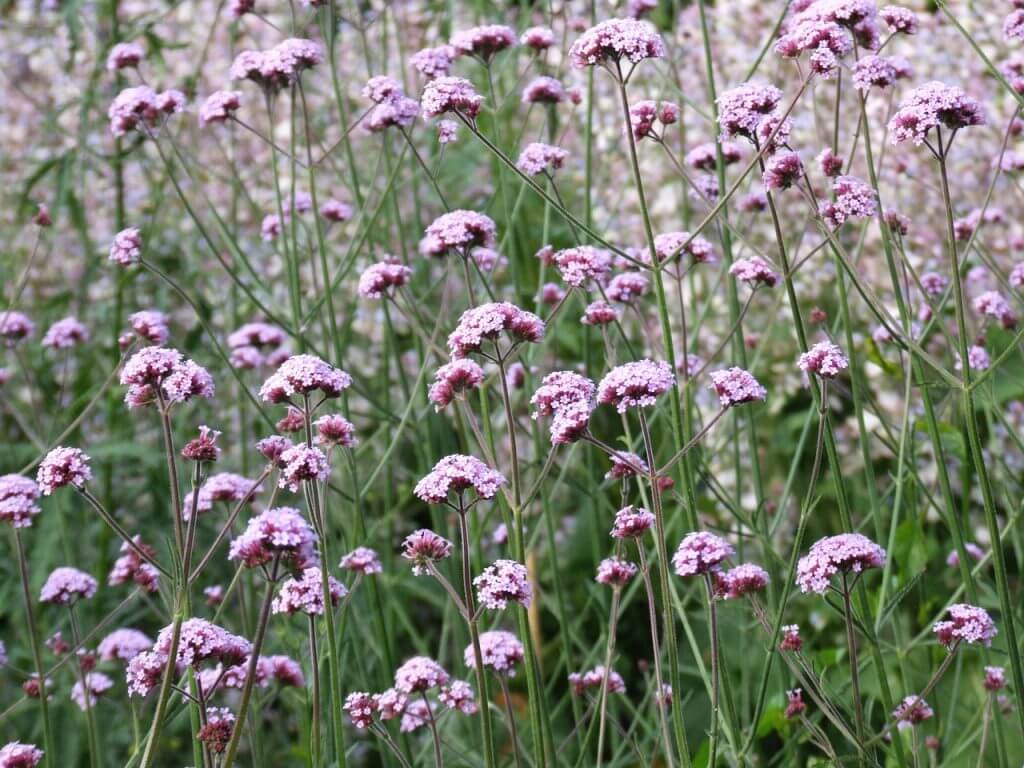
This architectural perennial produces tall, wiry stems topped with clusters of purple flowers from June through October, creating a see-through structure that allows views through to plants behind. Self-seeds moderately in well-drained soils, rarely becoming problematic. The flowers attract butterflies in remarkable numbers throughout summer and autumn. A stalwart at show gardens and RHS Chelsea for its height without shade.
Growing Tips: Prefers full sun with good drainage, though it tolerates heavier soils if not waterlogged. Deadhead to prolong flowering, but leave some seedheads for regeneration. Borderline hardy in colder areas, so allow self-seeding as insurance against winter losses. Seedlings appear readily around parent plants and transplant easily while small. Cut down dead growth in early spring rather than autumn.
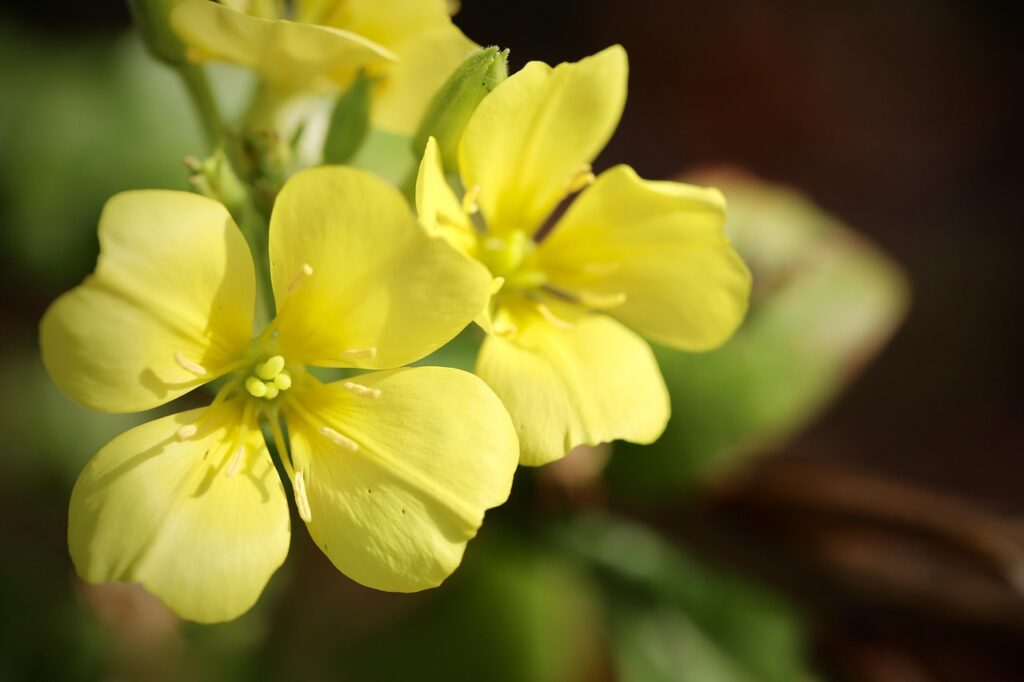
This biennial produces luminous yellow flowers that open dramatically at dusk, releasing a sweet fragrance that intensifies during evening hours. Self-seeds enthusiastically in gravel gardens and prairie-style plantings, creating naturalistic drifts. The flowers glow beautifully in fading light, whilst their lemon scent attracts hawkmoths.
Growing Tips: Thrives in full sun with sharp drainage, tolerating poor, dry soils admirably. Remove most seedheads before they ripen to prevent excessive colonisation, although it rarely becomes seriously problematic. Transplant unwanted seedlings while they are small or pull them promptly. Particularly valuable in new gardens where it fills gaps whilst slower perennials establish. Flowers in the second year from seed.
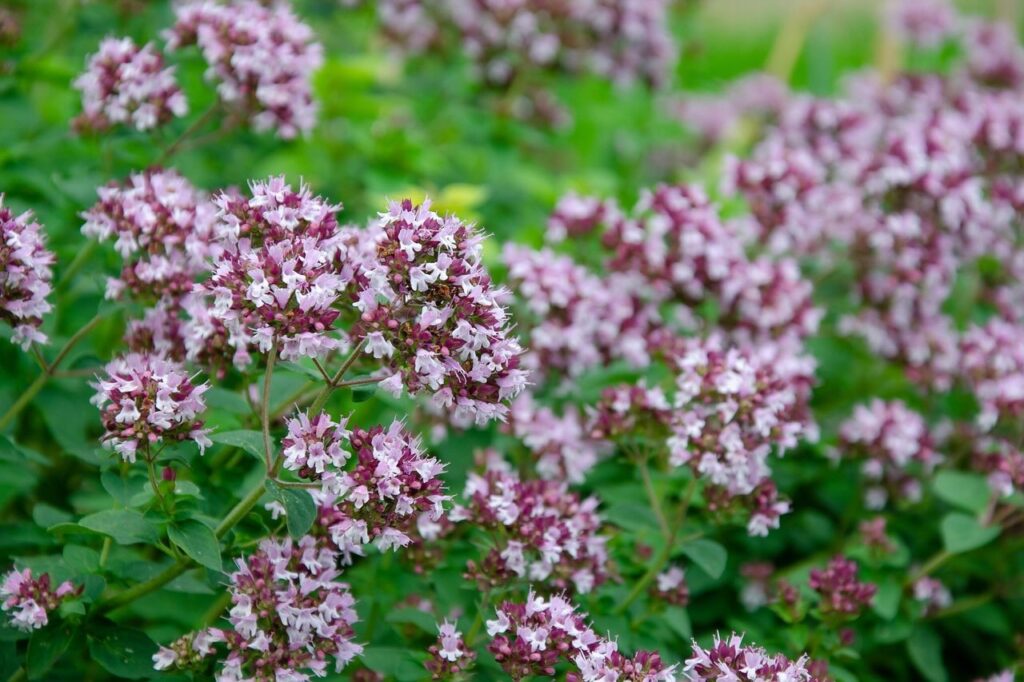
This native herb produces clouds of pink flowers throughout summer, attracting butterflies in extraordinary numbers. Self-seeds moderately in gravel and paving cracks, appearing most reliably where drainage is sharp. The aromatic foliage releases its scent when brushed, whilst the flowers maintain their colour even when dried.
Growing Tips: Requires full sun and excellent drainage; struggles in shade or heavy clay. Shear over after flowering to maintain compact growth and encourage potential autumn rebloom. Self-seeds more enthusiastically in poor soils than rich ones. Excellent for filling gaps in paving and gravel areas where its cushion-forming habit softens hard landscaping beautifully.
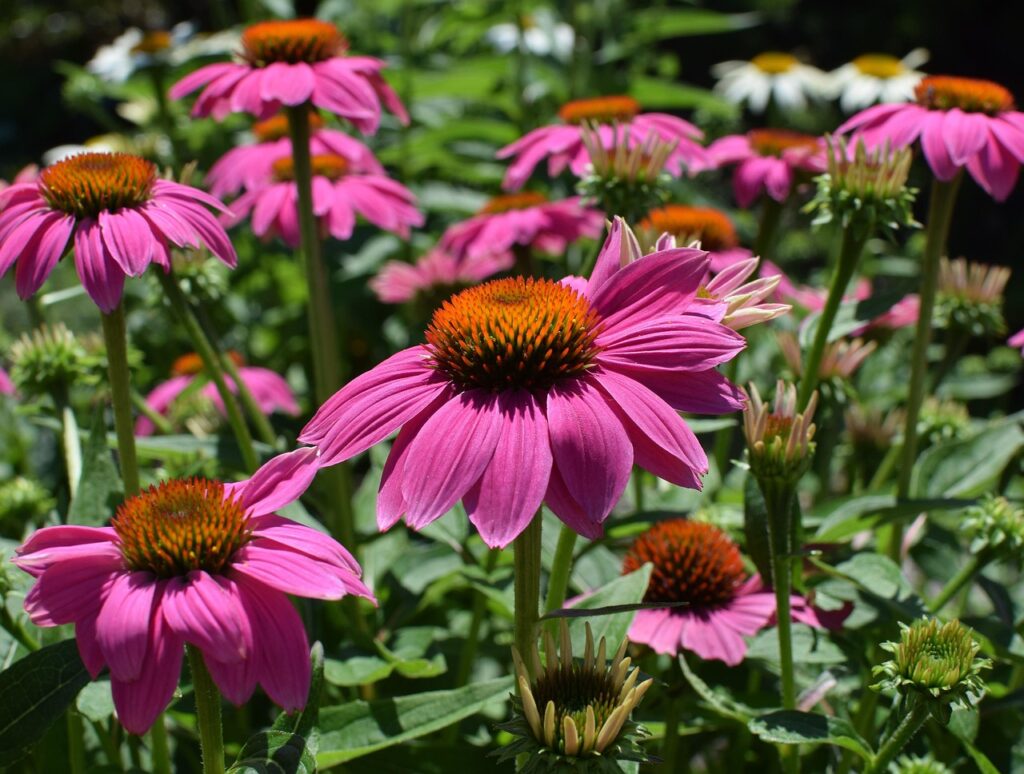
These iconic prairie perennials produce distinctive cone-flowers with drooping petals in pink, white, or purple shades from July through September. Self-seeds moderately where conditions suit, though seedlings from hybrid cultivars rarely resemble parents. The prominent seedheads provide food for goldfinches whilst offering structural winter interest. They are great for poor new build gardens and soil!
Growing Tips: Prefers full sun with fertile, well-drained soil that doesn’t dry out excessively. Leave seedheads standing through winter for the benefit of wildlife and architectural interest, cutting them down in early spring. Species plants self-seed more reliably than complex hybrids. Seedlings take 2-3 years to reach flowering size. Divide established clumps every 4-5 years to maintain vigour.
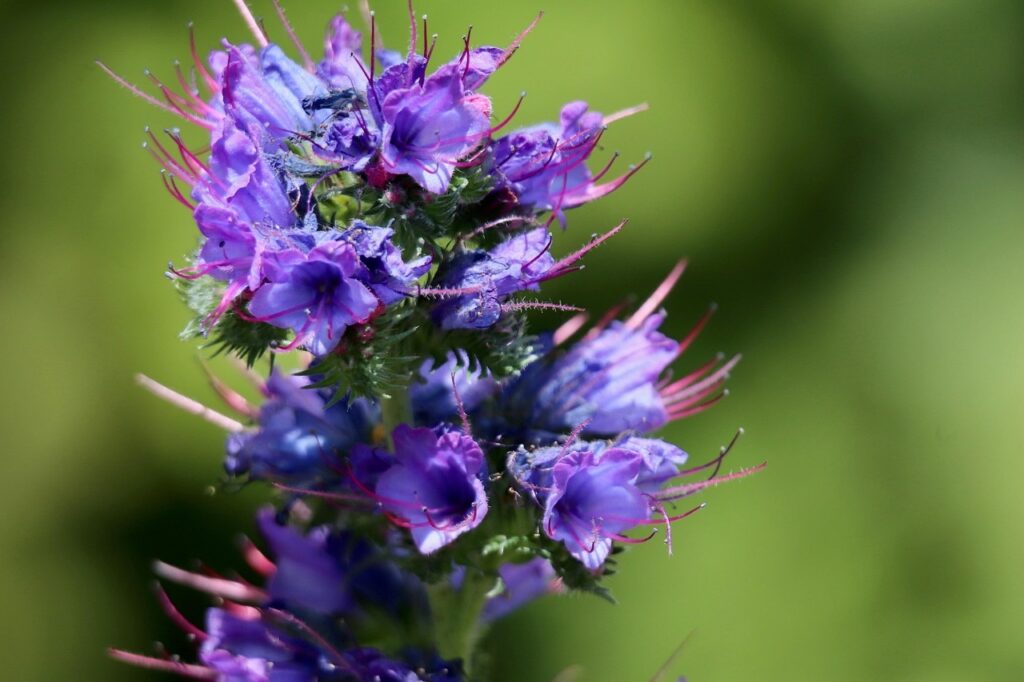
This native biennial produces towering spikes of intense blue flowers, beloved by bees, which create spectacular displays in high summer. Self-seeds prolifically in gravel and poor soils, appearing most commonly where drainage is sharp. The bristly foliage and stems provide textural interest even before flowering begins.
Growing Tips: Demands full sun and excellent drainage, thriving in poor soils where many plants struggle. Self-seeds very enthusiastically, so remove most seedheads before they ripen unless you want extensive colonies. Particularly valuable in new gardens and gravel areas, where it creates impact quickly. Flowers in the second year from seed, like all biennials (see here for more details on plant types). Tolerates coastal exposure and salt spray admirably.
This stunning biennial forms enormous rosettes of silver-felted foliage in its first year, followed by towering candelabra-like flower spikes covered in yellow flowers. Self-seeds moderately where drainage is sharp, though not as enthusiastically as common mullein. The architectural presence creates dramatic focal points throughout the summer.
Growing Tips: Requires full sun and well-drained soil, as it tends to sulk in heavy clay or shade and then just rot away. Position where its statuesque form can be appreciated, perhaps rising through lower planting. Leave some seedheads to ripen for regeneration, but remove most to prevent excessive seeding. Transplant seedlings whilst small, as taproots develop rapidly. Resents winter wet more than cold.
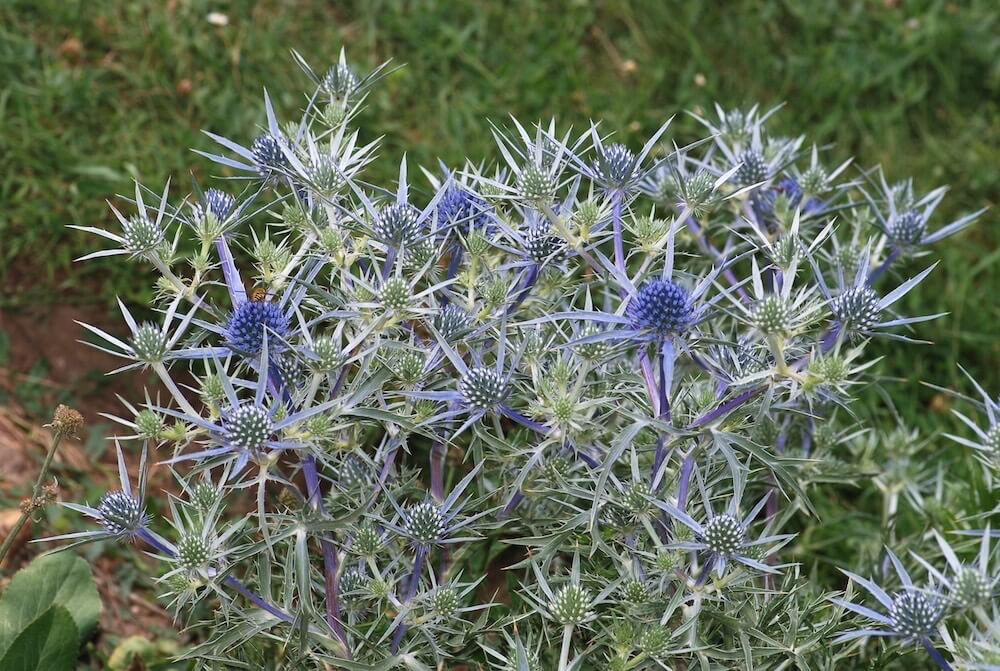
This perennial produces extraordinary silver-blue flowers surrounded by spiky bracts that shimmer in sunlight, creating an architectural presence throughout late summer. Self-seeds reliably in gravel and well-drained borders. ‘Miss Willmott’s Ghost’, a cultivar of Eryngium, derives its name from the legendary gardener who allegedly scattered its seeds surreptitiously in the gardens she visited. The flowers dry beautifully, maintaining their colour and form.
Growing Tips: Must have full sun and sharp drainage, particularly during winter when it resents waterlogging. Allow some seedheads to ripen and scatter naturally. Seedlings develop long taproots, so transplant whilst very small or pull unwanted ones promptly. The silver colouring intensifies in poor soils. Flowers in the second year from seed. Provides exceptional architectural value.
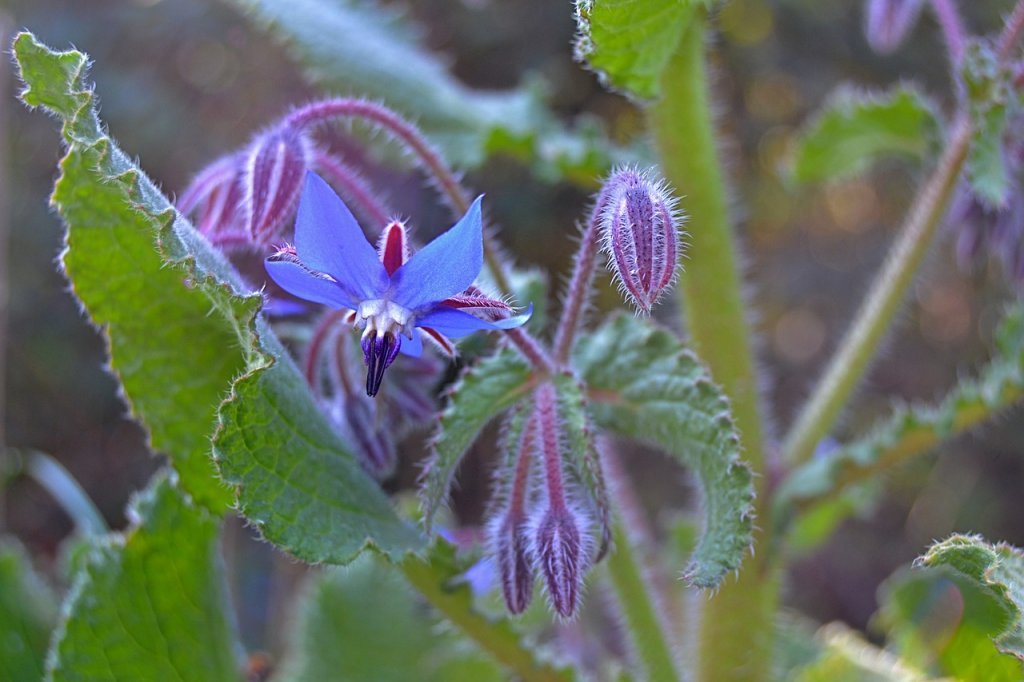
This robust annual herb produces stunning blue star-shaped flowers continuously throughout summer, attracting bees in remarkable numbers. Self-seeds enthusiastically, appearing anywhere soil has been disturbed. The flowers are edible and attractive, whilst the cucumber-flavoured leaves add interest to summer drinks. Once established, you’ll never be without it.
Growing Tips: Prefers full sun but tolerates light shade, thriving in most soils except those that are waterlogged. Self-seeds so prolifically that you’ll need to edit ruthlessly to prevent colonisation. Pull unwanted seedlings whilst small. The black seeds germinate readily and can remain viable in soil for years. Successive generations adapt increasingly well to your specific conditions.
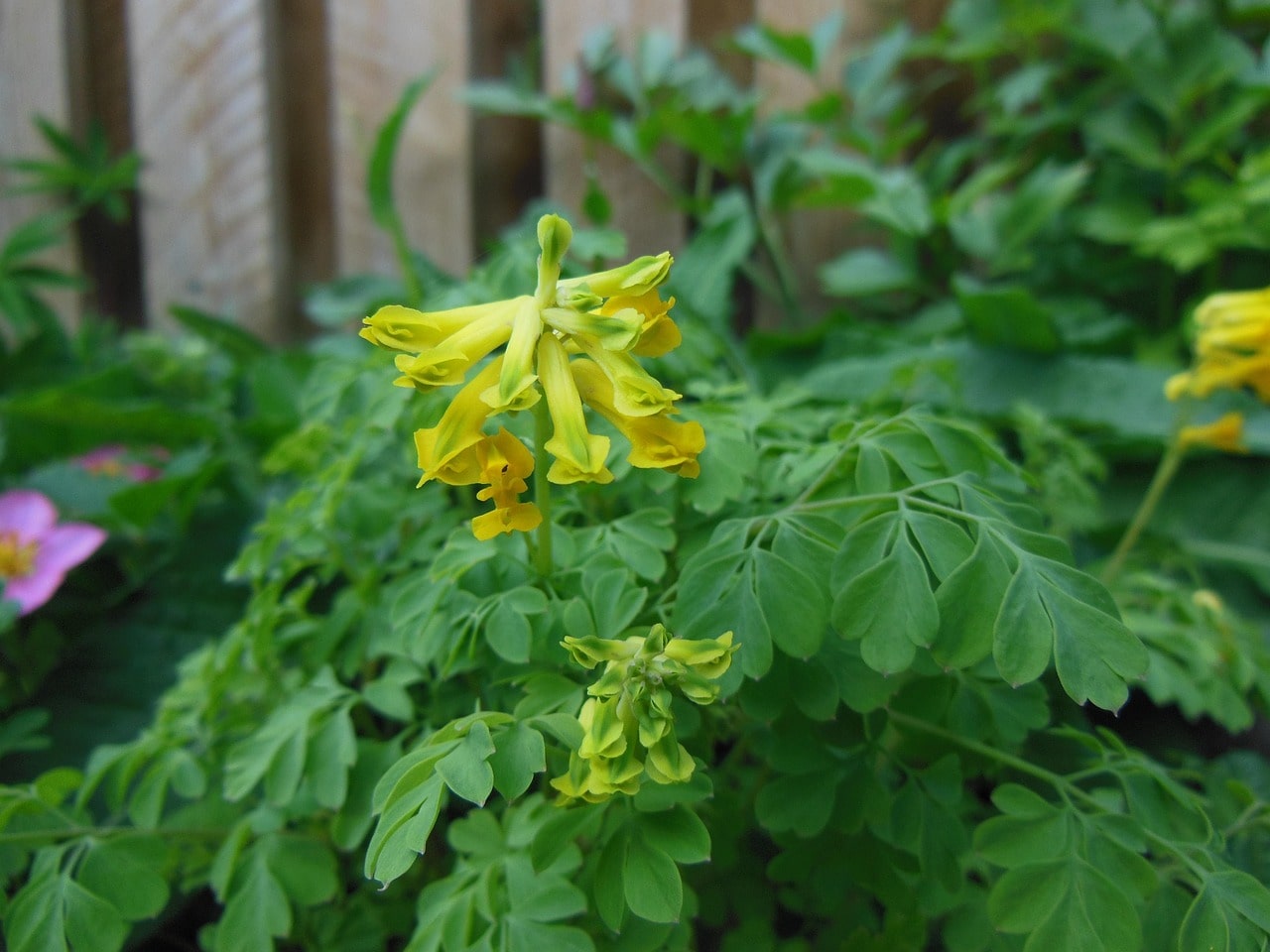
This charming perennial produces cheerful yellow or orange flowers throughout summer, thriving in shade where few other plants flower so generously. Self-seeds enthusiastically, particularly in walls and paving cracks where its taproot can penetrate deeply. The ferny foliage remains attractive even when not flowering, creating soft mounds of greenery. But beware: once you have it, you will NEVER get rid of it!
Growing Tips: Thrives in shade or partial shade with any reasonable soil, though it tolerates full sun if kept moist. Self-seeds very prolifically, so deadhead most flowers to maintain control unless you want extensive drifts. Seedlings pull easily when young but develop taproots rapidly. Particularly valuable for colonising difficult, shady areas beneath trees and shrubs where little else succeeds.
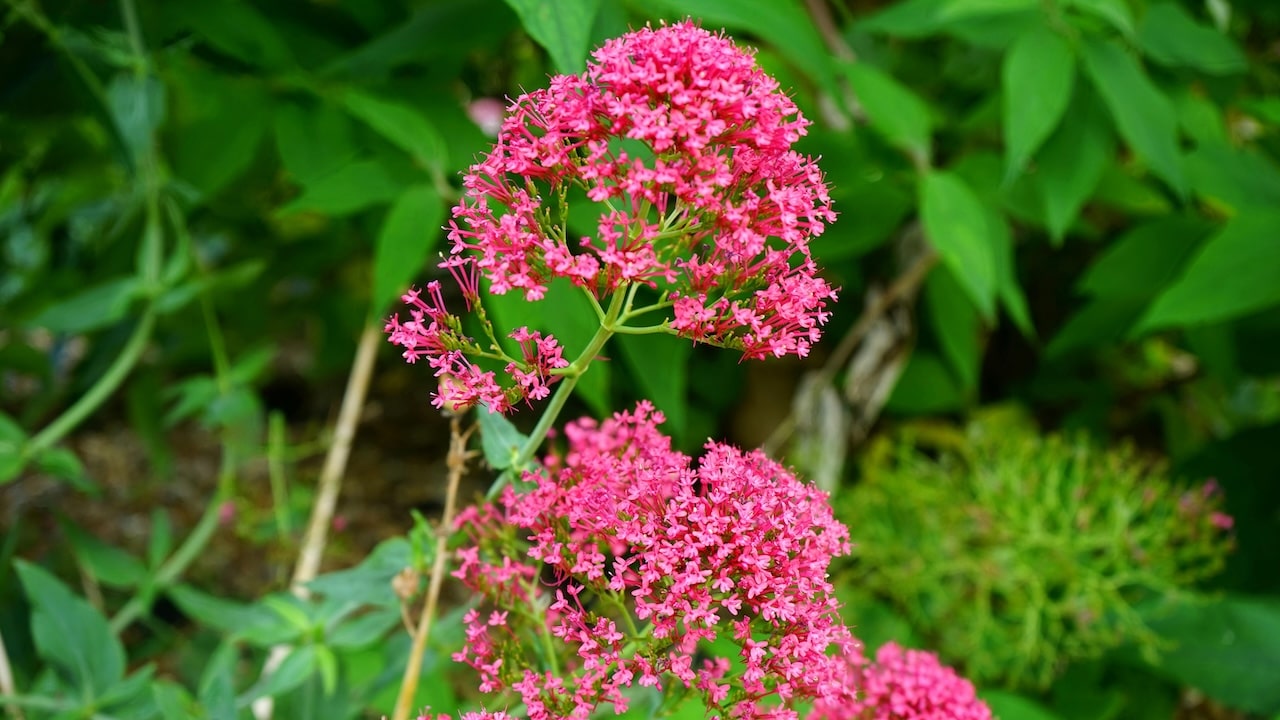
This Mediterranean perennial produces clusters of pink, red, or white flowers from late spring through autumn, thriving in positions that would challenge most plants. Self-seeds prolifically in walls, paving cracks, and anywhere drainage is sharp.
However, don’t be fooled; I’ve seen this growing all over the east coast of Scotland, and it doesn’t need a heatwave to survive, just very free-draining soil. The glaucous foliage provides year-round interest, whilst the flowers attract butterflies and moths throughout the season.
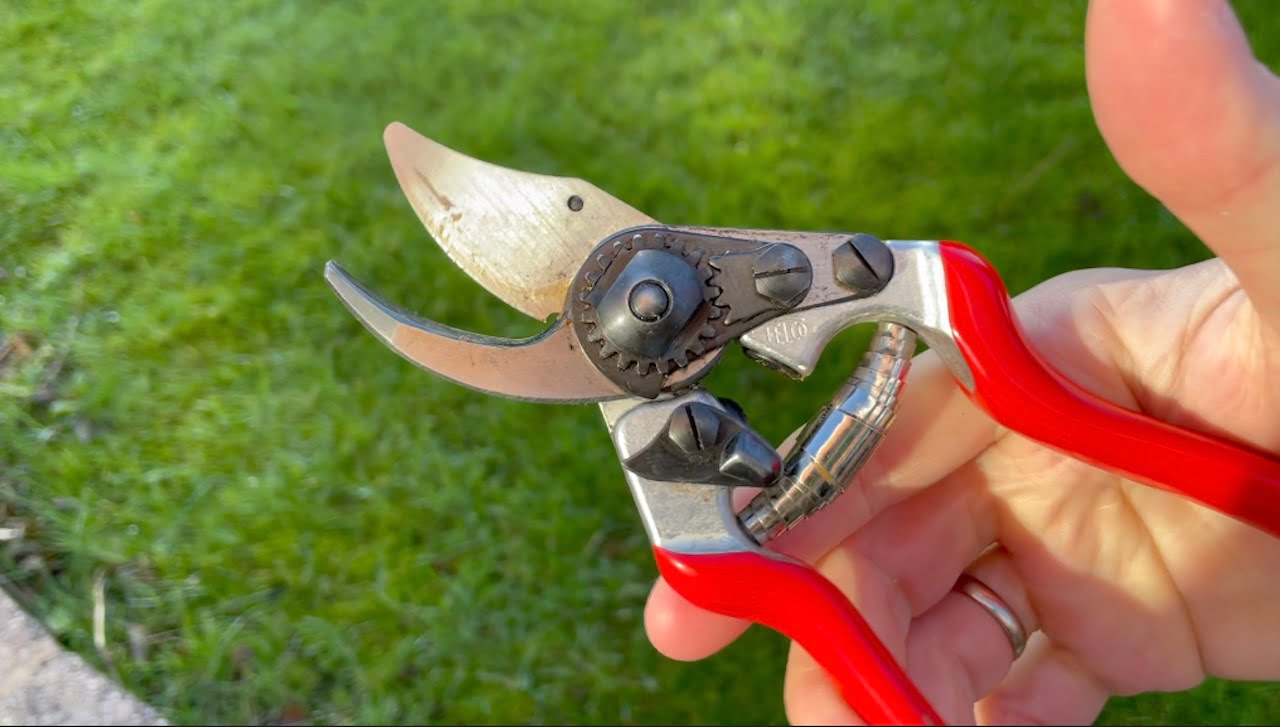
Growing Tips: Demands excellent drainage, thriving in poor soils, walls, and gravel areas where more demanding plants struggle. Cut back with your secateurs of hedge shears after the first flowering flush to encourage fresh growth and autumn rebloom. Self-seeds very enthusiastically, so remove most seedheads or prepare for extensive colonies to develop. Particularly valuable for colonising walls and difficult dry banks where its deep taproots access moisture unavailable to shallow-rooted plants.
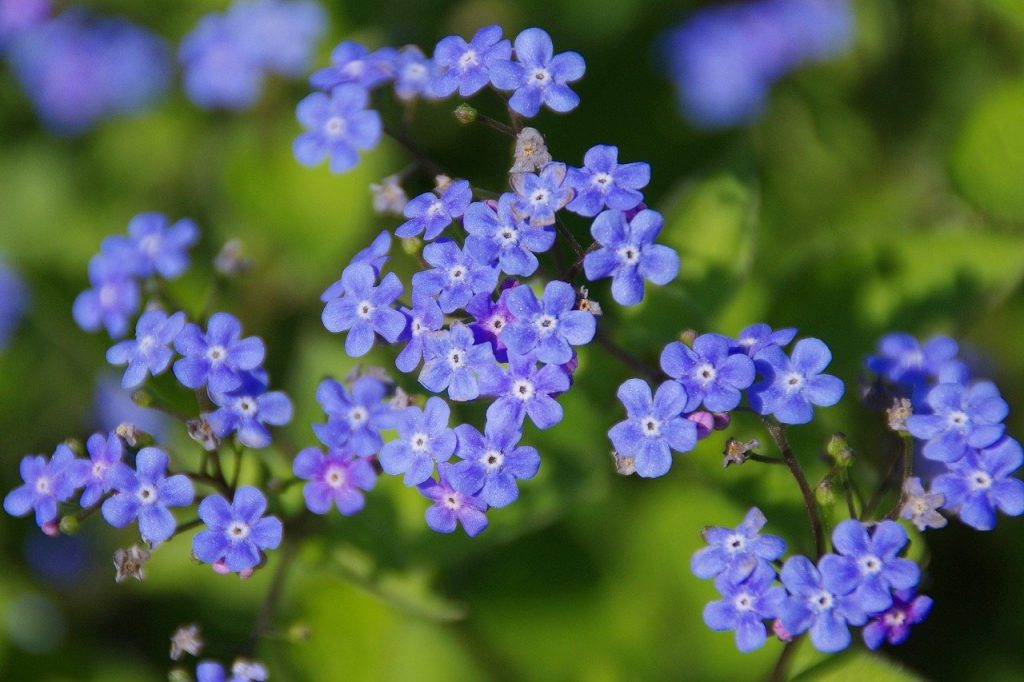
One of my all-time favourite fuss-free flowers that reminds me of being a young gardener at home! These beloved biennials produce clouds of blue flowers in late spring, creating romantic carpets beneath spring bulbs and emerging perennials. Self-seeds enthusiastically, appearing anywhere soil remains relatively moist. The plants are ephemeral, dying after flowering, but seedlings ensure continuous presence. White and pink forms are available, but the classic blue remains most charming.
Growing Tips: Thrives in partial shade with moist soil, though it tolerates sunnier positions if not allowed to dry out. Allow to self-seed freely for naturalistic carpets, or deadhead to reduce numbers. Pull unwanted seedlings promptly as they establish quickly but to be homest I just let them do their thing. They are far prettier than the weeds that would take their place!
Particularly effective beneath spring-flowering shrubs and trees where they create pools of blue amongst emerging foliage. Tolerates heavy clay admirably.
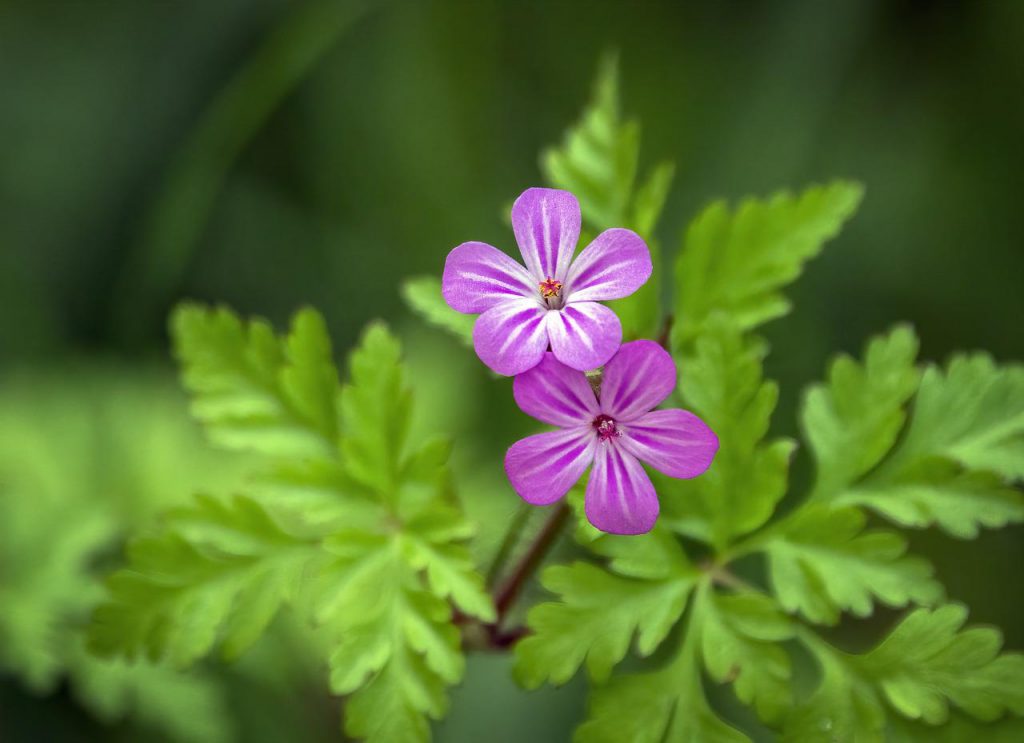
Another weedy plant that is worth allowing to self-seed is this native annual geranium, which produces delicate pink flowers throughout summer, thriving in shade where its ferny foliage creates soft ground cover. Self-seeds prolifically, particularly in walls and beneath hedges, where it suppresses weeds effectively. The foliage releases a distinctive smell when crushed, whilst autumn colour can be spectacular.
Growing Tips: Thrives in shade or partial shade with any soil, tolerating dry conditions beneath hedges where little else succeeds. Herb Robert can become weedy if allowed to seed unchecked, so pull unwanted seedlings promptly. Particularly valuable for filling gaps in difficult, shady areas and providing ground cover beneath shrubs. The white-flowered form ‘Album’ comes true from seed and creates luminous effects in deep shade.
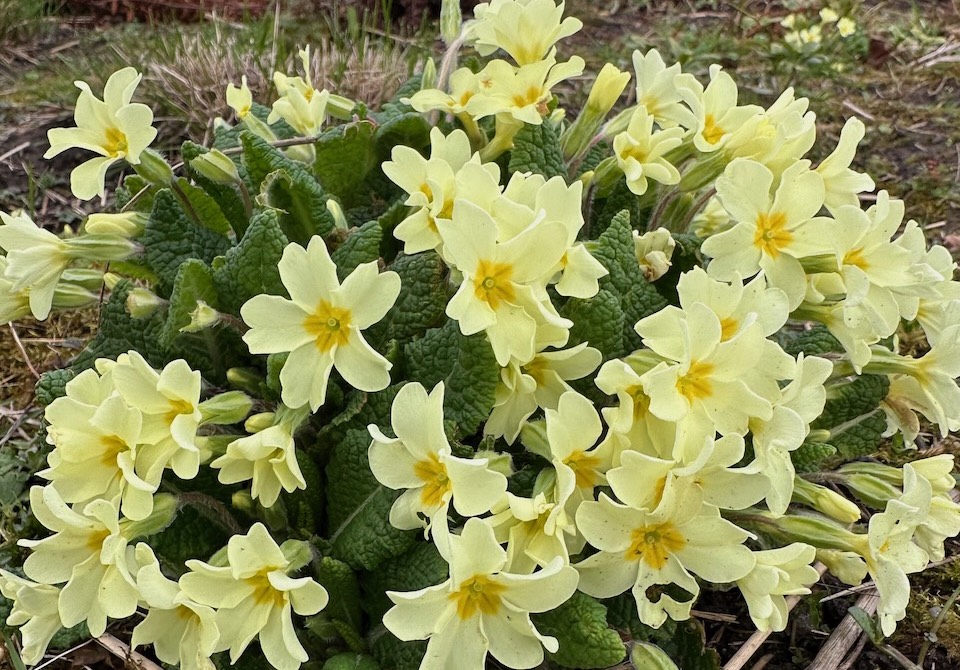
Our native primrose produces cheerful yellow flowers in early spring, naturalising beautifully in grass, borders, and woodland settings. Self-seeds moderately where conditions suit such as moist soil and stratification in the winter. Appearing most commonly in light shade with moist soil. The flowers provide valuable early nectar for bumblebees emerging from hibernation, whilst the rosettes of foliage remain attractive throughout the year.
Growing Tips: Prefers partial shade with consistently moist soil, though tolerates sunnier positions if kept sufficiently damp. Deadhead to extend flowering, but leave some flowers to set seed for regeneration. Divide congested clumps after flowering to reinvigorate them and create new plants. Self-seeds most reliably in undisturbed areas where seedlings aren’t accidentally hoed off. Different colour forms hybridise freely.
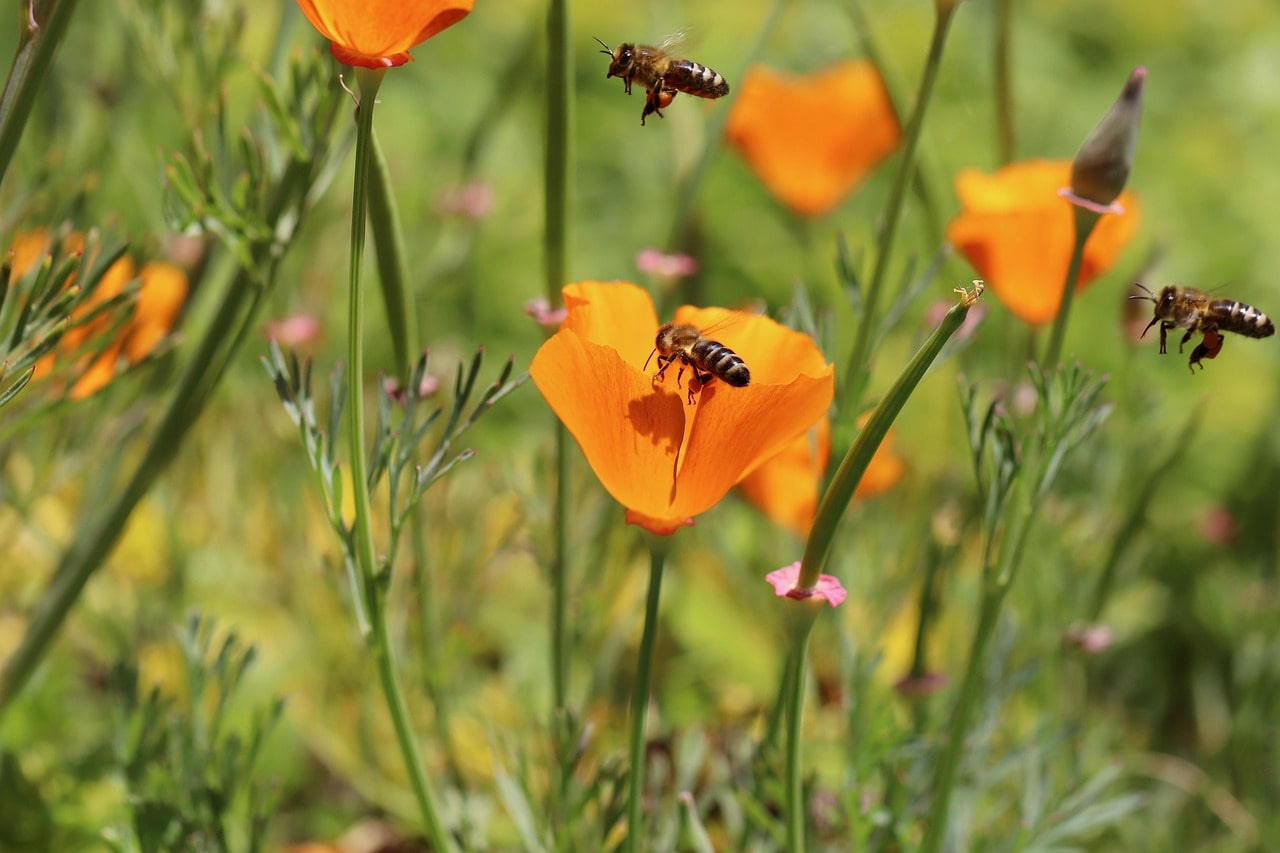
These cheerful annuals produce silky flowers in shades of orange, yellow, pink, and cream throughout summer, closing at night and in dull weather. Self-seeds enthusiastically in gravel and well-drained borders, appearing most reliably where soil is poor and drainage is quick. The ferny blue-green foliage provides attractive ground cover even when not flowering.
Growing Tips: Demands full sun and excellent drainage, thriving in poor soils where more demanding plants struggle. Direct sow where you want them to flower, as they resent transplanting. Deadhead regularly to prolong flowering and reduce excessive seeding. Particularly valuable in new gardens and gravel areas where they create impact quickly whilst slower plants establish. Successive sowings every three weeks extend the season.
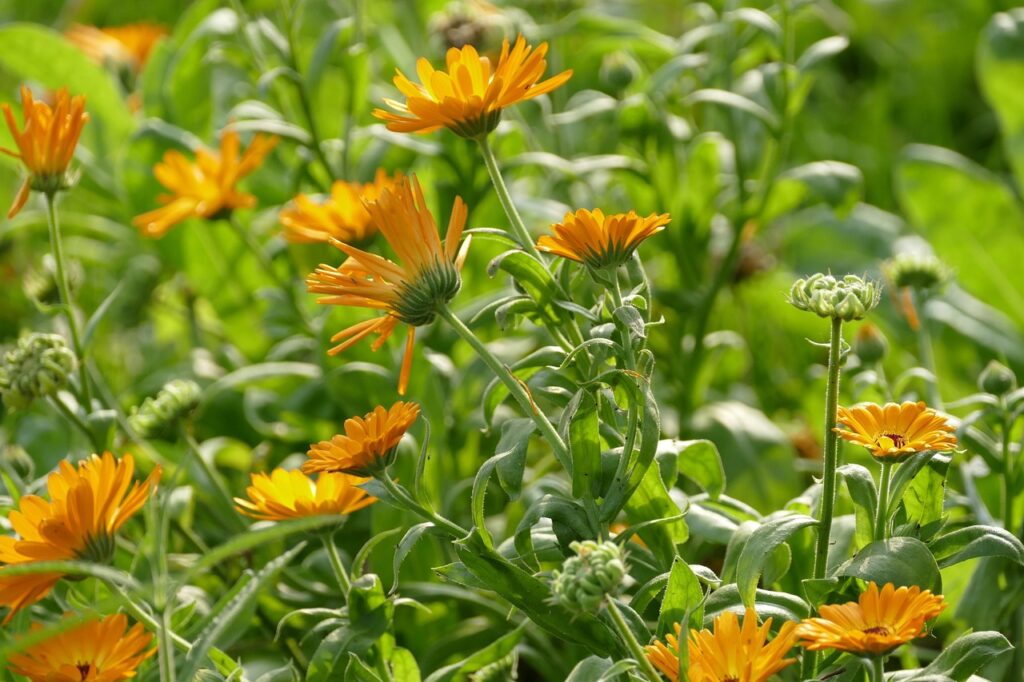
These cheerful annuals produce bright orange or yellow daisy flowers continuously throughout summer and well into autumn, deadheading themselves partly through petal fall. Self-seeds reliably year after year, appearing most commonly in vegetable gardens where its presence benefits neighbouring crops. The flowers are edible and attractive, whilst their presence encourages beneficial insects.
Growing Tips: Thrives in full sun with any reasonable soil, tolerating poor conditions admirably. Deadhead regularly to prolong flowering, but leave some flowers to set seed for next year. Direct sow in spring or autumn where you want them to flower. Successive sowings every three weeks provide continuous supplies of flowers for cutting. Self-seeds most reliably in the disturbed soil of vegetable gardens.
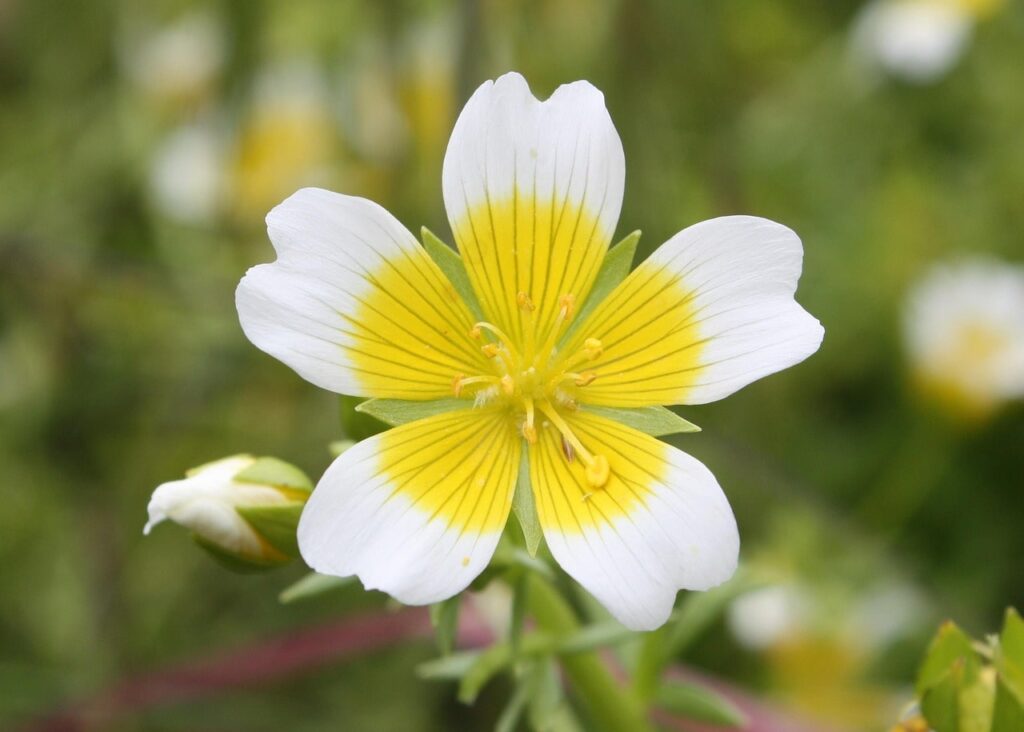
It doesn’t take a genius to work out why it’s called the poached eggs plant once you’ve seen one! This charming annual produces masses of white and yellow flowers throughout summer, attracting hoverflies in remarkable numbers. Self-seeds reliably in gravel and along path edges where it creates frothy ground cover. The flowers appear over an extended period, providing valuable nectar when many early annuals have finished.
Growing Tips: Prefers full sun with moist but well-drained soil, though tolerates most conditions except deep shade. Direct sow in spring or autumn where you want it to flower. Self-seeds enthusiastically once established, appearing in paving cracks and gravel with particular reliability. Pull unwanted seedlings promptly to maintain control. Particularly valuable for attracting hoverflies whose larvae feed on aphids.
This charming perennial produces ferny foliage and tubular yellow flowers continuously from spring through autumn, thriving in walls and paving cracks where few other plants succeed. Self-seeds prolifically, appearing anywhere drainage is sharp and competition limited. The flowers provide nectar throughout the season, whilst the foliage remains attractive even during winter in mild areas.
Growing Tips: Thrives in partial shade with good drainage, particularly successful in walls and paving where its deep taproot accesses moisture unavailable to shallow-rooted plants. Self-seeds very enthusiastically, so pull unwanted seedlings promptly. It can become weedy in very favourable conditions, but rarely causes serious problems. Deadhead to reduce seeding, but this is impractical given the continuous flowering habit. Tolerates deep shade admirably.
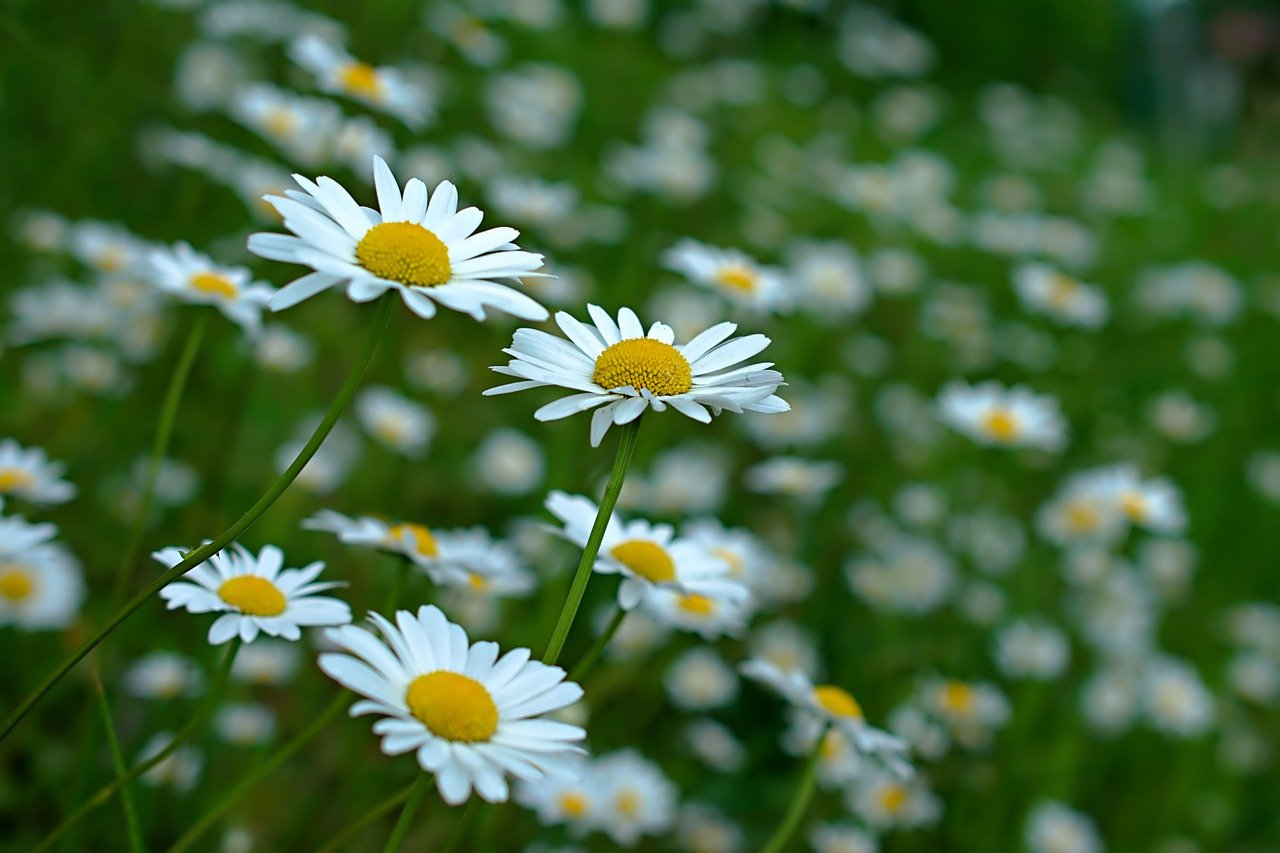
This native perennial produces classic white daisies with yellow centres throughout summer, creating naturalistic drifts in borders and meadows. Self-seeds moderately where conditions suit, appearing most commonly in grassed areas and wildflower meadows. The flowers attract numerous beneficial insects whilst providing valuable cutting material for informal arrangements.
Growing Tips: Thrives in full sun with any reasonable soil, tolerating both dry and damp conditions. Deadhead to prolong flowering or leave seedheads for birds and to ensure self-seeding. Cut down flowered stems in autumn or leave standing for winter structure. Particularly valuable in meadow situations where it competes effectively with grasses. Divide clumps every 3-4 years to maintain vigour.
Managing Self-Seeders Successfully
Success with self-seeding perennials isn’t about eradication; it’s about intelligent editing. You’re curating a cottage plant community, not maintaining pristine borders where every plant sits exactly where you planted it. The trick lies in recognising desirable seedlings early and developing an instinct for which spontaneous combinations work and which need correcting.
The Golden Rules of Editing
Timing is everything.
Most self-seeders germinate in spring when the soil warms and moisture is plentiful. Wait until seedlings develop two true leaves beyond their seed leaves for reliable identification, then edit ruthlessly. Remove plants too early, and you’ll regret losing them; remove them too late, and their root systems make removal difficult, leaving unsightly gaps.
Control Level
Plants
Management Strategy
Enthusiastic Spreaders
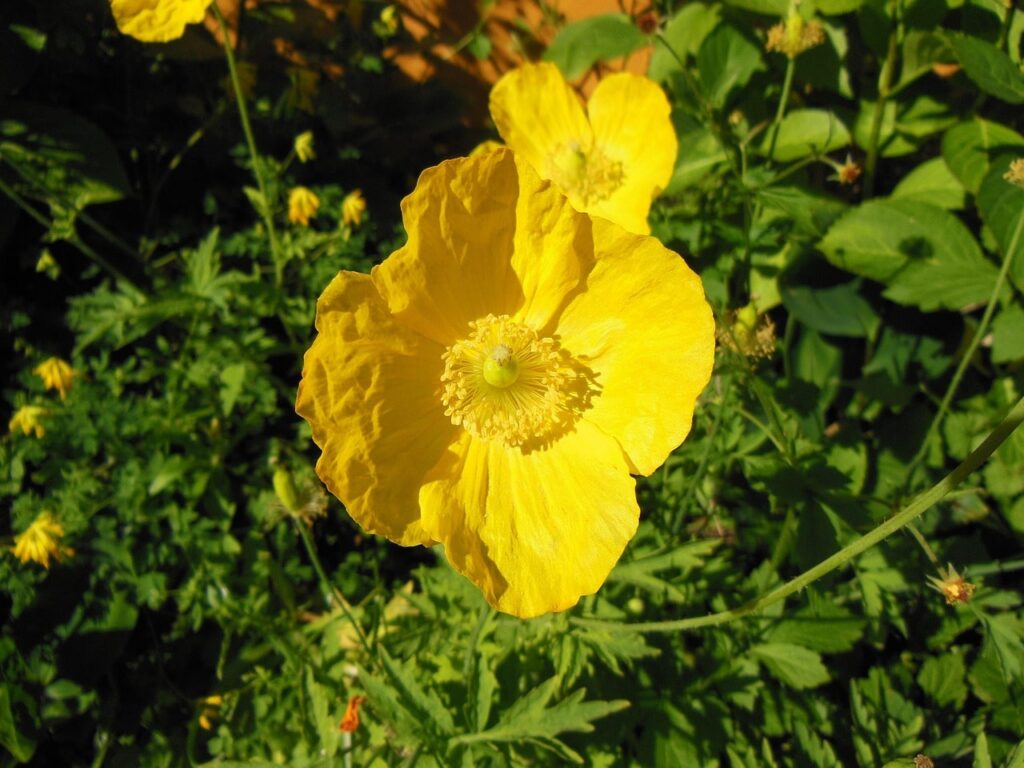
Welsh poppy, borage, forget-me-not, teasel
Remove 90% of seedheads before ripening. Leave just enough for regeneration. Pull unwanted seedlings promptly.
Moderate Self-Seeders
Aquilegia, honesty, fennel, Verbena bonariensis
Allow 30-50% of seedheads to ripen. Transplant seedlings where desired. Remove excess in spring.
Well-Behaved
Foxglove, sweet rocket, primrose, echinacea
Leave most seedheads to ripen naturally. Minimal intervention needed. Enjoy the results.
Site-Specific Behaviour
Self-seeding behaviour varies dramatically with conditions. A plant that barely spreads in heavy clay might colonise aggressively in gravel, whilst enthusiastic spreaders in full sun often behave impeccably in partial shade. Key factors affecting self-seeding:
Soil type: Gravel and sandy soils encourage more prolific seeding than heavy clay
Light levels: Most self-seeders spread more aggressively in full sun
Disturbance: Regularly cultivated areas see more seedlings than undisturbed borders
Competition: Dense planting suppresses self-seeding; gaps encourage it
Learn how each plant performs in your specific garden, then adjust your management accordingly. There’s no one-size-fits-all approach; observation and adaptation are your most valuable tools.
Learn How to Design Your Own Cottage Garden
Now you know what’s involved in creating a low-fuss cottage garden, why not consider taking your skills to the next level with some online design training? My Garden Design for Beginners Course is here to help bring your garden from average to outstanding with an affordable online course, no matter how little your experience with plants.
This course offers step-by-step guidance from me, Lee Burkhill, award-winning garden designer and presenter on BBC1’s Garden Rescue. In this course, you’ll go from a garden design novice to a confident designer equipped to tackle any green space.
Planting Techniques – Select and arrange plants like a pro.
Design Styles & Layout Options – Explore different styles to suit every garden.
Course Features:
20 Hours of Study Time
Flexible Online Learning
Engaging Video Lessons & Quizzes
Real-World Case Studies
Certification upon Completion
Taught by Award-Winning Designer Lee Burkhill
Enrol now for just £199 and start your journey toward garden design mastery!
29
Garden Design Examples for Small Gardens: 30 Design Templates & Planting Plans
Garden Design Examples for Small Gardens: 30 Design Templates & Planting Plans: In this online gardening course, I’ll walk you through 30 fantastic garden designs, explaining the logic behind the layout, the plant choices, and take-home tips for applying them in your own garden.
Weekend Garden Makeover: A Crash Course in Design for Beginners
Learn how to transform and design your own garden with Lee Burkhills crash course in garden design. Over 5 hours Lee will teach you how to design your own dream garden. Featuring practical design examples, planting ideas and video guides. Learn how to design your garden in one weekend!
Garden Design for Beginners: Create Your Dream Garden in Just 4 Weeks
Garden Design for Beginners Online Course: If you want to make the career jump to becoming a garden designer or to learn how to design your own garden, this is the beginner course for you. Join me, Lee Burkhill, an award-winning garden designer, as I train you in the art of beautiful garden design.
The ultimate goal when working with self-seeding perennials is to create stunning flower beds and garden designs that require minimal intervention to maintain themselves. The key is letting them regenerate naturally whilst suppressing weeds and providing that cottage feel interest. This somewhat hands-off approach to gardening acknowledges that nature manages plant populations more efficiently than we can through constant purchasing and planting! The end result is a far more natural planting scheme to boot!
These self-seeding cottage garden plants create gardens that feel alive, dynamic, and genuinely sustainable. So get planting, Ninjas!
Lee Burkhill, known as the Garden Ninja, is an award-winning garden designer and horticulturist with over 30 years of gardening experience and 15 years as a professional garden designer. A qualified RHS (Royal Horticultural Society) professional, Lee specialises in sustainable garden design and practical horticultural advice. He designs and presents on BBC1’s Garden Rescue and in leading gardening publications. Lee combines three decades of hands-on gardening knowledge with professional design qualifications to help gardeners create beautiful, functional outdoor spaces.