Best Plants for Heavy Clay Soil in Shade UK: Expert Guide
Lee Burkhill: Award Winning Designer & BBC 1's Garden Rescue Presenters Official Blog
Beginner level
Shady clay soil can feel like an uphill battle when you start gardening. It's hard to dig because it's always wet, and your plants constantly look like they're in the danger zone of dying. Well, this guide is going to show you the secret that all pro gardeners know about: plants that love shady clay soil!
If you have heavy clay soil and shade, then your go-to plants will be Hostas, ferns, astilbes, hellebores, hydrangeas, and hardy geraniums, all of which thrive in heavy clay soil and shade. These plants have adapted to moisture-retentive, nutrient-rich clay conditions whilst tolerating low light levels common in UK gardens.
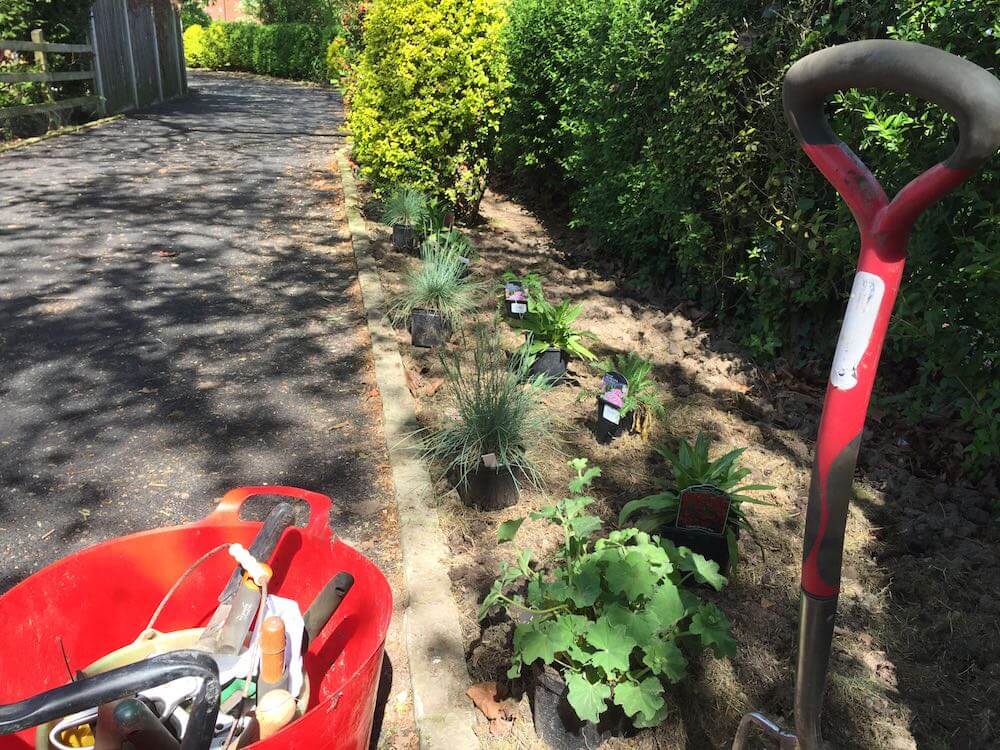
Right, let’s tackle probably the most challenging combination UK gardeners face: heavy clay soil in shade. If you’ve got a north-facing border under trees with sticky clay that turns rock hard in summer, you’ll know the frustration. I’ve designed hundreds of gardens across the UK, and this combination comes up constantly. The good news? There are brilliant plants that absolutely thrive here.
Here’s what drives me mad about most advice: everyone tells you to “improve your soil”without acknowledging that sometimes you’re dealing with tonnes of clay, and that’s simply not practical. Yes, soil improvement helps, and I’ll share techniques that work. But the real breakthrough comes when you choose plants that have evolved to love exactly these conditions. Heavy clay soil in shade isn’t a problem to solve but an opportunity to grow plants that struggle elsewhere.
Understanding Clay Soil and Shade: Why It’s Actually Brilliant
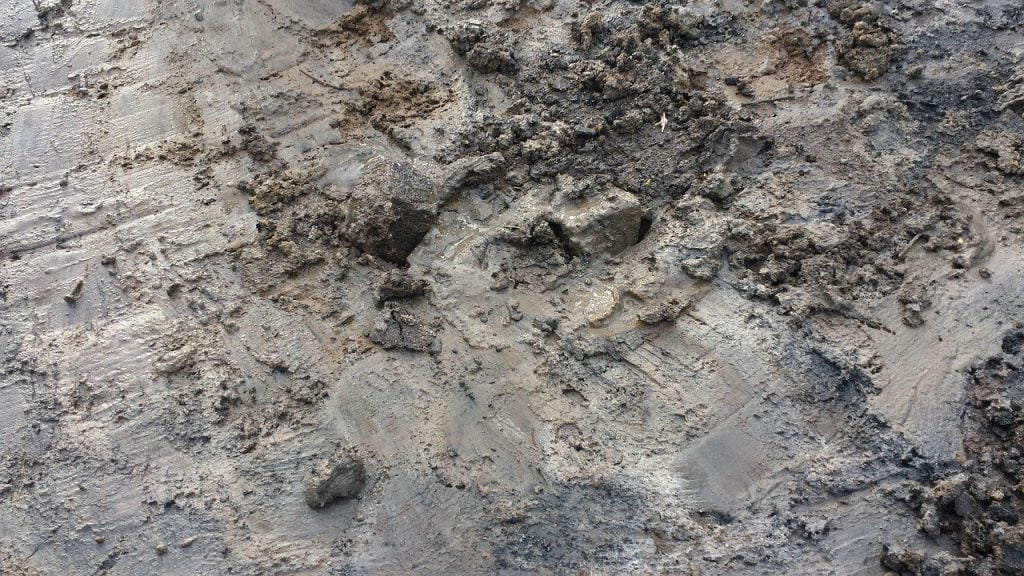
Clay soil consists of tiny particles that pack together tightly, creating dense, heavy soil. In winter, clay becomes waterlogged and sticky. In summer, it bakes rock hard and cracks. However, clay soil is naturally rich in nutrients and holds moisture brilliantly during dry spells, which is exactly what shade-loving plants need.
Shade means slower soil warming in spring and reduced evaporation. Combined with clay’s water-holding capacity, you’ve got consistently moist conditions even during drought. Many woodland plants have evolved specifically for these exact conditions. The challenge is poor drainage in shade, where the soil stays cold and wet longer.
The secret is choosing plants adapted to woodland conditions where clay-rich, moisture-retentive soil is the norm. If you’re interested in understanding different soil types, check my guide on identifying your garden soil.
Top Performing Plants for Clay Soil in Shade
After years of putting together shade-loving planting plans and working in a few previous gardens of my own with clay, I have decades of experience in what works and what doesn’t (Fuschias, I’m looking at you). Below is my tried and tested bulletproof shade and clay planting suggestions. So go forth, Ninjas, and plant with confidence!
1) Hostas: The Ultimate Clay and Shade Champions
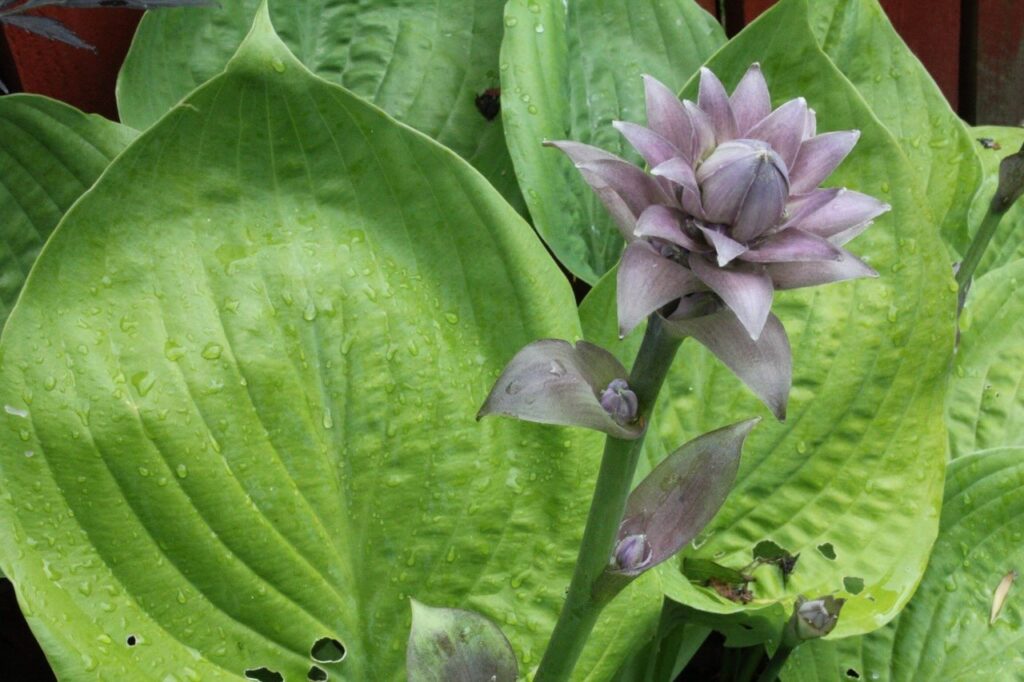
Hostas are probably the single best plant for heavy clay soil in shade, thriving in exactly the conditions most plants hate. These herbaceous perennials produce stunning foliage in an enormous range of sizes, colours, and textures, from tiny six-inch varieties to massive three-foot specimens.
Hostas evolved in Asian woodlands where clay-rich soil and dappled shade are the norm. Their fibrous root systems navigate heavy soil brilliantly, extracting nutrients and moisture easily. Clay’s moisture retention suits hostas perfectly because they’re thirsty plants that suffer in drought.
The main challenge is slug and snail damage, which is why I’ve written a guide on dealing with slugs. For complete growing information, check my detailed hostas care guide.
2) Ferns: Elegant Texture for Shady Clay
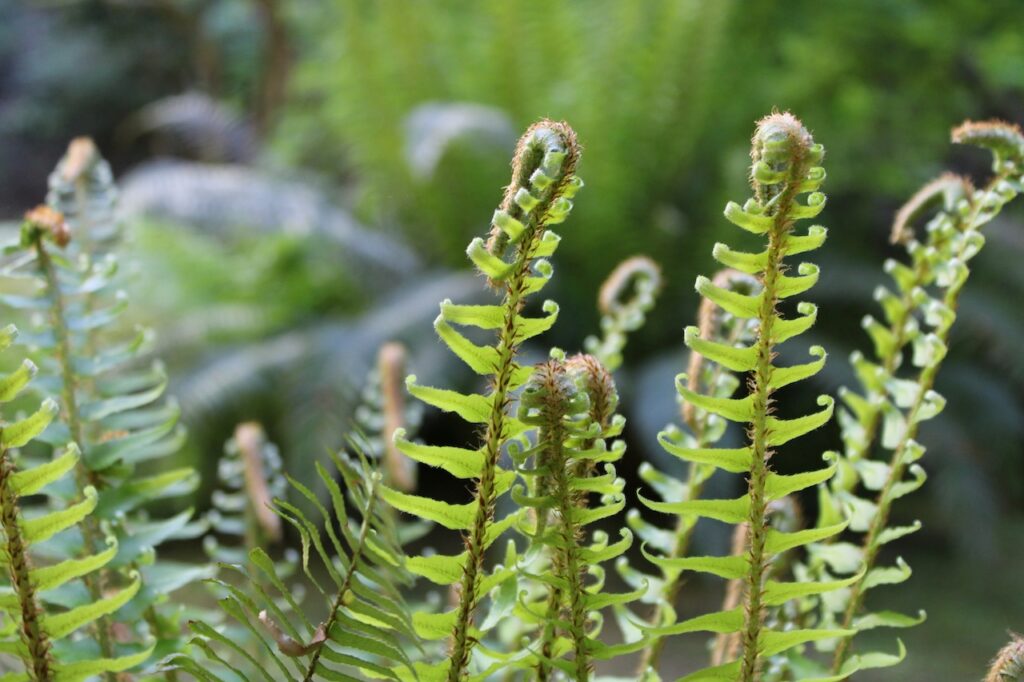
Ferns are woodland natives adapted to exactly the conditions in your shady clay border. Lady fern, hart’s tongue fern, and male fern all thrive in heavy clay and shade, providing elegant, arching fronds that soften harsh edges. Ferns’ fibrous root systems actually help improve clay soil structure over time by creating channels as roots grow and die back annually.
Plant in spring, spacing according to mature size. Simply clear dead fronds in early spring before new growth emerges and let them self-seed wherever they like for more free ferns!
3) Astilbes: Feathery Plumes for Summer Colour
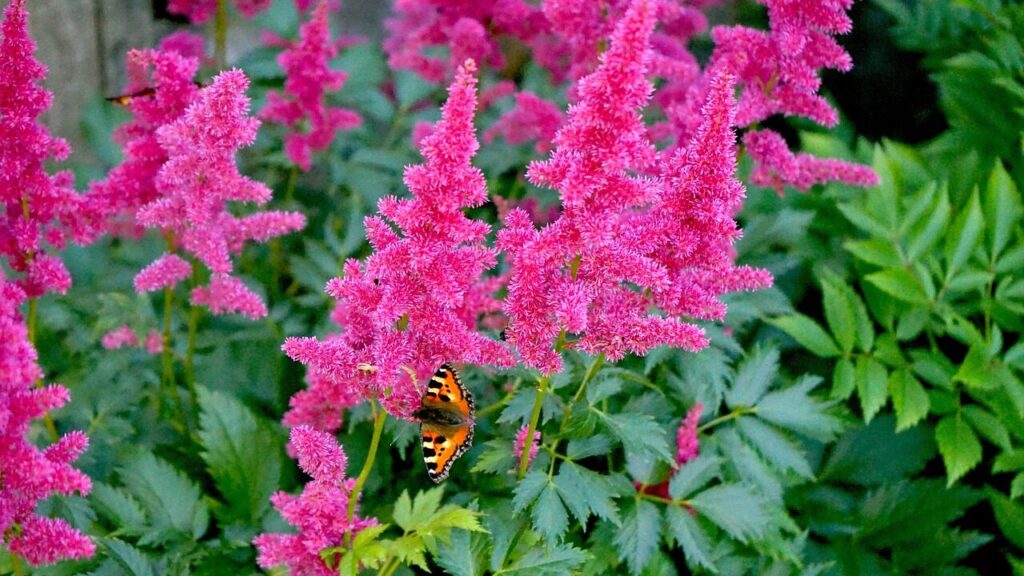
Astilbes bring vibrant summer colour with feathery plumes in shades of pink, red, white, and purple. Their leaves look similar to the ferns above, but when they flower, they really pack a punch!
Astilbes actually prefer consistently moist conditions, making clay’s water-holding capacity a benefit rather than a problem. Growing 30cm to 1m tall, they create vertical interest whilst their fern-like foliage remains attractive after flowering finishes.
Plant 30-45cm apart, mulch annually, and divide congested clumps every three to four years in spring.
4) Hellebores: Winter Interest in Clay and Shade
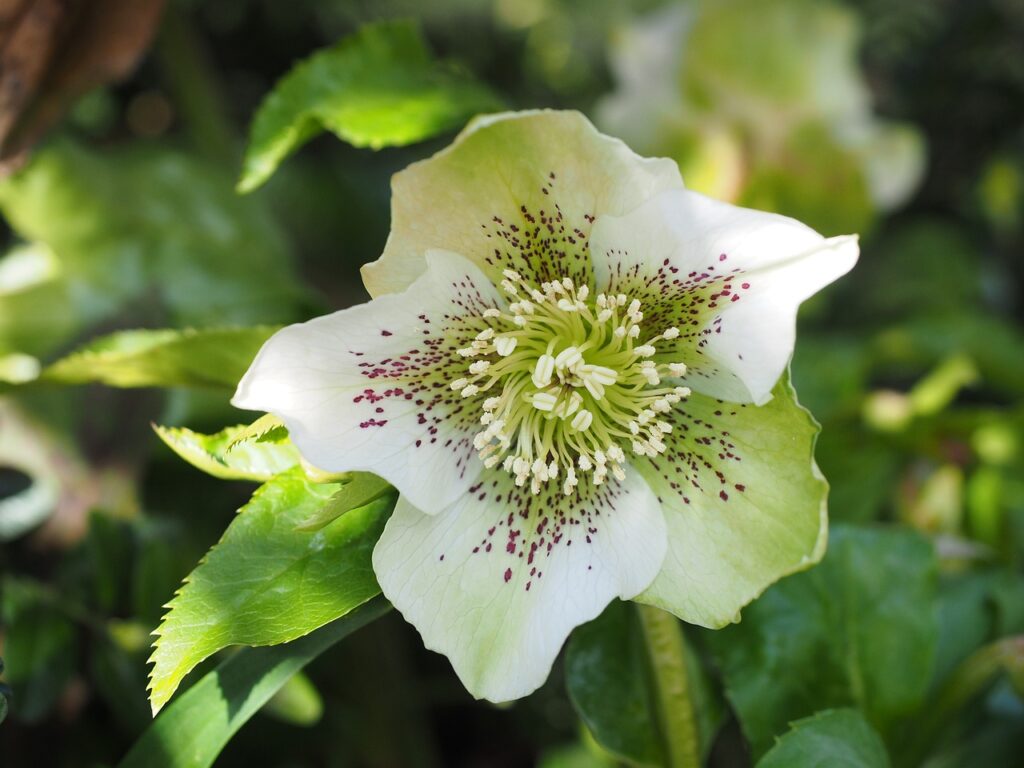
Hellebores produce exquisite flowers in shades of white, pink, purple, and almost black from January through April when little else blooms. Often known as the Christmas rose, as they flower when everything else is asleep. Their evergreen leaves help add greenery to the darkest, claggiest borders.
Hellebores evolved in European woodlands with heavy clay soils, making them perfectly adapted to UK conditions. Once established, they’re virtually indestructible, coping with deep shade and heavy waterlogged clay. Remove old foliage in late winter before new flowers emerge. They’re slow to establish but reward patience by living for decades.
5) Hydrangeas: Reliable Shrubs for Structure
Hydrangeas cope brilliantly with clay soil and partial shade, and there are hundreds, if not thousands, of cultivars to choose from. From tiny container specimens like ‘Limelight’ to the big mophead garden favourites, there is a hydrangea for every-sized garden and they love shady clay!
Climbing hydrangea covers shady walls or fences in clay gardens. Mophead and lacecap hydrangeas thrive in clay’s moisture-retentive conditions, producing bigger flower heads than in lighter soils. They need dappled shade or morning sun with afternoon shade for best flowering. Mulch annually with organic matter and feed in spring with balanced fertiliser.
6) Hardy Geraniums: Ground Cover Champions
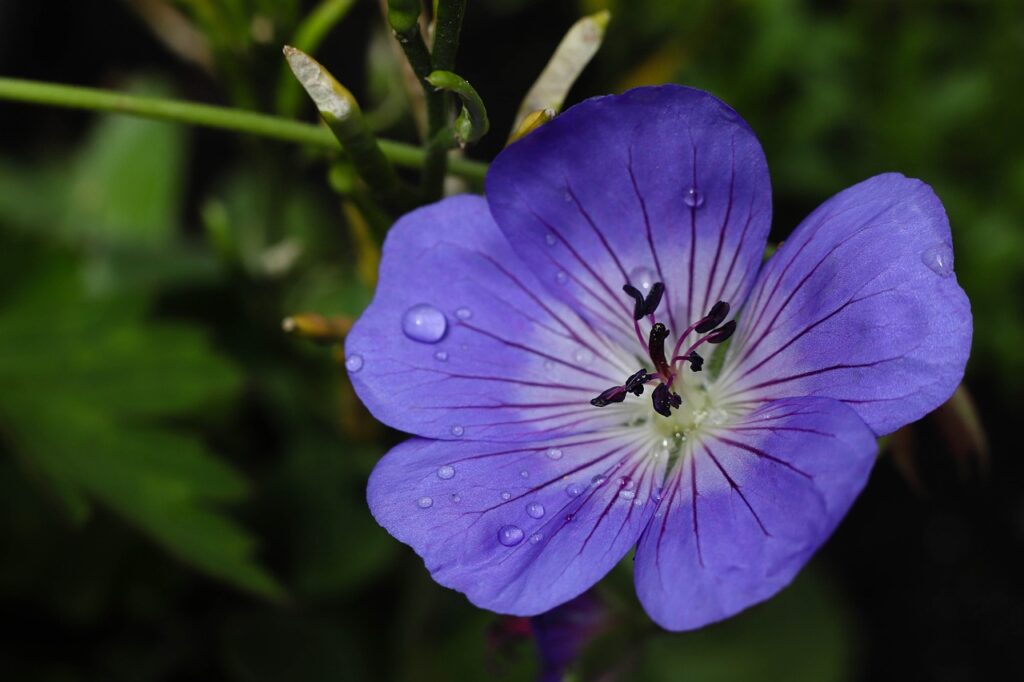
I adore hardy geraniums, and they often pop up in low-maintenance Garden Rescue designs because they are completely foolproof and will tolerate all soil conditions. Like Hydrangeas, there are hundreds of cultivars and varieties to choose from, and they propagate from divisions easily.
Hardy geraniums cope admirably with clay soil and partial shade. Their vigorous root systems help improve clay structure, whilst their spreading habit covers bare ground quickly. They tolerate competition from tree roots, making them perfect for planting under deciduous trees. Plant 30-45cm apart. They need little maintenance beyond cutting back dead growth in late winter.
Additional Reliable Performers
Let me show you some other clay and shade-loving plants if you want to expand your collections. In particular, Pulmonaria and Epimediums are my absolute favourites!
Plant
Height
Key Features
Brunnera macrophylla
30-45cm
Heart-shaped leaves, forget-me-not flowers in spring, excellent ground cover for shade and clay
Pulmonaria (Lungwort)
25-30cm
Spotted foliage, early spring flowers in pink, blue, or white, thrives in heavy shade and clay
Ajuga reptans (Bugle)
15-20cm
Bronze or variegated foliage, blue flower spikes, spreads to form weed-suppressing carpet in clay
Epimedium
20-40cm
Delicate flowers, attractive foliage, tolerates dry shade under trees with clay soil
Tiarella (Foam Flower)
20-30cm
Maple-like leaves, white or pink flower spikes, excellent ground cover for shade and clay
Solomon’s Seal
60-90cm
Arching stems, white bell flowers, thrives in woodland conditions with heavy clay
Anemone × hybrida
60-120cm
Late summer flowers, spreads well in clay, provides autumn interest in partial shade
Foxglove (Digitalis)
1-2m
Tall flower spikes, self-seeds readily, tolerates both shade and clay brilliantly
Bulbs for Clay and Shade
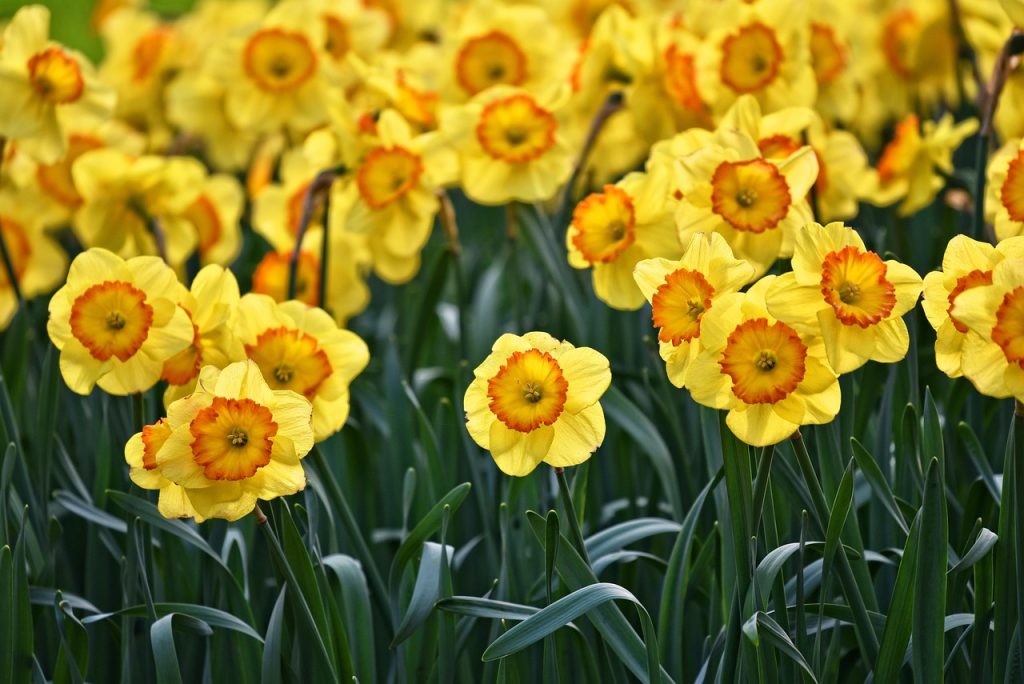
Several spring bulbs cope brilliantly with clay soil in shade. Narcissus (daffodils) are remarkably versatile, tolerating both clay soil and partial shade whilst returning reliably year after year. Plant in large drifts under trees for dramatic spring displays. Bluebells naturalise beautifully, spreading to form carpets beneath trees. Crocus and winter aconites flower even earlier for late winter interest.
Camassia is particularly well-suited to heavy clay, with tall spikes of star-shaped blue or white flowers in late spring. Unlike many bulbs, camassia prefers moisture-retentive soil. Plant all bulbs in autumn at two to three times their depth or watch my guide below to learn how to plant any type of bulb.
Essential Soil Improvement Techniques
The single most effective technique is annual mulching with organic matter like garden compost, leaf mould, or well-rotted manure. Spread a 5-7cm layer around plants each autumn or spring, leaving a gap around stems. This mulch gradually improves clay structure as worms pull organic matter down, creating channels that improve drainage.
Over several years, consistent mulching transforms clay into workable soil. For more guidance, check my article on organic soil improvement.
Avoid walking on clay when wet because this compacts it further. Use planks to spread your weight or create permanent paths using bark chip or gravel.
Adding grit helps improve drainage in extremely heavy clay, but you need substantial quantities. You need at least one-fifth grit by volume across large areas to make a meaningful difference. Which is why I never advise adding grit, I find it POINTLESS!
For most gardens, focusing on organic matter provides better results because it improves structure, drainage, and fertility simultaneously.
If your clay is genuinely unworkable, raised beds offer an excellent solution. Build beds 30-45cm high, filling with a mix of topsoil and compost. Roots eventually reach the clay beneath, providing stability whilst the raised bed ensures good drainage. For guidance, see my raised bed guide.
Planting and Aftercare in Clay and Shade
Plant in spring rather than autumn when dealing with heavy clay in shade because this gives roots time to establish before winter waterlogging. Dig planting holes twice the width of root balls but no deeper, breaking up the sides with a fork.
Water thoroughly after planting and monitor carefully during the first season. Once established, most recommended plants tolerate both winter wet and summer drought, so it’s just the first year or so you need to babysit them and make sure they establish properly.
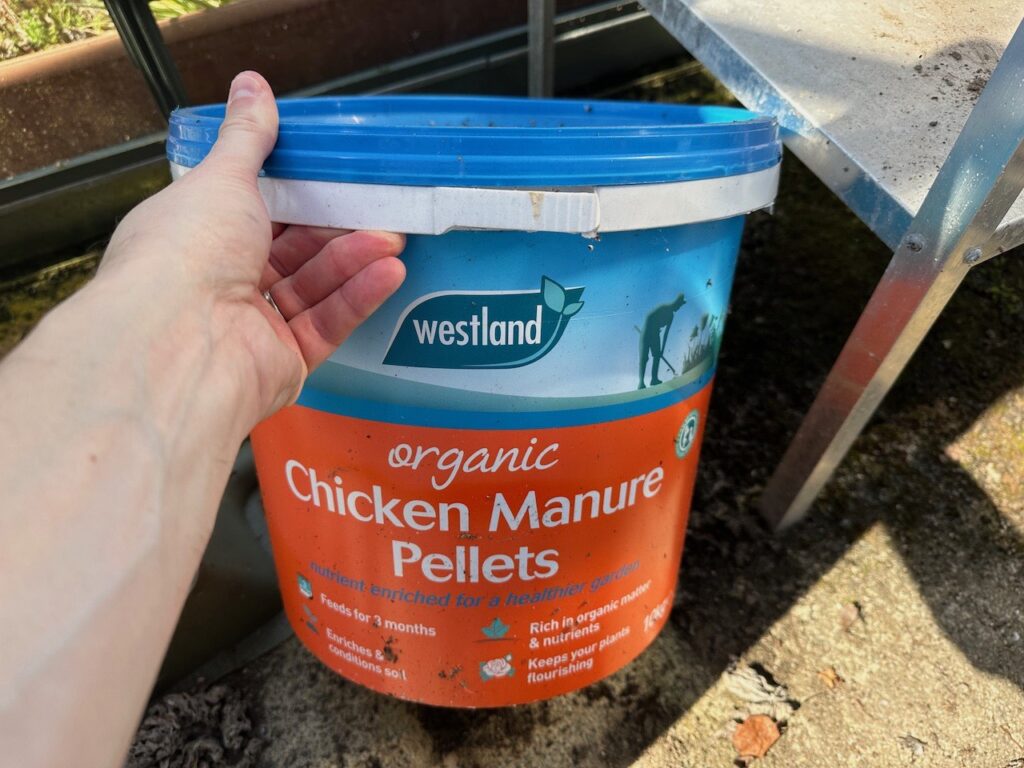
Feed plants annually in spring with balanced fertiliser or compost. In very poor clay, consider slow-release fertiliser like chicken pellets, which are great value and don’t wash away as easily as liquid plant feeds.
What Not to Plant in Clay and Shade
Mediterranean plants like lavender, rosemary, and cistus hate clay and shade, as their native conditions are free-draining and sunny. Alpines and rock garden plants similarly fail as they need very dry roots. Most plants that prefer acidic soil struggle unless you have acid clay. Rhododendrons, azaleas, and camellias need both acidic conditions and good drainage.
Basically, do your research on where your dream plant comes from; if it’s not shady woodland or heavy soil, then it simply won’t work with your conditions. So always grow plants that you know are originally suited to the soil and sunlight levels you have to save heartache! For more on plants suited to different soils, check my guide on clay-loving plants.
Creating Beautiful Planting Combinations
Successful schemes combine plants with contrasting textures and seasonal interest. Start with structural plants like ferns and hostas, then add flowering perennials like astilbes and hellebores. Underplant with ground cover like hardy geraniums. Layer bulbs beneath perennials for early spring interest before main plants emerge. Combine blue-leaved hostas with golden varieties, add ferns for fine texture against bold hosta leaves, and use variegated plants to brighten deep shade.
Learn How to Design Your Own Garden
Now that you know what you can grow in shade with clay soil, why not consider the wider garden with some design training? My Garden Design for Beginners Course is here to help take your garden from average to amazing with an affordable online cours,e no matter how little your experience with plants.
Planting Techniques – Select and arrange plants like a pro.
Design Styles & Layout Options – Explore different styles to suit every garden.
Course Features:
20 Hours of Study Time
Flexible Online Learning
Engaging Video Lessons & Quizzes
Real-World Case Studies
Certification upon Completion
Taught by Award-Winning Designer Lee Burkhill
Enrol now for just £199 and start your journey toward garden design mastery!
29
Garden Design Examples for Small Gardens: 30 Design Templates & Planting Plans
Garden Design Examples for Small Gardens: 30 Design Templates & Planting Plans: In this online gardening course, I’ll walk you through 30 fantastic garden designs, explaining the logic behind the layout, the plant choices, and take-home tips for applying them in your own garden.
Weekend Garden Makeover: A Crash Course in Design for Beginners
Learn how to transform and design your own garden with Lee Burkhills crash course in garden design. Over 5 hours Lee will teach you how to design your own dream garden. Featuring practical design examples, planting ideas and video guides. Learn how to design your garden in one weekend!
Garden Design for Beginners: Create Your Dream Garden in Just 4 Weeks
Garden Design for Beginners Online Course: If you want to make the career jump to becoming a garden designer or to learn how to design your own garden, this is the beginner course for you. Join me, Lee Burkhill, an award-winning garden designer, as I train you in the art of beautiful garden design.
Heavy clay soil in shade isn’t the curse many believe, but an opportunity to grow stunning plants that struggle elsewhere. Stop fighting your conditions and work with them by choosing plants naturally adapted to what you’ve got. The combination of moisture-retentive clay and cool shade creates perfect conditions for woodland plants.
Start with proven performers like hostas, ferns, and astilbes. Gradually improve soil through annual mulching rather than attempting massive one-off improvements. Be patient because clay gardens take longer to establish, but once plants are settled, they often outperform those in easier conditions due to clay’s natural fertility.
Stop comparing your shady clay garden to sunny borders with perfect loam. The lush, layered effect achievable in shade with clay-loving plants creates gardens every bit as beautiful. Embrace what you’ve got, choose appropriate plants, and you’ll transform challenging conditions into genuine assets.
Now get out there and plant those hostas, ferns, and astilbes!
Lee Burkhill, known as the Garden Ninja, is an award-winning garden designer and horticulturist with over 30 years of gardening experience and 15 years as a professional garden designer. A qualified RHS (Royal Horticultural Society) professional, Lee specialises in sustainable garden design and practical horticultural advice. He designs and presents on BBC1’s Garden Rescue and in leading gardening publications. Lee combines three decades of hands-on gardening knowledge with professional design qualifications to help gardeners create beautiful, functional outdoor spaces.