-
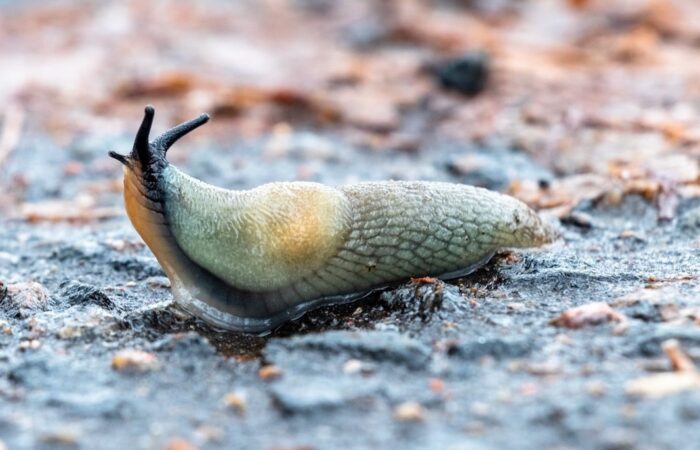
Dealing with Slugs and Snails: Beginner-Friendly Solutions That Actually Work
 Lee Burkhill: Award Winning Designer & BBC 1's Garden Rescue Presenters Official Blog
Slugs are one of the most frustrating of garden pests. They sneak around usually after hours and can ruin whole crops of seedlings and young plants, not to mention take chunks out of your Hostas or Delphiniums making them look like swiss cheese! This guide will show you how you can reduce slugs by understanding what they like and dislike in our gardens
Slugs and snails can be controlled effectively without chemicals by using physical barriers, setting traps, encouraging natural predators, and creating less hospitable conditions. Beer traps, copper tape, and wool pellets work brilliantly when used correctly. But it’s up to you to decide the ethics of beer traps!
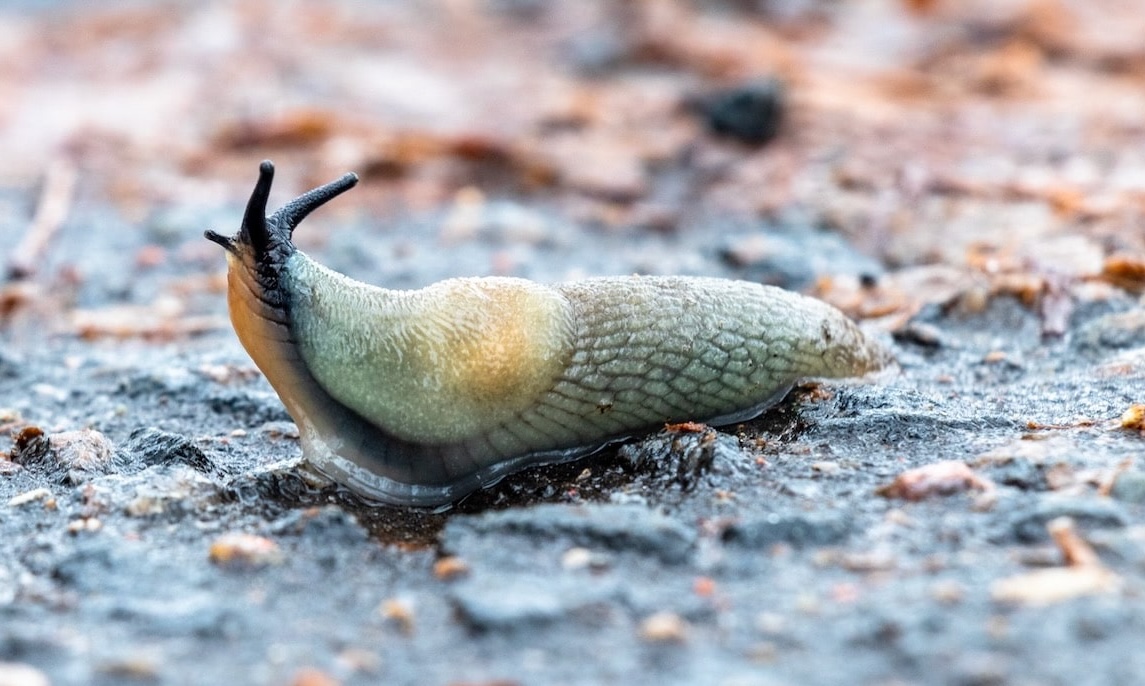
If you’ve ever woken up to find your freshly planted seedlings reduced to stumps and slime trails, you’ll know the fury. Slugs cause more beginner gardeners to give up than any other single problem. Most advice is either old wives’ tales or involves nasty chemicals.
The breakthrough came when I started understanding slug behaviour properly. Once you grasp what attracts them, when they’re most active, and which deterrents genuinely work, controlling them becomes straightforward. You’ll never completely eliminate slugs, and you shouldn’t want to. They’re part of the ecosystem. What you’re aiming for is reducing their numbers to manageable levels. For plants slugs naturally avoid, check my guide to slug-proof garden plants.
Nocturnal Habits & Hiding Places of Slugs
Understanding slug behaviour prevents you from wasting time on useless methods like coffee grinds (which I’ve never had any success with), as they wash away super quickly or ultrasonic devices. Slugs and snails are most active in damp conditions, hiding during hot or dry weather under pots, amongst vegetation, under stones, or buried in soil.
They’re predominantly nocturnal, emerging after dark or during overcast days to feed. This hiding behaviour is key because it tells you where to look and when to act.
Slug Species Have Different Challenges
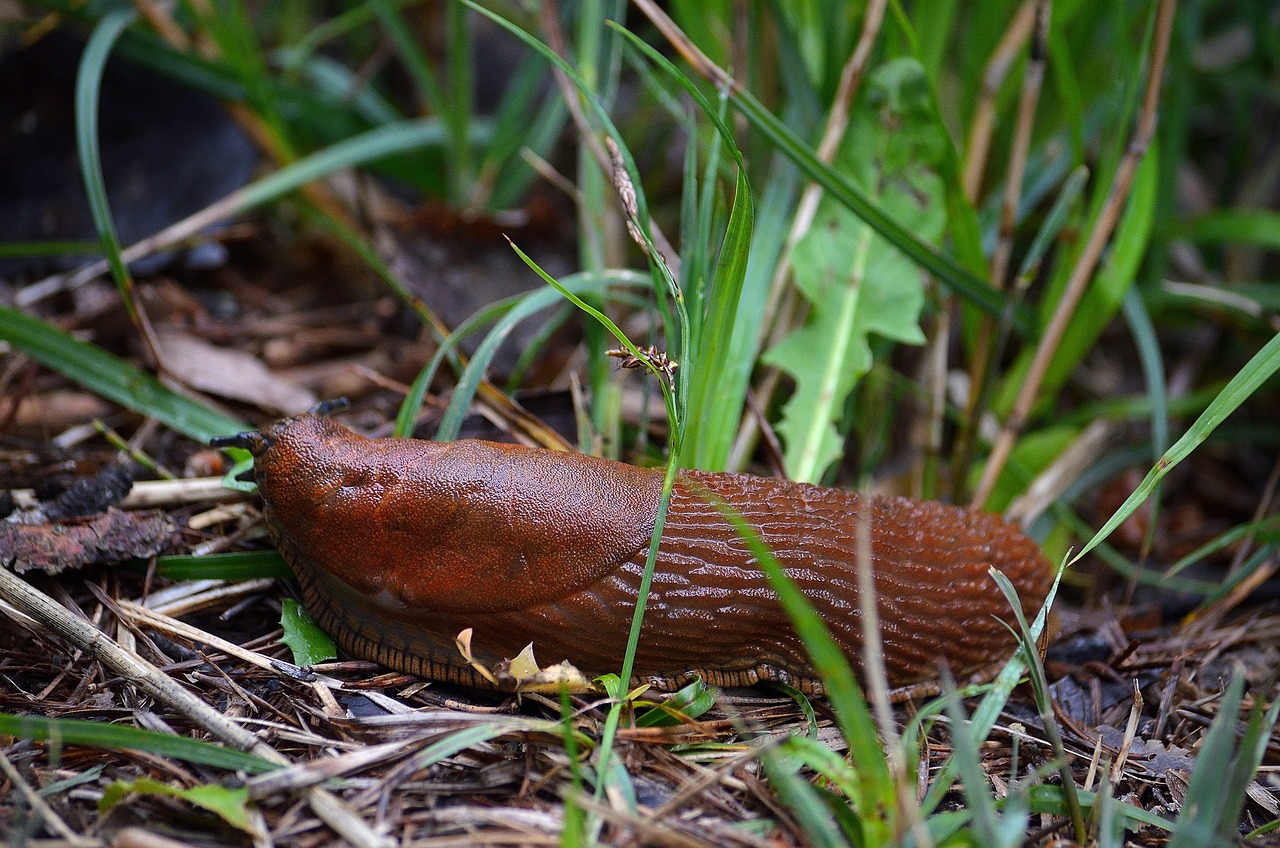
The large Spanish slug is particularly problematic because it’s voracious and breeds prolifically. Field slugs attack root crops from underground. Garden snails climb remarkably well. Knowing which species you’re dealing with helps target your control methods effectively.
Common Slugs Species in the UK
| Slug Species | Size | Key Characteristics & Behaviour |
|---|---|---|
| Spanish Slug (Arion vulgaris) | 7-15cm when extended | Orange to brown, sometimes black. Highly invasive and increasingly common. Voracious appetite, breeds prolifically, and resistant to many deterrents. Major pest in vegetable gardens. |
| Large Black Slug (Arion ater) | 10-15cm when extended | Black, dark brown, or orange. Native species. Primarily feeds on decaying matter and fungi rather than living plants. Less damaging than Spanish slug despite similar size. |
| Garden Slug (Arion hortensis) | 2.5-4cm | Dark grey to black with orange sole. Very common in gardens. Feeds on seedlings, lettuce, and soft plant tissue. Active year-round in mild conditions. |
| Field Slug (Deroceras reticulatum) | 3-5cm | Cream to light brown with darker mottling. Most damaging agricultural pest. Lives primarily underground, attacking roots, tubers, and emerging seedlings from below. Surface barriers often ineffective. |
| Keeled Slug (Tandonia budapestensis) | 5-7cm | Grey-brown with distinctive raised ridge (keel) along back. Spends most time underground. Attacks bulbs, root vegetables, and potato tubers. Common in gardens with rich soil. |
| Leopard Slug (Limax maximus) | 10-20cm when extended | Grey with distinctive dark spots and stripes. Beneficial species that primarily eats decaying matter, fungi, and other slugs. Should be encouraged in gardens. |
| Yellow Slug (Limax flavus) | 7-10cm | Bright yellow to greenish-yellow with pale spots. Nocturnal. Often found in compost bins, greenhouses, and damp buildings. Feeds mainly on fungi and decaying matter. |
The Breeding Cycle: Why Timing Matters
Slugs and snails lay hundreds of eggs in moist soil during autumn and spring. These eggs look like tiny translucent pearls clustered under pots or in compost. Young slugs are more damaging than adults. Spring and autumn control efforts have a huge impact by preventing the next generation.
If you can find these eggs early and then move them to a bird feeder or keep them exposed, soon other animals and mammals will predate them, stopping or reducing the life cycle.
Natural Slug Deterrents That Genuinely Work
Beer traps are genuinely effective when set up properly. The yeast attracts slugs from a wide area; they crawl in and drown overnight. The crucial technique: the container rim must sit level with the soil surface. I use empty yoghurt pots sunk into soil with an inch of cheap beer inside, replacing them every few days. Position traps near vulnerable plants but not directly underneath. Check and empty traps every morning.
However, there is an ethical dilemma with beer traps. Firstly, they are considered very cruel as the slug basically drowns. Secondly, they can attract other beneficial wildlife, which also then fall into them and drown. So whilst I detail how to use them, I personally don’t use them for those reasons.
When slugs attempt to cross copper, their slime reacts with the metal, creating a tiny electrical charge they find unpleasant. I’ve had brilliant results using self-adhesive copper tape around raised beds and pots as a continuous barrier at least two inches wide with no gaps. Great for balcony gardens or small spaces where containers are used, but not so good for large areas of herbaceous perennials!

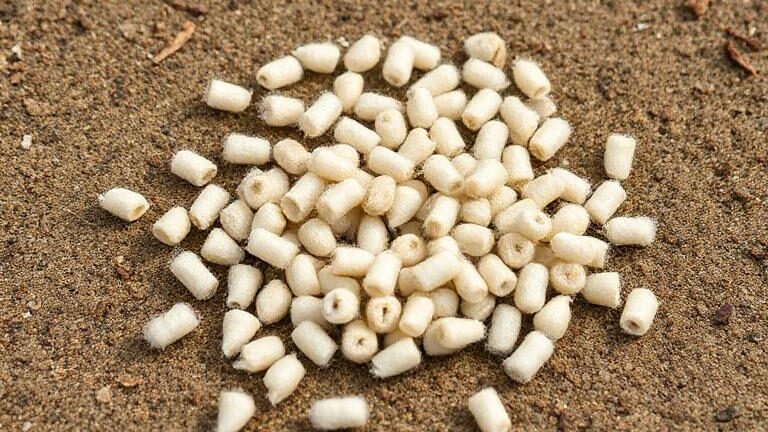
Crushed eggshells aren’t sharp enough when damp. The real winner is wool pellets. When wet, these swell into an impenetrable mat, preventing slugs from crossing, while breaking down slowly to enrich the soil with nitrogen. They are an excellent ethical way to help reduce slug munching on your plants, but they can be quite expensive if you have many plants to protect.
Beer Trap Setup: Getting It Right
You’ll need containers about three to five inches deep, cheap beer, and a few minutes per trap to dig, fill and set. The key is positioning rather than fancy equipment. I sometimes use deep lids of aerosols or sprays for mini slug traps. Alternatively, you can bury shallow tuperwears or plastic takeaway trays too!
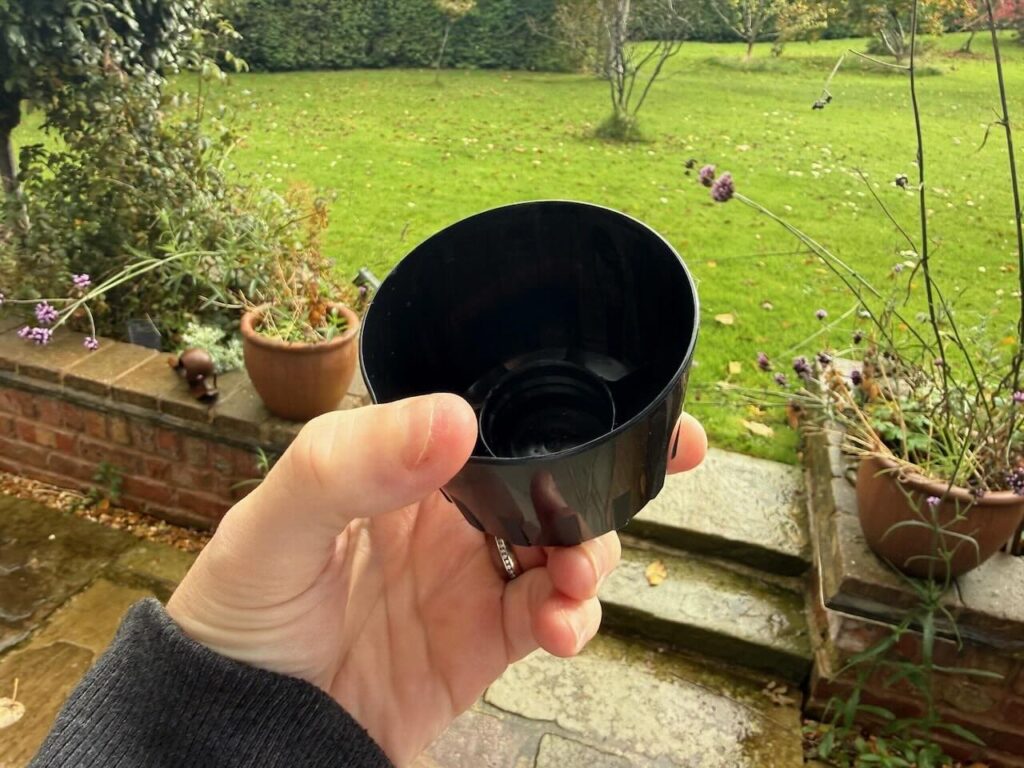
Dig a hole so the container rim sits exactly level with the surrounding soil. This is crucial; if the rim is above ground level, slugs will turn away. I would advise six to eight traps around a medium-sized vegetable garden near particularly vulnerable crops.

Fill each trap with an inch of cheap lager. The yeast attracts them, so you can make a substitute using water, sugar, and baker’s yeast. Mix two tablespoons of sugar with a teaspoon of yeast in a pint of warm water and use this instead.
Check traps every morning and empty them into your compost bin. Refill with fresh beer daily. After two weeks of consistent trapping, catches diminish dramatically. However, there is the ethical consideration of cruelty, and other mammals and insects might drown in them. Plus, emptying them is super gross as the slugs decompose!
Creating Less Hospitable Conditions
The single most effective modification is clearing slug hiding places near vulnerable plants. Empty pots at bed ends are perfect slug hotels. Old planks are slug hotels if left with damp crawl spaces. Keep areas surrounding vegetable beds relatively clear, and stack pots upside down or on top of a few bricks to allow light and air in.
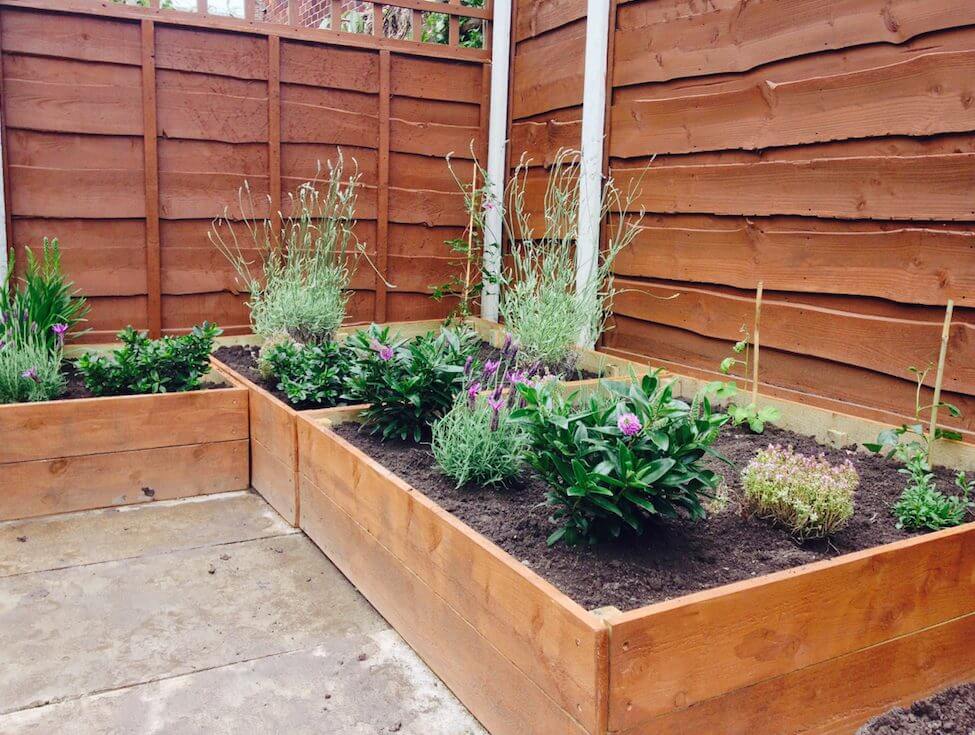
The edges of wooden raised beds, where soil meets the wood, especially if leaf litter is left, are where most slugs will hide. While I usually advocate for leaving leaves to rot down, this should be the exception if growing delicate crops or Hostas in raised beds.
Slugs need moisture to move, so water your crops and gardens in the morning rather than the evening. Soil surfaces dry out by nightfall when slugs become active. In slug-prone areas, morning watering genuinely reduces damage. For more watering guidance, check my garden watering tips.
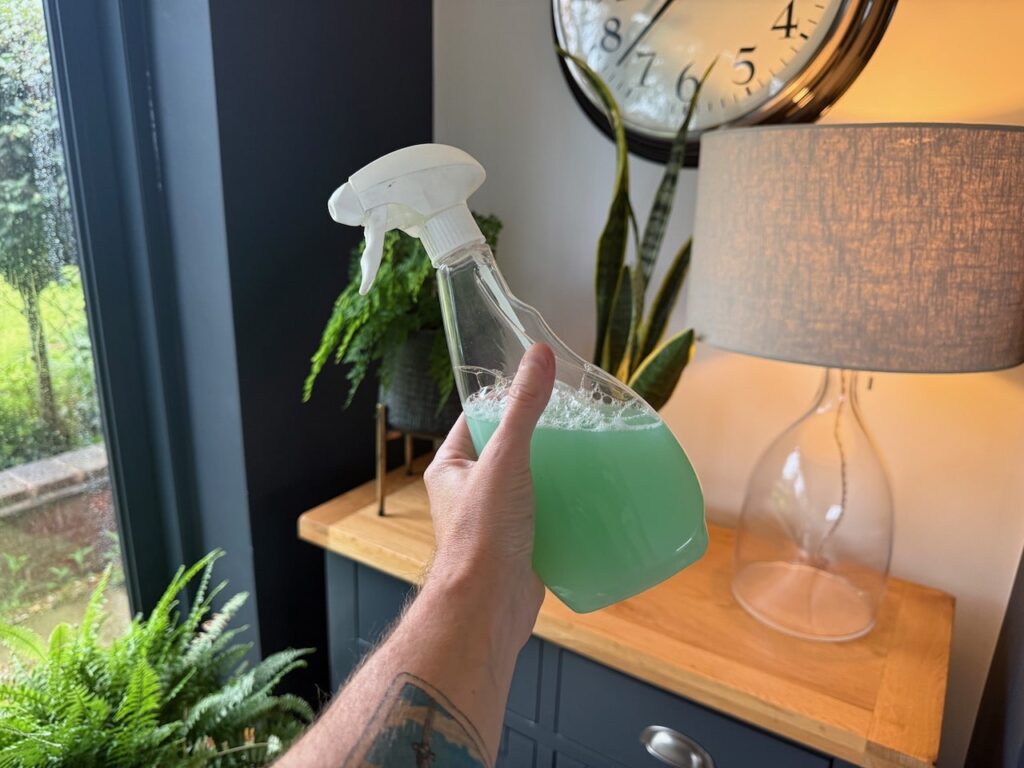
Slugs dislike strongly scented plants like garlic, chives, and aromatic herbs. I often plant cheap lettuce at bed edges as sacrifices, checking daily for slugs, which I remove by hand. This concentrates slug activity where you can manage it. You can also use garlic spray on your prize plants to help deter slugs, but it needs reapplying at least once a week, and you’ll need to wash your veg when you harvest them properly!
Encouraging Natural Predators
Creating habitat for creatures that eat slugs is the most satisfying control method. Frogs and toads are phenomenal slug predators, with a single toad eating hundreds of slugs over a season. Even a small pond the size of a washing-up bowl attracts these predators. I’ve seen dramatic reductions in slug damage after introducing ponds and places where frogs and birds can feed, take up a habitat or drink from!

Ground beetles are unsung heroes, with both adults and larvae feeding extensively on slug eggs and young slugs. You attract them by providing daytime hiding places like log piles, stone heaps, and areas of longer grass at garden edges. Notice how this is the opposite of removing hiding places near crops? You’re creating predator habitat away from vegetables.
Hedgehogs are brilliant slug predators, though sadly declining. Make your garden hedgehog-friendly with access holes in fences at ground level, avoiding pesticides, and providing shelter. I’ve installed hedgehog highways in dozens of gardens, and clients consistently report reduced slug problems alongside having these charming visitors. Thrushes smash snail shells on stones, so maintaining bird-friendly habitats helps too.
It’s about welcoming in more wildlife to keep your slughs and snails at a manageable level, remembering we don’t want to completely eradicate them as they are part of the food chain that all healthy gardens need!
Protecting Particularly Vulnerable Plants
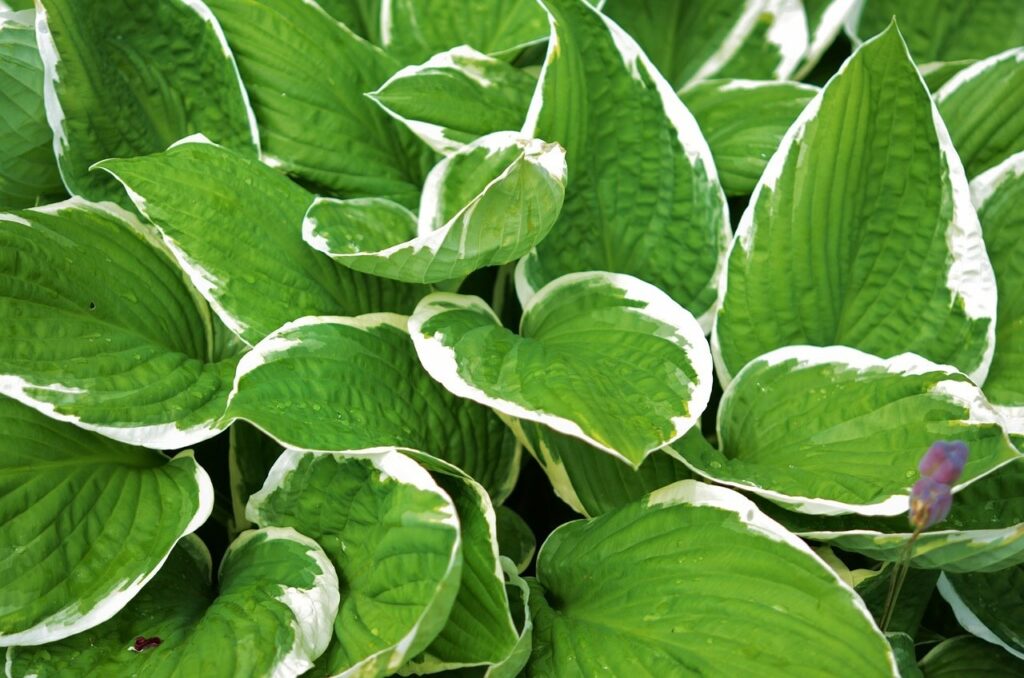
Some plants need specific protection beyond garden-wide control. Hostas are famously vulnerable, which is why they’re often grown in containers where copper tape can completely encircle them. If growing hostas in borders, surround each plant with wool pellets, diatomaceous earth or deeply sunk beer traps. In some cases, use all three! (For comprehensive hosta care, my complete hostas guide covers everything, including slug protection.)
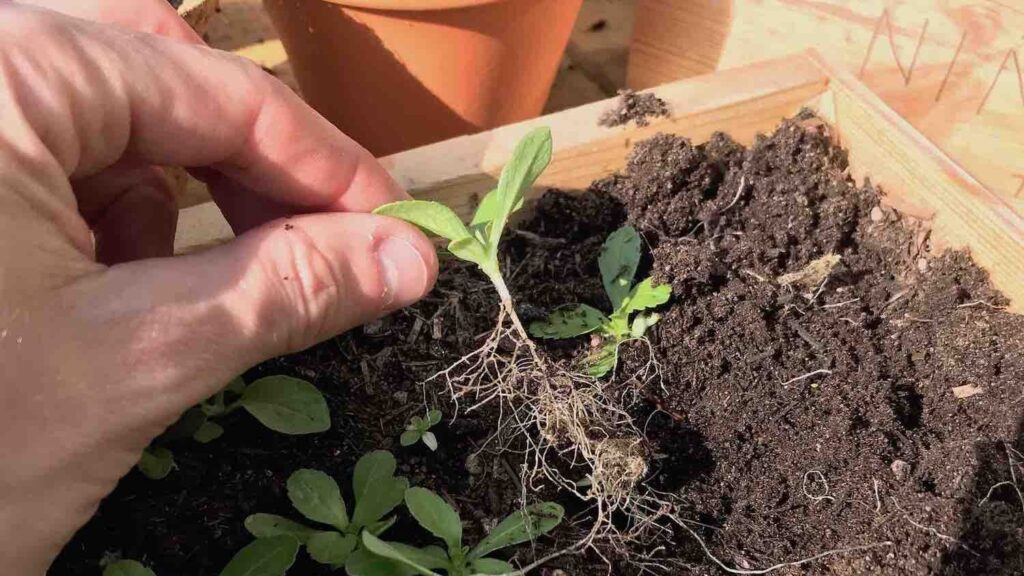
Young seedlings and transplants are particularly vulnerable because tender growth is exactly what slugs prefer. I protect vulnerable seedlings using clear plastic bottle cloches made from cutting the bottoms off large drinks bottles and pushing them into the soil around each plant. Once plants develop tougher stems and leaves, they become less appealing, and you can remove protection.
Salad crops need continuous protection throughout their growing season. I use a combination approach with beer traps around bed perimeters, wool pellet barriers directly around plants, and militant morning checks where I physically remove slugs. It takes only a few minutes daily, and the difference in crop quality is staggering. For vegetable growing guidance, check my beginner’s vegetable garden guide.
What Doesn’t Work: Saving Your Time and Money
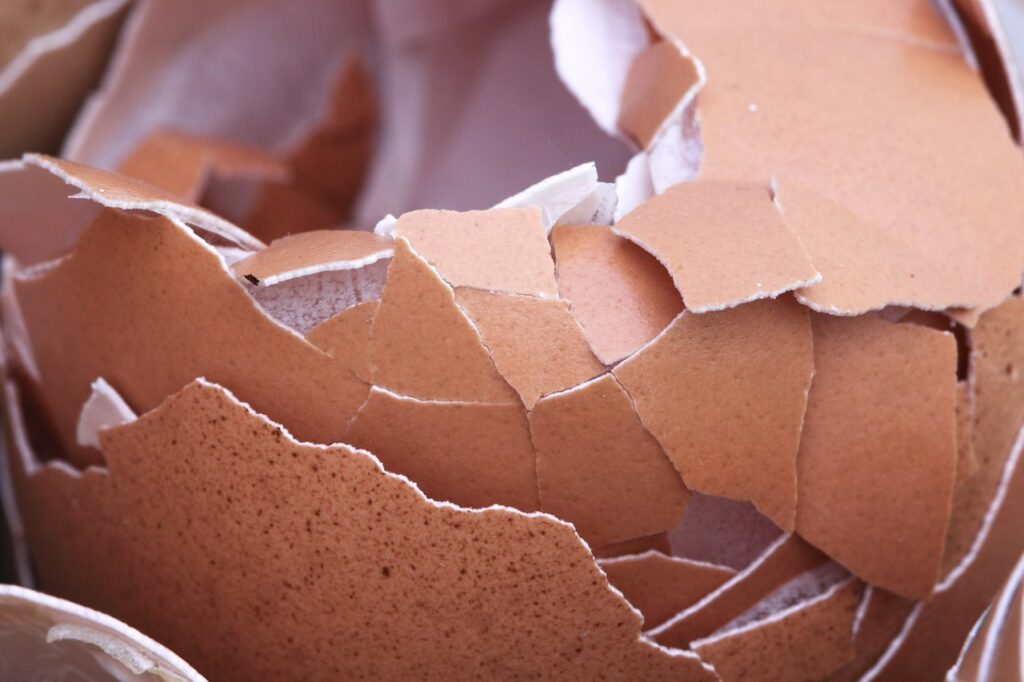
Let me save you the time and money I wasted trying methods that sound brilliant but deliver disappointing results. Crushed eggshells are probably the most commonly recommended slug deterrent that genuinely doesn’t work effectively. Eggshells aren’t nearly sharp enough when damp, and determined slugs cross them without hesitation. I’ve watched this happen countless times. Eggshells are brilliant compost material, but don’t waste time using them for slug control.
Coffee grounds face similar issues despite frequent online recommendations. The caffeine concentration in used coffee grounds is far too low to have any practical deterrent effect in actual garden conditions. Like eggshells, coffee grounds are valuable compost material, but they won’t protect your hostas no matter how thickly you spread them. Beginners often start with these free solutions, become disappointed, and give up instead of trying methods that actually work.
Ultrasonic repellers have shown no effectiveness in independent testing. Various granular barriers often work poorly after rain.
Simple beer traps, copper barriers properly applied, and wool pellets consistently outperform expensive alternatives in my extensive testing.
Seasonal Slug Control Strategies
Spring is critical because newly hatched slugs are feeding voraciously whilst your seedlings are establishing. I intensify control from April through June. Set up beer traps as you’re planting out, maintain physical barriers, and conduct regular morning patrols.
Summer control depends on the weather. I reduce beer trap frequency during dry spells but keep them positioned ready for rain. This is perfect for morning coffee and slug checks, removing any before they retreat.
Autumn brings a second surge as slugs prepare for winter by feeding heavily and laying eggs. Control efforts now prevent next spring’s problems. Do a thorough tidy up, move stacked pots, clear vegetation from bed edges, and check under anything that might harbour slugs. Finding egg clusters in autumn prevents hundreds from emerging next spring.
When Chemical Control Might Be Necessary
I’ve focused on non-chemical methods because they work brilliantly and avoid harm to pets and wildlife. However, severe infestations sometimes justify using slug pellets as part of an integrated approach. If you’re dealing with enormous slug populations or facing crop failure despite trying everything else, pellets can provide breathing space but do check which type you are using as metaldehyde old school pellets are incredibly harmful to birds and amphibians like frogs!
Traditional metaldehyde pellets are also harmful to pets and wildlife. Newer ferric phosphate-based products are far safer. Products containing ferric phosphate carry organic certification and are approved for wildlife-friendly gardening.
Most people spread pellets far too thickly. Think one or two pellets every six inches rather than handfuls everywhere. Apply in the evening when slugs are active, positioning around vulnerable plants.
Quick Reference: Slug Deterrent Summary
| Method | How Effective? | Best Used For |
|---|---|---|
| Beer Traps | Highly effective when positioned correctly at soil level | Vegetable beds, around vulnerable plants, general garden control |
| Copper Barriers | Very effective as continuous 2-inch wide barrier | Containers, raised beds, protecting hostas permanently |
| Wool Pellets | Effective, especially when wet and swollen | Individual plant protection, around seedlings |
| Hand Removal | Effective but labour-intensive | Small gardens, morning patrols, targeted control |
| Bottle Cloches | Highly effective physical barrier | Protecting seedlings and young transplants |
| Habitat Modification | Moderately effective, long-term benefits | Whole garden approach, reducing populations naturally |
| Natural Predators | Effective long-term, requires habitat creation | Sustainable control, frogs, beetles, hedgehogs |
| Morning Watering | Moderately effective, simple to implement | Containers, raised beds, reducing overnight activity |
| Ferric Phosphate Pellets | Highly effective for severe infestations | Emergency use, heavy populations, last resort |
| Crushed Eggshells | Ineffective in practice | Don’t waste your time; use for compost instead |
| Coffee Grounds | Ineffective in garden conditions | Don’t waste your time; use for compost instead |
Final Thoughts: Living With Slugs
Effective slug control isn’t about achieving total elimination but about reducing populations to manageable levels where occasional nibbled leaves are acceptable rather than having entire crops destroyed. The gardeners I know who are most successful with slugs have accepted that some damage will occur and have made peace with that reality. They focus protection on particularly vulnerable crops and plants, tolerate minor damage on tougher specimens, and maintain consistent control methods.
The methods I’ve shared genuinely work when applied correctly and consistently. Beer traps positioned properly catch hundreds of slugs over a season. Copper barriers installed correctly create impenetrable boundaries. Wool pellets provide excellent protection when maintained. The combination of these approaches, supported by habitat modification and encouraging natural predators, keeps slug populations manageable without requiring expensive products or excessive time commitment. Start with one or two methods that suit your garden situation, apply them properly, and you’ll see dramatic improvements within weeks.
Remember that slug control is seasonal work requiring different intensities at different times. Focus your energy on spring and autumn when slug activity peaks. Use summer to refine your techniques and maintain barriers. Come winter, do a thorough clear up to remove overwintering sites and egg clusters.
Now get out there and show those slugs who’s boss! Set up those beer traps properly, install copper barriers around your vulnerable plants, and stop wasting time on methods that don’t actually work. Your hostas, lettuce, and seedlings will thank you for taking proper action.
Happy gardening!



Lee Burkhill
Lee Burkhill, known as the Garden Ninja, is an award-winning garden designer and horticulturist with over 30 years of gardening experience and 15 years as a professional garden designer. A qualified RHS (Royal Horticultural Society) professional, Lee specialises in sustainable garden design and practical horticultural advice. He designs and presents on BBC1’s Garden Rescue and in leading gardening publications. Lee combines three decades of hands-on gardening knowledge with professional design qualifications to help gardeners create beautiful, functional outdoor spaces.
View all posts by Lee Burkhill







Categories
Other posts
-

Start here: to begin your gardening journey! Read more
-
Help, Why Is My Snake Plant Drooping? Your Complete Rescue Guide Read more
-
Can AI Design My Garden? The Truth About Artificial Intelligence Garden Design Tools Read more
-
When to divide, lift and split spring bulbs? Read more
-
What is Silverleaf Disease? How to Prevent and Treat It: A Beginner’s Guide Read more
-
The Best Garden Spades and Forks to Buy: 2025 Complete Tool Guide Read more