-
Can I Prune Trees in the Winter?
 Lee Burkhill: Award Winning Designer & BBC 1's Garden Rescue Presenters Official Blog
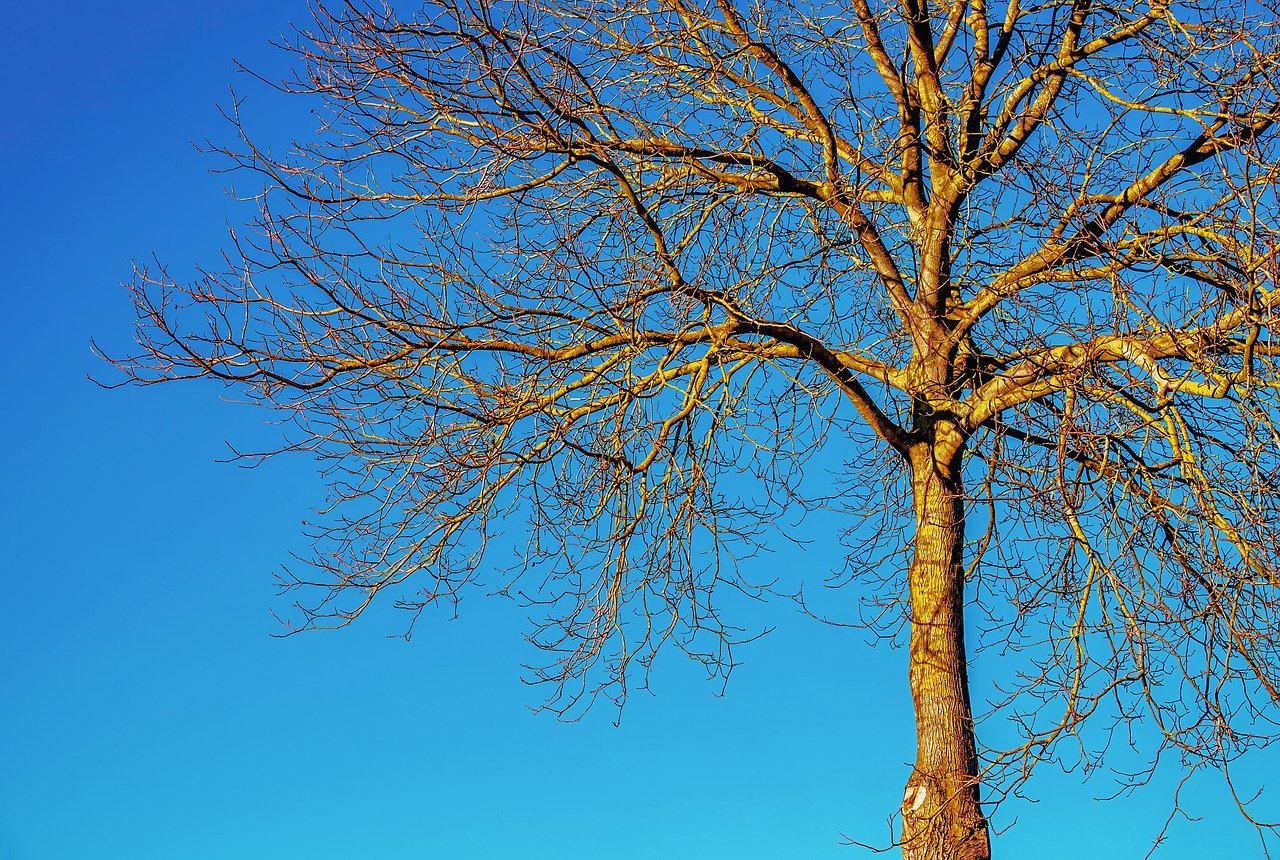
Winter tree pruning can transform your garden, but get it wrong and you could kill your trees. Most deciduous trees love winter pruning when dormant, but cherries and plums must never be pruned in winter due to deadly silver leaf disease. This complete guide reveals exactly which trees to prune and when.
Yes, winter is the best time to prune most deciduous trees. When trees are dormant (from November to late February), they heal faster, diseases are inactive, and you can clearly see the tree’s structure without leaves. However, some trees like cherries, plums and other members of the Prunus family should never be pruned in winter due to silver leaf disease. Additionally, slow-growing trees like Japanese maples need minimal pruning regardless of season.
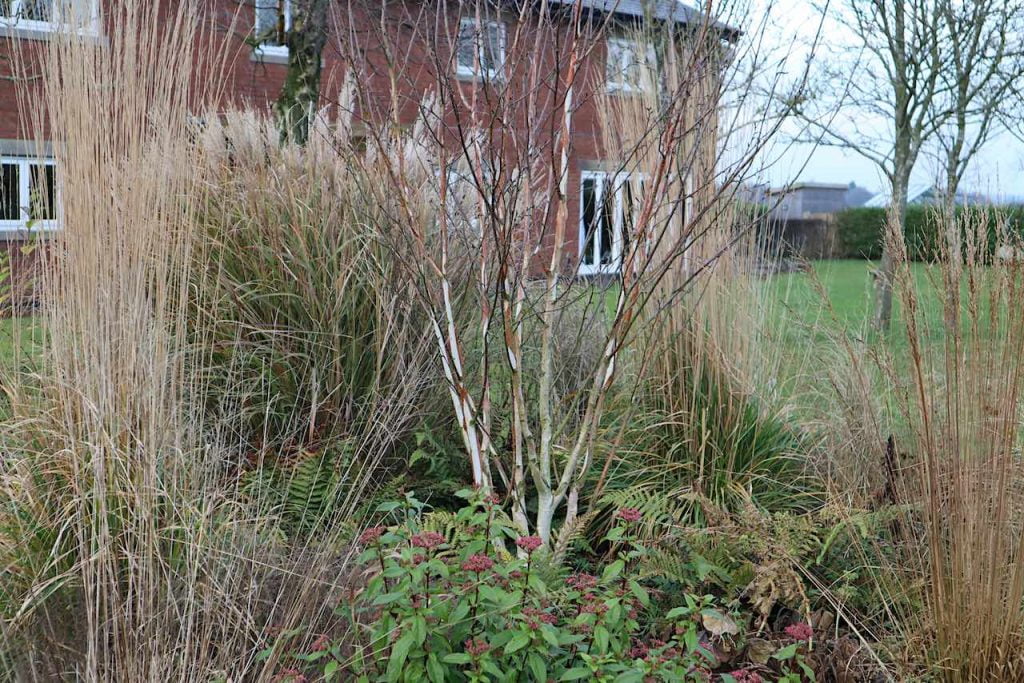
Right, let’s dig deeper into when you can and cannot prune trees in winter, because this is one of those gardening topics where getting it wrong can literally kill your tree.
Why Winter Pruning Works for Most Trees
Winter pruning works brilliantly for most deciduous trees because they’re essentially asleep. When a tree is dormant, it’s not actively growing or moving sap around its system. This means that when you make a pruning cut, the tree isn’t stressed trying to heal while also growing new leaves, flowers, or fruit. It can focus all its energy on sealing that wound properly.
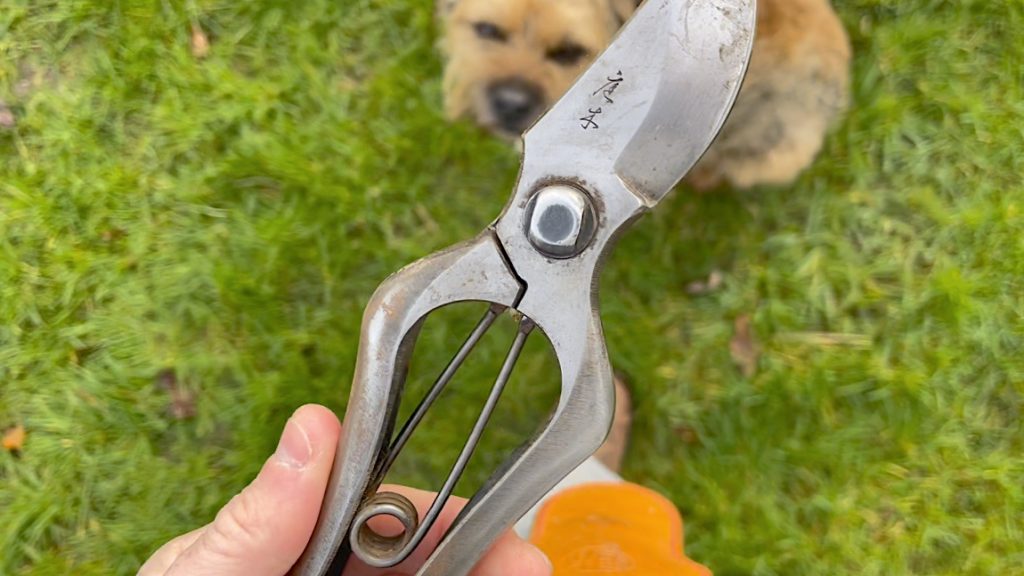
The other massive advantage is that diseases, fungi and pests are also dormant or dead during winter. This dramatically reduces the risk of infection through pruning cuts. Bacterial canker, fungal spores and all sorts of nasties that would happily invade a fresh wound in summer are nowhere to be seen in January.
Finally, and this is the practical bit, you can actually see what you’re doing. Without leaves obscuring the branch structure, you can spot dead wood, crossing branches, poor angles and structural problems that would be invisible in summer. This makes for far better pruning decisions and a healthier tree long term.
Deciduous Trees That Love Winter Pruning
Most deciduous trees (those that drop their leaves in autumn) respond brilliantly to winter pruning. This includes:
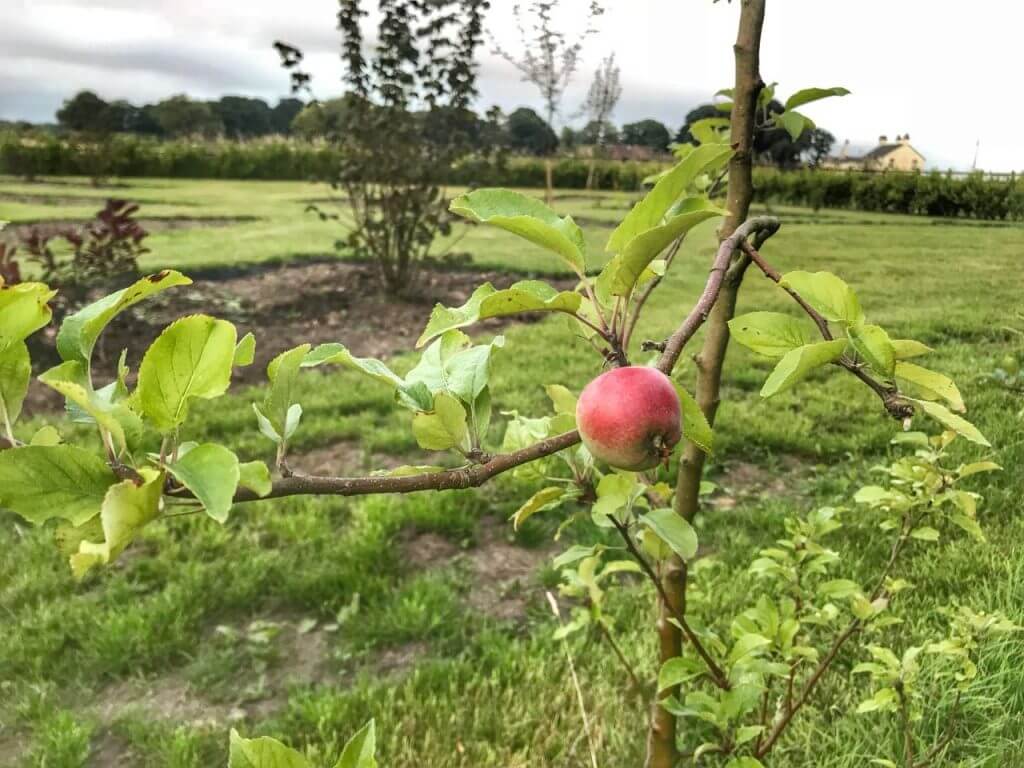
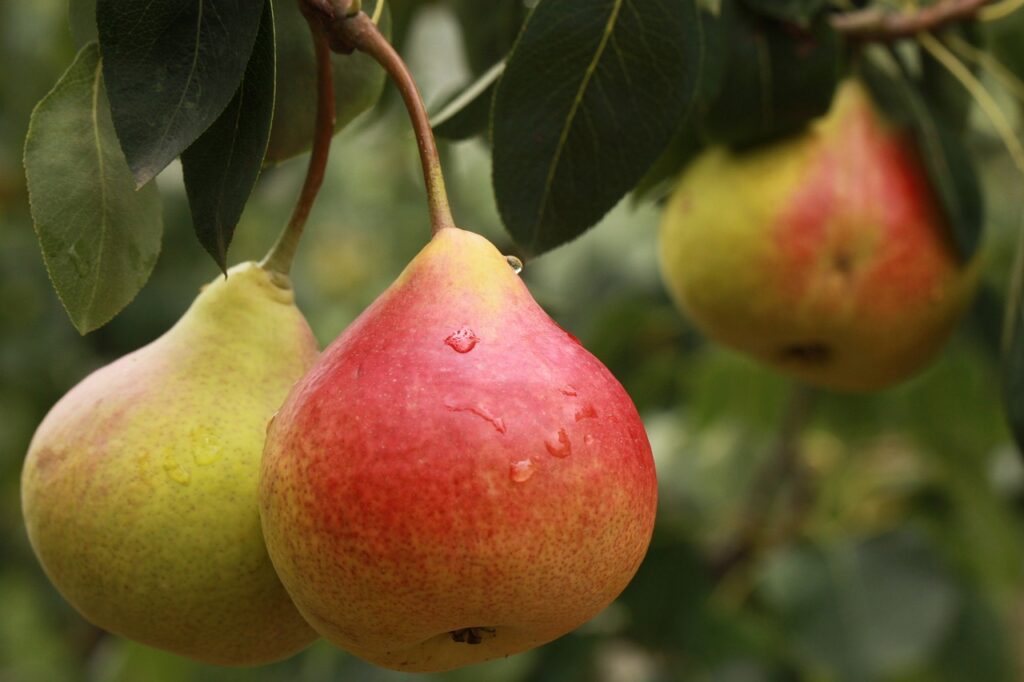
Apple and pear trees are classic winter pruning candidates. You can see my fruit tree pruning advice in the forum where I explain formative pruning for young trees. Winter cuts on apples and pears stimulate vigorous growth the following spring, which is exactly what you want for fruit production.
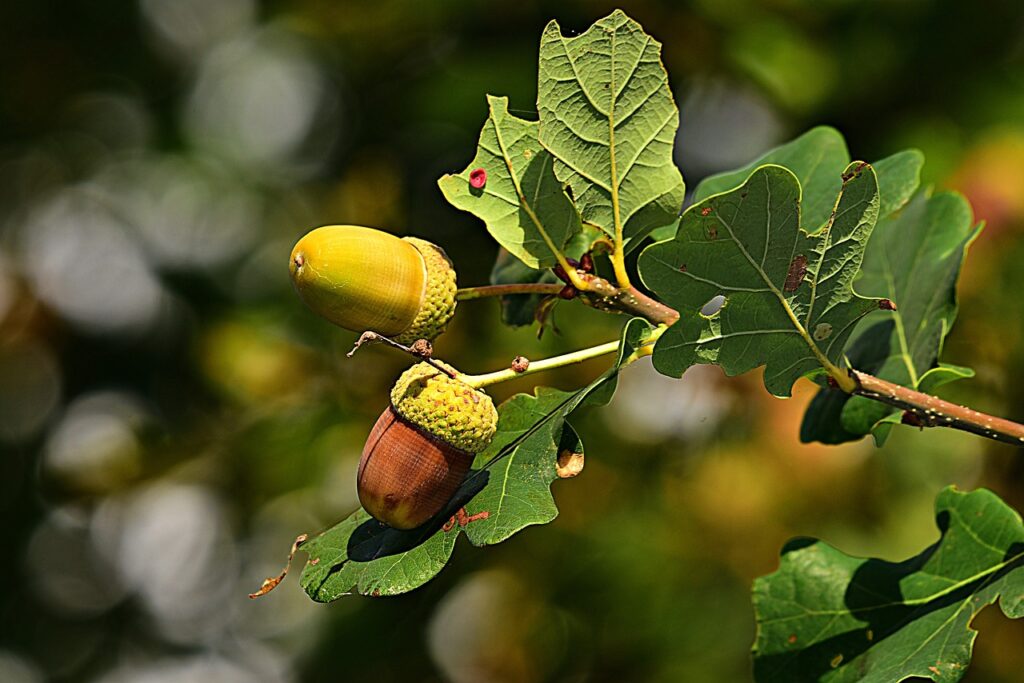
Oak and elm trees should only ever be pruned in winter. These trees are susceptible to devastating diseases like Dutch elm disease and oak wilt, which spread rapidly during the growing season via beetles and other insects. Winter pruning, when these vectors are dormant, is the only safe option.
Birch, beech and walnut trees can be pruned in winter, though they will “bleed” sap from the cuts. Don’t panic about this. Whilst it looks alarming, it doesn’t harm the tree and the flow will stop once growth begins in spring.
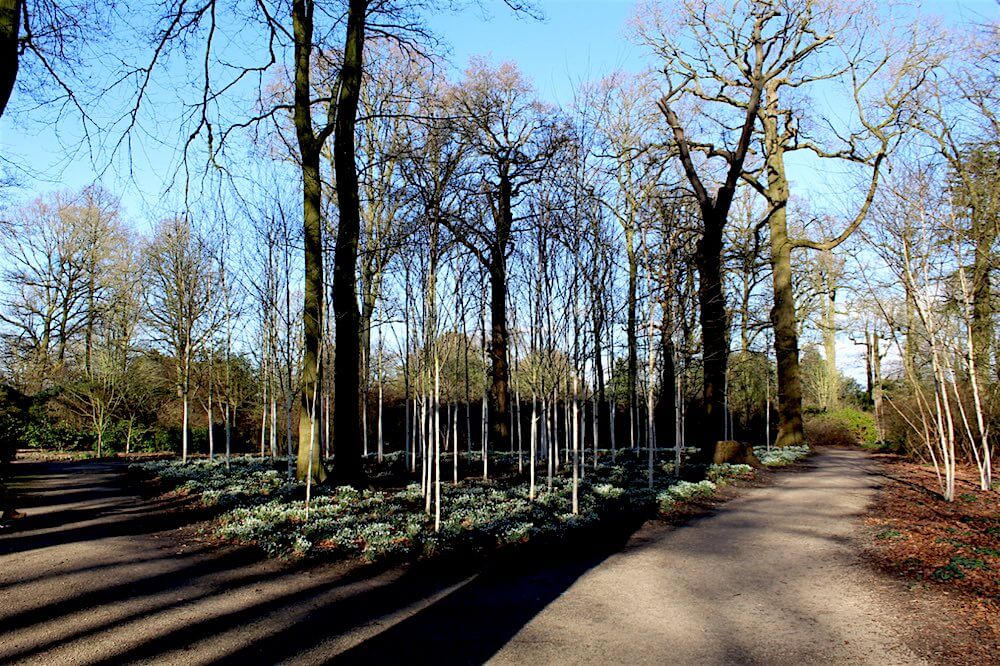
Mature pear trees benefit from winter cuts to control size and encourage fruiting. As I explain in the forum, winter cuts stimulate growth whilst summer cuts curtail it, so you can use timing strategically depending on your goals.
Winter Pruning Guide: 20 Popular Garden Trees
| Tree Name | Winter Pruning Window | Important Notes |
|---|---|---|
| Apple | November to March | Ideal for winter pruning. Stimulates growth. |
| Pear | November to March | Perfect winter candidate. Encourages fruiting. |
| Cherry | NEVER in winter | Prune July/August only. Silver leaf risk. |
| Plum | NEVER in winter | Summer pruning only. Silver leaf disease. |
| Oak | December to February | Winter only to prevent oak wilt disease. |
| Elm | December to February | Winter only to prevent Dutch elm disease. |
| Birch | November to January | Will bleed sap but won’t harm tree. |
| Beech | November to March | May bleed. Good winter pruning candidate. |
| Japanese Maple (Acer) | November to January | Minimal pruning only. Slow growing. |
| Walnut | November to January | Will bleed heavily but safely prunable. |
| Hawthorn | November to March | Excellent for winter hedge trimming. |
| Rowan (Mountain Ash) | November to March | Tolerates winter pruning well. |
| Ash | November to March | Good winter pruning tree. |
| Willow | November to March | Can be coppiced or pollarded in winter. |
| Lime (Linden) | November to March | Responds well to winter pruning. |
| Hornbeam | November to March | Perfect for winter hedge maintenance. |
| Hazel | November to March | Traditional coppicing done in winter. |
| Amelanchier | November to February | Minimal pruning needed. |
| Magnolia | Avoid winter | Prune after flowering if needed. Minimal pruning. |
| Quince | November to March | Good winter pruning for fruit production. |
This table makes it crystal clear which trees benefit from winter pruning and which require different timing. Notice how cherry and plum stand out as the critical exceptions.
The Critical Exception: Never Prune Cherries in Winter
This is where many gardeners get it catastrophically wrong. Cherry, plum, apricot and damson trees (all members of the Prunus genus) must never be pruned during winter. The reason is a fungal disease called silver leaf (Chondrostereum purpureum) that can literally kill your tree.
Silver leaf spores are most active from September through May. When sap isn’t rising in winter, these spores can easily enter pruning wounds and infect the tree. The rising sap in summer acts as a natural barrier, pushing spores out of wounds. This is why we prune Prunus trees only in late summer (July or August) after they’ve fruited.
I’ve covered this extensively in my established cherry tree pruning guide on the forum and my young cherry tree advice. The key message is simple: prune cherries and plums in summer, never in winter.
The same rule applies to ornamental flowering cherries and other Prunus species. If you’ve got a paperbark maple or other trees with dead branches, you can remove deadwood at any time because there’s no sap flow, but living wood on Prunus must wait until summer.
Peach trees also fall into this category. As I explain in my peach tree pruning forum post, we prune these in late summer after fruiting, never in winter, specifically because of silver leaf risk.
Trees That Need Minimal or No Pruning
Some trees are best left largely unpruned regardless of season. These naturally form elegant shapes without intervention, and heavy-handed pruning can actually ruin their structure.
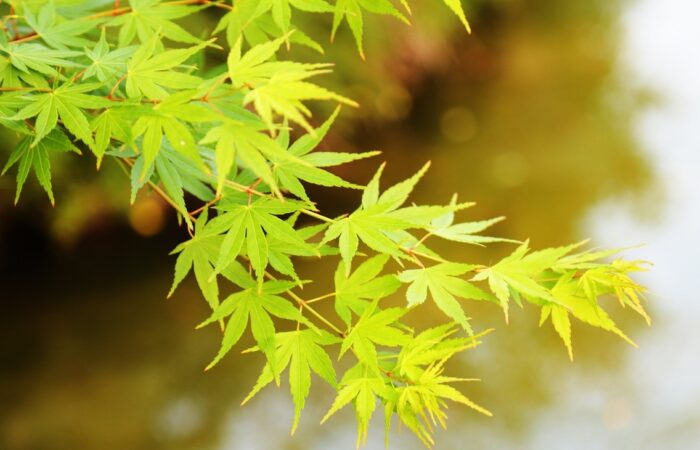
Japanese maples (Acer palmatum and Acer japonicum) are the prime example. These slow-growing beauties develop naturally graceful forms over decades. As I explain in my Acer pruning forum advice, acers are super slow-growing, taking years to recover from hard pruning. A light touch is essential.
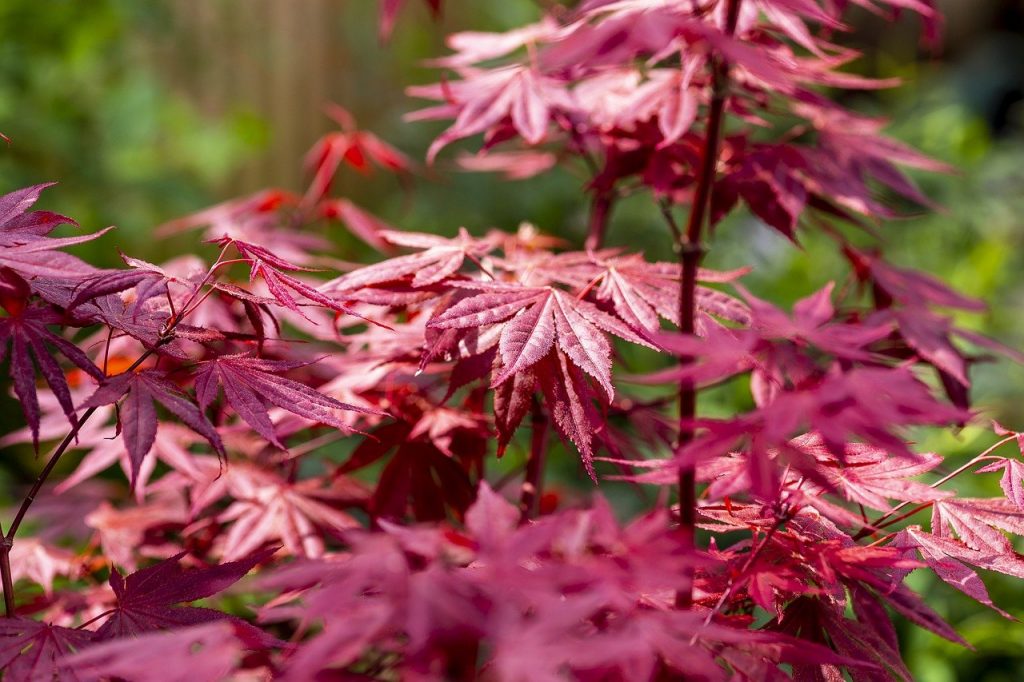
Japanese maples only need:
- Removal of dead, diseased or damaged wood (the three Ds)
- Occasional thinning of crossing branches
- Very light shaping if absolutely necessary
If you do need to prune an acer, winter (November to January) is the right time, but keep it minimal. These trees naturally form beautiful tiered structures with sweeping branches. Over-pruning destroys this natural architecture. Less is genuinely more with acers.
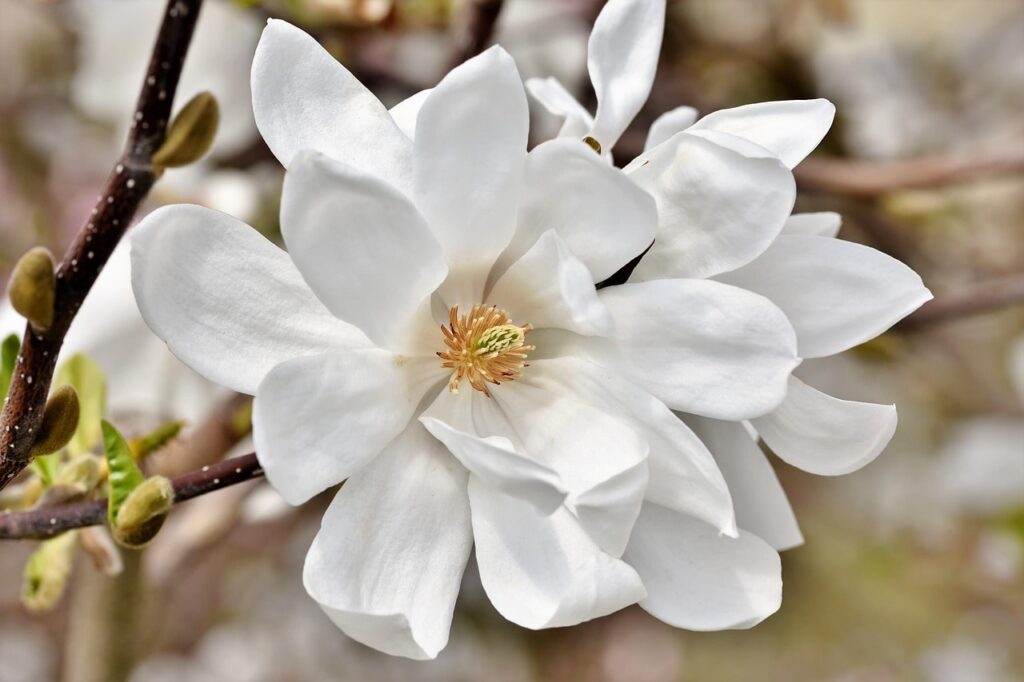
Other slow growing ornamental trees like magnolias, cornus and many conifers need little to no regular pruning. With conifers in particular, as I discuss in my conifer pruning forum post, there’s no way to regenerate them with hard pruning. Once a conifer has put on growth, you cannot cut it back to old wood and expect regrowth.
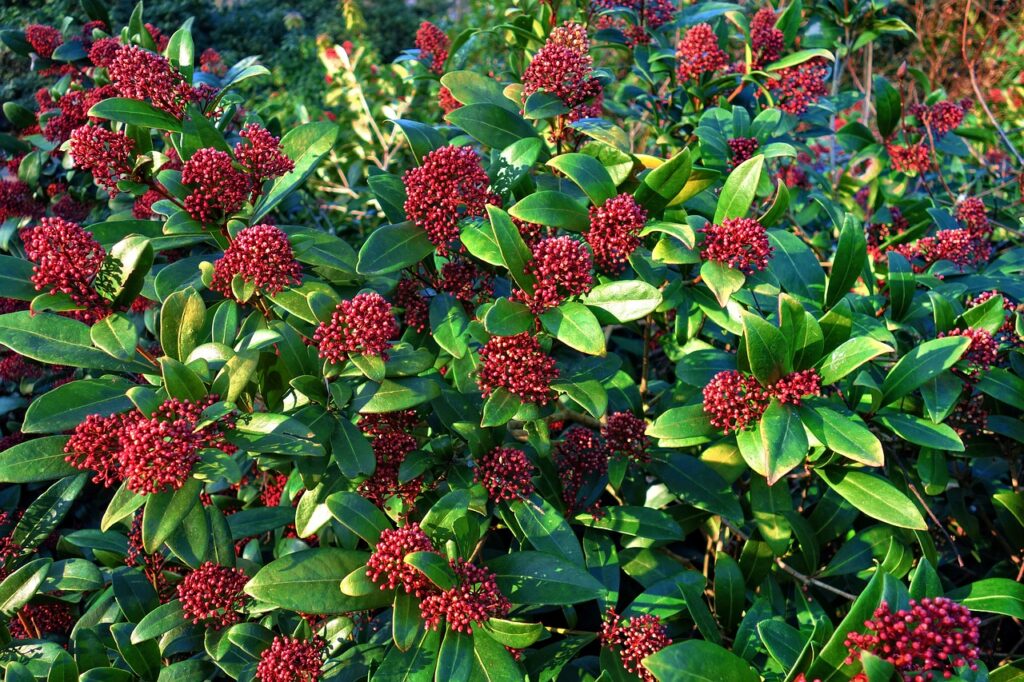
Evergreen trees generally need less pruning than deciduous varieties. Species like holly, bay and some pines naturally maintain good form. When they do need pruning, late winter or early spring before new growth starts is usually best, though specific timing varies by species.
Evergreen Trees and Winter Pruning
Evergreens are trickier than deciduous trees because they never fully go dormant. Most broad-leaved evergreens like holly, laurel and bay can be lightly pruned in late winter (February to early March), but avoid heavy pruning during the coldest months.
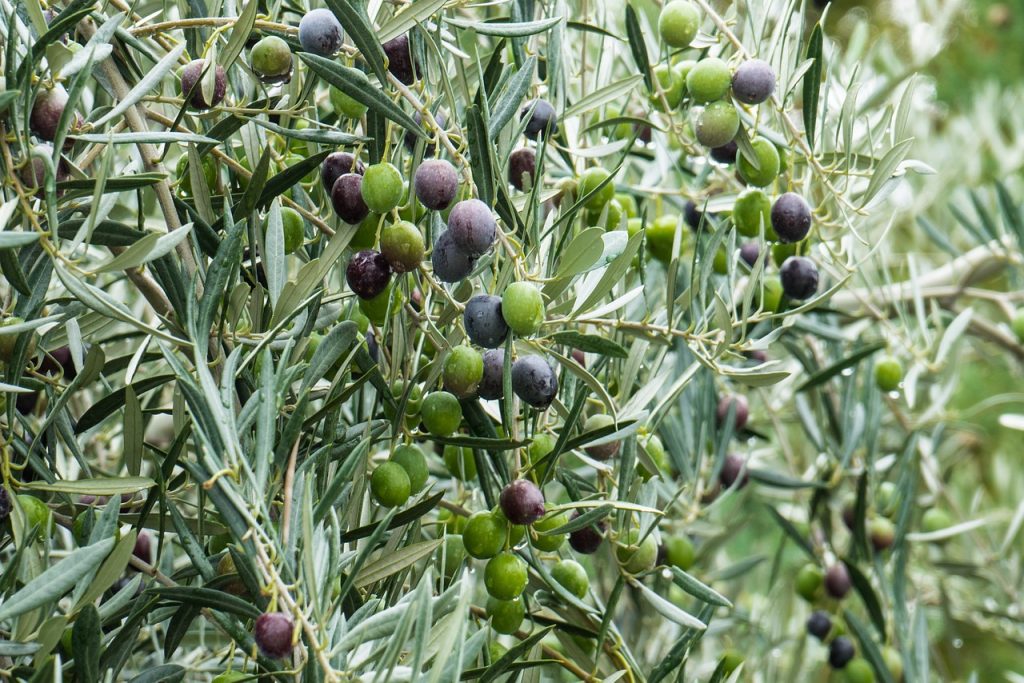
Olive trees are evergreen and should ideally be pruned in late winter to early spring, whilst still dormant but before new growth begins. As I explain in my olive pruning advice, deadwood can be removed any time, but major structural pruning should wait for late winter.
Coniferous evergreens like pine, spruce and fir rarely need pruning. When they do, late winter is acceptable, but remember that conifers cannot regenerate from old wood. Any pruning must be light and limited to newer growth.
Practical Winter Pruning Tips
When you do prune in winter, follow these guidelines:
1) Choose mild, dry days
Avoid pruning when temperatures are below freezing or during wet weather. This reduces stress on the tree and prevents water borne diseases spreading.
2) Use sharp, clean tools
Blunt tools crush rather than cut, creating larger wounds that take longer to heal. Clean your secateurs between trees with diluted bleach or methylated spirits to prevent disease transmission.
3) Make clean cuts at 45 degree angles
Just above outward facing buds or lateral branches. Never leave stubs as these invite decay.
4) Don’t over prune
Remove no more than one third of a tree’s crown in any single year. Over pruning stresses trees and triggers excessive weak growth the following season.
5) Work gradually with large trees
If a tree needs serious size reduction, spread the work over two to three years rather than shocking it with one massive prune.
6) Never “top” trees by cutting straight across the main trunk.
Unless you really know what you’re doing. This creates weak, ugly regrowth and structural problems. Always prune back to lateral branches.
Safety and When to Call Professionals
Finally, know your limits. Tree work can be genuinely dangerous. If you need to use ladders, climb trees, work near power lines or deal with large branches overhead, call a qualified tree surgeon. A certified arborist has the training, equipment and insurance to handle complex or dangerous pruning safely.
For ground level work on smaller trees, you can absolutely tackle winter pruning yourself armed with sharp secateurs, loppers and a pruning saw. Just follow the guidelines above and remember: you can always take more off later, but you cannot glue branches back on.
Winter pruning is one of gardening’s great satisfactions. Standing in a crisp winter garden with sharp tools, methodically improving tree structure and health, sets your trees up for vigorous spring growth and years of beauty. Just remember the golden rules: most deciduous trees love winter pruning, but never, ever prune cherries and plums in winter, and some trees like acers barely need pruning at all.
Get it right, and your trees will thank you with decades of healthy growth and structure.
If you have questions or comments on pruning, why not let me know below? You can Tweet, Facebook or Instagram me. You can also follow me on YouTube, where I’ve got plenty of garden guide vlogs!


Lee Burkhill
Lee Burkhill, known as the Garden Ninja, is an award-winning garden designer and horticulturist with over 30 years of gardening experience and 15 years as a professional garden designer. A qualified RHS (Royal Horticultural Society) professional, Lee specialises in sustainable garden design and practical horticultural advice. He designs and presents on BBC1’s Garden Rescue and in leading gardening publications. Lee combines three decades of hands-on gardening knowledge with professional design qualifications to help gardeners create beautiful, functional outdoor spaces.
View all posts by Lee Burkhill







Categories
Other posts
-

Start here: to begin your gardening journey! Read more
-
Apple Harvest Guide: What to do with Apples Once You’ve Harvested Them Read more
-
Dianne Oxberry ‘Sunshine Garden’ for BBC North West Read more
-
How to repot a plant: container gardening top tips Read more
-
Top 20 Perennial Flowering Plants for Full Sun in the UK: Beginner Bullet-Proof Plants Read more
-
How to Chit Potatoes: The Complete UK Guide for Beginners Read more