Beginners Guide to Hampton Court Flower Show: What to See & How to Make the Most of Your Day
Lee Burkhill: Award Winning Designer & BBC 1's Garden Rescue Presenters Official Blog
Beginner level
So you've got your ticket in hand for Hampton Court Palace Garden Festival and you're buzzing with excitement. You can't wait to see what's on offer across those sprawling 31 acres. However, some key pieces of advice will help you avoid pitfalls and physical fatigue whilst maximising your enjoyment. You can put your mind at rest and enjoy the world's largest flower show in all its glory.
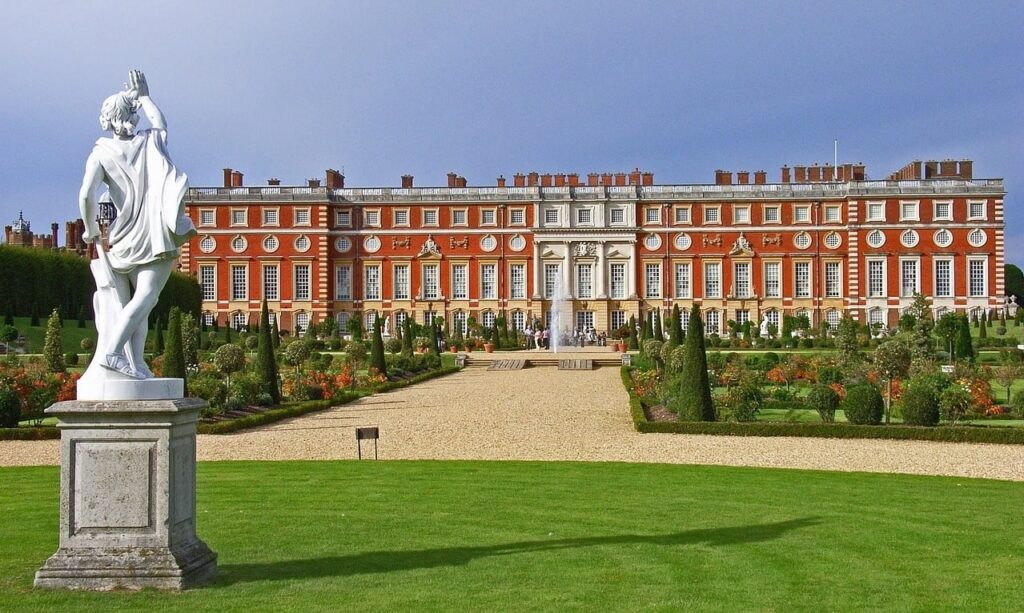
Hampton Court Palace Garden Festival is the world’s largest annual flower show, sprawling across a magnificent 31 acres in the historic grounds of Hampton Court Palace. Unlike its more formal cousin, Chelsea, Hampton Court has a relaxed, family-friendly vibe that welcomes everyone from seasoned gardeners to complete novices.
Given this is 2025’s final show before it becomes biennial (returning in 2027), many first time visitors are wondering what to expect, what to wear and how to prepare. Don’t panic; Garden Ninja is here to give you the complete lowdown on how to make the most out of your Hampton Court virginity!
The main advice is that whilst Hampton Court is significantly larger than Chelsea, it’s far more relaxed in pace and atmosphere. You’ll have room to breathe and space to sit, genuinely enjoying yourself without being crushed in crowds. The scale can be overwhelming, though, so planning is key to seeing what matters most to you.
Before you do anything, buy a programme (also known as the ‘Show Guide’) when you arrive. It’s the best way to work out what you want to see, plan your route and if you get separated from your group, you have something to read whilst waiting for them to find you!
Right, let the insider tips and advice on the Beginners Guide to Hampton Court Palace Garden Festival begin!
1. Wear comfortable, flat footwear
Whilst Hampton Court has a more relaxed atmosphere than Chelsea, you’re still going to be doing an absolute ton of walking. We’re talking 31 acres of showground here, which is roughly the size of 23 football pitches. That’s a serious amount of ground to cover, and trust me, your feet will know about it by lunchtime.
The terrain at Hampton Court varies from grass to hard pathways, with the occasional slope thrown in for good measure. Those stilettos you’ve been saving for a special occasion? This isn’t that occasion. Save them for the pub afterwards when you can sit down and prop your feet up with a well-deserved pint.
I’ve lost count of the number of visitors I’ve seen at Hampton Court hobbling about or rubbing their blistered feet by mid-afternoon. It’s entirely avoidable with one simple decision: wear comfortable, flat footwear.
Think trainers, walking shoes or supportive sandals if it’s scorching. Avoid heels, flip flops, fashion footwear and anything with trailing laces that might catch on the uneven ground.
Your feet will thank you, and you’ll actually be able to enjoy the show rather than counting down the minutes until you can sit down.
2. Use the toilet facilities strategically
Now I know it might seem a bit early to bring up toilets in a guide to Hampton Court Palace Garden Festival, but this is genuinely important. Unlike Chelsea’s compact site with three toilet blocks, Hampton Court is spread over a vast area, and toilet facilities are scattered around the perimeter of the showground.
The good news is there are more facilities given the larger site. The less good news is that during peak times, queues can still build up, and you might find yourself a 15 minute walk away from the nearest loos when nature calls. Given you’ll be drinking plenty of water in the heat (which you absolutely should be), this is worth planning for.
My advice? Use the toilets when you see them, especially before heading into the busier marquee areas. Make a mental note of where they are as you move around the site. The queues are generally shorter at Hampton Court than at Chelsea, but during lunchtime and mid-afternoon, you might still find yourself waiting. Better to go when you spot them rather than desperately searching later.
The facilities themselves are well maintained, and on hot days, they can actually provide a welcome break from the sun. So don’t be shy; nip in when you can!
3. What to wear at Hampton Court Palace Garden Festival?
Hampton Court has a far more relaxed dress code than Chelsea. You’ll see everything from full-on floral finery to casual shorts and T-shirts, and absolutely everything in between. There’s no pressure to dress up here, though plenty of people still enjoy making an occasion of it.
The key consideration isn’t fashion; it’s the weather. July in England can be gloriously sunny, absolutely drenched in rain or anywhere in between, sometimes all on the same day. Temperatures can soar into the high 20s or even touch 30 degrees, turning those marquees into furnaces. It can also rain sideways and leave you soaked.
Layering is your friend. Think light, breathable fabrics that you can add to or peel off as the day progresses. A light waterproof jacket that packs down small is worth its weight in gold if the heavens open. A sun hat or cap is essential for sunny days; there’s very little shade on some parts of the showground and heatstroke will ruin your day faster than you can say “herbaceous border.
I learned this lesson the hard way a few years back when I wore a Harris Tweed jacket to an RHS show in 26 degree heat because I thought I’d look the part. Within an hour I was a sweaty, regretful mess. Don’t be me. Dress for comfort and practicality first, style second. You’ll enjoy your day infinitely more.
4. Take a bag and pack the essentials
Security at Hampton Court is thorough but bags are absolutely allowed and I’d go as far as saying essential. You’re going to be picking up leaflets, plant lists, business cards from exhibitors and possibly making impulse purchases. Without a bag, you’ll end up with armfuls of bits that you’ll inevitably drop or lose.
A backpack is ideal because it distributes weight evenly, keeps your hands free for taking photos and can double up as a makeshift cushion if you end up sitting on the grass somewhere, which you definitely will. Cross body bags work well too. Avoid anything with awkward straps that dig in after a few hours.
Essential bag items you should take:
Water: This is non negotiable. A refillable water bottle will save you money and keep you hydrated throughout the day. There are water refill points around the site.
Suncream: Even on cloudy days, you can burn. Reapply throughout the day, especially on your neck and arms.
Snacks: Food queues can be long and whilst there’s plenty of choice, having emergency snacks means you won’t get hangry whilst queuing.
Packed lunch: Speaking of food, there’s no reason not to bring your own. You’ll save a fortune and can eat whenever you fancy rather than battling crowds at peak times.
Picnic blanket or kneeling mat: Hampton Court has loads of grassy areas perfect for sitting and having a breather. A blanket transforms your experience; trust me on this.
Fizz or wine: Yes, you can absolutely take your own booze! Crack open a bottle on the grass and enjoy the atmosphere. Far cheaper than buying on site.
Programme: Pick this up when you arrive. It’ll help you navigate and plan your day strategically.
Hat and sunglasses: For sunny days. Your future self will thank you.
Light waterproof jacket: For those inevitable British summer showers.
5. How long do you need to visit Hampton Court Palace Garden Festival?
The honest answer is that you could easily spend two full days at Hampton Court and still not see everything in detail. Most people spend between five to seven hours on site, which gives you enough time to see the main show gardens, explore the marquees, grab lunch and have a proper wander around.
If you’re a serious plant enthusiast or garden designer looking to soak up every detail, you’ll want longer. If you’re coming primarily for inspiration and a lovely day out, five hours is about right. The key is not to rush. Hampton Court’s magic is in its relaxed pace. You can actually breathe here, sit on the grass, enjoy the moment without being swept along in a slow moving crowd like at Chelsea.
I’d recommend arriving as close to opening as you can manage, exploring the main areas in the morning when it’s cooler and less busy, having a leisurely lunch somewhere on the grass, then spending the afternoon browsing the shopping areas and any gardens or displays you missed.
Don’t try to see everything. You’ll wear yourself out and won’t enjoy anything properly. Pick your priorities, see those well and accept that you’ll miss things. That’s fine. It’s all part of the experience.
6. Hampton Court is far more family friendly than Chelsea
This is a massive point and one of Hampton Court’s greatest strengths. Unlike Chelsea, which doesn’t allow children under five and charges full adult prices for anyone aged five and over, Hampton Court actively welcomes families. Children aged 16 and under go absolutely free, though you do need to book a free ticket for children aged 5 to 16 through the RHS website.
Under fives also go free and, crucially, pushchairs and prams are allowed. This is a game changer for families with young children. The showground is accessible, there are family areas with activities designed specifically for children and the whole atmosphere is geared towards making gardening appealing to the next generation.
There’s usually a children’s trail with stamps and prizes, scarecrows designed by local schools dotted around the site and interactive areas where kids can get hands on with gardening activities. The more relaxed pace means children won’t get overwhelmed by crowds, and the grassy areas provide perfect spots for them to have a run around when they need to burn off energy.
That said, it’s still a long day and you know your children best. Younger children will tire, so factor in rest breaks, snacks and realistic expectations about how much ground you’ll cover.
7. Dogs are welcome (with important caveats)
Unlike Chelsea, where only assistance dogs are permitted, Hampton Court allows well behaved pet dogs. However, there are strict rules. One dog per booking only, they must be kept on a lead at all times and you need to fully consider whether the show environment is suitable for your pet before deciding to bring them.
Here’s the crucial detail many people miss: dogs are not allowed through the Palace grounds to Ditton Gate. If you’re entering through that gate (which gives you the bonus of walking through the stunning Palace gardens), you’ll need to use the Long Water Gate instead. This is clearly signposted but worth knowing in advance.
Hampton Court can get busy, hot and overwhelming even for humans. Dogs will be walking on hard surfaces in potentially scorching heat, around thousands of people, with constant stimulation. If your dog isn’t comfortable in crowds or struggles with heat, please leave them at home. I’ve seen too many stressed dogs at flower shows over the years, and it’s not fair on them or on other visitors.
If you do bring a dog, bring water, a portable bowl and be prepared to take regular breaks in shaded areas. Check the forecast; if it’s forecast to be over 25 degrees, seriously reconsider bringing your pet.
8. Find shade and take regular breaks
July at Hampton Court can be absolutely glorious weather wise, which is brilliant until you realise you’re spending hours walking around in full sun with very little natural shade in some areas. Those marquees, whilst full of incredible displays, can become like greenhouses in the heat. The combination of walking, standing and exposure to sun can lead to dehydration and heatstroke faster than you’d think.
Throughout the day, actively seek out shade. The tree lined areas around the showground perimeter are brilliant for this. Many of the eating areas have some cover. The trick is not to push through until you’re desperate; take regular breaks, sit down in the shade and drink water.
I can’t stress this enough: there’s no medal for being a martyr to the heat. You’ve paid good money for your ticket; you might as well enjoy it rather than suffering through it. Some of my best memories of Hampton Court are sitting under a tree with a picnic, watching the world go by and discussing the gardens we’d just seen. That’s what it’s all about.
9. Mobile phone reception can be patchy
With around 140,000 visitors attending Hampton Court across the week, and everyone glued to their phones trying to Instagram every moment, the mobile network can get seriously stressed. Don’t rely on being able to make calls or use data consistently throughout the day.
This is particularly important if you’re meeting friends or trying to coordinate with a group. The “I’ll just text you when I get there” approach might not work when everyone’s phone is struggling to get signal. Arrange a specific meeting point before you arrive and stick to it.
That said, Wi-Fi is available in some areas and switching your phone in and out of airplane mode can sometimes help. But your best bet is to have a proper backup plan that doesn’t rely on technology.
10. Organise a clear meeting point
Given the size of Hampton Court and the potential phone signal issues, having a pre-arranged meeting point is absolutely essential. It’s remarkably easy to lose people at a 31 acre show, especially when you’re each distracted by different displays.
Unlike Chelsea with its compact layout, Hampton Court requires a more strategic approach. I’d recommend choosing somewhere distinctive and easy to find even when it’s busy. The main entrance gates work well, as do specific marquees or the area near the food village. The key is to be specific. “Meet at the entrance” isn’t enough when there are multiple entrances. “Meet at the Long Water Gate, by the information board” is much better.
My top tip would be to set specific times to regroup rather than just wandering off and hoping to bump into each other. Something like “Let’s meet back at the main food area at 1pm for lunch, then again at 4pm near the entrance before we leave” gives everyone structure without being too rigid.
11. Take your time and don’t rush
This might be the single most important piece of advice I can give you about Hampton Court. The sheer scale of the show can make you feel like you need to march around ticking things off a list. Resist this urge with everything you’ve got.
Hampton Court’s beauty is in its spaciousness and relaxed atmosphere. Unlike Chelsea where you’re shuffling along in slow moving crowds, here you can actually stop, sit, think and absorb what you’re seeing. The gardens are designed to inspire you, not just to be photographed and forgotten.
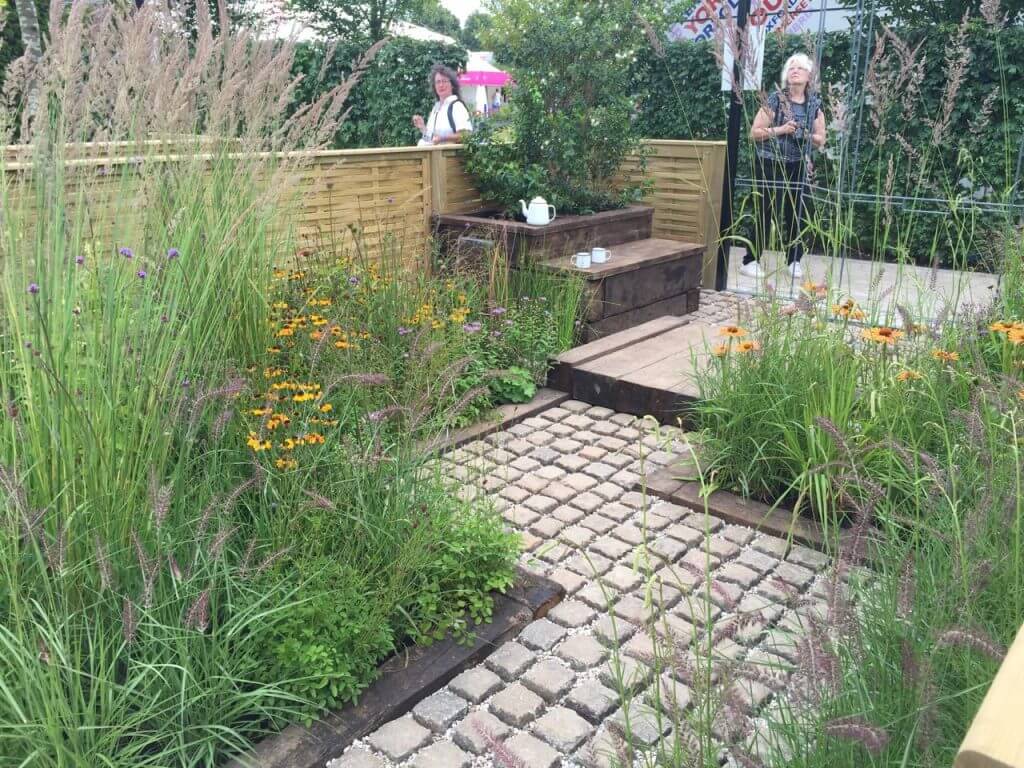
When you find a garden that speaks to you, spend time with it. Sit on the grass nearby and really look at the planting combinations, the use of materials, the way light and shadow play across the space. Take photos, yes, but also take mental notes. What is it about this garden that you love? Could you recreate elements of it at home? What plants are they using that might work in your own space?
Some of my best ideas have come not from rushing around seeing everything, but from sitting with one or two gardens that really resonated and letting them properly sink in. Quality over quantity every single time.
12. The shopping opportunities are incredible
One of Hampton Court’s massive advantages over Chelsea is that you can buy plants throughout most of the show, not just in the final chaotic hour. The shopping area is extensive, covering everything from rare plants and specialist nurseries to garden furniture, tools, outdoor kitchens and every gardening gadget you never knew you needed.
This is both brilliant and dangerous. It’s very easy to get carried away and end up with far more than you can realistically carry or fit in your car. My advice? Do a reconnaissance mission first. Walk through the shopping areas early in the day, note what catches your eye and where it is, then come back later to make purchases. This stops impulse buying and means you’re not lugging heavy pots around all day.
Sunday is plant sale day, with the final hours of the show seeing prices drop as exhibitors want to shift stock rather than transport it home. If you’re after bargains and don’t mind potentially limited choice, this is your moment. Just be prepared for it to get busy and slightly chaotic.
Bring bags for life, a trolley if you’re seriously planning to shop and realistic expectations about what you can actually carry. I’ve seen people trying to navigate crowded pathways with six large pots balanced in their arms and it never ends well.
13. The marquees are worth substantial time
The floral marquees at Hampton Court are absolutely spectacular and deserve significant time in your schedule. These aren’t just plant displays; they’re works of art that showcase the absolute pinnacle of what’s possible in horticulture. We’re talking about nurseries that have spent the entire year preparing plants specifically for this one week, growers who have timed flowering to the exact day, displays that represent years of expertise.
The main marquee can get busy, particularly around lunchtime, so I’d suggest either arriving early to see it while it’s quieter or waiting until later in the afternoon when crowds thin out. Don’t just walk through; actually stop and look. Read the plant labels. Talk to the exhibitors; they’re usually passionate experts who love sharing knowledge and can give you tips you won’t find in any book.
The range is extraordinary, from rare alpines and succulents to towering tropical plants, perfect roses and everything in between. Bring a notebook or use your phone to photograph plant labels of anything that catches your eye. You’ll thank yourself later when you’re trying to remember what that stunning purple salvia was called.
14. Map and navigation
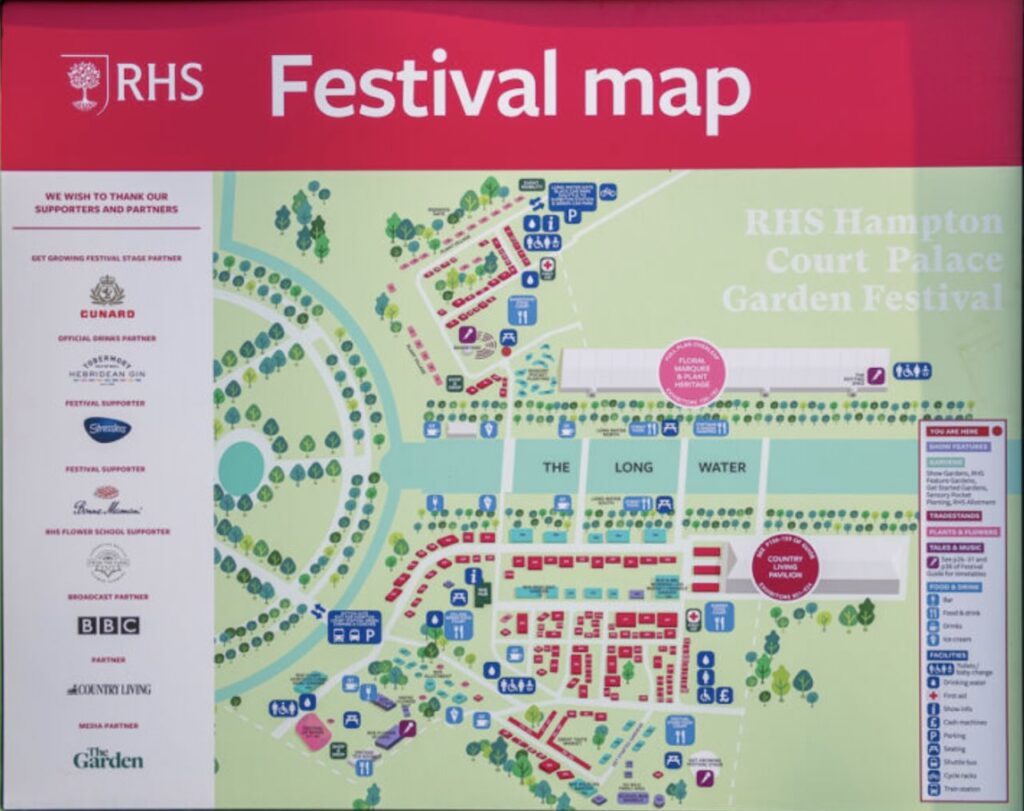
Hampton Court is split into several distinct areas, and whilst it’s well signposted, having a mental map helps you plan your day efficiently. The show typically includes Show Gardens, Gardens of Curiosity, the main floral marquees, shopping areas, food and drink zones and the children’s area.
Programmes include maps, but I’d recommend taking a photo of the map on your phone as well so you can check it without getting out your programme every five minutes. The site is largely accessible for wheelchairs and pushchairs, with dedicated routes and a shuttle bus service for those who need it between different entrances and the main showground.
The beauty of Hampton Court’s layout is that there isn’t really a wrong way to navigate it. Unlike Chelsea where certain routes get absolutely rammed, here you can meander, double back and create your own route without feeling like you’re going against the flow.
15. What’s the best day to visit Hampton Court Palace Garden Festival?
I’ll be straight with you: Tuesday and Wednesday are RHS Members only days, which means they’re significantly quieter than the public days. If you’re serious about flower shows and visit more than one a year, RHS membership pays for itself through ticket discounts alone, and you get access to these preview days.
Members’ days showcase the gardens at their absolute freshest, just after judging, before weather has taken any toll. Plants are in peak condition, displays are pristine and you’ll have space to actually see everything properly without crowds blocking your view. If you can possibly swing it, this is the time to go.
Of the public days (Thursday to Sunday), there’s no massive difference in terms of garden quality. RHS exhibitors maintain everything brilliantly throughout. Thursday might be slightly quieter as it’s the first public day and some people will still be at work. Saturday tends to be the busiest as it’s most convenient for working people and families.
Sunday has the added excitement of plant sales from 4pm onwards, which can be brilliant if you’re looking for bargains, but the atmosphere becomes noticeably more frantic as people rush to get deals. Great fun if you’re into that; slightly stressful if you prefer a calmer experience.
16. How much are tickets to Hampton Court Palace Garden Festival?
Hampton Court tickets are considerably cheaper than Chelsea, though they’re still a significant investment. Prices for 2025 are as follows:
All day tickets:
Tuesday and Wednesday (Members only): £36.85
Thursday to Sunday (Public): £38.85
Thursday to Sunday (Members): £30.85
Afternoon tickets (from 3pm):
Thursday to Sunday (Public): £30.85
Thursday to Sunday (Members from Thursday): £25.85
Special rates:
Students: £10.85 (bring valid ID)
Children up to 16: FREE (need to book free ticket for ages 5-16)
These prices represent tremendous value when you consider the scale of what you’re getting. You’re paying roughly a third of Chelsea prices for a show that’s nearly three times the size, with far more family friendly policies. If you visit regularly, RHS membership costs £59 per year and gets you reduced rate tickets to all shows plus free entry to RHS gardens, so it pays for itself very quickly.
One important note: 2025 is the last year Hampton Court will run annually. From 2026 it becomes a biennial event, returning in 2027. So if you’re reading this in 2025, don’t miss it!
17. Can you take food to Hampton Court Palace Garden Festival?
Absolutely yes, and I’d actively encourage it. The food offering at Hampton Court is extensive and generally good quality, covering everything from artisan street food to sit down dining, but prices reflect the fact you’re at a premium event. A sandwich will set you back around £8 to £10, and drinks are similarly premium priced.
There’s no limit to what food and drink you can bring (within reason), so pack a proper picnic. Unlike Chelsea where space is at a premium and eating al fresco means perching awkwardly on a kerb somewhere, Hampton Court has loads of grassy areas perfect for spreading out a blanket and having a leisurely lunch.
This is one of my favourite things about Hampton Court. Find a nice spot in the shade, crack open some cold drinks, lay out your picnic and take a proper break from walking around. It’s restorative, saves money and frankly enhances the whole experience. Some of the best conversations I’ve had about garden design have been over impromptu picnics at Hampton Court.
Just be sensible about what you bring. It’s going to be a long, potentially hot day. Ice packs are your friend for keeping things fresh. Avoid anything that will melt or spoil quickly. Bring more water than you think you’ll need; dehydration is a real risk on hot days.
18. Remember these displays aren’t “real” gardens
This is perhaps the most important thing to understand about Hampton Court, or any RHS show for that matter. These gardens and displays represent the absolute pinnacle of horticulture. They’re the result of months or even years of planning, teams of experts, massive budgets and plants that have been coaxed, cajoled and carefully timed to peak at exactly the right moment.
What you’re seeing is horticultural theatre. It’s meant to inspire you, give you ideas, show you what’s possible and introduce you to new plants and design concepts. It is absolutely not meant to make you feel inadequate about your own garden or gardening skills.
When you see a stunning show garden at Hampton Court, don’t think “Why doesn’t my garden look like that?” Instead, think “What elements of this could I adapt for my space? What colour combinations work? What plants could I try? What ideas could I scale down for my budget?”
These aren’t failures in your garden journey; they’re the high water mark of an entire industry showing off. Your garden, with its wonky fence, the bed that’s mostly weeds and that one plant that just refuses to thrive, is just as valid. In fact, it’s probably more educational because you’re learning from your mistakes and building real skills.
Take inspiration from Hampton Court. Photograph ideas. Note plant combinations. Get excited about trying new things. But please, please don’t go home and feel rubbish about your own plot. Your garden is yours, it’s alive and it’s learning with you. That’s the magic of gardening.
19. Accept you’re going to miss things
Even if you spend the entire day from opening to closing, you will not see everything at Hampton Court. It’s simply too big, with too much to absorb. And that’s absolutely fine. This isn’t Pokemon; you don’t need to catch them all.
Social media and the BBC’s Gardeners’ World coverage will help you catch up on anything you missed. The RHS website has comprehensive coverage after the show. Your programme will give you details of exhibits you didn’t get to see. But honestly? Sometimes it’s nicer not to see everything and leave a bit of mystery and magic for next time.
The bits you do see, really see them. Quality over quantity wins every time at Hampton Court. A day where you properly absorbed five gardens and came away inspired is infinitely more valuable than a day where you rushed past twenty gardens and can’t remember what any of them looked like.
20. Pack your patience and kindness
This might seem obvious, but it’s worth saying. Everyone at Hampton Court, from the exhibitors who’ve been on site for weeks, to the volunteers helping with directions, to the catering staff serving endless coffees, are working incredibly hard to make your day brilliant.
A simple “please” and “thank you” goes a long way. If someone’s in your way while taking a photo, politely ask them to move rather than huffing and tutting. If a queue is long, accept it rather than complaining. Everyone there is just trying to enjoy the show or do their job; a bit of patience and kindness from everyone makes the whole experience infinitely better.
I often find that asking exhibitors “How are you?” or “How’s your show been going?” rather than immediately launching into questions about plants makes all the difference. These are real people who’ve worked incredibly hard to be there. A moment of genuine human connection makes their day better and usually means they’re far more generous with their time and knowledge.
You’re in for an absolutely brilliant day out at Hampton Court with loads of ideas, inspiration and take home tips. The scale, the setting, the relaxed atmosphere and the sheer quality of horticulture on display make it a truly special event. Whether you’re a complete beginner or a seasoned gardener, there’s something here for you.
Make the most of it, take your time and enjoy every moment. You’re about to be inspired in ways you can’t even imagine yet.
Learn more about Garden Design
Why not consider expanding your plant and garden design knowledge with one of my online gardening courses? My Garden Design for Beginners Course is here to help you transform your garden from average to exceptional with an affordable online course, no matter how little your experience with plants.
This course offers step by step guidance from me, Lee Burkhill—award winning garden designer and presenter on BBC1’s Garden Rescue. In this course, you’ll go from a garden design novice to a confident designer equipped to tackle any green space.
What You’ll Learn:
Planting Techniques – Select and arrange plants like a pro
Design Styles & Layout Options – Explore different styles to suit every garden
Course Features:
20 Hours of Study Time
Flexible Online Learning
Engaging Video Lessons & Quizzes
Real World Case Studies
Certification upon Completion
Taught by Award Winning Designer Lee Burkhill
29
Garden Design Examples for Small Gardens: 30 Design Templates & Planting Plans
Garden Design Examples for Small Gardens: 30 Design Templates & Planting Plans: In this online gardening course, I’ll walk you through 30 fantastic garden designs, explaining the logic behind the layout, the plant choices, and take-home tips for applying them in your own garden.
Weekend Garden Makeover: A Crash Course in Design for Beginners
Learn how to transform and design your own garden with Lee Burkhills crash course in garden design. Over 5 hours Lee will teach you how to design your own dream garden. Featuring practical design examples, planting ideas and video guides. Learn how to design your garden in one weekend!
Garden Design for Beginners: Create Your Dream Garden in Just 4 Weeks
Garden Design for Beginners Online Course: If you want to make the career jump to becoming a garden designer or to learn how to design your own garden, this is the beginner course for you. Join me, Lee Burkhill, an award-winning garden designer, as I train you in the art of beautiful garden design.
Lee Burkhill, known as the Garden Ninja, is an award-winning garden designer and horticulturist with over 30 years of gardening experience and 15 years as a professional garden designer. A qualified RHS (Royal Horticultural Society) professional, Lee specialises in sustainable garden design and practical horticultural advice. He designs and presents on BBC1’s Garden Rescue and in leading gardening publications. Lee combines three decades of hands-on gardening knowledge with professional design qualifications to help gardeners create beautiful, functional outdoor spaces.