10 Easy Houseplants for Beginners: Low Maintenance Indoor Plants Guide
Lee Burkhill: Award Winning Designer & BBC 1's Garden Rescue Presenters Official Blog
Beginner level
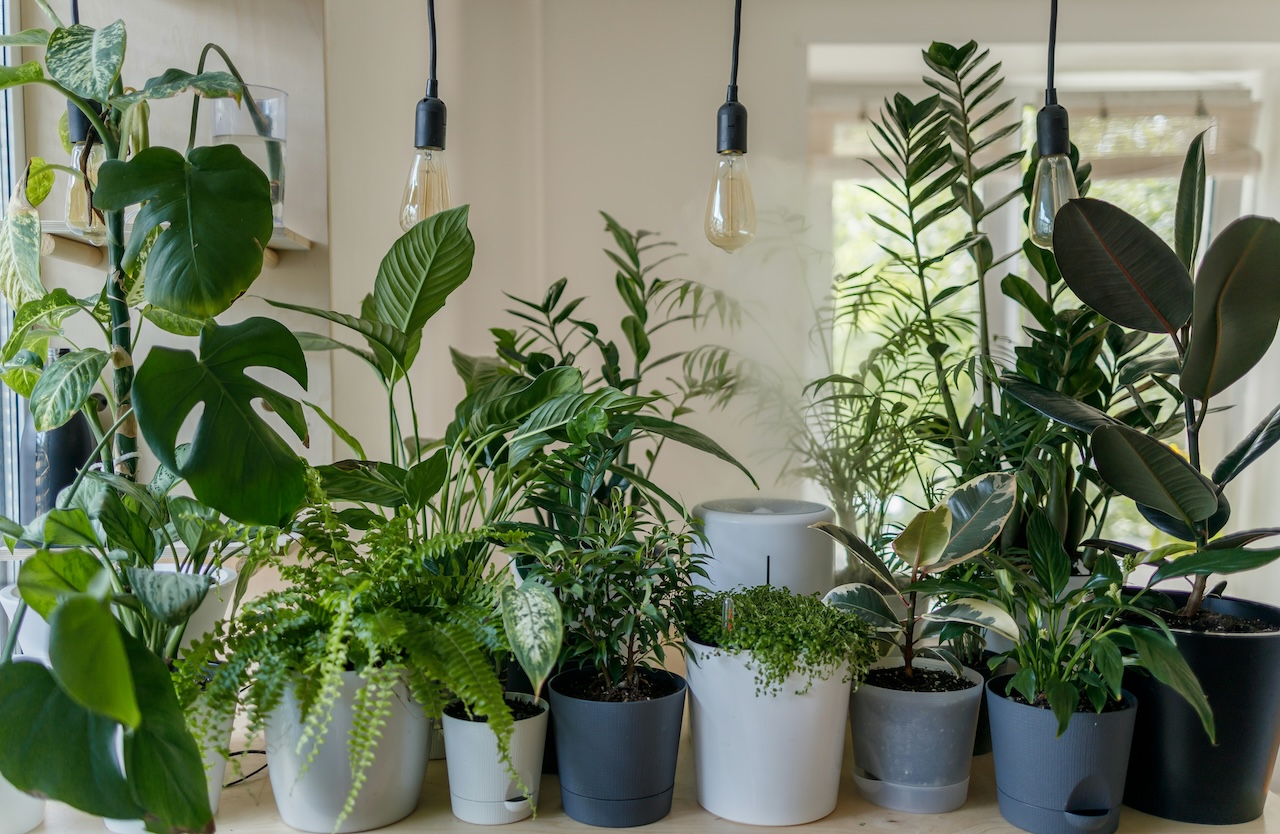
House plants have taken off in popularity and for good reason. There's nothing calmer and uplifting than natural greenery in your lounge, bedroom or office. However, house plants also get a bad reputation for being high maintenance and easy to kill, but this guide is going to show you the very easiest house plants to start off with that you'd be hard pushed to lose!
If you think you’ve got a black thumb when it comes to houseplants, I’ve got brilliant news for you. There are loads of absolutely gorgeous indoor plants that are practically impossible to kill, even if you’re a complete beginner. I want to show you my tried and tested beginner bulletproof house plants, even if you’ve never had a plant before!
After decades of gardening and designing spaces on BBC Garden Rescue, I can promise you that anyone can keep houseplants alive and thriving. The secret isn’t having some magical green thumb; it’s simply choosing the bombproof plants that actually want to survive!
This guide is especially for my urban Ninjas who might not have a garden but still want to bring some gorgeous greenery into their homes. Whether you’re living in a flat, working from home and want some desk companions, or just fancy transforming your living space with plants that won’t throw a tantrum, you’re in exactly the place you need to be.
This page contains affiliate links for products I use and love. If you take action (i.e. subscribe, make a purchase) after clicking a link, I may earn some gardening commission, which helps me keep the Garden Ninja Blog free for all.
Before we dive into the absolute legends of the houseplant world, let’s talk about the number one killer of indoor plants. Are you ready for this? It’s not neglect. It’s overwatering.
Honestly, more houseplants meet their maker from too much love than from being ignored. When you water too frequently, the roots sit in soggy compost and literally rot. They can’t breathe, they can’t function, and your poor plant basically drowns from the roots up.
Overwatering Kills Most House Plants
Here’s what happens with overwatering. The lower leaves start turning yellow and mushy. The stems get soft and brown. The compost smells swampy rather than earthy. Before you know it, you’ve got a plant that’s beyond saving, and you’re convinced you’re terrible at this whole houseplant thing.
The reality is that most houseplants prefer to dry out a bit between waterings.
They’re far more forgiving of being slightly too dry than being waterlogged. Think of it like this: in nature, these plants experience periods of rain followed by periods where the soil dries. They’re adapted to this cycle, not to having permanently wet feet.
The second biggest killer is wrong lighting. Stick a low-light-loving plant in blazing direct sun, and it’ll scorch. Put a sun lover in a dark corner, and it’ll etiolate and stretch. The trick is matching your plant to the light conditions you actually have, not the conditions you wish you had.
This is why it is vitally important when you’re choosing house plants that you work out before you buy them where they are going to live. Then make a note of the light levels found there:
Bright light
Indirect light (bathrooms or frosted windows)
Part shade
Deep shade
Then choose a plant that likes those conditions!
The good news? All the plants I’m about to share with you are incredibly forgiving on both counts. They’ll tolerate a bit of neglect, won’t mind if you forget to water them for a week or two, and they’re adaptable to different light conditions. These are the plants that want you to succeed!
The 10 Best Houseplants for Absolute Beginners
Now that you know overwatering and incorrect light levels are the two leading killers of house plants, let me show you my bulletproof top ten plants to get you started. I’ve also included links to where you can buy them, or, if you click the pictures, to save you time!
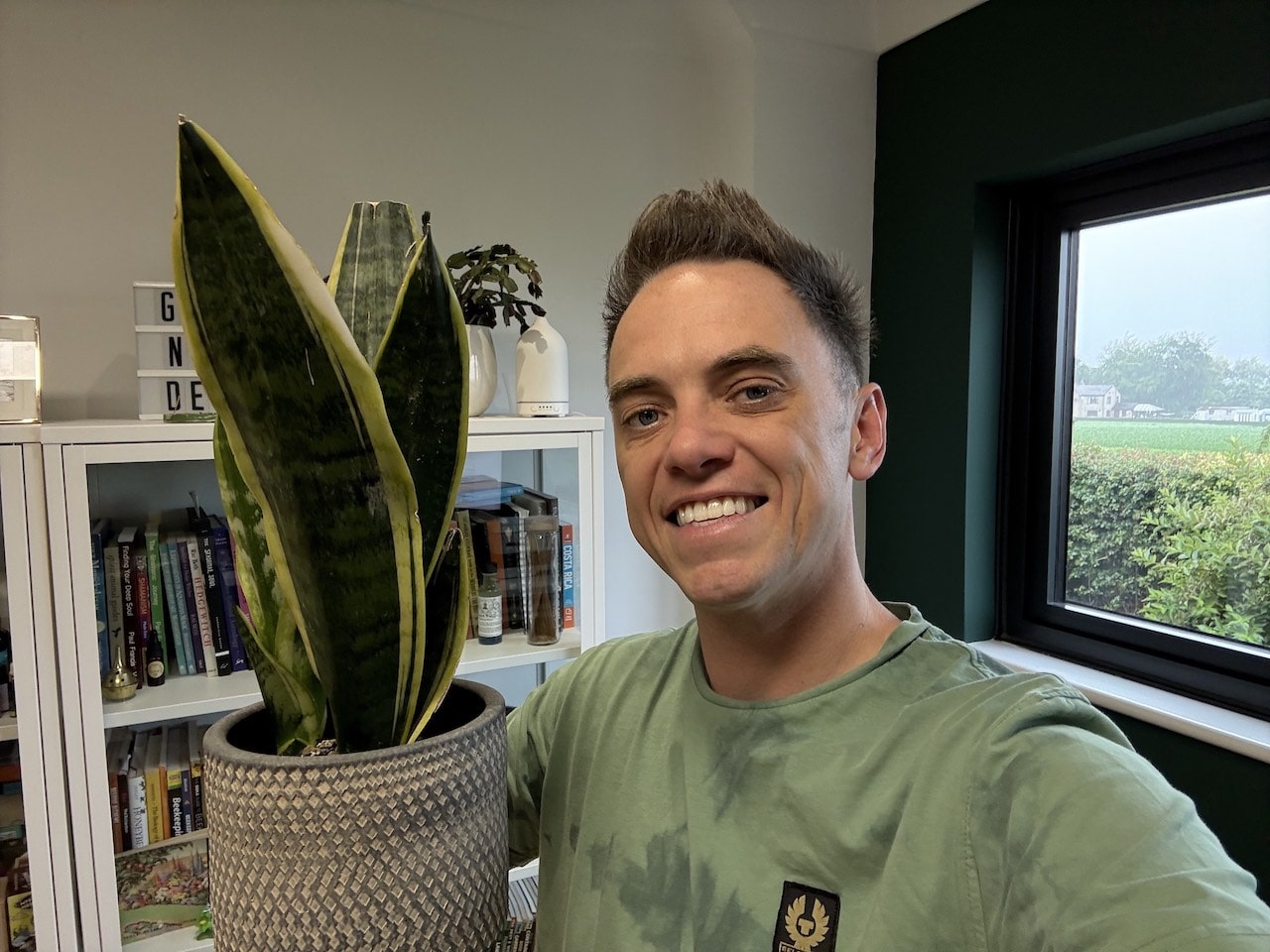
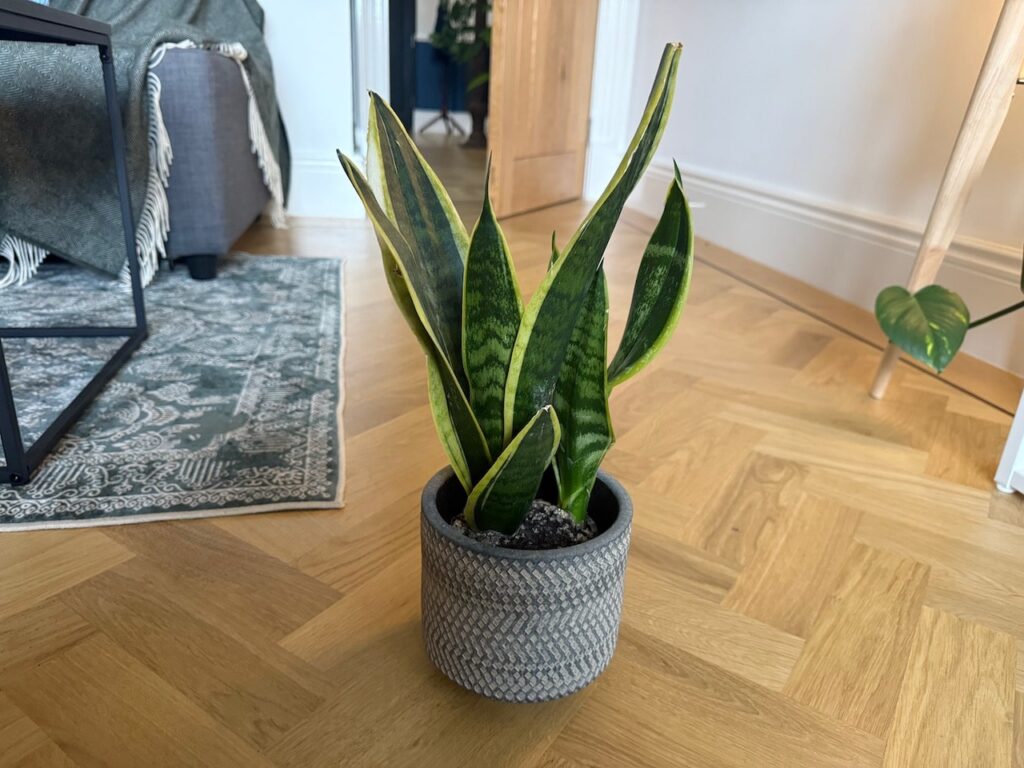
If I could only recommend one houseplant for beginners, it would be the snake plant. This absolute weapon is virtually indestructible. I’ve seen snake plants survive in the darkest office corners, forgotten for weeks without water, and still come back fighting. They’re architectural, gorgeous, and literally thrive on neglect.
Snake plants have these brilliant sword-shaped leaves that grow straight up, often with stunning yellow edges or tiger-striped patterns. They’re slow growers, which means less faffing about with repotting, and they actually clean the air whilst looking fabulous.
Watering Snake Plants
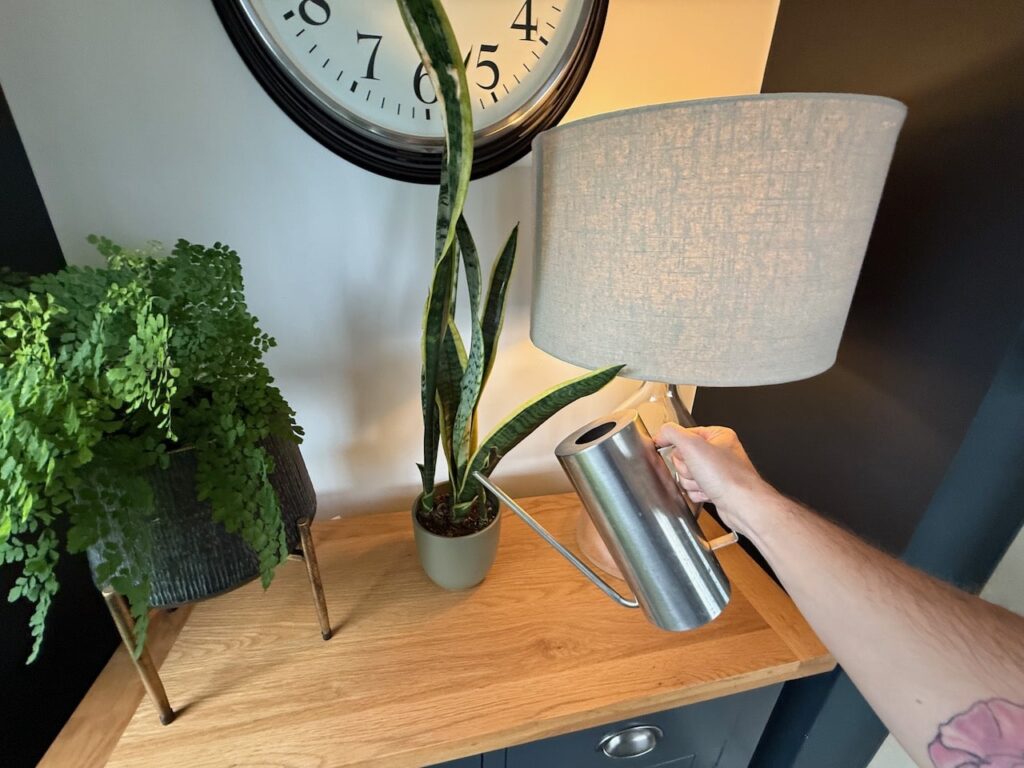
This is where snake plants really shine. Water them only when the compost is completely dry all the way through. Stick your finger deep into the soil, and if it feels even slightly damp, leave it alone. In winter, you might only water once a month. In summer, maybe every two to three weeks. When you do water, water thoroughly until it drains out the bottom, then don’t water again until it’s bone dry.
Snake Plant Light Requirements
Snake plants are incredibly adaptable. They’ll tolerate everything from low-light corners to bright indirect light. They even handle some direct morning sun. The brighter the light, the faster they grow and the more dramatic their colours, but they’ll genuinely survive in dimmer spots where most plants would give up.
Common Snake Plant Problems
The only real issue you’ll face is overwatering. So much so, I’ve got a full guide on how to fix dropping snake plant leaves, as so many people overwater them. If leaves turn yellow and mushy, you’ve been too generous with the watering can. Cut back immediately and let the soil dry out completely.
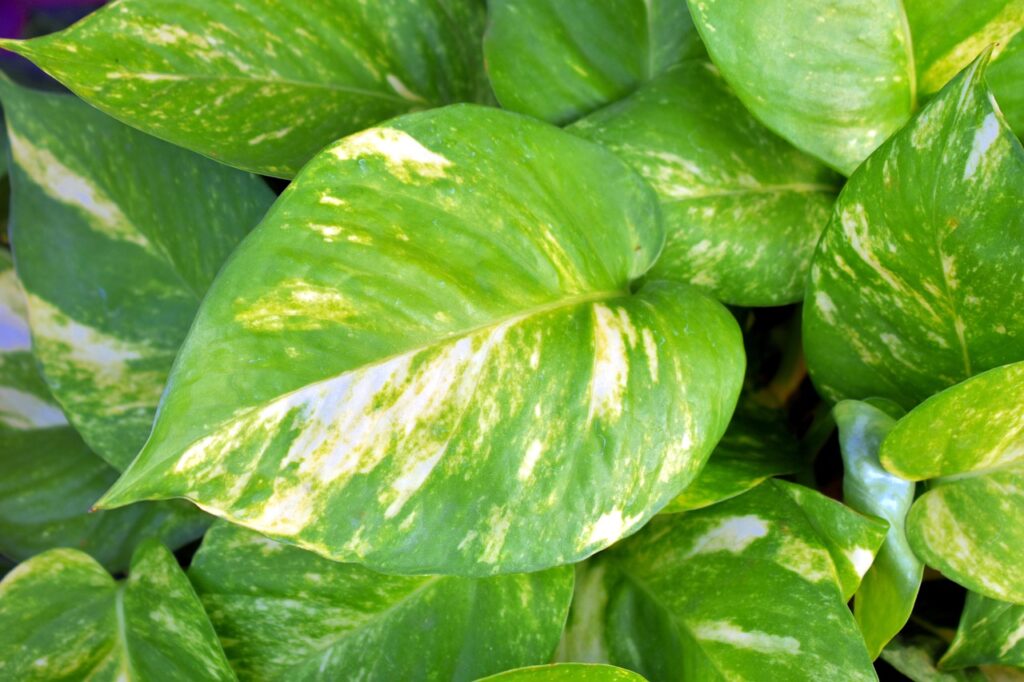
Pothos is hands down one of the easiest and most rewarding houseplants you can grow. These gorgeous trailing plants have heart-shaped glossy leaves and will happily cascade down from shelves, climb up moss poles, or trail around your bookcases, creating absolute jungle vibes.
Known as Devil’s Ivy, as it’s nearly impossible to get rid of or kill, and brings a tropical feel to any room in the house! I have this all over my office at Garden Ninja HQ as it brings the outdoors in and softens boxy-looking furniture a treat.
There are loads of varieties too. Golden Pothos has green leaves splashed with yellow, Marble Queen is gorgeously variegated with white, and Neon Pothos is this brilliant lime green colour that absolutely glows. They all grow at a cracking pace in decent light, which means you get instant gratification watching them flourish.
Watering Pothos
Water your pothos when the top half of the compost feels dry. They’re quite forgiving, so if you forget for a week, don’t panic.
The leaves will start to look slightly droopy when they’re thirsty, which is actually a really helpful visual cue. Water thoroughly, and they’ll perk back up within hours. In growing season (spring and summer), you might water weekly. In winter, every ten to fourteen days is usually plenty.
Pothos Light Requirements
Pothos adapt brilliantly to different light levels. They prefer bright indirect light where they’ll grow fastest and keep their gorgeous variegation. But they’ll also tolerate lower light conditions, though growth slows down and the colours might become less vibrant. Avoid harsh direct sunlight, which can scorch those beautiful leaves. The neon varieties or bright yellow ones hate full sun and their leaves will scorch if placed here.
Common Pothos Problems
Yellow leaves usually mean overwatering. Brown crispy tips suggest underwatering or low humidity. If your variegated pothos is losing its patterns and becoming all green, it needs more light. If the neon varieties get brown spots, they need more shade.
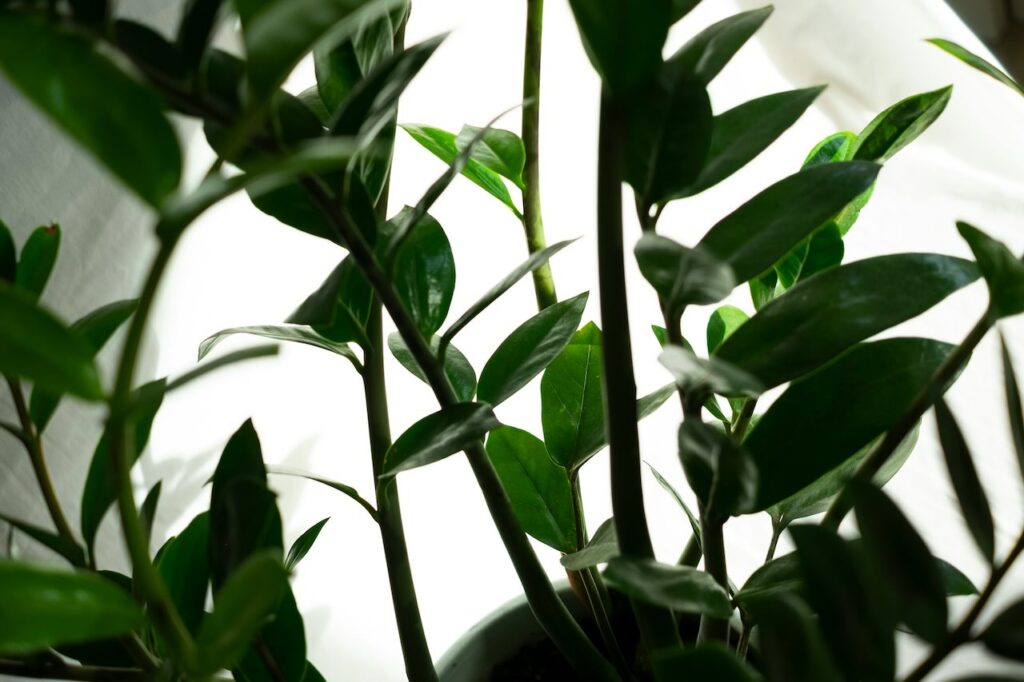
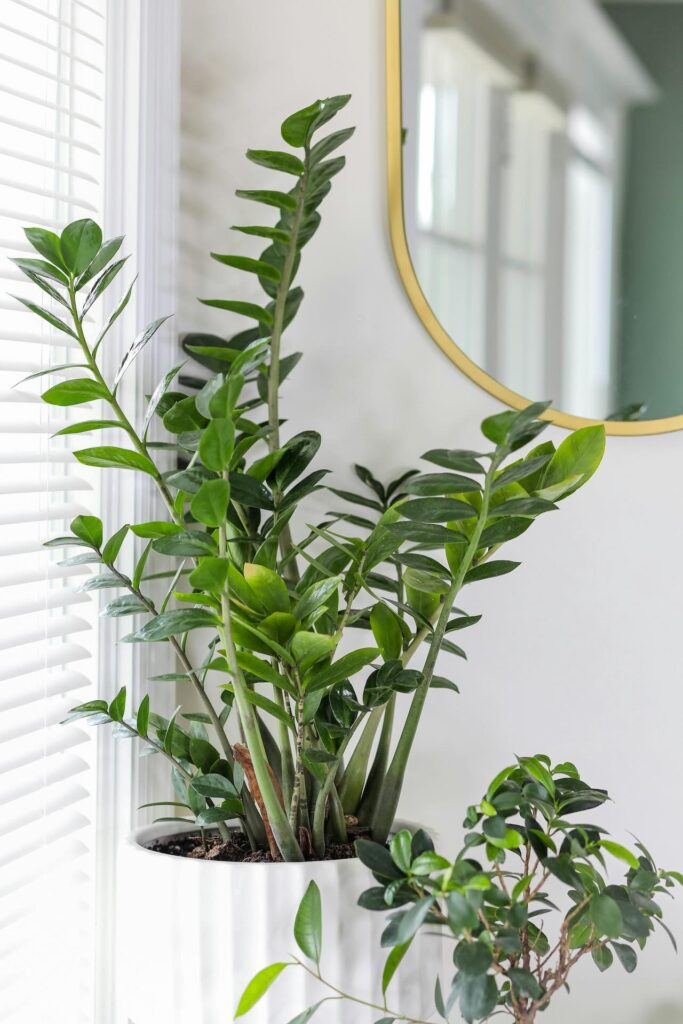
The ZZ plant is what I call the ultimate “set it and forget it” houseplant. These beauties have thick, glossy, dark green leaves that look almost artificial; they’re so perfect. They store water in their thick rhizomes and fleshy stems, which means they can go absolutely ages between waterings.
ZZ plants grow slowly and steadily, eventually reaching about two to three feet tall with these gorgeous arching stems. They’re modern-looking, architectural, and bring a sophisticated vibe to any room without being high-maintenance.
Watering ZZ Plants
Here’s the golden rule for ZZ plants. Water them every four to six weeks, and you’ll be golden. Seriously, that’s it. Let the soil dry out completely between waterings.
During winter, you can stretch this even further. These plants genuinely prefer to be too dry rather than too wet. When you do water, give them a really good soak until water runs through the drainage holes. Never, ever let them sit in trays of water, as this will kill them.
ZZ Plant Light Requirements
ZZ plants are incredibly tolerant of low light. They’ll survive in corners where most plants would sulk. That said, they do grow faster and look more vibrant in medium to bright indirect light. They’re perfect for offices with fluorescent lighting or rooms with north-facing windows.
Common Problems of ZZ Plant
If the stems turn yellow and mushy, you’ve overwatered. This is pretty much the only way to kill a ZZ plant. I leave mine for weeks at a time before watering them again. Always check the bases of limp or sickly plants, as sometimes the stems rot away from the crown, another symptom of too much moisture!
Cut back affected stems and reduce watering dramatically. Brown leaf tips usually indicate the air is too dry or that watering has been inconsistent.
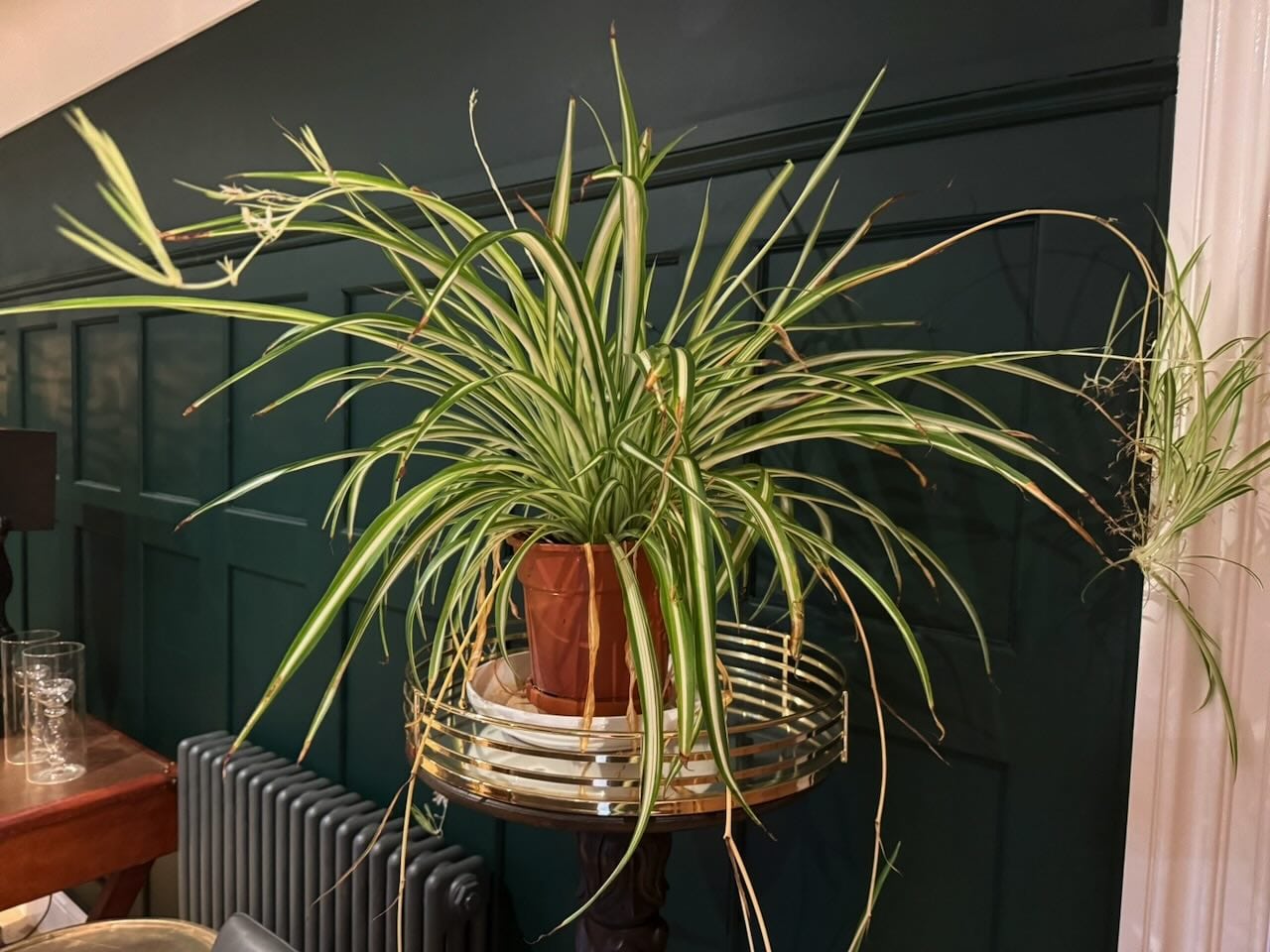
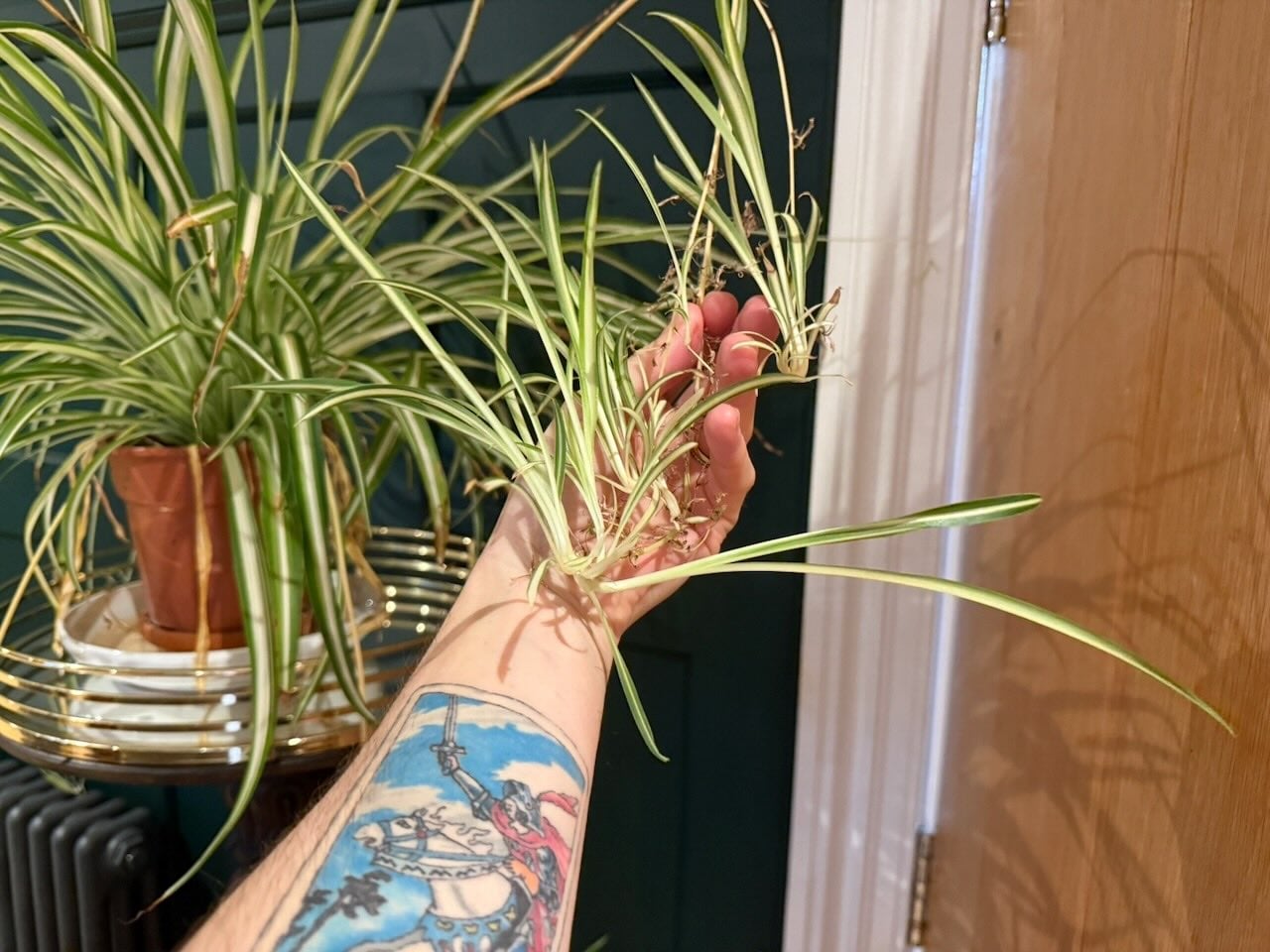
Spider plants are absolutely brilliant for beginners because they’re so forgiving and they give you loads of visual feedback about what they need. Plus, they’re self-propagating machines. These plants produce gorgeous cascading stems with baby plantlets (called spiderettes) that you can pot up to create more plants or gift to friends.
The arching green and white striped leaves look fantastic in hanging baskets or on tall shelves where they can cascade down. They’re fast growers too, so you’ll actually see progress, which is dead encouraging when you’re starting out.
Watering Spider Plants
Spider plants like consistently moist soil during the growing season, but can tolerate drying out a bit between waterings. Water when the top inch of compost feels dry. They’ll droop slightly when thirsty, giving you a clear signal.
These plants have thick tuberous roots that store water, so they’re more forgiving than you might think. In winter, water less frequently.
Light Requirements of Spider Plants
Bright indirect light is ideal for spider plants. They love kitchen windows and bright bathroom positions. They’ll tolerate some direct morning sun or lower light conditions, though growth will slow in dimmer spots. If the variegation starts fading, move your plant closer to a window.
Spider Plant Common Problems
Brown leaf tips are common and usually caused by fluoride in tap water or low humidity. Use filtered water if possible. Yellow leaves mean overwatering. If your spider plant isn’t producing babies, it needs more light, or it’s still too young as they tend to wait until they get to above 30cm across before sending out their baby offshoots!
5. Peace Lily (Spathiphyllum)
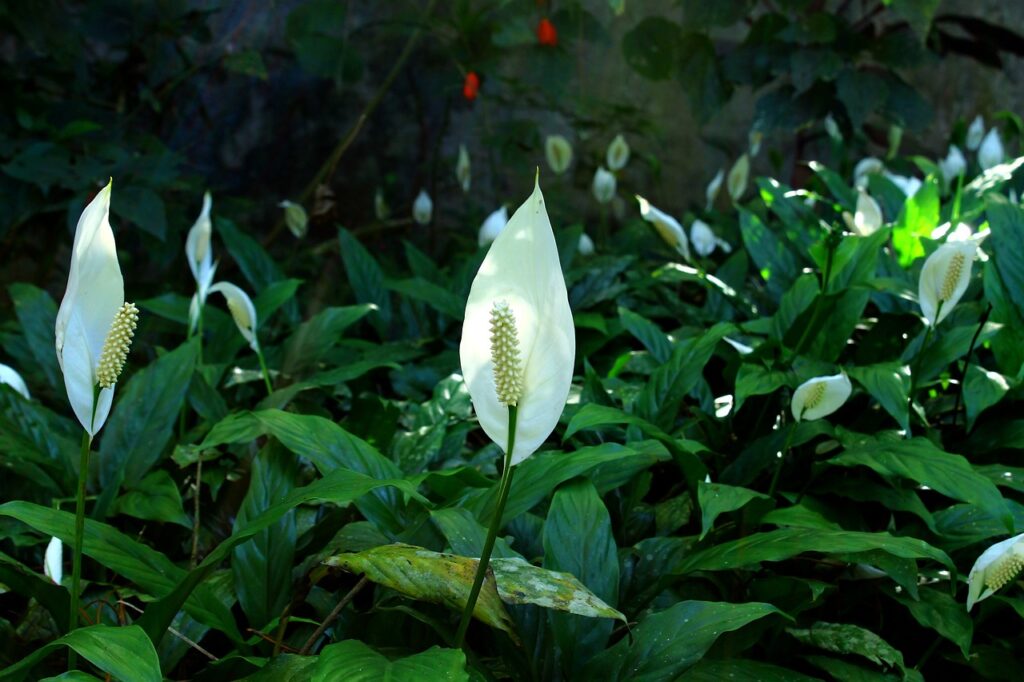
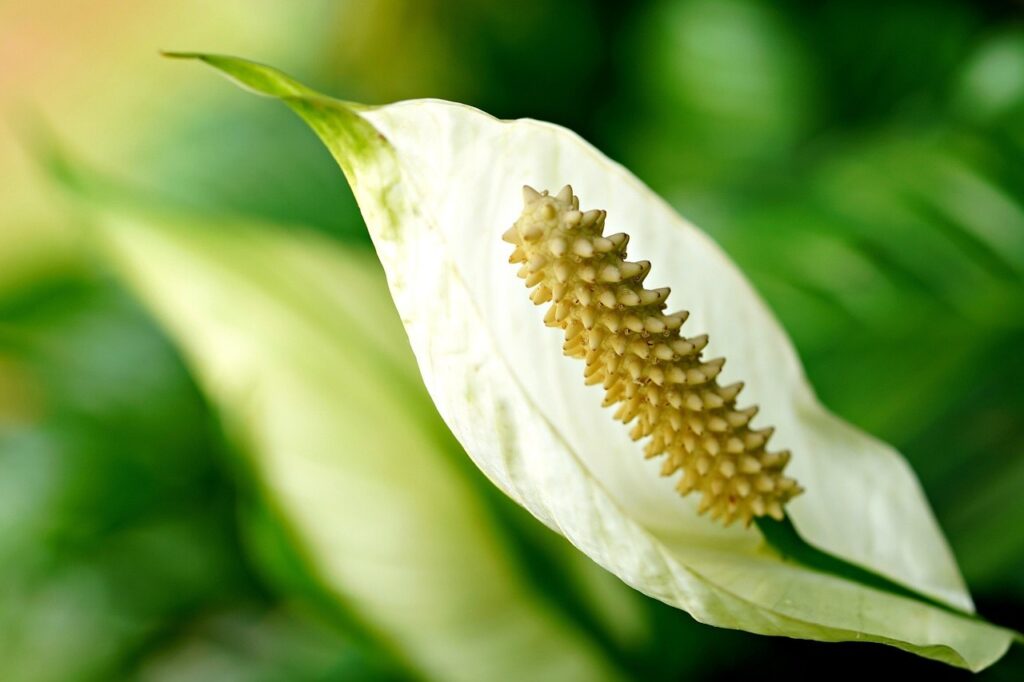
Peace lilies are gorgeous plants with glossy dark green leaves and these stunning white flowers (actually modified leaves called spathes) that appear throughout the year. What makes them brilliant for beginners is that they literally tell you when they’re thirsty by drooping dramatically.
They’re also fantastic air purifiers, filtering out nasties like formaldehyde and benzene from your home. Peace lilies bring this lovely tropical elegance to any space without being fussy or demanding.
Watering Peace Lilies
Peace lilies prefer consistently moist soil, but not waterlogged. The genius thing about these plants is that they wilt when thirsty, giving you an unmistakable signal. Water them thoroughly, and they’ll perk up within a few hours as if nothing happened.
In the growing season of spring and summer, you might water once or twice a week. In winter, less frequently. Always let excess water drain away.
Light Requirements
Peace lilies are champions of low to medium light. They’ll tolerate quite shady spots and still produce those gorgeous white flowers. Bright indirect light encourages more blooms, but avoid direct sunlight, which can scorch their leaves. They’re perfect for bathrooms or north-facing rooms.
Common Problems of Peace Lilies
Brown leaf tips indicate low humidity or the presence of chemicals in tap water. Yellowing leaves suggest overwatering. If your peace lily stops flowering, it needs more light. Note that these plants are toxic to pets, so keep them out of reach of curious cats and dogs.
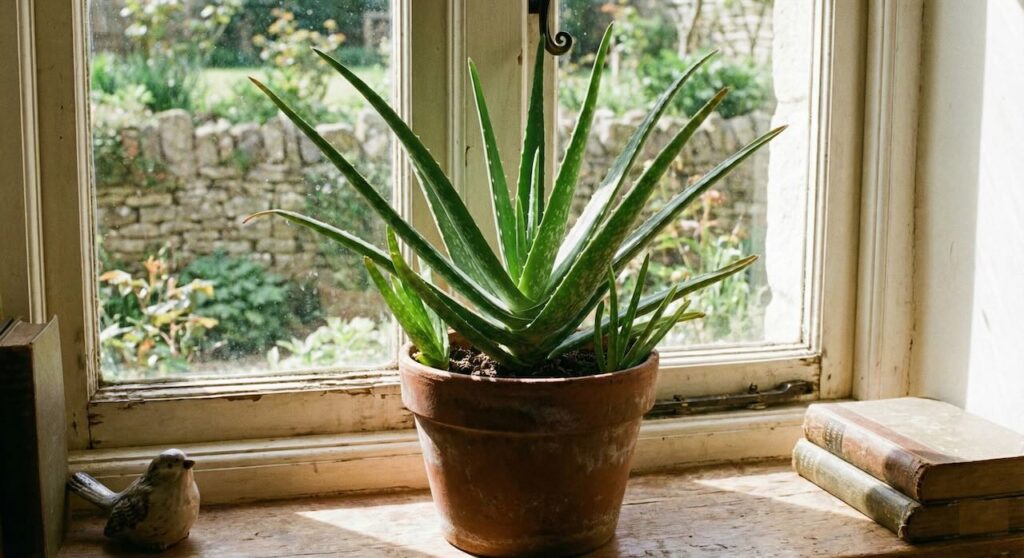
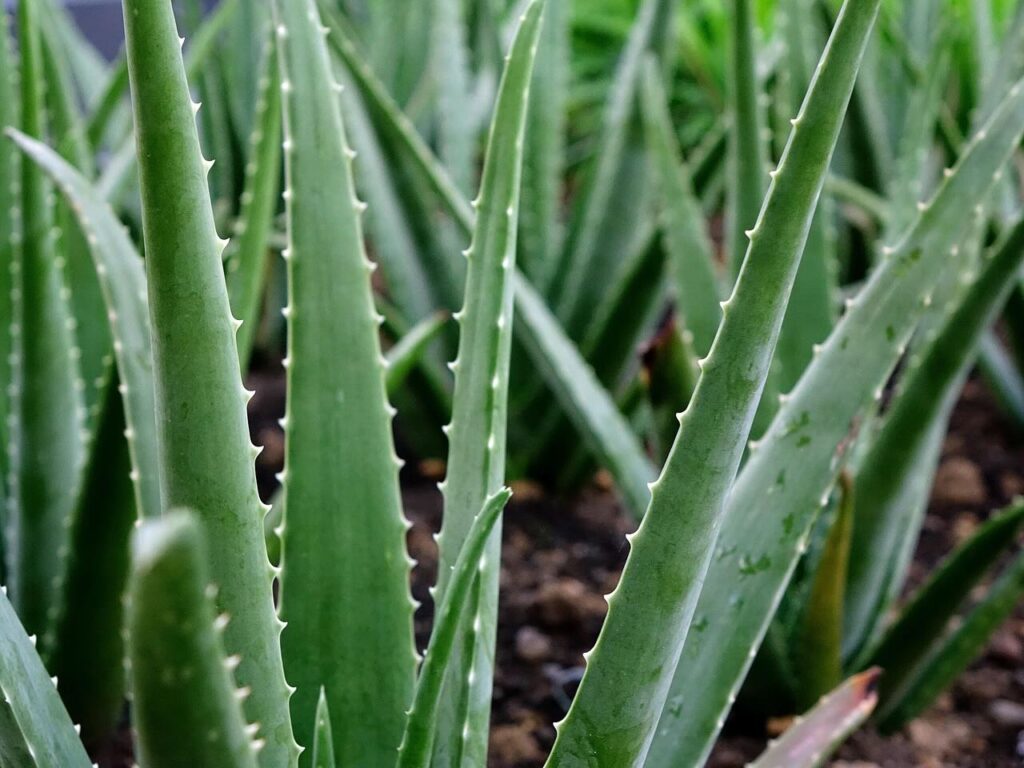
Aloe vera is not just an easy houseplant; it is also an incredibly useful plant for healing and health care. This succulent has those brilliant fleshy leaves filled with gel that’s amazing for soothing burns, sunburn, and minor skin irritations. As houseplants go, aloes are absolutely bombproof and perfect for anyone who forgets to water regularly.
I used to feed my chickens slices of Aloe Vera when I had my coup, which helped keep them healthy and their coats super shiny!
They grow in these gorgeous rosettes with upright leaves that can be green or grey-green, often with slightly spiky edges. Mature plants will even produce tall flower spikes with tubular yellow or orange flowers.
Watering Aloe Vera
Aloe vera is a succulent, which means it stores water in its leaves. Water deeply but infrequently, allowing the compost to dry out completely between waterings. In summer, you might water every two to three weeks. In winter, once a month is plenty, or even less. The leaves should feel plump and firm. If they look shrivelled or wrinkled it’s time to water.
Light Requirements for Aloe
Aloe vera loves bright light and can even handle some direct sun, especially morning sun. They need at least six hours of bright indirect light daily to really thrive. A south or west-facing windowsill is perfect. Too little light and they’ll etiolate (stretch) and become pale.
Common Problems of Aloe Vera
Mushy brown leaves mean overwatering and possible root rot. Cut back watering immediately. If the leaves turn brown and crispy, they’re getting too much direct, harsh sun. Pale, stretching leaves need more light.
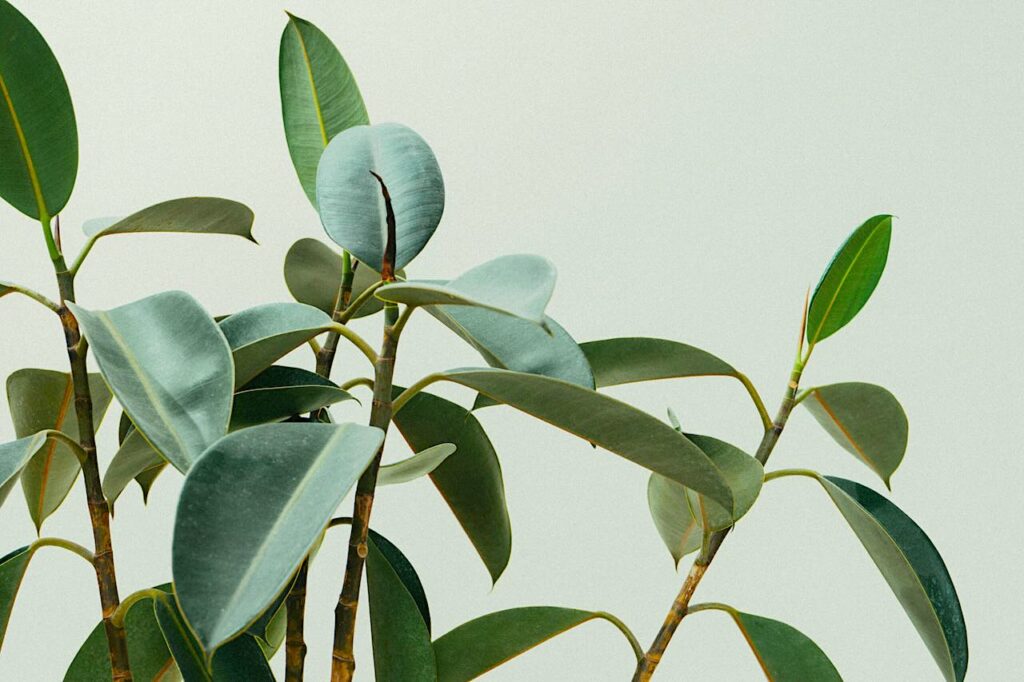
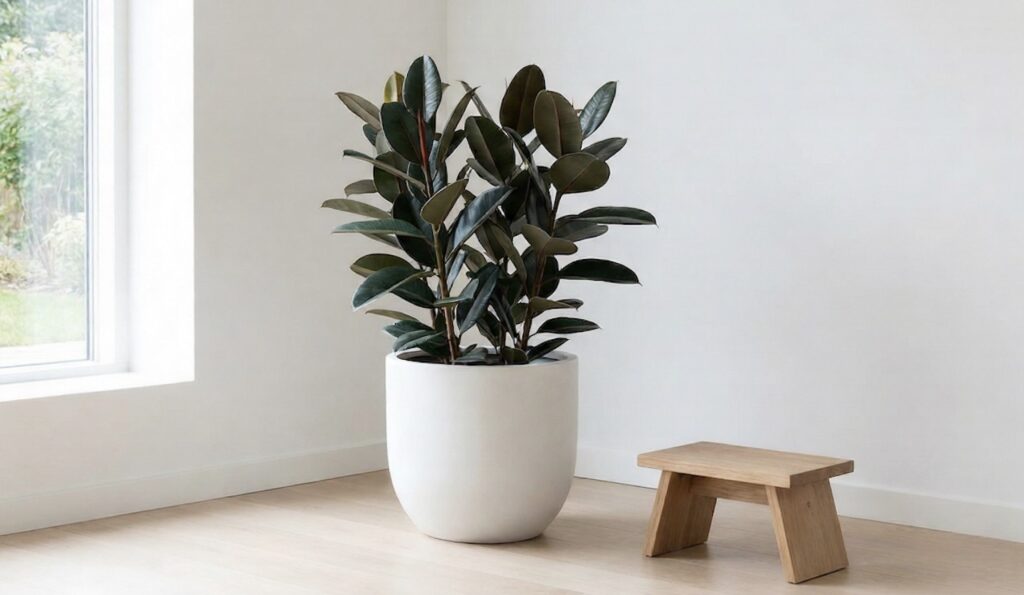
Rubber plants are these stunning statement pieces with large, glossy, oval leaves in deep green, burgundy, or variegated patterns. They grow into proper small trees indoors, eventually reaching six to ten feet if you’ve got the ceiling height. Despite their impressive size, they’re surprisingly easy to care for.
The waxy leaves are easy to keep clean with a wipe down, and they look absolutely architectural in modern or traditional interiors. They’re slow growers, so you’re not constantly battling with an unruly plant.
Watering Rubber Plants
Rubber plants like their soil to dry out between waterings, but not completely bone dry like succulents. Check the top 2 inches of compost; if it’s dry, give it a thorough watering. During summer, when the weather is warmer and days are lighter for longer, this might be weekly. In winter, every ten to fourteen days. Always ensure good drainage, as they hate sitting in water.
Light Requirements for Rubber Trees
Bright indirect light is perfect for rubber plants. They’ll tolerate lower light, but growth slows dramatically. Some morning sun is fine, but harsh afternoon sun can scorch those gorgeous leaves. East or west-facing windows are ideal.
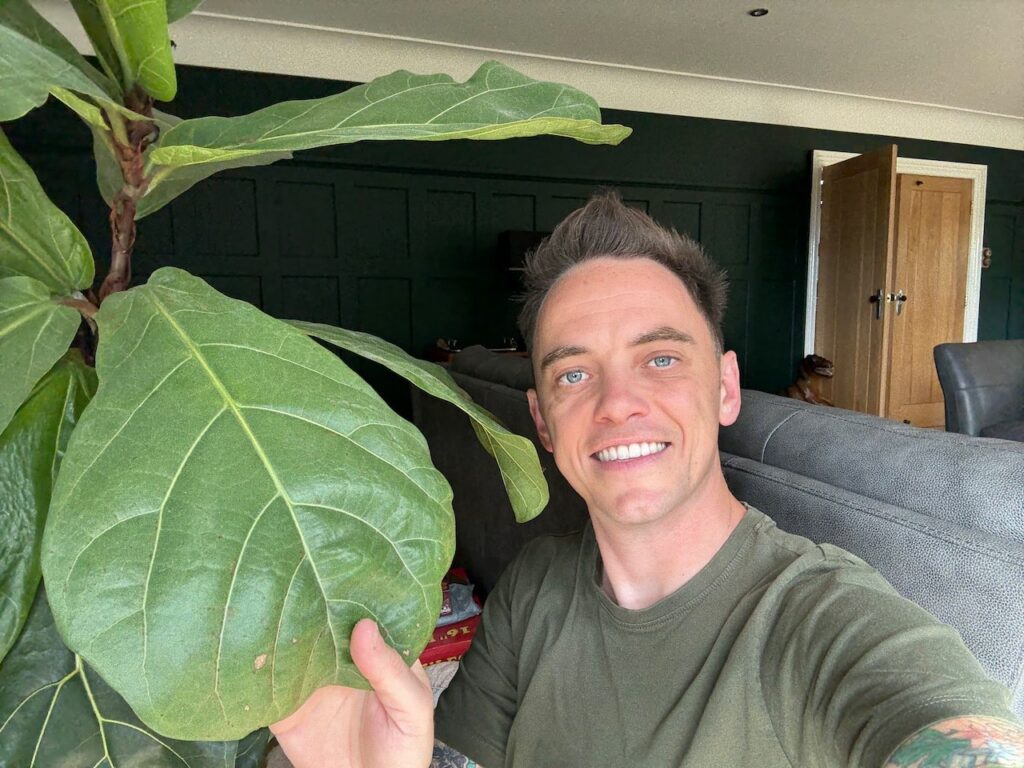
Common Problems with Ficus
Yellowing, falling leaves usually mean overwatering or a sudden change in conditions. Brown edges suggest underwatering or low humidity. If leaves lose their shine and become dull, wipe them down with a damp cloth, but avoid glossy sprays and other houseplant ‘leaf shine’ aerosols; they actually cause more harm than good by blocking leaf pores, causing the plant to suffocate!
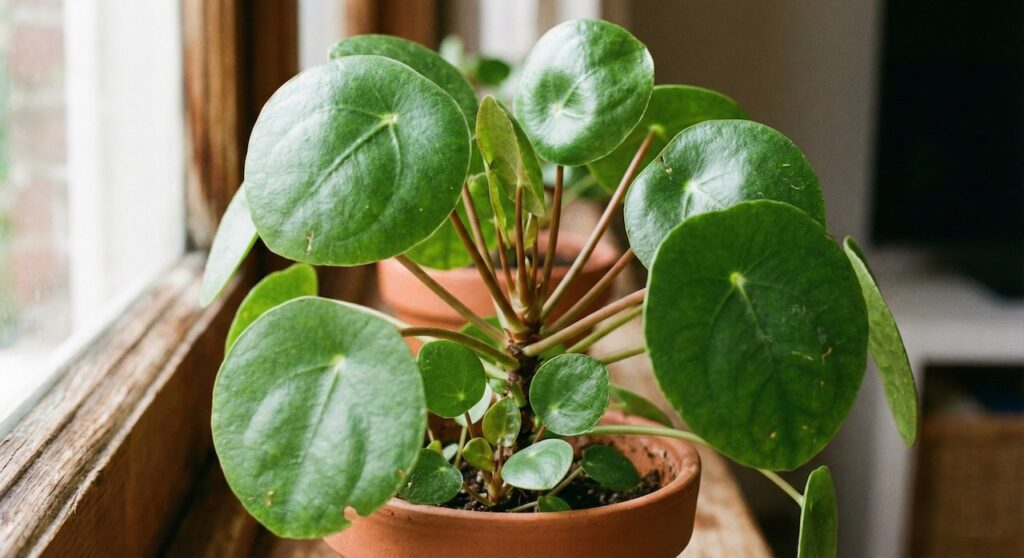
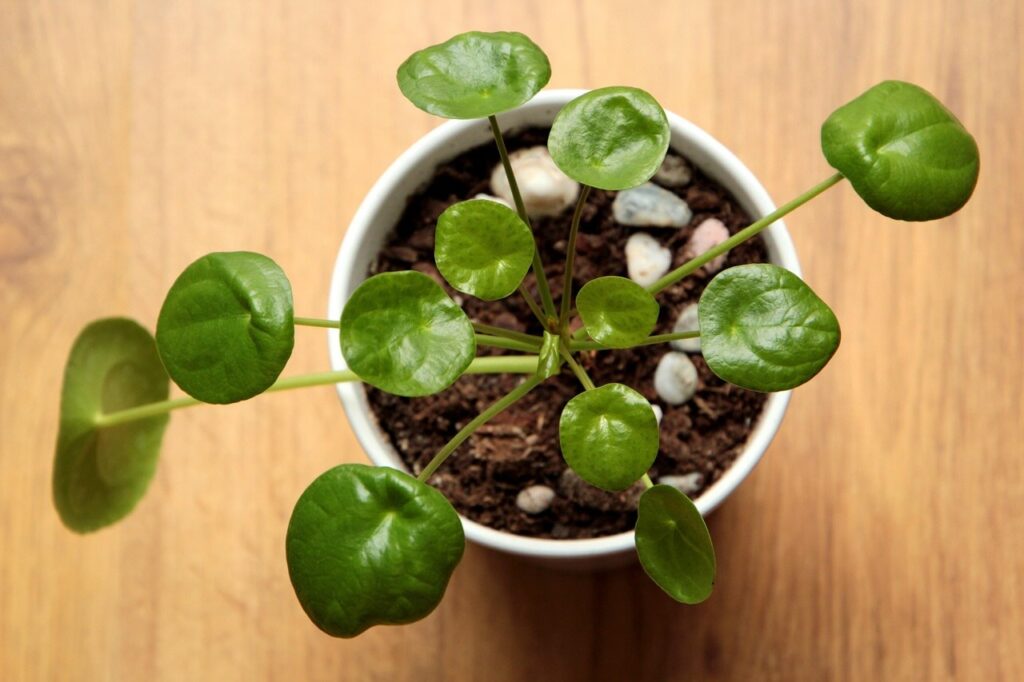
The Chinese money plant has become massively popular in recent years, and for good reason! These gorgeous plants have perfectly round, pancake-shaped leaves on delicate stems. They’re compact, adorable, and produce loads of baby plants around the base that you can share with friends, a bit like the spider plant above.
They grow in this lovely mounded shape, usually staying under twelve inches tall, making them perfect for desks, shelves, or windowsills. The fresh green leaves catch the light beautifully, which is why they are such a office worker favourite as they don’t demand too much space in cubicles or desks.
Watering of the Chinese Money Plant
Chinese money plants prefer their soil to dry out slightly between waterings. Water when the top inch of compost is dry. They’re pretty forgiving and will droop slightly when thirsty, then perk up after watering. In summer, you might water twice a week. In winter, once a week or less. Good drainage is essential.
Light Requirements for Pilea
Bright indirect light is best for Chinese money plants. They’ll produce those gorgeous, round leaves and grow nicely compact. Too little light and they become leggy. Rotate your plant regularly so it grows evenly, as they tend to lean towards the light, which can lead to wonky donky lopsided plants if not!
Common Problems of Money Plant
Curling leaves usually mean the plant is thirsty. Yellow leaves indicate overwatering. If the plant becomes leggy with small leaves, it needs more light. Brown spots on leaves can be from direct sun or cold water shock.
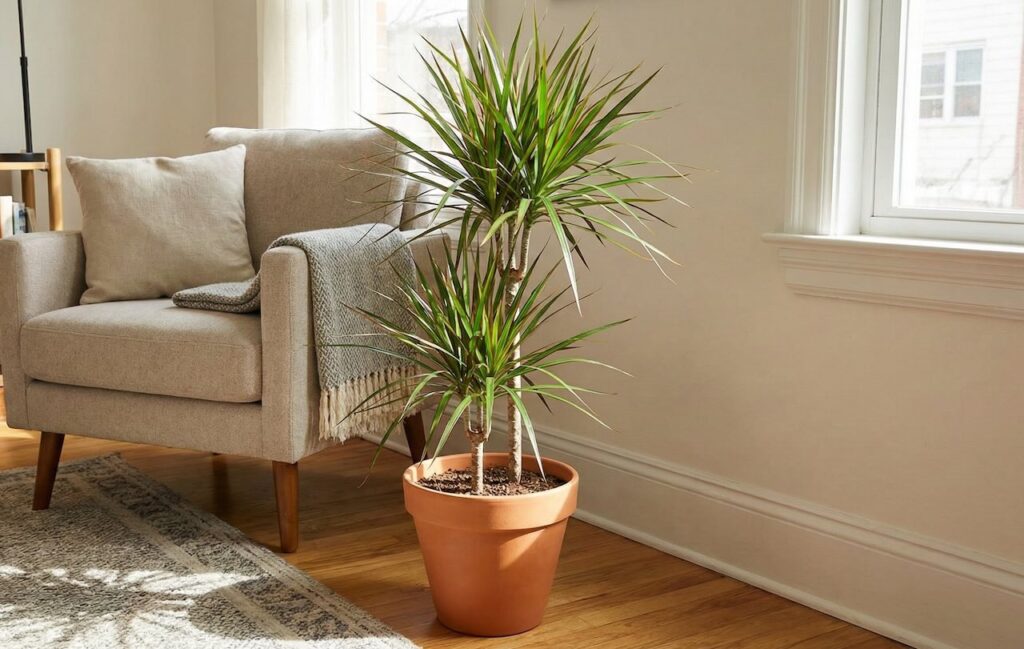
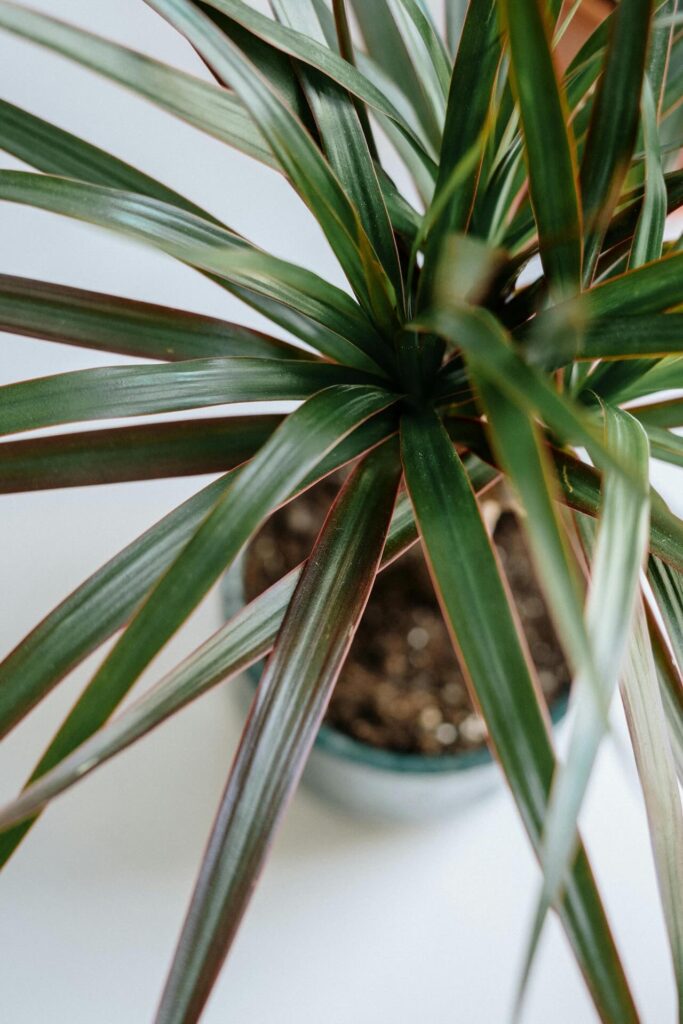
Dracaenas are a brilliant family of houseplants that come in loads of different shapes and sizes. I’ve kept them since I was a kid, and they have a substantial visual impact without taking up much space in rooms or homes. Tall and interesting is the best way to describe them!
Dragon tree (Dracaena marginata) has spiky leaves on woody stems. Corn plant (Dracaena fragrans) has broader striped leaves. All of them are ridiculously easy to care for.
They’re fantastic air purifiers, removing toxins from your home whilst looking fabulous. Most varieties eventually grow into proper small trees, adding height and drama to your indoor jungle.
Watering Dragon Plants
Dracaenas like to dry out between waterings. Let the top two to three inches of compost dry before watering again. They’re quite drought-tolerant and prefer being slightly too dry rather than too wet. In summer, water every week to ten days. In winter, every two to three weeks.
Light Requirements of Dracaenas
Most dracaenas prefer medium to bright indirect light. I have mine in my office corner next to the window, so it gets a blast of about 5 hours of direct sunlight a day.
The variegated varieties need more light to maintain their colours, whilst solid green types tolerate lower light. They’re adaptable, though, and will survive in various conditions, but will lean if they don’t get enough light!
Common Problems of Dragon Plants
Brown leaf tips are common and usually caused by fluoride in tap water or low humidity. Use filtered or rainwater if possible. Yellow leaves mean overwatering. Pale leaves need more light.
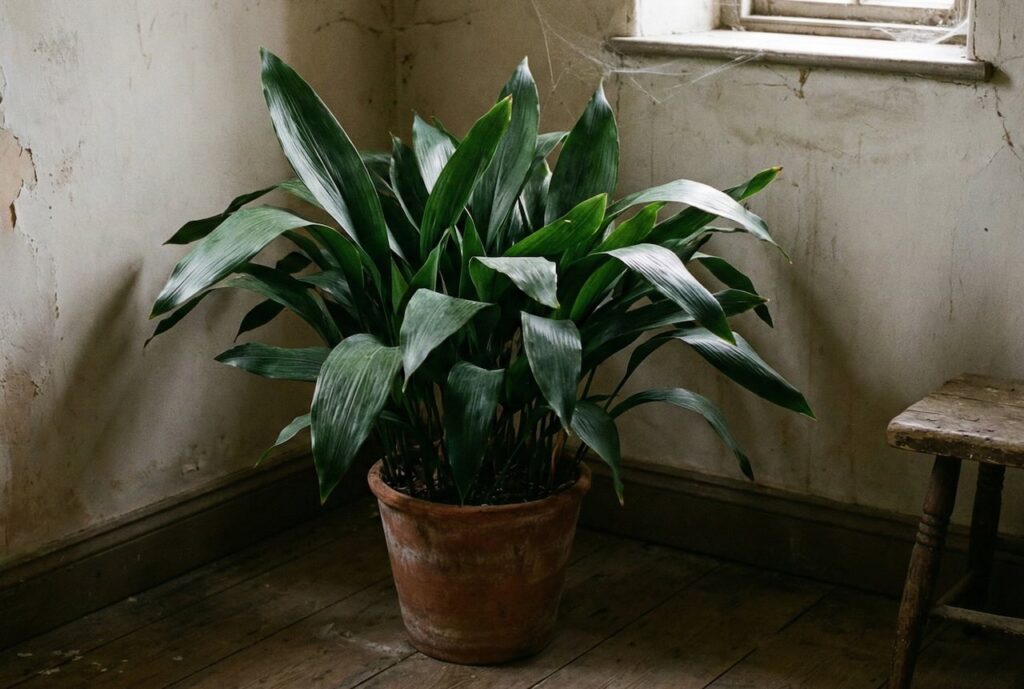
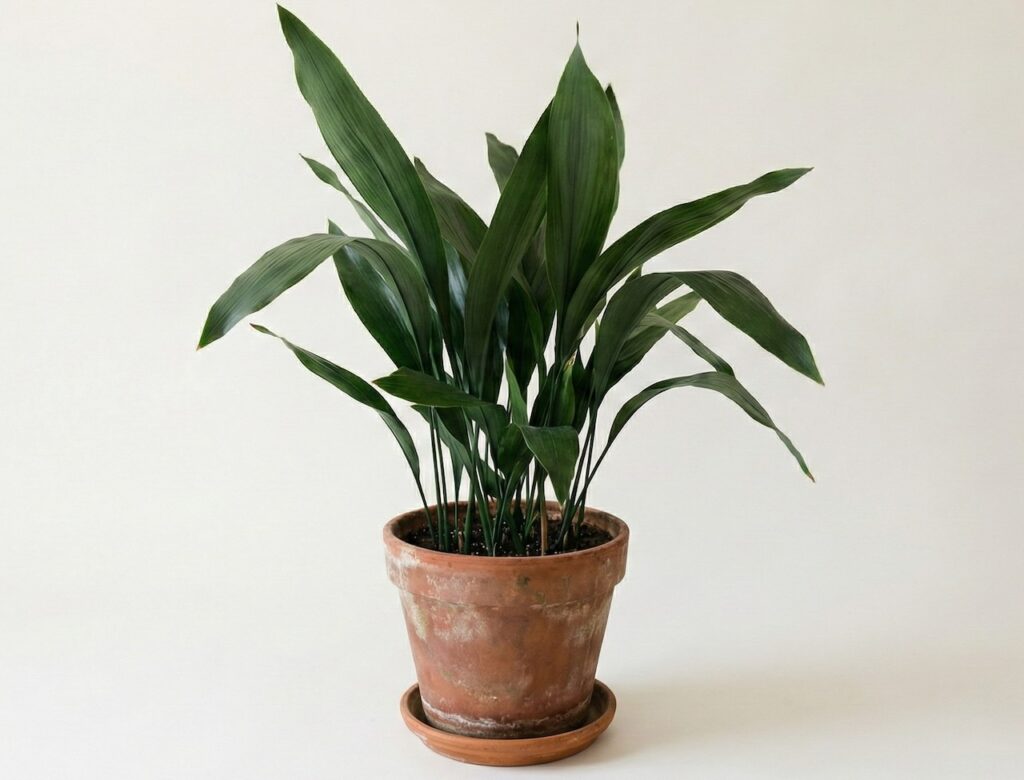
The cast iron plant earns its name by being virtually indestructible. I would bet money on you not being able to kill this specimen! This is the plant that survives in Victorian parlours, dim hallways, and basically anywhere you stick it. The Victorians loved this plant as much as they loved ferns!
If you’ve killed every houseplant you’ve ever owned, start with this absolute legend.
It has these gorgeous dark green, glossy leaves that arch elegantly. It grows slowly, which means minimal maintenance, and it tolerates neglect better than almost any other houseplant. It’s the ultimate lazy gardener’s dream plant.
Watering Cast Iron Plants
Cast iron plants need very little water. Let the soil dry out substantially between waterings. In summer, water every two to three weeks. In winter, once a month or even less. They genuinely thrive on neglect and hate being fussed over. Overwatering is the main way to damage these otherwise bulletproof plants.
Light Requirements of Aspidistra
Cast iron plants tolerate everything from deep shade to bright indirect light. They’re the champions of low-light conditions where most plants would give up. Perfect for hallways, bathrooms, or rooms with north-facing windows. They actually prefer lower light and can get leaf scorch in bright conditions.
Common Problems of Cast Iron Plant
Yellow or brown leaves usually mean overwatering or too much direct sun. Dust accumulation on leaves is common due to slow growth, so wipe them down occasionally. These plants are practically problem-free.
The single best thing you can do is ditch the idea of watering on a fixed schedule. Your plants don’t care what day of the week it is! Instead, check the soil moisture before watering. Stick your finger into the compost up to your second knuckle. If it feels damp, leave it alone. If it’s dry, water thoroughly.
When you do water, do it properly. Water until it runs out the drainage holes, ensuring the entire root ball gets moisture. Then let it drain completely. Never leave plants sitting in saucers of water for hours as this leads to root rot.
Choose the Right-Sized Pot
Don’t stick a small plant in a massive pot thinking you’re being clever. Too much soil holds too much moisture, which means potential root rot. Your plant should have about an inch of space around the root ball. When repotting, only go up one pot size.
Always use pots with drainage holes. This is an absolute must unless you’re an experienced plant parent who knows exactly how much water to use. Drainage holes prevent waterlogging and give roots the oxygen they need.
Use Proper Houseplant Compost
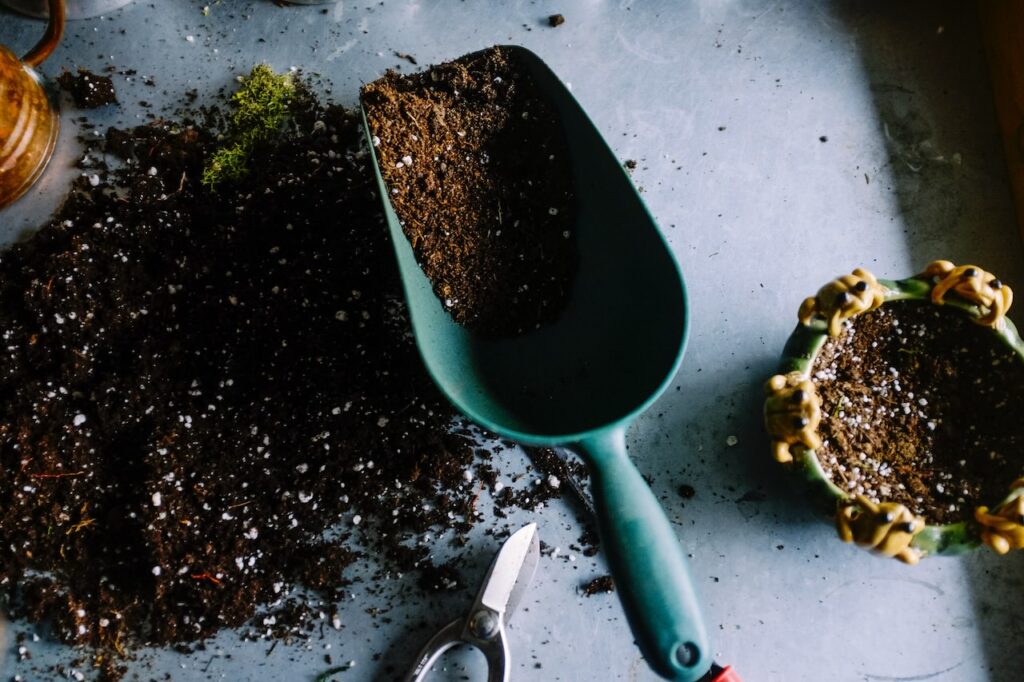
Don’t use garden soil for houseplants. It’s too heavy, compacts easily, and doesn’t drain properly in containers. Use proper houseplant compost or multipurpose peat free compost instead. For succulents and cacti (like aloe vera), mix in some extra grit or perlite for better drainage.
Understand Your Light Conditions
Spend a day observing the light in different areas of your home.
South-facing windows get the most light.
East-facing windows get gentle morning sun.
West-facing windows get stronger afternoon sun.
North-facing windows or rooms without windows are low-light conditions.
Match your plants to your actual light, not wishful thinking. If you’ve got a dim flat, embrace it with snake plants, ZZ plants, or cast-iron plants. If you’ve got bright sunny windowsills, go for aloe vera, rubber plants, or Chinese money plants.
Repotting Doesn’t Need to Be Scary
Most houseplants only need repotting every two to three years. You’ll know it’s time when roots are coming out of drainage holes, growth slows dramatically despite good care, or water runs straight through without being absorbed.
Spring is the best time for repotting as plants are entering their active growing phase. Choose a pot one size larger, use fresh compost, and water thoroughly after repotting. Don’t fertilise for a few weeks as the new compost has nutrients already.
Why Houseplants Are Brilliant for Everyone
Even if you don’t have a garden, houseplants let you connect with nature and all the mental health benefits that come with it. Studies show that having plants around reduces stress, improves air quality, and boosts mood and productivity.
They’re also brilliant for honing your plant care skills. The same principles of understanding water, light, and plant needs apply whether you’re growing a snake plant on your desk or designing a full garden. My container growing expertise translates perfectly to houseplants because it’s all about matching the plant to the conditions and understanding what each species needs.
Plus, houseplants are just gorgeous. They bring life, colour, and texture into your home. They make spaces feel more welcoming and lived in. And there’s something deeply satisfying about watching a plant you’re caring for flourish and grow.
Take Your Plant Knowledge Further
If you’ve caught the houseplant bug and want to learn more about plants, design principles, and creating beautiful spaces (both indoor and outdoor), check out my online garden design courses. Whether you want to level up your plant knowledge, learn about design principles, or even start a career in garden design, I’ve got courses ranging from £29 to £199 that cover everything you need.
These courses aren’t just for people with gardens either! The principles of understanding plant needs, creating harmonious colour schemes, and designing beautiful functional spaces apply just as much to indoor plant arrangements as they do to full garden designs. You’ll learn how to read plants, troubleshoot problems, and create spaces that genuinely work for your lifestyle.
29
Garden Design Examples for Small Gardens: 30 Design Templates & Planting Plans
Garden Design Examples for Small Gardens: 30 Design Templates & Planting Plans: In this online gardening course, I’ll walk you through 30 fantastic garden designs, explaining the logic behind the layout, the plant choices, and take-home tips for applying them in your own garden.
Weekend Garden Makeover: A Crash Course in Design for Beginners
Learn how to transform and design your own garden with Lee Burkhills crash course in garden design. Over 5 hours Lee will teach you how to design your own dream garden. Featuring practical design examples, planting ideas and video guides. Learn how to design your garden in one weekend!
Garden Design for Beginners: Create Your Dream Garden in Just 4 Weeks
Garden Design for Beginners Online Course: If you want to make the career jump to becoming a garden designer or to learn how to design your own garden, this is the beginner course for you. Join me, Lee Burkhill, an award-winning garden designer, as I train you in the art of beautiful garden design.
Got questions about your houseplants or want to share your successes? Head over to the Garden Ninja forum where our brilliant community of Ninjas can help troubleshoot problems and celebrate your plant wins. There’s loads of friendly advice and everyone’s learning together.
Your Houseplant Journey Starts Now!
Look, I know it can feel daunting when you’re starting out with houseplants. Maybe you’ve killed a few in the past. Maybe you’re worried you don’t have the knack. But honestly, with these ten bombproof plants, you genuinely cannot go wrong.
Start with one or two plants from this list. Learn their rhythms. Understand what they’re telling you through their leaves. Before you know it, you’ll have the confidence to expand your collection and try slightly trickier species.
Remember, every plant expert was once a beginner who killed their first few plants. It’s part of the learning process. The difference is that these easy houseplants are so forgiving that you’re much more likely to succeed and build your confidence, rather than getting discouraged.
So pick your first plant, find it a good spot, check the soil before watering, and enjoy watching it thrive. You’ve got this, Ninjas! Your indoor jungle awaits, and trust me, once you start, you won’t want to stop. Welcome to the wonderful world of houseplants!
Lee Burkhill, known as the Garden Ninja, is an award-winning garden designer and horticulturist with over 30 years of gardening experience and 15 years as a professional garden designer. A qualified RHS (Royal Horticultural Society) professional, Lee specialises in sustainable garden design and practical horticultural advice. He designs and presents on BBC1’s Garden Rescue and in leading gardening publications. Lee combines three decades of hands-on gardening knowledge with professional design qualifications to help gardeners create beautiful, functional outdoor spaces.