How to Get Leather Jackets Out of Lawns: Natural Methods That Actually Work
Lee Burkhill: Award Winning Designer & BBC 1's Garden Rescue Presenters Official Blog
Beginner level
Standing on your lawn watching crows, starlings, and magpies absolutely hammering away at your turf like they've discovered buried treasure is never a good sign. When you investigate those brown patches and find dozens of grey legless grubs writhing about in the soil, congratulations, you've got leather jackets. These are the larvae of crane flies, those gangly daddy longlegs that bumble about in late summer, and they're absolute menaces for lawns across Britain.
Quick Answer: Getting Rid of Leather Jackets
What kills leather jackets in lawns? Nematodes (Steinernema feltiae) applied in late summer or early autumn are the most effective organic treatment, killing leatherjacket larvae within 2 weeks. Manual removal by encouraging birds, improving drainage, and scarifying heavily infested areas also works, but is less effective for large populations.
When should I treat leather jackets? Apply nematodes between late August and October, when soil temperatures are above 12°C and larvae are actively feeding near the surface. Spring treatment in March-April can catch any surviving larvae before they pupate into crane flies.
How do I know if I have leather jackets? Look for irregular brown patches in the lawn, birds pecking aggressively at the turf, and grey-brown legless grubs up to 4cm long when you lift damaged turf sections. Peak damage occurs in autumn and spring.
This page contains affiliate links for products I use and love. If you take action (i.e. subscribe, make a purchase) after clicking a link, I may earn some gardening commission, which helps me keep the Garden Ninja Blog free for all.
Stopping Leather Jackets from Killing Your Lawn
I’ve been dealing with leather jacket infestations professionally for decades, and they’re genuinely one of the most frustrating lawn pests because the damage often appears suddenly and extensively. One week, your lawn looks fine; the next, it resembles a badly maintained football pitch, with brown patches everywhere, and half the local bird population is treating it as an all-you-can-eat buffet.
The good news is that leather jackets can be managed entirely with organic methods; you just need to understand their lifecycle and time your interventions properly.
This comprehensive guide will walk you through exactly how to eliminate leather jackets from your lawn using natural methods that actually work, with particular focus on nematode treatment, which is genuinely effective rather than just hopeful thinking. Whether you’re dealing with a minor infestation or your lawn resembles a warzone, you’ll discover practical solutions that don’t involve dousing your garden in chemicals.
What Are Leather Jackets and Why Are They Destroying Your Lawn
Before tackling the problem, let’s make sure we understand what you’re dealing with.
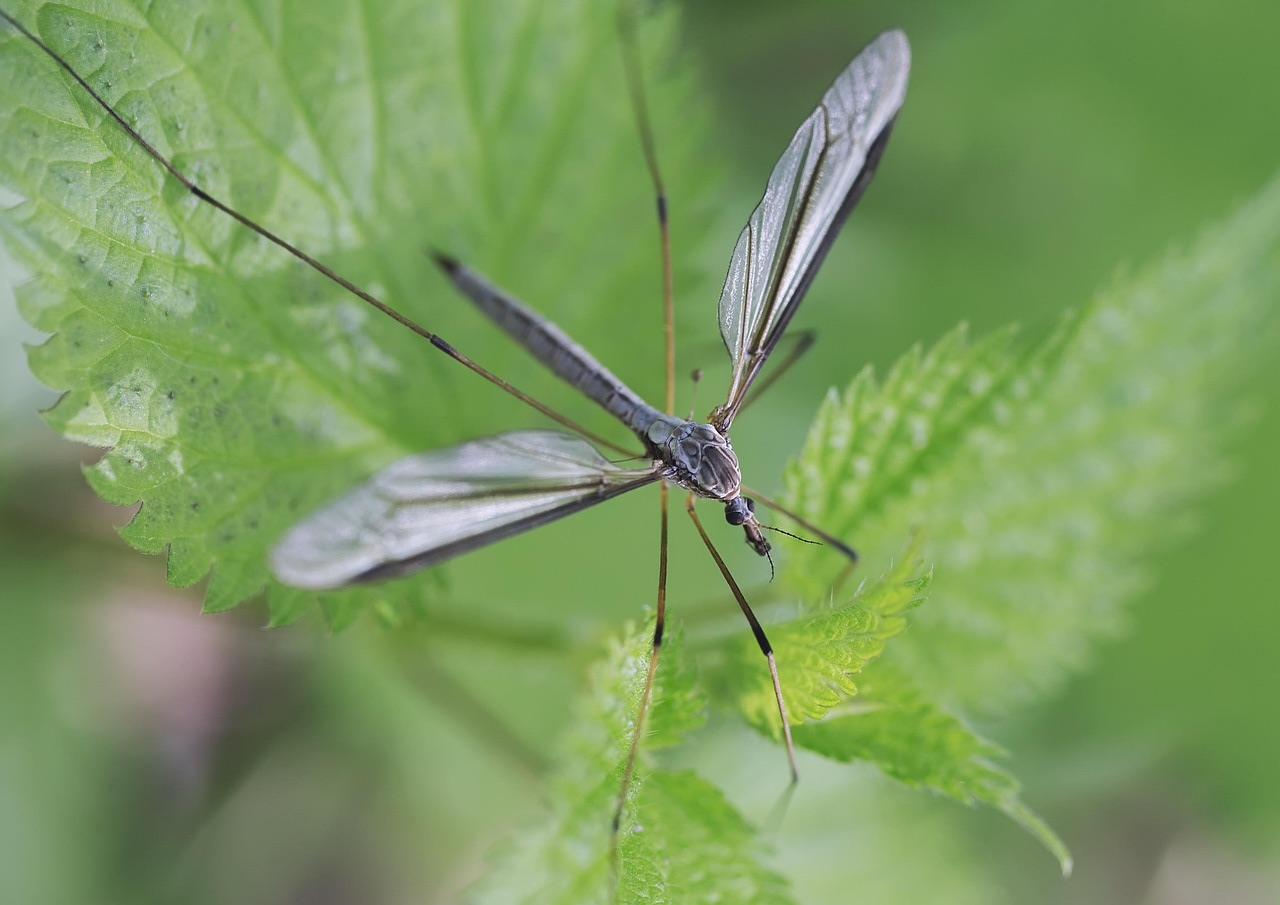
Leather jackets are the larval stage of crane flies, those harmless-lookinginsects with absurdly long legs that appear in late summer. The adult crane flies themselves cause no damage whatsoever. They’re actually pretty useless insects that barely feed and exist purely to mate and lay eggs. More often than not, the adults just fly around your living room at the lights at night or end up getting trapped in the corners of your rooms, incessantly buzzing!
However much we dislike annoying flies, they do feed nocturnal bats, birds and other garden widllife so they are part of our food chain, before we totally denounce them! It’s their offspring that are the lawn-destroying villains.
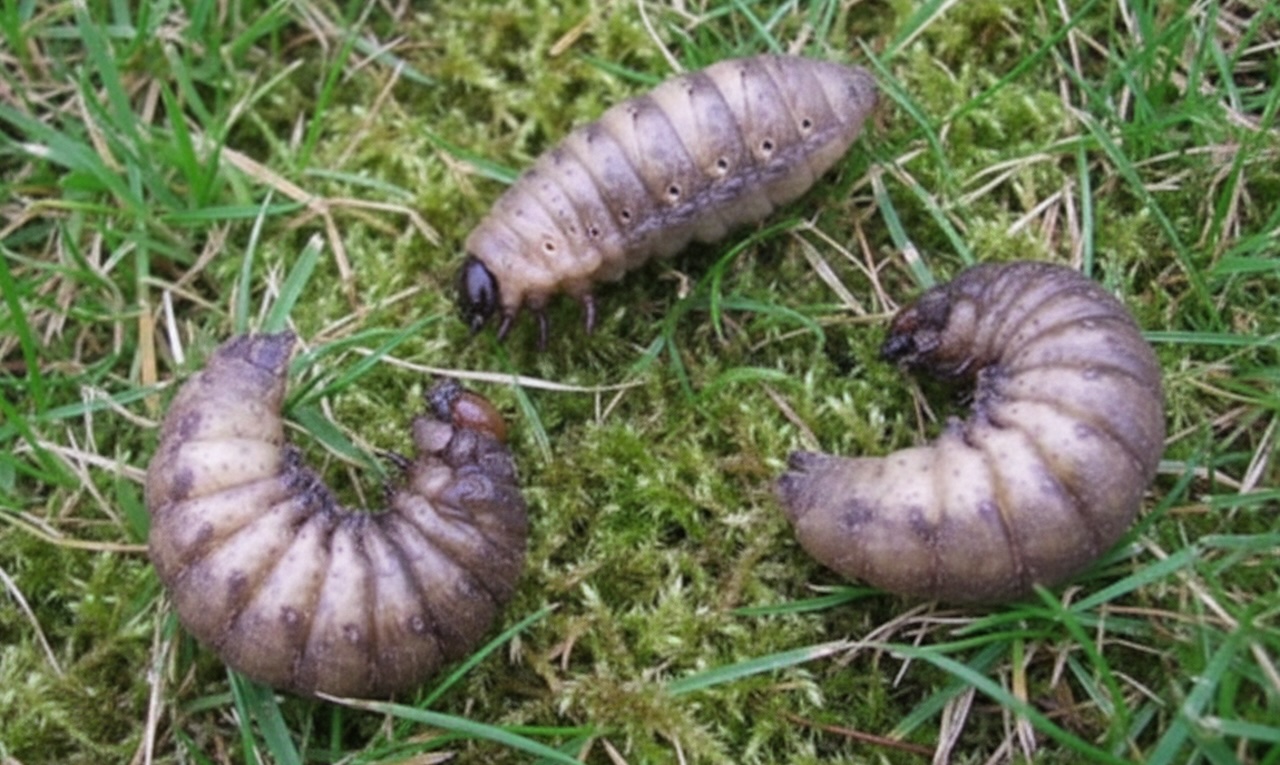
Female crane flies lay eggs in late summer, typically August and September, depositing them in damp soil or grass. Each female can lay up to 300 eggs, which gives you some idea of how quickly populations explode. These eggs hatch within two weeks, and the emerging larvae immediately start feeding on grass roots, shoots, and stems just below the soil surface. The larvae are greyish-brown, tubular, legless grubs that can reach up to 4cm long and have a tough, leathery skin, hence the name leather jackets.
The damage occurs primarily in two periods:
Autumn feeding, as the newly hatched larvae build up their body mass before winter.
Severely in spring, when the overwintered larvae resume aggressive feeding before pupating into adult crane flies in late summer.
A heavily infested lawn can harbour hundreds of leather jackets per square metre, and at those populations, the grass simply cannot keep up with the root damage.
How to Identify Leather Jacket Damage
Knowing whether you definitely have leather jackets rather than some other lawn problem is crucial before you start treatment.
The classic signs of leather jacket infestation are:
Irregular brown or yellow patches in the lawn that appear in autumn or early spring.
Often, birds peck aggressively at the affected areas.
The patches might initially look like drought damage.
They’ll be scattered randomly rather than in consistently dry areas.
To confirm that leather jackets are present, try this simple test. Choose a damaged patch of lawn in the evening when the soil is moist. Lay a piece of old carpet, a thick plastic sheet, or a dampened hessian sacking over about a square metre of affected turf. Leave it overnight. Check under the covering first thing in the morning.
If you’ve got leather jackets, they’ll have migrated to the surface overnight, where it’s damp and cool, and you’ll see them clearly. More than five leather jackets per square metre indicates a problem that needs treatment, whilst twenty or more per square metre constitutes a severe infestation.
Other identification clues include:
Birds, particularly crows, starlings, magpies, and even badgers, dig up turf to feed on grubs
Grass that pulls away easily from damaged patches because roots are severed
Damage appearing or worsening after mild wet weather in autumn or spring
Grey-brown legless grubs are visible when you lift sections of damaged turf
Adult crane flies are emerging in large numbers from the lawn in late summer
Manual and Physical Removal Methods
Before discussing nematodes, let’s cover the manual approaches you can take. These won’t eliminate severe infestations on their own, but they’re useful for minor problems and as supplementary measures alongside nematode treatment.
i) Encourage Natural Predators
Your best free workforce for controlling leather jackets is birds. Starlings, thrushes, crows, and blackbirds absolutely love leather jackets and will systematically work through infested areas given the chance. Rather than trying to scare birds away from your lawn, actively encourage them to visit.
Yes, they’ll make a bit of a mess pecking holes, but they’re doing you a massive favour by reducing populations naturally. Put out bird feeders and water sources to attract more birds to your garden. The temporary damage from bird pecking is infinitely preferable to the extensive damage caused by unchecked leather-jacket populations.
ii) Improve Drainage
Crane flies prefer damp conditions for egg laying, and leather jackets thrive in poorly drained soil. If your lawn has persistent damp patches or areas where water sits after rain, you’re creating ideal breeding conditions. Improving drainage through aeration, applying sharp sand to compacted areas, or installing land drains in genuinely waterlogged sections makes your lawn less attractive to egg-laying females and less hospitable to developing larvae. This won’t solve an existing infestation, but it helps prevent future problems.
iii) Scarification and Collection
For small infested areas, aggressive scarification can physically remove some leather jackets. Rake the affected patches vigorously, digging the tines into the soil surface. This brings larvae to the surface, where you can collect them manually or leave them for birds to devour. It’s labour-intensive and won’t get all the grubs, but for a small patio lawn with limited infestation, it’s viable. Follow up by reseeding the damaged areas once you’ve reduced populations.
iv) Cultivate and Expose
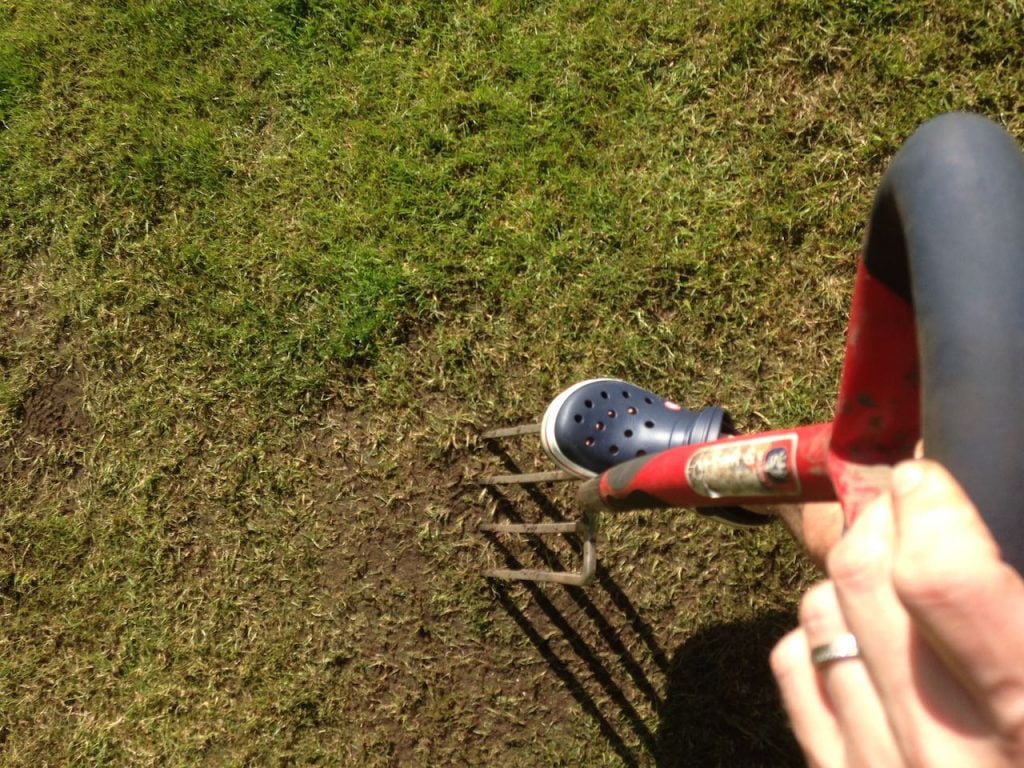
If you’re prepared to temporarily sacrifice sections of lawn, cultivating the soil and leaving it exposed can reduce populations. Fork over badly infested patches, breaking up the top few centimetres of soil and leaving it rough. Leather jackets brought to the surface will be eaten by birds or will desiccate in dry weather. This approach works best in spring, when you can then reseed or returf once populations are reduced. However, this is probably the most resource-intensive and least successful method, so in my experience, skip to the nematodes below instead!
Nematode Treatment: The Most Effective Organic Solution
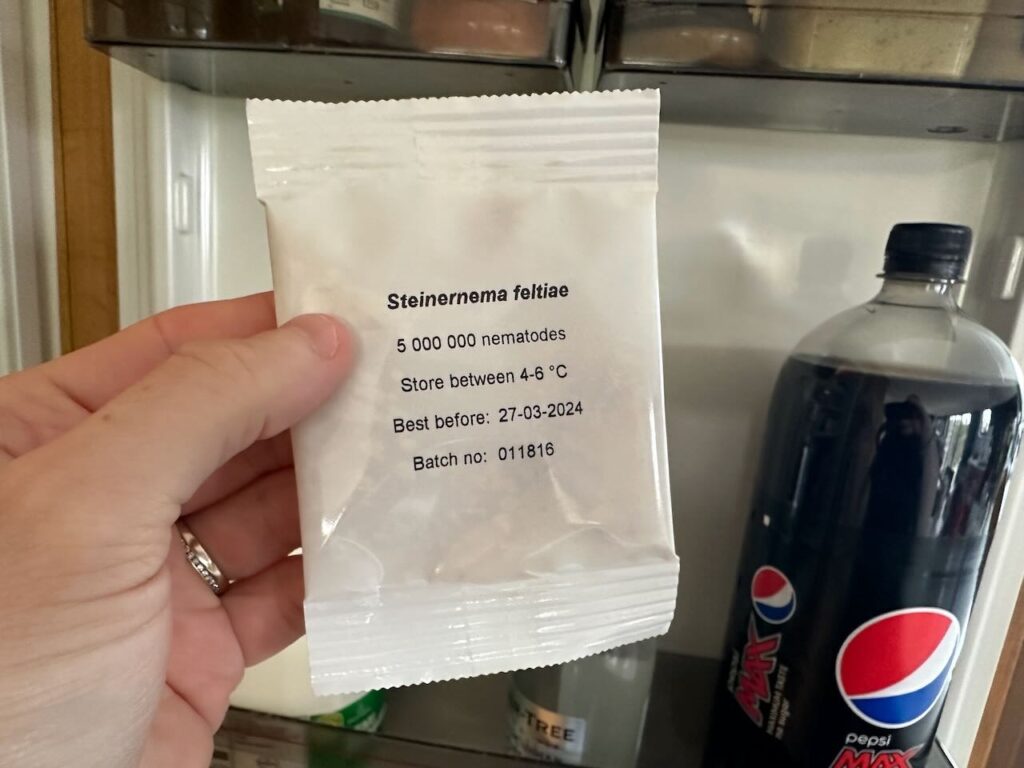
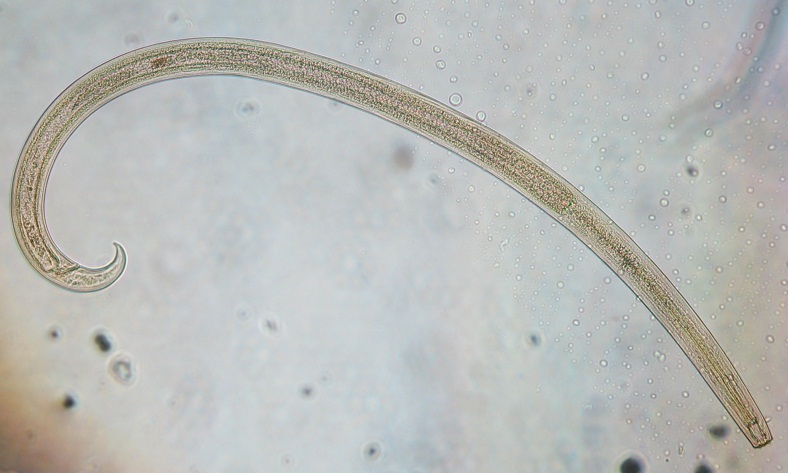
Right, let’s talk about the method that actually works comprehensively for leather jacket control. Nematodes, specifically Steinernema feltiae, are microscopic parasitic worms that actively hunt and kill leather jacket larvae in the soil. This isn’t some hopeful organic remedy that might help a bit; this is genuinely effective biological control that can eliminate up to 80-90% of leather jacket populations when applied correctly.
Here’s how nematodes work. You purchase them as a powder or sponge containing millions of dormant nematodes. Mix this with water, then apply it to your lawn with a watering can or sprayer. The nematodes activate in the soil and actively seek out leather jacket larvae. When they find one, they enter the grub’s body through natural openings, release bacteria that quickly kill the host, then reproduce inside the dead leather jacket before emerging to hunt more prey. It’s proper biological warfare happening invisibly beneath your lawn.
When to Apply Nematodes
Timing is absolutely crucial for nematode success. The optimal application window is late August through October, with September being ideal in most of Britain. At this time, newly hatched leather jacket larvae are small and vulnerable, actively feeding near the surface, and soil temperatures are still warm enough for nematode activity. Soil needs to be above 12°C for nematodes to work effectively, and leather jackets need to be present and feeding.
A secondary application window exists in March and April for spring treatment. This catches overwintered leather jackets before they pupate, but they’re larger and tougher at this stage, so control is less effective than autumn treatment. If you missed the autumn window or are dealing with severe spring damage, spring nematode application is still worthwhile.
How to Apply Nematodes Correctly
Nematodes are living organisms that need careful handling to work properly. Follow these steps for a successful application:
Step One: Order Fresh Nematodes
Purchase nematodes from reputable suppliers like Nemasys, Dragfli, or Green Gardener. They’re typically sold in packs that treat specific areas, like 100 or 500 square metres. Check the use-by date and apply them immediately on arrival, or store in a fridge; they have a limited shelf life once manufactured.
Step Two: Prepare Your Lawn
Water your lawn thoroughly the day before application if it’s dry. Nematodes need moist soil to move through effectively. Mow the lawn to normal height, but don’t scarify immediately before treatment, as this can damage the turf surface. Choose a cloudy day or apply in the evening, as direct sunlight and UV radiation kill nematodes on the surface.
Step Three: Mix the Nematodes
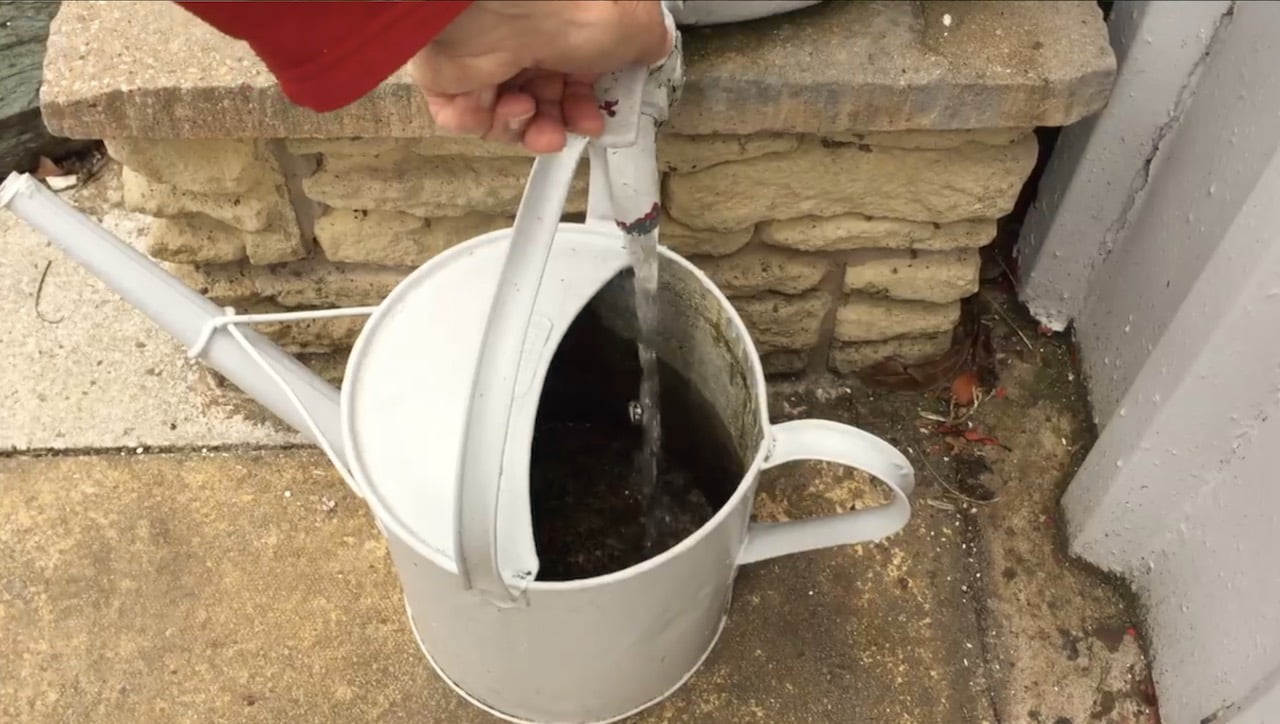
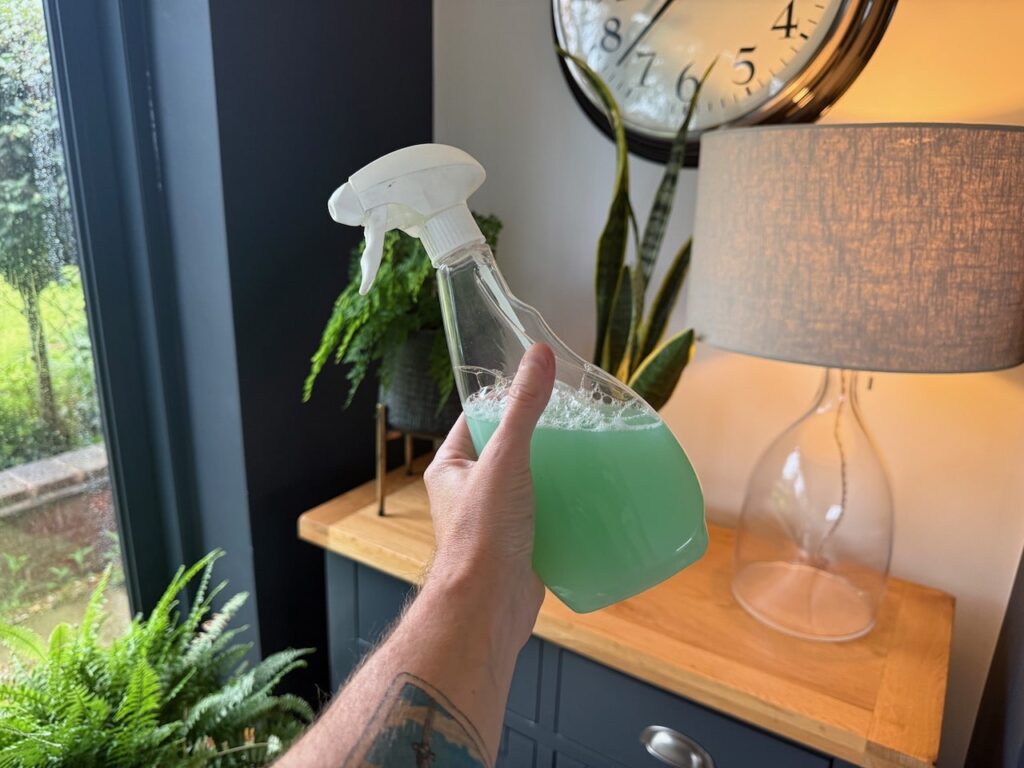
Follow the packet instructions precisely for dilution rates. Generally, you’ll mix the nematode powder or sponge with a small amount of water first to create a suspension, then dilute this in your watering can or sprayer. Use all the mixture immediately once prepared; don’t let it sit around. Keep stirring or agitating the mixture during application to prevent nematodes from settling to the bottom.
Step Four: Apply Evenly
Apply the nematode solution evenly across the entire lawn area, not just visible damaged patches. Leather jackets may be present throughout, even where damage isn’t yet visible. A standard watering can with the rose removed works fine for small areas. For larger lawns, use a knapsack sprayer or hose end feeder designed for nematode application. Aim for thorough coverage at the recommended rate, typically around 5 litres per square metre.
Step Five: Water In Thoroughly
Immediately after applying nematodes, water the lawn again with plain water. This washes nematodes off grass blades and down into the soil, where leatherjackets live. The soil needs to stay moist for at least two weeks after application for nematodes to hunt effectively. If we’re in a dry spell, water your lawn regularly during this period.
Step Six: Avoid Disturbance
Don’t apply any other lawn treatments for at least two weeks after nematode application. No fertilisers, no weed killers, no fungicides, nothing that might interfere with nematode activity. Keep off the lawn as much as possible during this period to avoid compacting soil and hindering nematode movement.
What to Expect After Treatment
Nematodes work quickly once they locate leather jackets. You should see a visible reduction in bird activity within a week as grub populations decline. Dead and dying leather jackets will appear on the surface, often discovered by birds who continue feeding on the easy pickings. Within two to three weeks, the population should be decimated, and grass in damaged areas will begin recovering as root damage stops.
A single application typically achieves 80-90% control of leather jacket populations. For severe infestations or if you’re treating late in the season, a second application four to six weeks after the first can mop up any remaining populations. The treated area will remain hostile to leather jackets for several weeks as nematodes persist in the soil, though they gradually decline without hosts to sustain them.
Other Organic Control Methods
Beyond nematodes and manual removal, a few other organic approaches can help as part of an integrated strategy.
A) Beneficial Fungi
Some gardeners have success using products containing Metarhizium anisopliae, a fungus that infects and kills various soil-dwelling insects, including leather jackets. It works similarly to nematodes, with fungal spores infecting the grubs and killing them from within. Effectiveness varies depending on soil conditions and application timing, and it’s generally less reliable than nematodes for leather jacket control specifically.
B) Delay Autumn Mowing
If you suspect crane flies are laying eggs in your lawn, letting grass grow slightly longer in late August and early September makes conditions less favourable for egg laying. Female crane flies prefer short turf for depositing eggs. This is a very minor preventative measure rather than a solution for existing problems.
C) Apply Nitrogen Feed in Spring
A nitrogen-rich spring feed (look for higher N values in fertiliser, or see my guide below on how to work out the nitrogen in plant food) helps grass recover more vigorously from leather jacket damage and may help the turf outgrow moderate root feeding. This doesn’t control leather jackets themselves but supports lawn recovery alongside other control measures.
What You Can Do in Winter
If you’ve discovered leather jacket damage in winter, you’re probably frustrated that it’s not the right time for nematode treatment. Soil temperatures below 12°C mean nematodes simply won’t work effectively, and leather jackets are relatively dormant during the coldest months anyway. However, winter isn’t a complete write-off; there are useful actions you can take to prepare for spring treatment and reduce populations where possible.
A)Keep Encouraging Birds
Even in winter, birds will continue feeding on leather jackets when they can access them. Thrushes and blackbirds, particularly, will work through lawns during mild spells or when the ground isn’t frozen. Keep your bird feeders stocked and water available to maintain a healthy bird population in your garden. They’re doing valuable work reducing the number of leather jackets, even if it’s slower than during warmer months.
B) Assess and Map Damage
Use winter as your planning period. Walk your lawn when conditions allow and mark out areas showing damage. Take photos and notes about which sections are worst affected. This information will be invaluable when you’re ready to treat in spring, allowing you to apply nematodes strategically or plan reseeding and repair work for the most damaged areas.
C)Improve Drainage If Conditions Allow
If you’ve identified waterlogged areas and the ground isn’t frozen solid, winter can be a good time to improve drainage. Fork over compacted patches, apply sharp sand to areas that stay wet, or even install proper land drainage if you’re tackling the problem comprehensively.
Better drainage makes your lawn less attractive to egg-laying crane flies that come next summer and reduces conditions that leather jackets thrive in.
If your lawn is already damaged from leather jackets, avoid heavy foot traffic or playing on it during wet winter conditions. Damaged turf is vulnerable to further deterioration from compaction and wear. Let it rest through winter so it’s in the best possible condition to recover once you’ve dealt with the leather jacket population in spring.
F)Plan Your Spring Recovery Strategy
Winter is the perfect time to plan how you’ll repair damaged areas once you’ve controlled the leather jackets. Research overseeding techniques, consider whether you need to order new turf for severely damaged patches, and plan your spring feeding and maintenance schedule. Being prepared means you can act quickly once treatment has reduced populations and growing conditions improve.
The reality is that winter isn’t prime time for active leather jacket control, but it’s not wasted time either. Use these months to prepare, plan, and position yourself for decisive action come spring, when you can apply nematodes effectively and get your lawn back to health.
What Doesn’t Work
Let me save you time and money by identifying approaches that don’t work, even when they’re sometimes suggested on different gardening blogs or forums. In my experience, the below are a complete waste of time, so avoid them, Ninjas!
1)Chemical Lawn Treatments
Previously, you could buy chemical insecticides containing imidacloprid or chlorpyrifos for leather jacket control. These were banned for amateur garden use years ago due to environmental concerns. Any product claiming to chemically kill leather jackets that’s available to home gardeners now is either illegal, ineffective, or both. Don’t waste your money or risk environmental damage.
Some websites suggest planting specific flowers or herbs around lawn edges to repel crane flies. This is nonsense. Crane flies will lay eggs in suitable lawns regardless of what’s planted nearby.
Learn More About Garden Design
Want to learn more than just getting rid of lawn pests? Why not sign up for one of my garden design online courses to learn wider gardening skills and turn your garden into something fabulous to look at! My online courses are packed with gardening hints, tips and instructional videos to take your gardening to the next level.
You’ll learn:
The site analysis checklist I use on every Garden Design project
Client brief questions refined over 20 years that help you think through what you really want
Plant selection formulas that take the guesswork out of choosing plants
Layout planning principles that create functional, beautiful spaces
Budget allocation strategies that maximise every pound spent
The course gives you the complete toolkit I’ve developed through 200-plus garden transformations.
29
Garden Design Examples for Small Gardens: 30 Design Templates & Planting Plans
Garden Design Examples for Small Gardens: 30 Design Templates & Planting Plans: In this online gardening course, I’ll walk you through 30 fantastic garden designs, explaining the logic behind the layout, the plant choices, and take-home tips for applying them in your own garden.
Weekend Garden Makeover: A Crash Course in Design for Beginners
Learn how to transform and design your own garden with Lee Burkhills crash course in garden design. Over 5 hours Lee will teach you how to design your own dream garden. Featuring practical design examples, planting ideas and video guides. Learn how to design your garden in one weekend!
Garden Design for Beginners: Create Your Dream Garden in Just 4 Weeks
Garden Design for Beginners Online Course: If you want to make the career jump to becoming a garden designer or to learn how to design your own garden, this is the beginner course for you. Join me, Lee Burkhill, an award-winning garden designer, as I train you in the art of beautiful garden design.
Leather jackets are frustrating pests, but they’re entirely manageable with the right approach at the right time. Nematode treatment in late summer or early autumn is genuinely effective and the most effective organic control method available to home gardeners. Combine this with encouraging natural predators, improving drainage, and maintaining good lawn health, and you can keep leather jacket populations below damaging thresholds without resorting to chemicals.
The key is to act promptly when you notice damage and to time your nematode applications to coincide with vulnerable larval stages. Miss that August-to-October window, and you’re fighting an uphill battle. Get it right, and within a fortnight you’ll see dramatic improvement as populations crash and your grass begins recovering.
Your lawn doesn’t have to be a leather jacket breeding ground. Sort the problem properly using these methods, and you’ll have healthy turf that you can actually enjoy rather than constantly repairing.
Lee Burkhill
Lee Burkhill, known as the Garden Ninja, is an award-winning garden designer and horticulturist with over 30 years of gardening experience and 15 years as a professional garden designer. A qualified RHS (Royal Horticultural Society) professional, Lee specialises in sustainable garden design and practical horticultural advice. He designs and presents on BBC1’s Garden Rescue and in leading gardening publications. Lee combines three decades of hands-on gardening knowledge with professional design qualifications to help gardeners create beautiful, functional outdoor spaces.