Crop Rotation for Beginner Gardeners: How to arrange your allotment
Lee Burkhill: Award Winning Designer & BBC 1's Garden Rescue Presenters Official Blog
Beginner level
Are you thinking of growing crops or starting your own allotment garden? Dreaming of a gorgeous edible kitchen garden with home grown food? If so you may have heard of crop rotation but been baffled by the term. Join me, Lee Burkhill as I explain why crop rotation is your secret weapon for successfully growing vegetables no matter what your skill level!
Today, let’s dig deep into the fascinating world of allotment crop rotation. If you’re an avid gardener or someone just starting to get their hands dirty, you’ll quickly learn that successful gardening is not just about what you plant but also where you plant it each year. Enter the magic of crop rotation. The practice of moving crops each year not only keeps your soil healthy but also maximises your harvests, Ninjas!
This page contains affiliate links for products I use and love. If you take action (i.e. subscribe, make a purchase) after clicking a link, I may earn some gardening commission which helps me keep the Garden Ninja Blog free for all.
Moving crops to ensure healthy harvests
Imagine your allotment as a lively dance floor and your crops as the dancers, each with its own unique moves. Crop rotation is the choreography that ensures a harmonious dance, preventing soil exhaustion and minimising pest and disease problems. Crop rotating allows you to group families of crops together and, each year, move that family to a new position and a different family of crops into the vacant space.
Allotment crop rotation is the practice of systematically changing the types of crops planted in specific areas of the allotment each year to optimise soil fertility, reduce disease and pest problems, and promote overall garden health. It’s rotating which vegetable beds or raised beds you use for each crop type every year.
Crop Rotation Quick Start Guide
Short on time? Here’s everything you need to know to get started with crop rotation in your allotment or kitchen garden:
The Basic Principle: Don’t grow the same family of vegetables in the same spot more than once every three to four years. This prevents pest and disease build-up whilst maintaining soil fertility.
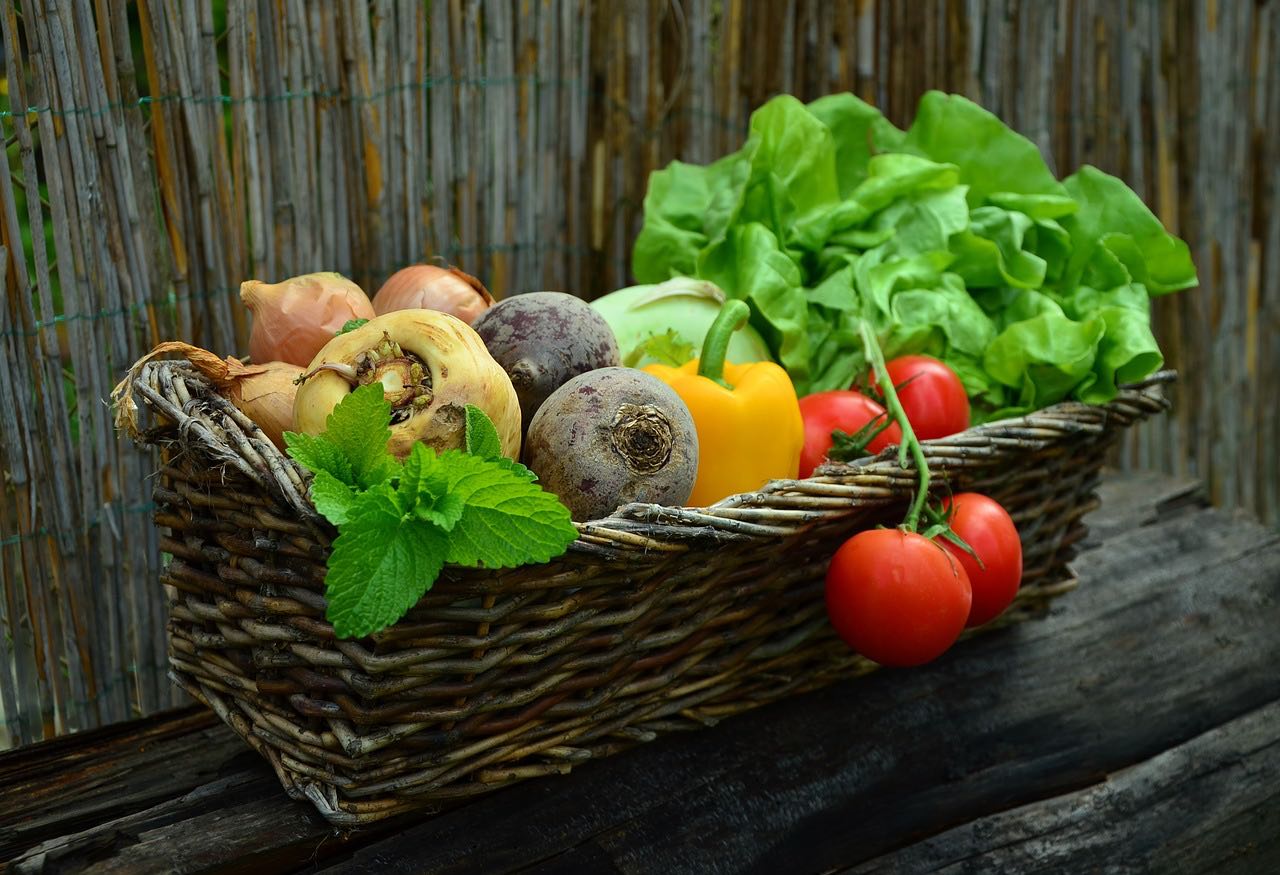
The Five Main Families
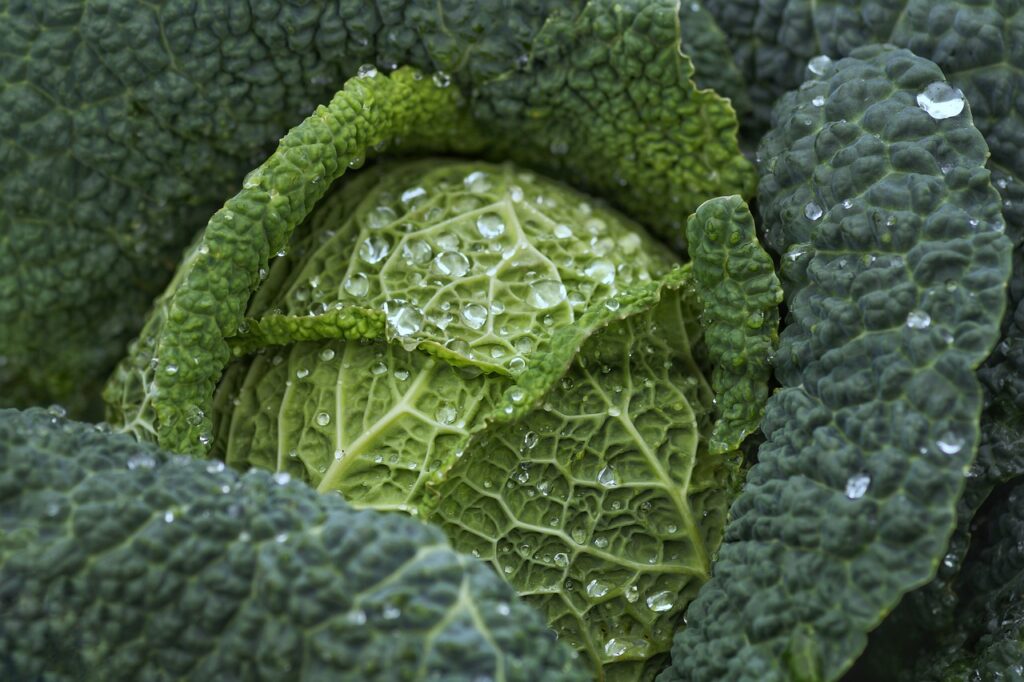
Brassicas (cabbages, broccoli)
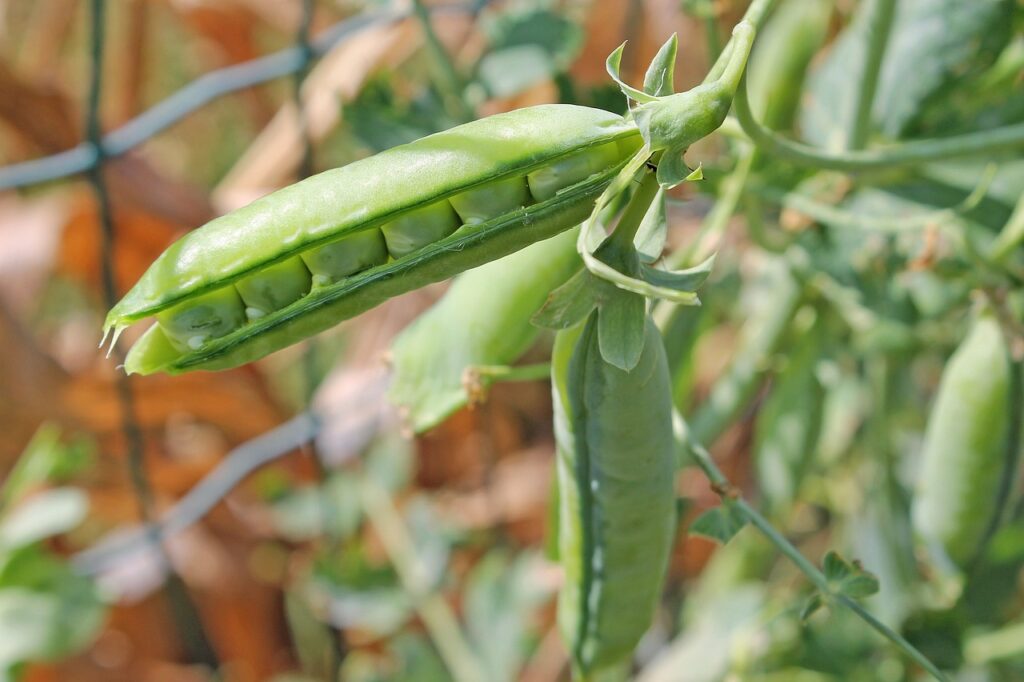
Legumes (peas, beans)
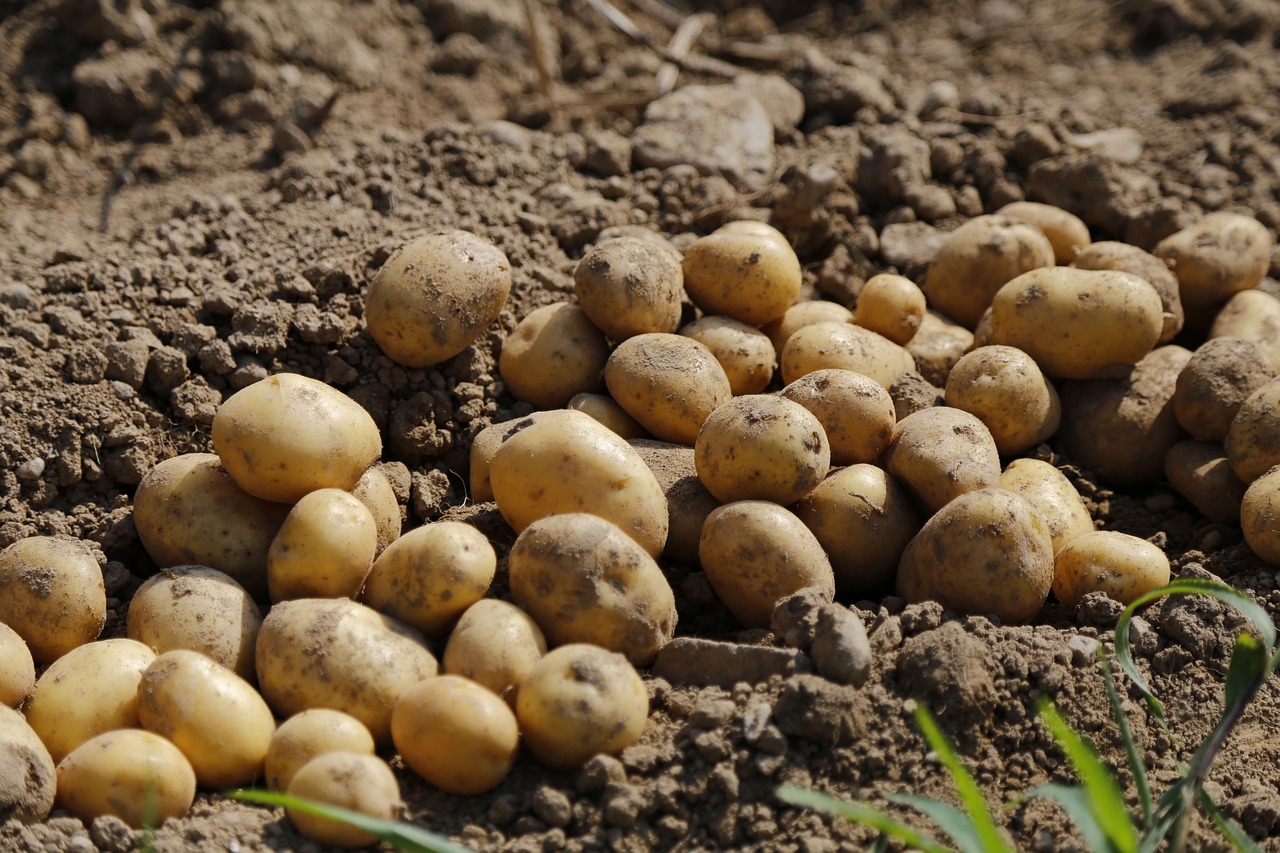
Nightshades (tomatoes, potatoes)
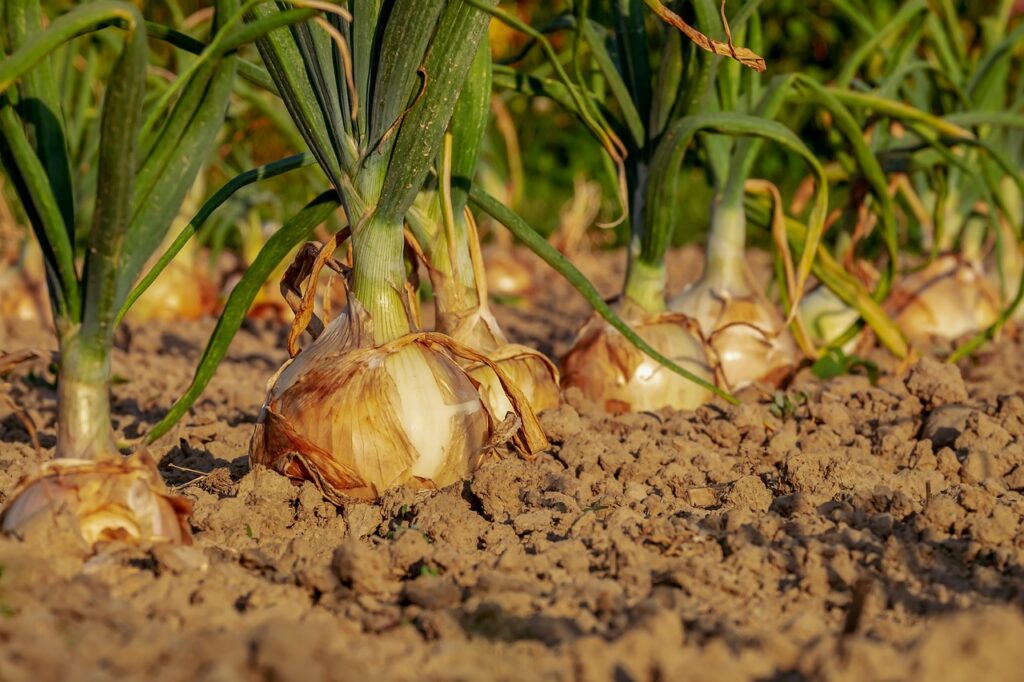
Alliums (onions, garlic)
Roots (carrots, parsnips)
Minimum Rotation: Three years is acceptable, four years is better, five years is ideal for particularly problematic crops like brassicas and alliums.
Record Keeping: Take a photo of your plot each season and jot down what went where. That’s genuinely all you need to start successfully rotating crops.
Don’t Panic: Any rotation is better than none. If you make mistakes or your space is limited, don’t abandon the whole idea. Do what you can, and you’ll still see benefits.
Now, let’s dig deeper into exactly how crop rotation works and how you can implement it in your own garden, regardless of size or experience level.
Understand the Crop Families
Crops belong to families, just like we do. The first step when creating a successful crop rotation is understanding and grouping your plants based on their families.
Plant families are extended plant relatives with common traits and family history. In the plant world, they’re groups of related plants based on things like how they reproduce and their genetic makeup. Think of it as a big family tree with each family including different plant types.
Knowing about plant families helps experts and gardeners understand how plants are connected and what to expect from them, like how they grow and what they might be useful for. It’s like having a cheat sheet for getting to know plants better!
Crop rotation involves dividing plants into groups based on their botanical families. Each family has similar nutrient requirements, growth habits, and susceptibility to pests and diseases. The primary goal of grouping plants in this way is to prevent the depletion of specific nutrients in the soil and to disrupt the life cycles of pests and diseases that may affect certain plant families.
Here’s a breakdown of common plant groups used in crop rotation:
1. Alliums (Onion Family)
Examples: Onions, garlic, leeks, and chives.
Characteristics: Alliums have unique flavours and are generally resistant to pests and diseases.
Rotation: Rotate with other families to prevent the buildup of soil-borne pests and diseases. Avoid planting alliums in the same spot for consecutive years. They’re relatively light feeders but deeply susceptible to onion white rot, which can persist in soil for over a decade. This makes meticulous rotation of alliums absolutely crucial.
2. Root Vegetables
Examples: Carrots, beets, turnips and radishes.
Characteristics: Root vegetables have varying nutrient requirements and are generally hardy. They can be susceptible to pests like carrot rust flies.
Rotation: Rotate to prevent soil-borne diseases and pests. Follow with nutrient-restoring crops like legumes.
3. Solanaceae (Nightshade Family)
Examples: Tomatoes, peppers, eggplants and potatoes.
Characteristics: Solanaceae crops are susceptible to diseases like blight and pests like aphids and potato beetles.
Rotation: Avoid planting members of this family in the same spot for consecutive years to reduce the risk of soil-borne diseases and pests. They share susceptibility to various blights, viruses, and soil-borne diseases. Never follow potatoes with tomatoes or vice versa, as diseases affecting one can devastate the other.
4. Brassicas (Cruciferous Vegetables)
Examples: Cabbage, broccoli, cauliflower, kale, radishes, and Brussels sprouts.
Rotation: Follow Brassicas with crops from other families to prevent the buildup of soil-borne diseases and pests. This family is particularly prone to clubroot disease and cabbage root fly, making rotation especially important. They’re also hungry feeders that appreciate nitrogen-rich soil.
5. Legumes (Nitrogen Fixers)
Examples: Peas, beans, lentils, and peanuts.
Characteristics: Legumes have the unique ability to fix nitrogen from the air into the soil, improving soil fertility. They are often used as a “green manure” crop.
Rotation: Plant legumes before or after crops with higher nitrogen requirements, as they contribute nitrogen to the soil. Their superpower is fixing atmospheric nitrogen into the soil through nodules on their roots. This makes them excellent predecessors for hungry crops. Legumes are generally less fussy about rotation than other families.
Vegetables that don’t need crop rotation
Some plants, like legumes, can be technically grown in the same place each year if needed. Peas, Sweetcorn, beans, courgettes, squash, cucumber, radishes, salads and leafy greens can be grown year after year in the same place. The same goes for grains like wheat, barley, or oats.
Though good allotment hygiene and soil health mean you probably want to rotate these every few years to help the soil recover and stop any build-up of pests.
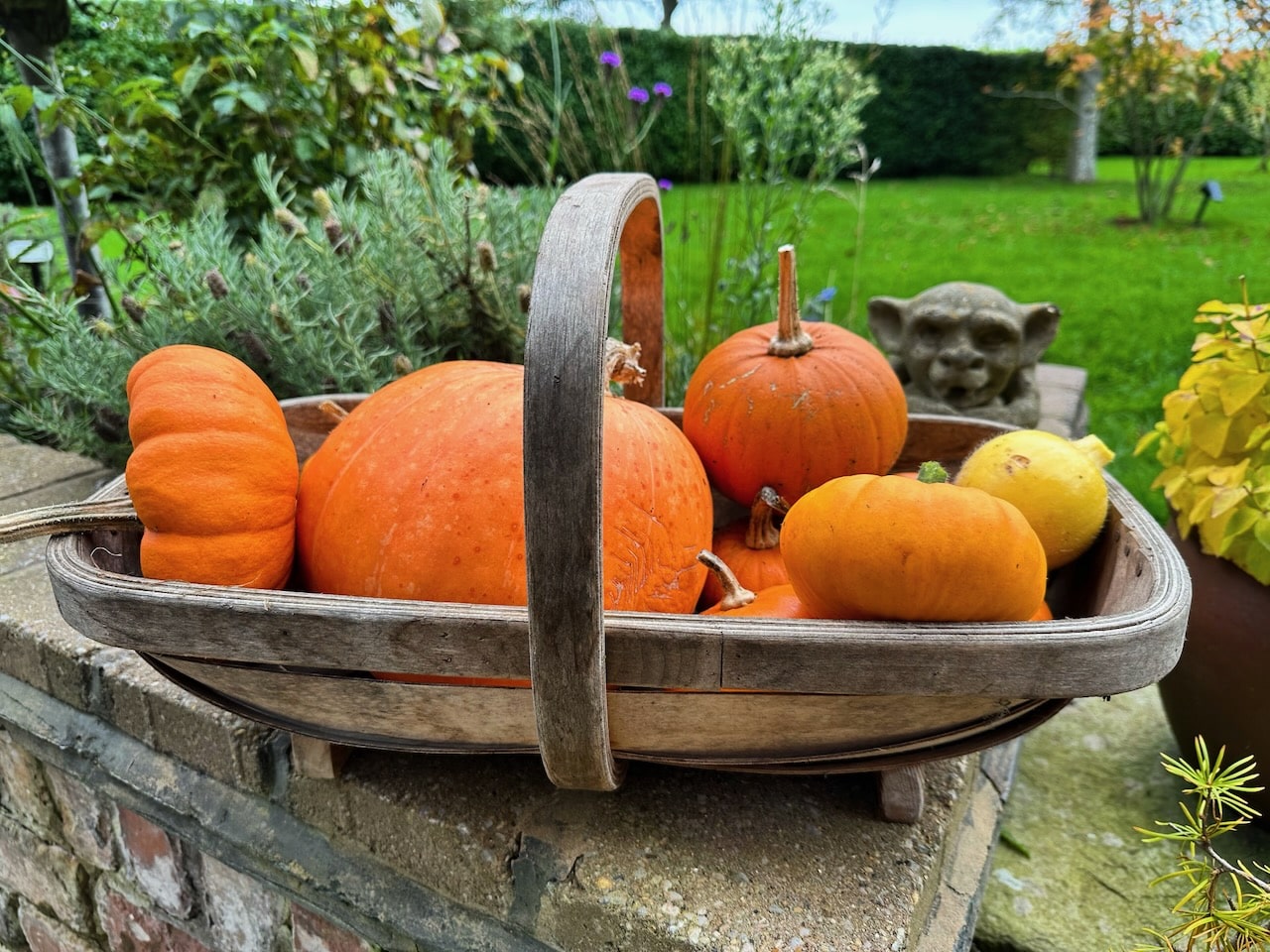
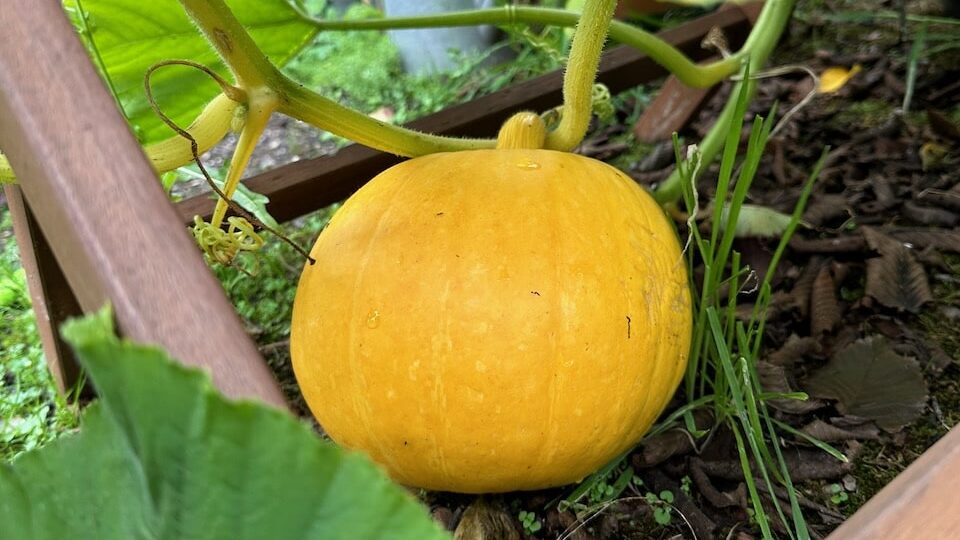
The Cucurbitaceae Family (Cucurbits) brings together all your sprawling fruiting plants. Courgettes, marrows, pumpkins, squashes, cucumbers, melons, and gourds are cucurbits. They’re greedy feeders that love rich, moisture-retentive soil. They can be affected by various mildews and soil-borne viruses, though they’re generally more robust than some other families.
The Three-Year Rule
Once you’ve got your crop families, it’s time to follow the three-year rule. This utilises three different vegetable beds, raised beds or flower beds in which the crops are grown in. Each bed has its own family within it for one year.
A crop should only return to the same spot in the allotment after three years. This ensures that the soil has a chance to replenish and recover.
An example using the first four of the families (excluding legumes) is as follows:
First year
Bed 1: Solanaceae / Potato family
Bed 2: Allium /Onion family & Roots
Bed 3: Brassicas
Second year
Bed 1: Allium /Onion family & Roots
Bed 2: Brassicas
Bed 3: Solanaceae / Potato family
Third year
Bed 1: Brassicas
Bed 2: Solanaceae / Potato family
Bed 3: Allium /Onion family & Roots
Nitrogen Fixers
Nitrogen-fixing plants like legumes, the fifth family, are a great addition to crop rotation. These plants have the superpower of pulling nitrogen from the air and storing it in the soil via nodules on their roots, giving a natural nitrogen plant food boost to the nutrient levels. When added to your crop cycle, you can create a super four-year crop rotation rather than a three-year one.
The Four-Year Crop Rotation
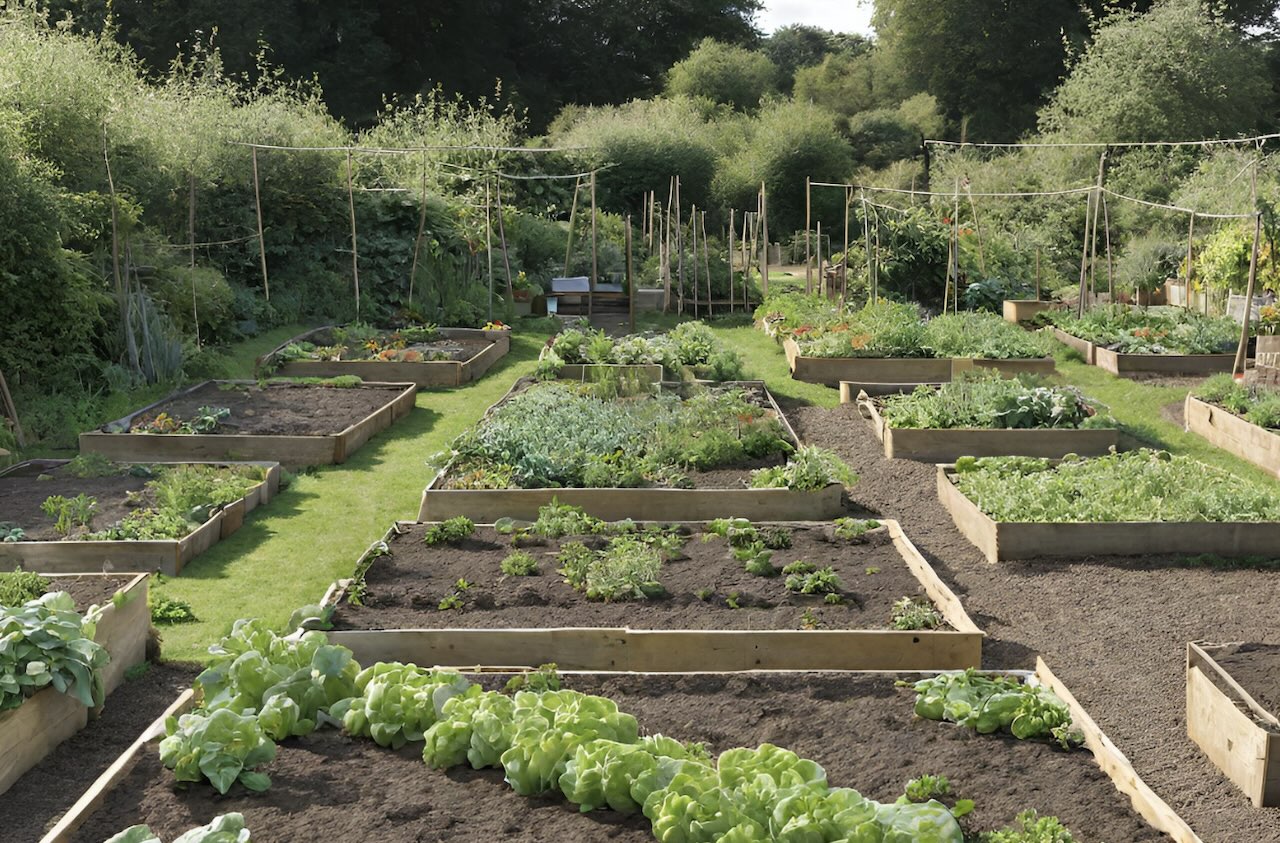
Let’s take a look at how a four-year crop cycle works by including the fifth family, legumes, into the mix. This is based on four vegetable beds or raised beds, with each family living there for one year before being switched to a different family. See the order below for a four-year crop rotation example.
First year
Bed 1 Solanaceae / Potato family
Bed 2 Allium /Onion family & Roots
Bed 3 Legumes
Bed 4 Brassicas
Second year
Bed 1 Allium /Onion family & Roots
Bed 2 Legumes
Bed 3 Brassicas
Bed 4 Solanaceae / Potato family
Third year
Bed 1 Brassicas
Bed 2 Solanaceae / Potato family
Bed 3 Allium /Onion family & Roots
Bed 4 Legumes
Fourth year
Bed 1 Legumes
Bed 2 Brassicas
Bed 3 Solanaceae / Potato family
Bed 4 Allium /Onion family & Roots
The Benefits of Crop Rotation
Other than neatly arranging your allotment and kitchen gardens into plant families, there are a number of other benefits to crop rotation. Whilst the most obvious is to help reduce the build-up of pests and diseases, there are some additional surprising benefits!
1. Crop Rotation to Avoid Pests and diseases
Crop rotation also plays a key role in pest and disease management. Not allowing pests to get too comfortable in one spot breaks their life cycle and reduces the likelihood of an infestation. It prevents them from overrunning your vegetable patch and causing major issues with your plant health and harvests.
2. Soil Health and Fertility
Crop rotation helps maintain soil structure and fertility by never fully exhausting the soil. Different crops have different nutrient needs, and rotating prevents the soil from becoming depleted. It means that each crop uses only part of the soil nutrition in one season, so the next year, that part can be replenished whilst the new crop uses a different portion of nutrition.
3. Increased Yields
A well-planned and executed crop rotation enhances the overall performance of your vegetables. Expect higher yields as your plants benefit from the improved soil conditions and reduced pests. All of which leads to more food on your table!
4. Sustainability at its Finest
Crop rotation is not just beneficial for your allotment; it’s also great for the planet. By minimising the use of synthetic fertilisers and pesticides, you’re practising sustainable gardening that keeps Mother Earth smiling. There is less of a knock-on effect on the food chain or lifecycle of other animals, which products like glyphosate and herbicides all disrupt.
When You Can Relax the Rules
Here’s something that might surprise you as a beginner gardener: whilst crop rotation is undeniably beneficial, it’s not an all-or-nothing proposition. If you’re gardening in a small space or just starting out, don’t let the perfect become the enemy of the good. Some of the most productive allotment holders I know have bent the rules for years without catastrophe.
The reality is that crop rotation becomes increasingly essential as your garden grows larger and you’re growing more of the same family in concentrated areas. If you’ve only got space for two tomato plants tucked into a corner of a flower bed, moving them a metre to the left next year isn’t going to transform your harvests. The principles behind rotation still matter, but the scale changes everything.
There are certain crops that are remarkably forgiving about being grown in the same spot year after year. Sweetcorn, courgettes, squash, and most salad leaves are relatively unfussy. Legumes like peas and beans actually improve the soil they’re grown in, making them excellent candidates for repeat plantings if space is tight. That said, even these obliging vegetables will benefit from a change of scenery every few years, particularly if you notice any pest or disease issues cropping up.
The key is understanding what you’re trying to prevent. If you’ve never had problems with clubroot, white rot, or potato blight in your garden, then you’re not rotating to solve an existing problem but rather to prevent a future one. That’s still worthwhile, but it gives you more flexibility. If you do encounter disease or persistent pests, that’s when rotation becomes absolutely essential. A bout of tomato blight or an infestation of onion white rot will make you a devoted convert to crop rotation faster than any textbook ever could.
For container gardeners, you’ve got an entirely different set of options. Rather than rotating the plants, you can rotate the growing medium itself. Refreshing or completely replacing your compost every year or two gives you many of the same benefits as traditional rotation. It’s also worth noting that containers naturally provide some isolation from soil-borne diseases, giving you a bit more leeway.
The bottom line? Don’t abandon your gardening dreams because you can’t implement a perfect four-year rotation in your tiny urban plot. Do what you can, focusing on keeping your soil healthy with plenty of organic matter. Practice good garden hygiene by clearing away spent plants promptly, and pay attention to what your plants are telling you. Sometimes, a relaxed approach to rotation combined with excellent general care will serve you far better than rigid adherence to rules that don’t quite fit your situation.
Frequently Asked Questions About Crop Rotation
Q: I’ve accidentally planted the same family in the same bed two years running. Have I ruined everything?
Not at all! Take a deep breath and step away from the panic button. Whilst it’s not ideal, one accidental repeat planting isn’t going to trigger a garden apocalypse. The problems that rotation prevents typically accumulate over multiple years of continuous planting, rather than arising from a single mistake. The key is what you do next. Make a note of what happened, and ensure you rotate that family to a completely different area next season. If you’re particularly worried about disease build-up, you could add extra compost to that bed and be especially vigilant about removing any diseased plant material promptly. Consider it a learning experience rather than a catastrophe, and carry on with your rotation plan going forward.
Q: Do I need to use different compost or soil for different plant families?
No, and this is brilliant news because it would be an absolute faff if you did! All your vegetables will thrive in good-quality, well-rotted compost or organic matter, regardless of which family they belong to. The rotation itself ensures that nutrient demands are balanced over time. That said, some families do appreciate particular soil conditions. Brassicas thrive in firm, well-consolidated soil, while carrots prefer light, stone-free soil. Legumes don’t need heavily manured ground because they fix their own nitrogen. However, these are preferences regarding soil structure and preparation, rather than necessitating completely different growing media. One good homemade compost or quality multipurpose compost works across the board.
Q: Can I grow the same vegetables in containers year after year?
Yes, you absolutely can, and this is one of the genuine advantages of container growing. Because you control the growing medium completely, you can refresh or replace the compost each season, which effectively gives you a reset. I’d recommend removing at least the top half of the compost each year and replacing it with fresh material. Every two to three years, tip the whole lot out, give your container a good clean, and start afresh with new compost. This approach disrupts pest and disease cycles just as effectively as moving crops around beds. If you’ve had specific disease problems, such as tomato blight, it’s wise to use completely fresh compost the following year rather than just topping up. However, containers generally offer more flexibility than in-ground growing when it comes to rotation.
Q: What about perennial vegetables like asparagus and rhubarb? Do they need to be rotated?
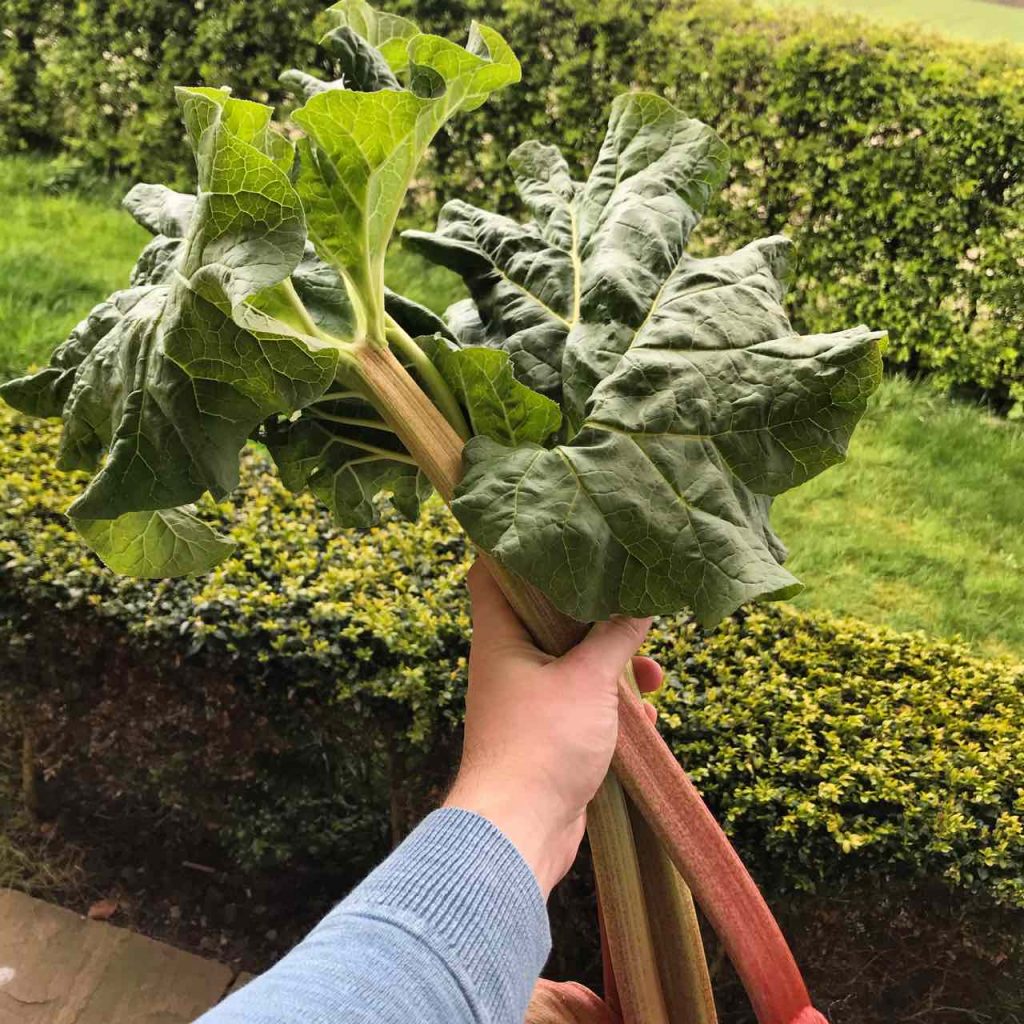
Perennial vegetables are entirely exempt from rotation rules, which is rather convenient since moving an established asparagus crown or rhubarb plant would be gardening masochism of the highest order. These plants remain in exactly the same place, sometimes for decades. The same applies to perennial herbs like rosemary, sage, and thyme. Once they’re established, leave them be. Because they’re permanent residents, it’s worth choosing their locations carefully from the start. Give them their own dedicated bed or section of the garden that sits outside your rotation plan entirely. This frees up your annual vegetable beds for proper rotation without having to work around immovable perennials.
Q: How do I know what family my cover crop belongs to?
This is a brilliant question because cover crops absolutely do belong to families, and they count towards your rotation just like edible crops. Field beans and winter tares are legumes, so peas or beans shouldn’t follow them. Mustard is a brassica, which means it shouldn’t precede your cabbages and cauliflowers. Phacelia is in the Boraginaceae family, which doesn’t include any common vegetables, making it wonderfully versatile. Winter rye is a grass, like sweetcorn. If you’re using a cover crop mix, check the packet or seed company website for the botanical families included. Most reputable suppliers will provide this information. When in doubt, mixed cover crops containing multiple families tend to be safer bets for rotation purposes because they do not load the soil with family-specific issues.
Q: My garden is tiny. Is crop rotation even possible?
Yes, but you’ll need to be realistic about what you can achieve and creative in your approach. In a genuinely tiny space, you’ve got several options. First, you can rotate by time rather than space. Grow tomatoes one year, beans the next, brassicas the following year, essentially treating your whole small garden as a single rotating unit. Second, you can divide even small beds into sections and rotate different families through those sections. Third, you can use containers strategically alongside your small beds to give yourself more rotation options. Fourth, and this is important, remember that in tiny gardens you’re naturally growing a diverse mix anyway, which provides many of the same benefits as formal rotation. Don’t abandon growing vegetables just because textbook rotation seems impossible. Do what you can, keep your soil healthy, and you’ll still produce far better harvests than if you did nothing.
Q: What if I only want to grow tomatoes? I’m not interested in other vegetables.
If you’re devoted exclusively to tomatoes, traditional rotation becomes tricky because you’re essentially creating a monoculture, which is exactly what rotation aims to avoid. However, you’ve got options. Consider growing in containers or growing bags where you can refresh the compost annually. Choose blight-resistant varieties to reduce disease pressure. Practise impeccable garden hygiene, removing all plant material at season’s end.
You could also establish multiple growing areas and rotate your tomatoes between them, using the empty spaces for cover crops or leaving them fallow. Some tomato enthusiasts successfully grow in the same greenhouse border year after year by removing and replacing the top 30 centimetres of soil annually. It’s more work than rotation, but it can be effective. Alternatively, consider adding just one other crop like beans to your repertoire, even if you give most of the harvest away. This gives you genuine rotation possibilities whilst still focusing primarily on tomatoes.
Q: Does crop rotation work for fruit bushes and fruit trees?
Fruit trees and bushes are permanent plantings, much like perennial vegetables, so rotation doesn’t apply in the traditional sense. Once your apple tree is planted, it will likely remain in place for potentially decades. However, the principles behind rotation, particularly in relation to pest and disease management, remain important. When planting new fruit trees or bushes, avoid placing them directly where old ones of the same species were removed. Apple trees shouldn’t be replanted in the same spot due to replant disease.
If you’re replacing old fruit stock, consider choosing a different type of fruit entirely for that location, or at least wait a couple of years and refresh the soil thoroughly. For fruit grown in containers, you can apply similar principles to those for vegetable containers, such as refreshing the compost and moving the pots to different positions around your garden.
Q: I’ve heard you shouldn’t grow potatoes after tomatoes. Why does the order matter?
Excellent question! The order matters because different crops leave different conditions behind them. Potatoes and tomatoes are both nightshades that share many pests and diseases, notably late blight. However, potatoes are particularly susceptible to volunteer tomatoes (plants growing from dropped fruit), which can harbour diseases. Additionally, potato tubers left in the ground can act as disease reservoirs. If you grow tomatoes after potatoes, any volunteer potato plants that appear among your tomatoes can spread blight to your new crop.
Going the other way, tomato after potato, is slightly less risky but still not ideal. The broader principle is that some families are better suited to be predecessors than others. Legumes make excellent predecessors for hungry feeders because they’ve enriched the soil. Deep-rooted crops like carrots make good predecessors for shallow-rooted crops because they’ve opened up different soil layers. Considering succession, as well as family rotation, yields even better results.
Q: What about salad leaves? Do they need rotating?
Salad leaves are wonderfully obliging when it comes to rotation. The most common salad leaves belong to the Asteraceae family, including lettuce, chicory, and endive. Whilst they theoretically benefit from rotation, they’re generally fast-growing, shallow-rooted, and less prone to serious soil-borne diseases than many other crops. This makes them brilliant gap-fillers in your rotation plan. You can’t tuck them into spaces between slower-growing crops, use them as catch crops between main plantings, or grow them in the same spot more frequently than you would with brassicas or alliums.
That said, if you’re growing salads intensively in the same location season after season, you will eventually see a decline in vigour. Even the most forgiving crops appreciate a change of scene occasionally. Rocket is actually a brassica, so despite being grown as a salad leaf, it should follow brassica rotation rules.
Q: I’m starting a brand new vegetable garden. Do I need to think about rotation in the first year?
Your first year is actually the perfect time to start thinking about rotation, even though technically you haven’t got anything to rotate yet. Use this opportunity to plan your layout with future rotation in mind. Divide your growing space into three or four sections of roughly equal size. Keep a record of what you plant in each section this year. Take photos. Make notes. This initial documentation will make subsequent rotations infinitely easier.
In terms of what to plant where in year one, if your soil is freshly prepared and in good condition, place your hungry feeders, such as brassicas and nightshades, in the richest areas. Plant your legumes in the spaces that need building up, as they’ll improve the soil for next year’s crops. Starting with good habits from day one means you’ll never have that moment three years down the line where you realise you’ve got no idea what’s been growing where.
Q: Can I rotate crops in a polytunnel or greenhouse?
Yes, and you absolutely should, though it can be more challenging in protected environments where soil isn’t refreshed by winter weather. Diseases and pests can build up particularly quickly in the warm, sheltered conditions of polytunnels and greenhouses. Divide your growing space into sections and rotate families between them just as you would outside. Because you’ve got more control over the environment, you can sometimes get away with slightly shorter rotations.
However, be especially vigilant about soil health. Consider removing and replacing border soil every few years, or growing in containers or bags that you can refresh annually. Some greenhouse gardeners create removable wooden boxes for different crops, which they can literally pick up and move to different positions each year. For serious disease problems, soil solarisation during summer or steaming can help reset borders between rotations.
Q: What’s the difference between crop rotation and companion planting?
These are complementary practices rather than alternatives, and ideally, you’d use both together. Crop rotation is about where you plant things year to year, moving families around to prevent pest and disease build-up and balance soil nutrients over time. Companion planting involves planting adjacent to each other in the same season to provide mutual benefits, such as pest deterrence, improved pollination, or efficient use of space.
You can absolutely practise companion planting within a rotation system. For example, you might rotate your brassicas to a new bed (rotation) and then grow them alongside lettuce and onions (companion planting). The two approaches work at different timescales and address different challenges, making them perfect partners for a healthy, productive garden.
Q: Is organic gardening necessary for crop rotation to work?
Not at all. Crop rotation works brilliantly whether you garden organically, conventionally, or somewhere in between. However, rotation tends to be particularly valued by organic gardeners because it provides pest and disease management without relying on synthetic chemicals. Suppose you’re using chemical fertilisers and pesticides. In that case, rotation still offers benefits in terms of soil structure and reducing the build-up of resistant pest populations, but the advantages are perhaps less immediately apparent.
The historical agricultural practice of rotation predates the organic movement by millennia, so it’s certainly not exclusive to organic growing. That said, rotation and organic practices do work beautifully together because they’re both based on working with natural systems rather than trying to override them with synthetic inputs.
Q: My neighbour doesn’t rotate their crops, and their garden looks fine. Is rotation really necessary?
Ah, the classic “my neighbour breaks all the rules and still gets brilliant tomatoes” conundrum! Here’s the truth: many gardens can get away without strict rotation for years, particularly if they’re small, diverse, have excellent soil health, and haven’t yet encountered serious pest or disease problems. Your neighbour might be one of the lucky ones. However, crop rotation is fundamentally about risk management and long-term sustainability rather than immediate results.
It’s a bit like insurance, in that you hope you never need it, but you’ll be extraordinarily glad you have it if problems arise. Some gardens develop serious issues after just a couple of years without rotation. Others soldier on for ages before suddenly hitting problems. Once soil-borne diseases like clubroot or white rot establish, they can persist for decades, making rotation not just beneficial but absolutely essential. It’s far easier to prevent these problems than to try to garden around them once they’ve taken hold. Your neighbour’s success doesn’t prove rotation is unnecessary; it just proves they haven’t yet encountered the specific challenges that rotation prevents.
Take Your Garden Knowledge to the Next Level
Mastering crop rotation is just one piece of the puzzle when it comes to creating a truly spectacular garden. If you’ve enjoyed learning about how to organise your vegetables for maximum health and productivity, you might be ready to take the next step in your gardening journey. Whether you’re dreaming of redesigning your entire plot or considering a career change into garden design, I’ve created a range of online courses that will transform the way you think about gardens.
Learn Garden Design from Your Sofa
My online garden design courses take everything I’ve learned as an award-winning designer and presenter on BBC1’s Garden Rescue and distil it into accessible, practical lessons you can work through at your own pace. No need to commit to years of expensive college courses or travel to face-to-face classes. You can study from the comfort of your home, fitting learning around your existing commitments, whether that’s work, family, or simply pottering about in your own garden.
I’ve designed three courses to suit different needs and experience levels:
Garden Design for Beginners: Create Your Dream Garden in Just 4 Weeks is perfect if you want to design your own garden from scratch or you’re considering making the leap into garden design as a career. Over the course, I’ll walk you through everything from understanding your space and creating designs that work to choosing plants and bringing it all together. It’s comprehensive without being overwhelming, giving you the confidence to transform any outdoor space.
Weekend Garden Makeover: A Crash Course in Design for Beginners does exactly what it says on the tin. If you’ve got a weekend free and want to fast-track your garden design knowledge, this five-hour intensive course will teach you how to design your dream garden quickly. It’s packed with practical design examples, planting ideas, and video guides that get straight to the point. Perfect for those who want results without lengthy study commitments.
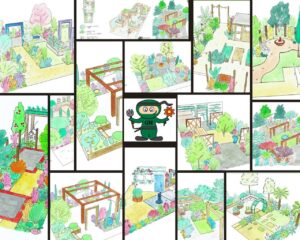
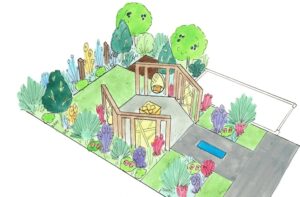
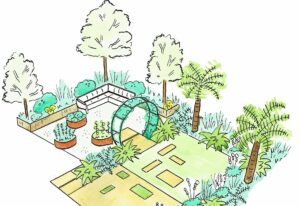
Garden Design Examples for Small Gardens: 30 Design Templates & Planting Plans is brilliant if you’re working with a compact space and want inspiration and guidance. I’ll take you through thirty different garden designs, explaining the logic behind each layout, why certain plants were chosen, and giving you take-home tips you can apply immediately in your own garden. It’s like having me in your garden with you, talking through design decisions and sharing professional insights.
29
Garden Design Examples for Small Gardens: 30 Design Templates & Planting Plans
Garden Design Examples for Small Gardens: 30 Design Templates & Planting Plans: In this online gardening course, I’ll walk you through 30 fantastic garden designs, explaining the logic behind the layout, the plant choices, and take-home tips for applying them in your own garden.
Weekend Garden Makeover: A Crash Course in Design for Beginners
Learn how to transform and design your own garden with Lee Burkhills crash course in garden design. Over 5 hours Lee will teach you how to design your own dream garden. Featuring practical design examples, planting ideas and video guides. Learn how to design your garden in one weekend!
Garden Design for Beginners: Create Your Dream Garden in Just 4 Weeks
Garden Design for Beginners Online Course: If you want to make the career jump to becoming a garden designer or to learn how to design your own garden, this is the beginner course for you. Join me, Lee Burkhill, an award-winning garden designer, as I train you in the art of beautiful garden design.
When I was training as a garden designer, I spent years attending costly face-to-face courses that, whilst valuable, felt drawn out and put a serious dent in my bank balance. I’ve designed these online courses to give you the same knowledge and skills but in a fraction of the time and at a fraction of the cost. We’re talking a few hundred pounds rather than thousands, which means you can test the waters without risking your life savings.
Summary
Crop rotation is a quick and effective way for a new allotment gardener to ensure the highest yields and minimise issues when growing vegetables at home or on their allotment. Working with the plant families to provide them with what they need on a rotating basis enables us to work with, rather than against, nature.
It also means we learn far more about how plants interact with each other, allowing us to spot when plants are unhealthy or need our attention. Using crop rotation brings us closer to Mother Nature and gives us a more thorough understanding of our seedlings. Rather than the usual scattergun approach of planting vegetables anywhere they will fit!
Are you a crop rotator? Why not let me know by leaving a comment below or getting in touch with Garden Ninja on Social media Tweet, Facebook or Instagram me.
You can also follow me on Youtube where I’ve got plenty of garden guide vlogs to help you make your garden awesome!
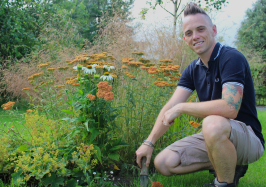
Lee Burkhill, known as the Garden Ninja, is an award-winning garden designer and horticulturist with over 30 years of gardening experience and 15 years as a professional garden designer. A qualified RHS (Royal Horticultural Society) professional, Lee specialises in sustainable garden design and practical horticultural advice. He designs and presents on BBC1’s Garden Rescue and in leading gardening publications. Lee combines three decades of hands-on gardening knowledge with professional design qualifications to help gardeners create beautiful, functional outdoor spaces.