How and When to Prune Berberis: The Complete Beginner’s Guide
Lee Burkhill: Award Winning Designer & BBC 1's Garden Rescue Presenters Official Blog
Beginner level
Berberis pruning transforms overgrown barberry into stunning garden shrubs. Timing depends on your type: prune deciduous berberis in winter (December to February) and evergreen berberis after flowering in early summer. This complete guide reveals exactly when and how to prune berberis whilst avoiding those notorious thorns safely.
Transform your berberis from an overgrown, tangled thorn bush into a spectacular garden feature with these expert pruning techniques! Whether you’re wondering when to prune your barberry, nervous about those vicious thorns, or simply seeking the best methods for deciduous versus evergreen varieties, you’ve come to the right place. Learning how to prune berberis properly is simpler than you might imagine, and the results are absolutely spectacular.
Are you staring at your berberis, wondering whether to brave those thorns?
Perhaps you’ve inherited a massive, impenetrable barberry hedge that’s taken over the garden, or maybe you’re nervous about tackling those notoriously sharp spines. You may be confused about whether your Berberis is deciduous or evergreen, or when exactly you should prune it. The thought of wading into a wall of thorns can be enough to put anyone off picking up the pruning shears!
Relax, you’re in safe hands with me, Lee Burkhill, the Garden Ninja. I’m going to walk you through Berberis pruning.
But here’s the truth: pruning berberis is far simpler than most people imagine once you understand the basic rules, and it’s absolutely essential for keeping these vigorous shrubs under control. With the right protective gear, knowledge and timing, you can keep your berberis compact, healthy and spectacular, even if you’ve never pruned a thorny shrub before.
Berberis are amongst the most underrated shrubs in British gardens, offering year-round interest with spring flowers, summer berries, autumn colour and evergreen foliage. These tough-as-nails plants, with their spiny stems and vibrant foliage colours ranging from golden yellow through to deep purple, have been garden stalwarts for decades.
However, their vigorous growth and intimidating thorns mean many gardeners simply avoid them, allowing them to become overgrown monsters.
This comprehensive guide will show you exactly how to prune berberis with confidence and safety, transforming even the most neglected specimens into well-behaved garden features. We’ll cover the critical differences between deciduous and evergreen varieties, the optimal timing for each type, and the techniques that will keep your Berberis thriving.
Understanding Your Berberis Before You Prune
Before we dive into pruning techniques, it’s essential to understand what type of berberis you’re working with. This knowledge determines your pruning timing completely, making the difference between success and disaster. The two main categories are deciduous and evergreen, and they need completely different approaches.
Deciduous Berberis: Winter Pruning Types
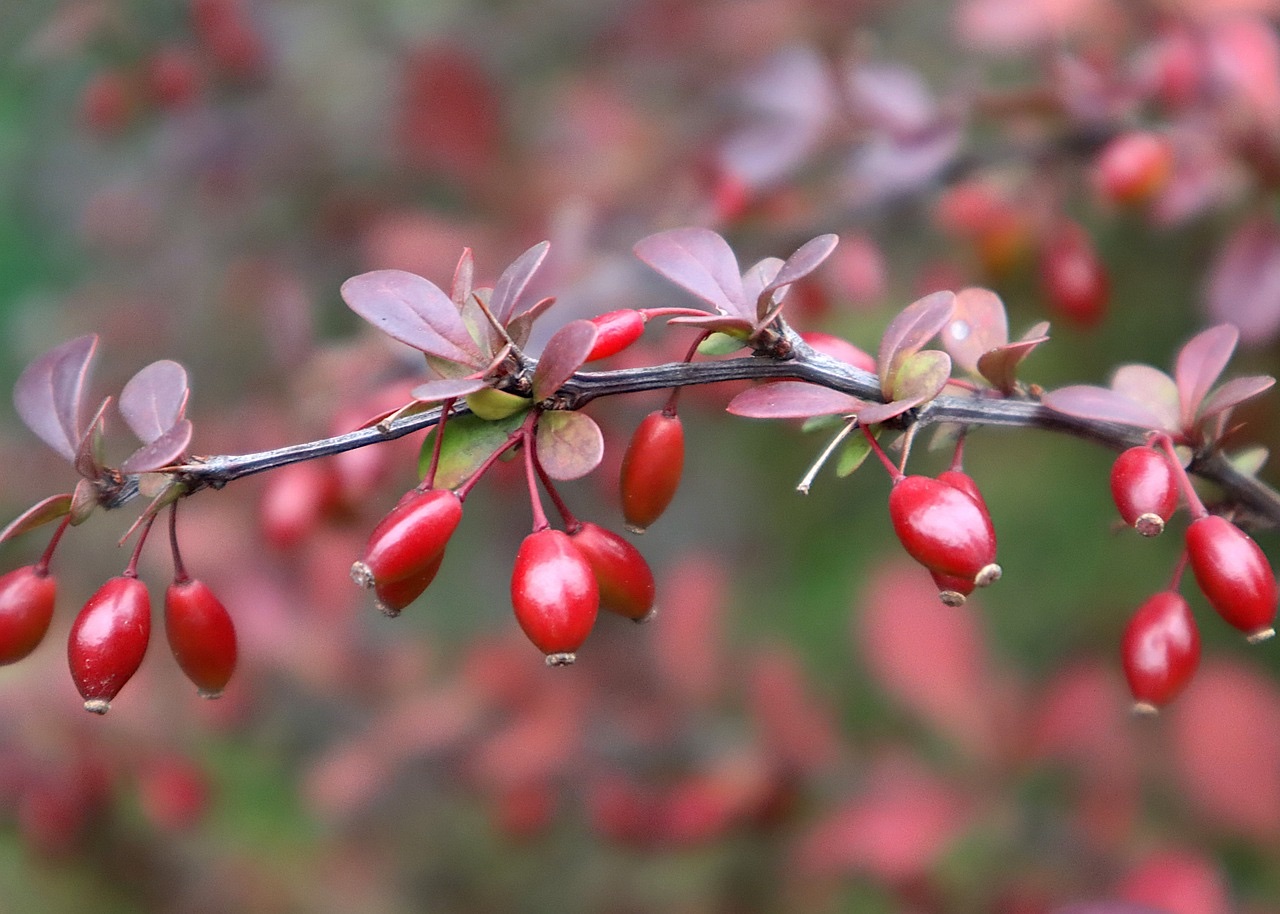
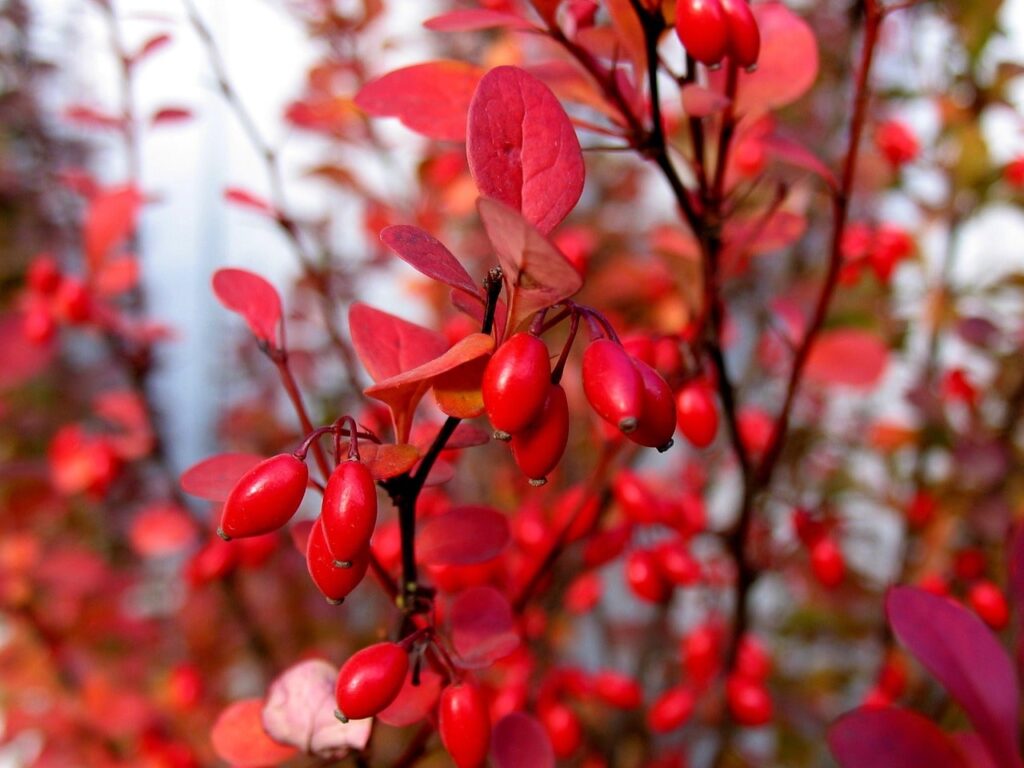
The most common in UK gardens are deciduous varieties, particularly Berberis thunbergii and its many colourful cultivars, and are usually used as hedging plants. These drop their leaves in autumn and remain bare through winter, making them easy to identify.
Key identifying features:
Lose all leaves in autumn
Flower on previous year’s growth
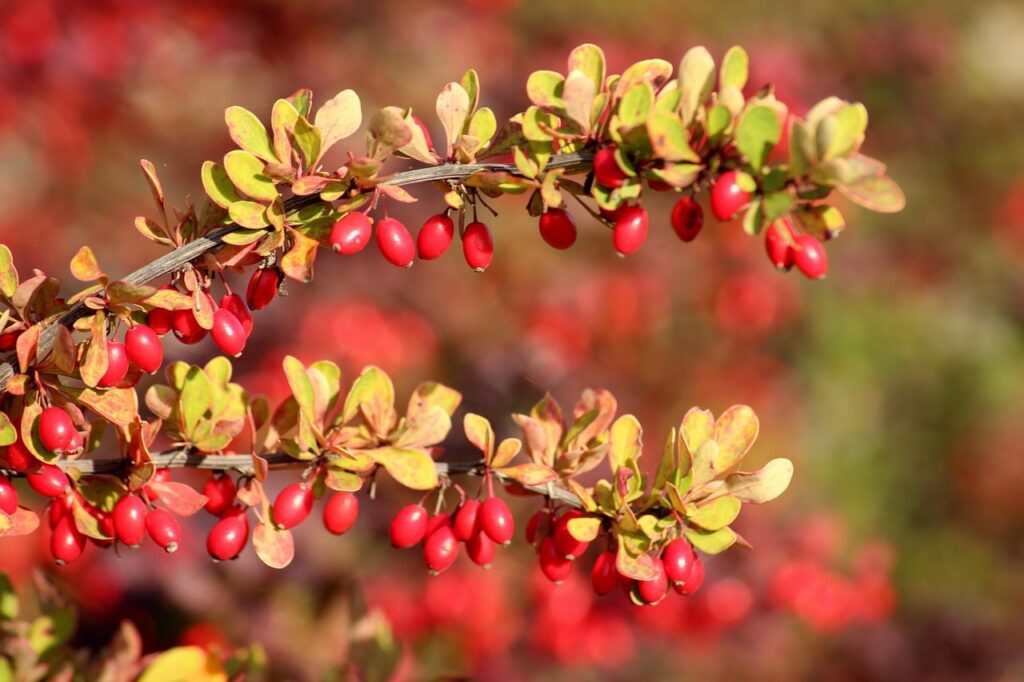
Spectacular autumn colour
Spring flowers followed by berries
Most have coloured foliage throughout summer
Popular deciduous varieties:
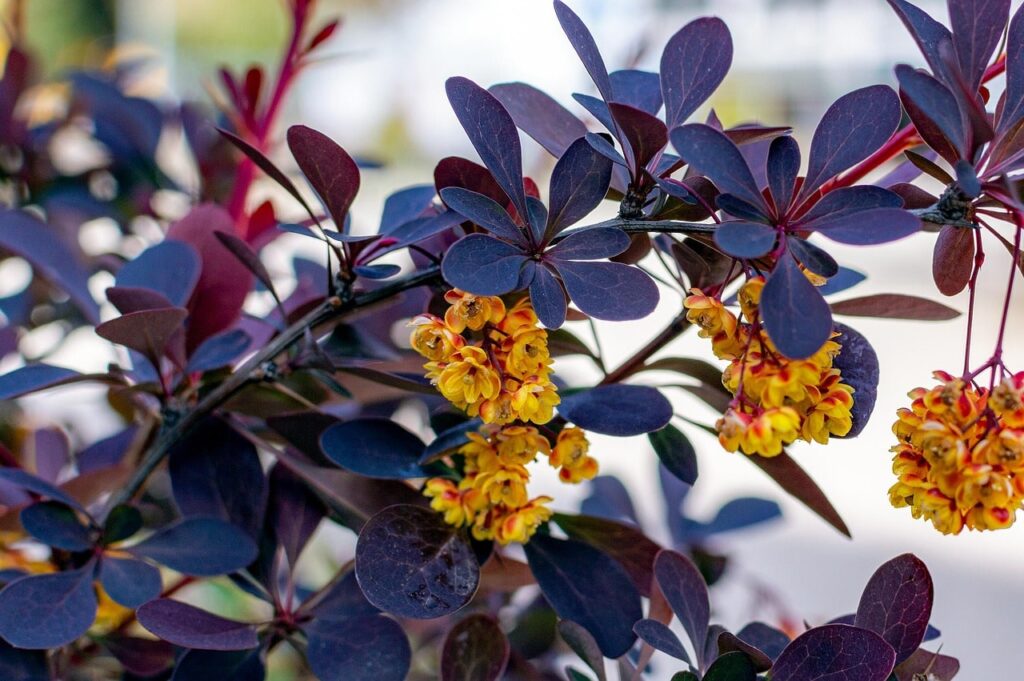
Berberis thunbergii ‘Atropurpurea’ – Deep purple foliage, red autumn colour (2m)
Berberis ottawensis ‘Superba’ – Large shrub, purple leaves, red autumn (2.5m)
Evergreen Berberis: After Flowering Types
Evergreen berberis keep their leaves year-round and generally need less pruning than deciduous varieties. The most common evergreen is Berberis darwinii. They’re typically larger and more architectural.
Key identifying features:
Retain leaves through winter
Often glossy, dark green foliage
Flower in spring on previous year’s growth
Generally larger than deciduous types
Create excellent security hedging
Popular evergreen varieties:
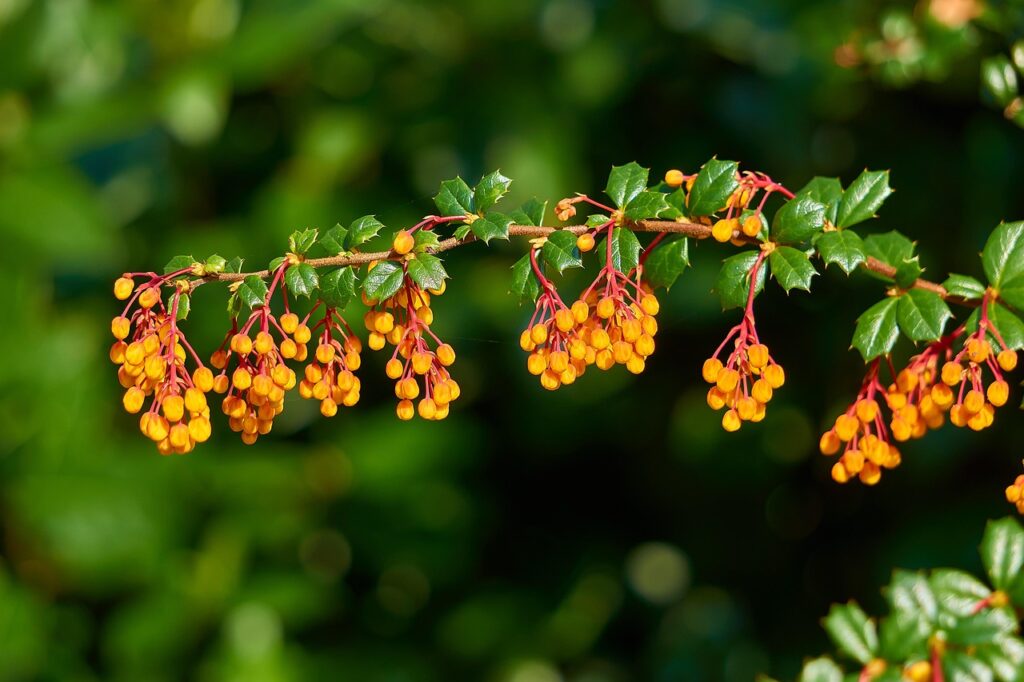
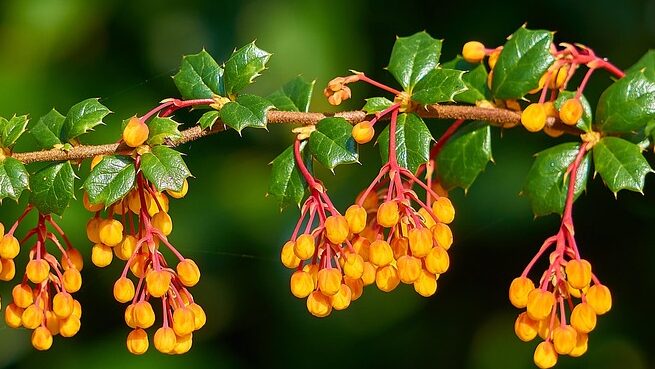
Berberis darwinii – Orange yellow flowers, holly like leaves (3m)
Berberis x stenophylla – Arching habit, golden flowers (3m)
Berberis x media ‘Parkjuweel’ – Semi evergreen, compact (1.5m)
Why Understanding Your Berberis Matters
This isn’t just botanical pedantry; getting this wrong means the difference between a spectacular shrub and a disappointing disaster.
Deciduous berberis should be pruned when dormant in winter.
Evergreen berberis should be pruned after flowering in early summer if you want to see their spectacular spring display.
Prune deciduous varieties in summer, and you’ll be cutting off wood that would have flowered next spring. Prune evergreen varieties in winter, and you’ll remove all those carefully developed flower buds. Get it right, though, and you’ll have a stunning, well-controlled shrub that performs brilliantly year after year.
Are Berberis and Barberry the same?
Yes, Berberis and Barberrys are the same plant genus. Berberis is the Latin name, and Barberry is the common name.
When to Prune Berberis in the UK
Timing is absolutely everything when pruning berberis, and the rules are completely different depending on which type you’re growing. Get this right and you’re halfway to success. Get it wrong and you’ll be wondering why your berberis never flowers.
Deciduous Berberis: Winter Pruning (December to February)
For deciduous Berberis varieties like Berberis thunbergii, the ideal pruning time is mid to late winter, when the plants are dormant and leafless. This typically means December through to late February, avoiding periods of hard frost.
Why winter pruning works:
Pruning when the plant is dormant means you can clearly see the branch structure without foliage getting in the way. It’s far easier to identify dead wood, crossing branches and the overall shape when you’re working with bare stems.
Winter pruning stimulates vigorous new growth in spring.
For varieties grown specifically for their colourful foliage, like ‘Rose Glow’ or ‘Aurea’, this is precisely what you want. That fresh spring growth produces the most vibrant foliage colours.
The timing sweet spot: Aim for late January through February for the best results. Early December can work but avoid pruning during hard frosts. By late February, you want pruning to be completed before the sap starts rising and new growth begins. Miss this window and you’ll be cutting off flower buds.
Emergency pruning: Dead wood can be removed in midsummer when it’s easier to distinguish from living growth; however, general pruning should wait until winter dormancy.
Evergreen Berberis: After Flowering (May to June)
For evergreen berberis like Berberis darwinii, the pruning window is immediately after flowering finishes in late spring or early summer.
This typically occurs from May to June, depending on when your specific variety finishes flowering.
Why post-flowering timing matters
Evergreen Berberis flowers on wood grown the previous year. Every branch that grows this summer will potentially carry flowers next spring. By pruning immediately after flowering, you give new growth maximum time to mature and develop flower buds before winter.
If you prune evergreen berberis in winter or early spring, you’re cutting off all those flower buds that developed during the previous growing season. Come spring, you’ll have a leafy green shrub with no flowers whatsoever.
The minimal approach: Most evergreen berberis need very little pruning beyond removing unwanted shoots and maintaining size. They naturally form attractive shapes, and over-pruning can actually reduce flowering.
When to Prune Berberis Table
Berberis Type
Best Pruning Time
Why This Timing
Deciduous (Thunbergii types)
December to February
Dormant, leafless, easy to see structure
Evergreen (Darwinii types)
May to June (after flowering)
Maximises time for new growth to develop flower buds
Dead wood (all types)
Any time
Plant health always takes priority
Formal hedges (all types)
After main pruning + summer trim
Maintains shape (sacrifices flowering)
Why Prune Berberis? Essential Benefits
Berberis are tough plants that can survive without pruning, but the difference between a maintained specimen and a neglected one is dramatic. Proper pruning transforms berberis from thorny monsters into garden assets.
1) Size control
Left unpruned, many Berberis can reach 3 metres or more, dominating borders and blocking light. Regular pruning keeps them at manageable sizes while maintaining their flowering and fruiting capabilities.
2) Better foliage colour
Deciduous varieties grown for coloured foliage produce their most vibrant colours on young, vigorous growth. Regular pruning stimulates this fresh growth, maximising the spectacular foliage displays that make varieties like ‘Rose Glow’ and ‘Aurea’ so desirable.
3) Improved flowering
Thinning congested growth improves air circulation and light penetration, resulting in better flower production throughout the shrub rather than just on the outer edges.
4) Health and vigour
Old, congested berberis become breeding grounds for pests and diseases. Opening up the structure through selective pruning dramatically improves plant health and reduces problems like powdery mildew.
5) Preventing impenetrability
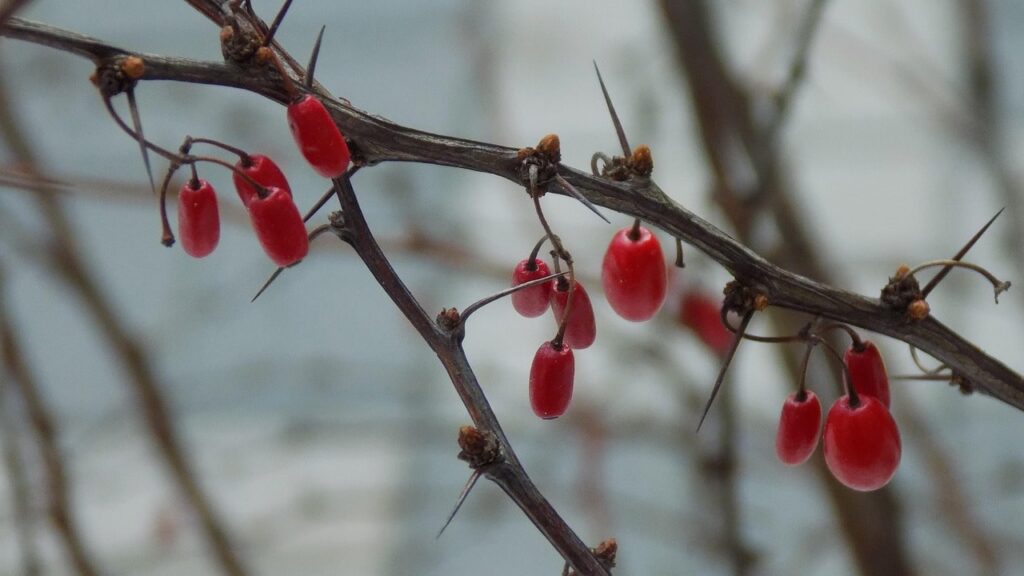
Unpruned berberis become tangled masses of crossing branches and thorns that are impossible to work around. Strategic pruning creates a more open, manageable plant that you can actually get near without drawing blood.
Essential Tools and Critical Safety Gear
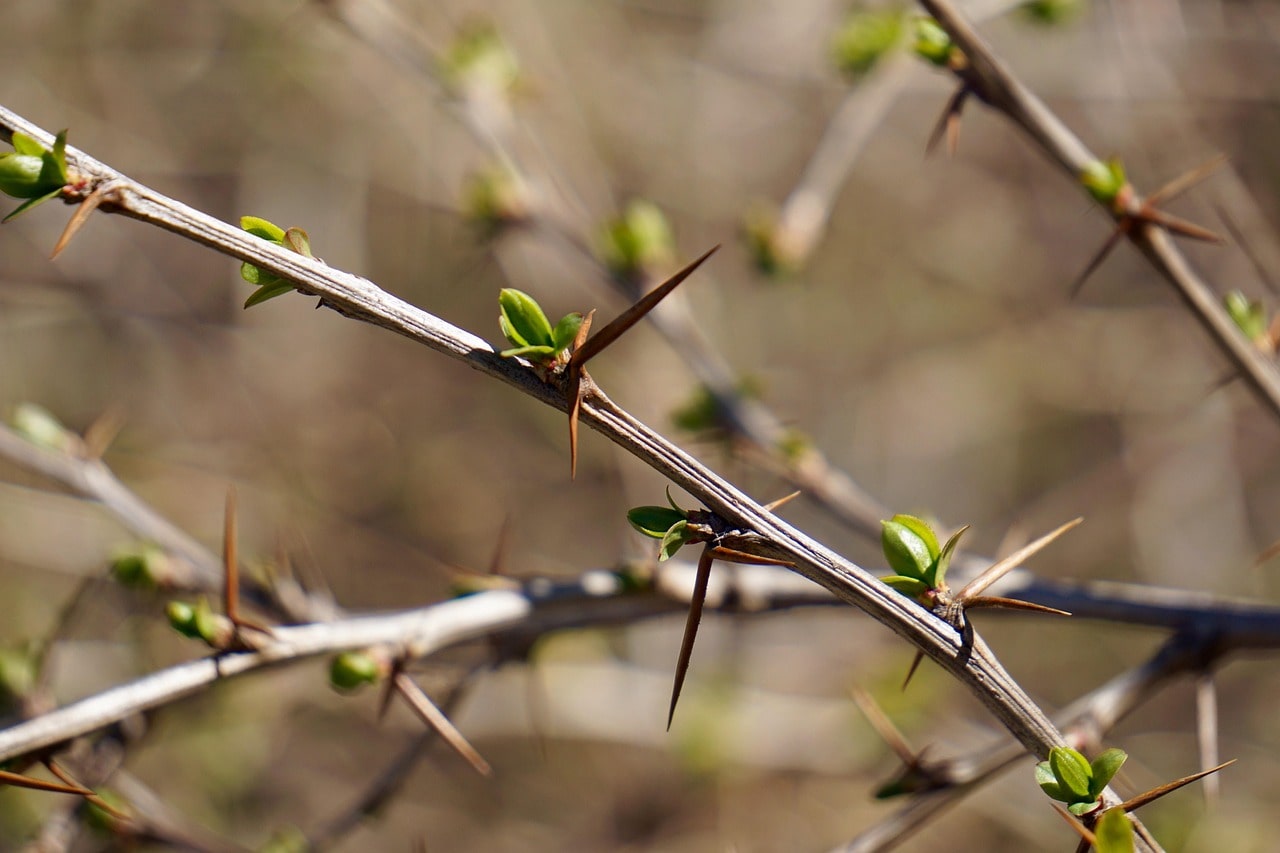
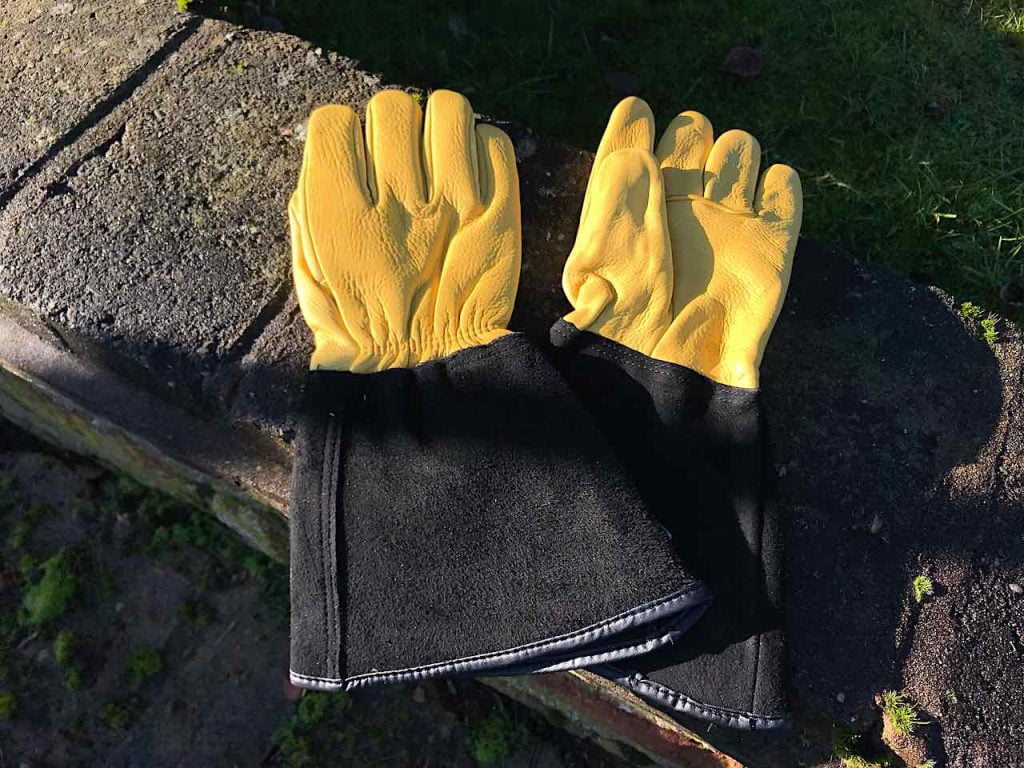
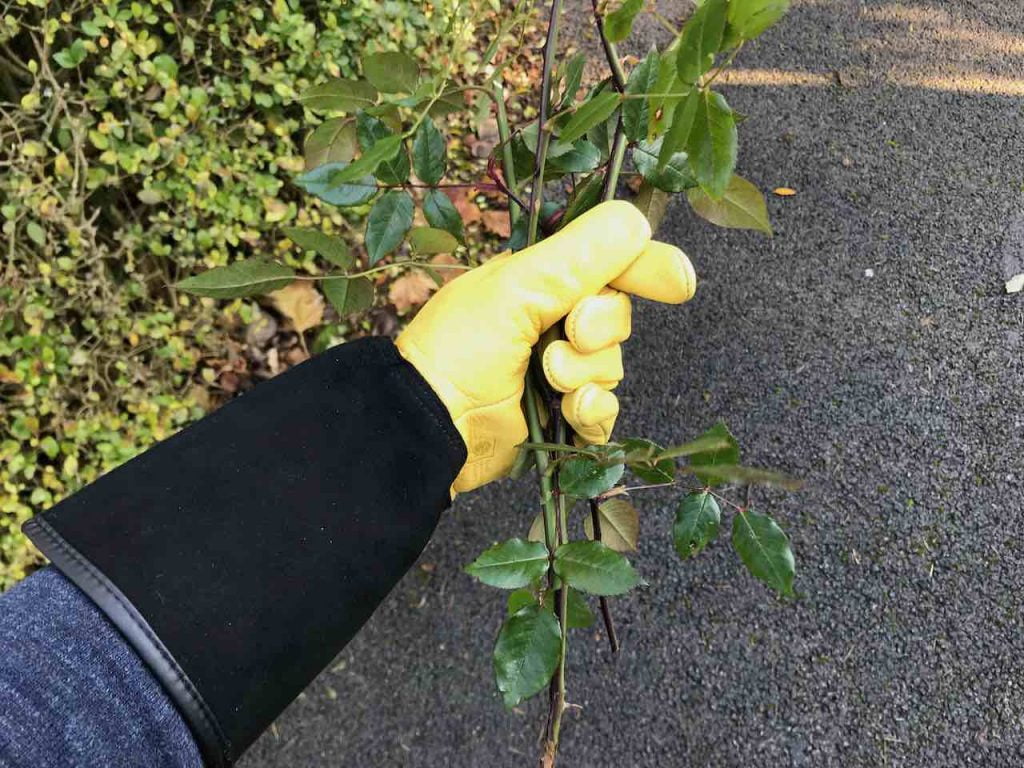
Berberis pruning requires proper equipment, and the thorns make protective gear absolutely non-negotiable. If you try to rush prune Berberis without the right gear or gloves, you will regret it! Trust me, I’ve been there. These are amongst the spiniest shrubs you’ll encounter; respect them or suffer the consequences.
Long sleeved shirt or jacket: Thick fabric that covers your arms completely. Berberis thorns are vicious and will scratch exposed skin mercilessly.
Safety glasses: Essential when working overhead or within the shrub. Thorny branches can whip back unexpectedly, and an eye injury is serious business.
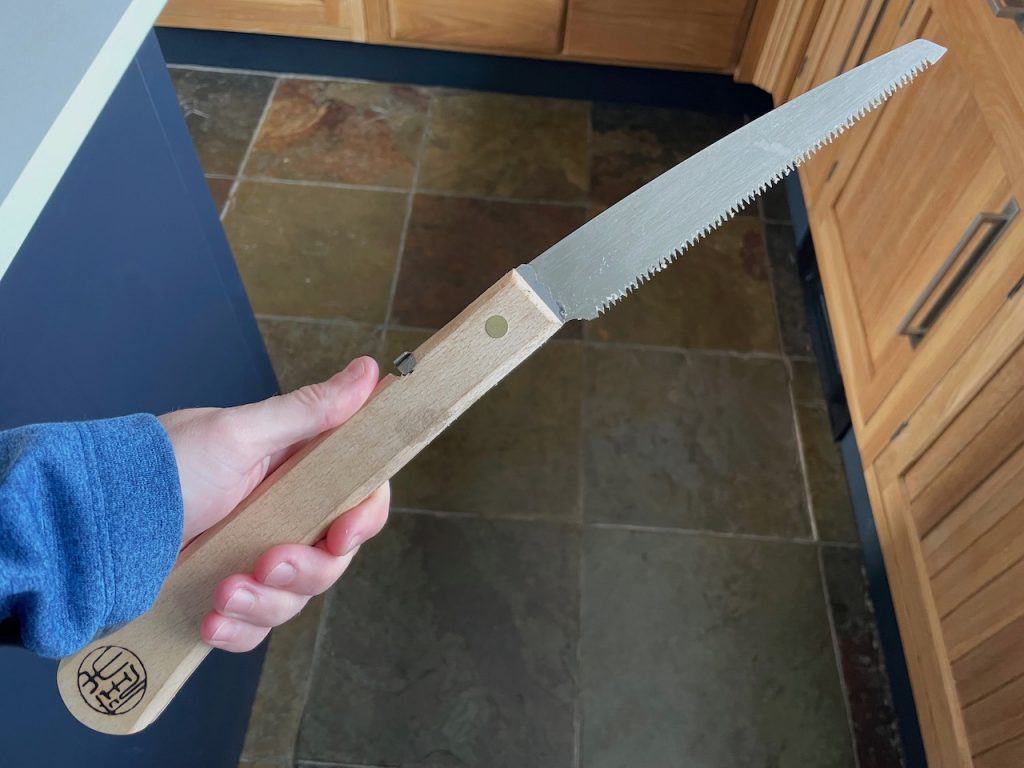
Sharp Cutting Tools
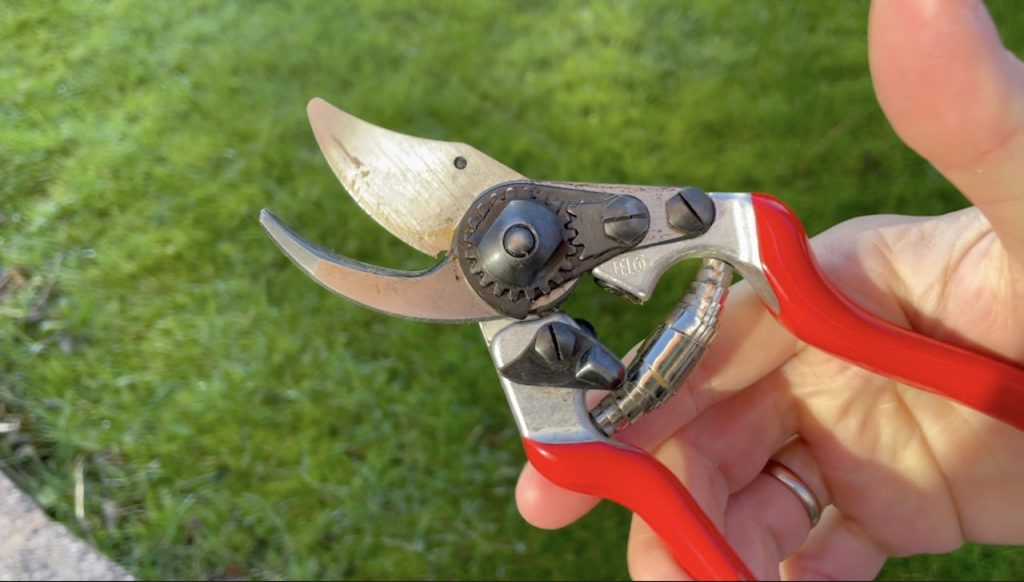
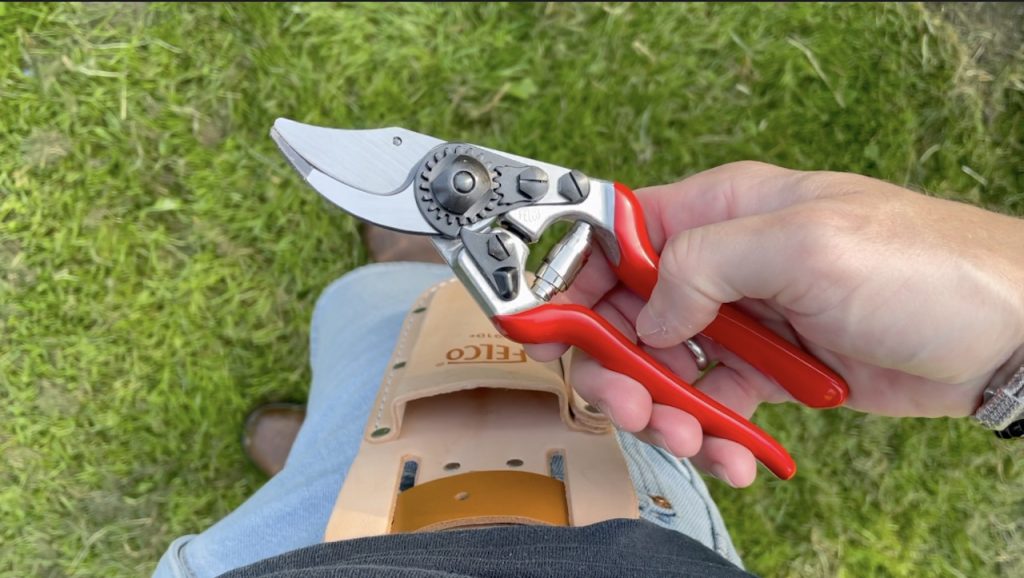
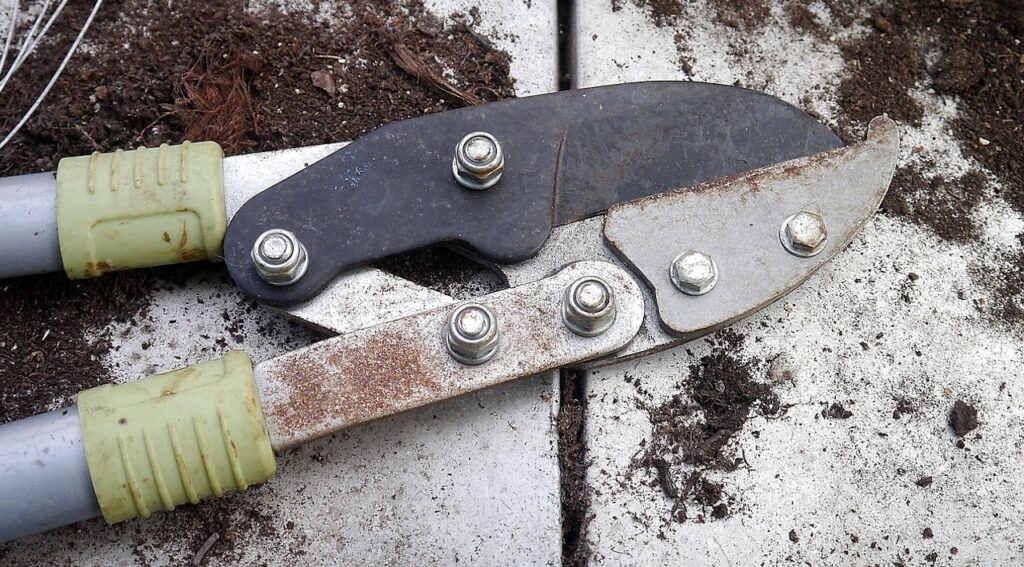
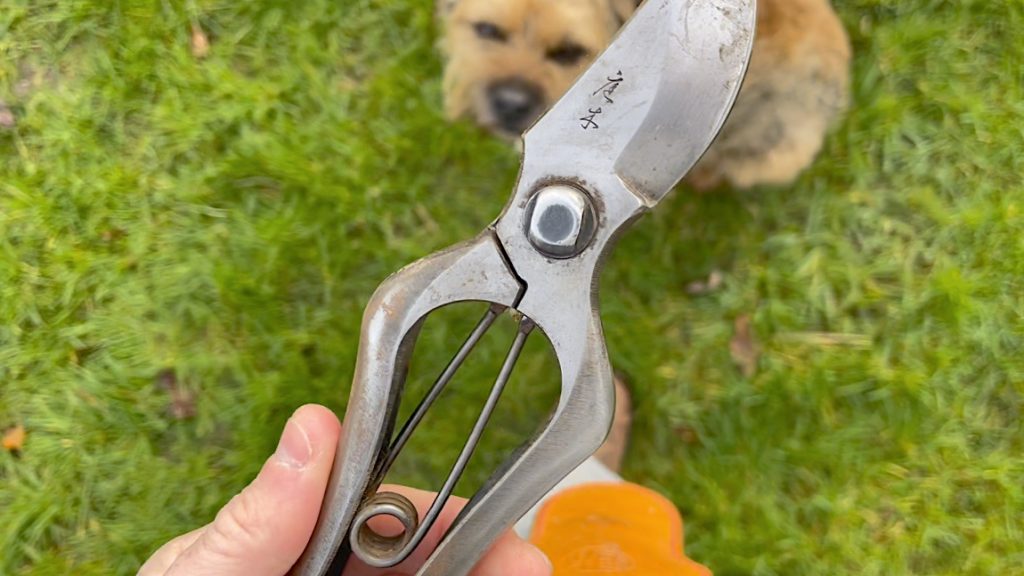
Bypass secateurs:Sharp, quality secateurs for stems up to 2cm in diameter. Clean cuts heal faster and reduce disease risk.
Disinfectant: Clean tools between plants with a diluted bleach solution (1:10 ratio) to prevent the spread of disease.
Tarpaulin: Collect prunings safely. Berberis prunings are hazardous; don’t leave them scattered where people or pets might encounter them. Burn them, compost them well, or dispose of them via green waste collection.
The Three-Step Berberis Pruning Method
Pruning Berberis successfully follows a logical sequence, regardless of the type you’re working with. The timing changes, but the method remains consistent.
Step 1: Remove the Three Ds (Dead, Damaged, Diseased)
Start by removing all obviously problematic material. Dead berberis wood appears brown or grey, feels brittle and shows no green when scratched. Cut back to healthy wood or remove entire dead stems at ground level.
Remove damaged branches broken by wind, snow or mishandling. Cut back to strong growth below the damage. Diseased wood with unusual discolouration, cankers, or fungal growth should be cut out completely, and tools should be cleaned thoroughly afterwards.
Step 2: Selective Thinning and Renewal
For deciduous berberis (winter pruning):
The goal is to maintain a framework of young, productive stems whilst removing older, less vigorous wood. Use the “one in five rule”: remove about one-fifth of the oldest, thickest stems each year, cutting them right back to ground level.
This gradual renewal over five years keeps the plant vigorous without shocking it. For varieties grown for coloured foliage, you can prune harder, cutting back up to one third of stems to stimulate vibrant new growth.
For evergreen berberis (after flowering):
Take a lighter approach. Remove only unwanted shoots, errant branches growing at awkward angles, and growth that spoils the plant’s natural shape. Evergreen berberis generally need minimal pruning; overenthusiastic cutting reduces flowering.
Step 3: Shape and Balance
Step back regularly to assess the plant’s overall form. Remove crossing branches that create congestion and rubbing damage. Create a balanced, attractive shape that looks natural rather than obviously pruned.
For upright varieties like ‘Helmond Pillar’, remove any shoots growing horizontally that spoil the columnar form. For spreading types, maintain the natural arching habit whilst controlling overall spread.
Hard Pruning and Renovation
Berberis respond remarkably well to drastic pruning if you need to rejuvenate overgrown specimens. You can cut entire plants back to 30cm above ground level in late winter, and they’ll usually regenerate vigorously.
The trade off: Hard renovation means no flowers or berries that year, as you’re removing all the wood that would have carried them. But by the following season, you’ll have a completely renewed, compact plant.
The staged approach: For less drastic renovation, spread it over three years. Remove one third of the oldest stems each year. This maintains some flowering capability whilst gradually renewing the entire plant.
Post renovation care: Hard pruned berberis need extra attention. Feed monthly through the growing season and water regularly during dry spells to fuel the vigorous regrowth they’ll produce.
Common Berberis Pruning Mistakes
A) Wrong timing
Pruning deciduous berberis in summer or evergreen types in winter eliminates flowering. This is the most common and devastating error. You’re simply cutting off flowers!
B) Inadequate protection
Attempting to prune Berberis without proper thorn-proof gloves and clothing can result in painful scratches and potentially serious injuries. Don’t risk it; the thorns are genuinely vicious.
C) Over-pruning evergreens
Evergreen berberis need minimal pruning. Treating them like deciduous varieties and cutting back hard reduces flowering dramatically. If you prune too much, you’ll just get lots of green congested growth, Ninjas!
D) Fear-based neglect
Many gardeners avoid berberis pruning entirely due to the thorns, allowing plants to become unmanageable. With proper protection, pruning is straightforward, so go forth and tackle that Berberis Ninja, don’t put it off!
E) Using blunt tools
Blunt secateurs struggle with berberis’s sometimes tough stems, creating ragged cuts and making the job harder. Sharp tools make everything easier and produce better results.
Transform Your Garden Skills
Ready to elevate your gardening expertise? Garden Ninja’s online courses provide comprehensive training from BBC Garden Rescue presenter Lee Burkhill. Learn professional garden design techniques, understand how to use shrubs like berberis strategically in borders and master the art of creating beautiful, functional gardens. Courses start from just £29.
29
Garden Design Examples for Small Gardens: 30 Design Templates & Planting Plans
Garden Design Examples for Small Gardens: 30 Design Templates & Planting Plans: In this online gardening course, I’ll walk you through 30 fantastic garden designs, explaining the logic behind the layout, the plant choices, and take-home tips for applying them in your own garden.
Weekend Garden Makeover: A Crash Course in Design for Beginners
Learn how to transform and design your own garden with Lee Burkhills crash course in garden design. Over 5 hours Lee will teach you how to design your own dream garden. Featuring practical design examples, planting ideas and video guides. Learn how to design your garden in one weekend!
Garden Design for Beginners: Create Your Dream Garden in Just 4 Weeks
Garden Design for Beginners Online Course: If you want to make the career jump to becoming a garden designer or to learn how to design your own garden, this is the beginner course for you. Join me, Lee Burkhill, an award-winning garden designer, as I train you in the art of beautiful garden design.
Transform your garden by mastering berberis pruning. These tough, versatile shrubs offer year round interest when properly maintained, from spring flowers through summer berries to spectacular autumn colour and evergreen winter structure.
Remember: invest in proper thorn-proof protection, identify whether your berberis is deciduous or evergreen, prune at the correct time for your type, and don’t be afraid to prune decisively. Berberis are incredibly resilient and respond brilliantly to confident pruning.
Your well-pruned berberis will reward you with decades of spectacular garden performance whilst providing valuable wildlife habitat, security screening and colour throughout the seasons. The thorns might be intimidating, but the results are absolutely worth the careful approach.
Lee Burkhill, known as the Garden Ninja, is an award-winning garden designer and horticulturist with over 30 years of gardening experience and 15 years as a professional garden designer. A qualified RHS (Royal Horticultural Society) professional, Lee specialises in sustainable garden design and practical horticultural advice. He designs and presents on BBC1’s Garden Rescue and in leading gardening publications. Lee combines three decades of hands-on gardening knowledge with professional design qualifications to help gardeners create beautiful, functional outdoor spaces.