How and When to Prune Ribes, Flowering Currant: The Complete Beginner’s Guide
Lee Burkhill: Award Winning Designer & BBC 1's Garden Rescue Presenters Official Blog
Beginner level
Flowering currant pruning transforms overgrown shrubs into stunning spring displays. Prune Ribes sanguineum immediately after flowering in late April or May to maximise next year's blooms. This complete guide reveals exactly when and how to prune flowering currant, avoiding common mistakes that cost you an entire season's spectacular pink flowers.
Transform your flowering currant from an overgrown, straggly mess into a spectacular spring showstopper with these expert Ribes pruning techniques! Whether you’re wondering when to prune your flowering currant, nervous about cutting off next year’s blooms, or simply seeking the best pruning methods, you’ve come to the right place.
Learning how to prune Ribes correctly is far simpler than you might imagine, and the results are absolutely spectacular.
Are you staring at your flowering currant, wondering if you should reach for the secateurs?
Perhaps you’ve inherited a towering, leggy Ribes that’s blocking the light and flowering only at the top, or maybe you’re nervous about potentially ruining next spring’s spectacular pink display with an ill-timed snip. You might be confused by conflicting advice about whether to prune hard or gently, or when exactly “after flowering” actually means in practical terms.
This comprehensive guide will show you exactly how to prune Ribes with confidence, transforming even the most neglected specimens into stunning garden features that bees and early butterflies absolutely adore, even if you’ve never pruned a shrub before.
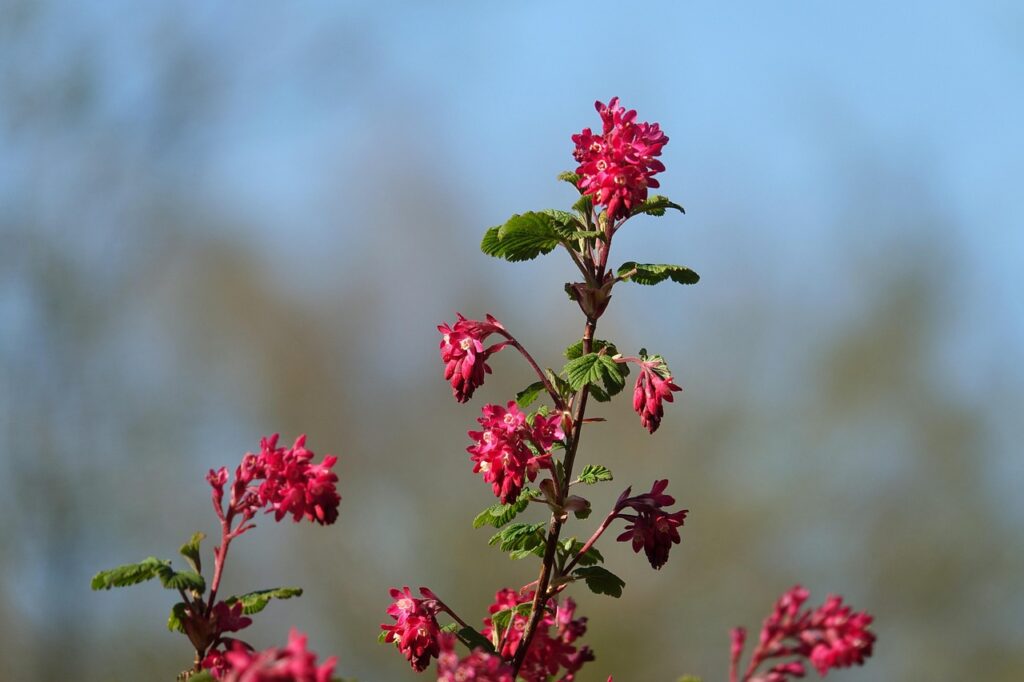
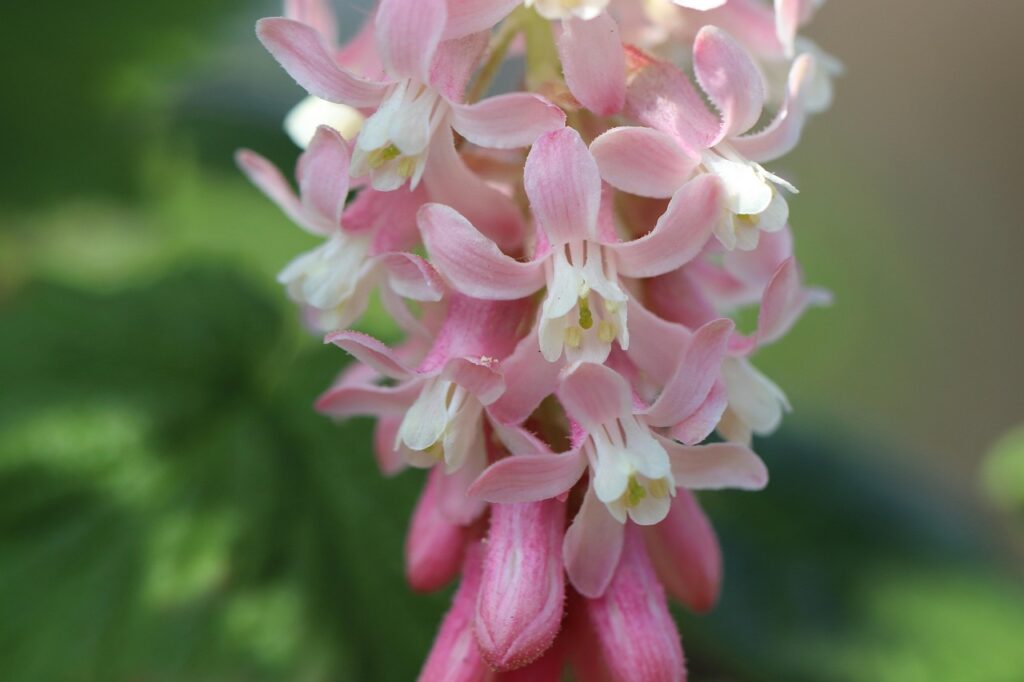
The quick answer is yes, over time, you will need to prune these shrubs. Flowering currants are among the most underappreciated spring-flowering shrubs in British gardens, gracing our outdoor spaces with their cascading clusters of pink, red, or white blooms from March through May.
These vigorous plants, with their pendant flower racemes and aromatic foliage, have been captivating gardeners and pollinators alike since they were introduced from North America in the 1820s. However, like many gardeners, you might find yourself confused about when and how to prune these early blooming beauties. The thought of accidentally removing next year’s flower buds can be enough to put anyone off picking up the pruning shears!
Understanding Your Ribes Before You Prune
Before we dive into the pruning techniques, it’s essential to understand what type of Ribes you’re working with. Whilst most garden flowering currants are Ribes sanguineum and follow the same pruning principles, knowing your variety helps you set realistic expectations for size, flower colour and vigour.
Ribes sanguineum: The Garden Favourite
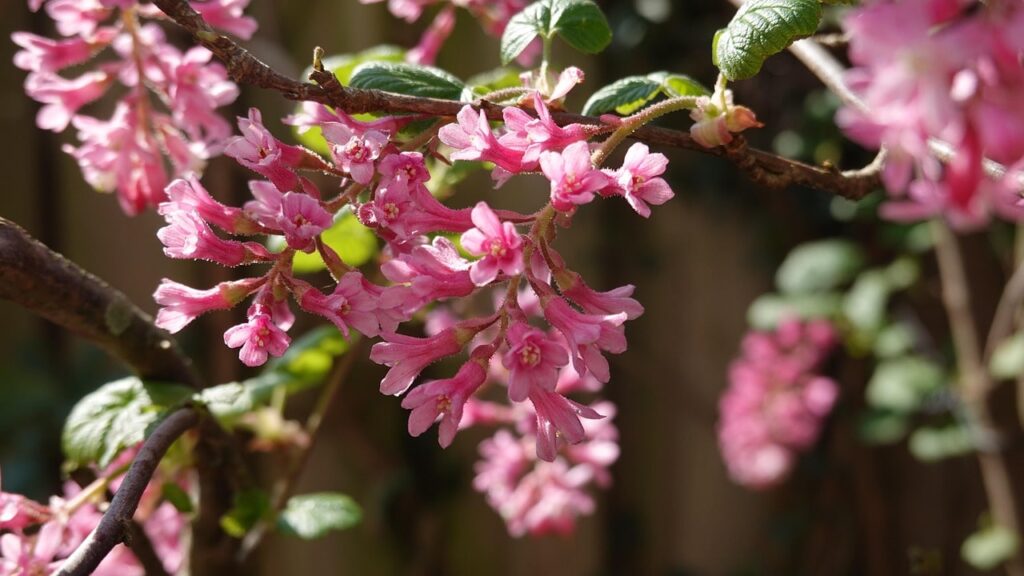
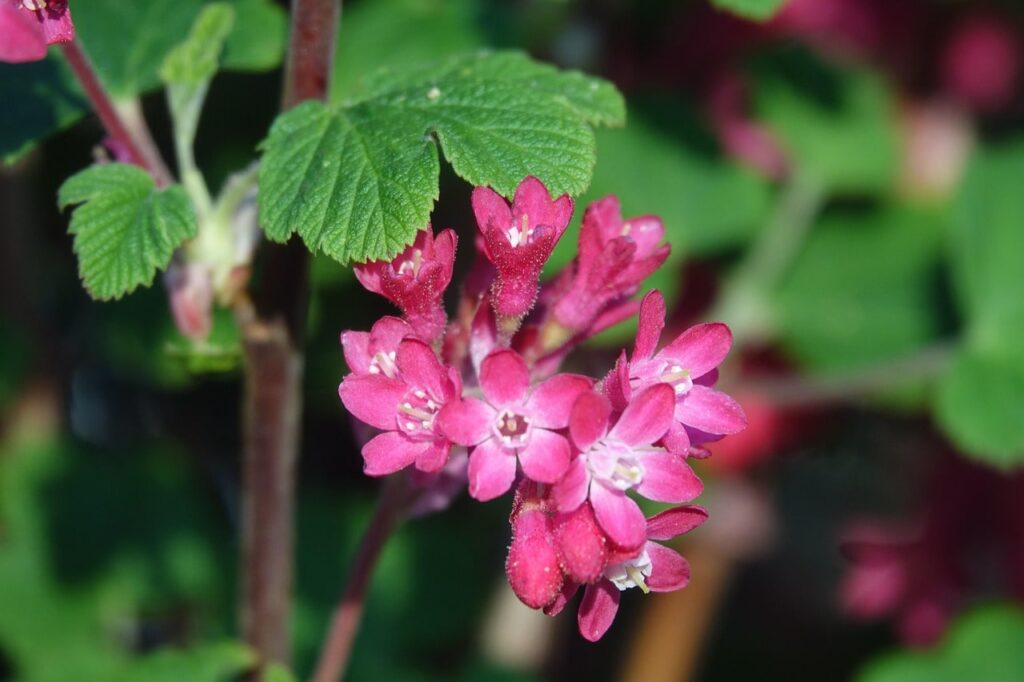
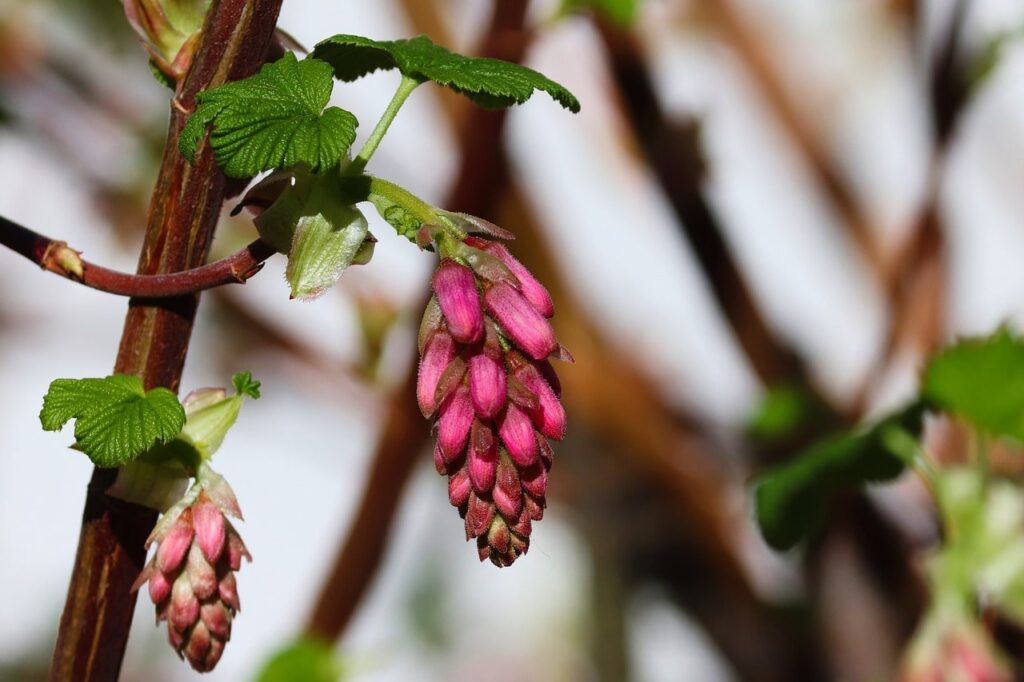
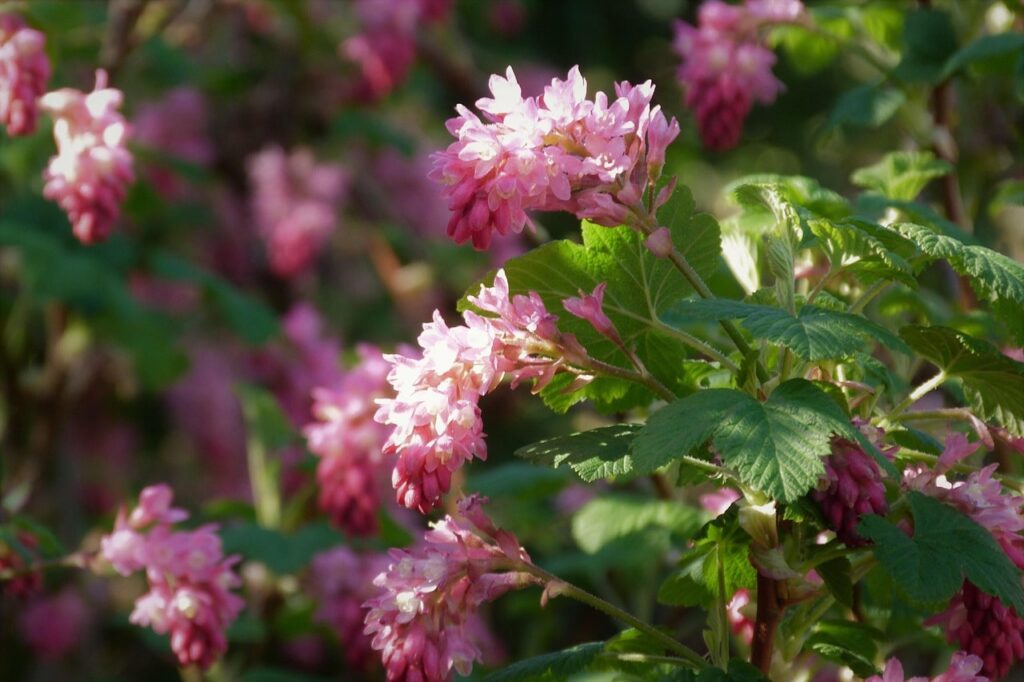
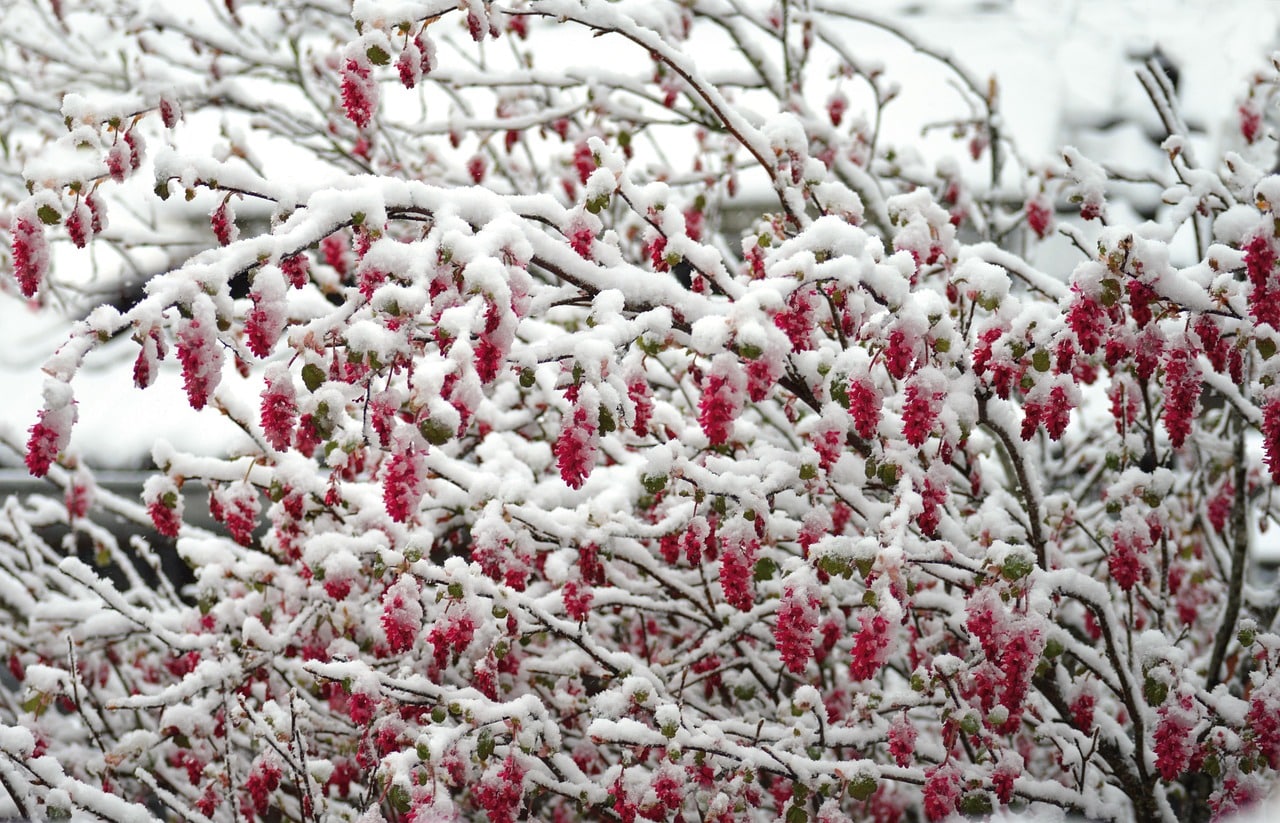
The most common in British gardens is Ribes sanguineum, and chances are this is exactly what you have growing. These spring bloomers typically flower from March through May, depending on your location and the severity of winter. Their flowers range from pure white through pale pink to deep crimson, with pendant racemes that can reach up to 8cm long on vigorous plants.
Key identifying features:
Flowers on previous year’s growth (old wood)
Aromatic, lobed leaves reminiscent of blackcurrant
Upright to spreading growth habit
Strong “currant” scent from foliage when crushed
Flowers from March to May
Blue black berries in summer with a waxy bloom
Popular varieties include:
‘King Edward VII’ with deep pinkish red flowers and compact habit (2m)
‘White Icicle’ with pure white blooms and graceful form (2m)
‘Pulborough Scarlet’ with deep red sepals and white centres (2.5m)
‘Elkriver Red’ with vibrant scarlet flowers (2.5m)
‘Pokey’s Pink’ with candy pink pendulous clusters (2m)
Why Understanding Flowering Timing Matters
This identification step isn’t just about showing off botanically; it’s absolutely critical for successful pruning. The fundamental rule is simple: Ribes sanguineum flowers on wood grown the previous year. This means the flower buds for next spring are developing throughout this growing season on this year’s new growth.
Get your timing wrong, and you’ll spend next spring staring at a leafy green shrub wondering where all the flowers went, whilst the bees visit your neighbour’s garden instead! Prune in autumn or winter, and you’ll be cutting off all those carefully developed flower buds. Prune in spring before flowering, and you’re removing the actual flowers. The magic window is immediately after flowering finishes.
The Native American Connection
Interestingly, Ribes sanguineum is native to western North America, where it’s been used by indigenous peoples for centuries.
The genus name Ribes comes from the Arabic word ‘ribas’, while sanguineum means ‘blood red’; however, most garden varieties are actually pink. This hardy shrub was introduced to British gardens by the famous plant hunter David Douglas in the 1820s, and many of our best varieties were actually bred in England before being reintroduced to their native continent. How’s that for a horticultural round trip!
When to Prune Ribes in the UK
Timing is absolutely everything when it comes to pruning flowering currants successfully, and getting it right makes the difference between a spectacular pollinator magnet and a disappointing green lump that never flowers. Unlike summer-flowering shrubs that can be pruned in winter, Ribes demands an entirely different approach.
The Golden Rule: Prune Immediately After Flowering
For Ribes sanguineum, the ideal pruning time is late April to May, just as the last flowers are fading and before the plant devotes all its energy to producing new growth. This timing provides several significant advantages that make a substantial difference to your plant’s performance.
Why this timing works perfectly:
Post-flowering pruning allows the plant maximum time to produce new growth that will mature and ripen before winter. Because Ribes flowers on wood grown the previous season, every shoot that grows this summer will potentially carry flowers next spring. The longer the growing season, the more flower buds these shoots will develop.
The plant has just used enormous energy producing its spectacular spring display. By pruning immediately afterwards, you’re redirecting that energy into producing strong new growth rather than seed production. Those developing berries might look attractive, but they’re taking resources away from next year’s flower show.
The visual cue approach
Watch your flowering currant carefully as spring progresses. When you see the flower clusters starting to look tired and brown, when petals are dropping, and the display is clearly past its peak, that’s your signal. Don’t wait for every last flower to fade completely; once the main show is over, you can prune.
The weather window trick
Aim for a mild, dry day for pruning. Avoid pruning during heavy rain or immediately after, as wet conditions can increase the risk of disease through pruning wounds. A pleasant late April or May morning when the weather has settled is perfect.
What Happens If You Prune at the Wrong Time?
This is where many gardeners come unstuck, so let’s be crystal clear about the consequences of poor timing:
Autumn or winter pruning
If you prune your Ribes in autumn or winter, you’ll be cutting off all the flower buds that developed during the summer and autumn. Come spring, you’ll have a leafy shrub with absolutely no flowers. I’ve seen this mistake countless times; gardeners treating Ribes like a summer-flowering shrub and wondering why it never blooms.
Early spring pruning (before flowering)
Pruning in February or March removes the actual flowers you’ve been waiting months to see. It’s the gardening equivalent of wrapping Christmas presents, then immediately throwing them away.
Late summer or autumn pruning
By late summer, next year’s flower buds are already developing on this year’s new growth. Prune then, and you’re removing next spring’s display.
Emergency Pruning: The Exception to the Rule
Sometimes, flowering currants suffer storm damage, disease problems, or pest infestations that require immediate attention, regardless of their flowering schedules. Don’t hesitate to remove dead, damaged or diseased wood at any time of year; plant health always takes priority over flower production.
The critical distinction is that you’re only removing problem material, not undertaking general pruning or size reduction at the wrong time. Dead wood doesn’t carry flower buds anyway, so you’re not sacrificing next year’s display by removing it promptly.
The golden rule: When in doubt, observe your plant for a whole year to understand its flowering pattern, then prune immediately after the flowers fade. A year of observation beats a lifetime of disappointing springs!
Why Prune Ribes? The Transformation Benefits
You might wonder whether flowering currants actually need pruning at all. After all, they grow wild in their native North American habitats, flowering spectacularly without human intervention. However, there’s a world of difference between a wild Ribes and a well-maintained garden specimen, and proper pruning makes that difference spectacular.
Size Control: Keeping Vigorous Plants Manageable
Left unpruned, Ribes sanguineum can easily reach 3 metres in height and spread, transforming from a delightful garden shrub into a space hogging monster that dominates borders and blocks light from windows. Worse still, unpruned flowering currants tend to become bare and woody at the base, with all the flowers appearing at the top, where you can barely see them.
Regular pruning keeps these vigorous plants at a manageable height of 1.5 to 2 metres, perfect for mixed borders, while ensuring flowers appear throughout the plant from bottom to top. The difference is remarkable; instead of craning your neck to glimpse flowers overhead, you’ll have a compact shrub absolutely smothered in blooms at eye level where both you and the pollinators can properly appreciate them.
Flower Power: More Blooms, Better Display
Here’s where the magic really happens. Whilst you might think hard pruning reduces flowering, the opposite is actually true. When you cut back flowering currant after blooming, the plant responds by producing dozens of vigorous new shoots. Each of these shoots will develop flower buds along its length, ready for next spring’s display.
Instead of a few sparse flower clusters on old, tired branches, you get hundreds of perfectly formed racemes on young, vigorous wood.
The flowers produced on strong, one-year-old stems are significantly larger and more intensely coloured than those on ancient, exhausted branches.
First-time pruners are always amazed by how much more spectacular their Ribes becomes after proper cutting back.
Health and Vigour: Rejuvenating Tired Plants
Older, unpruned flowering currants often develop a tangled mass of weak, crossing branches that create poor air circulation. This congested growth is prone to powdery mildew and aphid infestations, whilst the weak stems are easily damaged by wind and weather.
Proper pruning opens up the plant’s structure, improving air circulation and dramatically reducing disease problems. The strong new growth that follows pruning is much more resistant to pests and better able to support the weight of those magnificent flower clusters. You’ll notice the difference immediately; a well-pruned Ribes has clean, healthy foliage and robust stems, whilst an unpruned specimen often looks tired and prone to problems.
Encouraging Basal Growth: Preventing Bare Bottoms
One of the most common problems with unpruned flowering currants is that they become progressively more bare at the base. All the energy goes into extending the tips of old branches, leaving you with a shrub that’s essentially a collection of bare legs topped with foliage and flowers.
Regular pruning, especially when you remove some of the oldest stems right back to ground level, stimulates the production of fresh new growth from the base. This keeps the plant well furnished from bottom to top, creating that full, floriferous effect that makes Ribes such a spectacular spring feature.
Creating Structure: Training for Specific Purposes
Smart pruning allows you to shape your flowering currant for specific garden roles. Want a neat, compact shrub for a small border? Prune harder. Need a larger, more relaxed specimen for a woodland edge? Prune more lightly. Some gardeners even train Ribes as small standard trees, with a clear trunk and a flowering head, perfect for underplanting with spring bulbs.
Supporting Wildlife: Better Nectar Sources
A well-pruned flowering currant with abundant, healthy flowers provides far superior nectar sources for early bees, butterflies and other pollinators compared to an unpruned specimen with sparse, hard-to-reach blooms. The more flowers you can encourage at accessible heights, the more wildlife you’re helping.
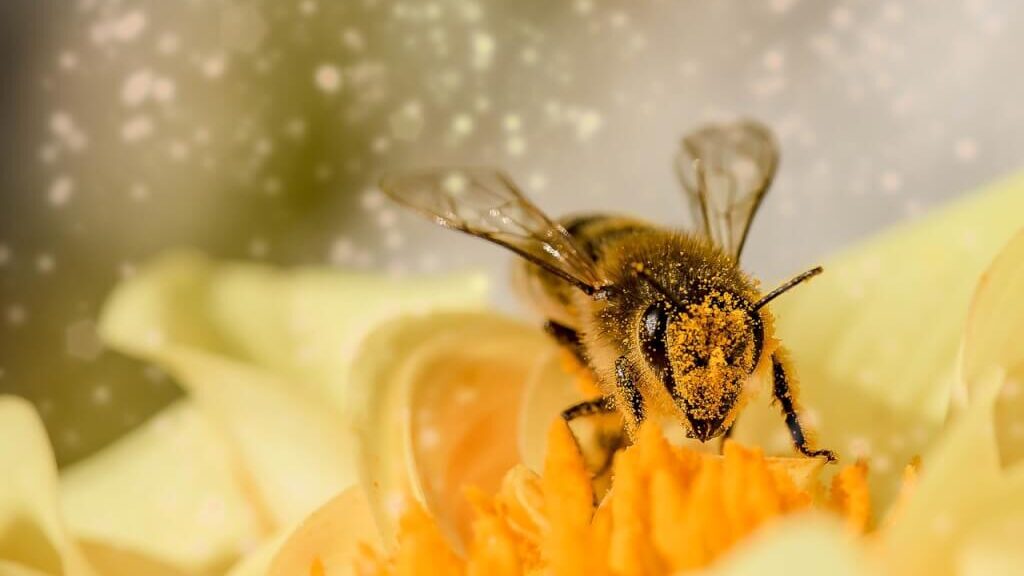
Especially if you’re a beekeeper, as ribes offers much-needed early-season pollen for your hives!
Early-season nectar is absolutely critical for emerging queen bumblebees and other pollinators coming out of hibernation. Your well-pruned Ribes could literally be the difference between survival and starvation for these essential garden visitors.
Essential Tools for Ribes Pruning Success
Having the right tools makes flowering currant pruning a pleasure rather than a battle, and quality equipment ensures clean cuts that heal quickly while reducing the risk of damaging your plants or introducing diseases. After years of pruning Ribes of every size and condition, I’ve learned that investing in proper tools pays dividends in both results and enjoyment.
Sharp Bypass Secateurs: Your Primary Weapon
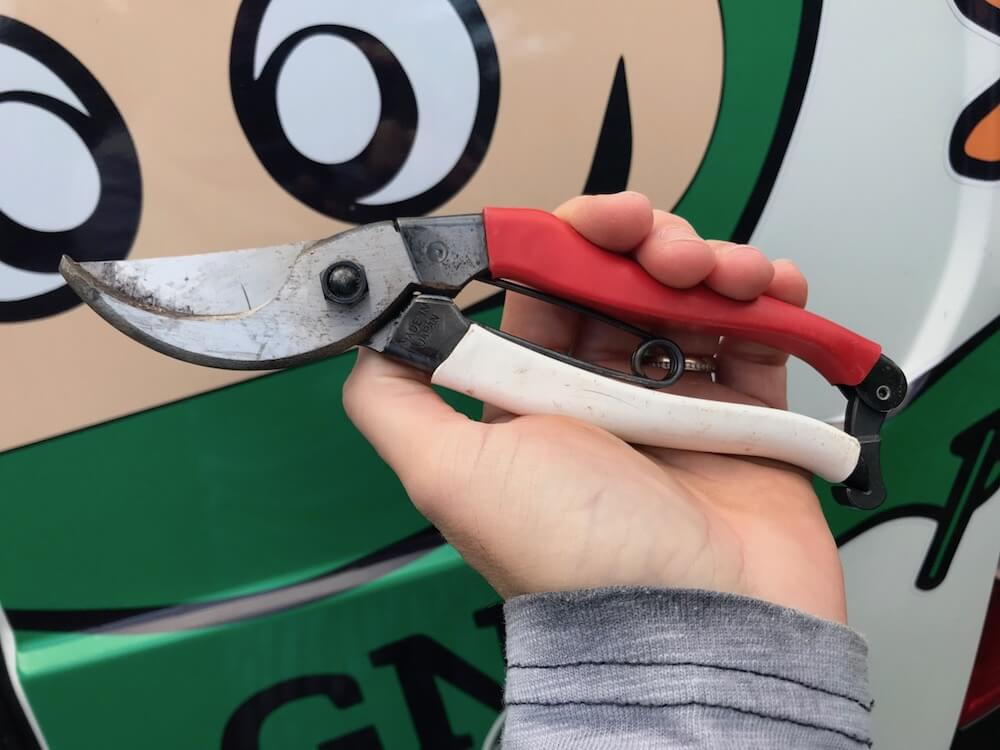
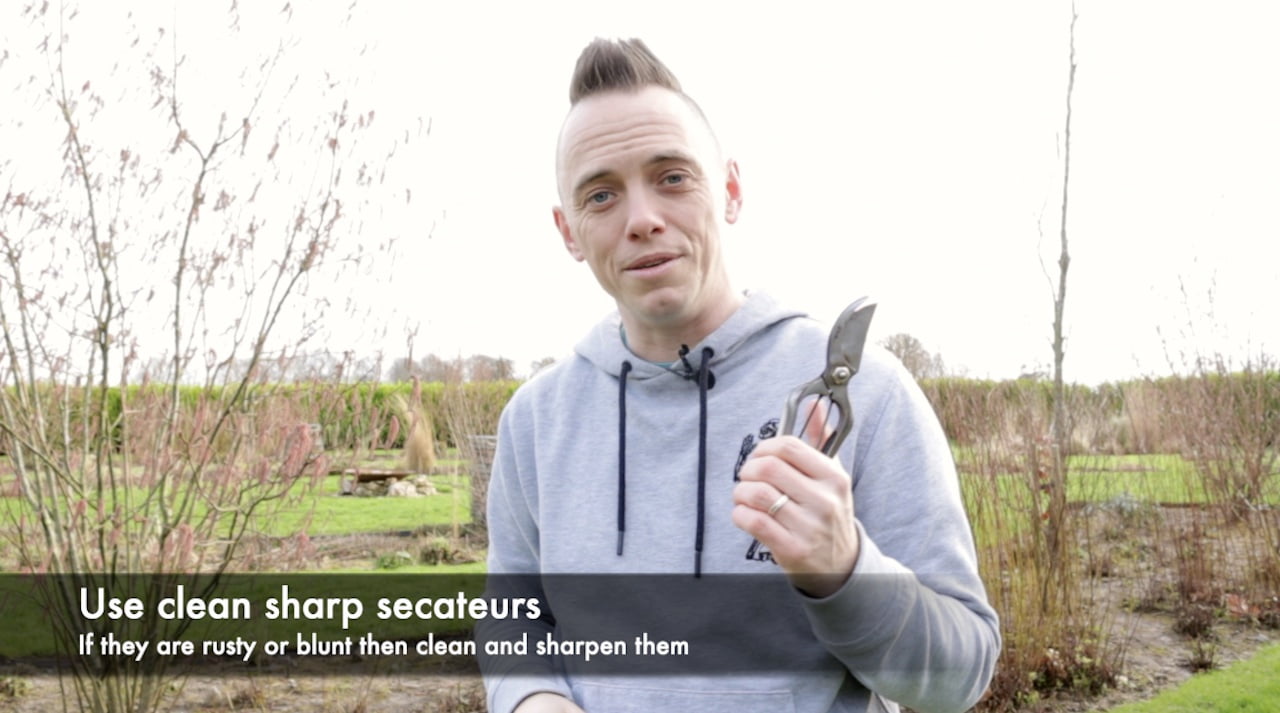
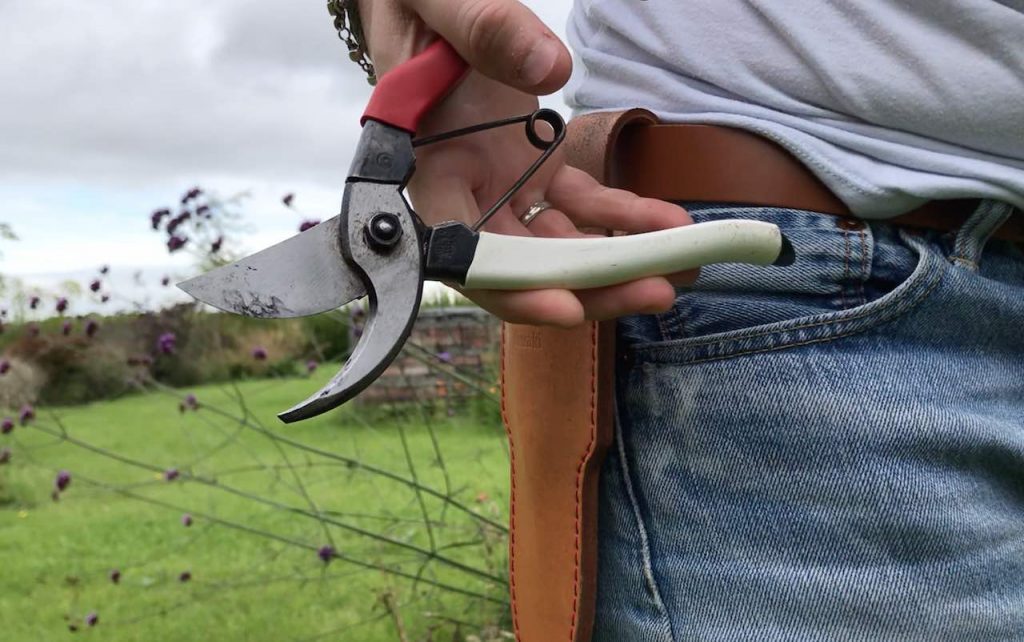
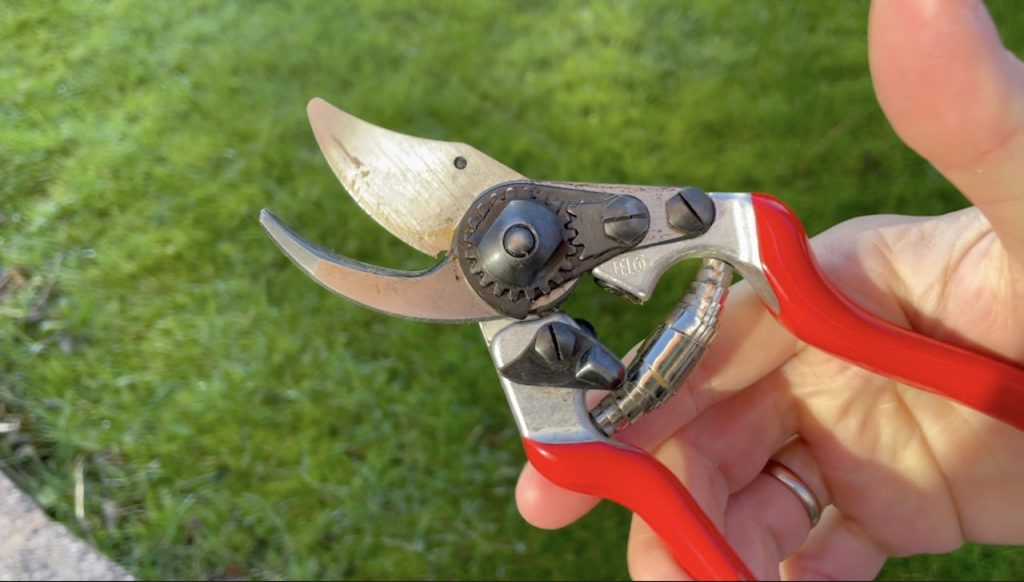
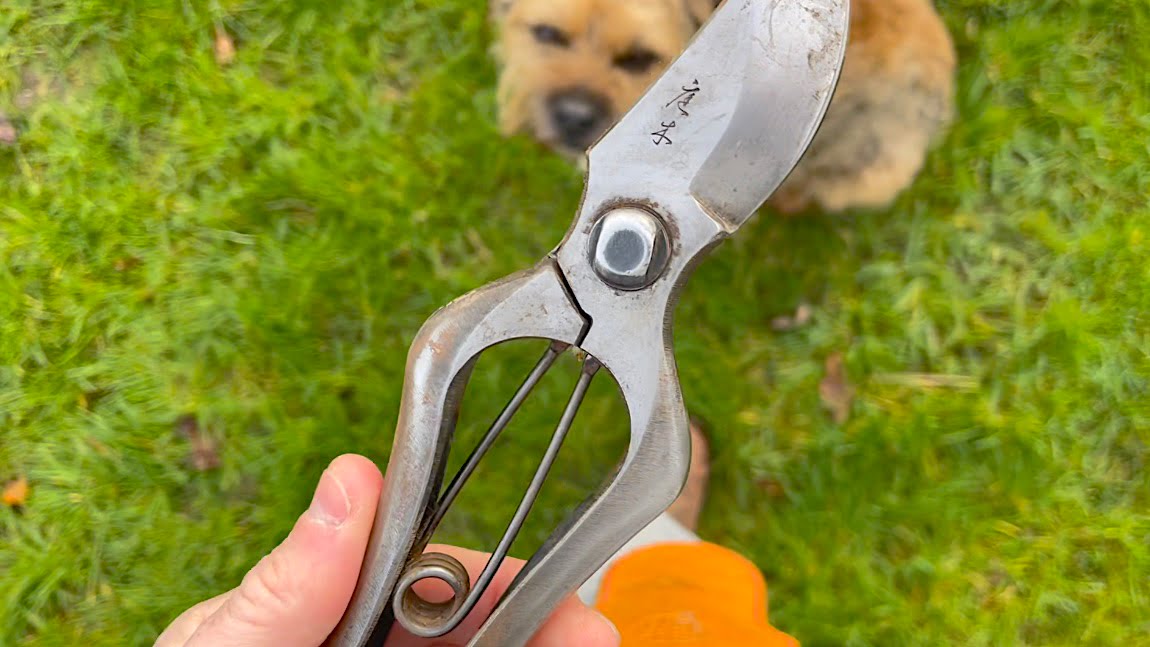
Quality bypass secateurs are absolutely essential for Ribes pruning. You’ll need a well-made pair with sharp, clean blades that can cut through stems up to about 2cm in diameter cleanly and precisely. Bypass secateurs (where two curved blades pass each other like scissors) are infinitely superior to anvil types for living plant material. I’ve discussed whether Felco or Niwaki are the best for pruning and given my verdict here.
Look for secateurs with comfortable handles that fit your grip well, and blades made from high-quality steel that hold an edge. Japanese brands like Okatsune or Felco from Switzerland are worth the investment; they’ll last for decades if properly maintained. Cheap secateurs create ragged cuts that heal poorly and struggle with flowering currant’s sometimes fibrous stems.
Maintenance tip: Clean and oil your secateurs after each use, and have them professionally sharpened annually. Sharp tools require far less effort to use and produce much better results for both you and your plants.
Loppers: For Thicker Stems
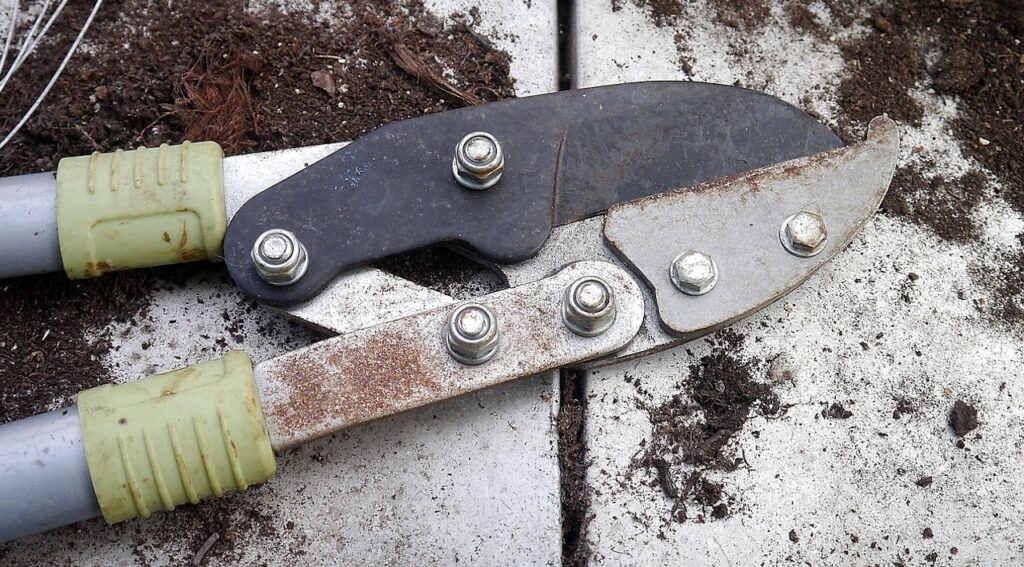
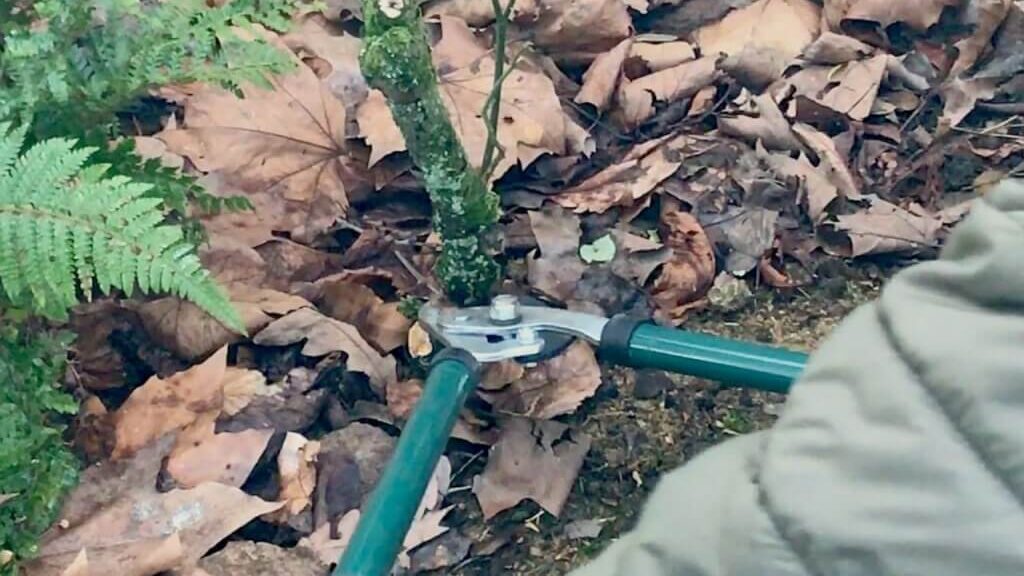
For established flowering currants with thicker, older stems, a good pair of loppers is necessary. These long-handled pruners provide the leverage needed to cut through branches up to 4cm in diameter without straining yourself.
Look for loppers with telescopic handles if you need extra reach, and choose bypass blades over anvil action. The extended handles provide excellent leverage while keeping you at a comfortable distance from the plant, which is particularly useful when working on larger specimens.
Power tool warning: Resist any temptation to use hedge trimmers on flowering currants. These work far too aggressively and remove the precision that good Ribes pruning requires. Stick to hand tools for complete control over every cut.
Cleaning Supplies: Disease Prevention
A clean cloth and bucket of disinfectant are crucial for cleaning your tools between plants and after removing any diseased material. This simple step prevents the spread of problems and keeps your Ribes healthy.
Use a mix of 1 part household bleach to 10 parts warm water, or a commercial disinfectant designed for garden tools. Get into the habit of giving your blades a quick wipe with disinfectant solution before moving between plants. This takes seconds but can prevent disease problems that might take years to resolve.
Protective Equipment: Safety First
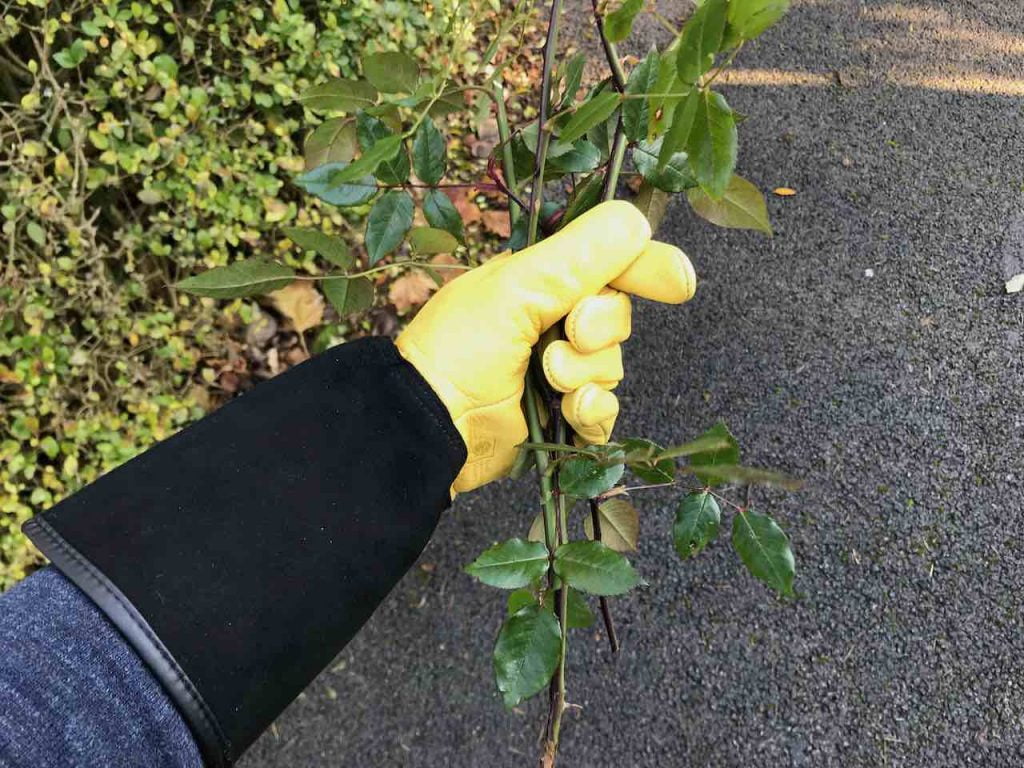
Sturdy gardening gloves protect your hands from scratches and splinters, especially important when dealing with older, rougher-stemmed flowering currants. Thorn-resistant gloves are ideal and provide a better grip on tools such as those used with Gold Leaf, which you can read about here.
Safety glasses become essential when doing any overhead work or handling springy branches that could whip back unexpectedly. Your eyes are irreplaceable; protect them.
Collection and Disposal: Keeping Things Tidy
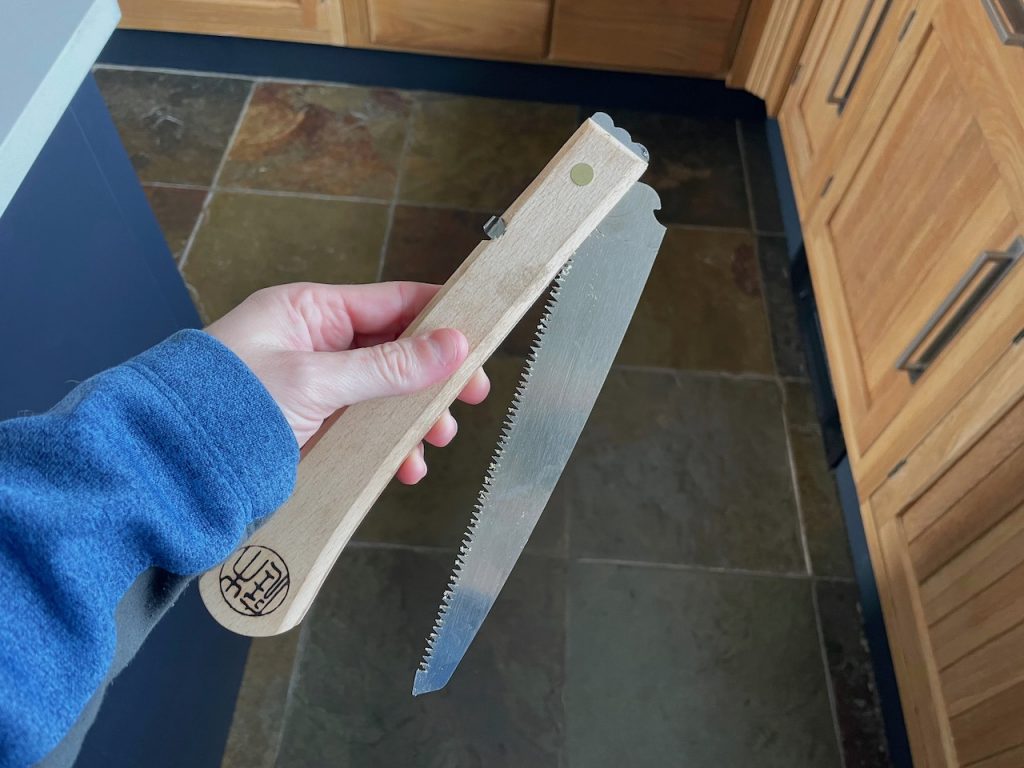
A large tarpaulin or garden waste bag makes collecting prunings much easier and keeps your garden tidy during the work. Flowering currant prunings break down relatively quickly in compost; however, larger stems are better suited for your green waste collection or a bonfire, if permitted.
Pruning flowering currants successfully doesn’t require years of experience or complex techniques. This straightforward three-step method works for virtually any Ribes, regardless of age, size, or condition. Think of it as giving your plant a health check, a haircut and a shape-up all in one efficient process.
Step 1: Remove the Three Ds (Dead, Damaged, Diseased)
Start every Ribes pruning session by looking for dead, damaged and diseased wood. This fundamental step improves plant health immediately and makes it much easier to assess what additional pruning might be needed. It’s remarkable how much clearer a plant’s structure becomes once you remove all the obviously problematic material.
i) Dead wood identification
Dead Ribes wood appears brown or grey, feels brittle when you bend it, and shows no green when you scratch the bark with your fingernail. Cut dead branches back to healthy, living wood or remove entire dead stems at ground level. Don’t leave stubs; these invite disease problems and look unsightly.
ii) Damaged wood removal
Look for broken branches, splits in the bark or areas where branches have been rubbing against each other, causing wounds. Wind damage is relatively common with flowering currants because their dense foliage can catch gusts. Remove damaged sections cleanly, cutting back to healthy growth.
iii) Disease wood detection
Diseased wood might show unusual discolouration, canker-like swellings or obvious fungal growth. While Ribes are generally quite disease-resistant, problems do occasionally occur, especially powdery mildew in humid conditions. Cut back to completely healthy wood and clean your tools thoroughly afterwards.
Pro tip: Make all cuts just above an outward-facing bud or back to a main stem. Avoid leaving stubs, as these provide perfect entry points for diseases and pests whilst creating an untidy appearance.
Step 2: Selective Thinning for Renewal
This is where the real transformation happens with flowering currants. The goal is to maintain a framework of young, vigorous stems whilst removing older, less productive wood. There are two approaches, depending on how drastic your Ribes needs and your personal preference.
The annual renewal approach (established plants):
For established flowering currants that have been reasonably well maintained, remove about one-fifth to one-third of the oldest stems each year. Cut these right back to ground level, selecting stems that are:
Noticeably thicker and darker than younger growth
Producing weak or sparse flowering
Creating congestion in the centre of the plant
Growing at awkward angles
This gradual renewal ensures a constant supply of young, productive stems while maintaining the plant’s size and shape. Over a five-year cycle, you’ll have completely renewed the entire plant without ever shocking it with severe pruning.
The hard pruning approach (annual method):
For those who prefer dramatic results or need to keep Ribes very compact, you can cut all stems back to 30 to 50cm from ground level every year, immediately after flowering. This might sound brutal, but flowering currants respond spectacularly to this treatment.
The plant will produce long, vigorous canes during the growing season, which will be absolutely covered top to bottom in flowers the following spring. This method creates a much more formal, controlled plant and keeps even vigorous varieties compact. It’s particularly effective for varieties like ‘Pulborough Scarlet’ that tend to grow excessively large.
Cutting technique: Make clean cuts at a slight angle just above strong young shoots or back to the main framework. With the hard pruning method, don’t worry if you can’t see obvious buds; flowering currants have remarkable regenerative powers and will produce new growth from seemingly bare wood.
Step 3: Shape and Tidy
The final step focuses on creating a balanced, attractive shape whilst removing any remaining problems that affect the plant’s appearance or performance.
Remove crossing branches: Cut out any branches that cross through the centre of the plant or rub against each other. These create wounds and congestion, reducing air circulation and creating disease-prone areas.
Tip prune for bushiness: If you want a bushier, more compact flowering currant, lightly tip prune the remaining stems by cutting back about 5 to 8cm. This encourages branching lower down and creates a fuller plant.
Create balance: Step back regularly and assess the plant’s overall shape. Remove any stems that spoil the symmetry or stick out at awkward angles. Aim for an attractive, balanced form that looks natural rather than obviously pruned.
Container Grown Flowering Currants
Ribes grown in containers require modified pruning to accommodate their restricted root systems and maintain manageable proportions.
More frequent, lighter pruning: Container plants benefit from lighter but more frequent attention rather than annual hard cutting. This prevents the boom-and-bust cycle that can stress pot-grown plants.
Root pruning coordination: Every few years, combine top pruning with root pruning when repotting. Remove about a quarter of the root system and refresh the compost, then prune the top growth proportionally to maintain balance.
Compact variety selection: For containers, choose naturally compact varieties like ‘King Edward VII’ or ‘White Icicle’, which naturally stay smaller than vigorous forms like ‘Pulborough Scarlet’.
Young Ribes Plant Establishment
Newly planted flowering currants require a gentle approach for their first couple of years while they establish a strong root system.
First year
Minimal pruning beyond removing damaged growth. Allow the plant to focus energy on root development rather than recovering from pruning.
Second year onwards
Begin light pruning after flowering, gradually working towards your preferred method as the plant matures and establishes.
Common Ribes Pruning Mistakes to Avoid
Even experienced gardeners can make errors when pruning flowering currants, and these mistakes can cost you an entire season’s spectacular spring display. Here are the most common pitfalls and how to avoid them altogether.
1) Pruning at the Wrong Time: The Cardinal Sin
The mistake: Pruning Ribes in autumn, winter or early spring before flowering.
Why it matters: This single error eliminates the entire flower display. I’ve seen countless gardeners become completely disillusioned with flowering currants simply because they treated them like summer-flowering shrubs and pruned in March, then wondered why they never flowered.
The solution: Tattoo this on your forehead if necessary: Prune Ribes immediately after flowering finishes in late April or May.
Not before. Not months after. Immediately after the flowers fade, this is absolutely non-negotiable for successful flowering.
ii) Using Blunt or Dirty Tools
The mistake: Attempting to prune with old, blunt secateurs or failing to clean tools between plants.
The consequences: Blunt tools crush and tear stems rather than cutting cleanly, creating wounds that heal poorly and provide easy entry points for diseases. Dirty tools can spread problems like powdery mildew between plants.
The professional approach: Sharp, clean tools should be a given. If your secateurs are struggling to cut through flowering currant stems, they need attention immediately. Clean tools between plants with a diluted bleach solution.
iii) Fear-Based Light Pruning
The mistake: Being too gentle with flowering currants because you’re worried about damaging them or reducing flowering. Lots of beginner pruners suffer from this problem!
Why it fails: Timid pruning of Ribes often makes them worse, producing weak growth that can’t support proper flower development. You end up with a plant that’s both larger than desired and poorly flowered.
The courage principle: Flowering currants respond dramatically to confident pruning. The harder you cut (at the right time), the better they perform. Trust in their vigour and resilience.
iv) Leaving Stubs and Poor Cut Placement
The mistake: Cutting branches too far from buds, leaving ugly stubs, or cutting too close and damaging the buds themselves.
The consequences: Stubs die back and can harbour diseases, whilst damaged buds won’t grow, leaving gaps in your plant’s framework.
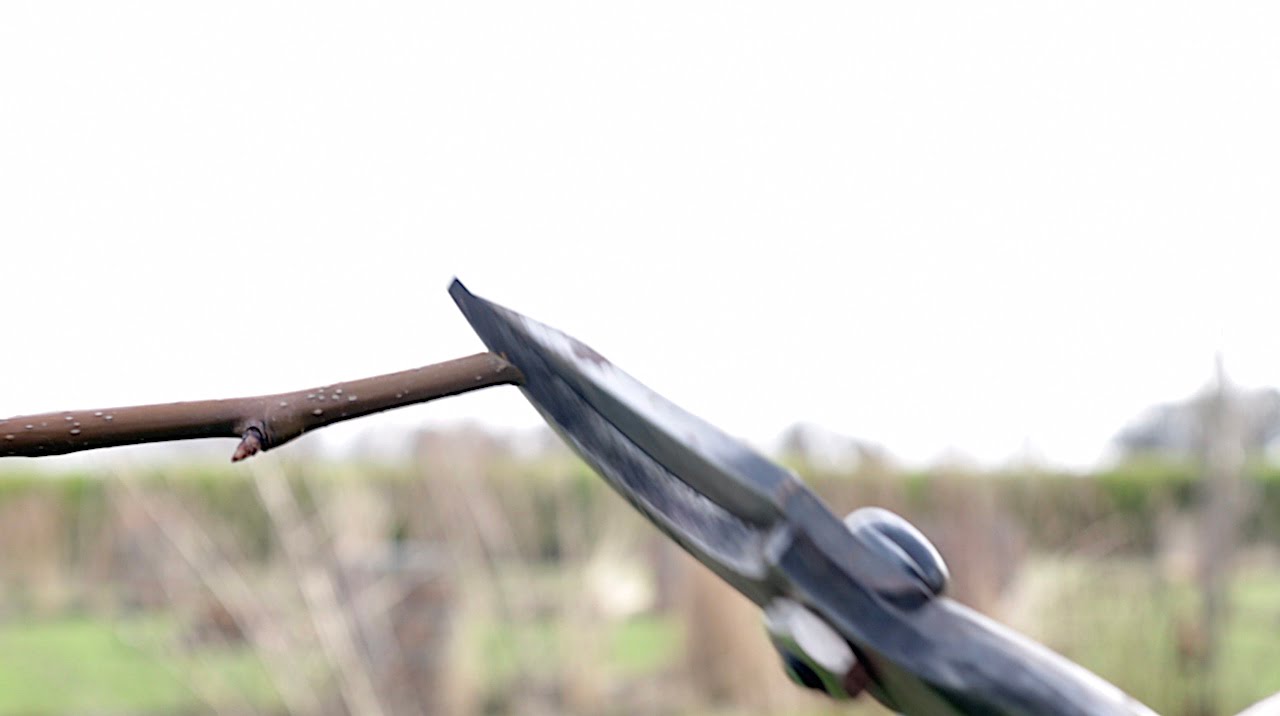
Perfect cut placement: Cut just above an outward-facing bud, about 5mm away, at a slight angle sloping away from the bud. This positioning encourages outward growth and prevents water from sitting on the cut.
v) Ignoring the Three Ds
The mistake: Focusing only on size reduction whilst ignoring dead, damaged and diseased material.
Hidden problems: Old dead wood and diseased material undermine your entire pruning effort, creating ongoing health problems that affect the plant’s vigour and flowering.
Health first principle: Always deal with plant health issues before worrying about shape or size. A healthy plant will always respond better to pruning than a compromised one.
vi) Pruning Young Plants Too Hard
The mistake: Treating newly planted Ribes the same as established specimens with hard pruning in the first year.
Why it backfires: Young plants need time to establish strong root systems before they can support the vigorous regrowth that follows hard pruning. Over-pruning can actually delay establishment and flowering.
Gentle establishment: Limit pruning of young flowering currants to light shaping and the removal of damaged growth for their first two seasons. Let them settle in first.
vii) Forgetting About Aftercare
The mistake: Pruning hard, then walking away without providing proper aftercare.
Missing the benefits: Without adequate water and nutrients, even perfectly pruned Ribes may struggle to produce the spectacular regrowth they’re capable of.
Complete care approach: Factor feeding, mulching and watering into your pruning schedule to maximise the benefits of your hard work. Think of pruning as the start of the care process, not the end.
viii) ) Not Stepping Back to Assess
The mistake: Getting caught up in the detail and making too many cuts without stepping back to assess the overall effect.
The result: An unbalanced or over-pruned plant that looks obviously butchered rather than naturally shaped.
The pause principle: Step back regularly whilst pruning to view the plant from different angles. It’s far better to make fewer, considered cuts than to get carried away and regret it later.
Transform Your Garden Skills with Garden Ninja’s Online Courses
Ready to elevate your gardening expertise beyond basic pruning? Garden Ninja’s comprehensive online courses can accelerate your journey from enthusiastic beginner to confident garden creator in just weeks rather than years. With courses starting from just £29, you can access award-winning garden design knowledge from BBC Garden Rescue presenter Lee Burkhill without the expense of traditional garden design education.
In this online gardening course, I’ll walk you through 30 fantastic garden designs, explaining the logic behind the layout, the plant choices and take home tips for applying them in your own garden. Perfect for understanding how shrubs like flowering currants fit into overall garden design.
Learn how to transform and design your own garden with Lee Burkhill’s crash course in garden design. Over 5 hours, Lee will teach you how to design your own dream garden, featuring practical design examples, planting ideas and video guides. Learn how to design your garden in one weekend!
If you want to make the career jump to becoming a garden designer or to learn how to design your own garden, this is the beginner course for you. Join me, Lee Burkhill, an award-winning garden designer, as I train you in the art of beautiful garden design. Understand how to use spring-flowering shrubs strategically in your designs for maximum impact.
29
Garden Design Examples for Small Gardens: 30 Design Templates & Planting Plans
Garden Design Examples for Small Gardens: 30 Design Templates & Planting Plans: In this online gardening course, I’ll walk you through 30 fantastic garden designs, explaining the logic behind the layout, the plant choices, and take-home tips for applying them in your own garden.
Weekend Garden Makeover: A Crash Course in Design for Beginners
Learn how to transform and design your own garden with Lee Burkhills crash course in garden design. Over 5 hours Lee will teach you how to design your own dream garden. Featuring practical design examples, planting ideas and video guides. Learn how to design your garden in one weekend!
Garden Design for Beginners: Create Your Dream Garden in Just 4 Weeks
Garden Design for Beginners Online Course: If you want to make the career jump to becoming a garden designer or to learn how to design your own garden, this is the beginner course for you. Join me, Lee Burkhill, an award-winning garden designer, as I train you in the art of beautiful garden design.
Transform your garden into an early spring paradise through the simple yet powerful technique of proper Ribes pruning. The magic happens not just in the spectacular flowering displays you’ll create, but in the grateful bees, butterflies and early pollinators that will transform your garden into a vital nectar source when little else is blooming.
Remember that every expert was once a beginner, every magnificent flowering currant was once an overgrown tangle, and every pollinator-filled spring garden started with someone brave enough to pick up their secateurs and make the first cut. Your Ribes success story begins the moment you decide to prune with purpose, confidence and correct timing.
The early bees are waiting; it’s time to give them the spring garden they deserve. Prune your flowering currants immediately after flowering, feed them well, and watch them transform into spectacular spring showstoppers that will be the envy of your entire street next March.
Lee Burkhill, known as the Garden Ninja, is an award-winning garden designer and horticulturist with over 30 years of gardening experience and 15 years as a professional garden designer. A qualified RHS (Royal Horticultural Society) professional, Lee specialises in sustainable garden design and practical horticultural advice. He designs and presents on BBC1’s Garden Rescue and in leading gardening publications. Lee combines three decades of hands-on gardening knowledge with professional design qualifications to help gardeners create beautiful, functional outdoor spaces.