How to Plant a Bulb Lasagne: And Why I Absolutely Loathe Them!
Lee Burkhill: Award Winning Designer & BBC 1's Garden Rescue Presenters Official Blog
Beginner level
Bulb lasagnes fill out social media feeds each autumn with influencers and gardeners enthusiastically promoting why bulbs in pots are great for beginner gardeners or those with small gardens. The truth is, I loath bulb lasagnes as they cause more heartache than joy. This guide is going to explain what they are, why I never plant them and give you some far better alternatives Ninjas!
You know what gets me every autumn? Those glossy gardening magazines showing pristine pots stuffed with layer upon layer of spring bulbs, promising you’ll have continuous flowers from February through May. Instagram is awash with them. YouTube tutorials multiply like rabbits. Everyone’s at it, stacking tulips, daffodils and crocuses like they’re building some horticultural wedding cake.
Well, here’s my confession after 30-odd years of getting my hands dirty in the garden: bulb lasagnes are absolutely rubbish. Before you think I’m just being a contrary Mary, let me walk you through how to actually create one of these things, and then I’ll explain exactly why I think they’re one of the most overrated techniques in container gardening. More importantly, I’ll show you three genuinely better alternatives that’ll give you stunning spring displays without all the faff.
What Is a Bulb Lasagne?
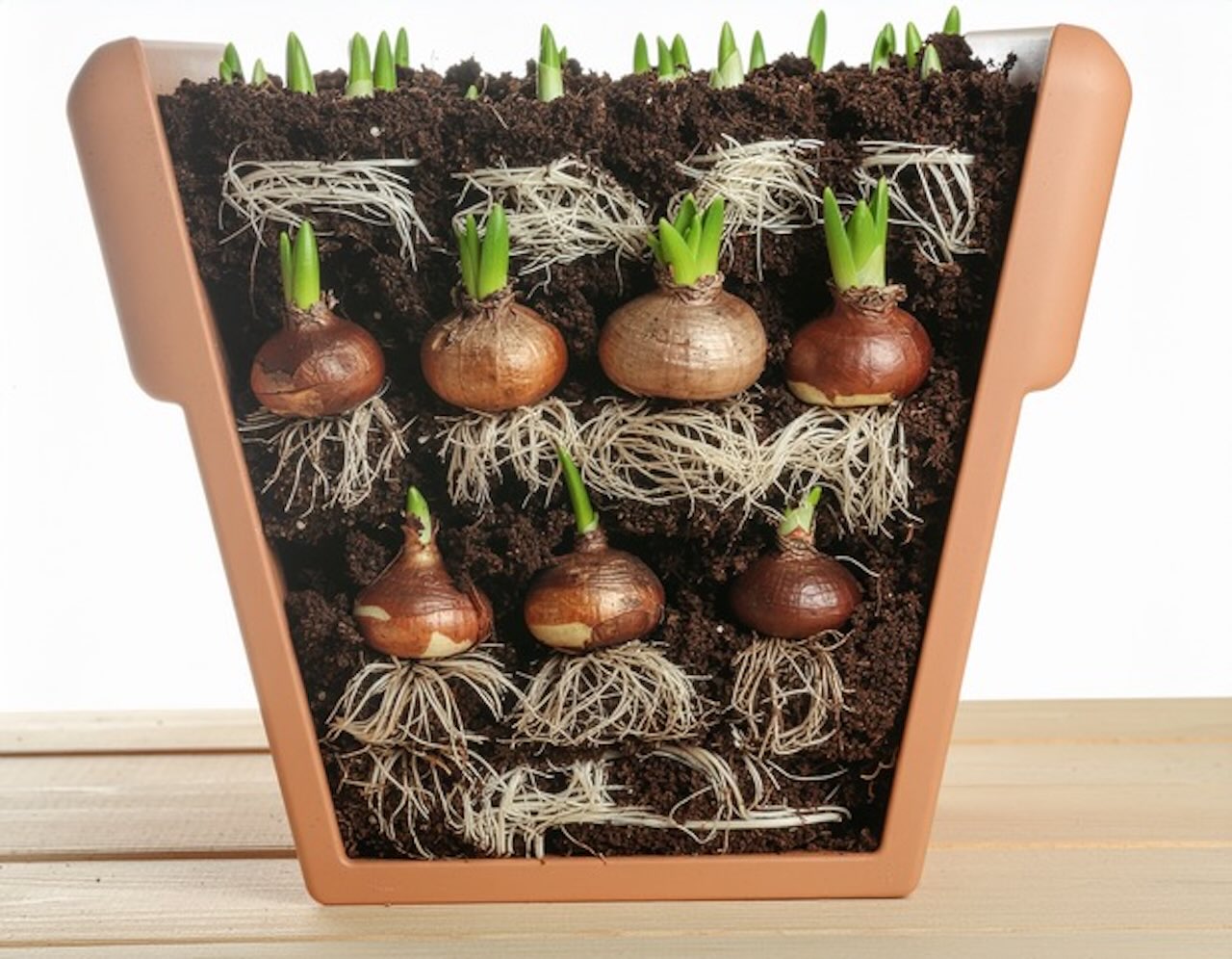
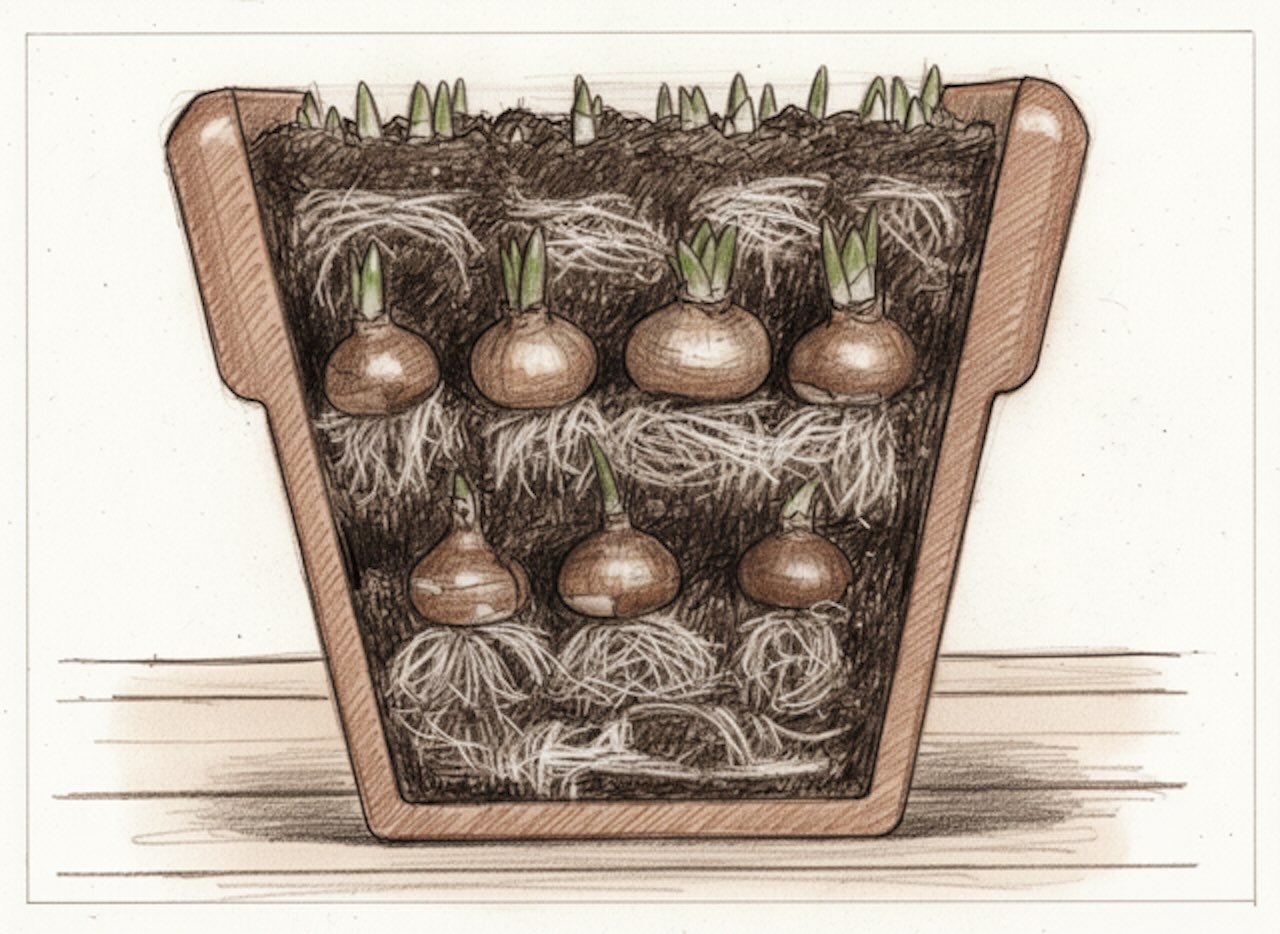
A bulb lasagne is where you layer bulbs in a container on top of each other in ‘sheets’ a bit like you would a regular lasagne. They appeal to people who want to get as many spring flowers as possible, and so someone invented this layering approach.
The concept seems foolproof. You’re essentially cramming multiple layers of different spring bulbs into one deep pot, with the largest planted deepest and progressively smaller varieties layered above. The idea is that they’ll all push through the layers above them, creating weeks of successive blooms in a single container. Maximum flowers, minimum space. What’s not to love?
In theory, you get:
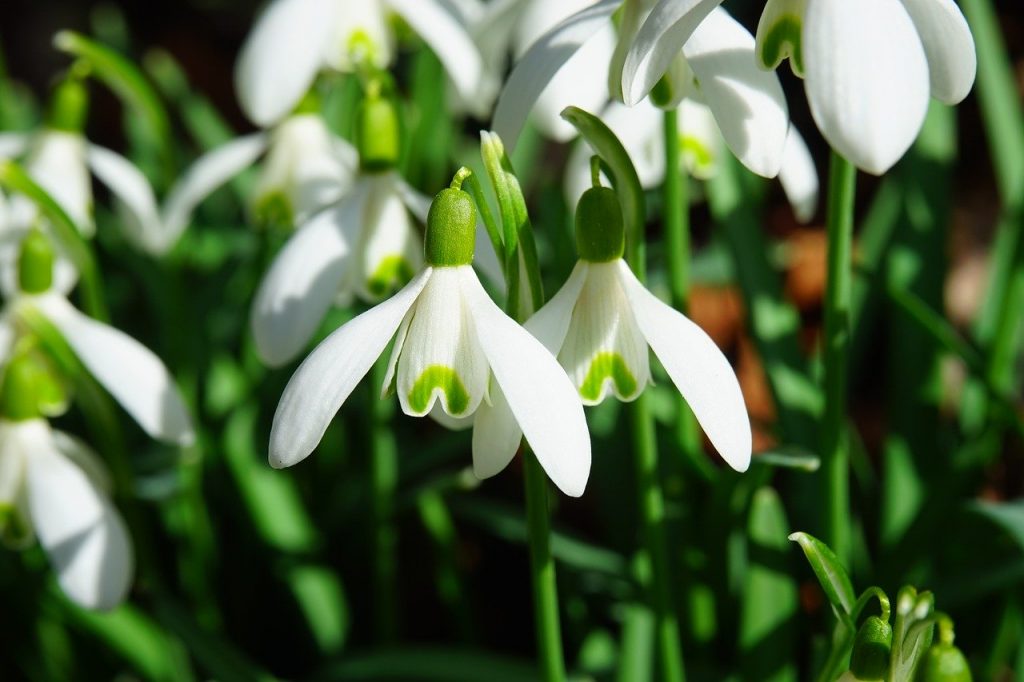
Early crocuses or snowdrops popping up in Jan or February
Followed by dwarf iris and grape hyacinths in Feb, March
Then daffodils in March to April
Finishing with a grand finale of tulips in April It’s like planning a four-month party in a pot.
Why Bulb Lasagnes Always Fail
The reality is like inviting 50 people to a dinner party in your bathroom. Sure, they’ll all fit if you squeeze them in, but nobody’s going to have a good time. They may turn up once, but they subsequently fail toc come back each year. They ‘re too crammed, too hungry for nutrients or completely bone dry.
How to Create a Bulb Lasagne (Even Though You Shouldn’t)
Despite my feelings about them, I’m going to show you the proper technique. If you’re determined to try this, you might as well do it properly rather than bodging it, and for the first year, you will get some success and if you’re new to gardening, it may be the dip your toe in the water exercise you need in spring bulbs!
What You’ll Need
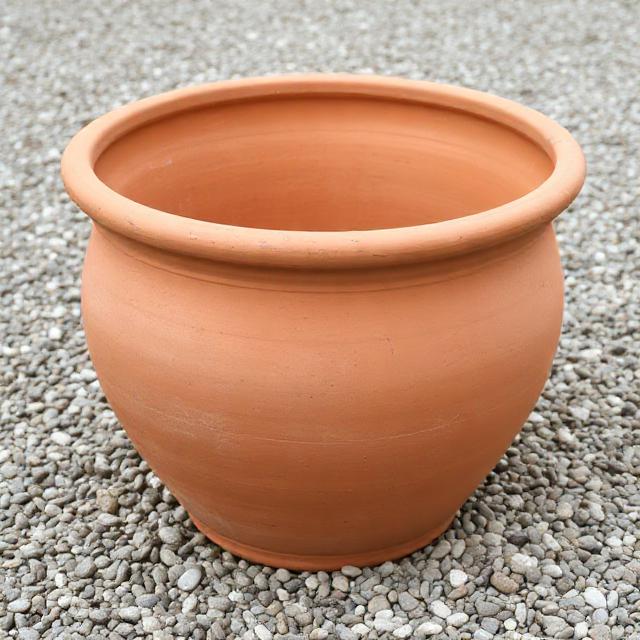
Large container (minimum 40cm deep and 40cm wide)
Peat-free multipurpose compost
Horticultural grit
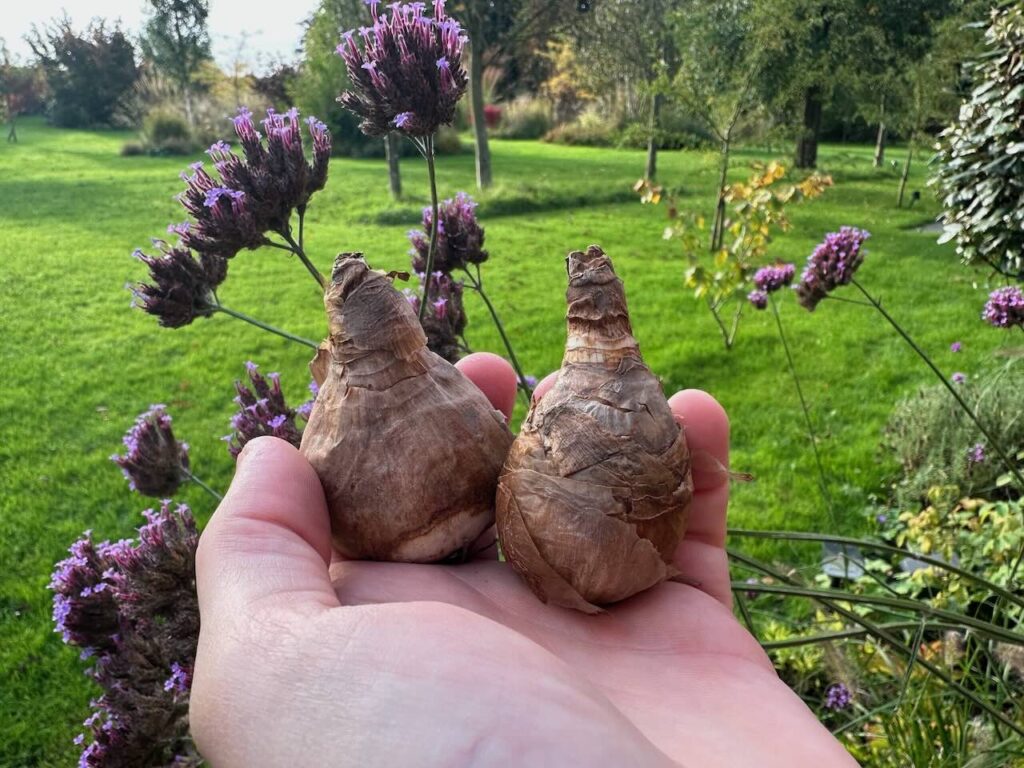
Selection of spring bulbs in different sizes
Watering can
1. Prepare your container
Check that your pot has adequate drainage holes. This is absolutely non-negotiable because you’re about to create the botanical equivalent of the London Underground at rush hour, and the last thing these cramped bulbs need is to be sitting in water.
2. Skip the crocks (seriously)
Here’s where I’m going to save you some hassle. Forget about adding crocks, broken terracotta, or stones to the bottom of your pot. It’s pointless. The theory that they improve drainage is a complete myth that’s been scientifically debunked. What actually happens is you create a perched water table where water sits in the compost just above the crocks rather than draining through. You’re making drainage worse, not better. Just make sure your pot has decent holes and you’re sorted.
3. Mix your compost properly
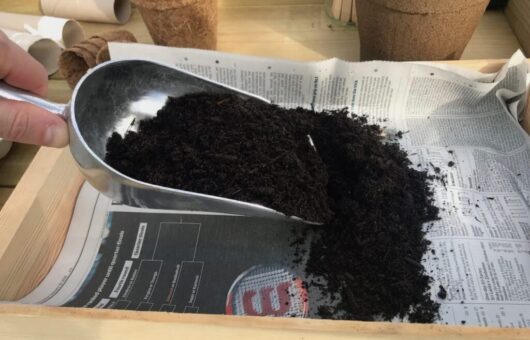
Combine your peat-free multipurpose compost with horticultural grit at roughly a 70:30 ratio. This genuinely does improve drainage by creating air pockets throughout the compost. Add about 5-8cm of this mixture to the bottom of your pot.
4. Plant your bottom layer (largest bulbs)
Choose your largest bulbs (tulips or substantial daffodil varieties)
Place them pointy end up, about 15-20cm from the top of the pot
Space them so they’re nearly touching but not quite
Position matters because you need gaps for the layers above
5. Cover and add the middle layer
Add compost until your bottom layer bulbs are just buried
Add your middle-sized bulbs (smaller daffodils, hyacinths, or alliums)
Plant these about 10-12cm from the surface
Position them in the spaces between your lower bulbs when viewed from above
Never bring bulbs indoors or store in heated spaces
They need cold temperatures (vernalisation) to develop roots properly
Water occasionally if we’re having a particularly dry winter
Don’t drown them, though
Why I Think Bulb Lasagnes Are Absolute Nonsense
Problem 1: Ridiculous Overcrowding
You’re forcing bulbs into an unnaturally cramped space where they’re competing for nutrients, water and room to develop. Yes, they’ll flower that first spring because they’re using stored energy from the bulb itself, but it’s not sustainable. The flowers are often smaller and shorter-lived than bulbs planted with proper spacing. It’s like expecting Olympic performance from athletes living in a phone box.
Problem 2: The Empty Pot Disaster
This is the killer for me. Once your tulips have finished by late May, what are you left with? A container full of dying foliage that you can’t cut back because the bulbs need those leaves to photosynthesise and build up energy for next year. You’ve got this prominent pot in your garden or on your patio looking absolutely dreadful for weeks whilst the foliage yellows and collapses. It’s not exactly the aesthetic dream you signed up for.
Problem 3: Relentless Maintenance
The workload is genuinely absurd:
Weekly feeding with high-potash fertiliser after flowering finishes
Waiting 6-8 weeks for foliage to die back naturally
Digging out all the bulbs once foliage has died
Separating them (because they’ll have multiplied and become even more congested)
Storing them properly over summer
Replanting everything in autumn
Or you accept they’ll perform progressively worse each year until you give up and bin the lot.
Problem 4: Poor Second-Year Performance
Most bulbs won’t reliably rebloom well in containers anyway. Tulips, especially, are notoriously difficult to get to flower well in pots for a second year. Daffodils are better, but even they struggle with the cramped conditions and competition. You’re essentially creating an expensive annual display that requires hours of fiddling about.
I’d rather spend my time creating sustainable, genuinely low-maintenance container displays that look good for months, not weeks.
Alternatives to Bulb Lasagnes
Ok, so you know now why I loathe bulb lasagna, but I want to provide some alternatives that work far better and will enable you to spend more time enjoying spring flowers than feeding, lifting and mourning the loss of them!
Alternative 1: The Layered Perennial Pot with Bulb Pockets
Instead of cramming everything into one pot like horticultural sardines, create a mixed container with permanent perennials and carefully placed bulb pockets.
How to create it:
Choose your container plants first (small evergreen shrub like compact hebe or pittosporum for structure)
Add trailing ivy for interest
Include a perennial like heuchera or carex for year-round colour
When planting in autumn, create specific pockets between your permanent plants
Tuck in groups of bulbs (five to seven tulips in one area, a cluster of daffodils in another)
Why this works better:
The bulbs flower in spring, giving you gorgeous colour, then as their foliage dies back, your permanent plants fill in and hide the dying leaves. Come summer, your pot still looks brilliant because the structural plants are thriving. You’re not left staring at an empty container.
The bulbs get better growing conditions because they’re not competing with 47 other bulbs for the same square inch of compost. You can feed the whole pot with a slow-release fertiliser in spring that benefits everything. And crucially, you’re not committed to digging everything up and replanting annually.
Alternative 2: The Single-Variety Statement Pot or Container
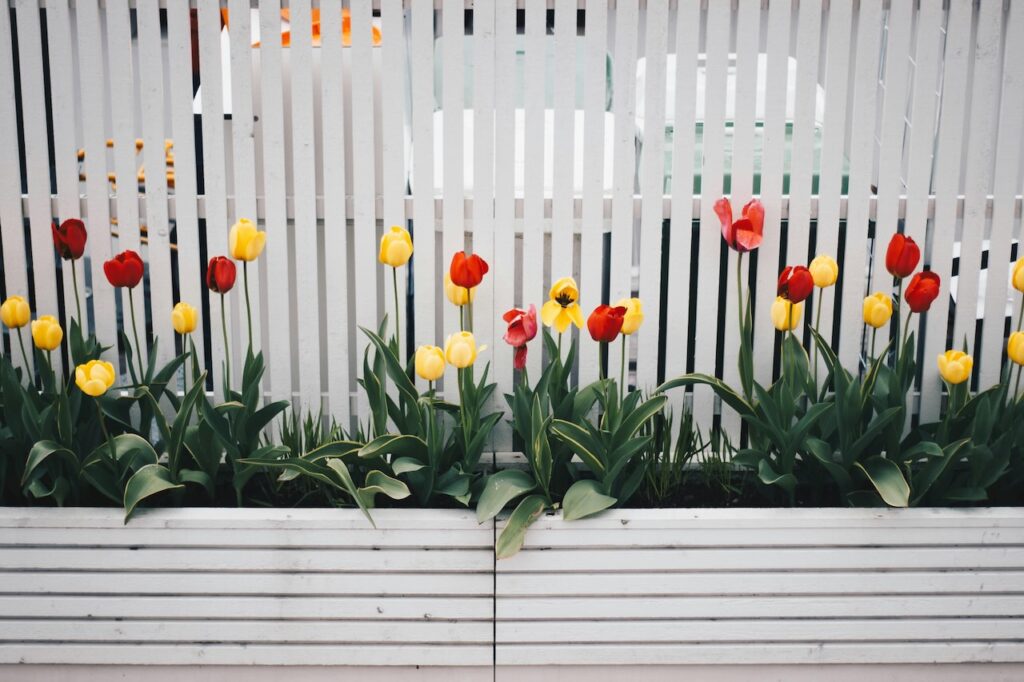
There’s genuine power in simplicity, something we Brits often forget in our enthusiasm to create the “cottage garden in a container” effect. Use one species of bulb and plant en masse, as in the container below, full of just tulips.
How to create it:
Choose one stunning bulb variety
Select a beautiful pot that complements your bulbs
Plant at the correct depth (three times the height of the bulb)
Give adequate spacing between bulbs
That’s it. No layering. No complexity.
Stunning single-variety combinations:
20 ‘Queen of Night’ tulips in a large terracotta pot
15 hyacinths in a glazed container near your front door for incredible scent
A mass of ‘Tête-à-tête’ daffodils in a wide, shallow bowl
Post-flowering options:
Once they’ve finished, you can either lift the bulbs and replant the pot with summer bedding, or if you’ve chosen reliable repeaters like certain daffodil varieties, underplant them with shade-tolerant summer annuals like impatiens or begonias that’ll hide the dying foliage.
For more guidance on choosing the right bulbs, check out my other bulb planting guides, where I cover everything from preventing bulb rot to creating succession planting schemes that actually work.
Alternative 3: The Staggered Pot Collection
Instead of trying to squeeze four months of flowers into one pot, create a collection of three or four smaller containers, each planted with bulbs that flower at different times.
How to set it up:
Get three to four medium-sized pots (30cm diameter works well)
Group them together on your patio or arrange them on tiered plant stands
Rotate pots as each finishes flowering
Suggested planting schedule:
Pot One: Early crocuses and winter aconites for February colour
Pot Two: Mid-season daffodils for March and early April
Pot Three: Late tulips for May
Pot Four (optional): Alliums for transition into early summer
As each pot finishes flowering, simply move it to a less prominent position whilst the foliage dies back, and bring the next pot forward into the spotlight. This gives you all the succession of colour that a lasagne promises, but each type of bulb gets the space, depth and conditions it actually needs to thrive.
The maintenance is far simpler because you’re dealing with one bulb type per pot rather than excavating layers. When it comes time to replant, you can make informed decisions about which varieties performed well and which to replace.
Performance Comparison
Method
Maintenance
Second Year
Bulb Lasagne
Very High (weekly feeding, careful watering, complete autumn overhaul)
Poor to moderate (overcrowding impacts rebloom)
Perennial Pot with Bulbs
Low (standard care, occasional bulb replacement)
Good (permanent plants thrive, bulbs easily replaced)
Single Variety Statement
Low to Moderate (simple replanting if annual)
Variable (depends on type, easier to manage)
Staggered Collection
Moderate (multiple pots, simpler per-pot care)
Good (each type gets optimal conditions)
The Bottom Line on Bulb Lasagnes
Look, I understand the appeal. The idea of cramming maximum colour into minimum space speaks to our desire for instant gardening gratification. And yes, that first spring after planting, when everything comes up and flowers together, can look spectacular. I’m not denying that.
But gardening isn’t just about one glorious moment. It’s about creating sustainable displays that don’t leave you with ugly gaps and dying foliage and that don’t require you to become a full-time bulb excavation specialist.
Sustainable displays that work with how bulbs actually want to grow
Moving on From Pots & Containers
Growing in pots and containers is one of those beginner gardening skills that builds your confidence and gets you hooked on growing your own. Once you’ve mastered the basics covered in this guide, you’ll find yourself expanding your garden and probably boring your friends with tales of your pots!
If you want to really get to grips with garden design and create an amazing garden, my Garden Design for Beginners online course covers everything from planning beds to plant selection. Prices start from £29, and I’ll show you exactly how to design gardens that are both gorgeous and productive, just like the award-winning designs I create on BBC Garden Rescue. You can find out more about my online garden design courses here.
29
Garden Design Examples for Small Gardens: 30 Design Templates & Planting Plans
Garden Design Examples for Small Gardens: 30 Design Templates & Planting Plans: In this online gardening course, I’ll walk you through 30 fantastic garden designs, explaining the logic behind the layout, the plant choices, and take-home tips for applying them in your own garden.
Weekend Garden Makeover: A Crash Course in Design for Beginners
Learn how to transform and design your own garden with Lee Burkhills crash course in garden design. Over 5 hours Lee will teach you how to design your own dream garden. Featuring practical design examples, planting ideas and video guides. Learn how to design your garden in one weekend!
Garden Design for Beginners: Create Your Dream Garden in Just 4 Weeks
Garden Design for Beginners Online Course: If you want to make the career jump to becoming a garden designer or to learn how to design your own garden, this is the beginner course for you. Join me, Lee Burkhill, an award-winning garden designer, as I train you in the art of beautiful garden design.
After 35 years of gardening, including my previous life as an IT project manager where I learned that complex solutions aren’t always better solutions, I’ve come to value approaches that are both beautiful and practical.
Bulb lasagnes might look good in magazine spreads, but in real gardens, for real gardeners who’ve got better things to do than spend hours digging up and replanting bulbs annually, they’re simply not worth the effort.
So go ahead and try one if you must. At least now you know what you’re getting into. But don’t say I didn’t warn you when you’re staring at that pot of yellowing foliage in June, wondering why you didn’t just plant some nice perennials with a few well-placed bulbs instead.
Trust me on this one, Ninjas. Sometimes the traditional wisdom needs questioning, and bulb lasagnes are definitely one of those times.
Lee Burkhill, known as the Garden Ninja, is an award-winning garden designer and horticulturist with over 30 years of gardening experience and 15 years as a professional garden designer. A qualified RHS (Royal Horticultural Society) professional, Lee specialises in sustainable garden design and practical horticultural advice. He designs and presents on BBC1’s Garden Rescue and in leading gardening publications. Lee combines three decades of hands-on gardening knowledge with professional design qualifications to help gardeners create beautiful, functional outdoor spaces.