The A to Z of Common Garden Plants Used in Witchcraft: A UK Gardener’s Guide
Lee Burkhill: Award Winning Designer & BBC 1's Garden Rescue Presenters Official Blog
Beginner level
Let me tell you something fascinating, Garden Ninjas. Your average UK garden is absolutely teeming with plants that have been used in witchcraft, folk magic, and spiritual practices for literally thousands of years. This guide is going to show you how most of your common plants can be used for healing, spellwork, hedge witchcraft or even just connecting better with our ancestors and mother nature. All of course with positive intent and reconnecting with nature.
We’re not talking about anything sinister here either, justancient wisdom about how plants can be used for healing, protection, divination, and generally making life a bit more magical. I’ve already written about trees and their influence on witchcraft, which goes into the heavy hitters of the plant world, but today we’re diving into the herbs, flowers, and smaller plants that you can actually grow in your own garden and harvest yourself.
I like to think most gardeners are effectively hedgewitches, as we know that plants hold the key to nearly all of our modern-day ails, and understanding how to harness their irrepressible magical properties can enrich your lives and those around you tenfold.
Now, I’ve spent the last 30-odd years getting my hands dirty in gardens across the UK, and I can tell you that some of the most powerful magical plants are the ones that grow brilliantly in British soil.
Lavender that thrives in our summers
Rosemary that survives our winters
Mugwort that will grow anywhere, even in poor soil
Yarrow that pops up everywhere you don’t want it
These plants have been used by cunning folk, wise women, and hedge witches for centuries, and the brilliant thing is they’re all perfectly legal, safe when used sensibly, and ridiculously easy to grow.
I’m not going to recommend anything dodgy like Belladonna or Mandrake here; this guide is about plants that any beginner can cultivate without needing a chemistry degree or a hazmat suit. So let’s get magical with plants for witchcraft, healing and other positive spiritual practices.
This page contains affiliate links for the plants or seeds shown in this guide. If you take action (i.e. subscribe, make a purchase) after clicking a link, I may earn some gardening commission, which helps me keep the Garden Ninja Blog free for all and makes shopping for witchcraft plants easy!
Understanding Witchcraft Plants in Your Garden
Before we dive into the A to Z, let me explain what we mean by witchcraft plants. These are simply herbs and flowers that have accumulated magical associations over centuries of use. Some were chosen because of their medicinal properties, and healing wounds earned them protective powers in folklore.
Others were selected for their scent, their growth patterns, or even their colour. The clever bit is that most of these plants are dual-purpose; they work brilliantly in your cooking, look gorgeous in your borders, and carry ancient associations that connect us to our ancestors who worked the land.
The magical properties of plants aren’t about Harry Potter-style wand waving. They’re about intention, about connecting with nature, and about using the physical act of planting, tending, and harvesting to focus your mind on what you want to achieve.
Whether that’s protection for your home, better sleep, attracting love, or just creating a peaceful space for meditation, these plants have been humanity’s allies for millennia. The Druids knew it, the Romans knew it, medieval herbalists knew it, and now you’re going to know it too.
Let me show you which ‘witchy’ plants I grow here at Garden Ninja HQ, many of which you will already have and what their symbolism is for both spirituality, herbalism and witchcraft.
Quick Reference Guide to Witchcraft Plants
Plant Name
Magical Properties
Primary Uses
Basil
Love, wealth, protection, astral projection
Scattered for protection, added to love spells, carried for wealth
Bay
Protection, success, wisdom, purification
Burned for purification, written on for wishes, crowns for success
Calendula
Psychic powers, luck, protection, dreams
Added to dream pillows, protection sachets, healing salves
Sacred space cleansing, protection, divination rituals
Yarrow
Healing, courage, love, divination, protection
Love divination, protection, courage talismans, healing
Your A to Z Guide to Witchcraft Plants for UK Gardens
If you’re looking to unlock the magic in your own gardens, then the following specimens are beginner-friendly and will thrive here in our UK gardens. So let’s jump in and see which plants you already have that can be used for all sorts of magical purposes, whether for spells, charms, smudge sticks (read my guide here), or incense.
Basil (Ocimum basilicum)
? Basil Quick Guide
Magical Properties
Love, wealth, protection, astral projection
Growing Difficulty
Easy (tender annual)
UK Hardiness
Not frost hardy, treat as summer annual
Primary Uses
Scattered for protection, love spells, wealth attraction
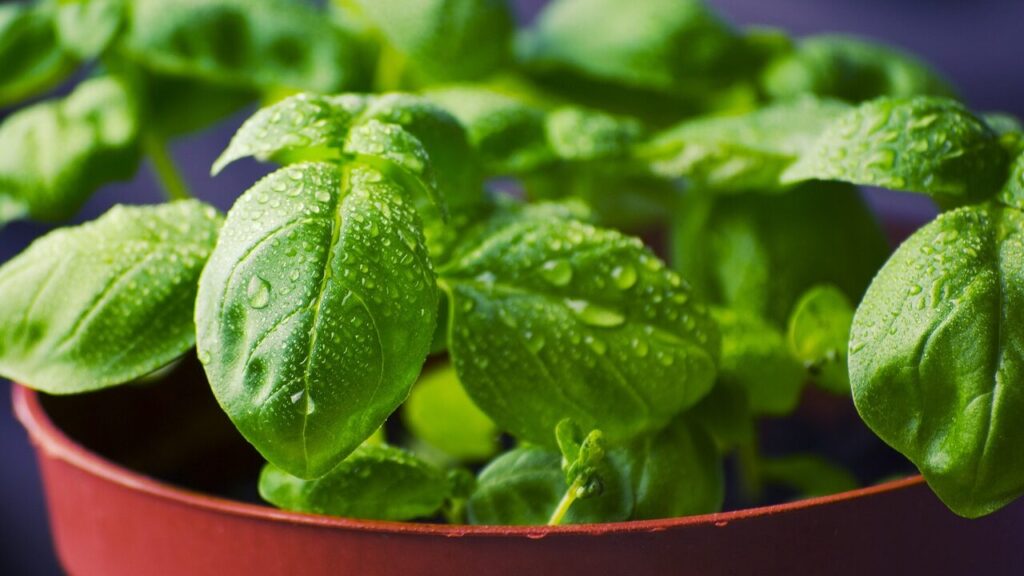
Let’s kick off with Basil, which the Italians use in basically everything and witches have called the “witches herb” for centuries.
This tender annual absolutely loves a sunny spot in the UK during summer, though you’ll want to bring it indoors or treat it as an annual because our winters will absolutely demolish it. Basil is traditionally used in spells for love, wealth, protection, and sympathy.
The ancient Greeks thought it could help with astral projection, and in some traditions it was scattered on floors to ward off evil. From a practical standpoint, it’s one of the easiest herbs to grow from seed, just don’t let it get too cold or waterlogged.
Plant it in late May after the last frost and you’ll have fresh pesto all summer while simultaneously creating what folk magic calls a “protective barrier” around your home. Bob’s your uncle.
Burned for purification, written on for wishes, prophetic dreams
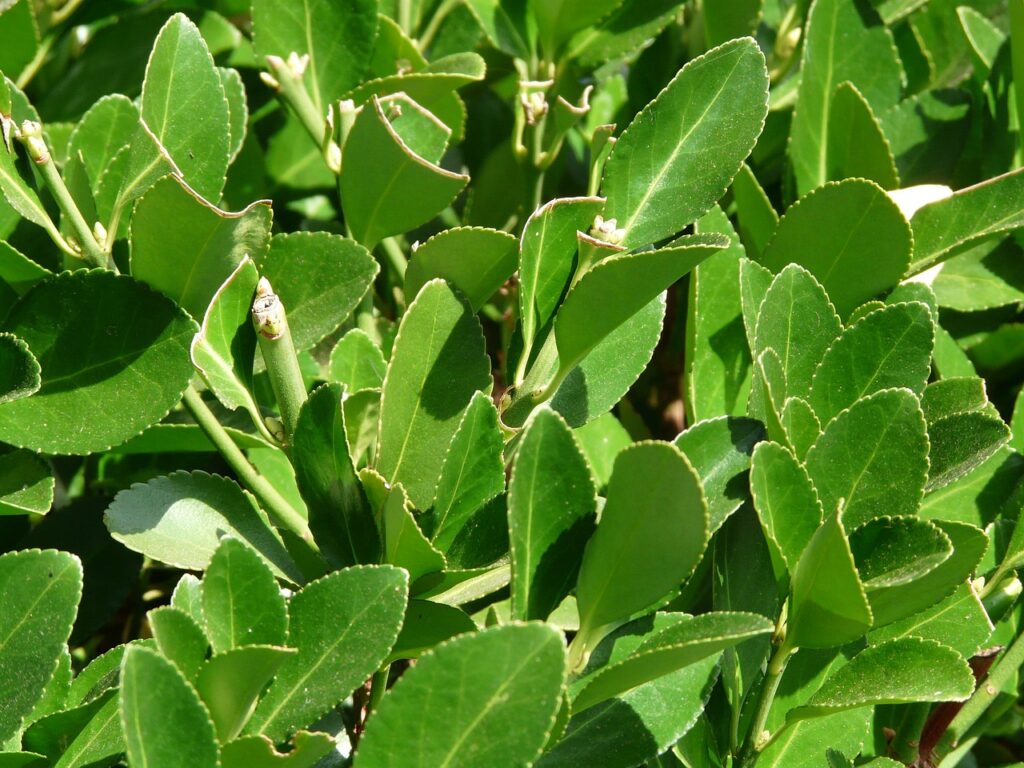
Bay is a staple in witchcraft traditions, used for protection, success, purification, strength, wisdom, and healing. The ancient Greeks crowned their champions with bay laurels, which tells you everything about this plant’s association with victory and success.
Bay shrubs and trees can handle UK winters in a sheltered spot, though many gardeners keep it in a pot so they can move it during particularly harsh weather. The leaves are traditionally burned as incense for purification, placed under pillows for prophetic dreams, or written on with magical intentions before burning.
In my garden, I’ve got a bay tree that’s at least 15 years old, and every time I harvest leaves for a casserole, I’m tapping into the same plant energy that Roman priests used in their temples. It’s also brilliantly low-maintenance once established, which is always a bonus.
Calendula (Calendula officinalis)
? Calendula Quick Guide
Magical Properties
Psychic powers, luck, protection, happiness, dream work
Growing Difficulty
Very easy (hardy annual)
UK Hardiness
Fully hardy, self seeds freely
Primary Uses
Dream pillows, protection sachets, healing salves
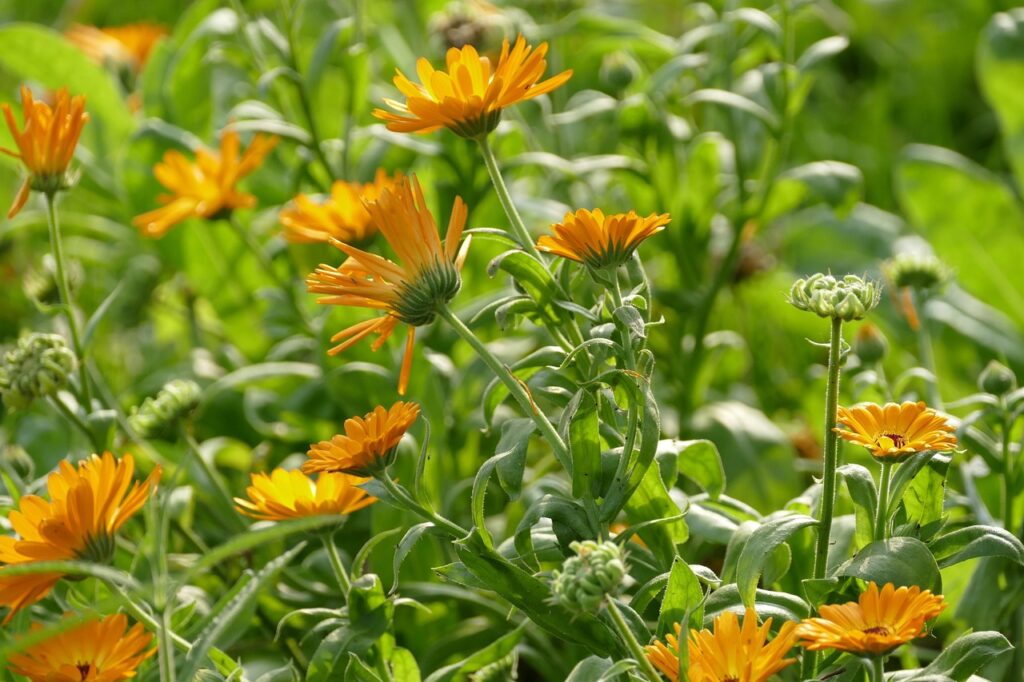
Also called pot marigold, calendula is an bright cheery plant that seeds itself everywhere in UK gardens if you let it.Grow Calendula from seed, and you’ll be rewarded with bright orange cheerful flowers, which are also great for tapping into your psyche.
These bright orange and yellow flowers have been used for centuries in magic related to psychic powers, breaking gossip, luck, happiness, protection, and dream work. The flowers are edible and make gorgeous additions to salads, but they’re also traditionally used in healing salves because of their antimicrobial and anti inflammatory properties.
What I love about calendula is that it’s bombproof, sow it in spring and it’ll flower from June right through to the first frosts, sometimes even longer if autumn stays mild. Witches traditionally harvested calendula at noon on bright days to capture its solar energy, and the dried petals were added to protection sachets and healing spells. Plus, the honey bees go wild for them, which means you’re supporting your local ecosystem while practising herbcraft.
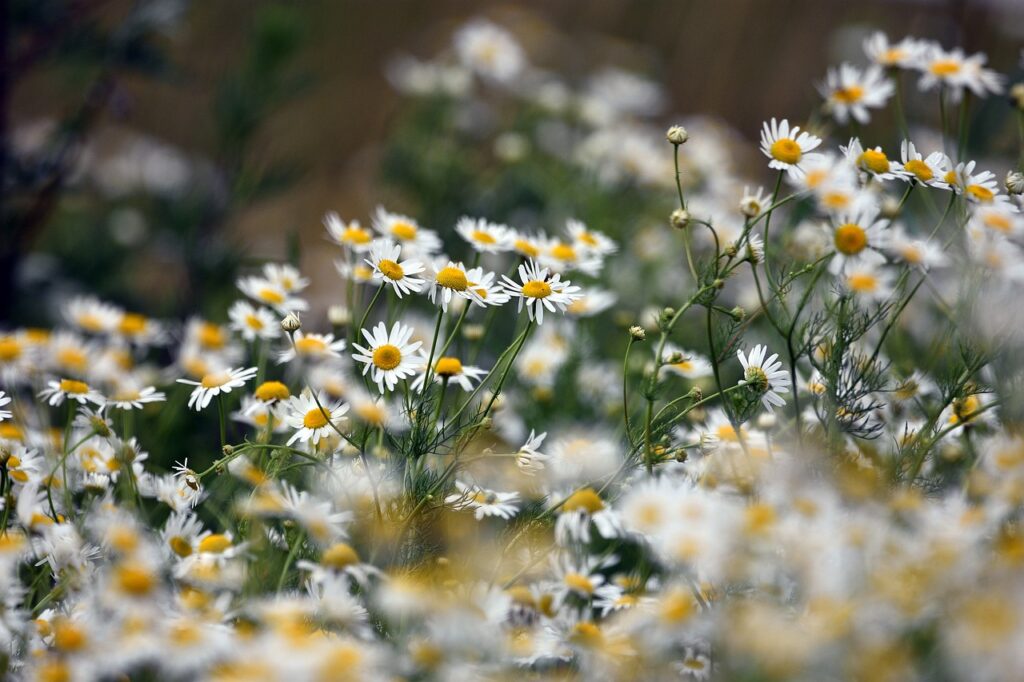
Used for sleep, calm, meditation, love, prosperity, cleansing, purification, and protection, chamomile has been a staple in folk magic across Europe for centuries. There are two types, German and Roman, and both grow happily in UK gardens. German chamomile is an annual that self-seeds enthusiastically, while Roman chamomile is a perennial that makes a lovely lawn alternative if you’re feeling adventurous.
The Anglo-Saxons included chamomile in their Nine Herbs Charm, a magical protection spell that dates back over a thousand years. I’ve got Roman chamomile growing between my paving stones, and when you step on it the scent that releases is absolutely gorgeous. Harvest the flowers just as they open fully and dry them for teas, dream pillows, or burning as incense.
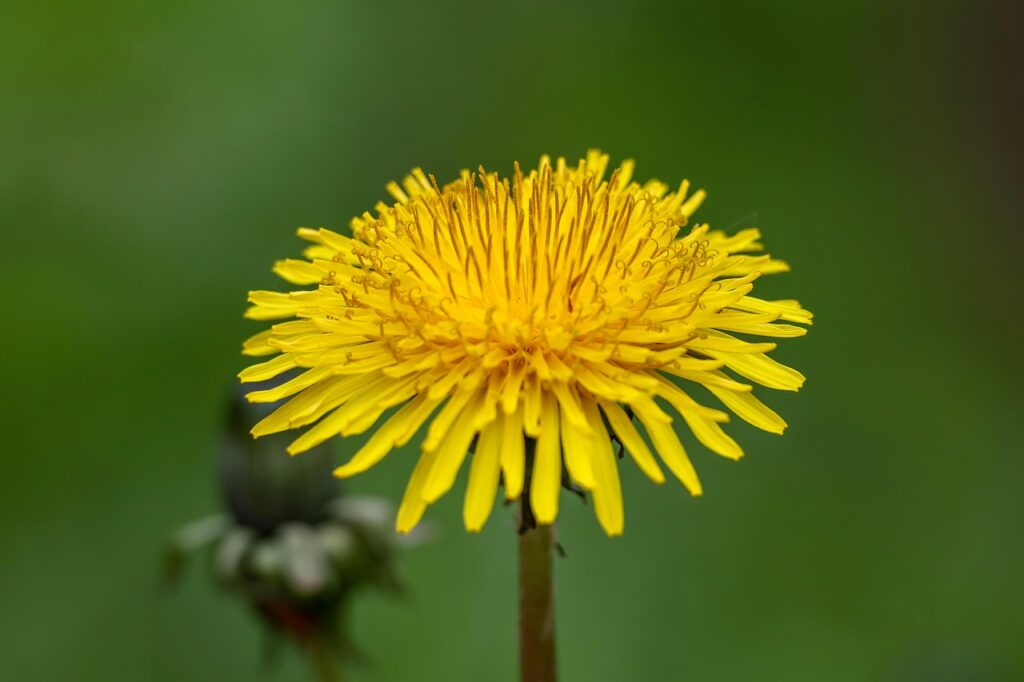
Now here’s a plant that most gardeners spend their lives trying to eradicate, yet witches have treasured it for centuries. Dandelions are used in magic for wishes, luck, divination, abundance, and psychic abilities.
Every child has made a wish on a dandelion clock, which is literally performing folk magic whether they realise it or not. From a practical perspective, every part of the dandelion is useful. The leaves are edible and make excellent spring salads, the roots can be roasted as a coffee substitute, and the flowers make wine that’ll knock your socks off. You can even batter and fry the flowers to ingest some of their magical divine powers!
Magically, the sunny yellow flowers represent the sun’s energy and are used in divination and abundance spells. The seeds are obviously associated with wish-making, and dandelion tea was traditionally drunk to enhance psychic abilities.
They’re also one of the first foods available for bees in spring, which makes them ecologically important. Let a few grow in your lawn, and you’re not being lazy; you’re cultivating magical and medicinal resources.
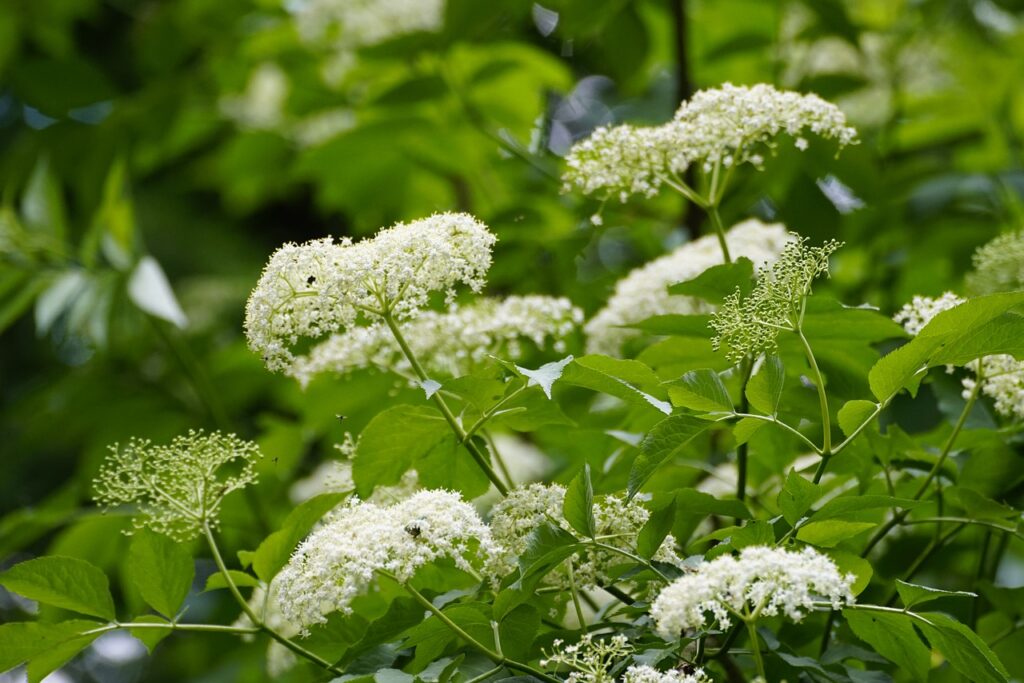
The flowers appear in late May and early June and are traditionally used to make elderflower cordial, but they’re also gathered for protection spells and to encourage prophetic dreams. The berries that follow in autumn are packed with antiviral properties and make excellent winter tonics, though they must be cooked first as raw elderberries can cause stomach upset.
In folklore, you were supposed to ask the Elder Mother’s permission before harvesting any part of the tree, and many hedgewitches still observe this tradition. Elder grows easily in UK gardens, but be warned, it can get enormous if you let it. I’d recommend keeping it pruned or growing it as part of a mixed hedge. The old saying goes “Elder be ye Lady’s tree, burn it not or cursed ye’ll be,” which refers to the belief that burning elder wood brings bad luck.
Fennel (Foeniculum vulgare)
? Fennel Quick Guide
Magical Properties
Purification, protection, money, healing, courage
Growing Difficulty
Easy (hardy perennial)
UK Hardiness
Fully hardy, self seeds enthusiastically
Primary Uses
Seeds hung at doors, protective incense, midsummer garlands
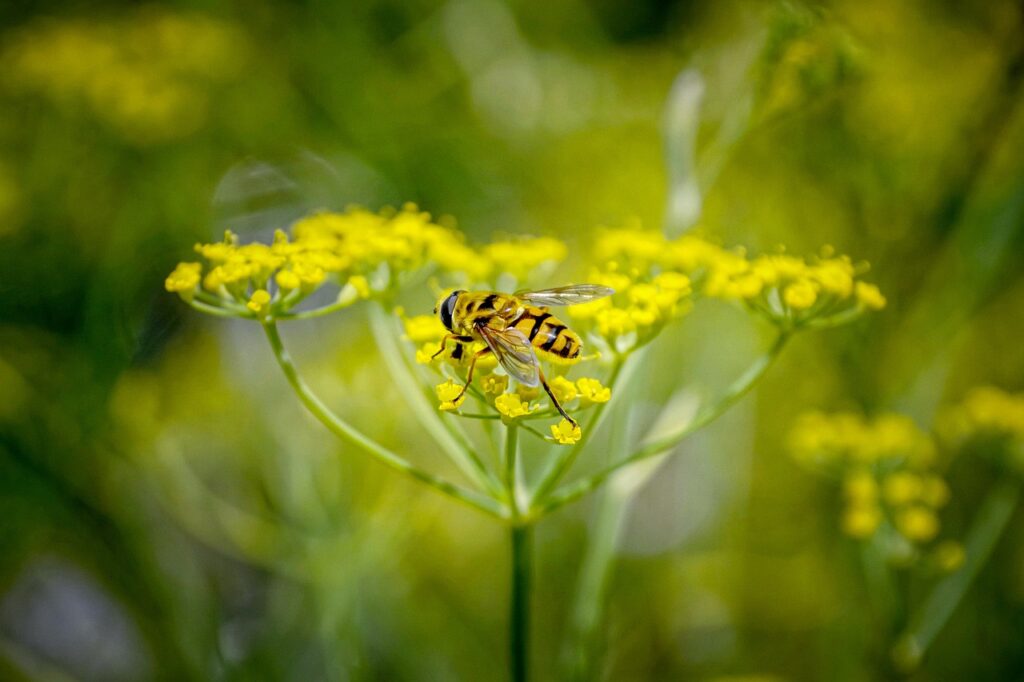
In witchcraft, fennel is used for purification, protection, money, and healing. During the Middle Ages, people hung fennel seeds over doorways to keep evil spirits out, and later generations pushed seeds into keyholes to prevent ghosts from entering. The Romans used fennel to improve eyesight and increase courage before battle.
Bronze fennel is particularly striking in UK gardens and grows without any care once established. It will self-seed enthusiastically, so either embrace having fennel everywhere or deadhead it before the seeds ripen. The seeds have a liquorice flavour and are brilliant in cooking, while the foliage can be dried and burned as a protective incense.
Witches traditionally added fennel to midsummer garlands and hung it in windows to ward off evil. Plus, it’s a host plant for swallowtail caterpillars, though you’ll only get those if you’re in the Norfolk Broads area.
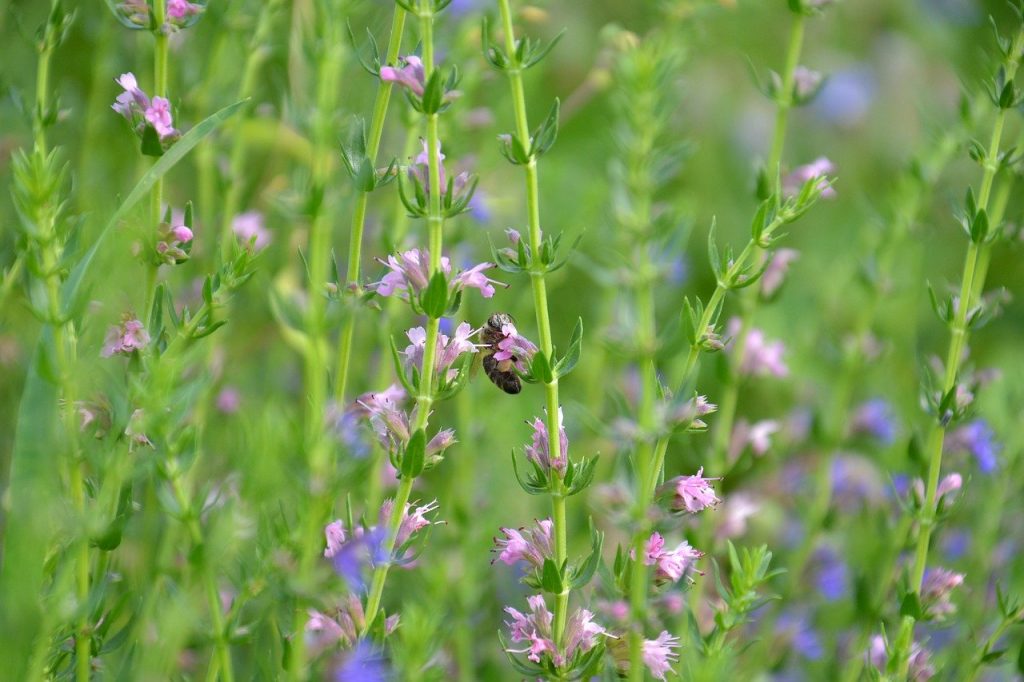
Hyssop is mentioned repeatedly in religious and magical texts for purification, innocence, blessings, and sacred bathing. It’s a semi-evergreen perennial that produces masses of blue-purple flowers that bees absolutely adore. In the UK, Hyssop is fully hardy and thrives in sunny, well-drained spots and easy to grow from seeds. I adore Hyssop for tinctures, incense and infusions.
Witches traditionally braided hyssop stalks together and hung them at doorways to prevent evil from entering the home, and the dried herb was added to purification baths and scattered around sacred spaces. The scent is quite medicinal and slightly minty (a bit like Catnip or Pervoskias scents), and it was traditionally used in teas for respiratory problems.
I discovered hyssop a few decades back, and now I always recommend it to clients who want a cottage garden style planting that also supports wildlife. The flowers bloom from midsummer through to early autumn, providing late-season nectar when many other plants have finished. From a magical perspective, hyssop is particularly associated with cleansing negative energy and creating sacred space for rituals.
Ivy (Hedera helix)
? Ivy Quick Guide
Magical Properties
Protection, healing, fidelity, eternal love
Growing Difficulty
Very easy (evergreen climber)
UK Hardiness
Fully hardy British native
Primary Uses
Handfasting wreaths, protection spells, carried for luck
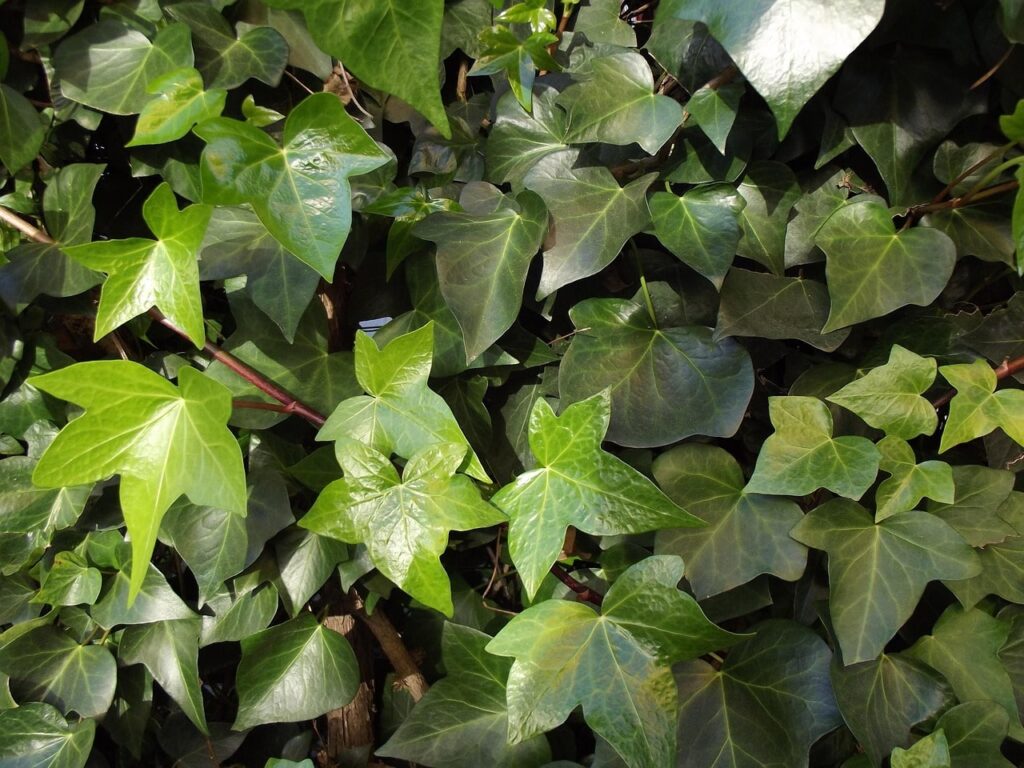
The Druids considered ivy sacred, and it was one of the plants associated with the old religion that survived into Christian times as a Christmas decoration. In gardens, ivy is brilliant for wildlife. It provides nesting sites for birds, shelter for hibernating insects, and late autumn flowers that feed pollinators when little else is blooming. The berries that follow feed birds through winter.
Now, there’s a lot of fear-mongering about ivy damaging buildings, but the truth is, it only causes problems on structures that already have cracks or loose mortar. Magically, ivy is associated with the goddess and feminine energy, and sprigs were traditionally carried for protection and good luck. If you want ivy in your garden, just give it something to climb and keep it off your house walls if you’re worried.
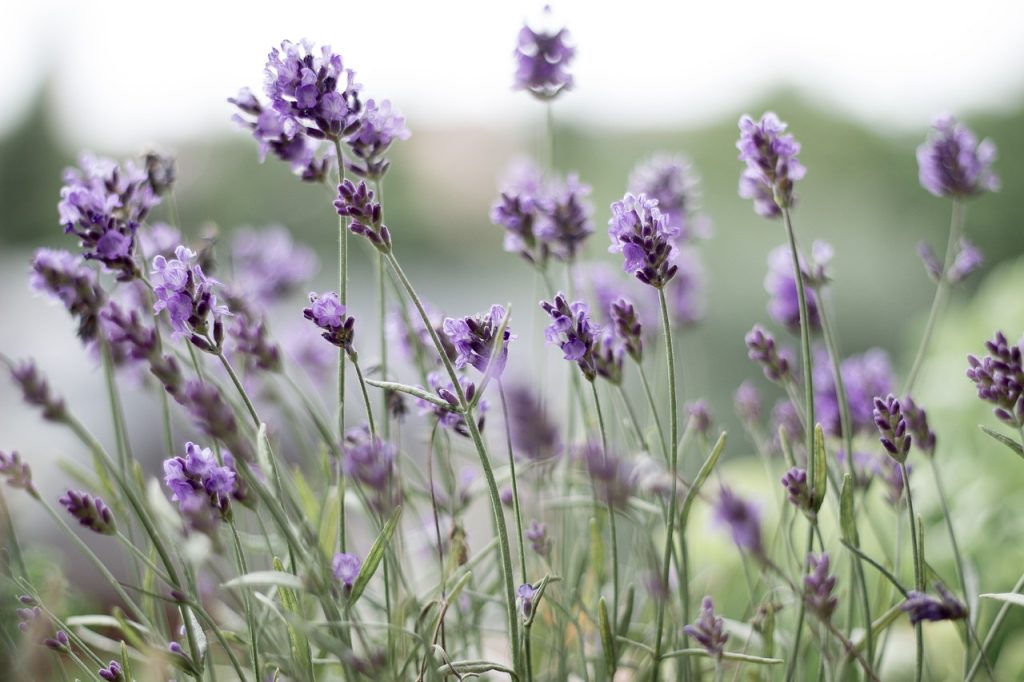
If there’s one witchcraft herb that every UK gardener can grow successfully, it’s lavender. This Mediterranean native has adapted brilliantly to British conditions and thrives in our relatively mild climate.
Lavender is used in magic for love, attraction, purification, relaxation, restful sleep, peace, protection, and clarity. The scent is instantly recognisable and has been used for centuries in everything from perfumes to medicines.
In witchcraft traditions, lavender is burned as incense to purify spaces, added to sachets for love spells, tucked under pillows to encourage peaceful sleep, and scattered around homes for protection. I’ve got lavender planted all along my front path, and every time someone brushes past it, they release that gorgeous scent.
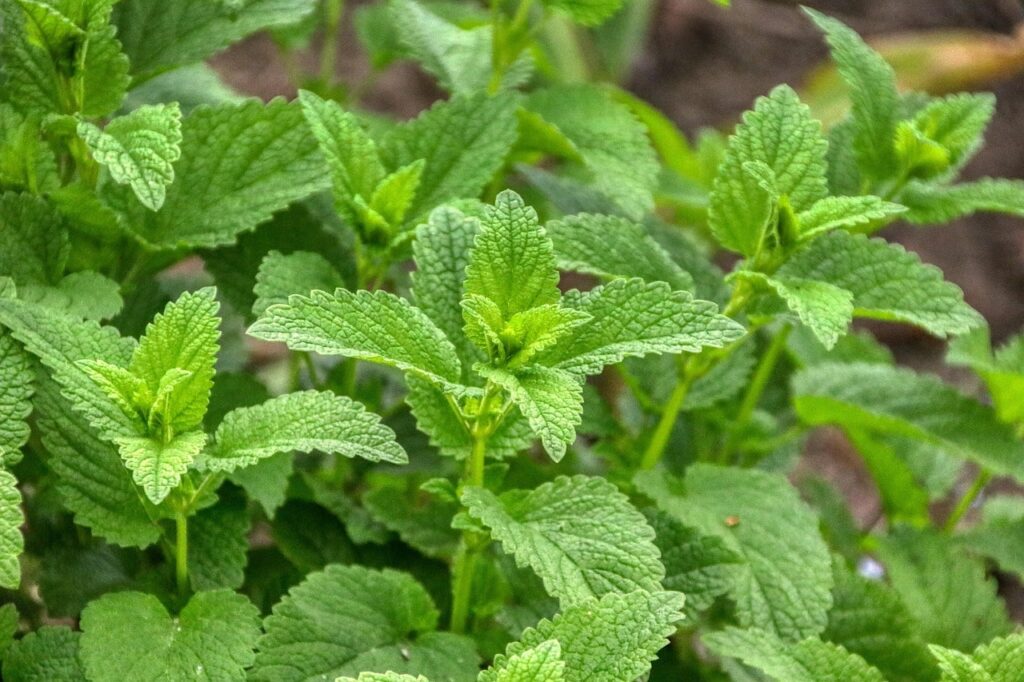
Lemon balm is one of the easiest herbs you’ll ever grow, to the point where it can actually become a bit thuggish if you let it self-seed everywhere. This member of the mint family has gorgeous lemony scented leaves and was planted at temples for Artemis to keep the bees happy.
In magical traditions, Lemon balm is used for love, success, healing, and lifting depression. It’s particularly associated with attracting love and was often included in love potions and attraction sachets. Medieval monasteries grew it extensively, and it was one of the ingredients in the famous Carmelite Water, a medicinal tonic.
In UK gardens, lemon balm will grow pretty much anywhere with decent drainage, though it prefers partial shade to full sun. The leaves make a lovely calming tea and are traditionally used to treat anxiety and promote sleep. Magically, fresh lemon balm leaves can be rubbed on furniture and doorways to cleanse a space of negative energy. Just be prepared for it to spread, because this stuff grows like wildfire once it’s happy.
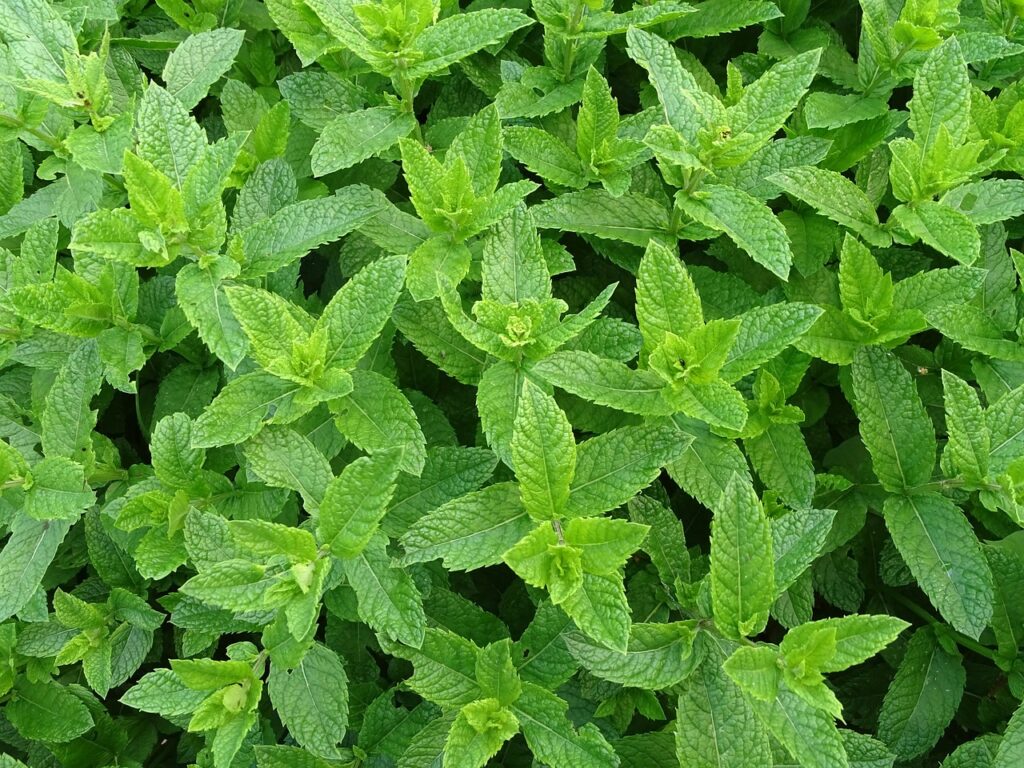
There are dozens of Mint species, from peppermint to spearmint to apple mint, and they all share similar magical properties while having slightly different scents and uses. Mint is used in witchcraft for prosperity, healing, protection, clear thinking, psychic awareness, love, and energy.
In ancient Rome, mint was rubbed on tables before feasts to welcome guests, and in medieval times it was scattered on floors to freshen rooms and repel pests. Peppermint particularly features in magical rites for attracting money and promoting healing.
The thing about mint in UK gardens is that it will absolutely take over if you plant it in the ground. I always, always recommend growing mint in pots to contain the roots, you’ll be pulling it up for years. It’s fully hardy, dies back in winter, and comes roaring back in spring.
Magically, mint leaves can be placed in purses and wallets to attract money, burned as incense to promote healing, or added to baths for cleansing. The fresh scent is also brilliant for clearing your head before meditation or spellwork.
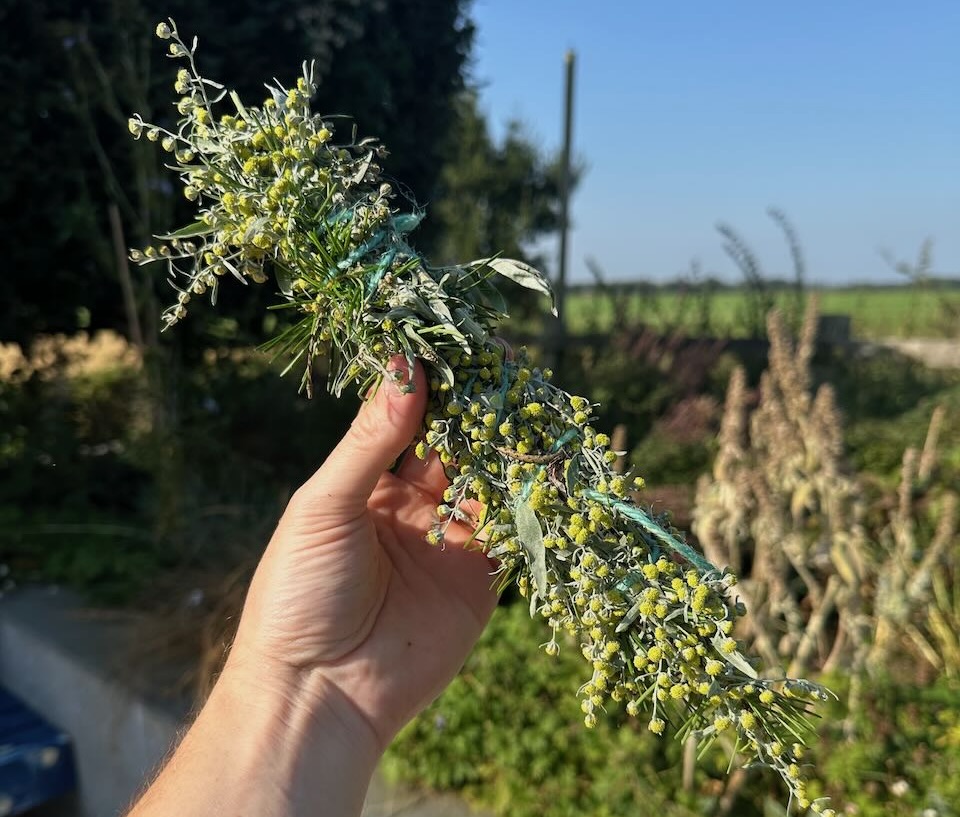
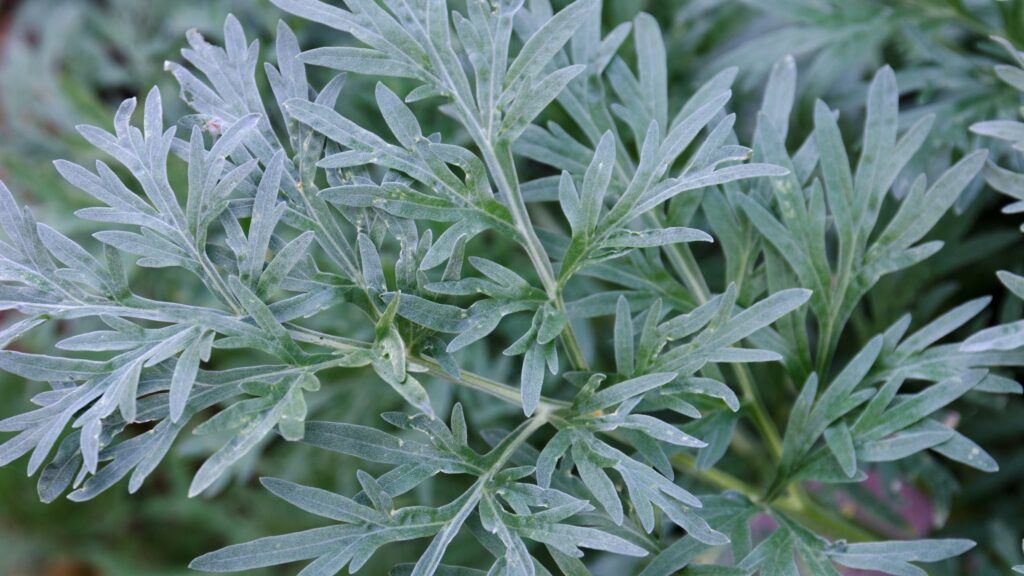
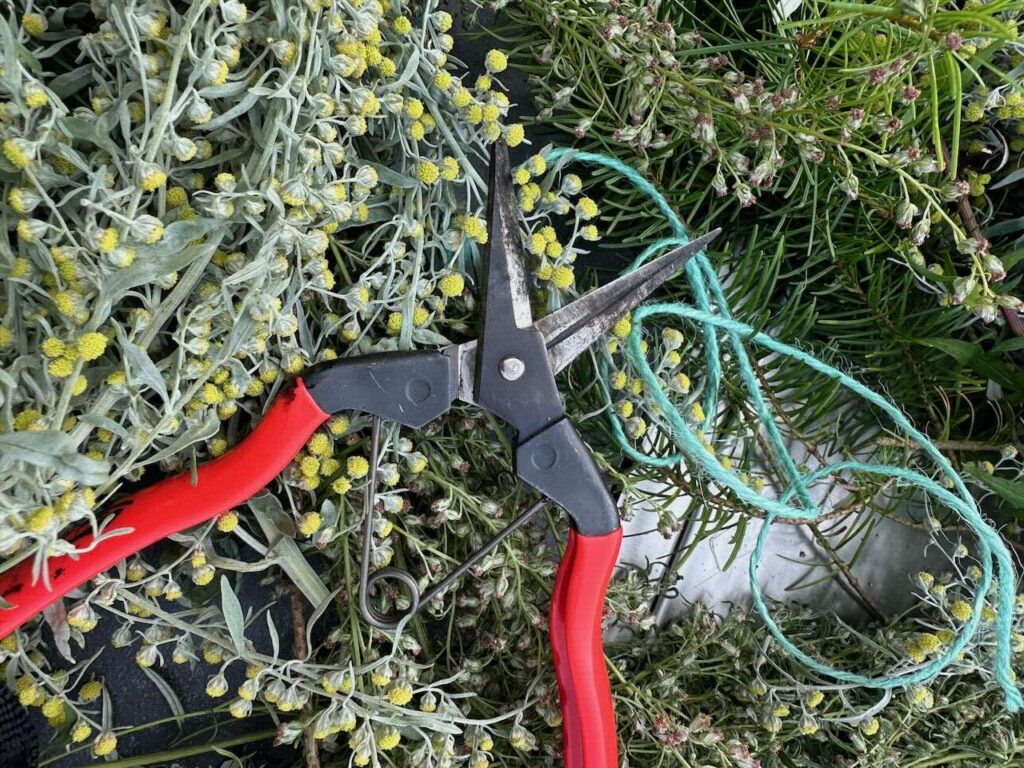
Mugwort and Wormwood are perhaps the most famous witchcraft herbs in British tradition, known as the Mother of All Herbs in Anglo-Saxon times. These tall, silvery-leaved perennial grows wild across the UK and was included in the tenth-century Nine Herbs Charm as protection against evil.
Mugwort is primarily used for divination, prophetic dreams, astral projection, psychic protection, and spirit communication. It’s particularly associated with the moon and feminine energy, named after the goddess Artemis. In practical terms, mugwort is incredibly easy to grow, perhaps too easy, as it spreads vigorously from both roots and seeds.
I’d recommend growing it in a large pot unless you want it taking over your entire garden. The dried leaves are traditionally stuffed into dream pillows to encourage vivid and prophetic dreams, burned as incense before meditation or spellwork, or made into a tea, though pregnant women should avoid it.
On Midsummer Eve, mugwort was traditionally gathered and made into crowns or garlands for protection. The silvery undersides of the leaves are particularly striking, and the plant has a distinctive sage like scent when crushed.
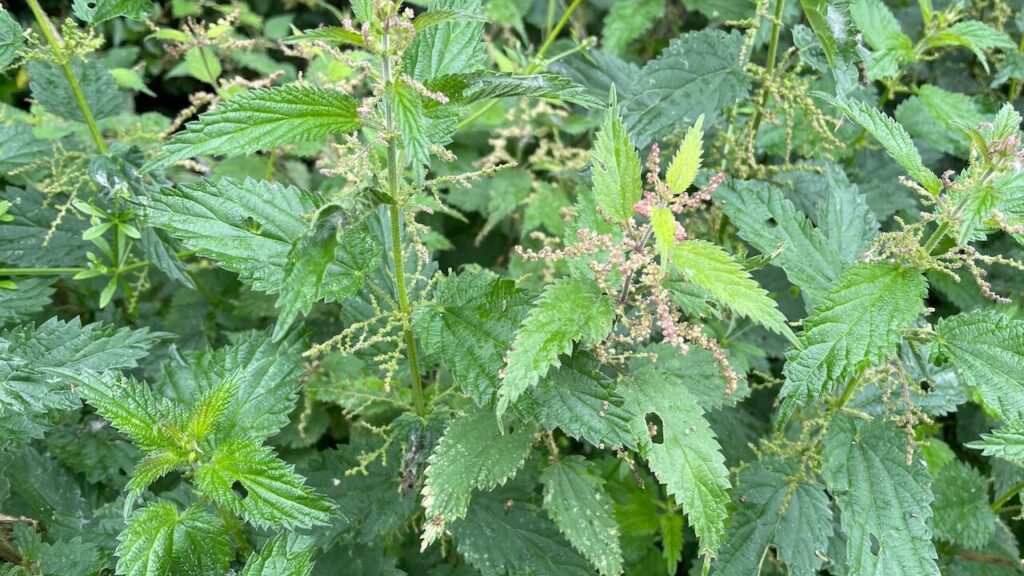
Stinging nettles might seem like the last plant you’d want in your garden, but they’re brilliantly versatile for both magic and ecology.
Nettles are used in witchcraft for protection, healing, breaking curses, courage, and renewal. Despite their nasty sting, or perhaps because of it, nettles were traditionally viewed as powerful protective plants.
The Anglo-Saxons included nettle in their Nine Herbs Charm, calling it “stune” and claiming it could defeat venom and grind away pain. Magically, dried nettles were tucked into sachets for protection, sprinkled around homes to dispel negative energy, and carried for courage. From an ecological perspective, nettles are brilliant for butterflies as they’re the main food plant for several species, including red admirals, peacocks, and small tortoiseshells.
They’re also edible when young and make excellent soup, tea, and liquid fertiliser. If you’re going to grow nettles deliberately, give them a corner of the garden where they won’t bother anyone. Harvest them wearing gloves, obviously. The sting disappears completely when they’re cooked or dried.
Rose (Rosa species)
? Rose Quick Guide
Magical Properties
Love, beauty, healing, psychic power, divination
Growing Difficulty
Moderate (deciduous shrub)
UK Hardiness
Fully hardy
Primary Uses
Love spells, rose water purification, petal baths
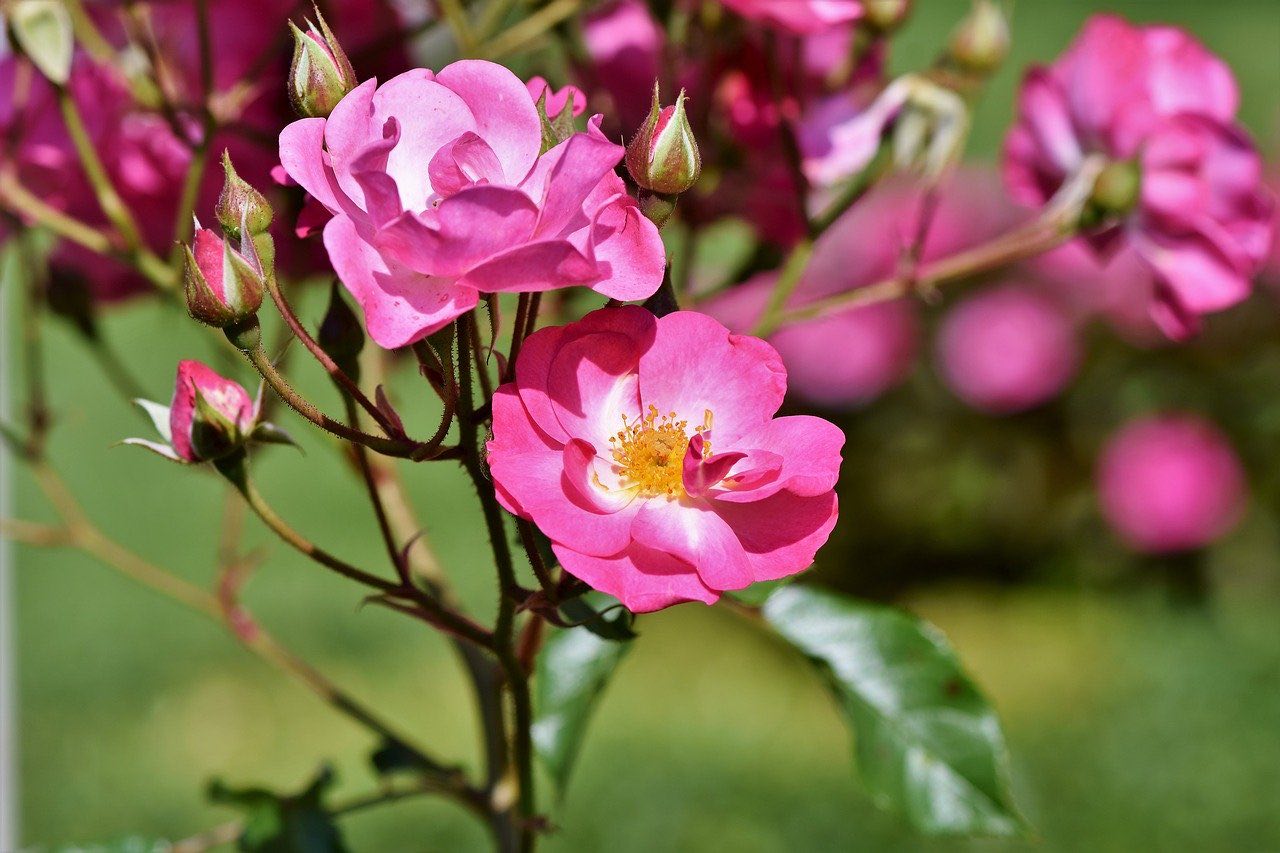
Roses have been associated with love, beauty, and magic since ancient times. In witchcraft, roses are used for divination, increasing psychic power, love, lust, healing, and strengthening friendships. Different coloured roses have different magical associations, red for passionate love, pink for gentle affection and friendship, white for purity and new beginnings.
Roses have been sacred to various goddesses, including Aphrodite, Venus, and Isis. In UK gardens, roses are the backbone of many planting schemes, and we’ve got centuries of rose breeding history in Britain. From a magical perspective, rose petals are added to love sachets and attraction spells, rose water is used for purification and anointing, and rose thorns can be used in protective magic or banishing spells.
The hips that form after flowering are packed with vitamin C and make excellent winter tonics. Growing roses successfully in the UK is all about choosing disease-resistant varieties and giving them good air circulation. Modern shrub roses are generally much tougher than old tea roses and will cope better with our weather.
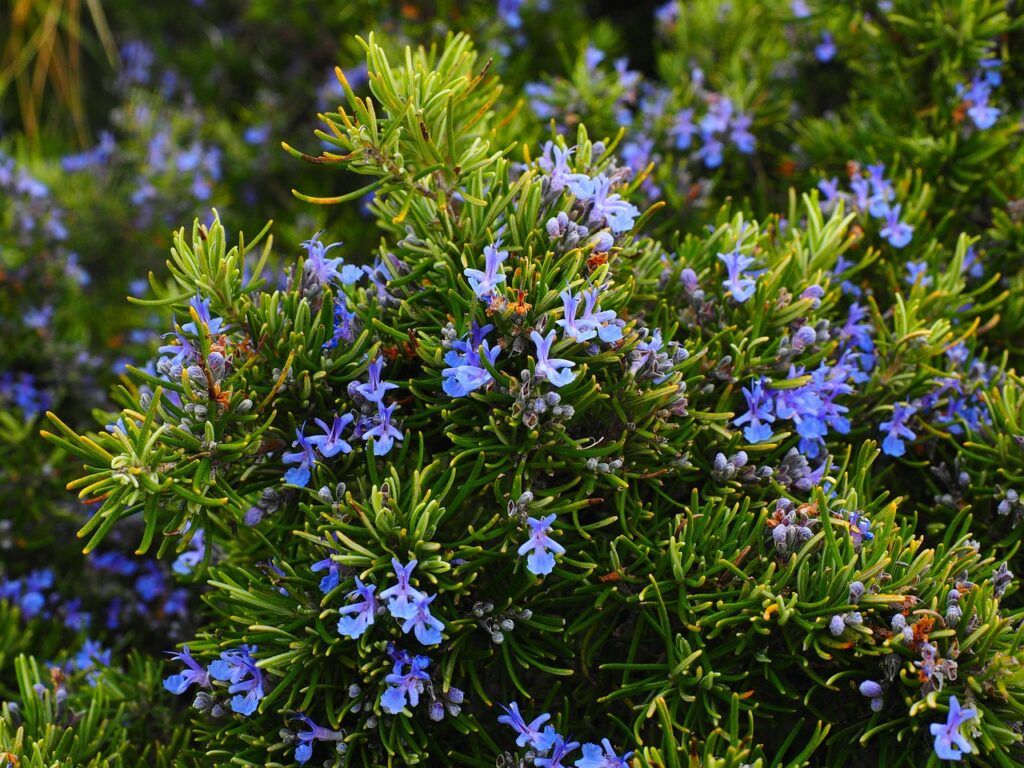
Rosemary is another Mediterranean herb that’s become a staple in UK gardens. It’s used in witchcraft for cleansing, purification, vitality, wisdom, protection, love, and remembrance. The old saying “rosemary for remembrance” comes from this plant’s association with memory and mental clarity, and it was traditionally carried at funerals and weddings alike.
In magical practice, rosemary is burned as incense to cleanse spaces, added to bathwater for purification, tucked into pillows for peaceful sleep and protection from nightmares, and hung above doorways to prevent evil from entering. It’s also considered a substitute herb that can stand in for any other herb in a spell, making it incredibly versatile.
In UK gardens, rosemary is pretty much foolproof if you give it full sun and excellent drainage. The upright varieties can get quite tall and make excellent structural plants, while prostrate forms are brilliant for tumbling over walls. Just don’t plant it in heavy clay or waterlogged soil, as it’ll sulk and eventually rot.
Smudging for purification, wisdom spells, protection
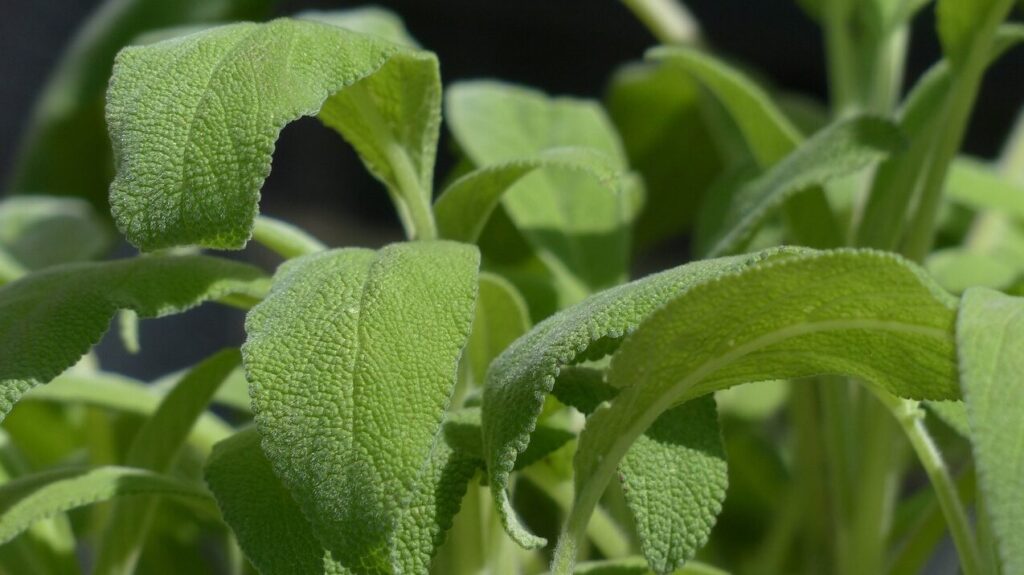
Common garden sage has been used in both medicine and magic for thousands of years. In ancient Rome it was considered sacred, harvested with ceremony, and used for healing and spiritual purposes. In witchcraft, sage is used for cleansing, purification, emotional strength, mental clarity, grounding, divination, wisdom, and wish-making.
When dried and burned, it cleanses and purifies spaces, removing negative energy and creating a calm atmosphere. This is what’s meant by “smudging,” though it’s worth noting that white sage, which is often used for this purpose, is native to California and is being overharvested.
Common garden sage works just as well and grows brilliantly in UK gardens. Sage loves full sun and well drained soil, and the grey green leaves are beautiful as well as useful. There are purple leaved and variegated forms that are equally magical and perhaps even prettier. Harvest sage just before it flowers for the strongest flavour and magical properties.
St John’s Wort (Hypericum perforatum)
? St John’s Wort Quick Guide
Magical Properties
Protection, happiness, prophetic dreams, solar magic
Growing Difficulty
Easy (perennial wildflower)
UK Hardiness
Fully hardy British native
Primary Uses
Protection against hexes, happiness spells, midsummer gathering
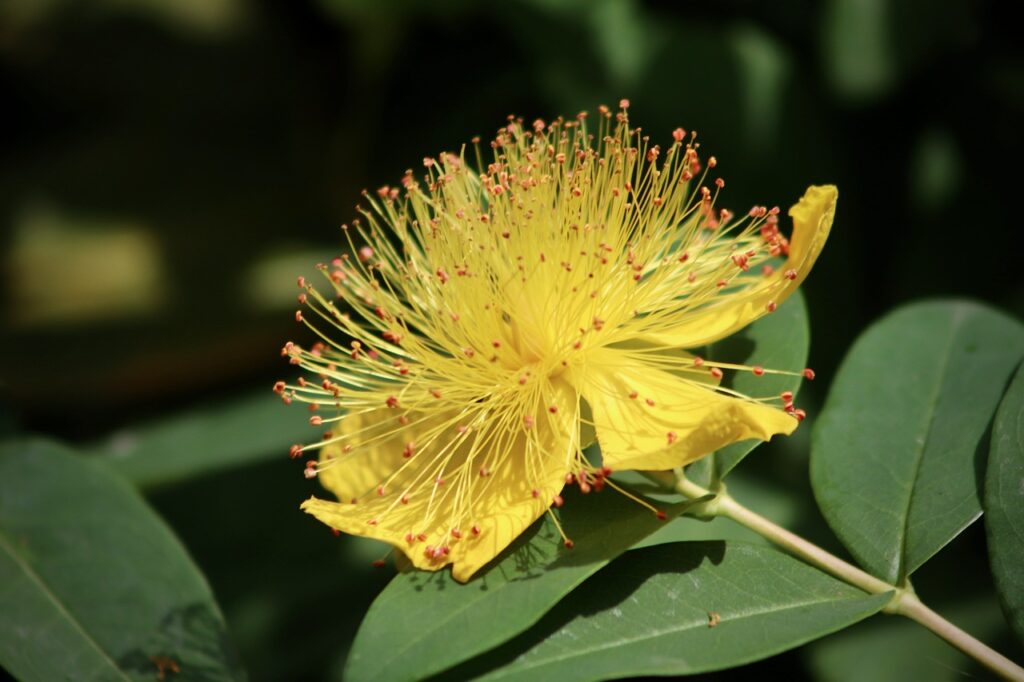
St John’s Wort is a native British wildflower with bright yellow flowers that bloom around Midsummer, around St John’s Day on June 24th, which is where it gets its name. This plant is used in witchcraft for protection against hexes and dark magic, increasing happiness, inducing prophetic dreams, and solar magic.
The plant’s association with the sun is obvious from its bright flowers, and it was traditionally gathered on Midsummer Eve when its powers were believed to be strongest. Medicinally, St John’s Wort is famous for treating mild to moderate depression, though it can interact with various medications so always check before using it internally.
In gardens, Hypericum perforatum can be a bit invasive, but there are related ornamental species like Hypericum ‘Hidcote’ that are better behaved. Magically, St John’s Wort was worn to prevent illness, hung in homes for protection, and burned as incense to banish negative energy. The flowers have tiny translucent dots that look like perforations, which is where the Latin name perforatum comes from.
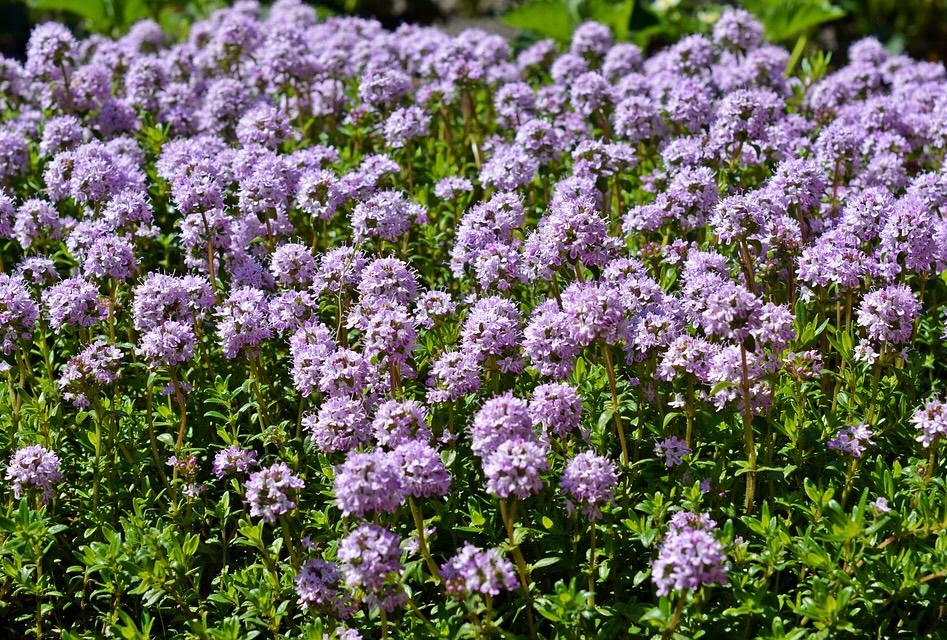
Greek soldiers bathed in thyme water to gain courage, while Scottish highlanders drank thyme tea for the same purpose. It’s also strongly associated with the fae, and growing thyme in your garden is said to attract fairy activity. From a practical standpoint, thyme is one of the easiest herbs to grow, forming low spreading mats of aromatic foliage topped with masses of tiny flowers that bees go absolutely mental for. There are dozens of varieties from lemon thyme to creeping thyme, and they all share similar magical properties.
Thyme can be burned as incense for purification, added to healing spells, placed under pillows for restful sleep, or planted around doorways for protection. It’s also brilliant for growing in cracks between paving stones, where it releases its scent when stepped on. I’ve used it in many a garden and show garden for this purpose. It loves hot dry conditions and basic neglect!
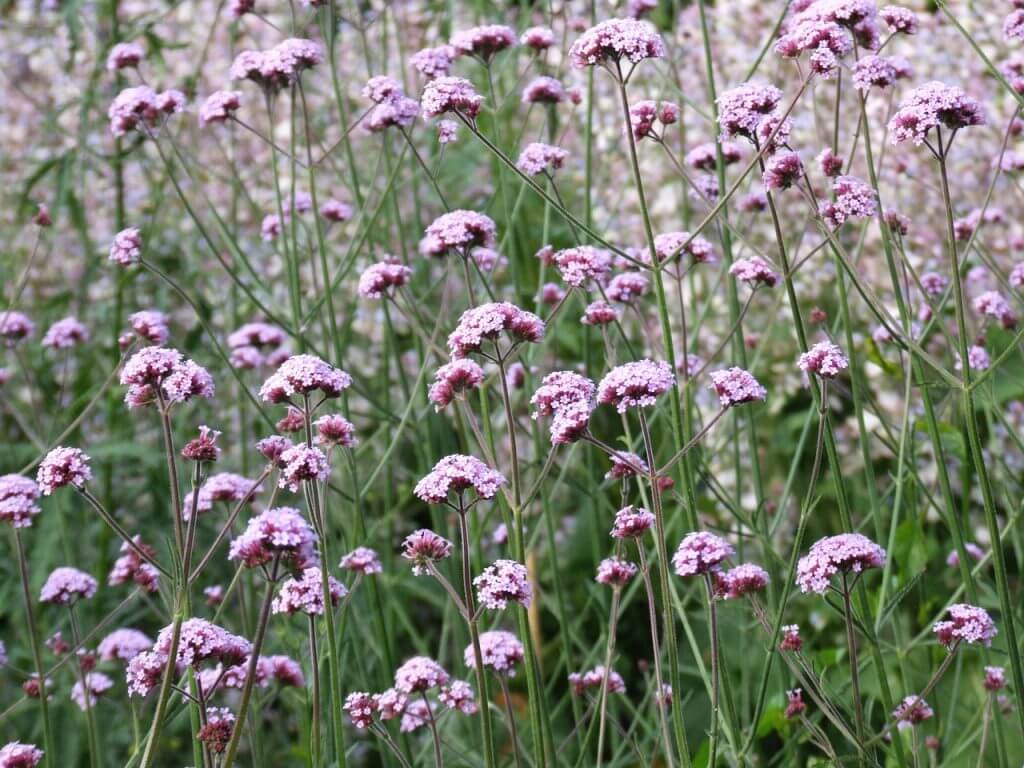
Vervain and Verbena are one of the same plant, just to clear up the confusion. Once you have Verbena you’ll struggle to get rid of it as it self seeds everywhere, but its a fabulous herbaceous perennial for height without bulk, towering at sometimes 2m over over plants with its light airy nature. A staple for nearly all show gardens like Chelsea Flower show and most of Garden Rescues summer makeovers!
It was traditionally gathered at specific times, often at midsummer or during particular moon phases, and was treated with great reverence. According to legend, vervain was used to staunch Christ’s wounds on the cross, which only added to its reputation as a holy herb. Druids used it in divination and healing ceremonies, and Roman soldiers carried it for protection.
In UK gardens, Vervain is a tall, graceful perennial with slender stems and small purple flowers. It’s not the showiest plant, but it has an elegant presence and the flowers are loved by butterflies. Magically, vervain is burned as incense for purification, scattered around sacred spaces, used in protection sachets, and added to love spells. It’s also traditionally drunk as a tea on Samhain to facilitate communication with spirits, though the taste is rather bitter.
Love divination, protection, courage talismans, healing spells
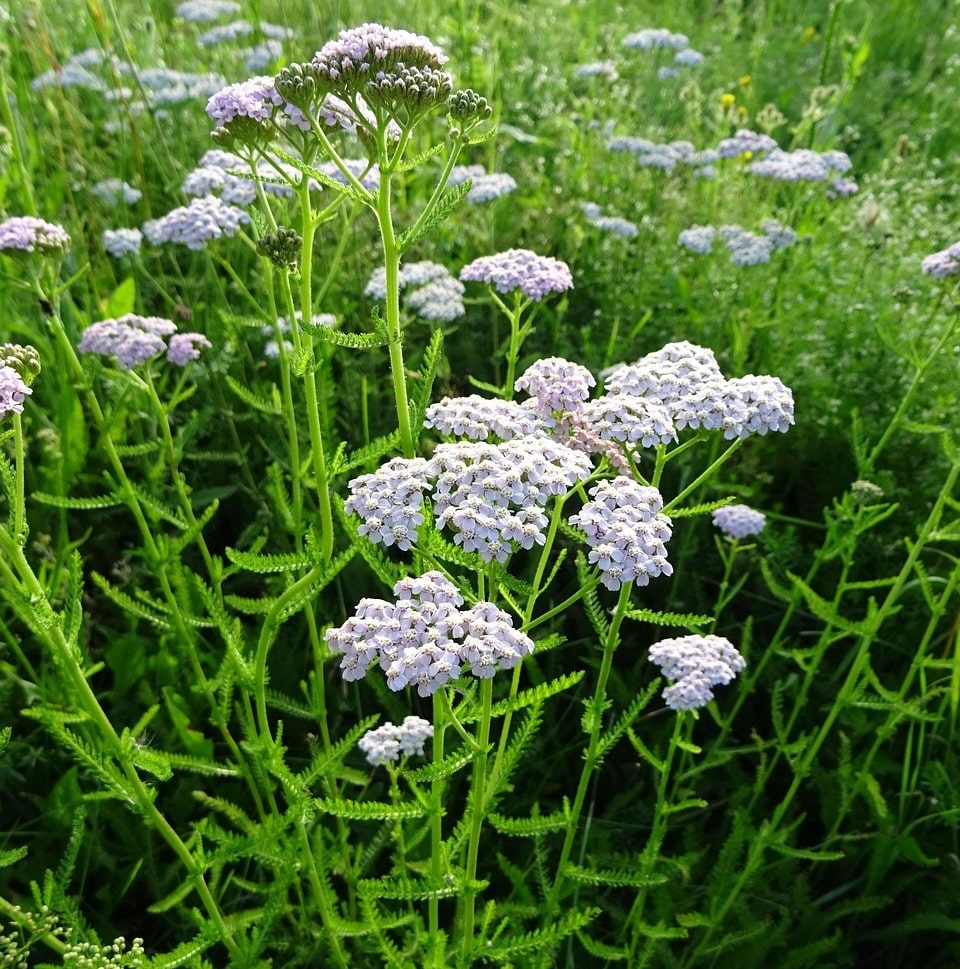
Yarrow is named after the Greek hero Achilles, who supposedly used it to heal his soldiers’ wounds on the battlefield. This native British wildflower is used in witchcraft for healing, courage, love, divination, psychic protection, and good fortune. It’s also called the ‘carpenters herb’ as it helps heal cuts and wounds. I have it throughout my wild flower meadow here at Garden Ninja HQ and adore it.
Yarrow has a fascinating dual nature in folklore, it was simultaneously called “Devil’s Nettle” because of its association with witches, and used to protect against witchcraft and evil spirits. The Anglo Saxons included it in their Nine Herbs Charm, and it was traditionally gathered on May Eve or Midsummer for protection.
In UK gardens, yarrow is sometimes considered a weed asit tolerates drought, poor soil, full sun, and general neglect while producing masses of flat topped flower heads in colours from white to deep red. The wild white form is perhaps most magical, and it spreads enthusiastically from seed.
Yarrow was traditionally used in love divination, carried for protection, placed under pillows to dream of one’s true love, and used in healing spells for both physical and emotional wounds. The feathery foliage has a distinctive scent when crushed, and the plant attracts beneficial insects by the bucketload.
Growing Your Witchcraft Garden in the UK
Right, so now you know what plants to grow, let me give you some practical advice for creating a witchcraft garden that’ll actually thrive in British conditions. The first thing to understand is that most of these traditional herbs come from Mediterranean climates, which means they love sun and hate sitting in wet soil.
This is crucial in the UK, where we can get weeks of rain followed by weeks of sunshine. The key is drainage, drainage, drainage. If you’ve got heavy clay soil as I do in Manchester, you’ll need to improve it with lots of grit and organic matter, or grow your more delicate herbs in pots with really good compost and drainage holes.
The brilliant thing about a witchcraft garden is that you don’t need loads of space. A few large pots on a patio can give you everything you need for basic herbcraft.
I’d recommend starting with the bombproof herbs like:
Rosemary
Thyme
Sage
Lavender
These four alone will cover most of your cleansing, protection, and purification needs, and they’re practically impossible to kill if you give them sun and decent drainage. Once you’ve got those established, you can branch out into the more vigorous growers like mint and lemon balm, which I’d definitely keep in pots unless you want them taking over. Mugwort is another one to contain, as it spreads like wildfire.
Timing is important too. In the UK, most herbs should be planted in spring after the last frost, usually late April or May, depending on where you are.
The exceptions are things like garlic, which goes in during autumn, and hardy perennials like yarrow which can be planted pretty much any time the ground isn’t frozen. If you’re growing from seed, start things like basil indoors in March or April, while hardy herbs like calendula and chamomile can be sown directly outdoors in spring. Many of these plants will self seed once established, giving you free plants year after year.
Harvesting is where the magic really happens, literally. Traditional herbcraft says you should harvest herbs with intention, focusing on what you want to use them for while you’re cutting. Some practitioners follow the moon phases, gathering herbs during the waxing moon for growth and increase, or during the waning moon for banishing and decrease. Others harvest at specific times of day, gathering herbs at dawn for freshness and purity, at noon for solar energy, or at dusk for lunar energy.
Personally, I harvest whenever the plants are dry and I’ve got time, but if following the old traditions adds meaning to your practice, then absolutely do it.
Drying and storing your herbs properly is essential. Hang them in small bunches in a warm, dry place out of direct sunlight, or lay them on racks if you prefer. Once they’re completely dry and crispy, strip the leaves from the stems and store them in airtight jars away from light and heat. Properly dried herbs will keep their potency for about a year, though some, like rosemary, stay strong for much longer.
Label everything clearly because dried herbs can look remarkably similar. There’s nothing worse than grabbing what you think is sage for a cleansing ritual and discovering you’ve actually got oregano.
A Word on Safety and Respect
Before I wrap this up, let me say something important about safety. All the plants I’ve recommended here are generally safe when used sensibly, but that doesn’t mean you should just start eating or drinking everything in sight. Some people are allergic to specific plants, some herbs interact with medications, and some are fine externally but not internally.
If you’re pregnant or nursing, extra caution is needed with herbs like mugwort, which can stimulate menstruation. Always do your research before ingesting anything, and when in doubt, consult a qualified herbalist or healthcare professional.
I’ve deliberately left out the really dangerous plants like belladonna, henbane, and datura, even though they have strong witchcraft associations. These plants are genuinely toxic and have killed people who thought they could handle them. They’re not beginner plants, they’re not even intermediate plants, they’re specialist plants that require serious knowledge and respect. If you’re interested in them, read extensively, talk to experienced practitioners, and think very carefully before growing them, especially if you have children or pets.
There’s also the matter of respecting the plants themselves. Whether you view them as having actual spirits or simply as living things that deserve consideration, approaching your witchcraft garden with gratitude and care will deepen your practice. Some gardeners talk to their plants, some leave offerings, some simply spend quiet time observing them. Find what works for you.
The old traditions often involved asking permission before harvesting, thanking the plant for its gift, and never taking so much that you damage the plant’s ability to recover. These are good practices whether you’re into witchcraft or just want to be a better gardener.
Learn more about growing & Garden Design
Why not consider expanding your plant and garden design knowledge with one of my online gardening courses? My Garden Design for Beginners Course is here to help you transform your garden from average to exceptional with an affordable online course, no matter how little your experience with plants.
This course offers step-by-step guidance from me, Lee Burkhill, award-winning garden designer and presenter on BBC1’s Garden Rescue. In this course, you’ll go from a garden design novice to a confident designer equipped to tackle any green space.
Planting Techniques – Select and arrange plants like a pro.
Design Styles & Layout Options – Explore different styles to suit every garden.
Course Features:
20 Hours of Study Time
Flexible Online Learning
Engaging Video Lessons & Quizzes
Real-World Case Studies
Certification upon Completion
Taught by Award-Winning Designer Lee Burkhill
Enrol now for just £199 and start your journey toward garden design mastery!
29
Garden Design Examples for Small Gardens: 30 Design Templates & Planting Plans
Garden Design Examples for Small Gardens: 30 Design Templates & Planting Plans: In this online gardening course, I’ll walk you through 30 fantastic garden designs, explaining the logic behind the layout, the plant choices, and take-home tips for applying them in your own garden.
Weekend Garden Makeover: A Crash Course in Design for Beginners
Learn how to transform and design your own garden with Lee Burkhills crash course in garden design. Over 5 hours Lee will teach you how to design your own dream garden. Featuring practical design examples, planting ideas and video guides. Learn how to design your garden in one weekend!
Garden Design for Beginners: Create Your Dream Garden in Just 4 Weeks
Garden Design for Beginners Online Course: If you want to make the career jump to becoming a garden designer or to learn how to design your own garden, this is the beginner course for you. Join me, Lee Burkhill, an award-winning garden designer, as I train you in the art of beautiful garden design.
Creating a witchcraft garden in the UK isn’t complicated, expensive, or weird. It’s simply growing plants that humans have valued for thousands of years, plants that connect us to our ancestors and to the land itself. Whether you use them in formal spellwork, simply enjoy having them in your garden, or somewhere in between, these plants offer something special. They’re beautiful, they support wildlife, many are edible or medicinal, and they carry these incredible threads of history and meaning that extend back through the centuries.
Start small, pick a few plants that speak to you, and see where it takes you. You might find that growing your own herbs for magical purposes adds a depth to your practice that you didn’t expect. There’s something powerful about using lavender you grew yourself for a sleep sachet, or burning sage you harvested from your own garden to cleanse your space. It’s not just about the magical properties, though those are real enough in their own way. It’s about the connection, the intention, the act of growing something with purpose.
And remember, you don’t have to believe in magic for these plants to enhance your life. Growing herbs makes you a better cook, learning about traditional uses connects you to history, creating a garden supports biodiversity, and spending time with plants is good for mental health. If the magical side speaks to you as well, then Bob’s your uncle, you’ve got the best of all worlds. Now get out there and start planting, your witchcraft garden is waiting.
Lee Burkhill, known as the Garden Ninja, is an award-winning garden designer and horticulturist with over 30 years of gardening experience and 15 years as a professional garden designer. A qualified RHS (Royal Horticultural Society) professional, Lee specialises in sustainable garden design and practical horticultural advice. He designs and presents on BBC1’s Garden Rescue and in leading gardening publications. Lee combines three decades of hands-on gardening knowledge with professional design qualifications to help gardeners create beautiful, functional outdoor spaces.