The Best Alternatives to Terracotta Pots UK: Fuss Free Plant Containers
Lee Burkhill: Award Winning Designer & BBC 1's Garden Rescue Presenters Official Blog
Beginner level
While I truly love using terracotta pots in my garden designs, there are times when you may need plant containers that are more durable and weather-resistant. This is especially important if you're new to gardening or don’t have the time to wrap and cover your plant pots during the winter. In this guide, I’ll share my favorite alternatives to terracotta pots for creating beautiful plant displays in your garden.
If you’re anything like me, you’ve either cracked, smashed or freeze damaged your fair share of terracotta pots over the years! I love the look and texture of terracotta pots but one clumsy or forgetful moment and you’ve got a pile of orange shards where your prize conatainer plant display used to be. After years gardening and countless battles with fragile terracotta, I’ve tried just about every alternative going, and I’m here to share which ones are actually worth your hard-earned cash!
The thing is, terracotta has some genuine drawbacks beyond the breakability. That porous clay dries out fast in hot weather, meaning you’re watering twice a day in summer. They’re also blooming heavily when filled with compost, and in a hard frost, they can crack like nobody’s business. So let’s explore the alternatives that’ll give you all the benefits without the constant heartache.
This page contains affiliate links for products I use and love if you take action (i.e. subscribe, make a purchase) after clicking a link, I may earn some gardening commission, which helps me keep the Garden Ninja Blog free for all.
Glazed Ceramic Pots: The Sophisticated Solution
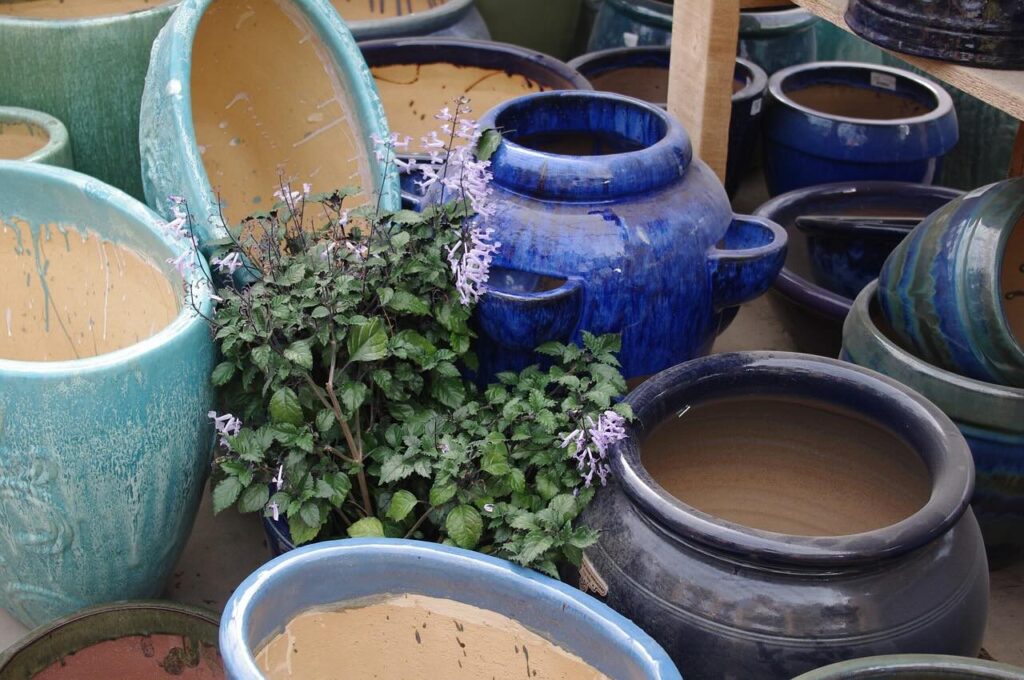
Glazed ceramic pots are basically terracotta’s posh cousin who went to finishing school. They’ve the same classic look but with a waterproof coating that prevents moisture from escaping through the sides, resulting in greater water retention and less manual watering. I’ve used these extensively in my BBC Garden Rescue projects because they photograph beautifully and actually perform well.
The glaze comes in every colour under the sun, from subtle duck egg blues to vibrant cobalt that’ll make your cottage garden plants pop. What makes them properly bombproof for UK gardens is that quality ones are fired at extremely high temperatures, making them genuinely frost-proof to minus 20 degrees. That’s colder than it ever gets in Manchester, trust me.
You can find excellent glazed ceramic planters on Amazon UK with prices ranging from around £12 for smaller 20cm pots up to £100+ for larger statement pieces. Many come with drainage holes pre-drilled, which is crucial because even though glazed pots hold moisture better, you still need somewhere for excess water to escape. I always look for pots specifically marked as frost-resistant for UK use, as not all glazed ceramics can handle our winter weather.
The larger glazed garden pots on Amazon typically start around £20 and go up depending on size and design. The quality varies, so I always check reviews from UK buyers who’ve had them through at least one winter. Look for comments about frost resistance and whether the glaze has held up.
GLAZED CERAMIC POTS
Benefits
Drawbacks
Excellent water retention means less frequent watering, particularly important in summer
Frost-proof when quality rated to minus 20°C, perfect for UK winters
Stunning colour options from subtle to vibrant, far more variety than terracotta
Long-lasting with proper care, decades of use from one pot
More durable than terracotta won’t chip as easily from minor knocks
Very heavy when filled, difficult to move once positioned
More expensive than terracotta, £12-£100+ depending on size
Can crack if dropped despite being tougher than unglazed clay
Quality varies massively cheaper versions may not be truly frost-proof
Still porous underneath the glaze, so can absorb moisture through unglazed bases
The only real downside is weight. A large glazed pot full of compost weighs an absolute ton, so once you’ve positioned it, that’s pretty much where it’s staying. I always recommend using pot feet underneath to improve drainage and air circulation, which helps prevent that damp, creeping cold that can cause issues in winter.
You’ll pay more than basic terracotta, but they’ll last for decades if you look after them.
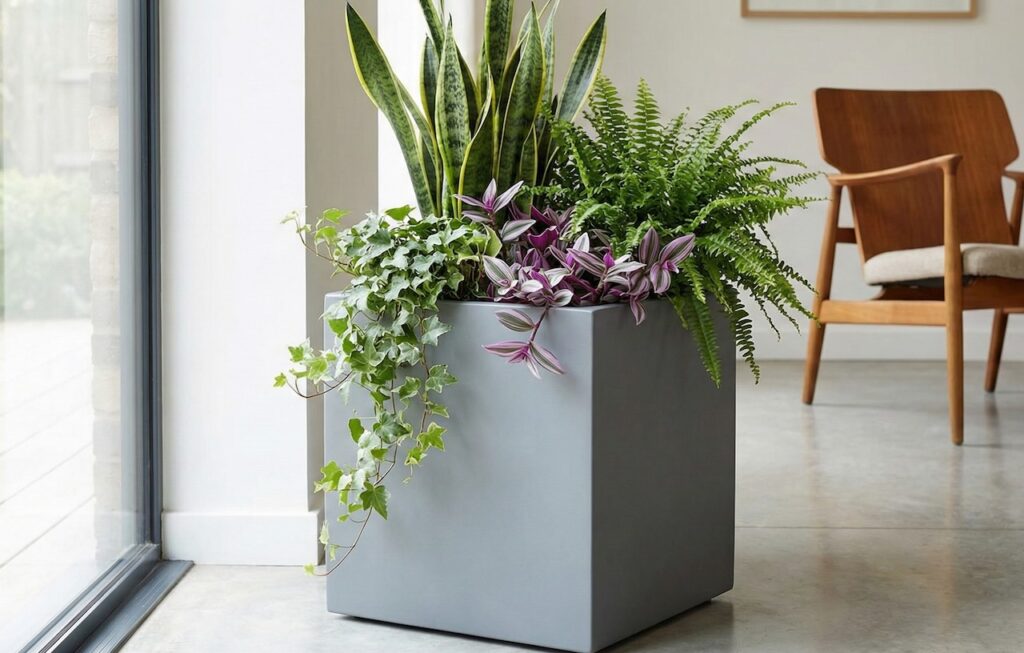
Here’s where things get interesting. Resin and composite pots combine various materials like resin, fibreglass, and stone powder to create containers that look like traditional clay, stone, or concrete but weigh about a third as much.
The result is pots that feel substantial but are light enough to move around your garden without doing your back in. I’ve used these for roof gardens and balconies where weight is absolutely critical.
What impressed me most when I first tried resin pots was how tough they actually are. Modern manufacturing creates something that’s weather-resistant, UV stable, and frost-proof, making them perfect for UK gardens. They naturally develop a lovely weathered look over time without actually deteriorating, which is exactly what you want.
Amazon’s resin planter selection offers tremendous variety, from sleek modern designs to ones that perfectly mimic aged stone or terracotta. Prices typically run £15 to £100 depending on size, which puts them somewhere between basic terracotta and premium ceramics. The composite planters tend to be at the higher end but offer excellent durability.
For really authentic-looking alternatives, check out the composite planters on Amazon UK. These often combine cement, fibreglass, and resin for that genuine stone or concrete appearance without the ridiculous weight. I’ve seen some that are absolutely stunning, with textured finishes that would fool anyone into thinking they’re proper stone.
RESIN AND COMPOSITE POTS
Benefits
Drawbacks
Incredibly lightweight about a third the weight of stone or ceramic, easy to move
Perfect for balconies and roofs where weight restrictions apply
Realistic appearance modern versions look genuinely like stone or aged terracotta
Weather and UV resistant won’t fade or deteriorate in British weather
Frost-proof quality ones handle UK winters without cracking
Good value mid-range pricing for excellent longevity
Can be top-heavy lighter base means tall pots need careful positioning in wind
Quality varies enormously cheap versions look obviously plastic and won’t last
Some crack in extreme cold if not specifically rated for UK outdoor use
Can fade over time if not UV-stabilised properly
Not breathable unlike clay, so drainage becomes even more critical
The main thing to remember with resin pots is to check they’re specifically rated as frost-resistant for outdoor UK use. Some cheaper versions are really designed for warmer climates and won’t stand up to a proper British winter. Also, because they’re lighter, tall pots can be top-heavy when planted with trees or large shrubs, so I always position them where wind won’t be an issue. Look for thick-walled designs rather than thin plastic-y feeling ones.
Metal planters have had a massive resurgence, and I’m absolutely here for it. Galvanised steel and zinc pots bring that industrial aesthetic that works brilliantly in both contemporary and traditional gardens. The galvanisation process bonds a protective zinc layer to steel, making these pots incredibly corrosion-resistant and properly durable.
What I love about metal planters is their versatility. That soft grey finish acts as a neutral backdrop that makes your plants the absolute stars of the show. As they weather naturally over time, developing a rustic patina, they actually look better, not worse. Bob’s your uncle.
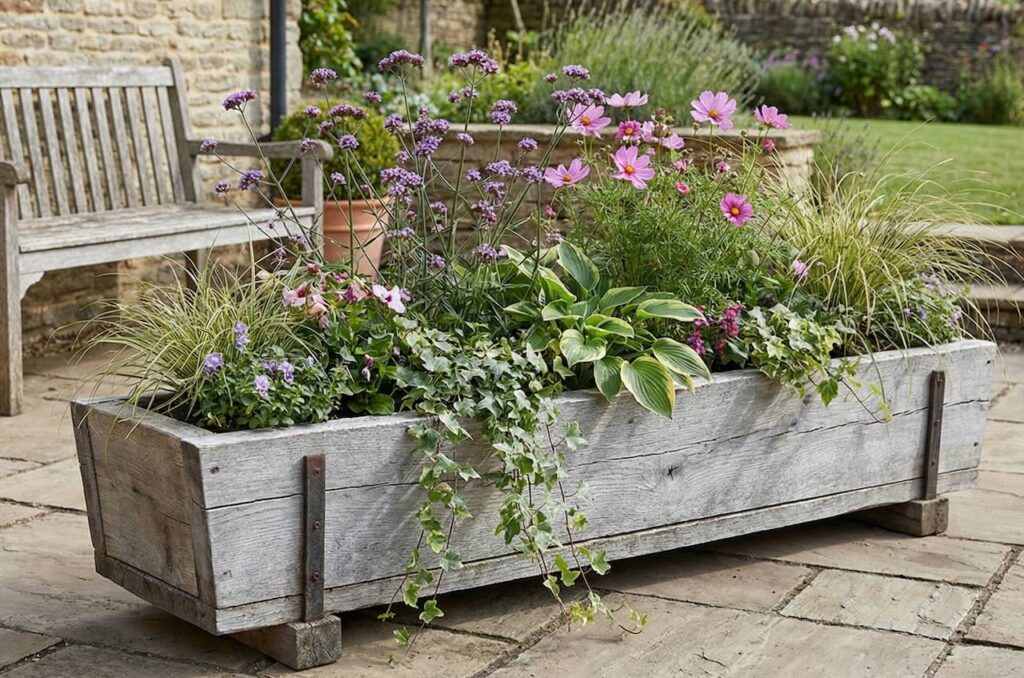
You can find brilliant galvanised planters on Amazon UK, starting around £15 for smaller pots, up to £80+ for substantial troughs. The variety is excellent, from vintage-inspired dolly tub styles to sleek modern designs. I particularly rate the aged zinc finishes that come with that weathered look already built in which work realy well with cottage garden designs like the one below!
For something with real character, consider the zinc planter options, which often feature traditional designs such as ribbed sides or embossed patterns. These work beautifully in cottage gardens or for that industrial look that’s incredibly popular right now. Prices are very reasonable, typically £20 to £70 for quality pieces that’ll last for years.
One specific product worth mentioning is the aged zinc oval trough planters available on Amazon, which are perfect for window boxes or herb gardens. They’re lightweight enough to move around but substantial enough to look the business.
GALVANISED METAL AND ZINC POTS
Benefits
Drawbacks
Extremely durable properly galvanised pots last 10 to 20 years easily
Lightweight much easier to move than ceramic or stone
Develops beautiful patina actually looks better as it ages naturally
Versatile aesthetic works in both traditional and contemporary gardens
Neutral colour soft grey makes plants the star of the show
Good value reasonable prices for excellent longevity
Can overheat in sun metal conducts heat, potentially damaging roots without a liner
Can rust if scratched damaging the zinc coating exposes steel underneath
Moisture underneath causes issues must be raised on feet to prevent corrosion
Not ideal for acid-lovers metal can leach into soil affecting some plants
Just remember that metal can heat up significantly in direct summer sun, so I always recommend using a liner inside to insulate plant roots and prevent the soil from getting too warm. Cut up compost bags work perfectly, or you can buy proper liners. Also, always drill drainage holes if they’re not pre-installed, and consider raising metal pots off the ground with feet or bricks. T
his prevents moisture accumulation underneath that can lead to corrosion where the metal meets damp surfaces. Metal planters typically last 10 to 20 years with proper care, making them an excellent valuechoice.
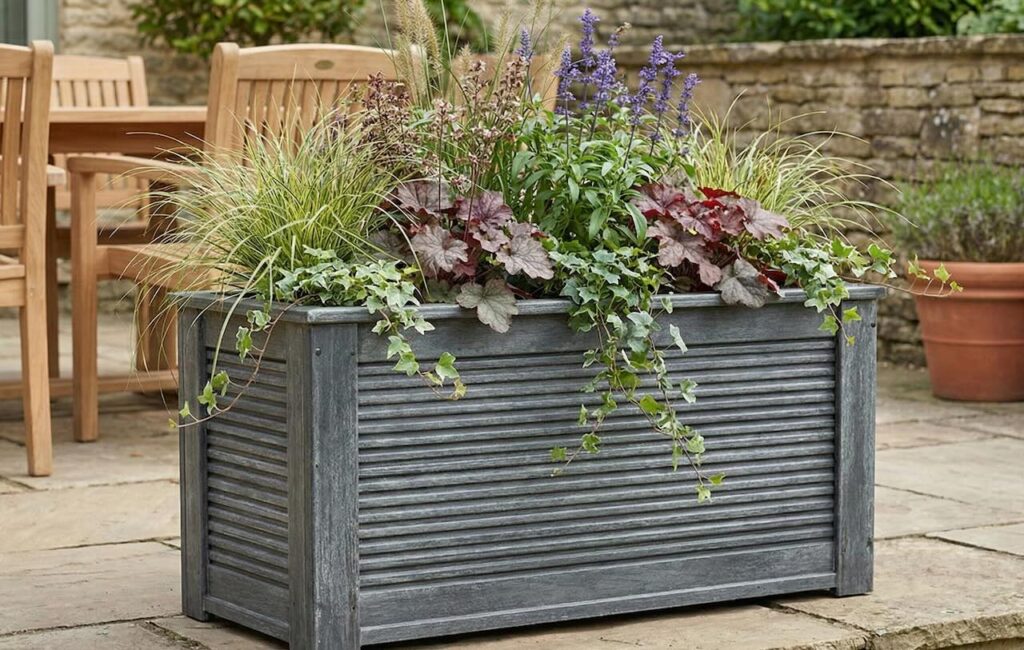
Timber planters are my go-to recommendation for anyone wanting to add height and structure to their garden whilst maintaining a natural aesthetic. Quality wooden planters made from cedar, oak, or pressure-treated softwood offer outstanding durability when properly maintained, and they provide excellent insulation for plant roots against both heat and cold.
What sets wooden planters apart is their breathability. The timber allows air circulation whilst still retaining moisture effectively, creating an ideal environment for root development. They’re also remarkably versatile in terms of design, from simple square planters to elaborate tiered arrangements.
Amazon’s selection of wooden planters is extensive, with prices ranging from around £25 for basic square planters to £150+ for large raised beds. Many come with 15-year anti-rot guarantees if they’re pressure-treated, which is precisely what you want for UK weather. The RUDDINGS WOOD and Charles Taylor brands consistently get good reviews from British gardeners.
For larger options, the wooden garden planters category on Amazon includes everything from compact herb planters to substantial raised beds. I always look for ones made from FSC-certified timber, which tells you the wood comes from responsibly managed forests. Prices for quality pieces typically range from £40 to £120, depending on size and features such as wheels or integrated trellises.
The larger wooden plantersare excellent value if you want to create a serious impact rather than smaller pots, which can often look lost in garden design terms. These usually hold 100+ litres of compost and can accommodate small trees or substantial shrub plantings. Many come flat-packed for easier delivery, which also keeps costs down.
WOODEN PLANTERS
Benefits
Drawbacks
Excellent insulation protects roots from both heat and cold extremes
Naturally breathable allows air circulation whilst retaining moisture effectively
Creates height and structure perfect for tiered displays and raised beds
Natural aesthetic blends beautifully into any garden style
Versatile designs from simple squares to complex custom shapes
Long-lasting if maintained quality timber with 15-year guarantees available
Sustainable options FSC-certified timber from responsible sources
Requires maintenance needs lining and annual treatment for maximum life
Can rot without care contact with wet soil accelerates deterioration
Must be raised off ground sitting in puddles is the kiss of death for timber
Heavier than resin though lighter than stone or filled ceramic
Quality varies enormously cheap softwood won’t last like cedar or treated timber
Flat-pack assembly some require DIY construction
The primary consideration with wooden planters is maintenance. I always recommend using a liner (a heavy-duty plastic or pond liner works brilliantly) to create a barrier between the timber and the wet compost. This dramatically extends the planter’s life by reducing rot, but ensures the bottom has drainage holes too!
Raising wooden planters off the ground with feet improves drainage and prevents the base from sitting in puddles, which is the kiss of death for timber.
Look for pressure-treated softwood if you want longevity without high maintenance, or cedar if you prefer that natural rot-resistance and beautiful colour. Most wooden planters on Amazon include porous lining and drainage, which is essential. The ones with slatted bases are perfect, as they naturally allow excellent drainage.
Growing in pots and containers is one of those beginner gardening skills that builds your confidence and gets you hooked on growing your own. Once you’ve mastered the basics covered in this guide, you’ll find yourself expanding your garden and probably boring your friends with tales of your pots!
If you want to really get to grips with garden design and create an amazing garden, my Garden Design for Beginners online course covers everything from planning beds to plant selection. Prices start from £29, and I’ll show you exactly how to design gardens that are both gorgeous and productive, just like the award-winning designs I create on BBC Garden Rescue. You can find out more about my online garden design courses here.
29
Garden Design Examples for Small Gardens: 30 Design Templates & Planting Plans
Garden Design Examples for Small Gardens: 30 Design Templates & Planting Plans: In this online gardening course, I’ll walk you through 30 fantastic garden designs, explaining the logic behind the layout, the plant choices, and take-home tips for applying them in your own garden.
Weekend Garden Makeover: A Crash Course in Design for Beginners
Learn how to transform and design your own garden with Lee Burkhills crash course in garden design. Over 5 hours Lee will teach you how to design your own dream garden. Featuring practical design examples, planting ideas and video guides. Learn how to design your garden in one weekend!
Garden Design for Beginners: Create Your Dream Garden in Just 4 Weeks
Garden Design for Beginners Online Course: If you want to make the career jump to becoming a garden designer or to learn how to design your own garden, this is the beginner course for you. Join me, Lee Burkhill, an award-winning garden designer, as I train you in the art of beautiful garden design.
The honest truth is that there’s no single best alternative to terracotta because it depends entirely on your specific situation. If you’re constantly battling dry soil and struggling to keep plants watered, glazed ceramic pots will transform your gardening experience. For roof gardens or any application where weight matters, resin composites are your answer. Metal pots bring that contemporary edge whilst being practically indestructible, and wooden planters offer unmatched versatility for creating bespoke garden features.
I tend to use a mix across my own garden and in my design work. Glazed pots for shade-loving plants that appreciate consistent moisture; resin composites for architectural specimens that want that stone look without the weight; metal planters for herbs and Mediterranean plants that can handle the extra warmth; and wooden planters for permanent features and raised beds.
Whatever you choose, make sure it has adequate drainage, invest in quality pot feet to improve air circulation underneath, and always use proper potting compost rather than garden soil. The right container is just as important as the right plant, and these alternatives will serve you far better than constantly replacing broken terracotta.
I’ve learned through decades of trial and error that spending a bit more upfront on quality planters saves you money in the long run. A £60 composite planter that lasts 15 years is a better value than replacing £15 terracotta pots every couple of years.
Now get out there and create something special. Your plants deserve better than smashed terracotta, and frankly, so do you.
Trust me on this one, Ninjas. Sometimes the traditional wisdom needs questioning, and bulb lasagnes are definitely one of those times.
Lee Burkhill, known as the Garden Ninja, is an award-winning garden designer and horticulturist with over 30 years of gardening experience and 15 years as a professional garden designer. A qualified RHS (Royal Horticultural Society) professional, Lee specialises in sustainable garden design and practical horticultural advice. He designs and presents on BBC1’s Garden Rescue and in leading gardening publications. Lee combines three decades of hands-on gardening knowledge with professional design qualifications to help gardeners create beautiful, functional outdoor spaces.