What Are Poinsettias and How to Care for Them: The Complete Guide
Lee Burkhill: Award Winning Designer & BBC 1's Garden Rescue Presenters Official Blog
Beginner level
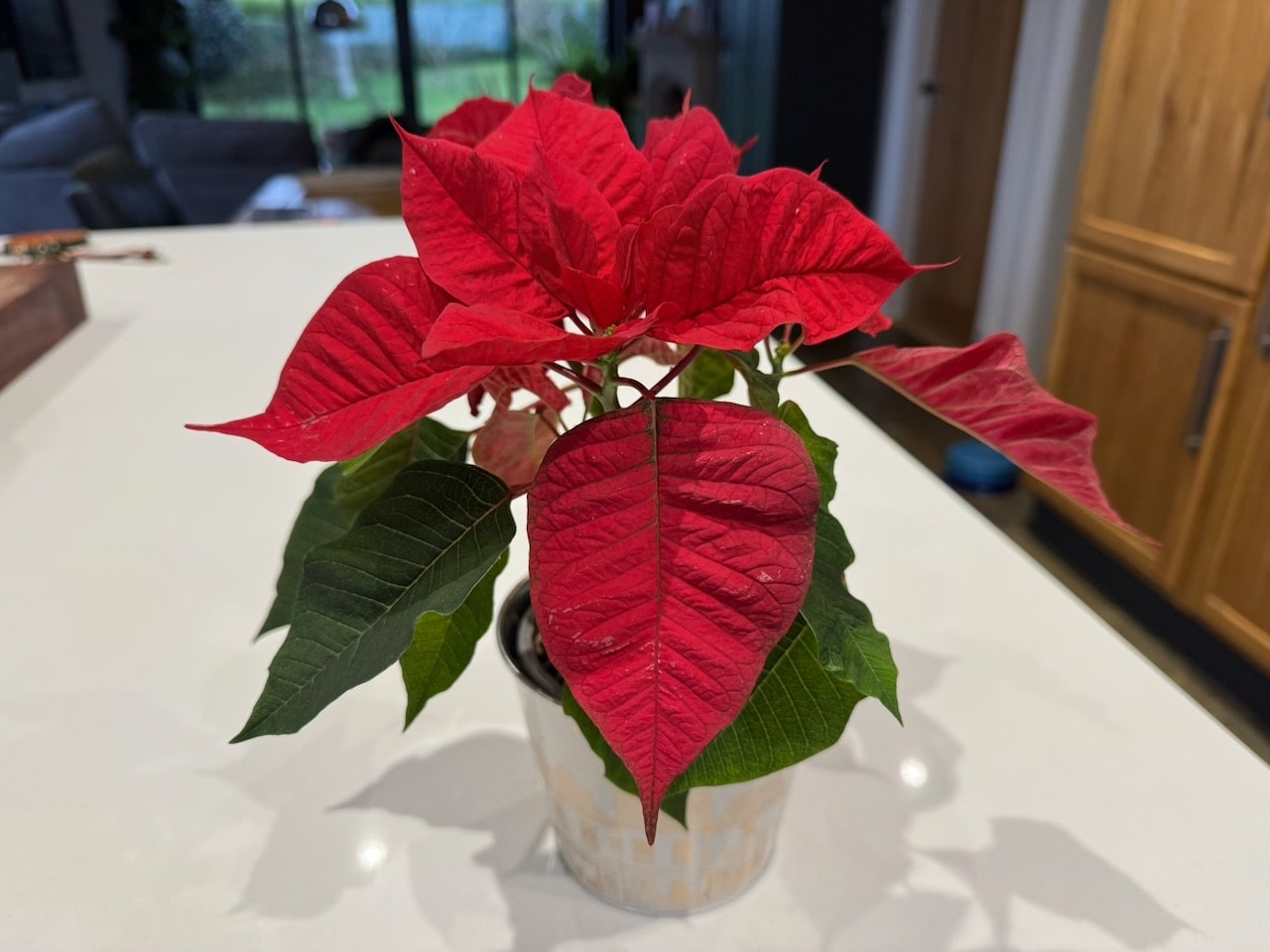
Poinsettias (Euphorbia pulcherrima) are the UK's most popular Christmas houseplant, with their distinctive red bracts adding seasonal cheer to millions of homes each December. But despite their popularity, most end up in the bin within weeks, victims of overwatering, cold damage or simple neglect. This guide will show you how to keep them alive and save them from the compost bin!
Poinsettias are everywhere at Christmas, their vibrant red bracts brightening up garden centres, supermarkets and homes across the UK. But these festive favourites have a reputation for being tricky to keep alive, often ending up in the bin come January. The truth is, with a bit of knowledge about what poinsettias actually are and how to care for them properly, you can keep these stunning plants thriving well beyond the festive season and even get them to flower again next year.
Whilst I love Poinsettias here at Garden Ninja HQ, I do hate seeing so many of them in bins and rubbish tips after Christmas finishes. More importantly, learning to care for poinsettias rather than treating them as disposable decorations makes environmental sense. The carbon footprint of mass-producing, shipping, and disposing of millions of these plants annually is significant.
Even if you can’t get yours to reflower, composting your poinsettia instead of binning it returns valuable organic matter to your garden and reduces waste to landfill.
Poinsettia Care at a Glance
Temperature: Keep between 15°C and 22°C, away from draughts and radiators
Watering: Only water when the top 2cm of compost feels dry, then drain thoroughly
Light: Bright, indirect light near an east or west-facing window
Location: Avoid cold windows, draughty doors and anywhere below 12°C
Feeding: Monthly balanced liquid fertiliser at half strength from spring to autumn
Those “petals”: Actually modified leaves called bracts, not true flowers
Lifespan: Can live for years with proper care, not just a disposable decoration
Poinsettias (Euphorbia pulcherrima) are tropical shrubs native to Mexico and Central America, where they can grow into substantial bushes reaching up to 3 metres tall. In their natural habitat, they flourish in warm, humid conditions with consistent temperatures and dappled sunlight filtering through forest canopies.
The Aztecs called them “cuetlaxochitl” and valued them for both their beauty and practical uses. They extracted a reddish dye from the bracts for textiles and used the plant’s milky sap to treat fevers. The poinsettia’s association with Christmas came much later, rooted in a Mexican legend about a young girl who offered humble weeds to the church altar on Christmas Eve.
The plant got its English name from Joel Roberts Poinsett, the first US ambassador to Mexico, who introduced it to America in the 1820s. Since then, careful breeding has created the compact houseplant varieties we recognise today, available in red, white, pink, cream and even speckled patterns.
Those Aren’t Actually Petals
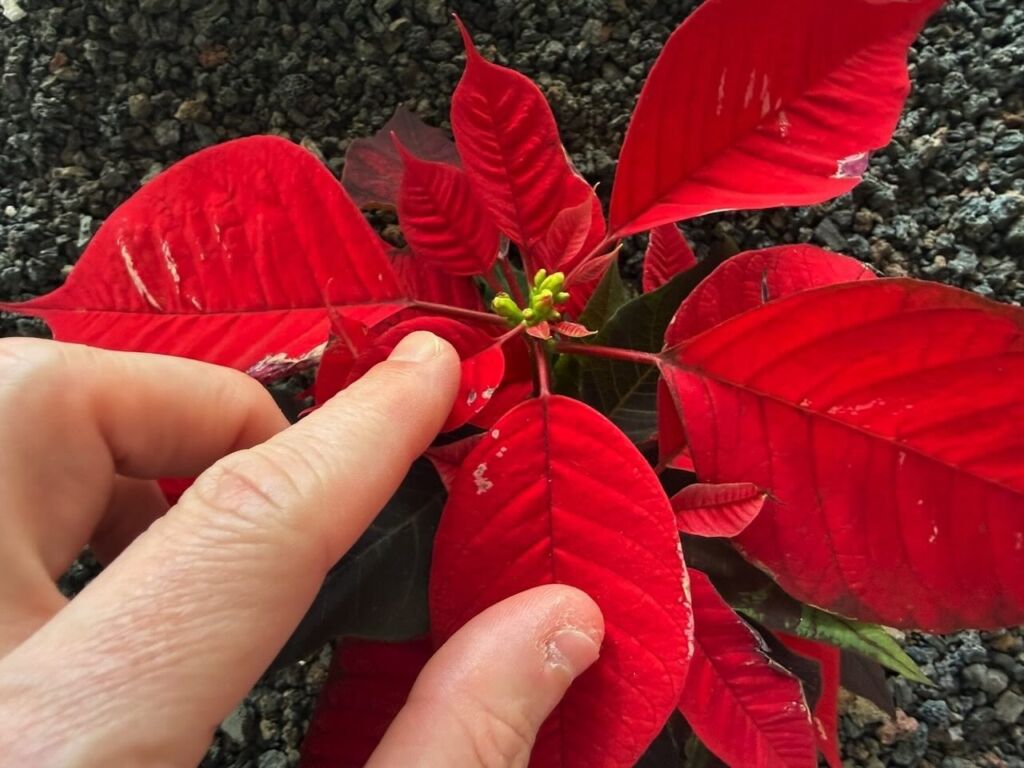
Here’s something that surprises most people: those stunning red “petals” everyone loves aren’t flowers at all. They’re modified leaves called bracts that change colour to attract pollinators to the tiny, relatively insignificant yellow flowers clustered in the centre. These actual flowers are called cyathia and look like small yellow beads.
The bracts start out green and only develop their festive colours when the plant experiences specific light conditions, which I’ll explain later when we cover reflowering. This clever adaptation helps the plant stand out in its native habitat, where competition for pollinator attention is fierce. The bracts can maintain their colour for several months, far longer than traditional flower petals, which is partly why poinsettias make such popular seasonal plants.
Understanding this distinction is crucial for proper care because it changes how we think about the plant’s lifecycle. You’re not trying to keep flowers alive; you’re maintaining a tropical shrub with colourful foliage.
Why Are Poinsettias Red?
The red colour in poinsettia bracts comes from anthocyanins, the same pigments responsible for red and purple hues in many plants, from autumn leaves to red cabbage. These pigments develop in response to specific environmental triggers, particularly changes in daylight hours.
In their native Mexican habitat, poinsettias naturally turn red during winter when days become shorter. This photoperiod response is incredibly precise: the plants require at least 12 to 14 hours of complete darkness each night for several weeks to trigger the colour change in their bracts.
Even brief exposure to artificial light during this dark period can interrupt the process.
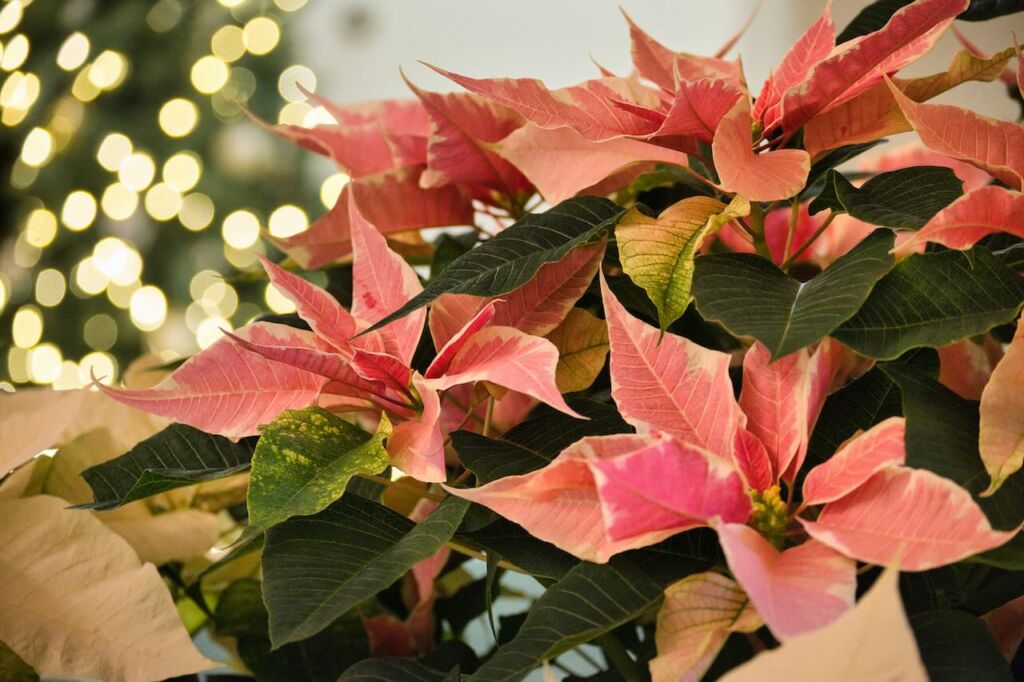
Modern breeding has created varieties in other colours. White poinsettias lack anthocyanins altogether, while pink varieties have lower concentrations. Some newer cultivars feature bracts with multiple colours or patterns, created through careful selective breeding rather than genetic modification.
Essential Poinsettia Care: Keeping Them Alive
Poinsettias have earned their reputation for being temperamental, but they’re actually responding predictably to conditions that don’t match their tropical origins. Here’s how to keep yours thriving:
i) Temperature and Location
Poinsettias are incredibly sensitive to cold and temperature fluctuations, needing consistent warmth between 15°C and 22°C. Avoid placing them near radiators, where hot, dry air can cause leaf drop, or near cold windows and draughty doorways. Even a brief exposure to temperatures below 12°C can cause permanent damage. When buying poinsettias, protect them from cold during transport home; a few minutes in a freezing car boot can spell disaster.
ii) Watering Requirements
The most common mistake is overwatering. Poinsettias hate sitting in waterlogged compost, which quickly leads to root rot. Water only when the top couple of centimetres of compost feels dry to the touch. When you do water, give the plant a thorough drink and then allow excess water to drain completely away. Never leave poinsettias sitting in saucers of water.
During active growth, this might mean watering every few days. In cooler conditions or once the bracts have faded, reduce watering frequency. Underwatering is easier to recover from than overwatering; drooping leaves from dryness usually perk up after watering, but soggy, yellowing leaves from overwatering indicate more serious damage.
iii) Light Needs
Poinsettias need bright, indirect light to maintain their bract colour and overall health. A spot near an east or west-facing window works brilliantly, giving them gentle morning or afternoon sun without intense midday heat. Avoid deep shade, which causes leaf drop and weak growth, but also protect them from harsh, direct summer sun if you’re keeping them long term.
iv) Feeding
Once you’re past the festive season and into spring, feed your poinsettia monthly with a balanced liquid fertiliser diluted to half strength. This supports new growth as days lengthen. Stop feeding during autumn when you want to trigger the reflowering process.
The Environmental Case for Keeping Them Alive
The Christmas poinsettia trade is massive. In the UK alone, millions of these plants are sold each year, with most ending up as green waste within weeks. The environmental cost of this disposable culture is substantial. Growing poinsettias commercially requires heated greenhouses, plastic pots, peat based compost, pesticides and fungicides. Then there’s the carbon emissions from transporting them, often internationally.
By keeping your poinsettia alive and healthy beyond Christmas, you’re reducing demand for new plants and avoiding the waste associated with disposal. Even if you can’t successfully get yours to reflower (and it does take dedication), composting the plant material returns nutrients to your garden rather than sending it to landfill where it produces methane as it breaks down.
If you’re genuinely not interested in the challenge of reflowering, at minimum remove the plant from its plastic pot before composting. The foliage and stems will break down beautifully in a compost bin, adding valuable green material to your heap. The milky sap is perfectly safe in compost.
How to Get Your Poinsettia to Reflower
Getting poinsettias to produce coloured bracts again requires replicating their natural Mexican winter conditions. It’s not difficult, but it does require consistency and planning ahead.
A) Spring and Summer Care
After the bracts fade, usually by late February or March, cut the plant back by about half to encourage bushy growth. Continue watering when the compost dries out and feed monthly. In late spring, once all frost risk has passed, you can move your poinsettia outside to a sheltered, partially shaded spot. This summer holiday encourages robust growth.
Repot in late spring if the plant has become rootbound, using peat free, multipurpose compost. You might need to pot up one size, but poinsettias actually flower better when slightly pot bound, so don’t go too large.
B)The Crucial Autumn Light Treatment
Here’s where timing becomes critical. Starting in late September or early October, your poinsettia needs complete darkness for 12 to 14 hours every night for approximately 8 to 10 weeks. This means placing it in a dark cupboard, covering it with a lightproof box, or moving it to a room where you can guarantee no light intrusion whatsoever. Even streetlight or passing car headlights can interrupt the process.
During the day, return the plant to bright, indirect light and maintain normal watering and temperature. Stop feeding entirely during this period.
By early December, you should start seeing the bracts changing colour. Once colour appears, you can stop the darkness routine and enjoy your reflowered poinsettia.
Learn More About Garden Design
Want to create your own stunning garden? My online garden design courses take you from complete beginner to confident designer, teaching you everything from planning and plant selection to creating professional drawings.
With decades of experience and thousands of successful students, I’ll show you how to design gardens that look amazing and work with nature.
Courses start from just £29, with lifetime access so you can learn at your own pace. Whether you’re redesigning your own plot or want to start a career in garden design, I’ve got a course for you.
Garden Design Examples for Small Gardens: 30 Design Templates & Planting Plans
Garden Design Examples for Small Gardens: 30 Design Templates & Planting Plans: In this online gardening course, I’ll walk you through 30 fantastic garden designs, explaining the logic behind the layout, the plant choices, and take-home tips for applying them in your own garden.
Weekend Garden Makeover: A Crash Course in Design for Beginners
Learn how to transform and design your own garden with Lee Burkhills crash course in garden design. Over 5 hours Lee will teach you how to design your own dream garden. Featuring practical design examples, planting ideas and video guides. Learn how to design your garden in one weekend!
Garden Design for Beginners: Create Your Dream Garden in Just 4 Weeks
Garden Design for Beginners Online Course: If you want to make the career jump to becoming a garden designer or to learn how to design your own garden, this is the beginner course for you. Join me, Lee Burkhill, an award-winning garden designer, as I train you in the art of beautiful garden design.
Poinsettias are far more than temporary Christmas decorations. These fascinating tropical plants have been cultivated for centuries and can provide colour and interest year after year with proper care. Understanding their origins, their unique bract structure and their specific needs transforms them from disposable festive décor into rewarding houseplants.
Whether you commit to the full reflowering process or keep yours alive a few months longer than usual, you’re making a more sustainable choice. In a world where we’re increasingly aware of our environmental impact, even small actions, such as composting rather than discarding a poinsettia, help reduce waste and carbon emissions.
Give your poinsettia the care it deserves this festive season. You might be surprised at how rewarding it is to see those bracts colour up again next Christmas, knowing you’ve bucked the disposable plant culture and kept something beautiful thriving through your own efforts.
Lee Burkhill, known as the Garden Ninja, is an award-winning garden designer and horticulturist with over 30 years of gardening experience and 15 years as a professional garden designer. A qualified RHS (Royal Horticultural Society) professional, Lee specialises in sustainable garden design and practical horticultural advice. He designs and presents on BBC1’s Garden Rescue and in leading gardening publications. Lee combines three decades of hands-on gardening knowledge with professional design qualifications to help gardeners create beautiful, functional outdoor spaces.